
Origins and Architectural Significance
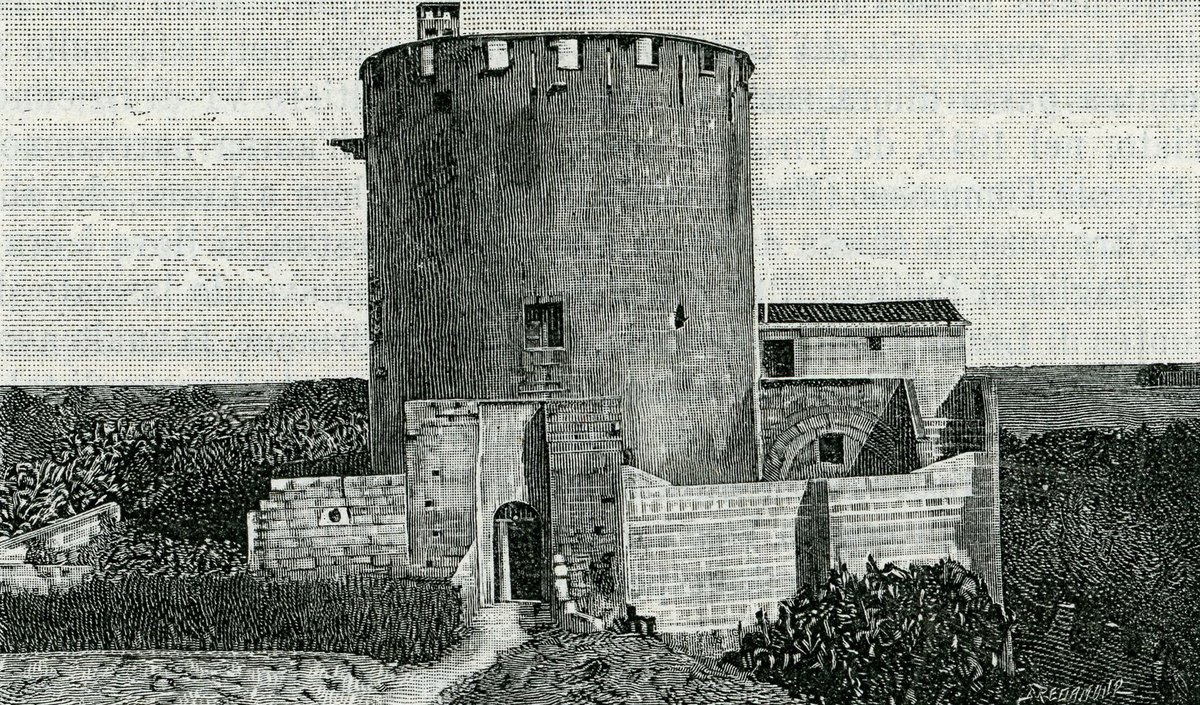
The Torre di Belloluogo, built in the early 14th century in the Angevin style, stands as a testament to medieval architecture in Salento. Its circular form and surrounding moat, filled with water from local karst aquifers, highlight its defensive purpose (The Monuments People).
Maria d’Enghien - The Contessa di Lecce
Maria d’Enghien, a notable historical figure, resided in the Torre di Belloluogo during the 15th century. Initially the Countess of Lecce and later Queen of Naples, her life was marked by political and personal upheavals, including imprisonment by her sister-in-law before she could return to Terra d’Otranto (The Monuments People).
The Tower's Role in Medieval Lecce
The Torre di Belloluogo served as both a residence and a strategic defensive structure. Located a few hundred meters from Lecce’s historic center, it was crucial for monitoring and defense. The tower’s robust construction and surrounding moat provided formidable protection, while a private chapel adorned with late 14th-century frescoes highlighted its residential functions (The Monuments People).
Artistic and Cultural Contributions
Maria d’Enghien was also a patron of the arts. The private chapel she commissioned within the Torre di Belloluogo contains frescoes depicting scenes from the life of Saint Mary Magdalene, reflecting the religious and cultural milieu of the Angevin court (The Monuments People).
Visitor Information
- Visiting Hours - The Torre di Belloluogo is open to visitors from Tuesday to Sunday, 10 AM to 6 PM. It is closed on Mondays and public holidays.
- Tickets - General admission tickets are €5 for adults, €3 for students and seniors, and free for children under 12. Guided tours can be booked in advance for an additional fee.
- Travel Tips - The best time to visit is during spring and autumn when the weather is pleasant. Wear comfortable shoes as the terrain can be uneven.
Nearby Attractions
While in Lecce, explore other historical sites such as the Basilica di Santa Croce, Piazza del Duomo, and the Roman Amphitheater. These sites offer a deeper understanding of Lecce’s rich history.
Accessibility
The Torre di Belloluogo is partially accessible to visitors with disabilities. The ground level and the surrounding park are accessible, but the upper levels may pose challenges due to the medieval structure's design.
Special Events and Guided Tours
The Torre di Belloluogo hosts special events throughout the year, including historical reenactments and art exhibitions. Guided tours, available in multiple languages, provide in-depth insights into the tower’s history and significance.
Photographic Spots
For the best photographs, visit the tower during the golden hours of sunrise or sunset. The moat and the chapel’s frescoes offer stunning backdrops for photography enthusiasts.
The Decline and Preservation Efforts
Over the centuries, the Torre di Belloluogo experienced neglect and deterioration. Recent preservation initiatives have focused on maintaining the tower’s structural integrity and conserving the valuable frescoes within the chapel (The Monuments People).
FAQ
-
What are the visiting hours for Torre di Belloluogo?
- The tower is open from Tuesday to Sunday, 10 AM to 6 PM.
-
How much do tickets cost?
- General admission is €5 for adults, €3 for students and seniors, and free for children under 12.
-
Are guided tours available?
- Yes, guided tours can be booked in advance for an additional fee.
-
Is Torre di Belloluogo accessible to visitors with disabilities?
- The ground level and surrounding park are accessible, but the upper levels may pose challenges.
Discover More
Download the Audiala mobile app for more insights and updates on historical sites. Check out our other related posts and follow us on social media for the latest news and events.