


Origins and Early Construction
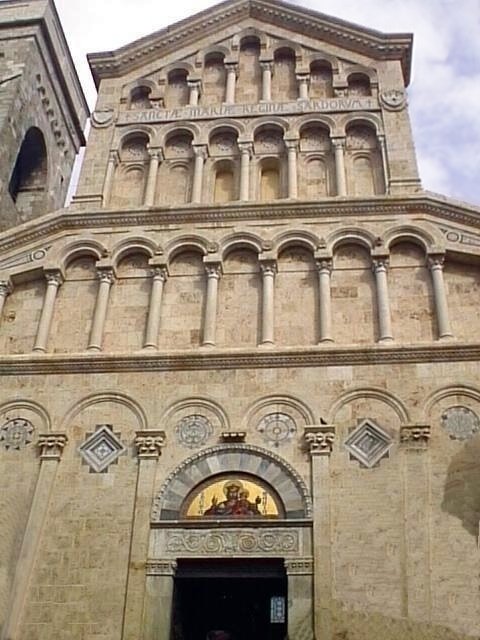
Cagliari Cathedral was built in the 13th century during Pisan rule, serving as the ecclesiastical heart of the fortified Castello district. Its earliest form, inspired by the Romanesque style of Pisa and Tuscany, featured a Latin cross plan, a nave with side aisles, and a semicircular apse. The use of local limestone and fortress-like aesthetics signaled both spiritual and political might (Strictly Sardinia; Estate in Sardegna).
Architectural Evolution
- Gothic Additions In the 14th and 15th centuries, Aragonese influence introduced Gothic elements such as pointed arches and ribbed vaults, harmonizing with the original Romanesque structure (ThoughtCo).
- Baroque Transformation The 17th and 18th centuries brought Baroque renovations, notably a marble façade (1704) with dynamic lines and elaborate ornamentation. Interior chapels were richly embellished with frescoes and stuccoes (Strictly Sardinia).
- Neo-Romanesque Restoration In 1931, the cathedral’s façade was replaced with a Neo-Romanesque design, reviving medieval motifs and echoing the grandeur of Pisa Cathedral (Strictly Sardinia; Wikipedia).
Interior Features and Artistic Heritage
Inside, the cathedral boasts a harmonious blend of styles. You’ll find sturdy Romanesque columns, Baroque altar pieces, and striking marble floors with geometric designs. The Sanctuary of the Martyrs beneath the main altar is a focal point, housing relics of 179 early Christian martyrs and tombs of the House of Savoy (Estate in Sardegna). The cathedral also showcases:
- The Ambo of Guglielmo A pair of sculpted pulpits from Pisa Cathedral, symbolizing ecclesiastical authority (Tony Lusvardi, S.J.).
- Artworks A 15th-century Flemish triptych, ceiling paintings, and depictions of Sardinia’s patron saints.
- Chapels Notably, the Chapel of the Holy Sacrament with intricate stuccoes and gilded details.
Visitor Information
Opening Hours
- Monday–Saturday 9:00 AM – 6:00 PM
- Sunday & Holidays 10:00 AM – 7:00 PM
- Seasonal Variations In summer, hours may be extended; in winter, the cathedral may close earlier (usually by 6:00 PM). Hours can change on feast days and during special ceremonies (Voyage Tips).
Tickets and Entry
- Cathedral Entry Free (donations welcomed).
- Cathedral Museum €5, closed Mondays; summer opening 10:00 AM–9:00 PM, winter until 6:00 PM.
- Crypt and Special Exhibitions May require a small additional fee.
Guided Tours & Accessibility
- Guided Tours Available for approximately €10 per person, including audio guides in multiple languages. Recommended for deeper understanding of art and history.
- Accessibility The cathedral is accessible via ramps and a public lift from Giardino sotto le Mura to Bastione di Santa Caterina. Internal ramps and accessible restrooms are available, though the bell tower is not suitable for those with mobility challenges.
Getting There & Nearby Attractions
- Location Piazza Palazzo, Castello District.
- Transport Reachable on foot from the city center, or via public transport and a lift for easier access (Cestee).
- Nearby Palazzo Regio, Torre dell’Elefante, National Archaeological Museum, and the Basilica of San Saturnino.
Cultural and Religious Significance
Cagliari Cathedral is the seat of the Archbishop and the epicenter of major liturgical events such as Easter, Christmas, and the famous Sant’Efisio festival. The cathedral’s Sanctuary of the Martyrs and annual processions are central to Sardinia’s enduring Catholic traditions (Sardinia Bella; Live the World).
Beyond religious functions, the cathedral also hosts concerts and civic events, reinforcing its role as a cultural and social hub (Go Ask a Local).
Notable Historical Events
- Medieval Coronations and royal ceremonies under the Aragonese and Spanish crowns.
- 20th-century Restorations that highlighted its role as a cornerstone of Sardinian heritage (Estate in Sardegna).
- Papal Recognition Celebrated by Pope Benedict XVI for Sardinia’s steadfast faith (Tony Lusvardi, S.J.).
The Cathedral in the Urban Landscape
Rising 32 meters above the Castello district, the cathedral dominates Cagliari’s skyline. Its impressive cupola and bell tower are visible from afar, while the plaza in front offers panoramic city and sea views. The surrounding medieval streets, palaces, and museums make this area the cultural heart of Cagliari (Wanderlog).
Visitor Tips
- Dress Code Shoulders and knees should be covered, especially during religious services.
- Photography Allowed (no flash); always check for restrictions during events.
- Peak Times Visit during spring or autumn for pleasant weather and fewer crowds.
- Restrooms Available in the area; check with staff for locations.
- Shops & Cafés Explore Castello’s cafés and artisan shops for refreshments and souvenirs (Holidaymaker.ai).
- Safety The area is safe, but keep an eye on belongings.
Frequently Asked Questions (FAQ)
Q: Are there entrance fees for Cagliari Cathedral?
A: Entry is free. The Cathedral Museum charges around €5.
Q: What are the opening hours?
A: Usually 9:00 AM–6:00 PM (Mon–Sat), 10:00 AM–7:00 PM (Sun). Check locally for seasonal changes.
Q: Is the cathedral accessible for visitors with mobility issues?
A: Yes, via ramps and a public lift. The bell tower is not accessible for wheelchairs.
Q: Are guided tours available?
A: Yes, for a fee; audio guides are offered in multiple languages.
Q: What are nearby attractions?
A: Palazzo Regio, Torre dell’Elefante, the National Archaeological Museum, and the Basilica of San Saturnino.
Q: Can I attend Mass or events?
A: Yes, the cathedral hosts regular services and public events. Check schedules in advance.