Place
Iran Updated Oct 2026
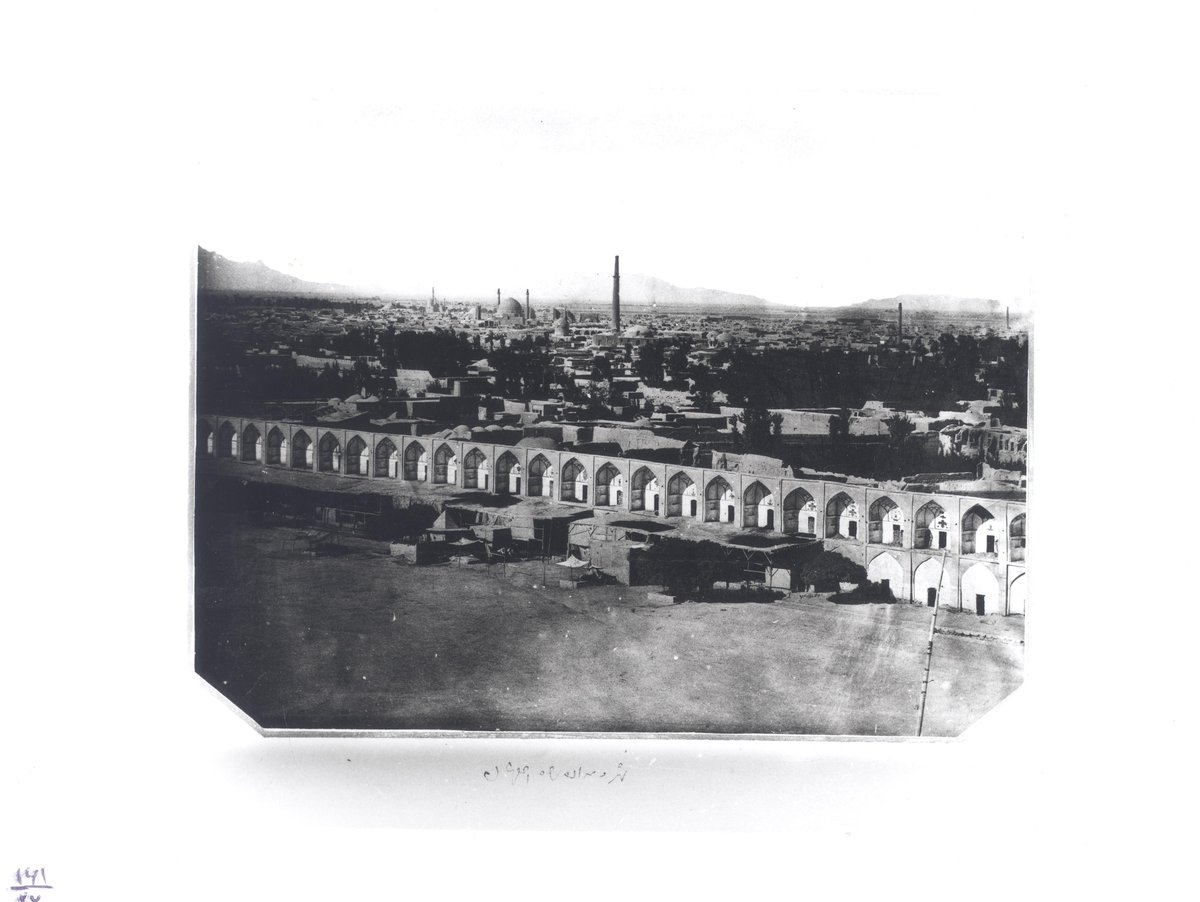
At dusk, a singer beneath Khaju Bridge can send a verse rolling through its stone vaults; below, the Zayandeh River may be dry. That uneasy contrast belongs to Isfahan, Iran, where monumental Safavid architecture shares the city with ordinary rituals of evening walks, tea, and conversation.
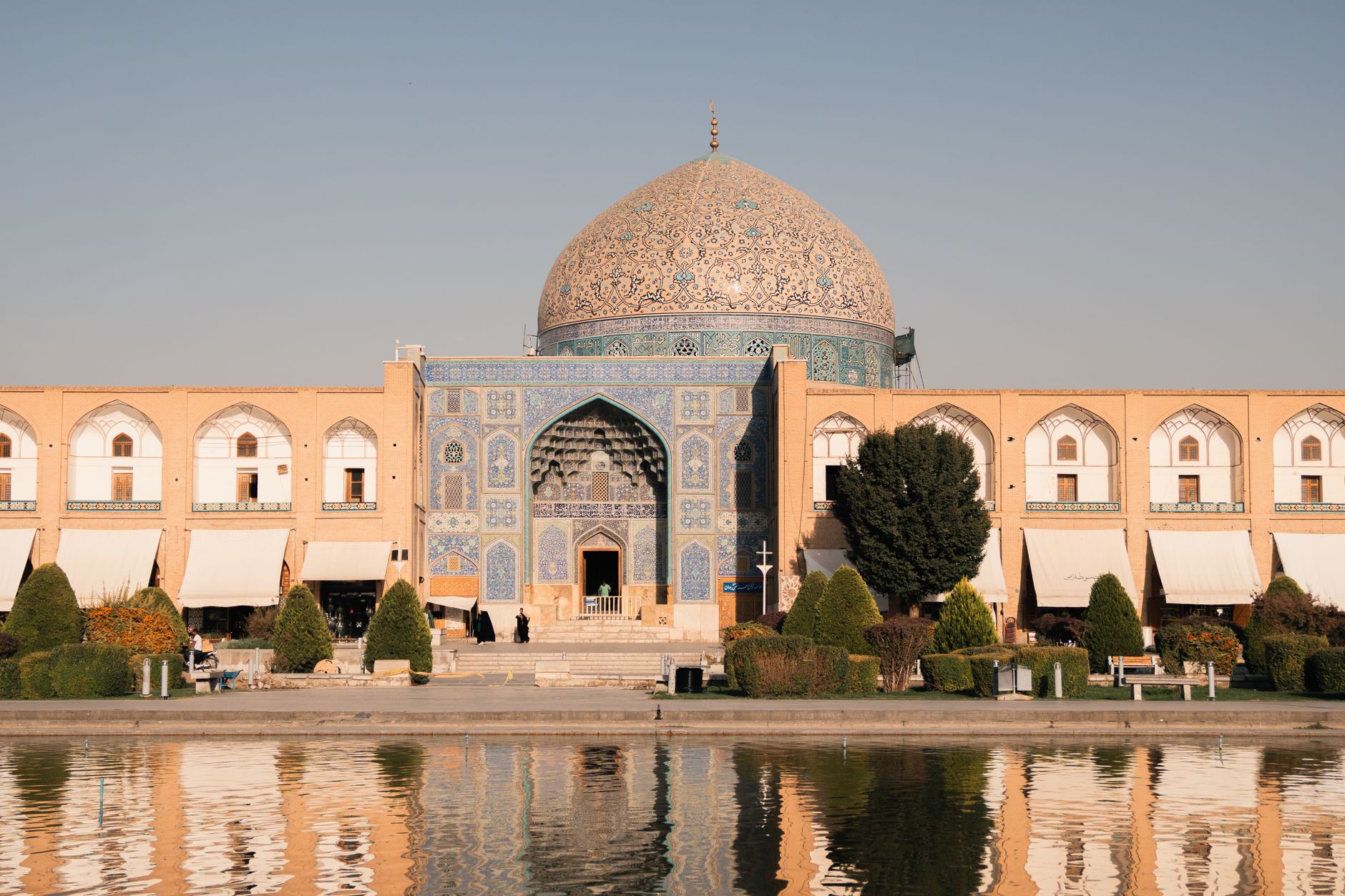 Photo: Faruk Tokluoğlu / Pexels
Built from cited sources · see the method · How we make our guides →
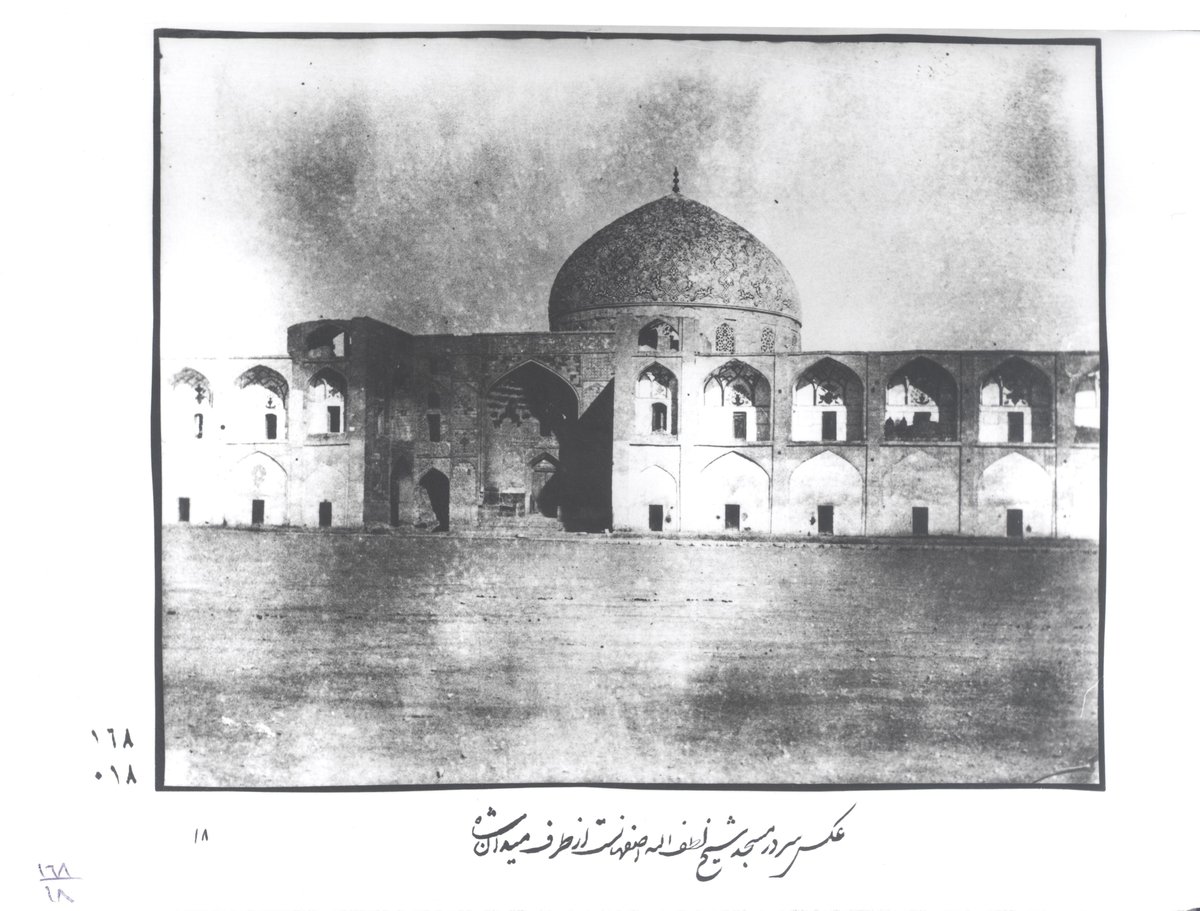
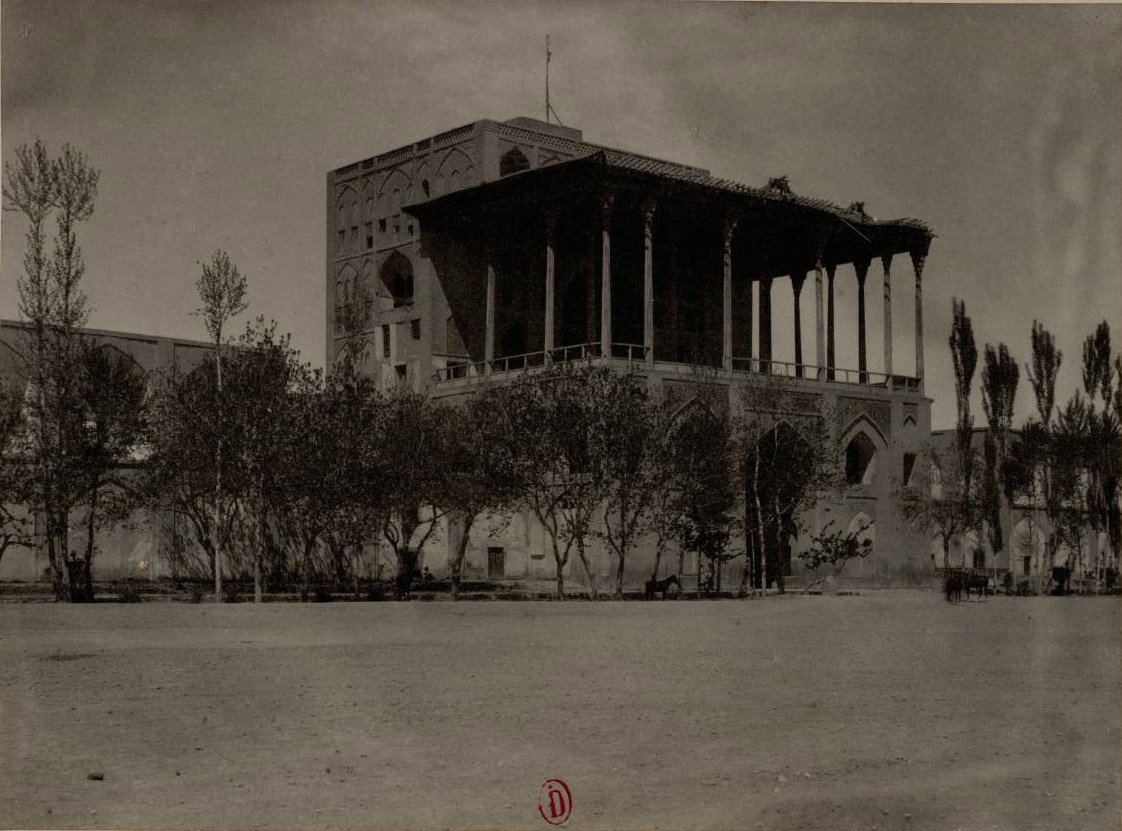
Naqsh-e Jahan Square, laid out under Shah Abbas I, measures about 512 meters long—roughly five standard soccer pitches end to end—and 160 meters wide. UNESCO listed it in 1979; its arcades frame the Shah Mosque, Sheikh Lotfollah Mosque, Ali Qapu Palace, and the entrance to the Grand Bazaar.
Isfahan’s older layers are just as compelling: the Jameh Mosque grew from a building begun in 841, gathering more than 1,200 years of architectural change around its courtyard. The Safavid bridges, meanwhile, were made for passage and public life, and their arches still draw singers and listeners when the river runs.
The city’s tastes are as particular as its buildings. Order beryani at lunch, try the sweet-and-salty pairing of gooshfil pastry and sour doogh, then follow the bazaar’s copper-hammering sounds toward a tea house; history here is not sealed behind glass, but woven into the day’s errands and appetites.
Not every monument, just the ones we'd walk you past ourselves.
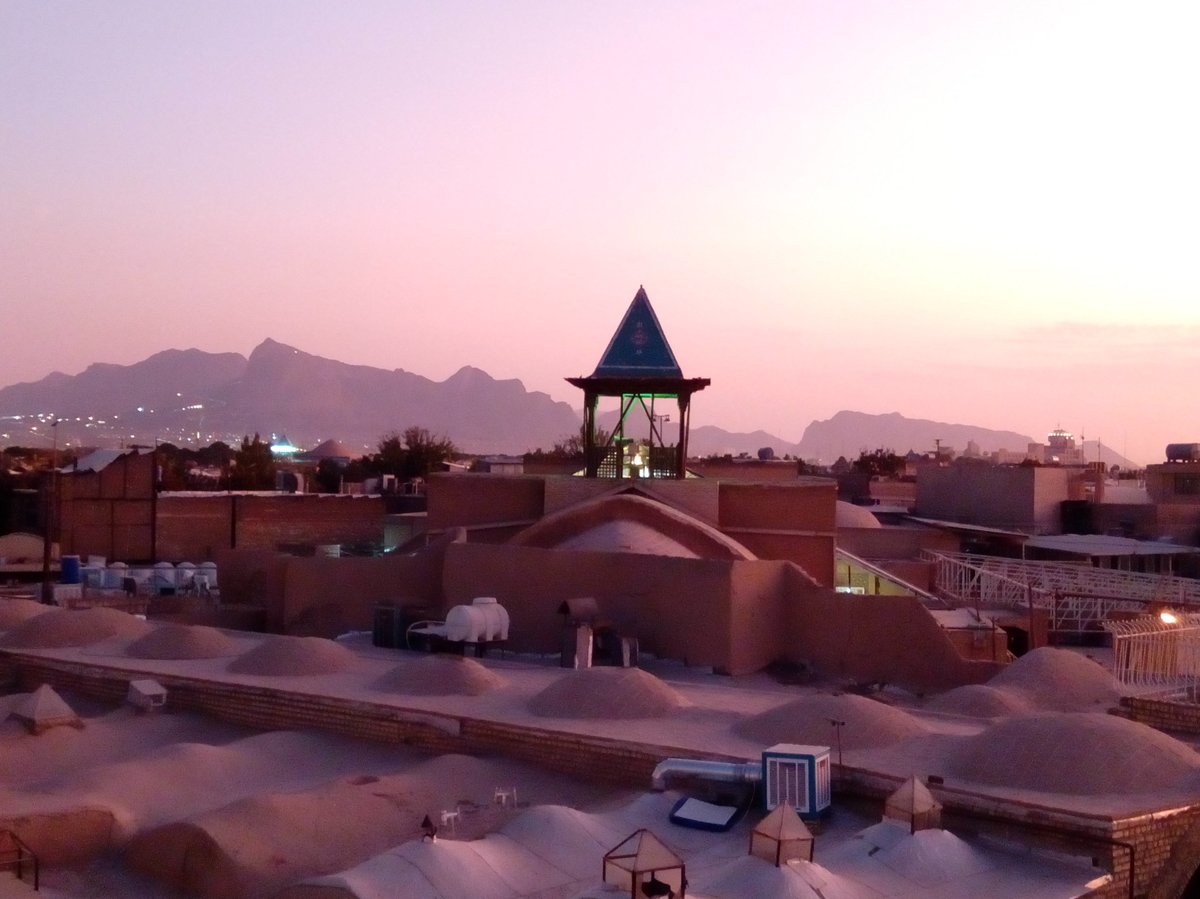
Where to wander, by quarter — each with its own rhythm.
Before you go
From river settlements to Safavid splendor and the struggle to keep the river flowing
Archaeological evidence from the Zayandeh River basin points to human habitation here millennia before Isfahan became a city. Water made settlement possible on this dry plateau, though the earliest traces do not mark a single founding date.
Some later accounts trace the Jewish settlement of Yahudiyya to people displaced after the Babylonian conquest of Jerusalem; other traditions connect it with the reign of Cyrus. The stories differ, and neither provides a securely documented founding date, but Yahudiyya became one of the settlements from which Isfahan grew.
By Sasanian times, the area had two urban centers: Jay, a fortified administrative and military seat, and Yahudiyya, a settlement to its northwest. The foundations of Pol-e Shahrestan, now the oldest surviving bridge in Isfahan, may also reach back to this period.
After the Sasanian defeat at Nihavand, Arab Muslim forces captured Isfahan, ending Sasanian rule over the city. New rulers and institutions followed, but the old settlements remained the bones of urban life.
Historical accounts place an early congregational mosque in Yahudiyya by the late eighth century. The Friday Mosque that stands today was rebuilt and enlarged over many centuries, its brickwork preserving a record of changing dynasties.
The Buyid ruler Rukn al-Dawla took Isfahan in 935 and made it a seat of power. Fortifications, markets, and water channels helped bind the scattered settlements into a more coherent city.
After escaping political danger in Hamadan, the physician and philosopher Avicenna found refuge at the Kakuyid court in Isfahan. He spent his final years teaching and writing here, including work on his vast philosophical compendium, The Book of Healing.
Tughril Beg took Isfahan after a prolonged siege and made it the Seljuk Empire’s capital. The city now housed the machinery of an empire stretching across much of the Middle East.
As grand vizier to Malik-Shah, Nizam al-Mulk helped turn Isfahan into a center of government, learning, and astronomical study. Omar Khayyam and other scholars associated with the court worked on the Jalali calendar, whose careful solar reckoning still shapes the Iranian calendar.
Two Seljuk domes rose at the Friday Mosque: Nizam al-Mulk’s to the south and Taj al-Mulk’s to the north. Their brick ribs and measured geometry announced an architectural language that would shape Persian mosques for centuries.
After years of internal factional conflict, Mongol forces breached Isfahan and sacked it. The violence shattered civic life and left the city to rebuild under a succession of new rulers.
After residents rebelled against his tax collectors, Timur ordered a massacre. Chronicles give wildly varying death tolls and describe towers made from victims’ heads; the accounts agree on the terror that followed.
The polymath Shaykh Bahai became one of Safavid Isfahan’s leading religious and intellectual figures, serving as chief jurist and advising on civic works. His name is closely tied to the city’s water systems, though the details of his role in individual projects remain debated.
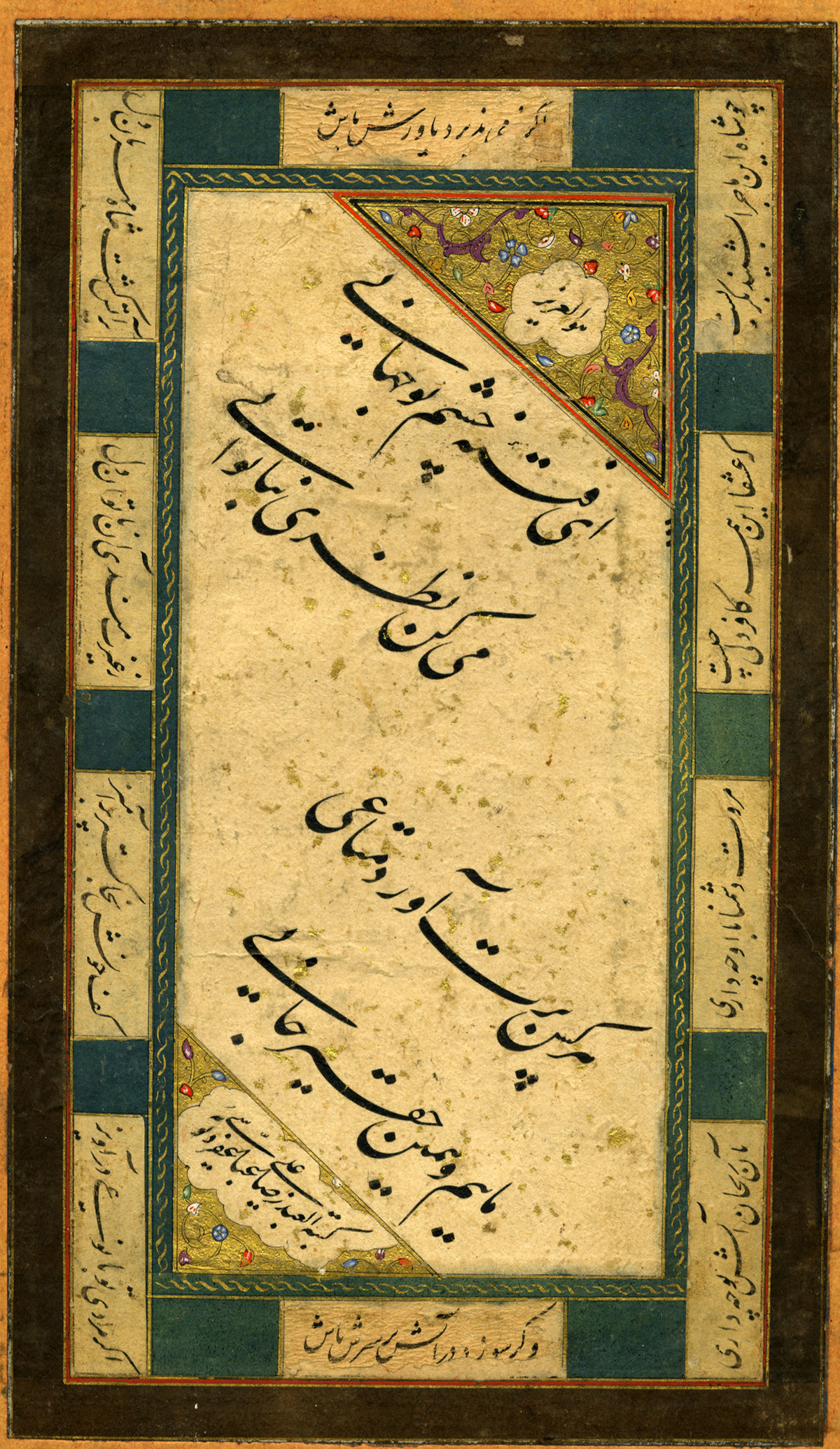
Working in Isfahan as a painter for Shah Abbas I’s court, Reza Abbasi made the single-page drawing and miniature a form of its own. His finely controlled lines gave courtiers, youths, and everyday figures an intimacy that grand manuscripts rarely allowed.
Shah Abbas I was born in Herat, but Isfahan became the city most closely associated with his rule. He would move his court here and commission the square, mosques, and palaces that still define its historic center.
Shah Abbas I moved the Safavid capital from Qazvin to Isfahan, farther from the Ottoman frontier and better placed for trade. Construction reshaped the city, and its new avenues and monumental center gave royal power a public face.
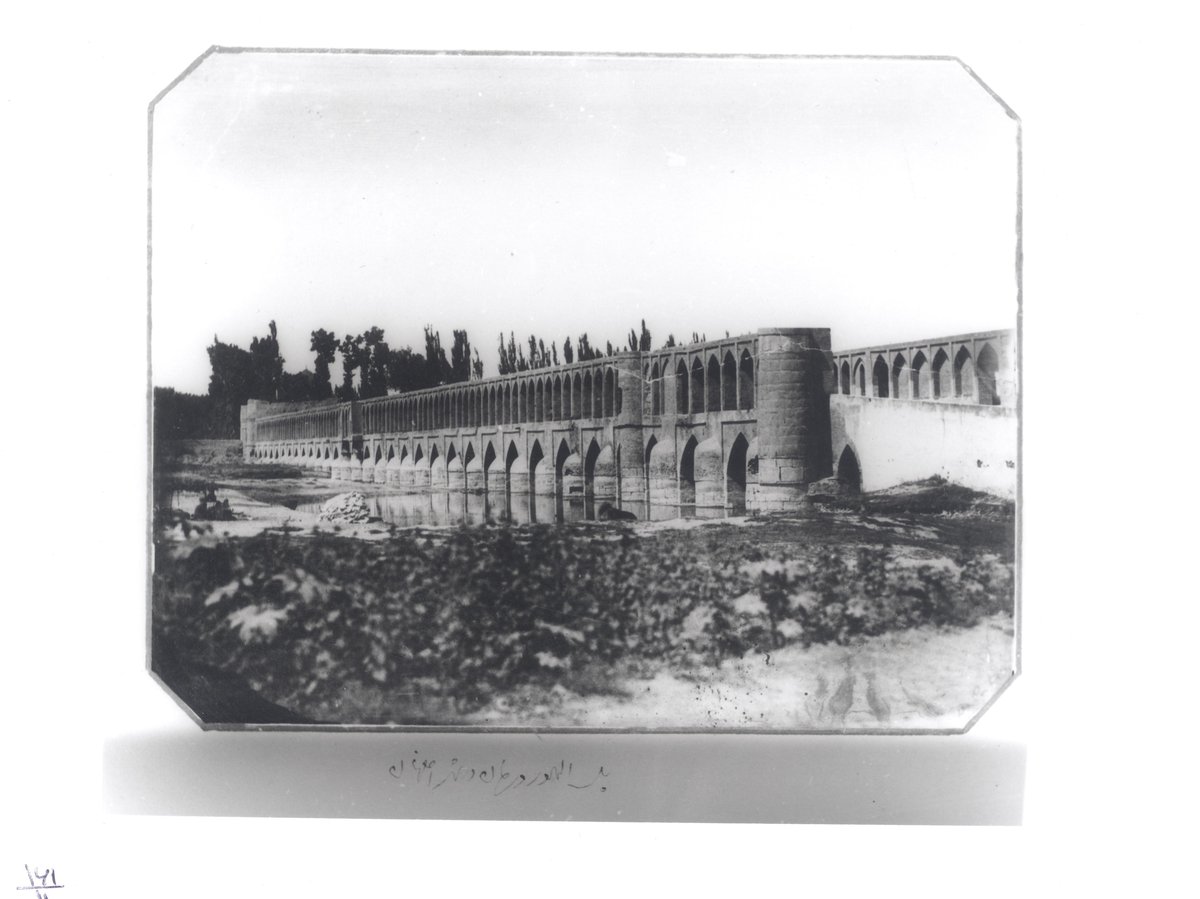
Si-o-se-pol, also called Allahverdi Khan Bridge, linked central Isfahan with the growing Armenian quarter of New Julfa. Its two tiers of arches turned a crossing into a long, shaded promenade above the Zayandeh.
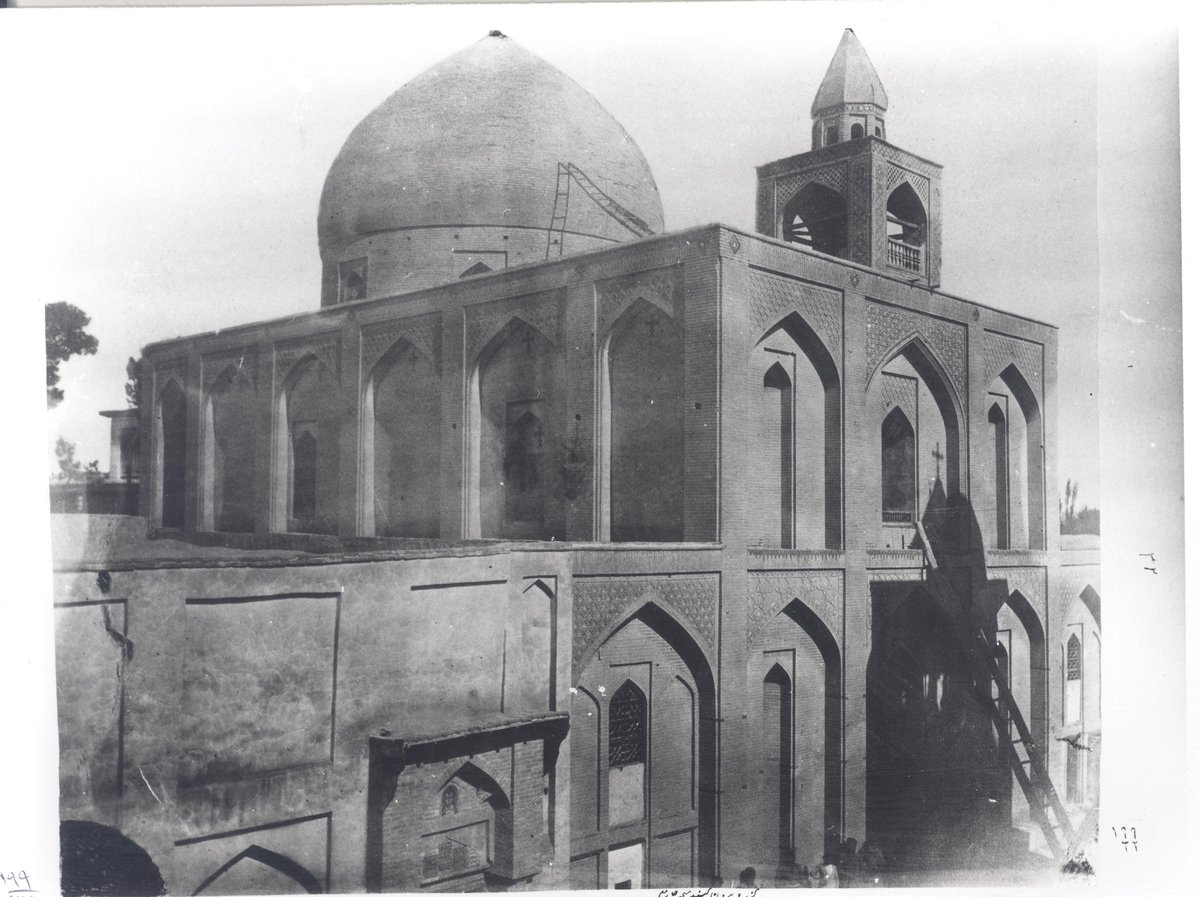
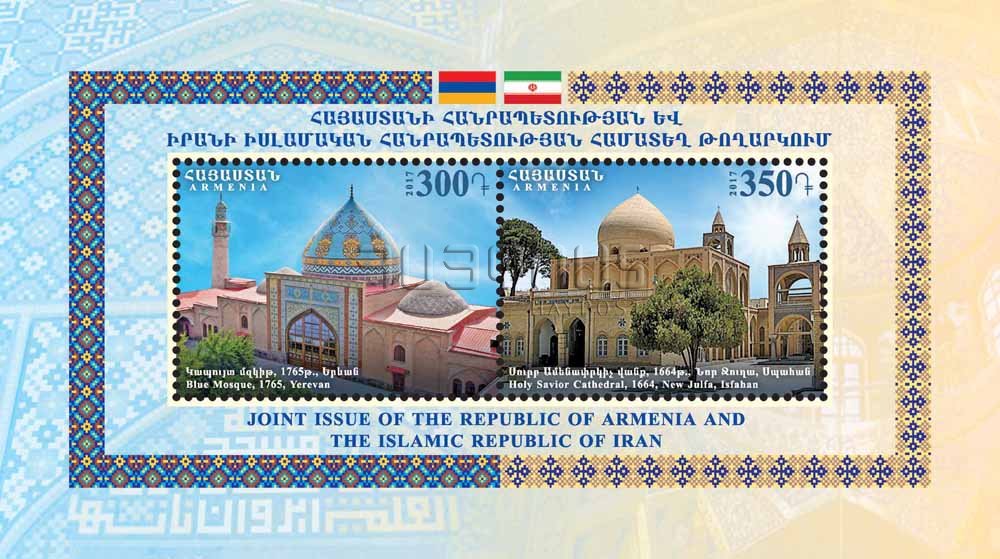
Shah Abbas forcibly relocated Armenian Christians from Julfa in the Caucasus to the south bank of the Zayandeh. New Julfa became a center of silk commerce and Armenian religious life, including the churches that still line its streets.
Construction began on the great mosque facing the south side of Naqsh-e Jahan Square, under architect Ali Akbar Isfahani. Its entrance turns away from the square to face Mecca, a quiet change of direction beneath the vast blue-tiled dome.
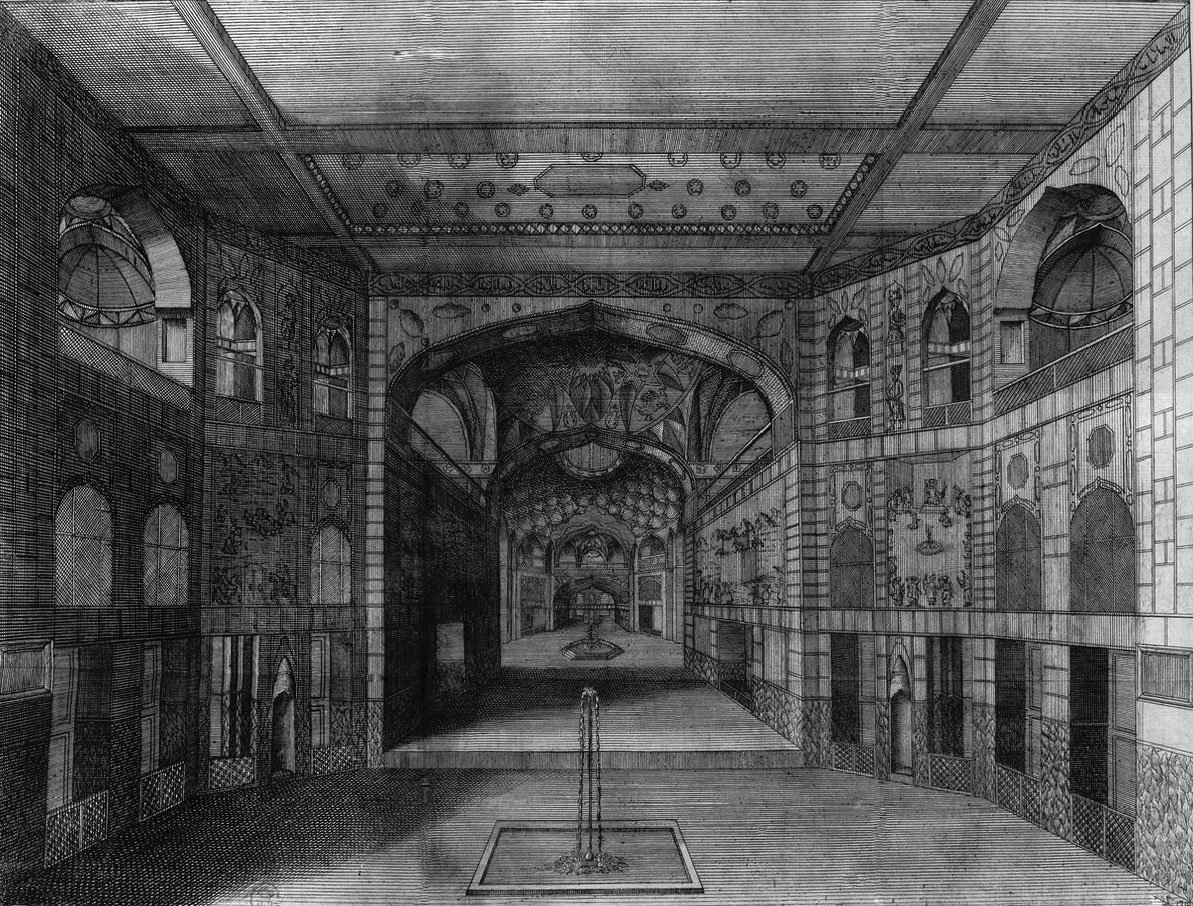
Shah Abbas II’s reception pavilion took shape beside a long reflecting pool. Twenty wooden columns on its porch appear doubled in the water, giving the palace its name: Forty Columns.
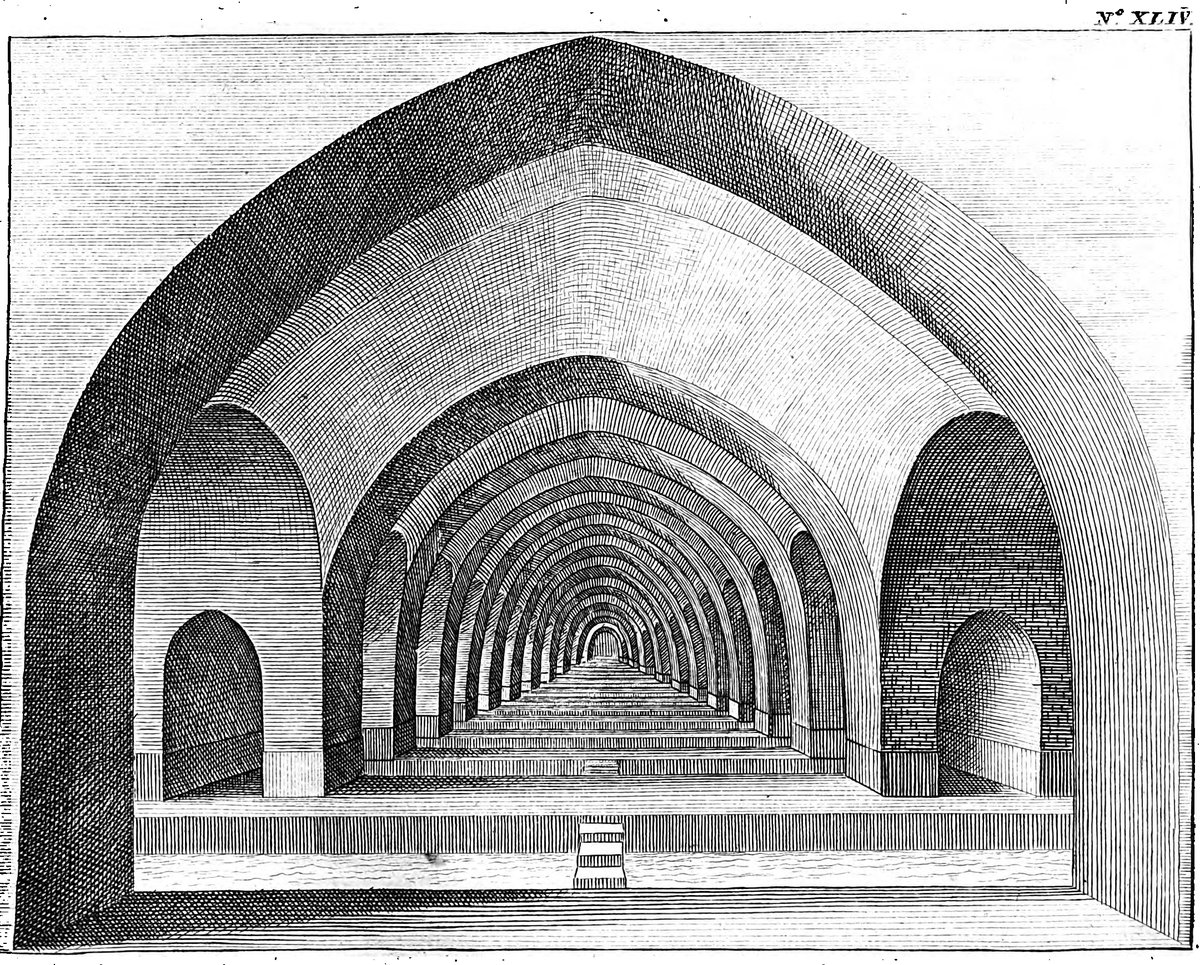
Built under Shah Abbas II, Khaju Bridge combined a river crossing with sluice gates and royal viewing rooms. When the Zayandeh flowed, the structure could regulate water as well as frame the sound and movement of the river.
Mahmud Hotak’s Afghan forces defeated the Safavid army at Gulnabad, then besieged Isfahan for months. Famine and disease killed tens of thousands before Shah Sultan Husayn surrendered in October.
Nader Qoli Beg defeated the Hotaki forces at Murche-Khort and retook Isfahan. The city returned briefly to Safavid hands, though the dynasty’s authority was already fading.
Karim Khan Zand shifted the capital to Shiraz, ending Isfahan’s long run as Iran’s principal royal seat. Tehran’s later rise under the Qajars left the city with a regional role and a proud, increasingly vulnerable inheritance of Safavid buildings.
Bakhtiari forces led by Samsam al-Saltaneh captured the city from Qajar royalists during Iran’s Constitutional Revolution. Isfahan became a staging point for the march on Tehran and the restoration of constitutional rule.
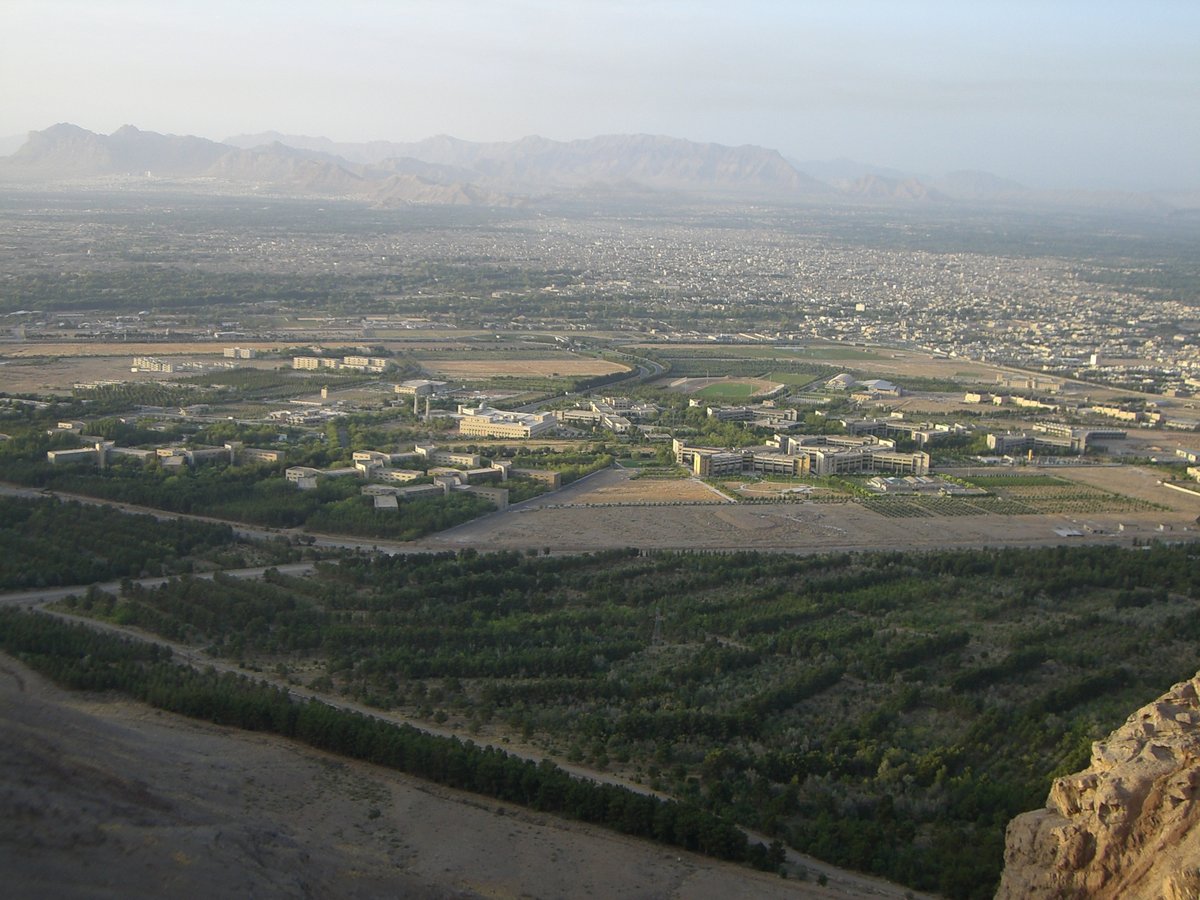
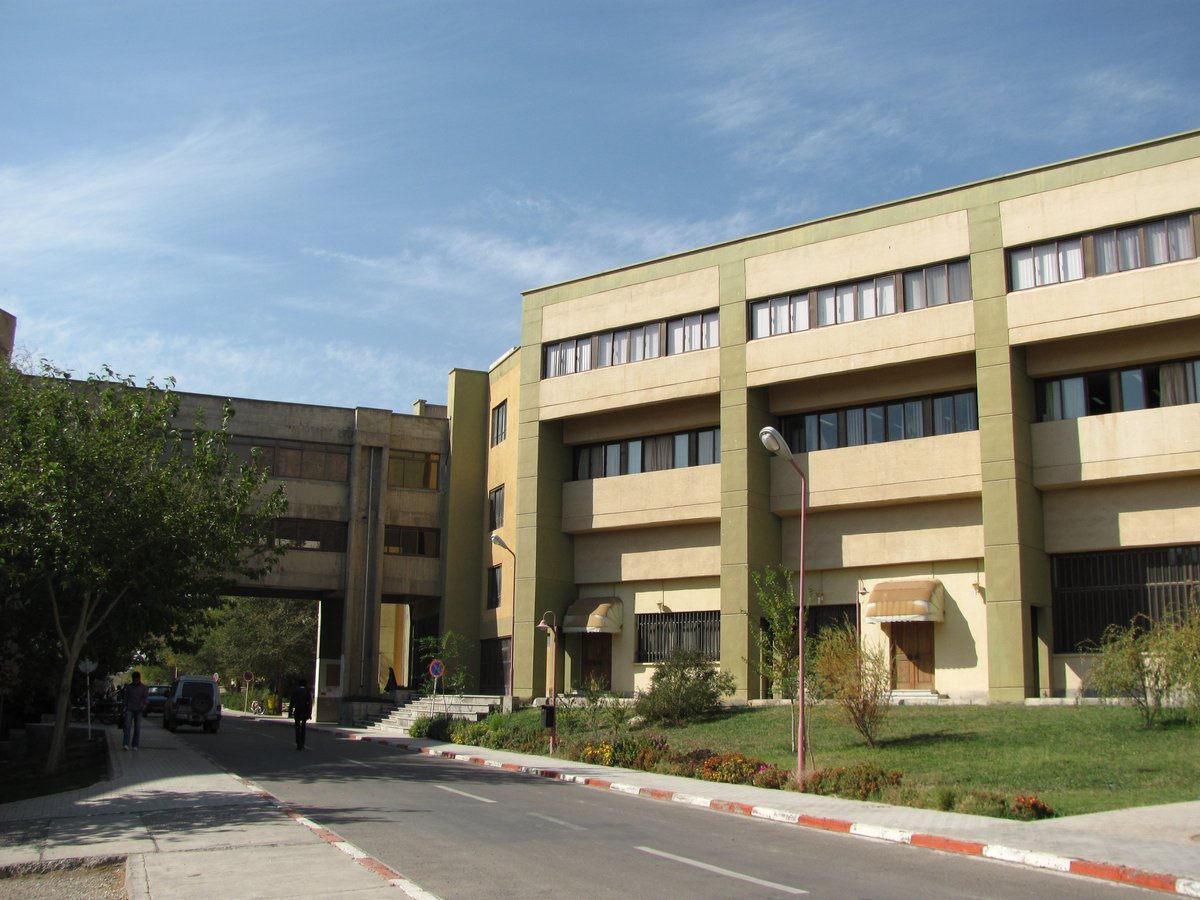
The University of Isfahan was founded as the city entered a new era of formal higher education. Its growth added lecture halls and laboratories to a place long known for religious schools, workshops, and court scholarship.
The Islamic Revolution ended the monarchy, and the Shah Mosque became known officially as the Imam Mosque. In the same year, UNESCO inscribed Naqsh-e Jahan Square as a World Heritage Site, recognizing a royal public arena that had outlasted its dynasty.
During the Iran–Iraq War, an Iraqi missile damaged vaulted arcades at the historic Friday Mosque. Repairs followed, but the strike brought modern warfare into a complex whose brick walls had witnessed centuries of political change.
UNESCO inscribed the Masjed-e Jameh of Isfahan as a World Heritage Site, recognizing its layers of construction from early Islam through the Safavid age. Its domes and courtyards make visible what a single monument usually conceals: the city’s long process of rebuilding.
Isfahan’s first metro line began passenger service in 2015, while water shortages increasingly left long stretches of the Zayandeh dry. In 2021, farmers and residents gathered in the riverbed near Khaju Bridge to demand water rights, turning an empty channel into a public forum.
Safavid ruler · 1571–1629
Reshaped Isfahan and commissioned Naqsh-e Jahan Square
Under Abbas I, Naqsh-e Jahan became a great Safavid civic stage, framed by mosques, a palace and the bazaar. He might recognize the square’s design today, though its evening crowds have replaced the royal ceremonies.
Safavid general and governor · c. 1560–1613
Commissioned Si-o-se-pol Bridge
Allahverdi Khan commissioned the 33-arch bridge that still carries pedestrians across the Zayandeh River. He might find its role as a public meeting place as compelling as its engineering.
Safavid ruler · 1632–1666
Khaju Bridge was built under his rule
Khaju Bridge took shape around 1650 during Abbas II’s reign, built as a crossing that could also control water. Its vaulted lower passages still invite people to linger, giving the structure a life beyond its original royal purpose.
Where locals actually book dinner — not the tourist menus.
Small things that change how the city treats you.
The city, as it actually looks.
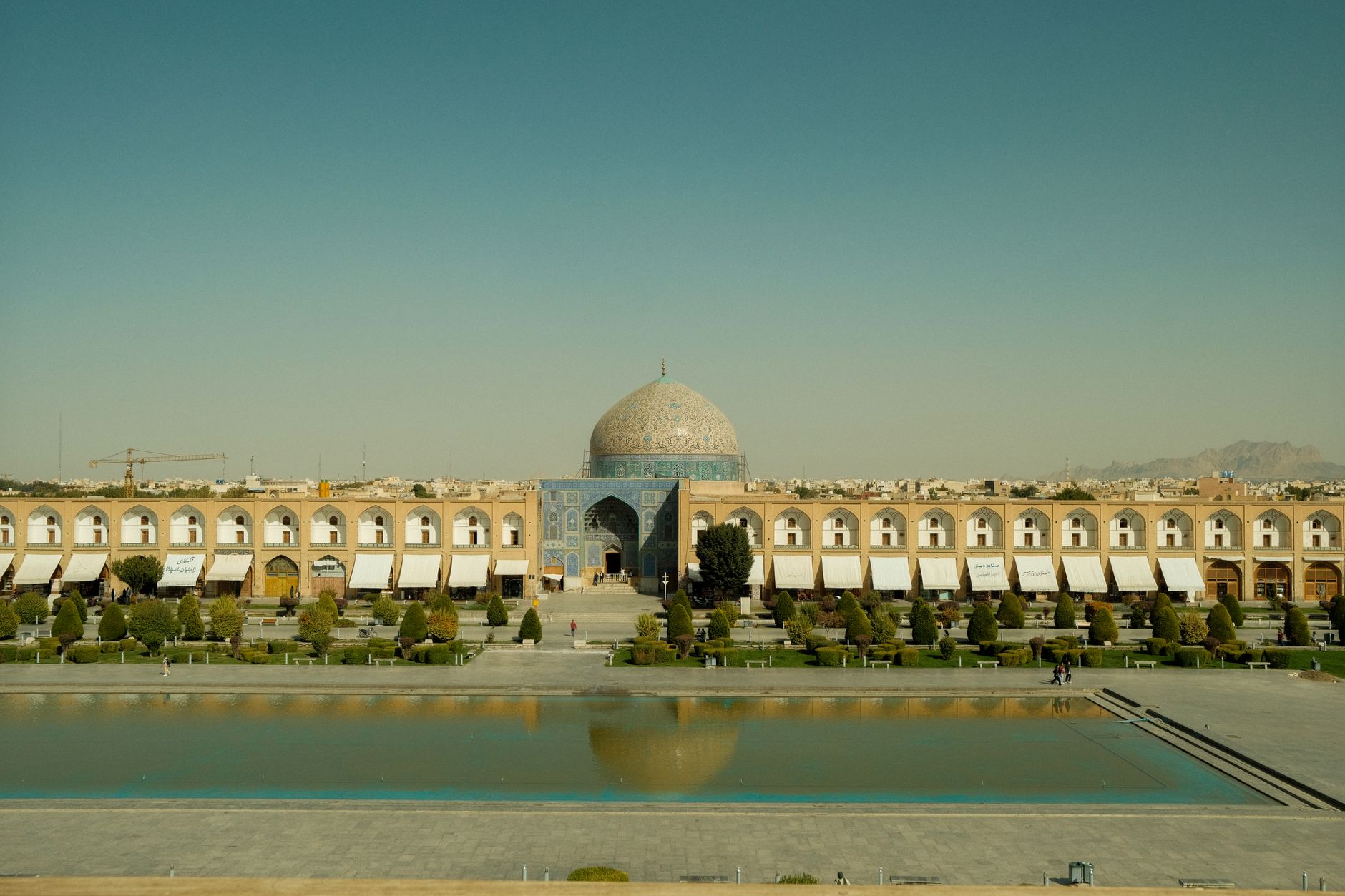


Yes—especially if you’re interested in Safavid architecture, Persian gardens and historic city life. Naqsh-e Jahan Square brings a mosque, palace, smaller royal mosque and bazaar together in one vast plaza, while the covered bazaar leads toward the older Jameh Mosque.
Allow 3 full days for the main sights at an unhurried pace. That gives you time for Naqsh-e Jahan Square and its monuments, the Jameh Mosque, the bridges and New Jolfa; add a day for Mount Soffeh or a regional excursion.
Take an official airport taxi or arrange a Snapp ride; the airport is about 25–30 km from central Isfahan. There’s no direct metro connection or standard municipal bus route to the airport, and airport taxi fares should be agreed before departure or booked at the transfer desk.
Metro Line 1 covers a north–south route through the city, and buses serve major avenues and neighborhoods. Snapp or TAPSI can be useful for destinations beyond the metro; walking works well around the pedestrianized Naqsh-e Jahan Square and Chaharbagh Abbasi boulevard.
Research describes violent crime as uncommon, but petty theft can occur in crowded areas and traffic poses a real hazard to pedestrians. That does not establish whether Iran is safe to visit right now, so check your government’s current travel advice before making plans.
Costs depend on your accommodation and the sites you choose; heritage tickets are bought separately, and foreign visitors pay a higher ticket tier. International bank cards generally don’t work, so check current prices before your trip and plan to pay with exchanged cash or a local tourist debit card.
Isfahan is known for Naqsh-e Jahan Square, its tiled Safavid mosques and palaces, the covered bazaar, and historic bridges over the Zayandeh River. The city also has a distinct food tradition: its beryani is a spiced minced-meat dish, not a rice-based biryani.
41 places to discover
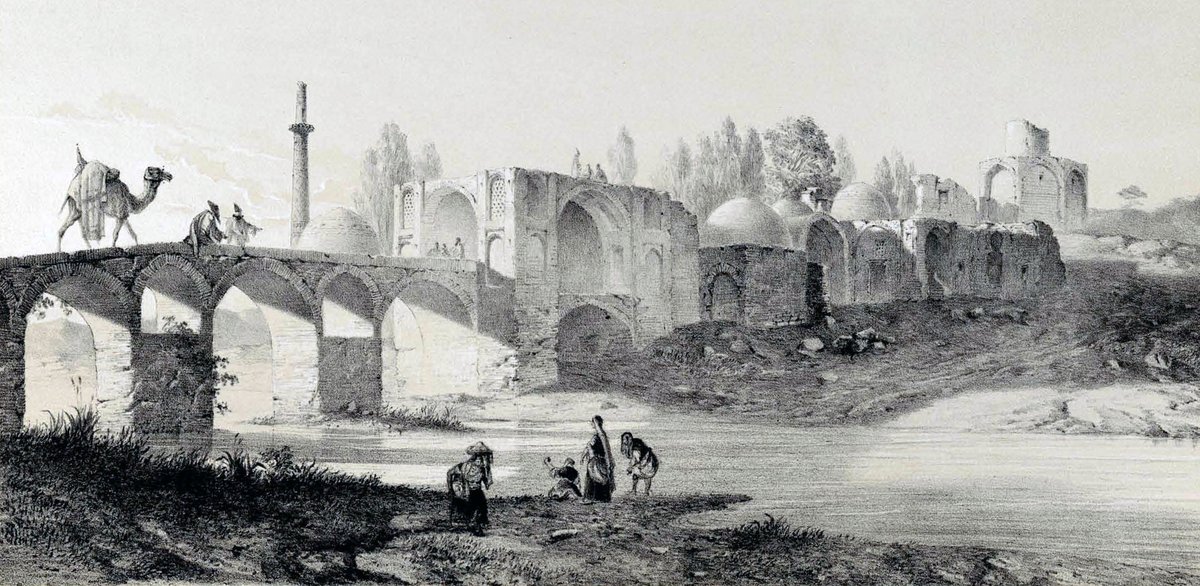
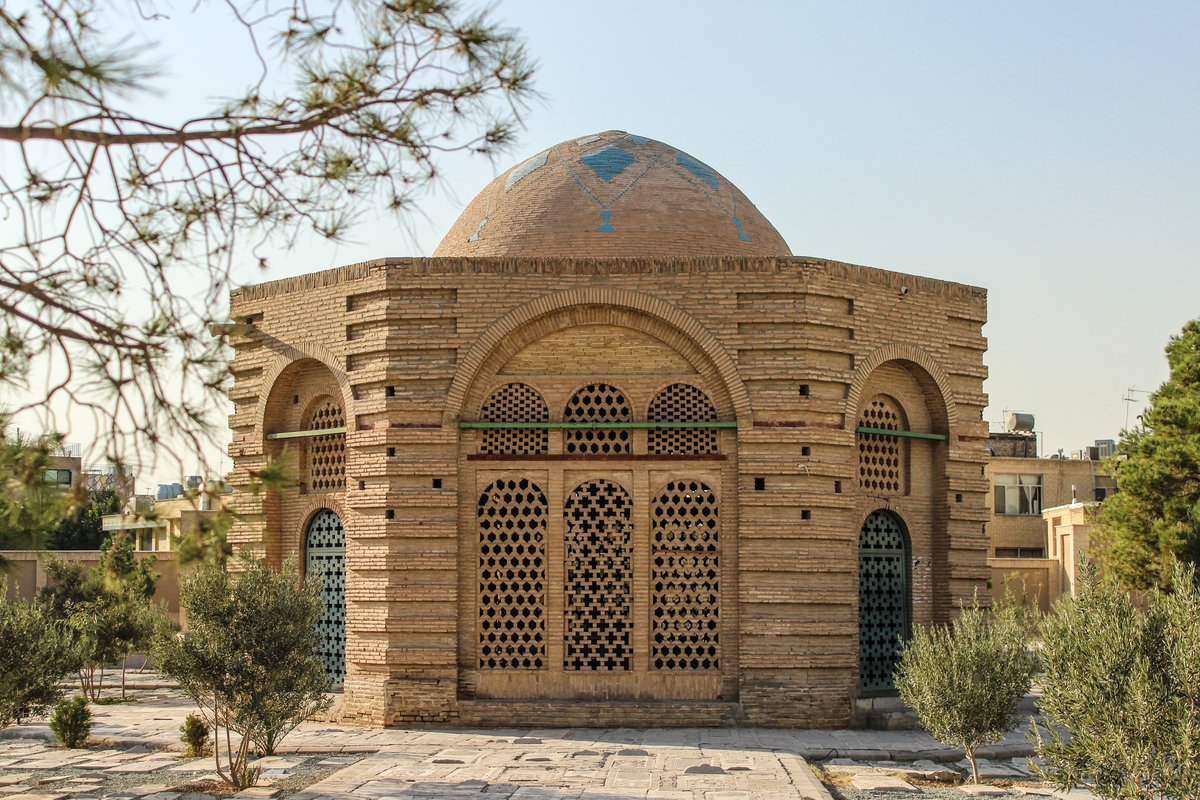
Saved and recently read places — kept on this device only.
Photos may have been resized or cropped.