
Historical and Cultural Significance
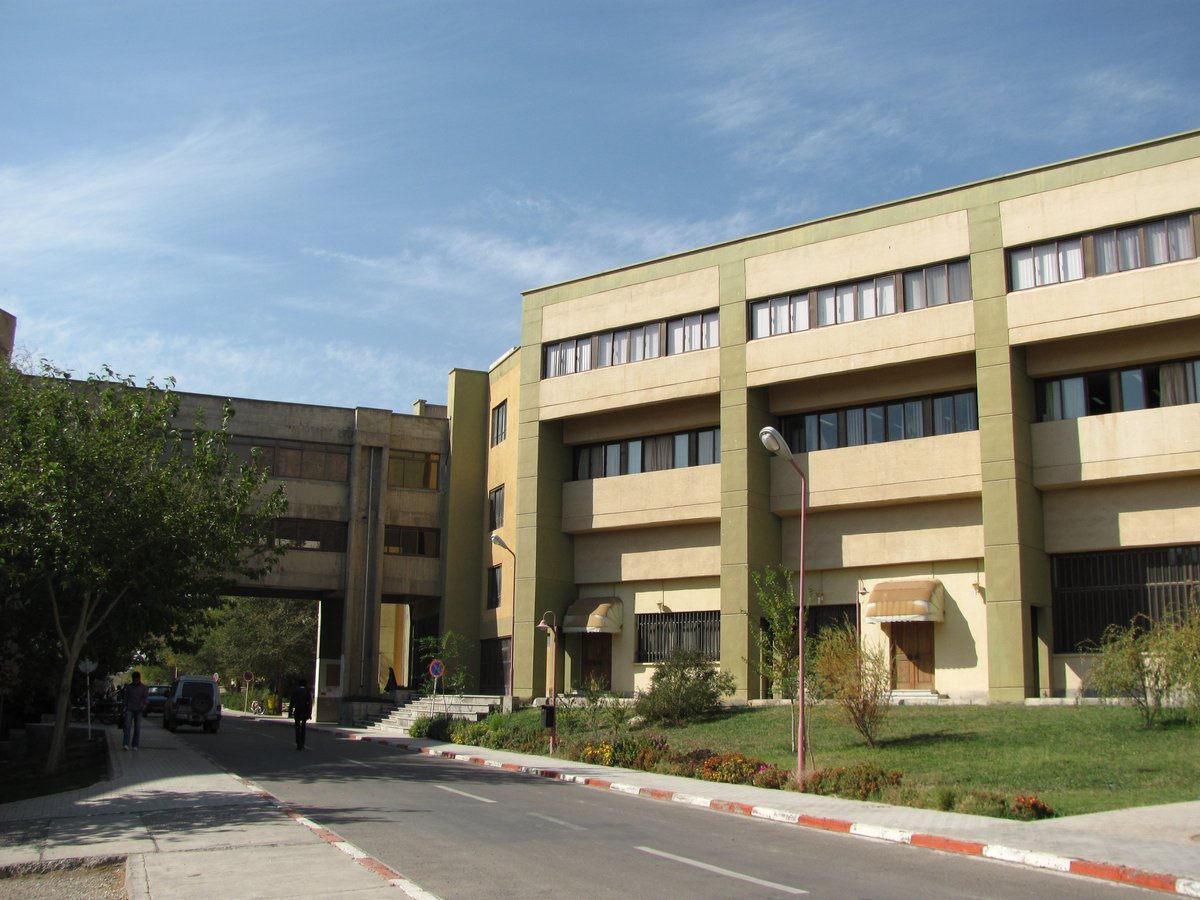
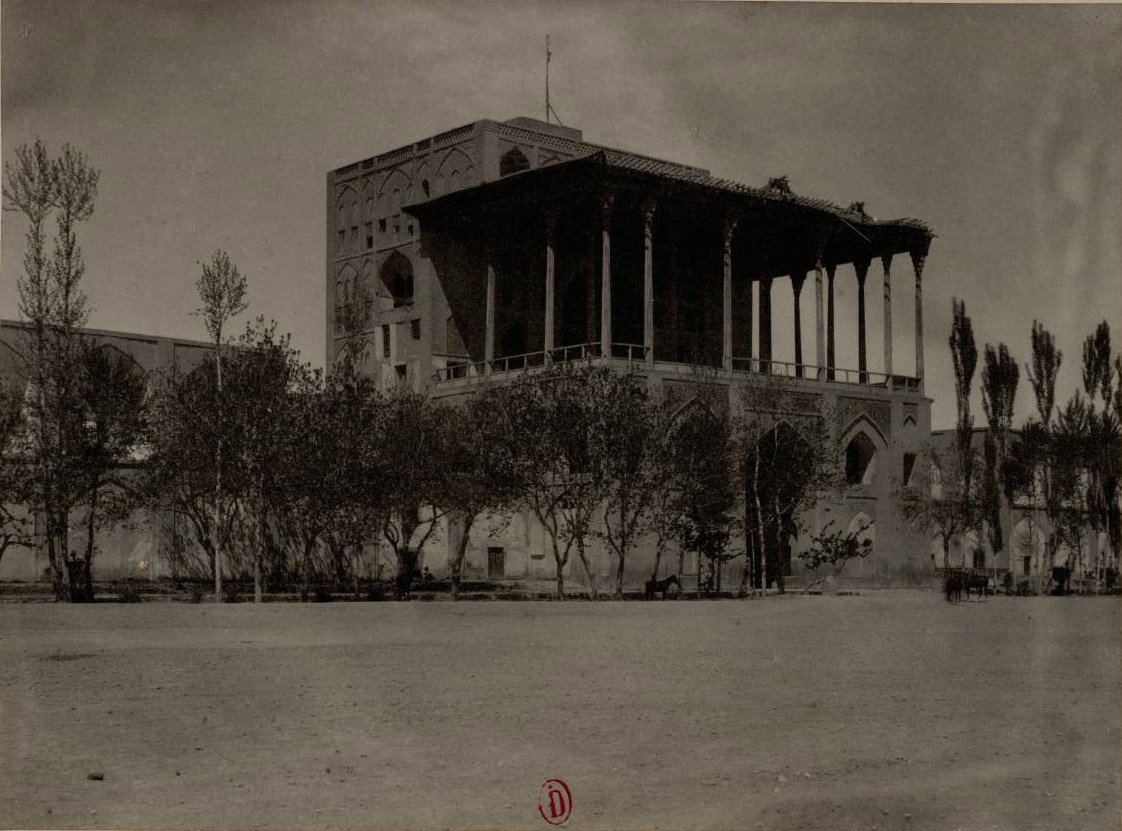
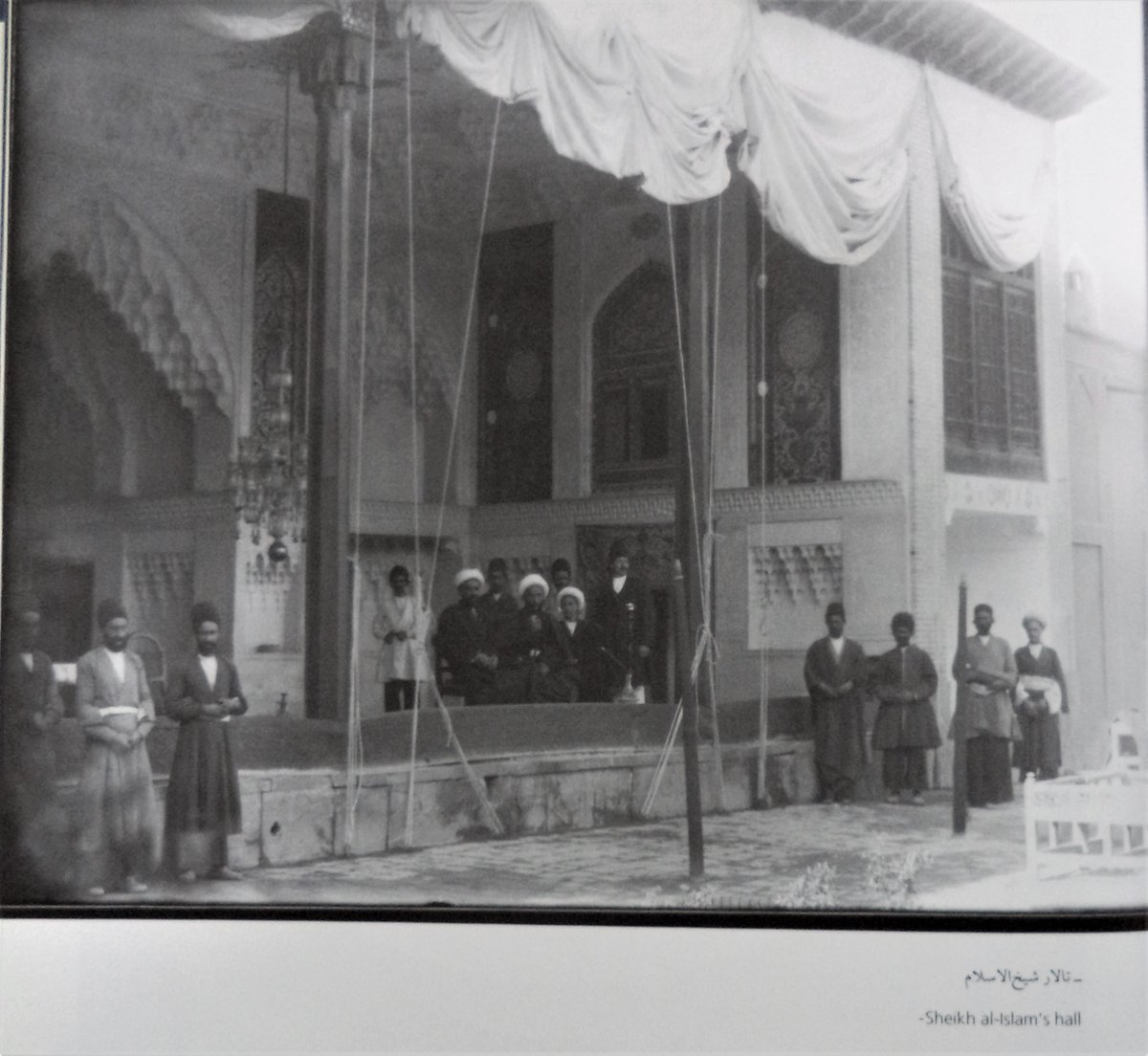
Founded in 1946, IUMS has developed in parallel with Isfahan’s reputation as a UNESCO World Heritage city. The campus architecture reflects Persian traditions, integrating modern educational functionality with classical design elements. This blend makes IUMS an intriguing site for those interested in how education, culture, and urban development interact in Iran.
Campus Layout and Location
IUMS spans a 400-hectare campus in southwestern Isfahan, adjacent to the University of Isfahan and at the foothills of Mount Soffeh. The Hezar-Jerib highway provides easy access, and the campus’s division into academic, residential, and recreational zones fosters a vibrant academic community. Approximately 30% of the campus is dedicated to educational spaces, with the rest supporting administration and amenities (Campus details).
Architectural Features and Notable Buildings
Academic and Faculty Buildings
Modern academic buildings are designed to maximize natural light and ventilation while incorporating Persian motifs and landscaped surroundings. Centralized locations promote collaboration among faculties (Campus details).
The Grand Mosque
At the campus center, the Grand Mosque stands as a cultural landmark. With spacious prayer halls and intricate Islamic decorations, it is a focal point for both daily worship and architectural appreciation.
Al-Zahra Teaching Hospital
Located on the southwestern edge, Al-Zahra Hospital is one of the Middle East’s leading medical centers, offering advanced healthcare and serving as a teaching facility for IUMS students (Alzahra Hospital).
Residential Complexes and Dormitories
Ten dormitories—five for male and five for female students—provide comprehensive amenities, including supermarkets, restaurants, gyms, and libraries. International students have dedicated accommodation, and faculty apartments add to the campus’s lively atmosphere.
Green Spaces and Landscaping
The campus features extensive green areas and gardens, enhancing relaxation and study. Its elevated position near Mount Soffeh contributes to pleasant weather and scenic views (Campus details).
Recreational and Sports Facilities
An indoor sports complex with a gymnasium, swimming pool, and courts for volleyball and basketball sits near Al-Zahra Hospital. Outdoor fields and cycling paths are available to all campus members.
Transportation and Accessibility
Public buses and a planned Metro line (with two stations) connect IUMS to the city. A free on-campus shuttle and extensive walkways support sustainable transport. The campus is accessible for people with disabilities, with ramps and elevators in most buildings.
Amenities and Services
On-campus restaurants serve Persian and international cuisine. Additional amenities include bank branches, shops, a post office, study spaces, and academic counseling services (University Insights).
Visiting Hours, Tickets, and Guided Tours
- Campus Hours Open daily, 8:00 AM to 6:00 PM. Some buildings, such as hospitals and the mosque, may have specific hours.
- Tickets Entry to the campus and most public areas is free. Special exhibitions or museum visits may have nominal fees.
- Guided Tours Available by prior arrangement through the university’s administrative office, these tours highlight university history, architecture, and student life.
Special Events and Exhibitions
IUMS regularly hosts cultural and academic events. Check the official website for up-to-date schedules and visitor opportunities.
Photography and Guided Tours
Outdoor photography is permitted; indoor photography may require special permission. Guided tours can be arranged to learn about the campus’s history and architectural highlights.
Visitor Tips and Practical Advice
- Best Time to Visit Spring (March to May) and autumn (September to November) for mild weather and vibrant gardens (Koryo Group).
- Dress Code Modest attire is required, especially in religious spaces.
- Safety The campus has security and information desks, offering a safe environment (Saadat Rent).
- Transportation Utilize public transit or taxis for convenient access.
Hospitals Affiliated with Isfahan University of Medical Sciences
IUMS manages 11 teaching hospitals in Isfahan city and 23 additional facilities in the province, with over 2,500 beds. These hospitals blend advanced healthcare, research, and education (Edufever).
Alzahra Hospital
- Significance Largest general and teaching hospital affiliated with IUMS; referral center for central Iran (Alzahra Hospital).
- Facilities Advanced diagnostics, comprehensive care, specialized units (e.g., bone marrow transplant, angiography).
- Visiting Hours Typically 2:00 PM to 8:00 PM; hours may vary by ward.
- Appointments Book online or via contact center; facilitation available for international patients.
- Accessibility Centrally located with accommodations for disabled visitors.
Shahid Chamran Cardiovascular Center
- History Evolved from a tuberculosis center in 1966 to a leading cardiovascular hospital (Chamran Hospital).
- Specialization Advanced heart surgery and research; serves as a regional referral center.
- Visiting Hours Usually 3:00 PM to 7:00 PM; confirm before visiting.
- Accessibility Facilities support disabled visitors.
Other Specialized Hospitals
- Imam Mousa Kazim Accidents and Burn Hospital Specializes in burns and trauma.
- Imam Hossein Children’s Hospital Focuses on pediatric care.
- Other Centers Include nephrology, oncology, and rehabilitation services.
Academic and Research Integration
IUMS hospitals also serve as teaching and research sites, welcoming both Iranian and international students and scholars.
Frequently Asked Questions (FAQs)
Q: Is there an entry fee to visit IUMS?
A: No, campus entry is free. Special exhibitions may charge a small fee.
Q: Are guided tours available?
A: Yes, by prior arrangement with university administration.
Q: What are the best times to visit?
A: Weekdays, 8:00 AM–6:00 PM. Visit during spring or autumn for the most comfortable weather.
Q: Is the campus accessible for people with disabilities?
A: Yes, ramps and elevators are widely available.
Q: Can I take photographs on campus?
A: Outdoor photography is allowed; indoor photography may require permission.