Place
India Updated Apr 2026
The first thing that hits you in Kolhapur, India is the smell—woodsmoke from a thousand Sunday mutton rassa pots, marigold garlands sweating in the sun, and, if you arrive during Chaitra Purnima, the sharp mineral tang of pink gulal drifting off Wadi Ratnagiri like technicolour snow. A city that fits inside a 17-km ring road somehow squeezes in a 7th-century Shakti temple, a 28-foot Jain colossus, and a wrestling pit older than most countries. You came for the Kolhapuri chappal; you’ll stay because the lake at dusk tastes exactly like childhood.
 Photo: Indrajeet Kundalkar / Pexels
Built from cited sources · see the method · How we make our guides →
Kolhapur doesn’t do sidelines. It stamps its name on everything—footwear, jewellery, jaggery, even the chilli—then dares you to keep up. Pilgrims march barefoot past black-stone palaces; film posters in Marathi share walls with recruitment ads for kushti akharas; and the same family has been ladling tambda-pandhra rassa from a copper pot since 1968. The pace is Maharashtra with the volume turned up: traffic horns echo off 12th-century fort walls, and every third doorway hides a museum of wrestling trophies or hand-painted movie stills.
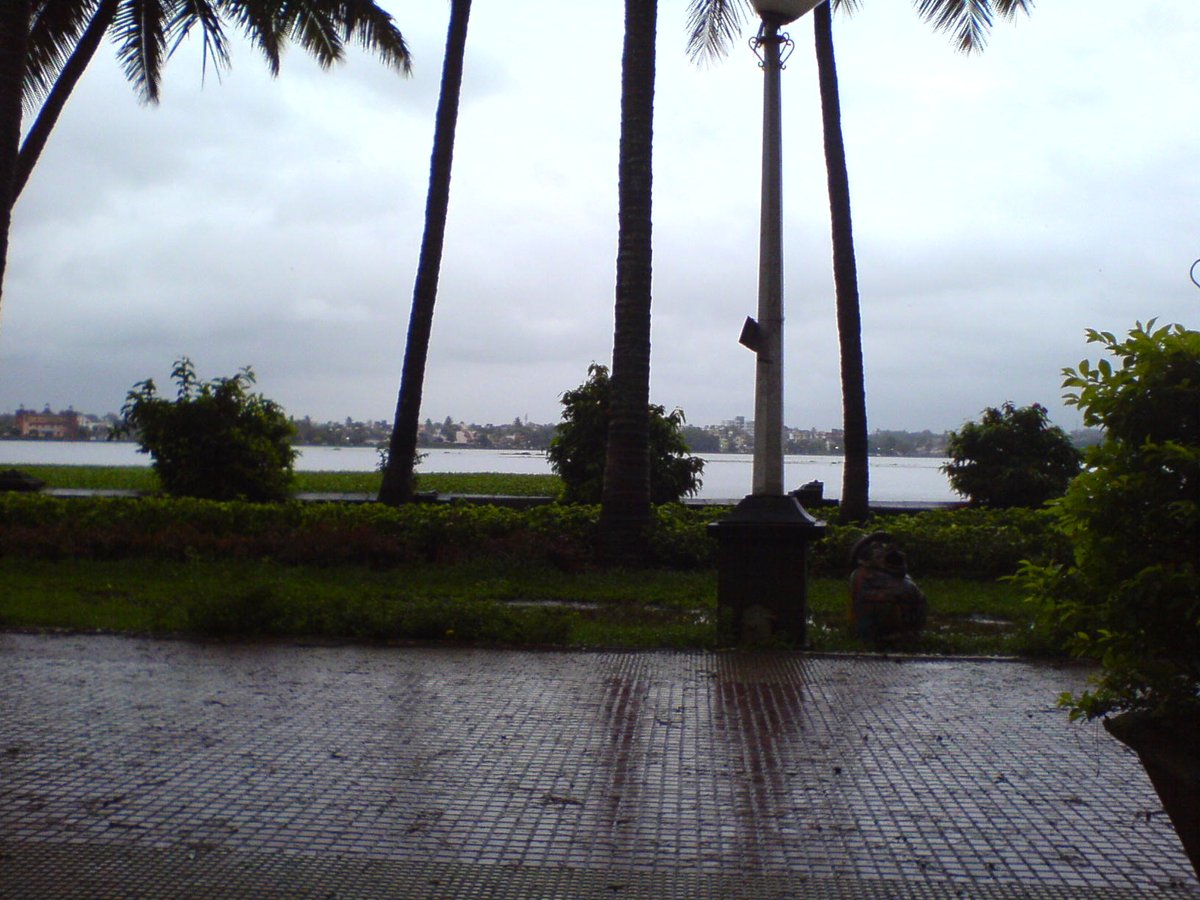
Stay after the temple bells and you’ll see the city shift. Rankala’s promenade flickers on like a drive-in screen—bhel vendors, balloon sellers, couples arguing over who gets the last plate of ragda patties. In Tarabai Park the hotels grow taller, the whisky measures heavier, the live-music sets start at ten and end when the cops feel charitable. Between the two, Mahadwar Road stays open until the last anklet shop pulls its shutter, metal clanging like a cymbal crash you can set your watch to.
Not every monument, just the ones we'd walk you past ourselves.
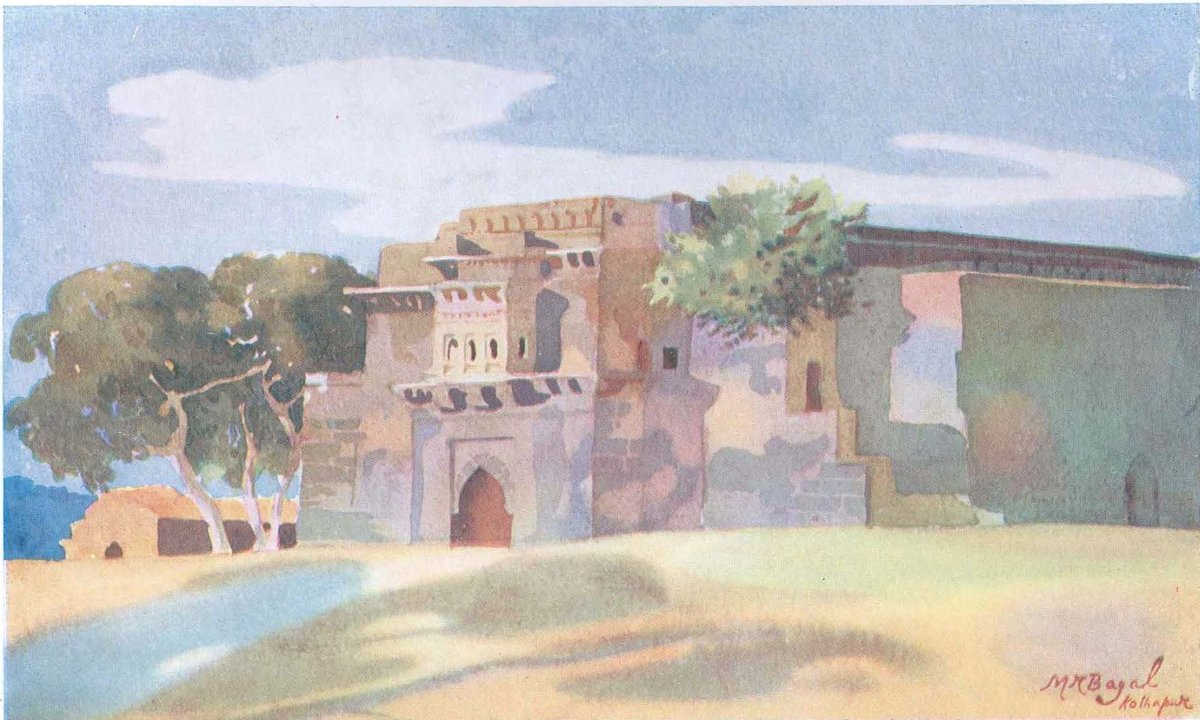


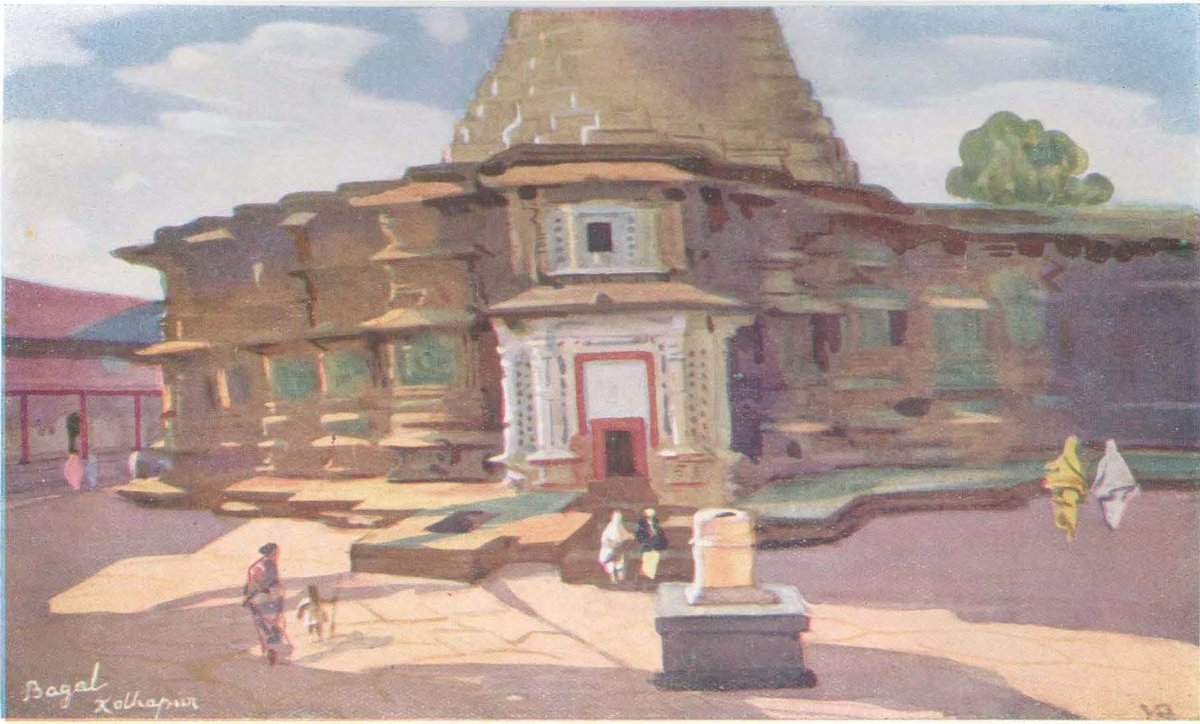
Where to wander, by quarter — each with its own rhythm.
Before you go
From Satavahana coin-strikes to Kolhapuri film reels, a city that keeps reinventing itself
Merchants unload a bronze Poseidon—arm raised, trident ready—onto the riverbank that will become Kolhapur. The statuette, now in the Met, proves the town already sits on Indo-Roman trade routes. Locals swap coral for black pepper and cotton. The first scent of overseas money drifts through mango groves.
Archaeologists find rows of fired-brick homes on the hill, coins of Gautamiputra Satakarni in every other room. The settlement is planned: straight lanes, soak-pits, a bead factory that hums day and night. A city grid is born 1,800 years before anyone utters the word ‘urban planning’.
King Karandev of the Chalukyas consecrates a granite temple to Mahalakshmi. The garbhagriha is aligned so that, twice a year, a shaft of dawn light kisses the deity’s emerald necklace. Pilgrims never leave; six hamlets fuse into one sacred sprawl around the shrine.
King Jatiga-II moves his court from the coast to the Panchganga valley. Inscriptions call the place ‘Kollapur-mandala’ and list taxes on betel, salt and toddy. The palace roof is tiled with thin sheets of copper—still visible under later Maratha plaster in the Bhavani Mandap.
Sculptors finish the Kopeshwar Shiva temple 60 km away, but every stone is carted through Kolhapur’s markets. The carved ceiling—an open-mouthed lotus—sets a standard that local masons will copy for centuries. Caravan owners rest here, turning the city into a stylistic clearing house.
Shilahara engineers hack a basalt ridge 18 km northwest into a twelve-gate fortress. The ramparts command the Bijapur–Konkan trade saddle; whoever holds Panhala controls the Sahyadri. Kolhapur’s merchants smell opportunity—and start forging cannon bells.
The Shilahara dream ends when Bahmani cavalry trot through the temple courtyard. Friday prayers echo where Vedic chants once ruled. The city keeps its Hindu heart, but Persian accountants now record jaggery taxes in neat nastaliq.
After slaying the Bijapur general at Pratapgad, Shivaji marches south and storms Panhala in a single night. Cannons roar above the mango orchards; Kolhapur’s blacksmiths forge pike-heads through the siege. The fort becomes the Maratha gateway to the Konkan.
Sidi Johar’s 40,000 men encircle Panhala. Shivaji slips out on a rainy August night, legend says, disguised as a palanquin bearer. The fort falls, but the escape becomes bedtime story for every Kolhapur schoolkid: brains over brawn, every time.
Queen regent Tarabai installs her son Shivaji II in the palace behind Ambabai temple, splitting the Maratha crown. Kolhapur is no longer a frontier town—it is a kingdom. Court records switch from Modi to a hybrid Kannada-Marathi script.
Satara keeps the senior Bhonsle seat; Kolhapur keeps its own cannon foundry, mint, and flag. The Deccan now has two Chhatrapatis. Artisans celebrate by stamping ‘Kolhapur’ on the tongue of every bronze cannon they cast.
Local militia—mostly Ramoshis and Kolis—storm Panhala to protest British revenue reforms. They hold the fort for six weeks; Babaji Ahirekar dies at the third gate. The rebellion is crushed, but the memory fuels later freedom cells inside the old city.
Born in the palace’s east wing, Shahu will grow up watching court priests bar dalits from temple steps. The boy who once played with servant kids will, in 1894, become the ruler who reserves 50 % state jobs for ‘backward classes’—a first in India.
Shahu signs the order before breakfast; by dusk, Kolhapur’s Brahmin clerks are sharing desks with Mahar tailors and Lingayat gardeners. Cambridge mails him an honorary LL.D. the next year. The template travels: Bombay Presidency copies it in the 1930s.
Inside a tin-roofed godown near Rankala, Baburao Painter cranks ‘Sairandhari’—India’s first colour-tinted silent feature. Local wrestlers become palace guards, temple elephants play themselves. Kolhapur’s film industry is born with sawdust sets and monsoon leaks.
Engineers close the last sluice; 12 billion litres of Western Ghats rain back up into forested hills. Sugarcane fields double overnight, Kolhapuri jaggery sweetens tea as far as Pune. The city’s nickname ‘sugar bowl’ sticks like molasses.
The last Kolhapur Chhatrapati lowers his personal flag; administration passes to Bombay State. Crowds cheer, then hush—unsure whether to clap for democracy or mourn a 238-year-old throne. The palace guard exchanges turbans for khaki caps.
President Radhakrishnan drives under a floral toran to open the university on a 353-hectare plateau. Overnight, Kolhapur stops being merely sacred—it becomes cerebral. Engineering labs share the breeze with the smell of molten jaggery from nearby mills.
The Geographical Indication tag arrives after a ten-year court fight with Uttar Pradesh knock-offs. Artisans in Kapashi galla hammer leather on stone blocks just as their great-grandfathers did, but now every pair carries a hologram. Price doubles; dignity triples.
The artillery bastions of Panhala join the ‘Maratha Military Landscapes’ World Heritage list. Tourists now get QR codes; guides still end every tour at the same mango tree where Shivaji once shared paan with his bodyguard. History becomes an app; myth remains oral.
Social-reform Maharaja · 1874–1922
Ruled Kolhapur State 1894-1922
He turned the palace into a social-laboratory—free compulsory education, reservations for Dalits, and a wrestling pit that still trains Olympic medalists. Today he’d probably measure the city’s progress by how many girls are still in school.
Maratha Queen-Regent · 1675–1761
Founded rival Maratha court in Kolhapur 1709
She rode out from Panhala Fort to command armies against the Mughals while her toddler son napped in the queen’s quarters. Walk the same ramparts at dawn and you’ll understand why she chose this ridge—visibility all the way to the Western Ghats.
Cinema pioneer · 1890–1954
Born, worked and died in Kolhapur
He swapped paintbrushes for hand-cranked cameras and set up Maharashtra Film Company by Rankala Lake, effectively seeding Marathi cinema. The studio is gone, but evening boatmen still point to the spot where he shot his first reel in 1917.
Oscar-winning costume designer · 1929–2020
Born in Kolhapur
Her father painted sets for Baburao Painter; she grew up amid tinsel and tarpaulin, learned to stitch saris into gowns, and went on to dress Gandhi—for which she won India’s first Academy Award. She’d recognise the loom-clatter still echoing in the old weaver lanes.
Film director & innovator · 1901–1990
Born in Kolhapur; started career at Painter’s studio
He edited film strips on the palace verandah and later immortalised Kolhapur’s folk rhythms in Jhanak Jhanak Payal Baaje. Drop by ShantKiran Studio ruins and you can still find brass dance-anklets used as props hanging from a nail.
Novelist · 1928–1992
Born in Kowad village, Kolhapur district
He wrote Swami, the Marathi novel that humanised Shivaji’s private conflicts, while teaching in a Kolhapur high school. Locals claim he drafted chapters on the steps of Bhavani Mandap, listening to temple bells for dialogue rhythm.
Where locals actually book dinner — not the tourist menus.
Small things that change how the city treats you.
Yes. Beyond the famous temples you’ll find a 12th-century fort, lakefront street-food culture, India’s first wildlife sanctuary, and a shoe-making heritage that predates most European brands. The city’s film studios birthed Marathi cinema—plenty to explore without setting foot in a shrine.
Plan three full days: one for Mahalaxmi Temple, Bhavani Mandap and Rankala at dusk; one for Panhala Fort sunrise plus Khidrapur’s stone temple loop; one for Radhanagari Wildlife Sanctuary or Narsobawadi river confluence. Add a fourth if you want to shop for hand-stitched chappals without rushing.
Chhatrapati Rajaram Maharaj Airport (KLH) sits 9 km south-east of the centre. IndiGo and Star Air run daily flights to Mumbai and Bengaluru; a prepaid cab to the old city costs ₹400–500 and takes 25 minutes.
Yes, with standard precautions. The temple core is flood-lit and crowded until 10 p.m., but inner lanes narrow quickly—stick to Mahadwar Road after dark. Evening Rankala is patrolled; avoid the eastern embankment where lighting thins out.
The overnight state bus (MSRTC Shivneri) costs ₹600–800 and drops you at Central Bus Stand at 5 a.m., walking distance to cheap lodges. Shared taxis from Pune rail station cost ₹500 per seat and save two hours over the train if the express is sold out.
May, when the Deccan plateau records 42 °C and temple queues feel like convection ovens. Late June to September is lush but trails inside Panhala and Radhanagari turn slick—carry leech socks.
8 places to discover
Saved and recently read places — kept on this device only.
Photos may have been resized or cropped.
