
Historical Background
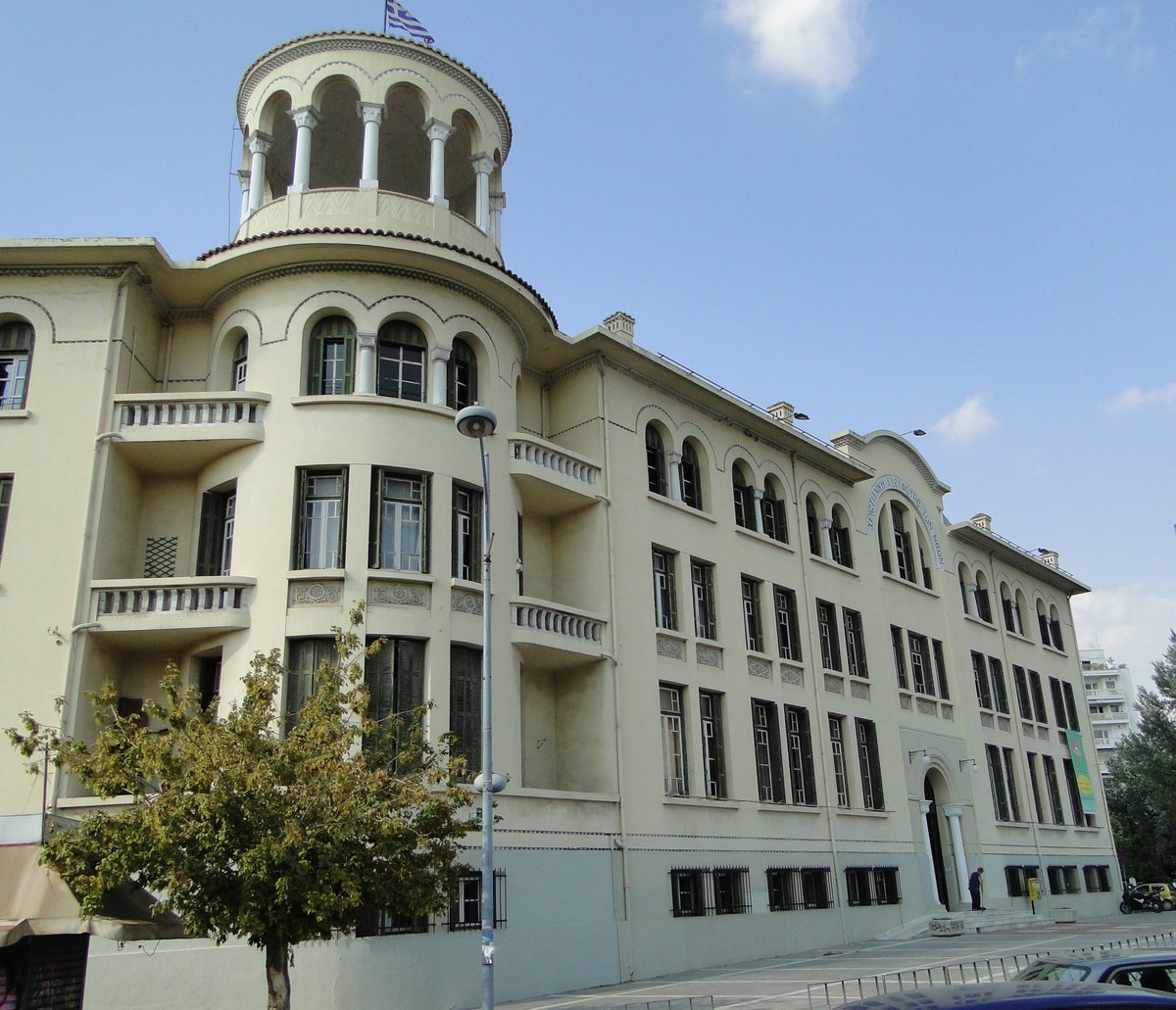
Constructed as part of Thessaloniki’s post-1917 urban revitalization, the YMCA Building opened in 1924 and quickly became central to the city’s public life. Its development coincided with a period of modernization, symbolizing the city’s recovery and aspirations. The building’s location at YMCA Square places it within walking distance of major landmarks, reinforcing its significance as a civic hub.
Architectural Style and Features
Facade and Structure
- Neoclassical and Eclectic Design The building merges neoclassical symmetry with eclectic details drawn from Baroque, Renaissance, and Art Nouveau traditions (inthessaloniki.com).
- Distinctive Features Ornate ironwork on balconies, high-quality masonry, decorative cornices, and pilasters.
- Balanced Proportions Classical elements create harmony, while subtle asymmetries add visual interest.
Interior Design
- Spacious Halls Designed for both community gatherings and administrative functions.
- High Ceilings and Natural Light Large windows and generous ceiling heights foster an open, welcoming atmosphere.
- Period Details Moldings, woodwork, and flooring reflect early 20th-century aesthetics.
Historical and Cultural Significance
The YMCA Building has stood at the crossroads of Thessaloniki’s social and cultural life for over a century:
- Community Hub It hosted educational programs, art exhibitions, athletic events, and social services. In 1966, the Municipal Art Gallery began its journey in two rooms here, underscoring the building’s cultural importance (inthessaloniki.com).
- Urban Transformation Its establishment paralleled the city’s growth as a cosmopolitan metropolis.
Preservation and Restoration
Structural Preservation
Following the 1978 earthquake, the YMCA Building underwent significant reinforcement and conservation to meet seismic safety standards while preserving original elements (inthessaloniki.com).
Restoration Techniques
- Facade Cleaning and Repair Careful restoration of masonry and decorative features.
- Interior Conservation Preserved woodwork and plasterwork, adapted for modern use.
Adaptive Reuse
The building’s ongoing adaptation for exhibitions, sports, and community events ensures its relevance and sustainability.
Visiting Hours, Tickets, and Tours
Opening Hours
- Standard hours: Monday to Friday, 9:00 AM – 9:00 PM; Saturday, 10:00 AM – 6:00 PM
- Hours for special exhibitions or the Basketball Museum may vary—check the official website for current schedules.
Admission
- General Access Most public areas and events are free.
- Special Exhibitions/Workshops Some may require a ticket (typically €5 or less).
- Guided Tours Occasional, especially during significant events; advance booking recommended.
Basketball Museum
- Greece’s only dedicated basketball museum, celebrating the YMCA’s role in introducing the sport locally. Entry is often included with building admission (YMCA Volunteers).
Location, Accessibility, and Facilities
Central Location
- Address: YMCA Square, opposite the International Fair and Archaeological Museum (Trek Zone).
- Public transport: Served by multiple bus lines; taxis are readily available. The city’s compact layout allows for easy walking.
Accessibility
- Wheelchair Access Ramps and elevators throughout.
- Restrooms Accessible facilities available.
- Visitor Services Information desks, seating, and free Wi-Fi in many communal spaces.
YMCA Park
- An 11.5-acre urban park adjacent to the building. It hosts community events, festivals, and offers green spaces for relaxation (Trek Zone).
Cultural and Social Impact
- Education Hosted the Municipal Library and Thessaloniki’s 1st Night High School, providing public learning resources for decades (Visit Central Macedonia).
- Sports The “Mimis Tsikinas” sports center, football pitch, tennis courts, indoor gym, and pool are renowned for promoting health and teamwork.
- Cultural Events The Curtain Theater and exhibition spaces offer a venue for performances, lectures, and festivals—highlighted during the 2021 centennial celebration (YMCA Europe).
- Community Outreach Programs for youth, marginalized groups, refugees, and international collaborations showcase the YMCA’s role in social innovation.
Nearby Attractions and Practical Tips
Landmarks Within Walking Distance
- White Tower Thessaloniki’s iconic monument (5 minutes).
- Archaeological Museum 3 minutes.
- Museum of Byzantine Culture 6 minutes.
- OTE Tower Observation deck and restaurant.
Facilities & Amenities
- Food and Drink Numerous cafes and restaurants along Tsimiski Street.
- Wi-Fi Widely available in public areas.
- Parking Limited; public transit or walking recommended.
Practical Tips
- Climate Mediterranean; best months to visit are April–October (Wanderlog).
- Dress Code Casual, with modest attire recommended for religious sites.
- Language Greek is official, but English is common in tourist areas.
- Safety The city is considered safe; usual precautions apply.
Frequently Asked Questions (FAQ)
What are the visiting hours?
Standard hours are Monday–Friday 9:00 AM–9:00 PM, Saturday 10:00 AM–6:00 PM. Check the official website for updates.
Is there an entrance fee?
Most areas and events are free; special exhibitions or tours may require a small fee.
Is the building accessible?
Yes, ramps and elevators are available.
Are guided tours available?
Yes, during special events or upon request. Pre-booking is advised.
Can I take photographs?
Photography is allowed in most areas, except during certain exhibitions.
How do I get there?
Located at YMCA Square, easily accessible by public transport, taxi, or on foot from the city center.
Plan Your Visit
- Check schedules For events, tours, and exhibition timings on the official YMCA Thessaloniki website.
- Combine with nearby attractions Make the most of your visit by exploring the White Tower, Archaeological Museum, and vibrant Tsimiski shopping district.
- Download the Audiala app For interactive guides, real-time updates, and curated city tours.