Introduction
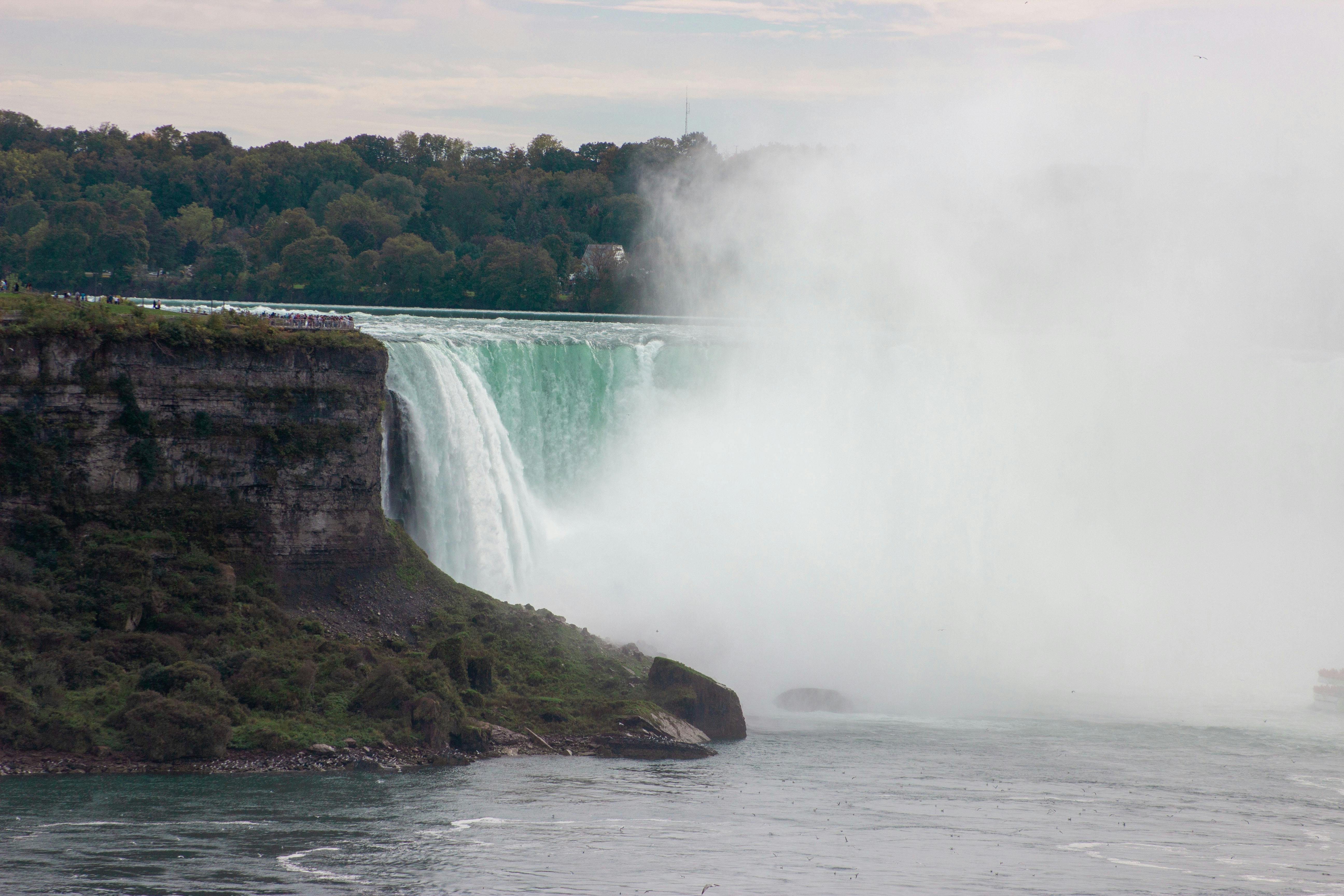
The roar hits you first. Then the mist, cold and constant, settles on your skin while the ground trembles under 2,800 cubic metres of water dropping every second. Most visitors fixate on the Canadian Horseshoe Falls and miss the real surprise: this place is two cities in one. One side pulses with neon and wax museums along Clifton Hill. The other offers 56 kilometres of quiet Niagara Parkway where the only sound is wind moving through 150-year-old oaks.
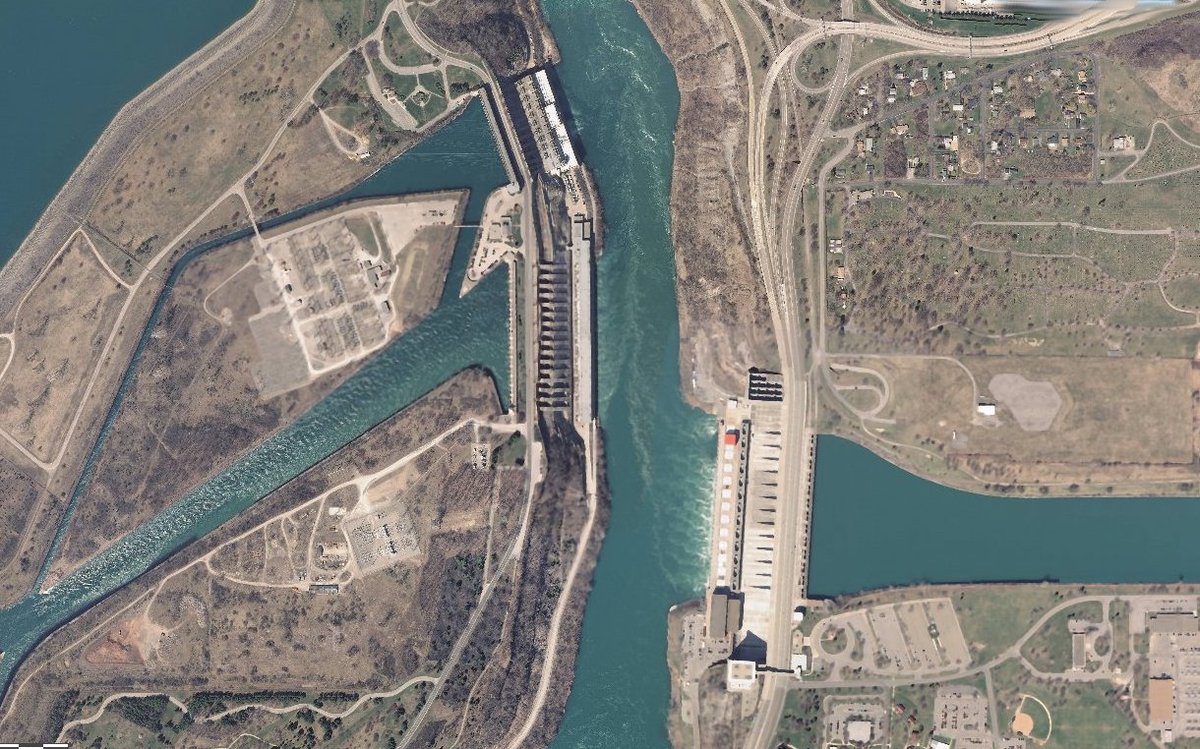
The contrast defines everything here. Early 20th-century power stations built from Queenston limestone still stand along the river, their Romanesque arches and 2,200-foot tailrace tunnels now open for walks 38 metres below the surface. The Niagara Parks Power Station, finished in 1905, whispers more about the city's true character than any fireworks show. Walk those tunnels once and the souvenir shops up top start to feel like an afterthought.
Locals slip away from the crowds to Queen Street for fish and chips at Halibut House or a pint at Taps on Queen where the karaoke rarely involves tourists. Twenty minutes north, Niagara-on-the-Lake serves as the refined older sibling with its theatre festivals and ice wine vineyards. The duality never quite resolves. And that tension, between spectacle and stillness, is what keeps this place interesting long after you've seen the water fall.
By 2026 the Niagara Falls Exchange at Main and Ferry has become the place where the two sides meet. Woodworking studios sit beside poetry readings and farmers' markets. The building doesn't compete with the Falls. It simply offers what the water cannot: a reason to stay after the mist dries from your coat.
Places to Visit
The Most Interesting Places in Niagara Falls
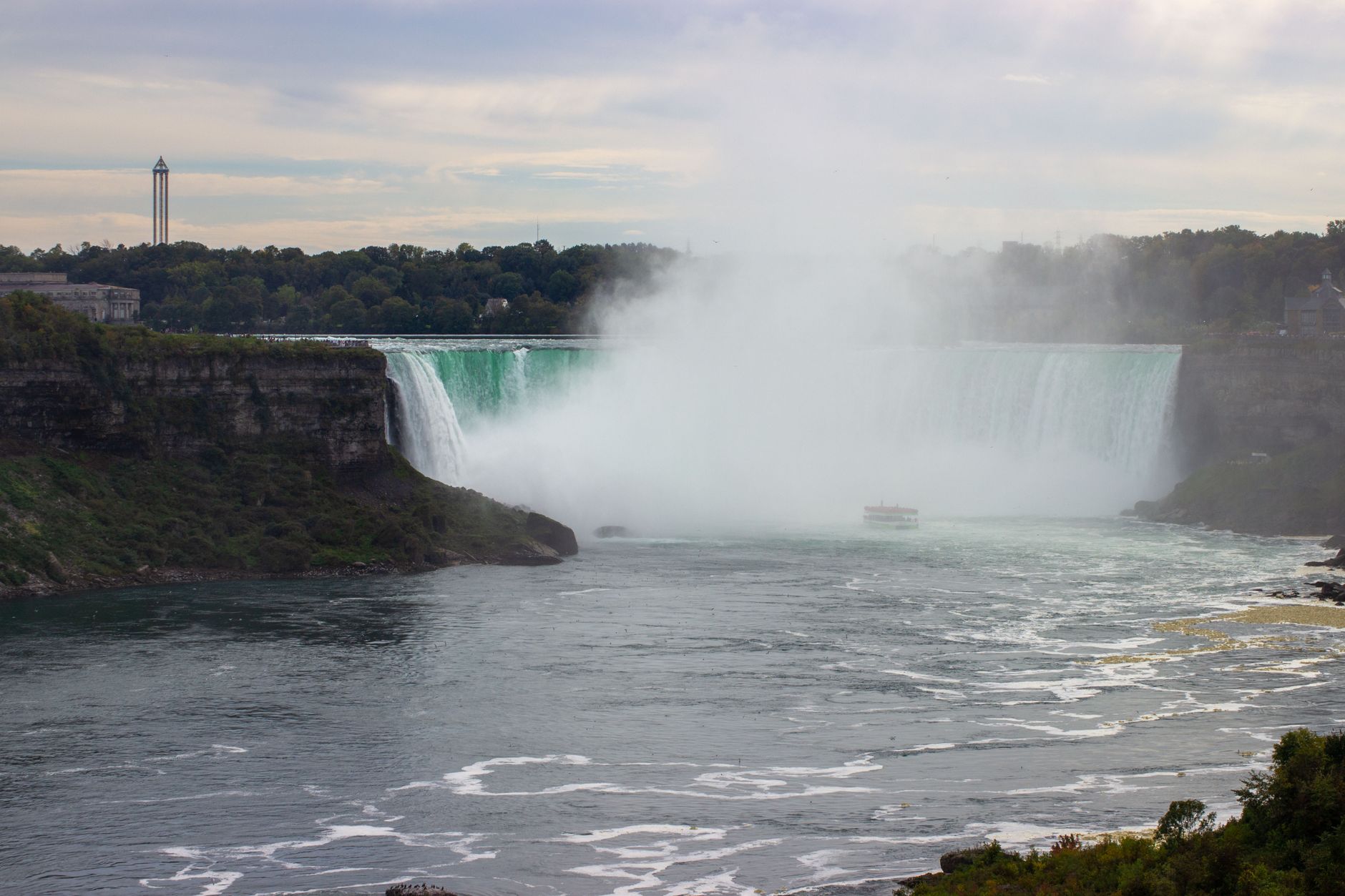
Niagara Falls
One woman rode a barrel over a 167-foot drop here in 1901. The park is free, open 24/7, and still thundering with stories.
Niagara Skywheel
The Niagara SkyWheel stands as one of the most celebrated attractions in Niagara Falls, Canada, offering visitors an unparalleled vantage point to admire the…
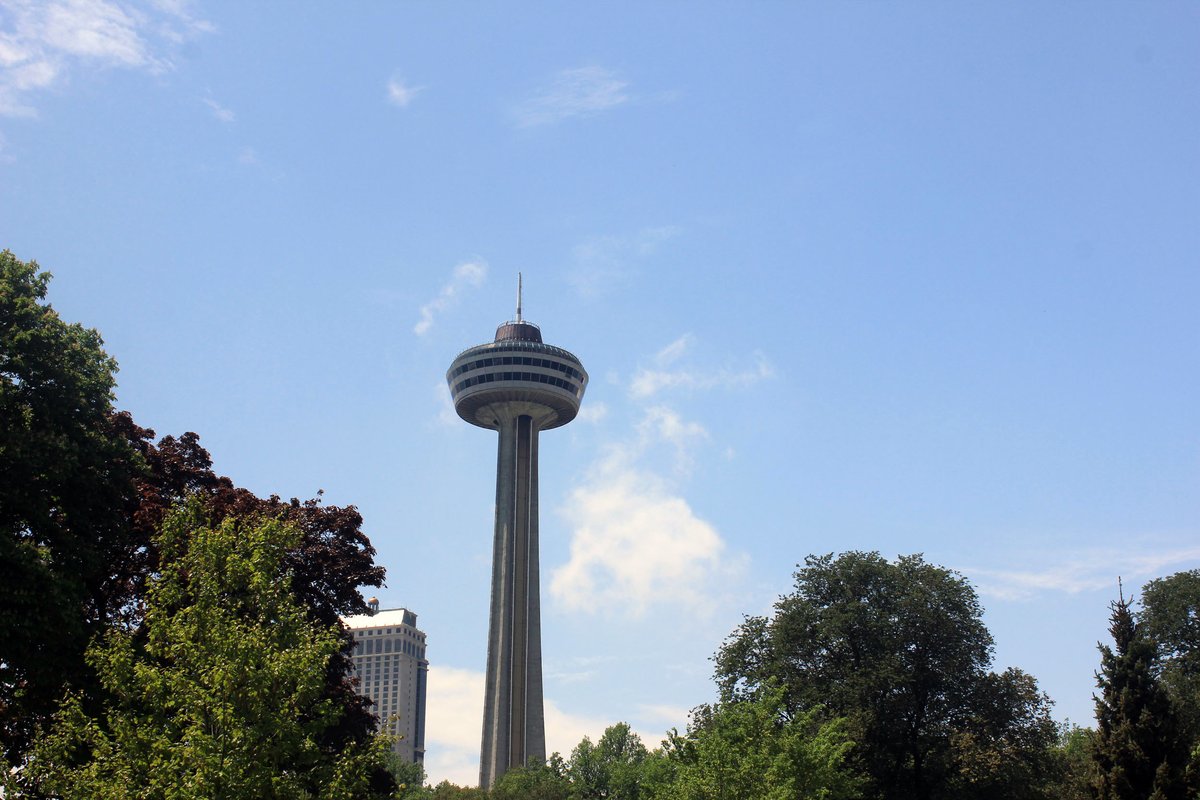
Skylon Tower
The Skylon Tower stands as an unmistakable symbol in the Niagara Falls skyline, offering visitors an extraordinary vantage point from which to witness the…
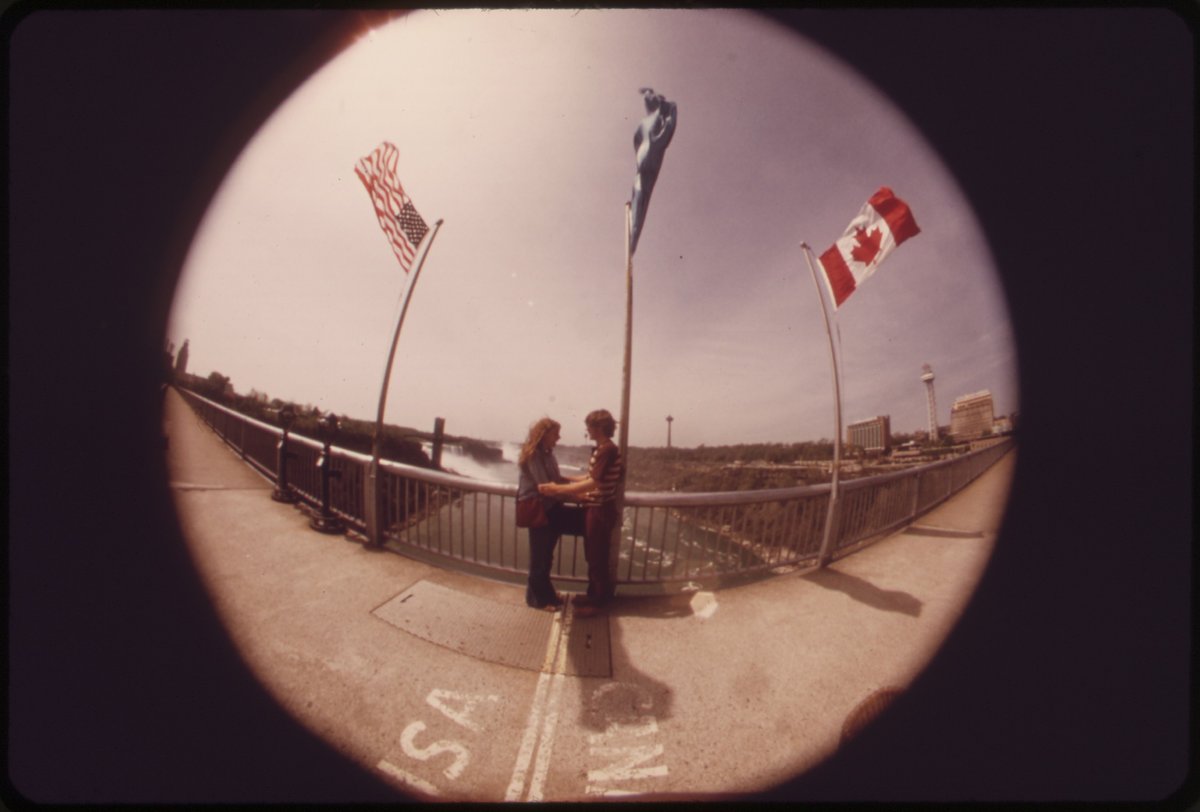
Rainbow Bridge
Nestled between the awe-inspiring American and Horseshoe Falls, the Rainbow Bridge serves as a vital international crossing connecting Niagara Falls, Ontario,…
Niagara Parks Commission
Niagara Falls, Canada, is not only a breathtaking natural wonder but also a rich tapestry of history, culture, and innovation, all carefully preserved and…
Honeymoon Bridge
Nestled between the breathtaking natural wonder of Niagara Falls and the vibrant border cities of Niagara Falls, Ontario, and Niagara Falls, New York, the…
Table Rock Welcome Centre
Nestled at the edge of the majestic Canadian Horseshoe Falls, the Table Rock Welcome Centre stands as a premier gateway to one of the world’s most…
Hilton Niagara Falls Tower 2
Nestled in the heart of one of North America's most breathtaking natural wonders, Hilton Niagara Falls Tower 2 stands as a beacon of luxury, modern…
Falls Incline Railway
Nestled amidst the breathtaking natural wonder of Niagara Falls, the Falls Incline Railway stands as both a practical transportation solution and a cherished…
Prospect Point Park Observation Tower
Nestled within the historic Niagara Falls State Park on the American side, the Prospect Point Park Observation Tower stands as a premier destination for…
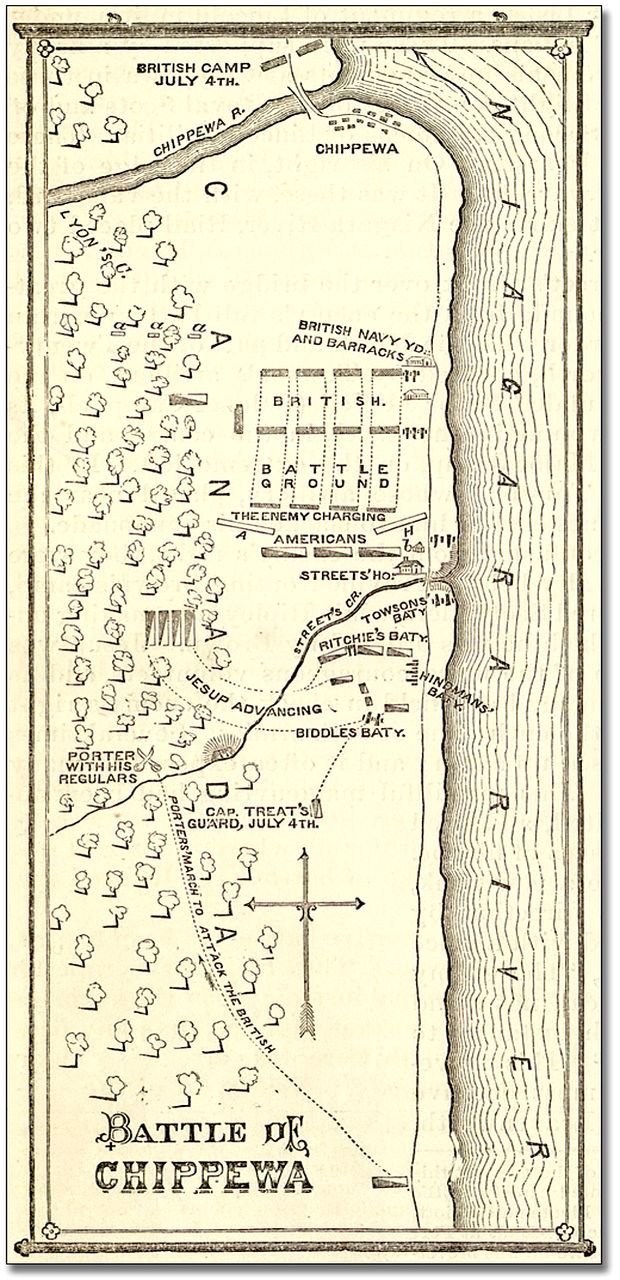
Battle of Chippawa
Situated just south of Niagara Falls, Ontario, the Battle of Chippawa site is a historically significant landmark commemorating a pivotal engagement during…
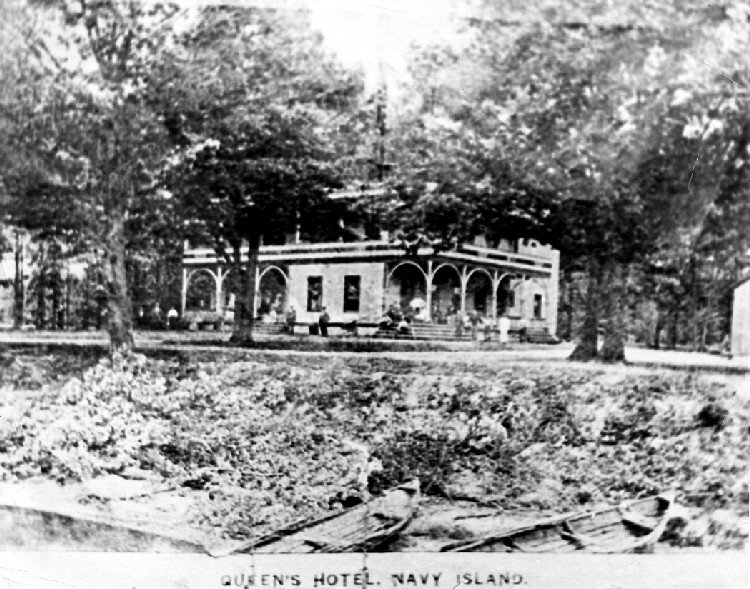
Navy Island
Nestled quietly in the Niagara River just upstream from the world-renowned Niagara Falls, Navy Island stands as a hidden gem rich in natural beauty,…
What Makes This City Special
The Falls Themselves
Stand at the brink of the Horseshoe Falls and the roar vibrates in your ribcage. The 1883 Niagara Parks Power Station lets you descend 2,200 feet through a limestone tailrace tunnel that once fed the original turbines. The mist never stops and neither does the power.
Industrial Ghosts
The 1903 Toronto Power Generating Station sits empty like a Beaux-Arts cathedral to electricity, designed by E.J. Lennox and now awaiting new life. Its limestone façade, quarried locally at Queenston, still commands the riverbank. Walk past at dusk when the light hits the Romanesque arches of its neighbour, the Niagara Parks Power Station.
Niagara Glen & Parkway
Five minutes from the neon of Clifton Hill the gorge drops into raw woodland. The Niagara Glen trails follow the river through 400-million-year-old rock. The contrast is violent and perfect.
Wine Country Next Door
Niagara-on-the-Lake lies 20 minutes north yet feels like another century. The same escarpment that carved the Falls grows Riesling and Cabernet Franc that winemakers have been quietly perfecting since the 1970s. Taste them where the vines actually grow.
Historical Timeline
Thunder, Ice and Electric Dreams
From sacred chasm to honeymoon capital and power source of a continent
First Footprints After the Ice
The last glaciers retreated and the Niagara River began carving its path over the escarpment. Indigenous hunters followed caribou along the new gorge. They heard the constant thunder long before they saw the water. The place already felt alive.
Neutral Nation Homeland
The Chonnonton, later called the Neutral by the French, settled the lands on both sides of the river. They called the falls the place where the Thunder Beings lived. Fishing weirs stretched across the upper river while tobacco smoke carried prayers downstream.
French Build House of Peace
French traders raised Fort Niagara near the river's mouth. They named it Maison de la Paix, a calculated name meant to calm the Haudenosaunee. The fort smelled of smoked eel and gunpowder. Control of the Niagara portage meant control of the entire interior.
Treaty of Fort Niagara
After defeating the French, the British secured a four-mile-wide strip along the river from the Seneca. The agreement was signed where the roar of the falls drowned out most conversation. That strip still shapes the modern border.
The Border is Drawn
The Treaty of Paris placed Fort Niagara on the American side. British forces and loyalist refugees crossed to the Canadian bank. Within a generation the Canadian side would become the louder, brasher sibling.
British Hand Over Fort Niagara
Under the terms of the Jay Treaty the British finally evacuated Fort Niagara. The last redcoats marched out at dawn while the falls kept roaring behind them, indifferent to treaties.
The First Honeymooners Arrive
Theodosia Burr Alston and her husband stepped off the boat and stared at the cataract. Their visit quietly began a tradition that would eventually earn the city its worldwide nickname. The roar became background music for newlyweds ever since.
Battle of Queenston Heights
On 13 October British forces and Indigenous warriors repelled an American crossing. General Isaac Brock died leading a charge up the escarpment. His death turned him into an instant Canadian martyr. The battle smell of wet wool and black powder lingered for days.
Laura Secord's Warning Walk
Laura Secord left her Queenston home and walked 32 kilometres through woods and fields. She carried news of an impending American attack to British forces at Beaver Dams. The Mohawk warriors and British troops won the battle the next day. Her name became legend.
Carnage at Lundy's Lane
On 25 July the bloodiest battle of the War of 1812 erupted within earshot of the falls. American and British soldiers fought by moonlight until both sides were too exhausted to continue. The roar of water mixed with the roar of cannon fire. Neither side gained lasting ground.
The Falls Run Dry
On 29 March an ice dam formed upstream and stopped the water completely. People walked across the dry riverbed collecting souvenirs while the silence felt apocalyptic. The water returned two days later. Locals still speak of it in hushed tones.
Maria Spelterini Crosses on Wire
The only woman to tightrope across the Niagara Gorge did so in 1876 while wearing peach baskets on her feet. She crossed four times that summer, once blindfolded, once with her ankles manacled. Crowds held their breath each time the cable swayed above the mist.
Niagara Parks Commission Created
The Ontario government established the Niagara Parks Commission to stop hotels and factories from crowding the falls. The move saved the view but also marked the beginning of managed tourism. The commission still controls every blade of grass along the river.
Tesla Lights Up Buffalo
Nikola Tesla's alternating current system transmitted power from the new Niagara generating station to Buffalo, 26 kilometres away. The demonstration changed the world. Cities could now grow far from coal. The smell of ozone mixed with river mist at the powerhouse.
Annie Taylor Goes Over the Falls
On her 43rd birthday schoolteacher Annie Edson Taylor climbed into a wooden barrel and went over Horseshoe Falls. She emerged alive but badly bruised. The first person to survive the drop spent her later years selling souvenirs and warning others not to try it.
The Ice Bridge Disaster
On 4 February the frozen ice bridge suddenly broke apart. Three tourists who had been walking on it were swept into the river and drowned. The tragedy ended the tradition of allowing visitors onto the ice. The memory still chills those who hear the story in winter.
Niagara River Treaty Signed
Canada and the United States agreed to regulate water flow. Half the river's water would be diverted at night and during winter for power, the rest left for tourists to admire. The treaty still dictates exactly how much water tumbles over the brink each hour.
Lennon and Ono Check In
John Lennon and Yoko Ono arrived unannounced, stayed at a motel, and wandered the Canadian side like any other couple. They posed for photos in front of the illuminated falls at night. The city barely noticed at the time.
Deadmau5 is Born
Joel Zimmerman entered the world in Niagara Falls. The future electronic music producer grew up surrounded by the constant low-frequency roar of the cataract. Some say you can still hear the falls hidden beneath the basslines.
The Falls Freeze Again
Extreme cold in January turned the edges of Horseshoe Falls into a frozen sculpture. Tourists gathered in the bitter air to watch ice form in real time. The river never stopped completely, but the sight felt like 1848 all over again.
Notable Figures
Annie Edson Taylor
1838–1921 · DaredevilOn her 63rd birthday in 1901 she climbed into a wooden barrel padded with a mattress and a pillow. She went over Horseshoe Falls and emerged with only a cut on her head. The stunt brought her no fortune. She died broke in Niagara Falls, buried near the river she once conquered.
Laura Secord
1775–1868 · War HeroineShe left her home near Queenston Heights with a cow as cover and walked 32 km through woods and American lines. Her warning helped win the Battle of Beaver Dams. Today the Parkway that bears her name is lined with cyclists and ice-cream trucks. She would probably find that amusing.
Nikola Tesla
1856–1943 · Electrical EngineerTesla proved AC power could travel 35 kilometres from the Canadian Falls to Buffalo. The lights came on and the world changed. He would likely smirk at the gift shops selling tiny barrels while the same river still spins the turbines he helped build.
Deadmau5
born 1981 · Electronic Music ProducerJoel Zimmerman grew up in a town where the loudest sound was water, not bass. He left for Toronto but the Falls still appear in his early visuals. On a quiet night you can almost hear the low frequencies of the river beneath his tracks.
Photo Gallery
Explore Niagara Falls in Pictures
The majestic Niagara Falls in Canada showcases the raw power of nature as water cascades over the edge into the river below.
Hashim Gaad on Pexels · Pexels License
The powerful Horseshoe Falls in Niagara Falls, Canada, captured with a tour boat navigating the misty waters below.
Hashim Gaad on Pexels · Pexels License
The majestic Niagara Falls in Canada, showcasing the powerful cascading water, rocky terrain, and vibrant autumn foliage surrounding the falls.
Hashim Gaad on Pexels · Pexels License
The majestic Horseshoe Falls in Canada, showcasing the powerful cascading water and dense mist that defines this world-famous natural landmark.
Hashim Gaad on Pexels · Pexels License
A stone bridge spans the rushing waters above the iconic Niagara Falls in Canada, framed by vibrant autumn foliage.
Hashim Gaad on Pexels · Pexels License
The iconic Niagara Falls, Canada skyline rises above the lush parklands and the mist of the falls on an overcast day.
Hashim Gaad on Pexels · Pexels License
A stunning aerial perspective of the American Falls in Canada, showing the powerful cascade, rocky base, and a tourist-filled boat navigating the mist.
Hashim Gaad on Pexels · Pexels License
The powerful Horseshoe Falls in Niagara Falls, Canada, captured during the soft light of dusk with visitors watching from the cliffside observation area.
Hashim Gaad on Pexels · Pexels License
The powerful Horseshoe Falls in Niagara Falls, Canada, creates a dramatic mist as a tour boat navigates the turbulent waters below.
Hashim Gaad on Pexels · Pexels License
A tour boat carrying passengers in bright pink ponchos navigates the misty waters beneath the powerful American Falls in Niagara Falls, Canada.
Hashim Gaad on Pexels · Pexels License
The powerful Horseshoe Falls in Niagara Falls, Canada, creates a thick mist as a tour boat navigates the turbulent waters below.
Hashim Gaad on Pexels · Pexels License
Practical Information
Getting There
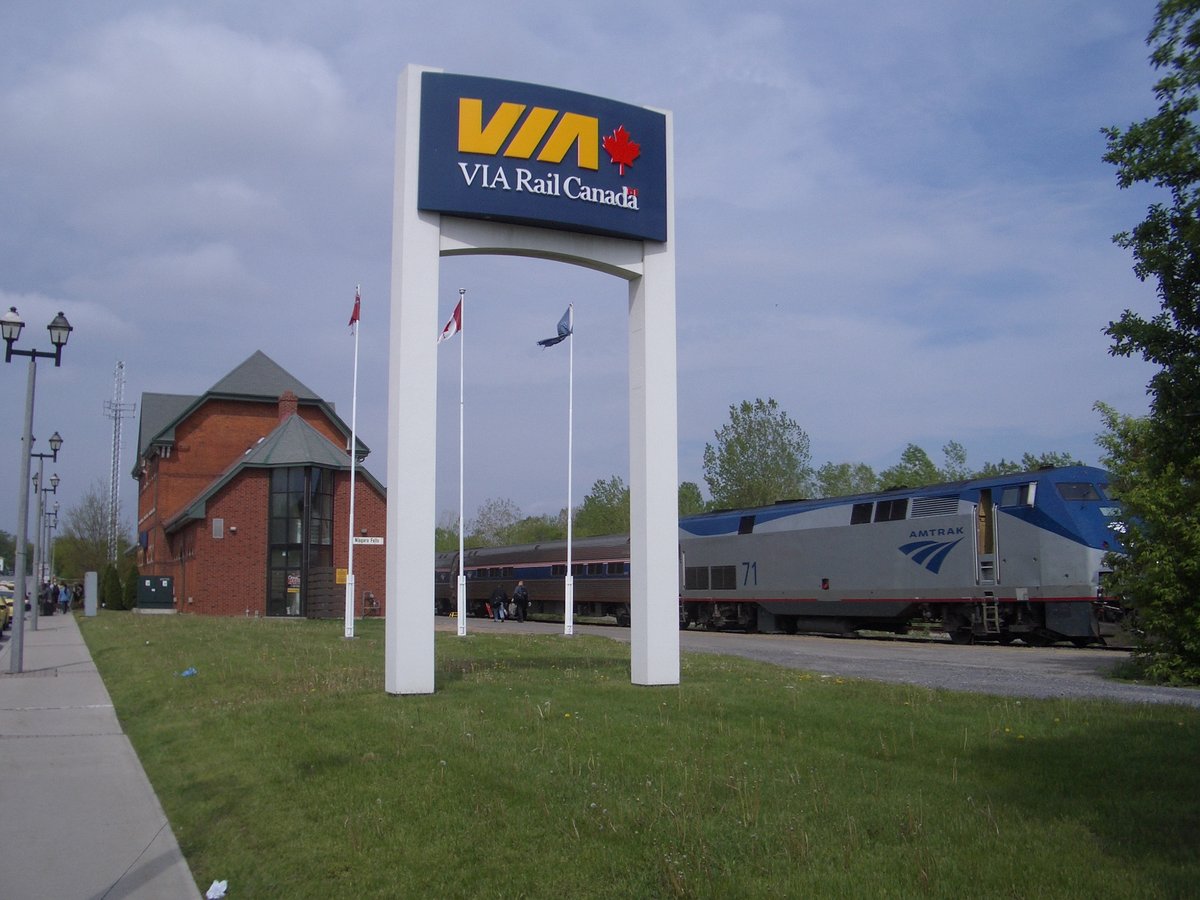
Most visitors arrive via Toronto Pearson International Airport (YYZ), 125 km away. Niagara Airbus runs direct shuttles to hotels while the cheapest route is GO Transit bus 40 from the airport to Union Station then Route 12. In 2026 Uber rides take roughly two hours in normal traffic.
Getting Around
WEGO buses are the dedicated tourist system with Blue and Green lines covering every major site. A 24-hour adult pass costs $13, 48-hour $17. The Falls Incline Railway climbs from Table Rock Centre to the Fallsview area while the Niagara Parkway offers 35 km of flat, car-free cycling.
Climate & Best Time
July averages 17–28 °C with heavy humidity and frequent afternoon storms. January sits between −8 and 0 °C with ice forming on walkways from constant mist. September and early October bring foliage, thinner crowds and comfortable 15–22 °C days.
Safety
The tourist core remains very safe even at night. Watch your footing near the gorge in winter when spray freezes into black ice on railings and paths. Standard city precautions apply on Clifton Hill after dark.
Where to Eat
Don't Leave Without Trying
No Tell Cocktail SPEAKEASY
local favoriteOrder: House-crafted cocktails made with premium spirits and fresh ingredients — the bartenders here actually know what they're doing, unlike the tourist traps on Falls Avenue.
A proper speakeasy vibe in the heart of Queen Street's local dining corridor. This is where locals go to escape the neon chaos and drink something that doesn't come from a well.
Camp Cataract
local favoriteOrder: Whatever seasonal cocktail special they're running — the team here puts real thought into their drinks menu.
With nearly 340 reviews and a perfect rating, Camp Cataract has earned its reputation as the Queen Street destination for serious cocktails and good company. It's become a genuine local institution.
Mesopotamia Turkish Bakery
quick biteOrder: Fresh Turkish bread, savory pastries, and whatever is still warm from the oven when you arrive — get there early before the best items sell out.
This is authentic neighborhood bakery work: real Turkish recipes, real craftsmanship, no pretense. Perfect for breakfast or grabbing something genuine to eat on the go.
Simple Simon's Buns
quick biteOrder: Fresh bagels — get them warm and try them with cream cheese and lox, or just plain to taste the quality of the dough.
A proper bagel shop run by people who understand the craft. These aren't mass-produced — they're boiled and baked right, the way bagels should be.
Crazy Macaws Motorcycle Museum & Café
cafeOrder: Coffee and a pastry while you browse the motorcycle collection — it's a genuinely quirky spot that actually cares about both the bikes and the coffee.
Part museum, part cafe, entirely memorable. You get good coffee and a conversation starter without leaving Queen Street. This is the kind of place that makes a neighborhood feel like home.
Goldie's Museum
local favoriteOrder: A drink while you take in the eclectic decor and memorabilia — the atmosphere is the real draw here.
A true neighborhood gem on Queen Street with character that can't be faked. The museum vibe is genuine, and the bar keeps things interesting.
Niagara Vines
local favoriteOrder: Local Niagara region wines — this is your chance to explore what the wine country produces without the drive to Niagara-on-the-Lake.
Located in the Sheraton, this wine bar punches above its tourist-district location by focusing on quality local wines and a more refined approach than the typical Falls Avenue scene.
The Eclectic Oak
cafeOrder: Coffee and whatever pastry or light fare they have on the day — small cafes like this often surprise you with daily specials.
A true neighborhood cafe that hasn't been sanitized for tourists. This is where locals actually sit down with a coffee and spend time.
Dining Tips
- check Tip 15–20% of the pre-tax bill at full-service restaurants. Tipping is not expected for counter service or casual bakeries unless staff provide table service.
- check Shop the Niagara Falls Farmers' Market early (around 8:30 AM) on Saturdays to get the best selection before items sell out.
- check Small vendors at farmers' markets may only accept cash — bring small bills.
- check Standard meal times: breakfast 7:00–10:00 AM, lunch 12:00–2:00 PM, dinner 5:30–8:30 PM.
- check Many independent restaurants in the downtown Queen Street area may close Mondays or Tuesdays — call ahead.
- check Reservations are highly recommended for fine dining and popular spots, especially weekends and peak summer. Book 1–2 weeks in advance.
- check Major credit cards are widely accepted at most restaurants.
Restaurant data powered by Google
Tips for Visitors
Visit in September
September brings fall colours along the Niagara Parkway, fewer crowds than July, and temperatures between 17–23°C. Book the Wonder Pass then to save on WEGO rides and the Power Station tunnel.
Master the WEGO
Buy the 24-hour pass for $13 instead of individual tickets. The Green line loops every 20 minutes through all Niagara Parks sites while the Blue line covers Clifton Hill hotels.
Skip Clifton Hill
Walk or cycle the Niagara Parkway at dawn instead. The only sounds are the roar of 2,800 cubic metres of water per second and your own footsteps on the paved path.
Use the Wonder Pass
The bundled pass covers Journey Behind the Falls, Niagara Parks Power Station, WEGO buses and the Incline Railway. Individual tickets cost nearly double for the same experiences.
Eat on Queen Street
Head two kilometres from the neon lights to Queen Street for halibut and chips at Halibut House or fresh oysters at Tide and Vine. Locals avoid the Clifton Hill chains.
Mind the Mist in Winter
The spray freezes on railings from December to February. Wear sturdy boots with grip and keep one hand free. The ice can be thicker than your palm.
Explore the city with a personal guide in your pocket
Your Personal Curator, in Your Pocket.
Audio guides for 1,100+ cities across 96 countries. History, stories, and local insight — offline ready.
Audiala App
Available on iOS & Android
Join 50k+ Curators
Frequently Asked
Is Niagara Falls worth visiting? add
Yes, if you leave Clifton Hill. The raw power of 57 metres of water dropping at 2,800 cubic metres per second still shocks after 12,500 years. Most regret only staying on the neon strip.
How many days do you need in Niagara Falls? add
Three days works best. One for the Falls and parks, one for the Niagara Parkway and Niagara Glen trails, and one for Niagara-on-the-Lake or the wine route. Two days feels rushed.
How do you get from Toronto Airport to Niagara Falls? add
Niagara Airbus runs direct shuttles from Pearson to your hotel for about $70. The cheapest option is GO Transit via Union Station, taking roughly two and a half hours door to door.
Is Niagara Falls safe for tourists? add
The tourist areas are very safe. Watch for ice on walkways near the gorge in winter. Standard precautions apply around Clifton Hill at night when the crowds thin.
How much does Niagara Falls cost? add
Expect $150–220 per person per day. The Wonder Pass at $85 covers most major attractions and transport. Food and accommodation push the total up quickly in peak season.
Should I visit the Canadian or American side? add
The Canadian side gives the classic panoramic view. Cross the Rainbow Bridge if you have passports. The American side offers closer walks but you cannot see the full curve of Horseshoe Falls.
Sources
- verified Niagara Parks Official Site — Current attraction details, WEGO fares, Wonder Pass information and historical context for 2026.
- verified Niagara Falls Tourism — Neighbourhood guides, transport options including NOTL shuttle, and 2024–2026 event calendars.
- verified The Niagara Falls Exchange — 2026 cultural programming, farmers market details and local arts scene information.
- verified Clifton Hill Blog — Historical figures research, hidden gems and architectural history of the power stations.
Last reviewed: