Place
Canada Updated Apr 2026
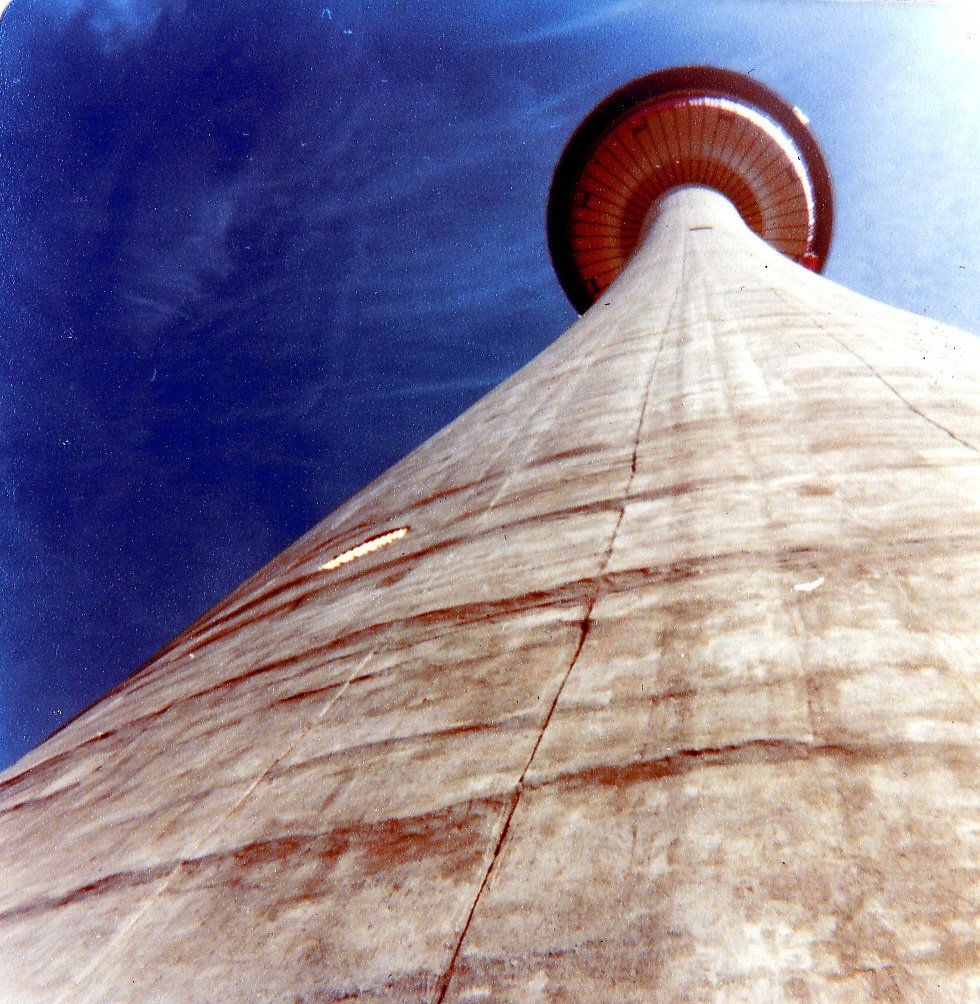
The first thing that hits you in Calgary is the smell of prairie wind mixed with distant snow. One minute you're standing on 8th Avenue with the glass towers of a modern Canadian city rising 190 metres to the observation deck of the Calgary Tower. Turn west and the Rockies cut the horizon like a serrated knife. This is a city that refuses to pick a single identity.
 Photo: Francois Mutombo / Pexels
Built from cited sources · see the method · How we make our guides →
Cowboys still tip their hats here, but so do architects who just stepped out of the $245 million Central Library. The Stampede may last ten days every July, yet the western spirit simmers year-round in steak houses where Alberta beef is treated with something close to religion. And then there are the penguins. Real ones, diving in the Calgary Zoo while outside the temperature drops to minus thirty. The contrast is the point.
What stays with you is the light. It ricochets off the Bow River, bounces between sandstone buildings from 1911 and glass bridges of the +15 network that stitch downtown together 4.5 metres above the street. This is a place built for extremes, where people have engineered ways to keep living beautifully between them.
Calgary doesn't whisper its contradictions. It serves them to you with a Caesar invented in this city in 1969 and a side of ginger beef created in its Chinatown in the 1970s. You leave understanding that the West was never one thing. It was always many things at once, arguing cheerfully over who gets the last pancake at the Stampede breakfast.
Not every monument, just the ones we'd walk you past ourselves.


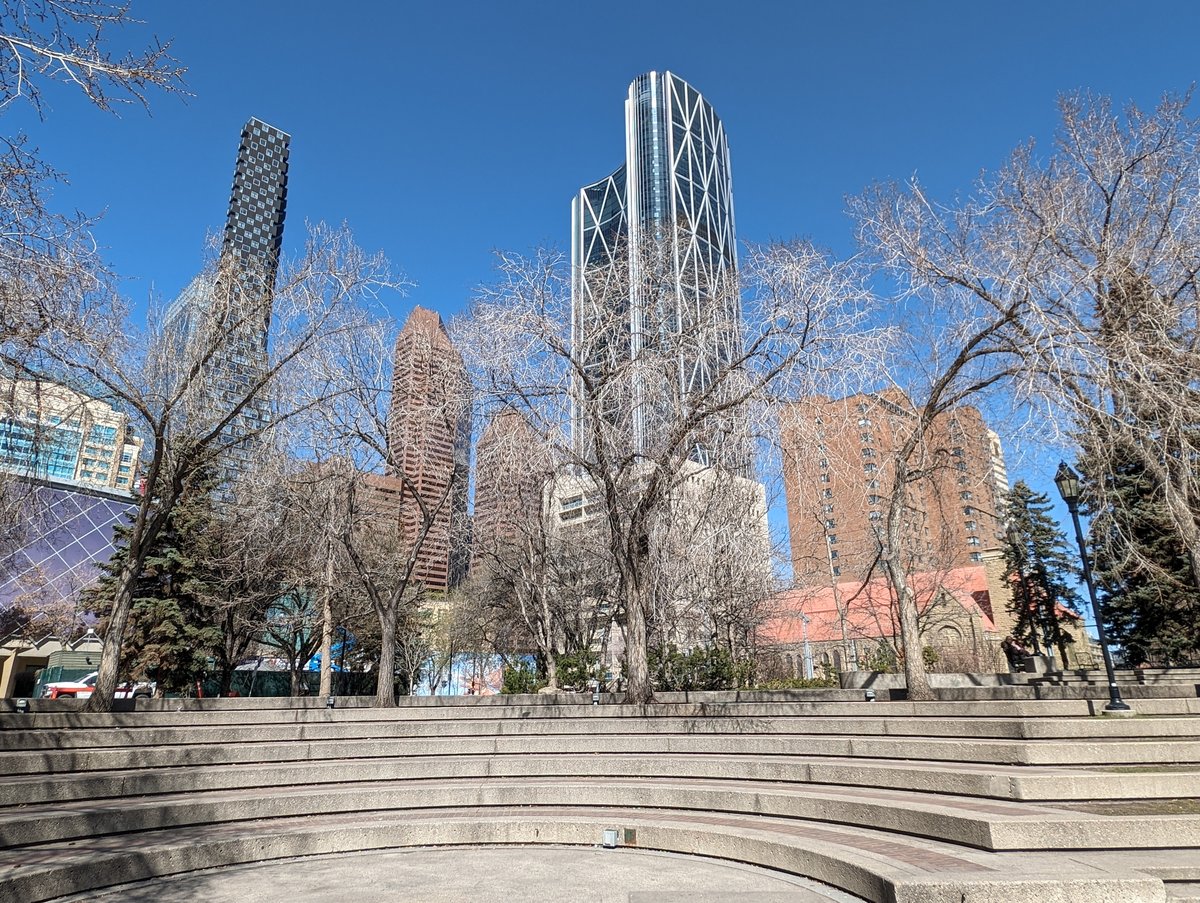

Where to wander, by quarter — each with its own rhythm.
Before you go
Curated from places in this city. Same price as official sites.


Prices shown are indicative — final pricing and availability are confirmed at checkout. Audiala may receive a commission from bookings made via these links.
Ten thousand years compressed into one turbulent century
People have gathered where the Bow and Elbow rivers meet for at least ten thousand years. The Blackfoot call it Mohkinstsis. Archaeological traces on Nose Hill still carry the echo of ancient camps, stone tools, and the smoke of fires that once guided travelers across the plains.
Explorer and mapmaker David Thompson spent the winter with a Piikani band along the Bow River. He became the first recorded European to visit the site that would become Calgary. The encounter quietly marked the beginning of the end of exclusive Indigenous control.
John Glenn and his Métis wife Adelaide Belcourt staked a claim in the Fish Creek valley. Their small farm and trading post became the first documented European settlement in the Calgary area. The scent of turned prairie soil and woodsmoke announced permanent change.
The Mounties built Fort Brisebois at the river junction to choke off the whiskey trade. Renamed Fort Calgary the following year after a Scottish bay, the post asserted Canadian authority over territory recently covered by Treaty 7. Red-coated authority replaced older laws almost overnight.
Blackfoot, Tsuut’ina, and Nakoda leaders signed Treaty 7 with the Crown. The agreement opened southern Alberta to ranchers, railways, and settlers. For Calgary, it was the legal foundation on which every later boom was built.
The Canadian Pacific Railway arrived in August. Within months the town’s population jumped from 75 to several hundred. Tents sprang up beside the tracks, the first issue of the Calgary Herald was printed under canvas, and the future snapped into focus.
With 506 residents, Calgary incorporated as a town. George Murdoch, hardware merchant and saddle maker, took the oath as mayor. The council met in a borrowed room above a store while the prairie wind rattled the windows.
On November 7 a fierce wind drove flames through 18 wooden buildings. Losses topped $100,000 in a town barely three years old. Survivors chose Paskapoo sandstone for the rebuild, giving Calgary its distinctive golden façades and the nickname Sandstone City.
A judge voided the January election, sparking a six-month standoff. Two rival mayors claimed power while the town staggered along ungoverned. Order returned only after a special October vote installed George Clift King.
Alberta entered Confederation. Calgary lost the capital to Edmonton by a single vote in a decision that still rankles. The rivalry between the two cities became one of the province’s defining features.
Showman Guy Weadick convinced four wealthy cattlemen to back his vision. Twenty-five thousand spectators watched cowboys compete in a city of forty-five thousand. The ten-day rodeo fused ranching culture with spectacle and never left.
Natural gas was found southwest of the city. Calgary’s first refinery opened nine years later. The smell of sour gas and the clank of drill rigs announced the petroleum era that would remake the skyline repeatedly.
Annie Gale became Calgary’s first female alderman and Canada’s first female municipal councillor. She fought for milk pasteurization, better housing, and women’s voices in city hall while the men still debated in smoke-filled rooms.
Returning soldiers brought the flu in early October. Schools, theatres, and churches closed. Makeshift hospitals filled with coughing patients while the rest of the young city held its breath.
Imperial Oil’s strike near Edmonton turned Calgary into the corporate headquarters of western Canada’s oil industry. Head offices, banks, and skyscrapers followed. The city’s population and ambitions both exploded.
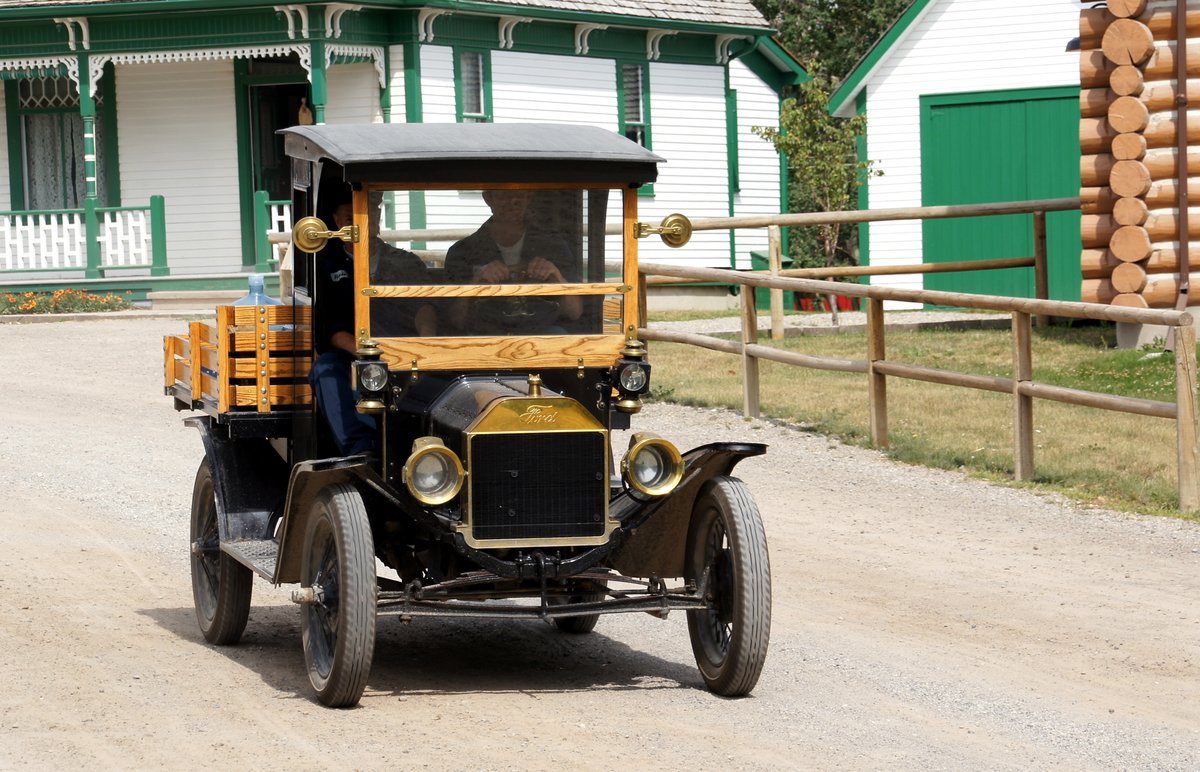
Canada’s largest living history museum welcomed its first visitors on Dominion Day. Steam trains chuffed past relocated pioneer buildings while a paddle steamer plied the reservoir. The park froze the pre-1914 West in amber.
The 190.8-metre tower opened at a cost of $3.5 million. Its observation deck offered the first 360-degree view of mountains, prairie, and the growing city below. Natural gas still flares from its summit on special nights.
The XV Olympic Winter Games opened on February 13. The Saddledome, Olympic Oval, and volunteer spirit reshaped the city’s global image. The cauldron atop the Calgary Tower burned for the world to see.
The Bow and Elbow rivers crested at 2,400 and 1,240 cubic metres per second. Eighty thousand people were evacuated. The water left behind $5 billion in damage and forced the city to rethink its entire relationship with its rivers.
The $191-million National Music Centre brought 2,000 artifacts, interactive instruments, and the Canadian Music Hall of Fame under one striking roof. Its bells still ring across the redeveloping East Village.
The $245-million library opened its sculptural doors in the East Village. Five bright levels quickly became the city’s most photographed building and its most democratic cultural space.
Calgarians elected Jyoti Gondek as their first woman to lead city hall. The milestone arrived more than a century after Annie Gale broke the gender barrier on council.
Where locals actually book dinner — not the tourist menus.
Small things that change how the city treats you.
The city, as it actually looks.


Yes, especially if you want a city that still smells like rodeo and sits an hour from the Rockies. The contrast between glass towers, cowboy culture, and genuine wilderness is sharper here than anywhere else in Canada.
Three full days works for the must-sees. Four is better if you plan a day trip to Banff or want to explore Inglewood and Fish Creek Provincial Park without rushing. Five days lets you catch a concert at Studio Bell and still breathe.
Route 300 bus takes you directly to downtown in about 45 minutes for under $10. A taxi or rideshare costs $65–75 plus airport fees. There is still no train from YYC.
Calgary is generally safe but downtown and certain transit stations see higher rates of social disorder. Stick to populated areas at night and use standard big-city awareness. The police crime dashboard updates on the 5th of every month.
July for the Stampede energy or late May through September for pleasant temperatures and mountain access. Winters are genuinely cold — averages of -7.6°C in January with regular snow.
Not necessary for the first 3–4 days if you stick to the CTrain, pathways, and +15 Skywalk. You’ll want one for Fish Creek Provincial Park, Nose Hill, or any mountain day trip.
89 places to discover








Showing 1–48 of 89 places
Saved and recently read places — kept on this device only.
Photos may have been resized or cropped.