
Place
Italy Updated Oct 2026
Perugia, Italy, has an underground commute: escalators carry you through the vaulted remains of Rocca Paolina, a 16th-century fortress built over a medieval neighborhood. Above ground, students cross Corso Vannucci and afternoon light catches the carved stone of the Fontana Maggiore. Here, history is not cordoned off from daily life; it is part of the route.
 Photo: No machine-readable author provided. Grifomaniacs assumed (based on copyright claims). · CC BY-SA 2.5
Built from cited sources · see the method · How we make our guides →
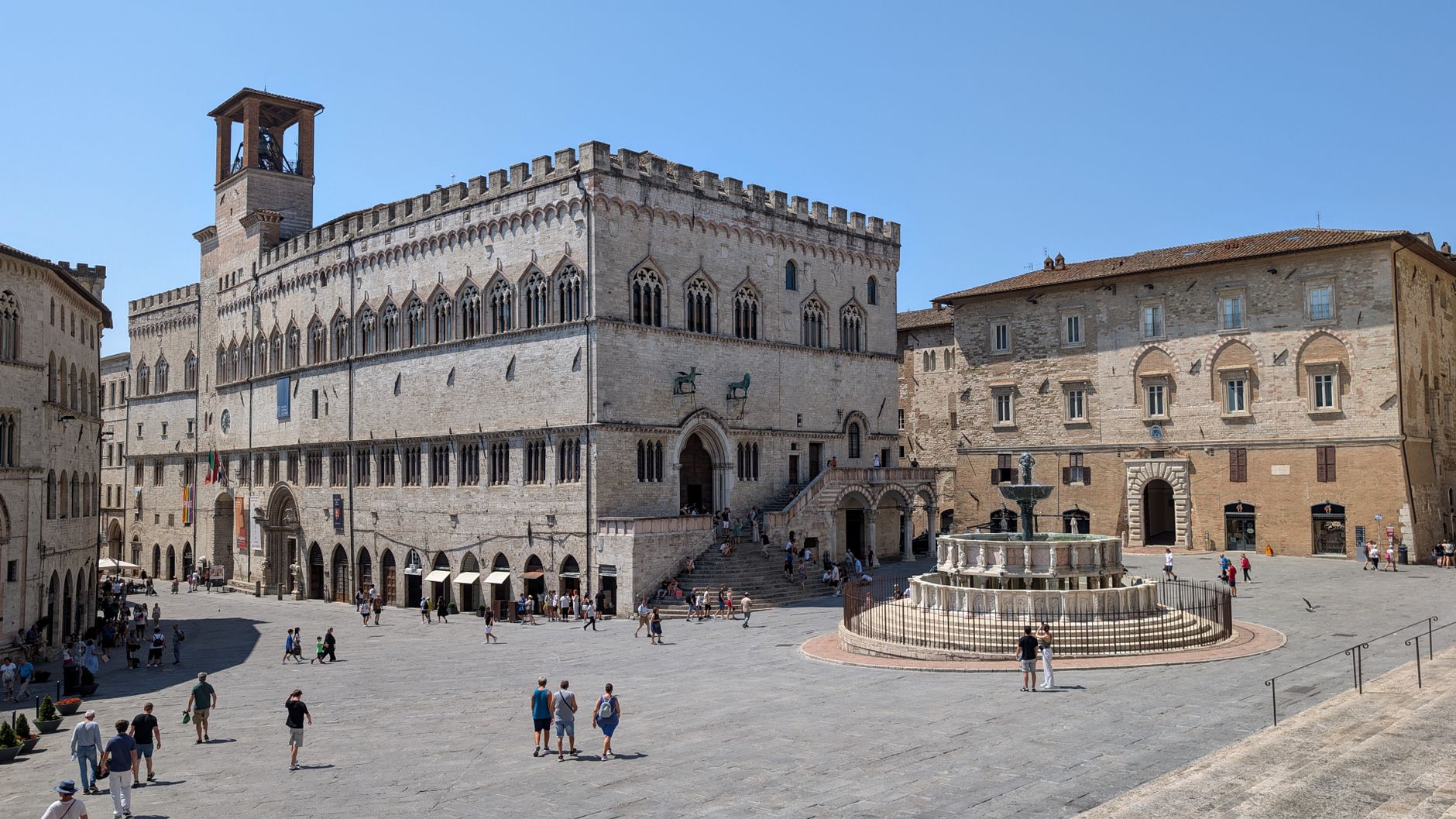
Piazza IV Novembre gathers Perugia’s civic and religious heart around the Fontana Maggiore, whose marble reliefs show everything from zodiac signs to the work of the months. Across the square, the Gothic Palazzo dei Priori holds the Galleria Nazionale dell’Umbria, where works by Perugino, Pinturicchio and Piero della Francesca make a persuasive case for staying longer than a quick circuit.
The city’s older layers surface in unexpected places: the Arco Etrusco, assembled from travertine blocks without mortar, still bears the Roman inscription Augusta Perusia, added after Octavian’s victory in 40 BC. Rocca Paolina tells a later story of power: built after the Salt War, it absorbed streets and palaces beneath its walls, and today those buried passages carry visitors uphill.
Perugia’s student life gives the steep medieval center a present-tense pulse, especially around Piazza Morlacchi and the cafés along Corso Vannucci. Order a warm torta al testo stuffed with sausage and greens, or come in July, when Umbria Jazz sends music from concert halls into the streets; the city’s old stone has never meant quiet.
Not every monument, just the ones we'd walk you past ourselves.



Where to wander, by quarter — each with its own rhythm.
Before you go
Curated from places in this city. Same price as official sites.


Prices shown are indicative — final pricing and availability are confirmed at checkout. Audiala may receive a commission from bookings made via these links.
From Etruscan hilltop stronghold to a city built over its own buried streets
Archaeological traces point to early communities on the hills of Colle Landone and Colle del Sole. Perugia began as separate high-ground settlements, well placed to watch the valleys below.
By the sixth century BCE, the Etruscan city of Perusia had become one of the confederated centers of Etruria. Its name survives in the city’s ancient gates, and its steep position soon acquired walls to match.
Perusia’s Etruscan defenses took shape in massive travertine blocks, set without mortar along a circuit of roughly three kilometers. The Arco Etrusco and the deep stone well beneath the city still hint at the engineering that made this hilltop hard to take.
After the Social War, Perusia received Roman citizenship under the Lex Plautia Papiria. The legal change drew the city more firmly into Rome’s orbit, though its Etruscan gates and walls remained part of daily life.
During the Perusine War, Lucius Antonius and Fulvia took refuge inside the city while Octavian’s forces closed around it. Hunger did what the walls could not prevent: Perusia surrendered after a prolonged siege.
Octavian’s victory brought the sack and burning of Perusia, a disaster remembered in Roman accounts. The city was rebuilt as Augusta Perusia, a new imperial name carved above an older Etruscan gateway.
After a seven-month siege, the Ostrogothic king Totila captured Perugia. The fall ended a fierce defense and left the city exposed to the upheavals that remade Italy after Roman rule.
Bishop Herculanus led the city’s defense against Totila; later accounts say he was beheaded after Perugia fell. His name endured in local devotion, and the church of Sant’Ercolano still marks the city’s memory of its besieged bishop.
Frankish victories over the Lombards and the donations made to the papacy strengthened papal claims over central Italy, including Perugia. The city had been a Byzantine stronghold; now the old imperial frontier was giving way to a new political contest.
Holy Roman Emperor Henry VI recognized Perugia’s consular rights and municipal autonomy. Pope Innocent III acknowledged the commune in 1198, while placing it under papal protection—a useful arrangement for both sides, and a source of tension for centuries.
Nicola and Giovanni Pisano carved the Fontana Maggiore for the city’s main square after the completion of the Monte Pacciano aqueduct. Its panels move from months and trades to biblical scenes; water, civic pride, and public sculpture meet at the same basin.
Perugia began building the Palazzo dei Priori, a Gothic seat of government that grew across generations. Its stone façade and carved griffin announce the authority of the commune, while its halls housed the guilds that helped run it.
Pope Clement V’s bull Super specula formally established Perugia’s Studium Generale. Students and teachers brought new traffic to the steep streets, and the institution became one of the city’s lasting civic anchors.
The plague swept through Perugia, killing a large share of its inhabitants and unsettling the city’s social order. Workshops fell silent and households broke apart; recovery would not erase the political strains left behind.
Born at Montone, near Perugia, Andrea Fortebracci—known as Braccio da Montone—would become one of the era’s most formidable military captains. His capture of Perugia in 1416 briefly placed the city under the rule of a man shaped by its surrounding Umbrian rivalries.
Braccio defeated the papal-aligned forces at Sant’Egidio and entered Perugia as its ruler. His government brought a measure of civic renewal, though the city’s independence remained bound to the fortunes of a single condottiero.
Pietro Vannucci, born in Città della Pieve, built his career in Perugia and took the name by which the world remembers him. Around 1496–1500, his frescoes filled the Collegio del Cambio with painted virtues and a luminous, orderly world.
A conspiracy within the Baglioni family erupted into murder during the episode remembered as the Red Wedding. The violence exposed the cost of a city governed through family alliances, even as the Baglioni continued to dominate Perugia’s politics.
Perugia rebelled against Pope Paul III’s salt tax, but papal forces crushed the uprising. Antonio da Sangallo the Younger designed the Rocca Paolina over the conquered city, burying Baglioni palaces and more than 300 houses beneath a fortress built to make resistance harder.
French troops occupied Perugia, and the short-lived Tiberina Republic was proclaimed with the city as its capital before it was absorbed into the Roman Republic. Revolutionary flags replaced papal authority for a moment; the change did not last.
Papal forces entered Perugia to suppress a pro-unification revolt, killing civilians and insurgents and ransacking homes. The violence became known as the Massacres of Perugia, turning the city’s conflict with papal rule into a national cause.
Piedmontese troops under General Manfredo Fanti entered Perugia, ending papal government in the city. Perugia voted for annexation to the Kingdom of Italy, and the upper walls of the Rocca Paolina were soon dismantled to make room for new civic spaces.
Luisa Spagnoli was born in Perugia and would become one of the city’s best-known business pioneers. At Perugina she helped create the Baci chocolate, whose folded paper messages made a small sweet carry a note across the table.
Perugina began as a chocolate company in the city, giving Perugia a new identity beyond stone, churches, and university halls. Its factory turned a local enterprise into an industrial name recognized across Italy.
The University for Foreigners of Perugia was established to teach Italian language and culture to international students. Classrooms filled with new accents, adding an outward-facing institution to a city long shaped by regional rivalries.
British Eighth Army troops entered Perugia on 20 June, ending German occupation during the Italian campaign. The front moved north, but the city’s residents were left to reckon with the damage and shortages of wartime.
Perugian philosopher and educator Aldo Capitini organized the first Perugia–Assisi Peace March on 24 September, bringing thousands onto the road in a public appeal for nonviolence. The march became a recurring civic ritual, carrying the city’s name into Italy’s peace movement.
The first Umbria Jazz festival brought live jazz to Perugia’s streets and historic venues. The music gave the city a new summer rhythm, with amplified brass and late-night sets sounding against medieval stone.
A new escalator route opened through the buried passages of the Rocca Paolina, carrying residents between lower Perugia and the upper city. Everyday movement now runs through the remains of the fortress built to keep the city under papal control.
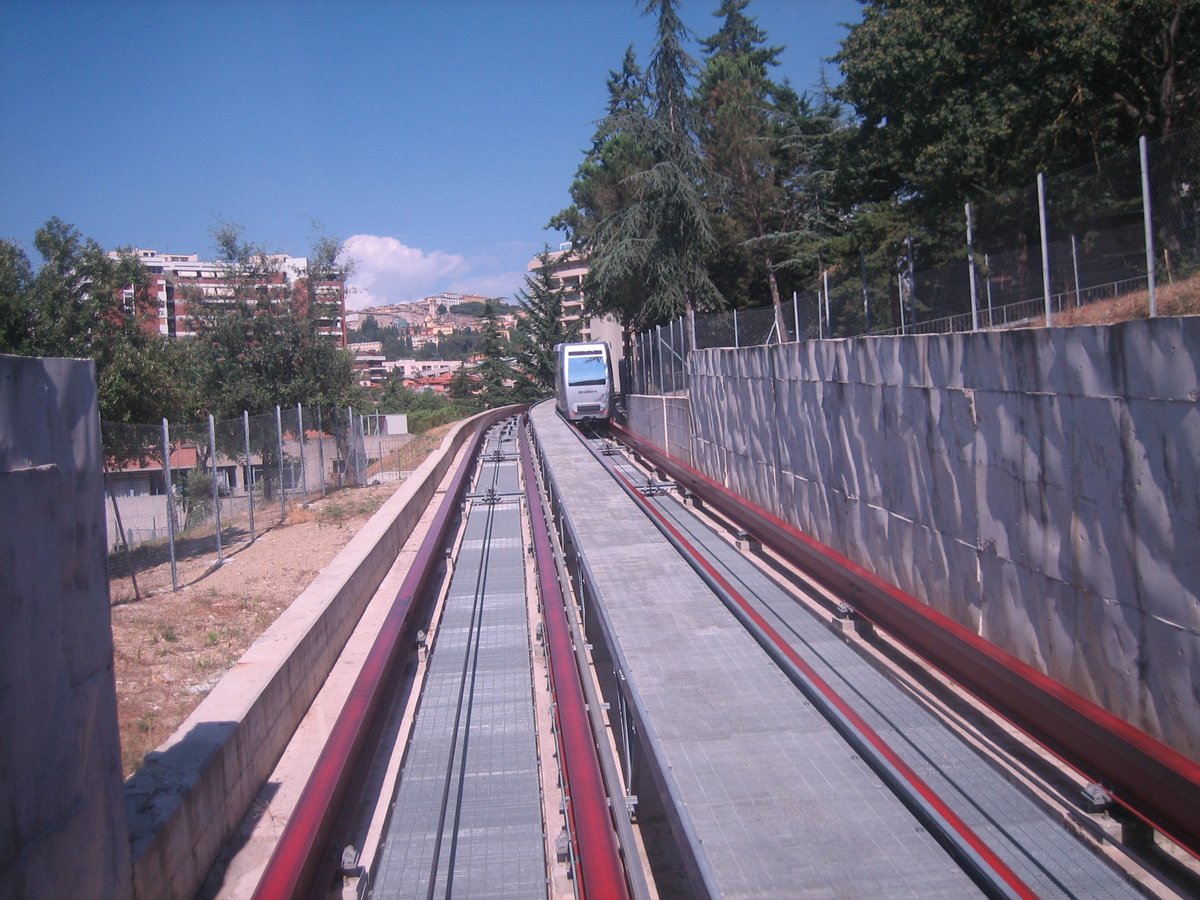
Perugia opened its automated Minimetrò, linking the outskirts with the historic center by a short cable-driven line. The modern cabins approach an old problem from a new direction: how to move people up a city built on steep hills.
Renaissance painter · 1446–1523
Worked in Perugia; frescoed the Collegio del Cambio
Between 1496 and 1500, Perugino painted the money-changers’ guildhall with classical philosophers, Christian prophets, and allegories. He might recognize Perugia’s pride in its art today, though the city’s chocolate fame could steal a little of his attention.
Renaissance painter · 1454–1513
Born in Perugia; known as Pinturicchio
Born in Perugia, Bernardino di Betto carried the city’s name into an artistic career that took him to Rome and beyond. He might be pleased that his birthplace still rewards close looking, from frescoed rooms to the colored marble façade of the Oratorio di San Bernardino.
Entrepreneur and chocolatier · 1877–1935
Born in Perugia; helped create Perugina and Baci
Spagnoli helped build Perugina and create Baci, the hazelnut chocolates wrapped with little messages. She might recognize the city’s enduring affection for chocolate, even as the brand she helped shape reached far beyond Umbria.
Pope · 1240–1304
Died in Perugia
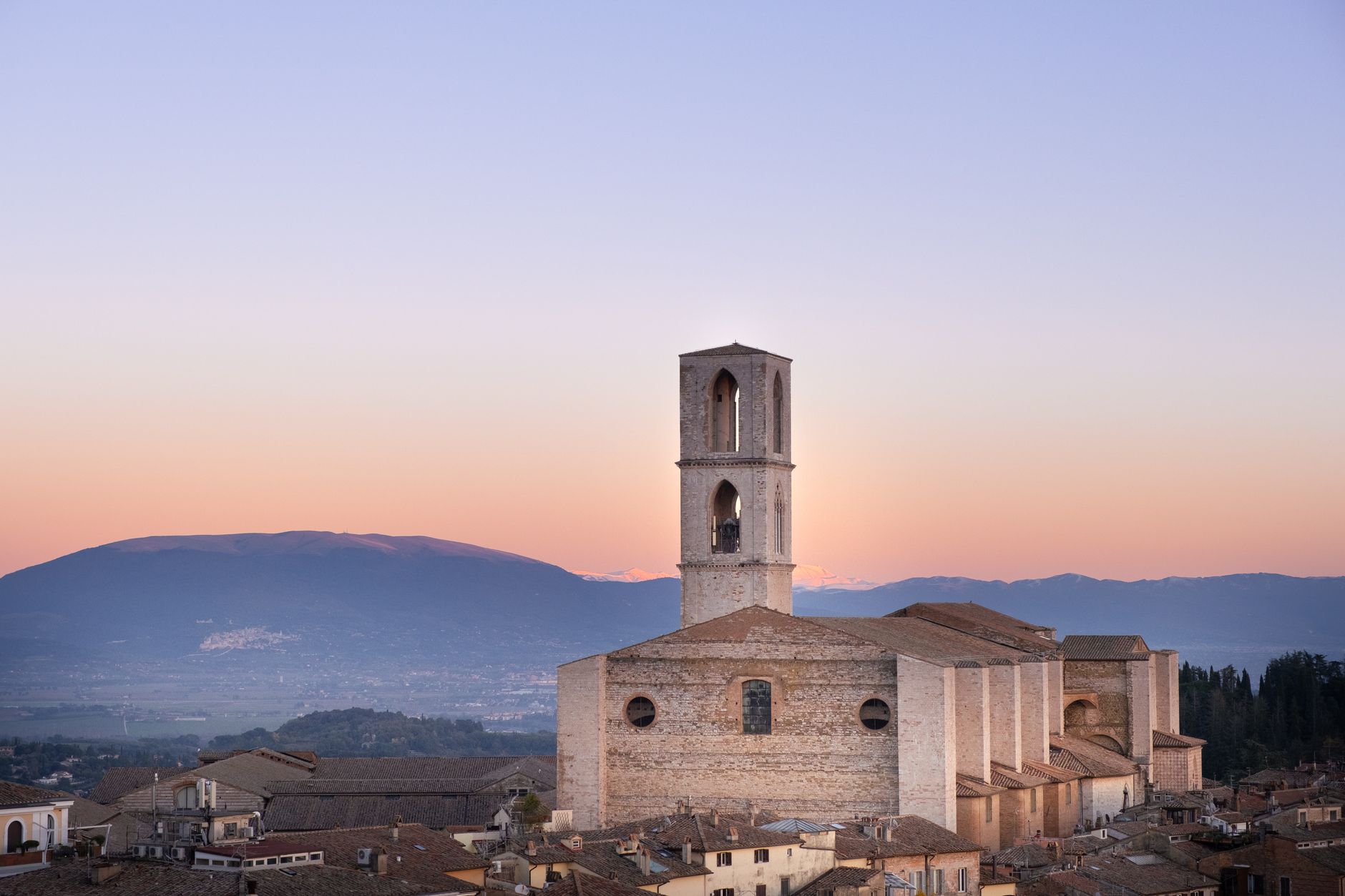
Benedict XI died in Perugia in 1304, after only eight months as pope; his tomb remains in the Basilica of San Domenico. He might be surprised that the city’s busy modern streets sit just beyond the quiet of his Gothic monument.
Where locals actually book dinner — not the tourist menus.
Small things that change how the city treats you.
The city, as it actually looks.
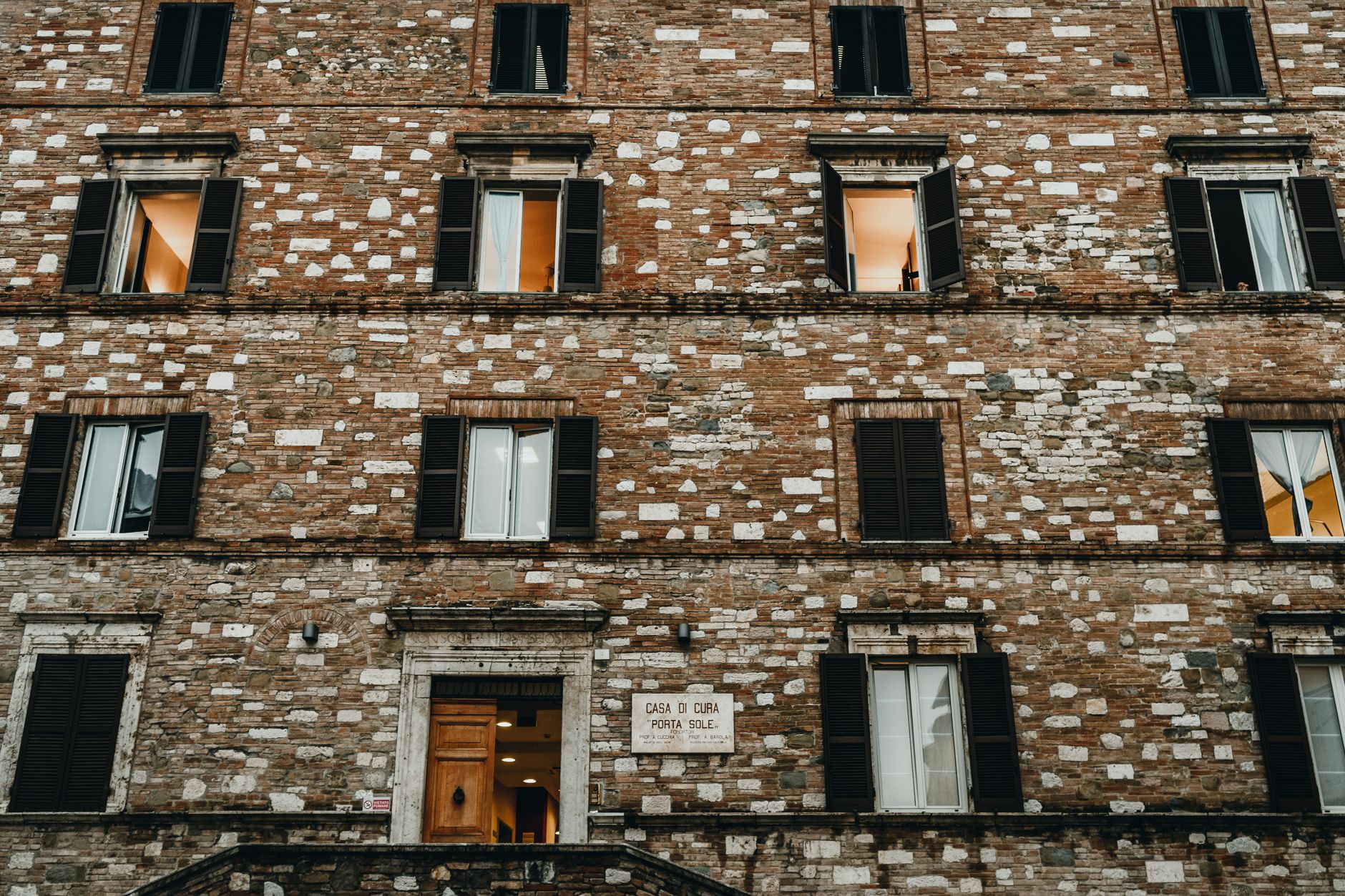

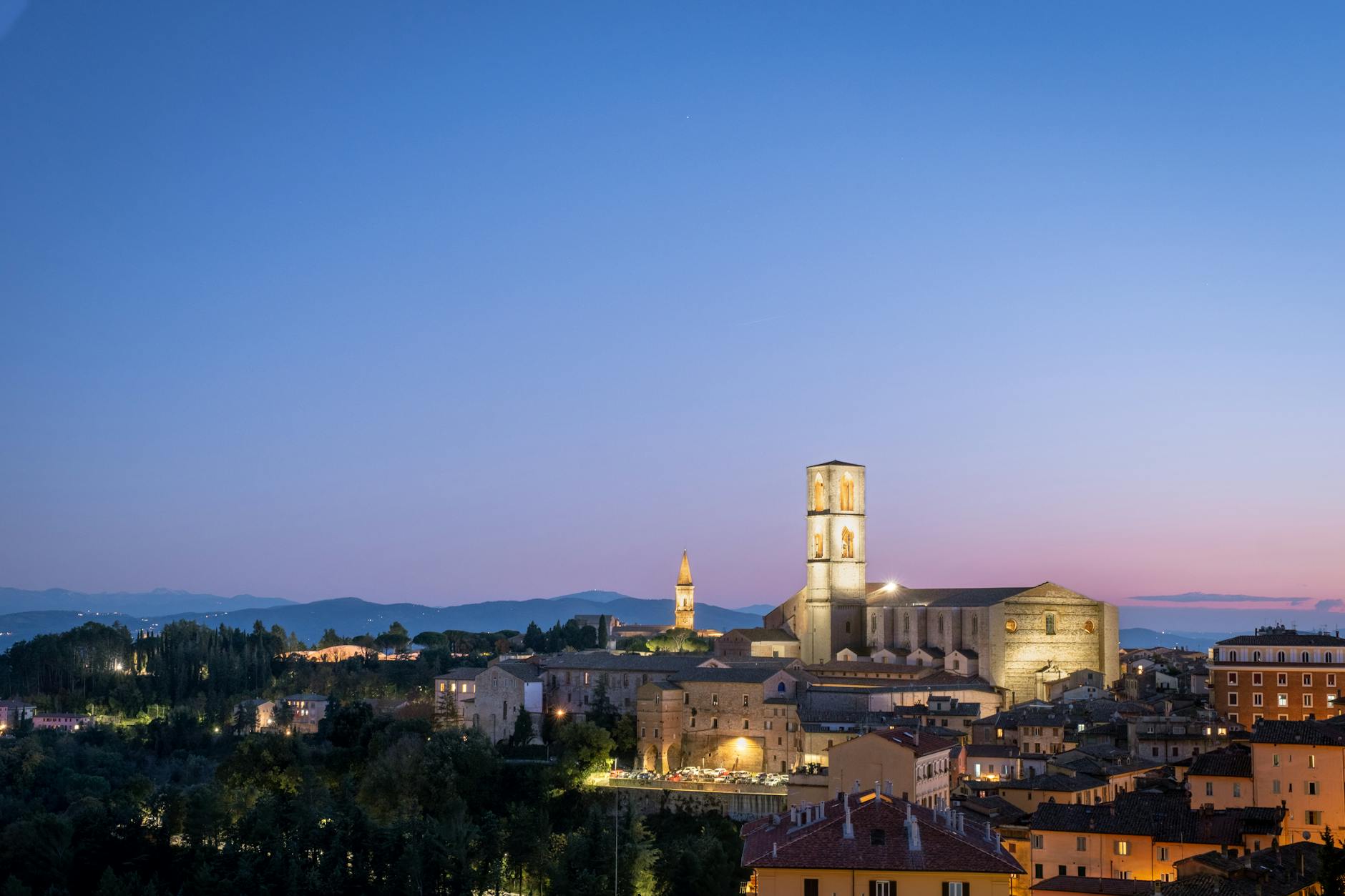

Yes, especially if you like cities where ancient and Renaissance history sit close together. Within the old center, you can see Etruscan gates, walk through Rocca Paolina’s buried streets, and visit the Galleria Nazionale dell’Umbria in the Gothic Palazzo dei Priori.
Plan on two full days for the historic center, its museums, and a relaxed meal or two. A third day gives you time for a nearby outing such as Assisi, about 25 km away.
Walk the central ridge, then use the free escalators or the Minimetrò to handle the steep climbs. The Minimetrò links Pian di Massiano with Pincetto, at the edge of the historic center, in about 12 minutes.
Most visitors can explore independently, using the same precautions they would in other Italian cities. Keep valuables secure in crowded public places, and check the last Minimetrò or escalator service before planning a late return.
No direct high-speed train reaches Perugia. Rail journeys use regional or Intercity trains to Perugia Fontivegge and usually take about 2–2.5 hours; direct coaches from Rome Fiumicino take roughly 3.5–4 hours.
Getting around can be inexpensive: the listed fare is €1.50 for a 70-minute urban ticket, or €5.40 for a 24-hour ticket covering buses and the Minimetrò. Check current prices before travel, since fares can change.
Choose Perugia for its museums, historic streets, and role as a base for exploring Umbria; choose Assisi if you want to stay close to its basilicas and pilgrimage sites. The towns are about 25 km apart, so Assisi can also work as a day trip from Perugia.
28 places to discover
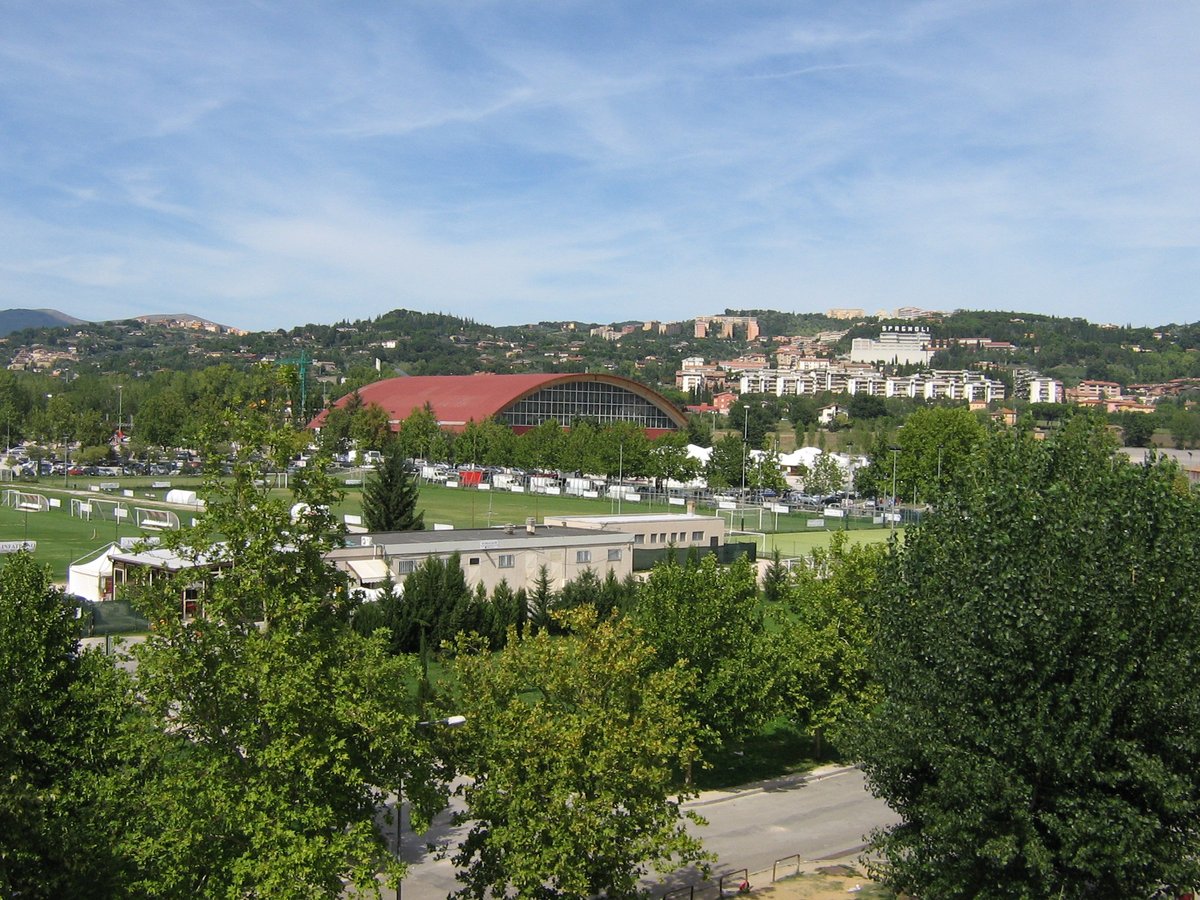
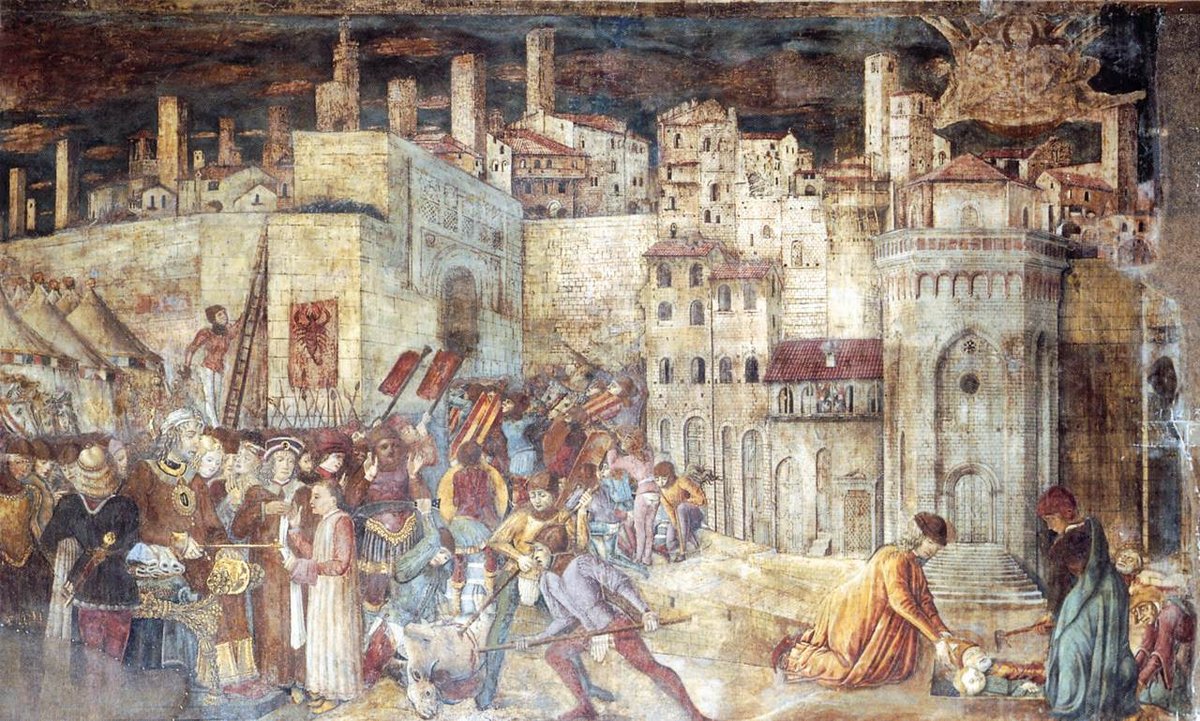





Saved and recently read places — kept on this device only.
Photos may have been resized or cropped.