Introduction
The scent of incense in Grottaferrata doesn't smell like Rome. It carries a faint, sweet note of antiquity, drifting from an abbey where monks have chanted the Greek rite for over a thousand years. In this Castelli Romani hill town, history isn't a relic but a living breath, held within fortified walls that overlook vineyards and the ghost of a Roman city.
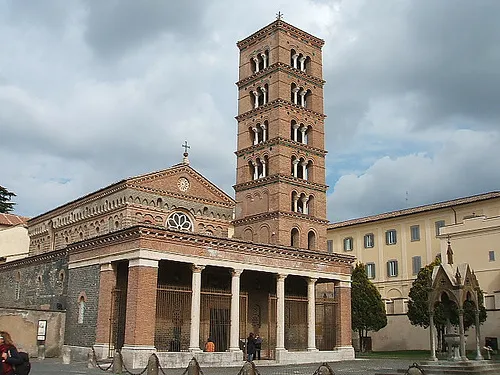
Your compass here is the Greek Abbey of St Nilus, founded in 1004 and consecrated two decades later. It's a fortress of faith and art, where the cool, dark air of the church gives way to the vivid frescoes of Domenichino in the Farnese chapel. The monks still sing in Greek, a Byzantine echo in the Alban Hills that has outlasted empires.
Step outside the abbey walls and you walk into a different layer of time. On Via Anagnina, a simple modern road conceals the Catacombs Ad Decimum, where the tunnels hold the quiet of 1,000 burials and fading frescoes from the 2nd century. It feels forgotten, a secret whispered beneath the town.
This is a place for looking down as much as looking around. From the ridge above, the Parco Archeologico di Tuscolo offers a theatre where Romans watched plays and a view that stretches across the Valle Latina. Grottaferrata doesn't shout. It asks you to listen to the chant, to trace the fresco, to stand on the ruin and understand how many worlds can exist in one quiet corner of Italien.
Places to Visit
The Most Interesting Places in Grottaferrata
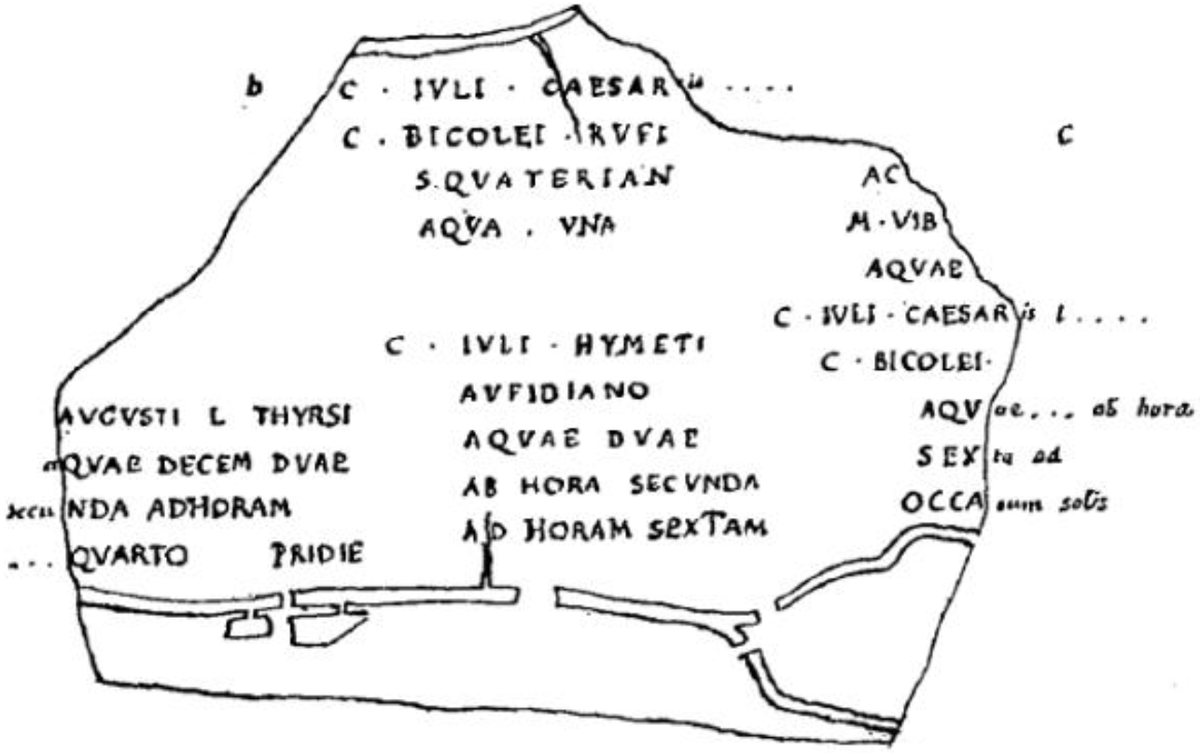
Fontana Delle Api
Fontana delle Api, or the Fountain of the Bees, is an often overlooked yet significant historical site located in the heart of Rome.
Tusculum
Situated majestically atop the Alban Hills near Grottaferrata in Italy's picturesque Castelli Romani region, Tusculum represents a captivating intersection of…
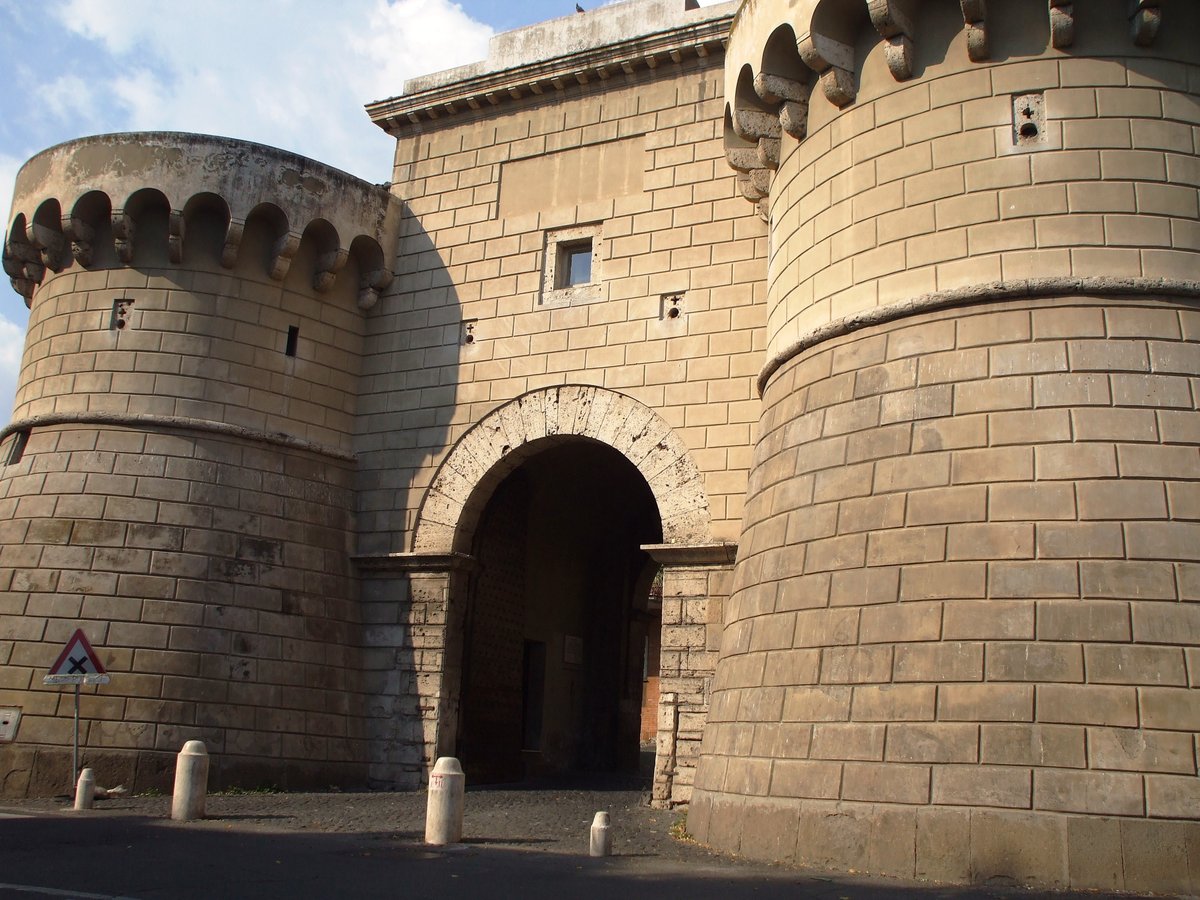
Porta Napoletana
Porta Napoletana, a historic gateway located in Grottaferrata, Italy, is a landmark rich in history and architectural significance.
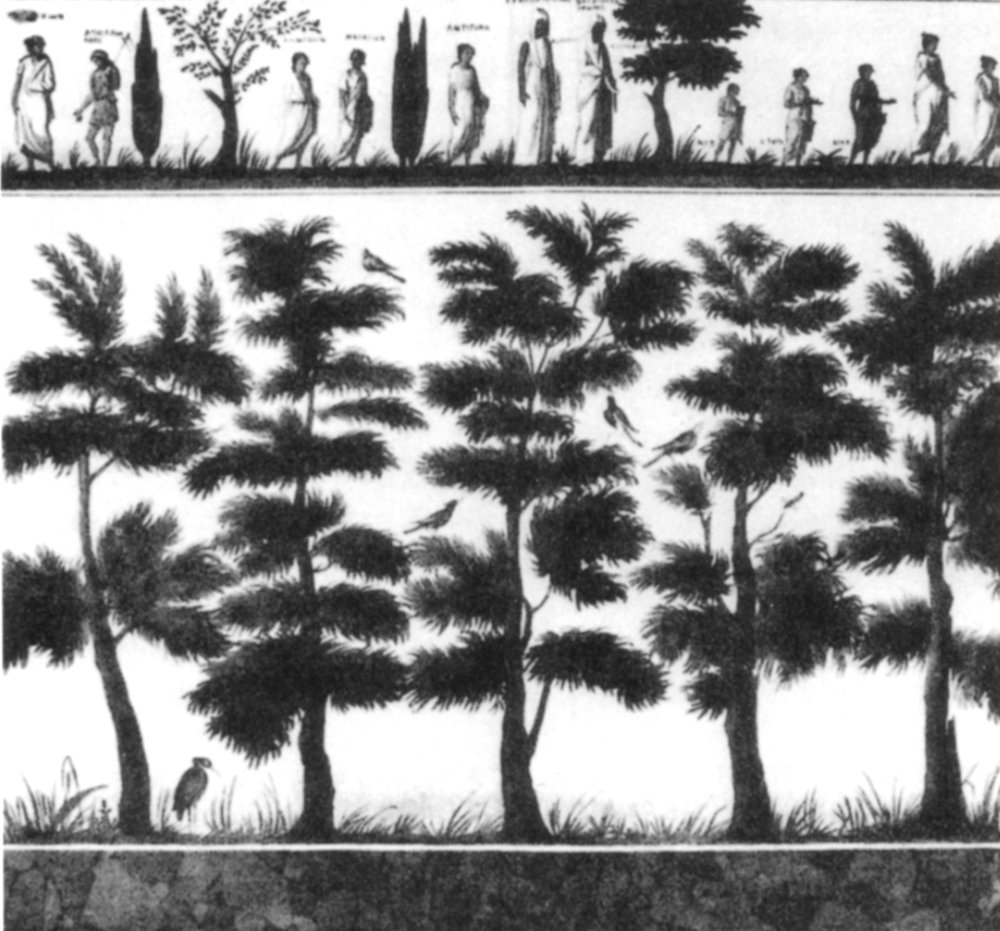
Hypogeum of the Garlands
Nestled in the scenic Alban Hills near Rome, the Hypogeum of the Garlands (Ipogeo delle Ghirlande) in Grottaferrata, Italy, stands as a rare and exceptional…
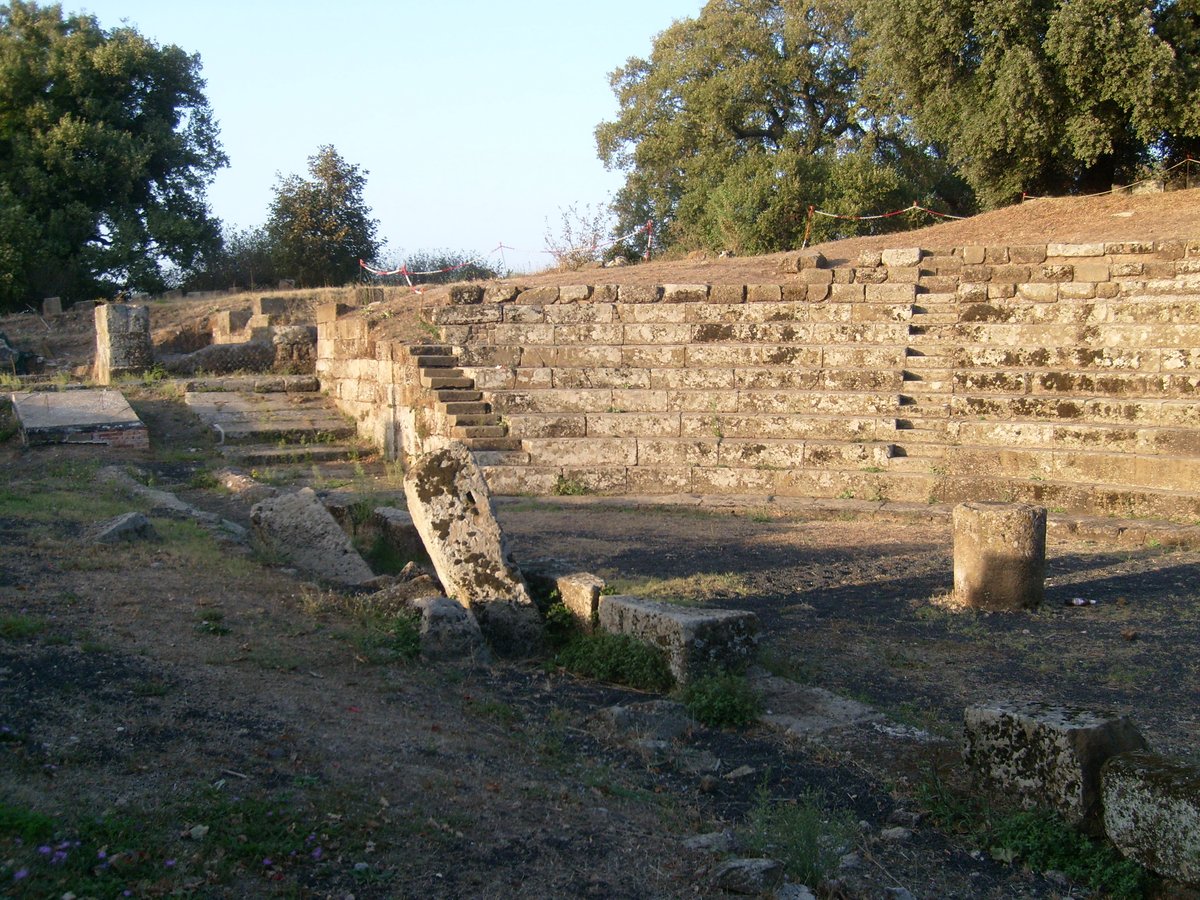
Roman Theatre of Tusculum
Nestled in the scenic Alban Hills near Grottaferrata, Italy, the Roman Theatre of Tusculum stands as a captivating testament to ancient Roman architectural…
What Makes This City Special
A Living Anachronism
The Greek Abbey of St. Nilus has been a bastion of the Byzantine-Greek rite since 1004, its monks chanting in a language and rhythm that stopped everywhere else in the West centuries ago. The air inside is cool stone and incense, a direct line to a world before the schism.
Rome's Patrician Playground
The slopes above town hold the ruins of Tusculum, the ancient city where Cicero wrote and Roman elites built their villas. Walk the Via dei Sepolcri to the theater, where the stage looks out over the Valle Latina—a view they fought wars to control.
The City Beneath the City
The Catacombs Ad Decimum are a network of barrel-vaulted tunnels containing around a thousand burials from the 2nd to 5th centuries. Its frescoes, lit by guided torchlight, feel more immediate and intimate than anything in the crowded catacombs of Rome.
A Fortified Treasury
The Abbey's museum is small but potent, holding everything from 15th-century illuminated choir books to finds from a reconstructed hypogeum. The real prize is the Farnese Chapel, frescoed by Domenichino with a quiet drama that rivals anything in the city.
Notable Figures
Saint Nilus the Younger
910–1005 · Byzantine Greek Monk and AbbotHe fled Byzantine Italy as an old man, seeking refuge from Saracen raids. He founded this abbey on land gifted by the Count of Tusculum, establishing an outpost of Eastern monasticism just miles from Rome. He'd likely be astonished that his foundation still sings the Greek liturgy a millennium later.
Domenico Zampieri (Domenichino)
1581–1641 · Baroque PainterHe came here not for the town, but for Cardinal Odoardo Farnese's commission. His frescoes in the Abbey chapel—scenes from the life of Saint Nilus—are a burst of Baroque color in the stone-heavy complex. He worked quickly, leaving behind a vivid counterpoint to the austere Byzantine traditions surrounding them.
Photo Gallery
Explore Grottaferrata in Pictures
A unique, modern building in Grottaferrata, Italien, showcasing a blend of contemporary design and traditional brick textures at sunset.
Gigi er Gigliola · cc0
Three women dressed in traditional Italian folk attire pose inside the beautifully ornate interior of a church in Grottaferrata, Italien.
Daniela Pascolini · cc by-sa 3.0
A peaceful view of the rolling hills and rural landscape surrounding Grottaferrata, Italien, captured on a bright, sunny day.
Gino il Pio · public domain
A stunning aerial perspective of Grottaferrata, Italien, capturing the town's dense architectural layout nestled within the lush Italian countryside.
Earth Science and Remote Sensing Unit, Lyndon B. Johnson Space Center · public domain
The stunning vaulted ceiling of the Grottaferrata Abbey in Italien showcases elaborate Renaissance frescoes and intricate decorative motifs.
Edoardo Scialis · cc by-sa 4.0
A bronze statue of Saint Bartholomew the Younger stands prominently on a stone pedestal in Grottaferrata, Italien.
Haneburger · public domain
A historic brick monument in Grottaferrata, Italien, featuring a commemorative plaque dedicated to local veterans and the region's agricultural history.
Gigi er Gigliola · cc0
The serene, sunlit courtyard of the historic Abbey of Grottaferrata in Italien, showcasing traditional stone architecture and lush greenery.
Edoardo Scialis · cc by-sa 4.0
A charming, sun-drenched villa in Grottaferrata, Italien, showcasing traditional arched architecture and a peaceful garden setting.
Forward Studios · cc by-sa 4.0
The peaceful, sunlit courtyard of the historic Abbey of Grottaferrata in Italien, showcasing its traditional cobblestone square and central stone fountain.
Edoardo Scialis · cc by-sa 4.0
The serene courtyard of the Abbey of Grottaferrata in Italy, showcasing its historic Romanesque bell tower and classical stone architecture.
Edoardo Scialis · cc by-sa 4.0
A beautiful, sun-drenched stone fountain serves as the centerpiece of a charming square in Grottaferrata, Italien.
Edoardo Scialis · cc0
Practical Information
Getting There
Fly into Rome Fiumicino (FCO) or Rome Ciampino (CIA). From Rome's Termini Station, take a regional train (FL4 line towards Frascati or Velletri) to the Grottaferrata station, which is about a 15-minute walk from the Abbey. By car, it's a 30-minute drive southeast from Rome's GRA ring road via Via Tuscolana (SS215).
Getting Around
The town center is compact and walkable. For Tusculum or Villa Grazioli, you'll need a local COTRAL bus (line 'Castro Pretorio - Grottaferrata - Monte Porzio Catone') or a taxi. A rental car is the best option for exploring the wider Castelli Romani towns like Frascati and Castel Gandolfo at your own pace.
Climate & Best Time
Expect hot, dry summers (July-August average 30°C/86°F) and mild, wet winters (January average 8°C/46°F). Spring (April-May) and autumn (September-October) are ideal, with comfortable temperatures and fewer crowds. The Abbey's museum has extended hours in February and March 2026, making early spring a smart visit.
Language & Currency
Italian is the language, though the Abbey's liturgy is in Greek. Basic English is understood in hotels and at main sights. The currency is the Euro (€). Cash is king in smaller trattorias and for bus tickets, so keep some on hand.
Timing Your Visit
The Abbey church is generally accessible, but the museum operates on a limited schedule: Fridays and Saturdays 10:00-18:00, and the 1st and 3rd Sunday of each month 9:00-14:00. The catacombs typically open for guided tours on Sundays. Plan your days around these openings.
Where to Eat
Don't Leave Without Trying
Laboratorio di Pasticceria Pucci
cafeOrder: Cornetti and morning pastries — this is where locals start their day, not a tourist pastry stop.
A proper working bakery, not a café with a pastry case. The morning crowd is all neighborhood regulars, and the afternoon reopening means fresh-baked items twice daily.
2ELLE Coffee Food & Drink
cafeOrder: Espresso and breakfast; stay for aperitivo if the mood strikes — this is a full-day local anchor.
Modern, well-run café that bridges breakfast culture and evening drinks without pretension. Perfect for a quick coffee or a longer sit.
Caveau Grottaferrata
local favoriteOrder: Wine by the glass and small plates; this is an evening destination, not a casual stop.
The most-reviewed establishment on this list, with serious wine credentials and a late-night crowd. Go for aperitivo or a proper evening out.
Trame
cafeOrder: Breakfast coffee and cornetto in the morning; return for aperitivo in the evening.
One of the few places open early and staying open late, making it genuinely useful across the whole day. Solid neighborhood bar without fuss.
Bar Parco degli Ulivi
cafeOrder: Morning coffee and pastry; afternoon aperitivo if you're in the neighborhood.
Quiet, unassuming local bar with a loyal following. Perfect if you want to sit and watch the town without any performance.
Silvestri Atzeni Stella
cafeOrder: Morning pastries and bread; this is the center-town bakery, not a side stop.
Central location on Corso del Popolo with reliable morning hours and a twice-daily bake schedule. The go-to for fresh bread and breakfast.
Il Caffè Bar Torrefazione
cafeOrder: Espresso and pastry; this is a proper coffee bar with roasting credentials.
The 'Torrefazione' in the name signals serious coffee — this is where the coffee snobs in town get their fix, housed in a gallery space on the main street.
Salotto di Cerere bistrot & music bar
local favoriteOrder: Aperitivo and small plates; the music and atmosphere are part of the draw.
A step up from a casual bar — this is a proper bistrot with a music program and a more curated vibe. Go when there's live music if you want the full experience.
Dining Tips
- check Sunday is market day at Piazza Alcide De Gasperi (8:30 AM–1:30 PM) — this is when locals shop for cheese, wine, honey, and produce before family lunch.
- check Porchetta is a lunch move, not dinner. Go to Lele Porchetta around midday for a panino.
- check Monday market (8:00 AM–1:00 PM) runs year-round for produce and general goods.
- check Breakfast culture is strong — arrive early at a bakery (6:30–7:00 AM) for the best pastries and cornetti.
- check Most traditional restaurants and bars close Monday or have limited hours; check ahead for evening plans.
- check Wine is central to the meal — Castelli Romani DOC is local and pairs perfectly with Roman pasta and roasted meat.
- check Aperitivo (early evening) is a real ritual here; bars open around 6:00 PM with small plates and wine.
- check Cash is still common at smaller spots; many bars and bakeries accept it, but verify if paying by card matters to you.
Restaurant data powered by Google
Tips for Visitors
Check Abbey Hours
The Abbey Museum only opens Friday-Saturday 10-6 and the 1st/3rd Sunday of the month 9-2. Confirm special openings before you go, especially in February and March.
Visit Tusculum Early
Walk the ruins of ancient Tusculum in the morning. You'll have the Roman theatre to yourself before the afternoon tour groups arrive.
Catacombs on Sunday
The Catacombs Ad Decimum operate guided tours, most reliably on Sundays. Don't just show up—check the local parish schedule first.
Use the COTRAL Bus
From Rome's Anagnina metro station, take COTRAL bus 502. It's cheaper and more scenic than a taxi for the 20-minute ride into the Alban Hills.
Eat Like a Pilgrim
Look for places serving porchetta and local Castelli Romani wine. The town's historic fair economy was built on feeding medieval travelers—continue the tradition.
Explore the city with a personal guide in your pocket
Your Personal Curator, in Your Pocket.
Audio guides for 1,100+ cities across 96 countries. History, stories, and local insight — offline ready.
Audiala App
Available on iOS & Android
Join 50k+ Curators
Frequently Asked
Is Grottaferrata worth visiting? add
Yes, if you want a cultured pause from Rome. It's not a classic sightseeing city. You come for the 1,000-year-old Greek Abbey, the catacombs under a suburban street, and as a base for hiking to Tusculum's ruins. It rewards curiosity over checklist tourism.
How many days should I spend in Grottaferrata? add
A full day covers the essentials. Start at the Abbey, visit the catacombs if a tour is running, then hike or drive to Tusculum for sunset over the valley. Many use it as a quiet base for 2-3 nights to explore the wider Castelli Romani region.
How do I get to Grottaferrata from Rome? add
Take Metro Line A to Anagnina station. From there, catch COTRAL bus 502. The journey takes about 20 minutes by road. Driving is straightforward via Via Anagnina, but parking in the historic center is limited.
Is Grottaferrata safe for tourists? add
Very. It's a small, residential hill town. Standard precautions apply, but violent crime is rare. The main concern is checking opening hours for specific sites like the Abbey Museum to avoid disappointment.
What is the Greek Abbey of St Nilus? add
A monastery founded in 1004 that still follows the Byzantine-Greek rite while being in full communion with Rome. It's a unique living artifact. The fortified complex includes a church with Domenichino frescoes, a cloister, and a small museum of sacred art.
Sources
- verified Visit Castelli Romani - Grottaferrata Guide — Primary source for town history, attractions like the Abbey and Catacombs, and practical visitor orientation.
- verified Regional Directorate of Museums Lazio - Abbey of San Nilo — Official source for the Abbey Museum's current opening hours, special openings, and historical details.
- verified Pontifical Commission for Sacred Archaeology - Catacomb Ad Decimum — Definitive information on the Catacombs Ad Decimum, including historical context and visitation details.
Last reviewed: