Place
India Updated Apr 2026
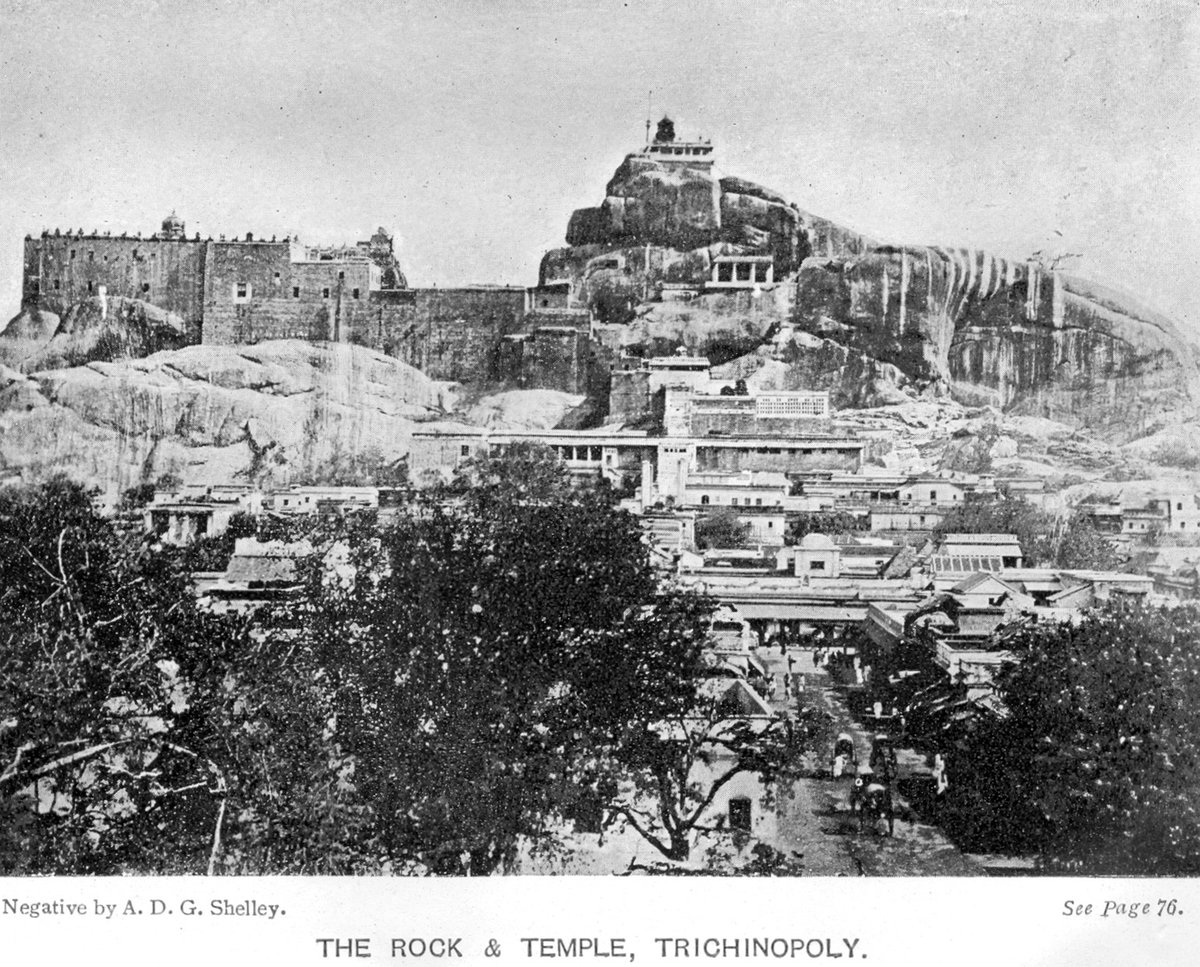
The first thing that catches you off-guard in Tiruchirappalli is the sound of 3.8-billion-year-old granite singing under your feet. Climb the 417 steps of Rockfort at dusk and the whole of Tamil Nadu seems to tilt — the Kaveri glints like a dropped silver necklace, mosque loudspeakers duel with temple bells, and the smell of filter coffee drifts up from street stalls 83 metres below. India has bigger cities, older ones too, but none that compress time quite like Trichy.
 Photo: Frank van Dijk / Pexels
Built from cited sources · see the method · How we make our guides →
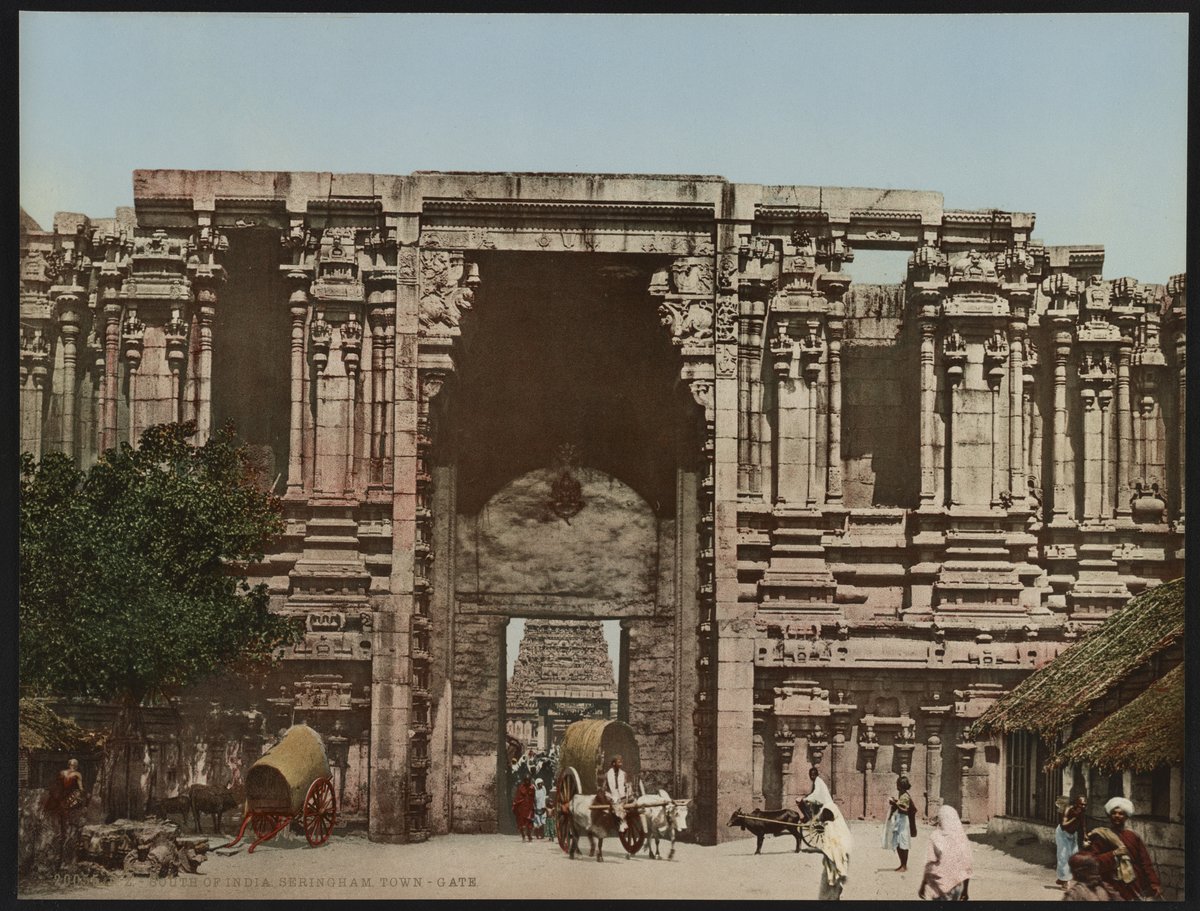
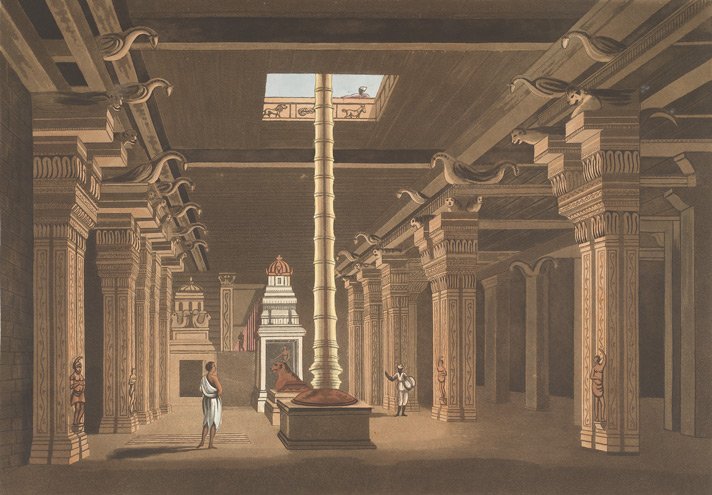
Inside Srirangam’s 156-acre temple complex, priests still calculate lunar calendars on stone columns that pre-date Columbus. Walk seven concentric walls deep and you’ll hear Sanskrit chants bounce off 13th-century plaster, watch schoolkids shortcut across 1,000-year-old mandapams, and see engineers in ID badges buying coconuts for the same deity their grandfathers did. The city’s genius is that it never built a museum around itself; it just kept living inside the exhibit.
Cross the 2,000-year-old Kallanai dam at sunrise and farmers wave you onto the sluice banks they irrigate with Karikalan’s engineering. Back in town, a Muslim biryani master will insist you taste the tomato-chili brinjal curry his Hindu neighbour taught him, while auto-rickshaws swerve around colonial-era bishops’ houses now doubling as IT hostels. Trichy doesn’t bother declaring harmony; it practices it daily, in 110-decibel stereo.
Not every monument, just the ones we'd walk you past ourselves.
Where to wander, by quarter — each with its own rhythm.
Before you go
From Iron Age steel to space-age campuses, a city rebuilt every century
Karikala's ancestors raise their capital on the Kaveri's southern bank. Merchants from Alexandria barter gold coins for the city's famous cotton—so fine it passes through a ring. The streets smell of cardamom and hot metal from the forges that will birth wootz steel.
King Karikala Chola marshals 10,000 workers to corral the Kaveri with granite slabs. At 1,079 feet long, the Grand Anicut turns 85,000 acres of scrub into rice paddies. Farmers still drive buffalo across the same stones today.
Mahendravarman I orders sculptors to attack the 3.8-billion-year-old outcrop that dominates the river bend. Chips fly for decades; what emerges is a granite staircase to the gods and a military watchtower that sees every boat for thirty miles.
Aditya Chola's war elephants crush the Pallava pickets. Rockfort's walls echo with victory drums as the city becomes a Chola provincial capital again. Temple treasuries swell with river tolls and spice taxes.
Under Kulothunga I, artisans add the 236-foot Rajagopuram to the Ranganatha shrine. The temple now covers 156 acres—large enough to fit forty football fields inside its seven concentric walls. Pilgrims lose themselves for days in its market-lined corridors.
Turkic cavalry thunder down the Kaveri valley. Gold-roofed shrines burn for a week; the reclining Vishnu idol is carted to Delhi. An 80-year odyssey begins—hidden caves, monsoon escapes, a princess who converts to protect the icon—until Vijayanagar troops restore it in 1371.
Kampanna Udaiyar's army sweeps north from Hampi. The city trades Chola bronze for Vijayanagar gold; Telugu-speaking governors replace Tamil ones. Temple dancers return to the sanctuaries, but now they perform to the clang of new bronze cannons on Rockfort.
Viswanatha Nayak moves his court from Madurai and builds a square fort around Rockfort. Streets are laid on a grid; Teppakulam tank is dug so wide that devotees mistake it for a lake. The city smells of wet paint and fresh mortar for twenty years.
A Nawab's general bribes the Nayak guards and rides through the north gate at dawn. The palace treasury is looted within hours; the last Nayak queen flees disguised as a milkmaid. Trichy becomes a pawn in the Carnatic Wars that follow.
Joseph Dupleix plants the fleur-de-lis above the city. British muskets answer from the Kaveri's far bank. For seventeen years the river carries bodies downstream; temple bells are melted into cannonballs. When the smoke clears, the East India Company collects the keys.
The Nawab signs away his kingdom for a pension. Red-coated sepoys march into the fort; the Union Jack snaps in the monsoon wind. Census takers count 76,530 residents—second only to Madras in the presidency. Trichy cigars will soon perfume London clubs.
The South Indian Railway chooses Trichy for its headquarters. Steam whistles replace temple conches; the first train to Tuticorin carries 300 tons of cotton in eighteen freight cars. Granite from Rockfort quarries paves the new platform—travelers still walk on billion-year-old stone.
In a modest brick house behind St. Joseph's College, a physics lecturer's son takes first breath. The boy will grow up listening to temple bells and train whistles, then move to Calcutta and discover why the sea is blue. His Nobel Prize in 1930 makes Trichy a one-word answer in physics quizzes.
T. S. S. Rajan leads 500 volunteers from Gandhi Grounds toward Vedaranyam. Police batons crack on shoulders accustomed to carrying water pots. By the time they reach the coast, their white khadi is the color of the Kaveri's silt—visible proof that civil disobedience had arrived.
When All India Radio announces independence, temple drummers climb the 417 steps and beat the same drums that once warned of Mughal cavalry. The sound carries across a city decked in oil lamps—each flame a quiet rebellion against centuries of foreign flags.
Prime Minister Nehru presses the button; the first turbine hall swallows 2,000 workers. Fields of kappa grass become factory floors. The city that once exported cotton and cigars now ships 500-megawatt generators to Lagos and Tehran.
While commuting past BHEL's cooling towers, engineer S. Rangarajan writes 'En Iniya Iyanthira'—a novel about AI before most Indians had seen a computer. His pen name Sujatha becomes synonymous with Tamil sci-fi. The turbine noise outside his office leaks into his prose as the heartbeat of mechanical men.
The runway at Trichy airport extends to 2,480 meters—long enough for a Dreamliner to lift 330 pilgrims to Singapore. Software engineers from Lalgudi and Musiri now board before dawn, laptops glowing like temple lamps. The city that watched empires arrive by river and rail finally greets the jet age.
Nobel-winning Physicist · 1888–1970
Born here
The boy who first heard light scatter in a Tiruchirappalli classroom grew up to prove why the sea looks blue. Today the city’s quiet Science Centre planetarium still runs his original diffraction demo every afternoon.
Carnatic Violinist · 1930–2013
Raised in Lalgudi village, Tiruchirappalli district
He learned raga cycles while skipping school on the Cauvery’s banks; his bow later rewrote violin technique for an entire subcontinent. Evening concerts at Rockfort’s lower temple still echo with phrases he first played here.
Tamil Lyricist · 1931–2013
Born in Srirangam
The teenager who sold handmade bookmarks outside Srirangam temple gate wrote 15,000 film songs, but never moved his mailing address. Cycle-rickshaw drivers will point out the yellow house where he drafted MGR’s biggest hits.
Sci-fi Author & Engineer · 1935–2008
Worked at BHEL Trichy for decades
Between turbine shifts he dreamt up androids and time-travel; most of his 100 novels were typed in the BHEL township canteen. Engineers’ quarters still trade dog-eared copies of his En Iniya Iyanthra.
Tamil Film Actor · born 1985
Born here
The medical college dropout who mimicked professors on Trichy hostel rooftops now sells out 10,000-seat stadiums. He returns every Pongal to screen his new film free on the banks of the Kaveri for old neighbours.
Where locals actually book dinner — not the tourist menus.
Small things that change how the city treats you.
The city, as it actually looks.


Yes—where else can you climb a 3.8-billion-year-old rock, walk through the largest active Hindu temple on earth, and see a 2,000-year-old dam still taming a river? Trichy delivers three heavyweight sights within a 15-km radius and does it without the selfie-stick chaos of bigger cities.
Two full days cover the big three—Srirangam at sunrise, Rockfort before the metal decks sizzle, Kallanai Dam for sunset. Add a third if you want to day-trip to Puliyancholai waterfalls or the Nayak-era temples at Lalgudi.
Tamil Nadu Police rank it the fifth safest city for women in India. Use the Kaaval Uthavi app after dark, avoid the dim stretch behind Chathiram Bus Stand after 10 pm, and you’ll feel safer here than in most metros.
English works better. Auto drivers understand “Rockfort” or “Srirangam” instantly, but switch to English for bargaining—Hindi often draws blank stares and higher quotes.
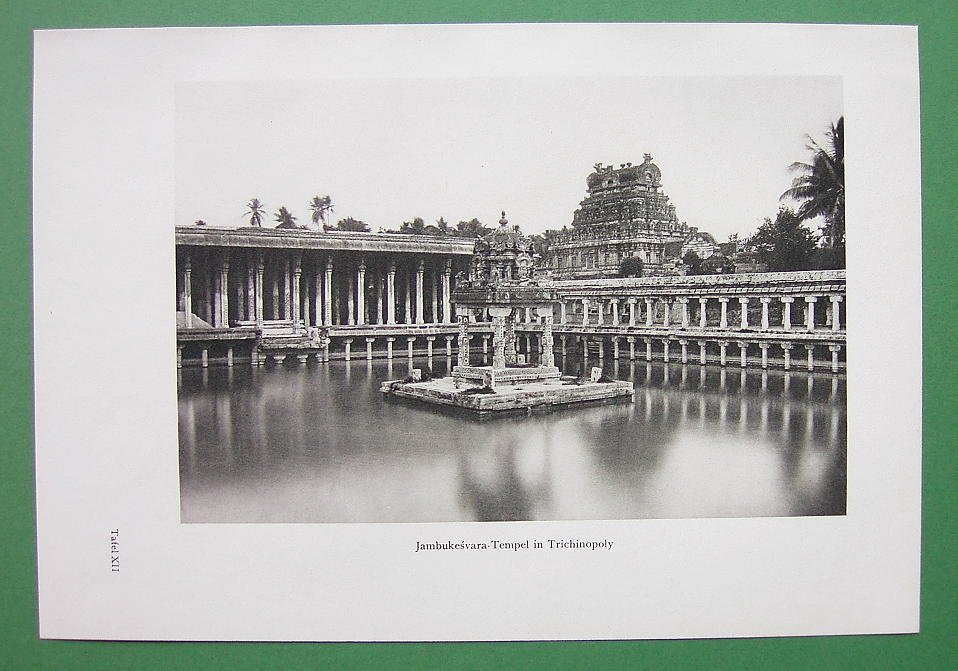
Zero entry fees at Srirangam, Rockfort, and Jambukeswarar. Pay ₹20 for camera tickets, ₹50–₹100 if you want a priest-guided quick tour; everything else is donation-based.
TRZ is tiny—security and check-in take 25 minutes max. Still be there 90 minutes early for international flights; the single café air-side runs out of idlis fast.
15 places to discover

Saved and recently read places — kept on this device only.
Photos may have been resized or cropped.