Place
Surat
India Updated Apr 2026
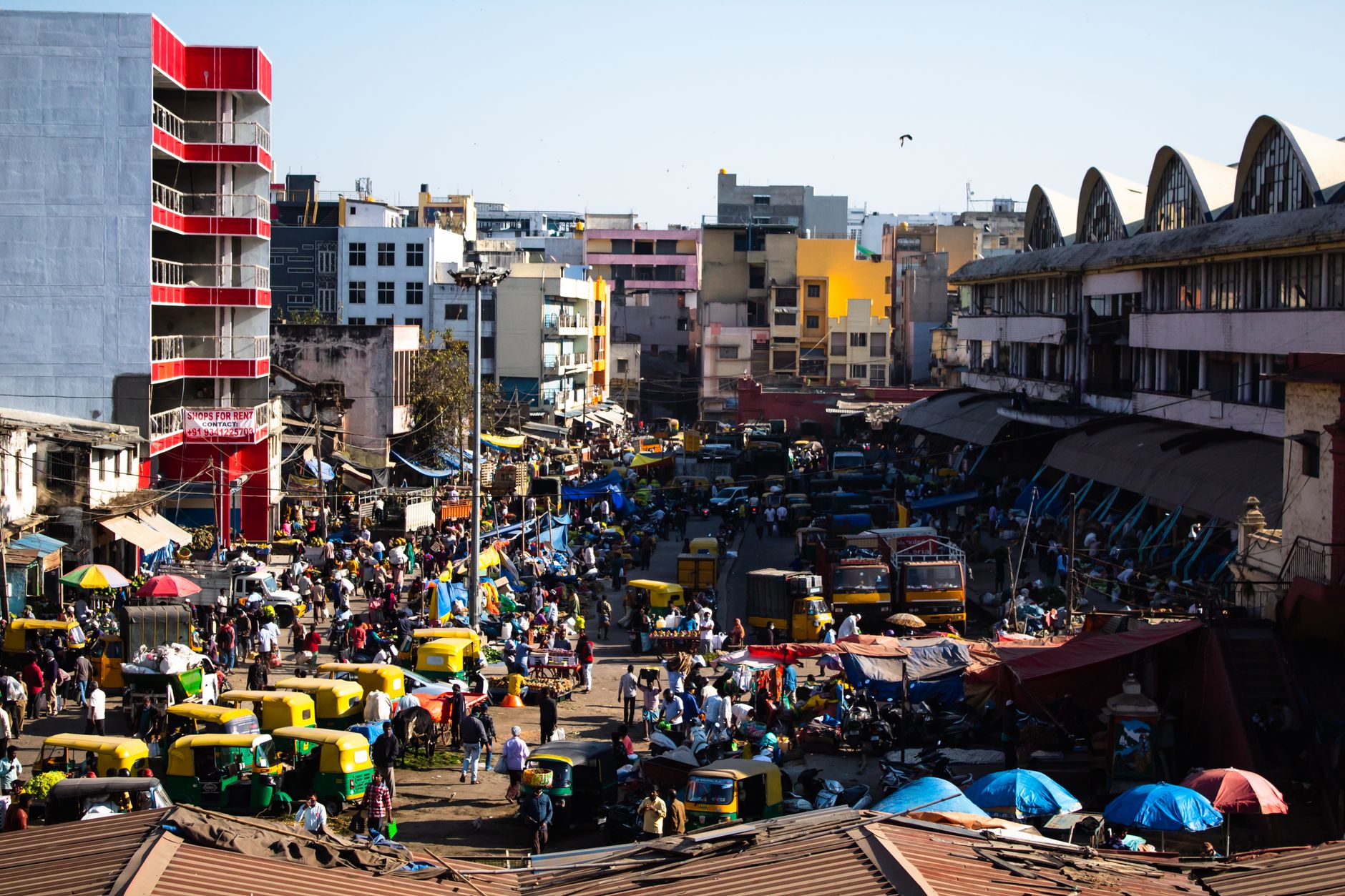
Surat, India, hits you first with the smell of frying locho, then the flash of a diamond cleaver's wheel catching the morning sun. This is the city that cuts 90 % of the world's diamonds in back-alley workshops you can walk past without noticing, then eats the proceeds in chickpea-flour snacks on the same street.
 Photo: Milan Vekariya / Pexels
- Attractions
- 5
- Audio
- 1 h 26 min
- Trip length
- 2-3 days
- Best season
- Winter (Dec-Feb)
Why Surat
Built from cited sources · see the method · How we make our guides →
The Tapi River splits the old textile mills from the newer inland suburbs; at dusk the water turns the color of burnt sugar and every bridge becomes a selfie studio. Between the river and the Arabian Sea, Parsi agiaries, Sufi dargahs, and Jain derasars share walls with glass-fronted diamond offices where security guards x-ray your bag before you can blink.
Surat doesn’t do postcards. It does spreadsheets that travel the world: a 1.3-carat solitaire polished on Varachha Road can reappear in a Tokyo engagement ring within 72 hours. Yet the city still shuts for lunch so shopkeepers can nap on the counters, and autorickshaw drivers will detour three blocks to point out the best bhajiya stall.
Surat Fort
The restored 16th-century riverfront stronghold now houses curated galleries on Dutch trade, bronzes, and the city's layered past. Walk the parapet at dusk; the Tapi glints like beaten brass and the stone still holds the day's heat.Diamond Capital
Nine out of ten of the world's diamonds are cut in Surat's fluorescent workshops. The Science Centre's Diamond Gallery lets you watch a polisher turn rough stones into fire without the factory gate bureaucracy.Two Beaches, Two Moods
Dumas is black-sand chaos: masala-puffed corn, pony rides, neon-lit stalls. Drive 25 km west to Suvali for solar-lit quiet and the January beach festival where kites outnumber people.24-Hour Food Circuit
Surat eats in shifts: 5 a.m. locho at Gopipura, 2 p.m. ponk chaat at Sarthana, midnight egg golas on Ghod Dod Road. The city runs on oil and butter, never sleep.
Places to Visit
Not every monument, just the ones we'd walk you past ourselves.
-
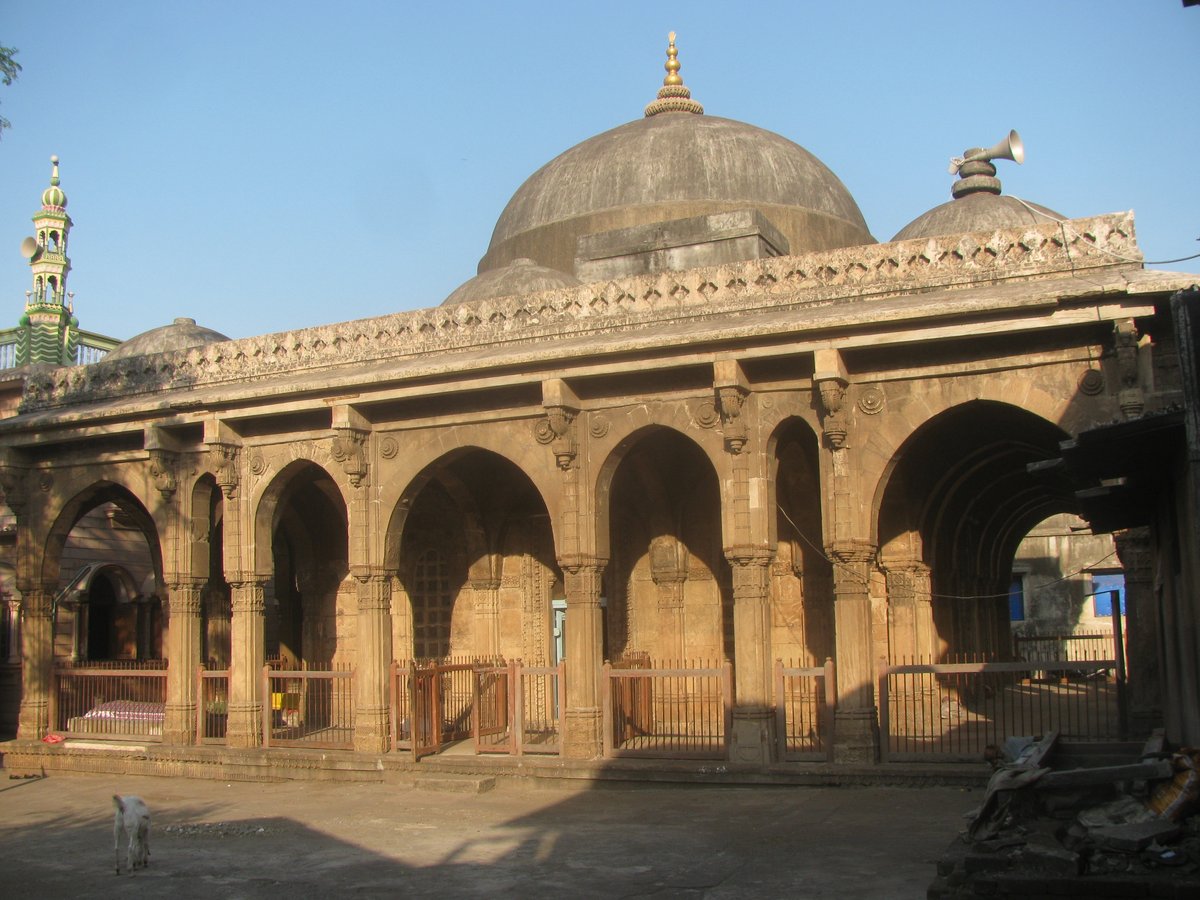
Tomb of Khawaja Safar Sulemani Nestled in the historic city of Surat, Gujarat, the Tomb of Khawaja Safar Sulemani stands as a profound testament to the region's rich Islamic and Sufi…
-
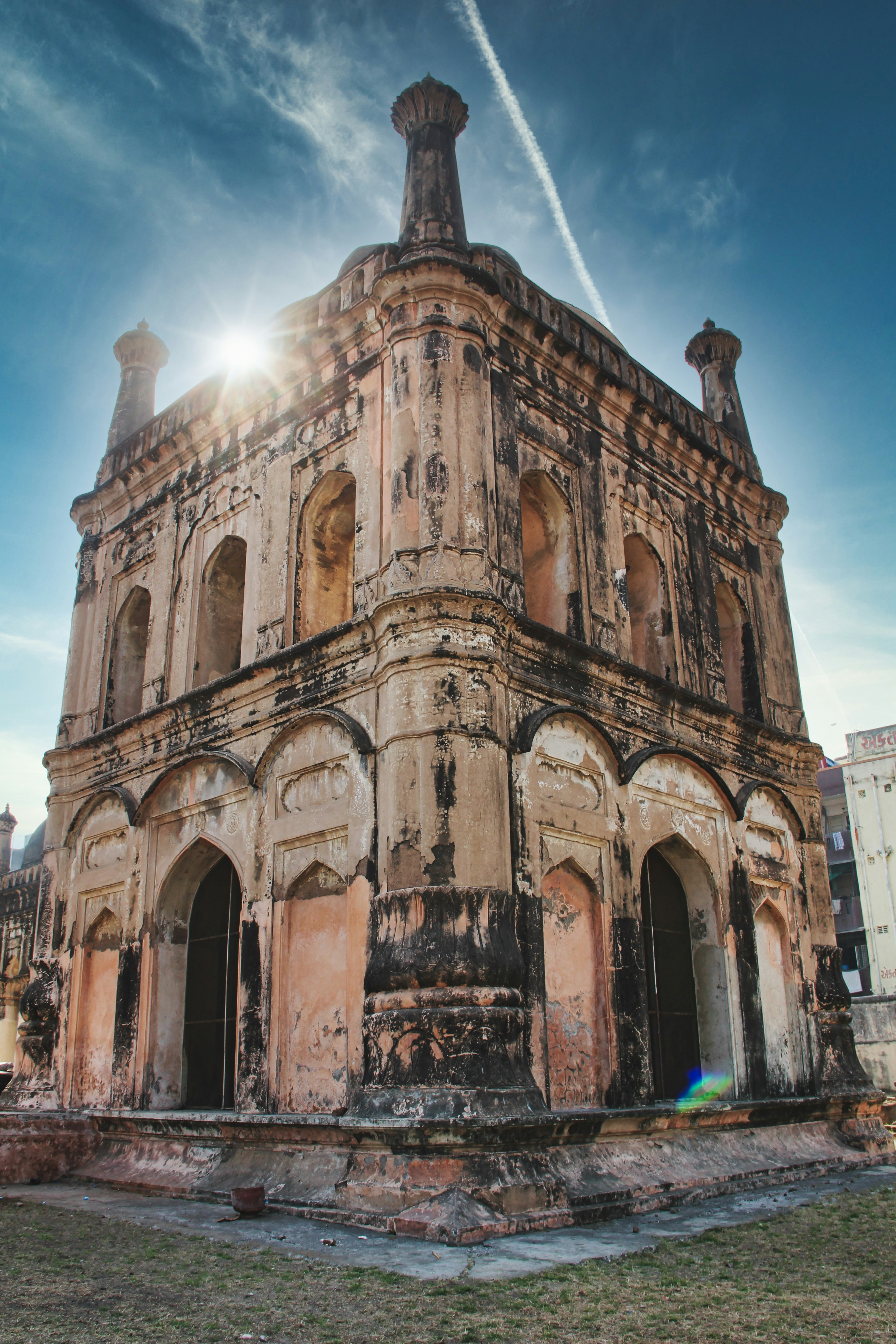
Dutch and Armenian Cemetery, Surat Mughal-era Surat made rival trading nations bury their dead like princes; these domed tombs and Armenian graves turn a backstreet into a port-city afterimage.
-
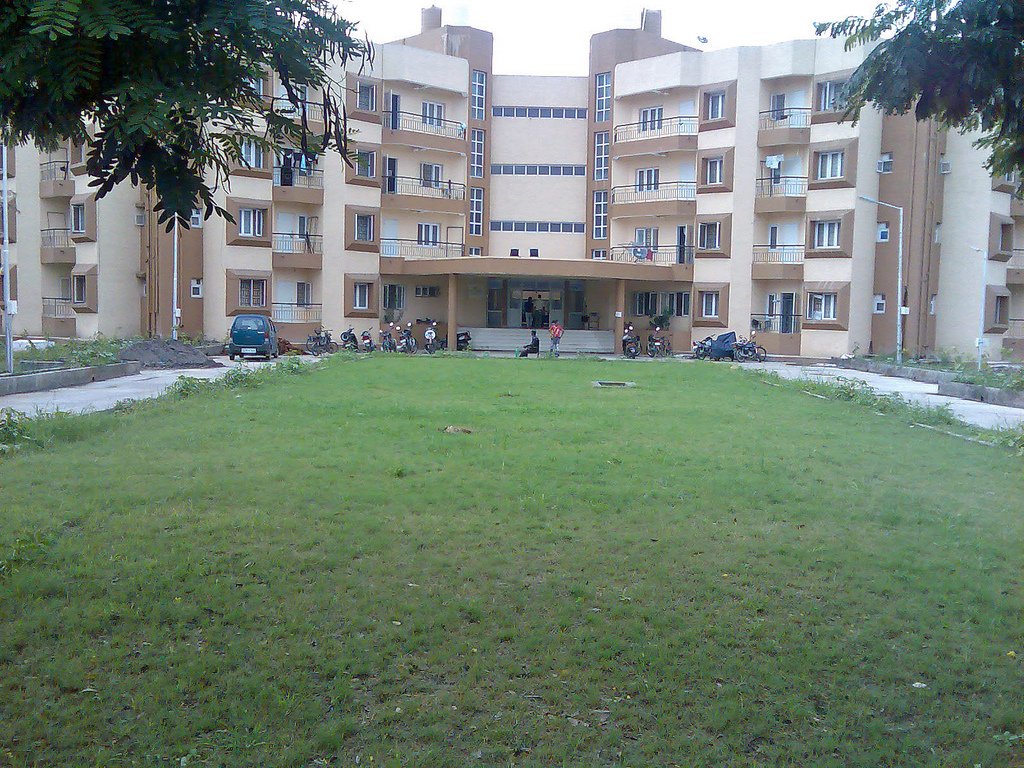
Sardar Vallabhbhai National Institute of Technology, Surat Located in the vibrant city of Surat, Gujarat, the Sardar Vallabhbhai National Institute of Technology (SVNIT) stands as a premier engineering institute…
-
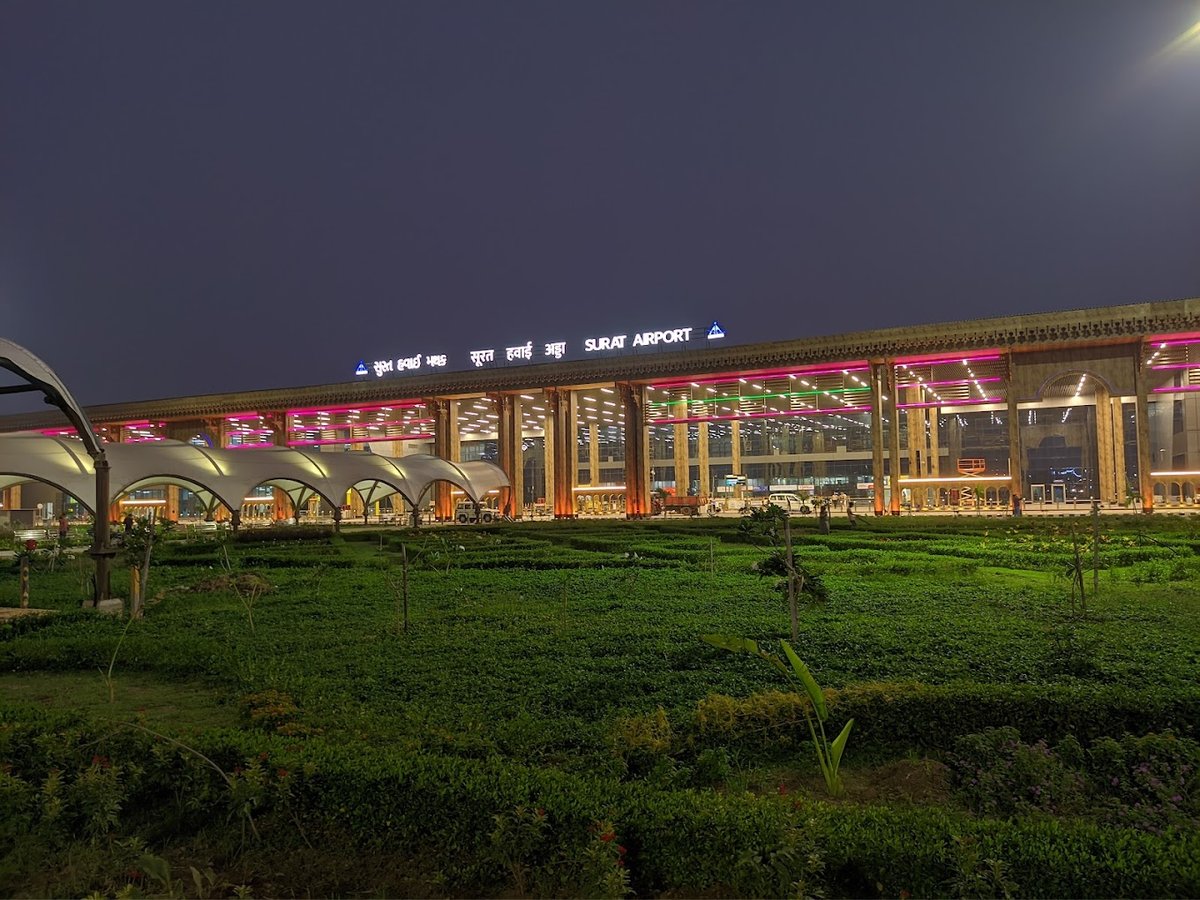
Surat Airport Surat Airport, located in the vibrant city of Surat, Gujarat, serves as a critical gateway connecting one of India's most dynamic economic hubs to both…
- Science Centre Surat MD Road in Surat, also known as Mahidharpura Road, is a street that encapsulates the rich commercial and cultural heritage of one of India's fastest-growing…
- Surat Castle Situated in the vibrant city of Surat, India, Surat Castle stands as a historical testament to the region's rich and intricate history.
- Hazira Port Nestled on the western coast of Gujarat, India, Hazira Port stands as a pivotal maritime gateway and industrial hub, located approximately 22 to 27 kilometers…
- Auro University Auro University in Surat, Gujarat, stands as a prominent institution combining modern education with a culturally rich and sustainable campus environment.
- Sardar Patel Museum Nestled in the vibrant city of Surat, Gujarat, the Sardar Patel Museum stands as a testament to India's rich historical and cultural tapestry.
Neighborhoods
Where to wander, by quarter — each with its own rhythm.
Varachha
The diamond heartland. Narrow lanes hum with 1,500-horsepower cutting wheels behind unmarked doors; outside, men in singlets weigh rough stones on pocket scales. Eat sweet khaja at 4 a.m. when the trading floors close and the night shift clocks out.Old City (Shahpore, Nanpura)
Seventeenth-century wooden houses with carved balconies lean over streets just wide enough for a cycle and a cow. Morning auctions move piles of silk saris in fluorescent colors; by afternoon the same verandas turn into impromptu cricket pitches.City Light
Surat’s show-off suburb: wide pavements, espresso machines, and the Science Centre that explains why your phone screen depends on Gujarati sand. At night the streetlights bounce off glass towers still advertising flats by the square foot, not the square meter.Adajan-Pal
Riverside sprawl of new apartments, kayaking clubs, and the temporarily closed aquarium where schoolkids once pressed noses against shark glass. Come for sunset walks on the cable bridge; stay for egg-puff carts that appear the moment tide goes out.Dumas Road
The arterial drag to the black-sand beach. Food trucks selling tawa-pulled noodles, SUVs revving past mango orchards, and the smell of salt that arrives five kilometers before the sea. Weekends turn the roadside into a drive-through dandiya floor.Vesu
Where Surat’s millennials fled when the old city got loud. Boutique bakeries, gated colonies with names like “Atlantis,” and the only place in town that serves filter coffee in silver tumblers. Construction cranes still outnumber streetlights.
Plan your trip
Before you go
- Getting There
- Surat International Airport (STV) handles direct 2026 flights to Delhi, Mumbai, Bengaluru, Hyderabad, and seasonal Dubai. Surat railway station (ST) is a Western Railway junction with Rajdhani and Vande Bharat stops; Mumbai is 2h 45m by train. NH-48 and the new Delhi–Mumbai Expressway feed the city by road.
- Getting Around
- No metro yet; the 32 km Surat Metro Line 1 (Sarvajanik Chowk–DREAM City) is under trial, opening 2027. City buses (Sitilink) cover 60 routes; a day pass costs ₹50. Blue-and-yellow auto-rickshaws run on shared fixed routes for ₹10–20 per seat; Ola/Uber operate but thin after 11 p.m.
- Climate & Best Time
- October to February delivers 18–29 °C days and cool river breezes—peak visitor season. March–May climbs to 40 °C with sticky humidity; cotton sticks to skin. June–September monsoon dumps 1,100 mm, flooding low bridges; come then only if you like empty hotels and the smell of wet loam.
- Language & Currency
- Gujarati is spoken on the street; Hindi works everywhere, English in malls and diamond offices. ATMs are dense on Ring Road; most street stalls accept UPI payments, so a phone with data is more useful than a wallet of small notes.
A Port That Refused to Sink
From riverside village to diamond capital, Surat keeps reinventing itself faster than its tides
- c. 300 BCE
First Settlers on Tapi
Fishermen and salt traders build huts on the east bank where the river bends. They call the place Suryapur—City of the Sun—because dawn light hits the water like molten brass. The soil is dark, the breeze carries cardamom from incoming dhows, and no one yet imagines empires will fight over this mudflat.
- c. 8th century
Parsi Fire on the River
Zoroastrian refugees from Persia step off boats with sacred ash in copper pots. They plant the first *agiary* on a mango ridge; its flame still burns today in modified form. Surat becomes their eastern sanctuary, a city where you can hear Avesta prayers mingle with Gujarati lullabies.
- 1516
Gopi Talav Digs In
Wealthy administrator Malik Gopi orders 1,200 laborers to carve a 3-km lake from laterite rock. Overnight, the town stops drinking brackish well water. The lake’s stepped sides become laundry steps, kissing corners, moonlit poetry venues—Surat’s first public square before squares were a concept.
- 1520
City Renamed Surat
Sultan Muzaffar II scratches ‘Suryapur’ off tax rolls and pens ‘Surat’ instead, claiming the Arabic word for Quranic chapters. The Hindu sun-symbol name is too pagan for his court. Overnight, signboards on warehouses are repainted; sailors mispronounce it ‘Soorut’ and the error sticks for centuries.
- 1573
Akbar’s Red Gate Opens
Mughal cannons breach the wooden fort at dawn. By dusk, Surat’s customs house flies Akbar’s green banner and port dues drop by half—deliberate imperial bait. Armenian, Arab, and Turkish merchants pour in; the population doubles before the next monsoon. The city smells of saffron, camel sweat, and opportunity.
- 1612
English Factory Lights First Pipe
Captain Best’s men rent a crumbling warehouse near the drawbridge and hang ‘East India Company’ on a teak board. They unload wool broadcloth no one wants and load pepper until the beams creak. It is England’s first toehold on the subcontinent—no flags, no cannons, just ledgers and monsoon mold.
Show the full timeline (20 moments)
- 1630
Shivaji Born, Surat’s Future Nemesis
In hill-fort Shivneri, 300 km south-east, a boy takes first breath whose name will later freeze Surat’s blood. The city’s merchants are too busy counting silver to notice. By the time he is 34 he will ride in with 4,000 cavalry and empty their safes.
- January 1664
Shivaji’s Torchlights
At 2 a.m. Maratha horsemen pour through Surat’s unguarded northern gate. They know exactly which lanes lead to which banker—intelligence from Gujarati farmers tired of Mughal taxes. By sunrise, 1.2 million rupees, 200 horses, and countless silk bales ride south. The English factory clerk writes: ‘The town smokes like a lime-kiln.’
- 1695
Pirate Every Steals the Crown Jewel
Captain Henry Every looms off Suvali Beach, pretending to fly an English flag. He boards the Mughal ship *Ganj-i-Sawai*—Surat’s annual Hajj revenue—plundering 600,000 pounds of gold and silver. The city’s pilgrims watch from shore as their savings vanish over the horizon. Mughal troops lock the English factory in retaliation; London jails its own sailors to calm Aurangzeb.
- 1759
Union Jack over the Fort
Colonel Forde marches 400 redcoats into Surat Fort at dawn, ostensibly to ‘protect’ it from Maratha raids. The Mughal governor pockets a pension and retires to a riverside mansion. The city doesn’t change hands with a battle but with a signature—one empire exits, another installs a customs table.
- 1837
Municipality Born in Monsoon
Governor-General Auckland signs papers creating the Surat Municipality—India’s second-oldest urban body. The first budget is 28,000 rupees, mostly spent on draining the rat-infested gutters behind the bazaar. Ratepayers grumble, but cholera deaths drop by half that year.
- 1845
Pherozeshah Mehta Hears the Gavel
A Parsi boy is born on Nanpura Road who will grow up to thunder across Bombay’s courts and Indian National Congress stages. He carries Surat’s mercantile logic—count every coin, question every tax—to London’s Parliament debates. When Congress splits in his birth-city in 1907, his voice is the moderates’ loudest trumpet.
- December 1907
Surat Split Fractures Congress
Town Hall rattles with shouting: Moderates want petitions, Extremists want boycotts. Tilak’s fist meets Mehta’s cane; chairs fly like kites. The Congress party tears in two, its unity drowned by the Tapi’s evening tide. Delegates leave with bloodied lips and a lesson—India’s freedom march will be fought street by street, not resolution by resolution.
- 1918
Ahmed Deedat Learns Debate on the Ghats
A Muslim boy sells samosas to dockworkers while listening to missionaries argue scripture on the river steps. He memorizes both Bible and Qur’an verses before learning long division. Years later in South Africa, his razor-sharp comparisons draw stadium crowds—Surat’s street-corner tuition becomes global interfaith theatre.
- 1938
Sanjeev Kumar’s First Mirror
Harihar Jariwala, age six, watches touring talkies projected on a bedsheet in Saiyedpura lane. He practices faces by firelight—tragic, comic, lover, villain—while selling *locho* for his uncle. The city’s gift for mimicry will carry him to Bombay studios where he becomes the actor who dies on screen better than anyone else.
- 1 May 1960
Gujarat State, Surat Awakes Gujarati
Midnight fireworks crack over Chowk Bazaar as Bombay State splits. Gujarati signs replace bilingual boards overnight; the Surti dialect, once a seaside curiosity, becomes official. Power-loom owners cheer—Ahmedabad’s mills no longer call the shots on yarn quotas.
- c. 1980
Diamond Dust Replaces Cotton Lint
In tiny Katargam workshops, ex-farmers from Saurashtra learn to facet. By 1990 Surat polishes 8 of every 10 diamonds on Earth—an entire colonial port reduced to glinting dust under fluorescent tubes. The air smells of oil and ambition; lung x-rays glow white with silica.
- September 1994
Plague Panic Empties Streets
A single pneumonic case in Begampura triggers 300,000 residents to flee within 48 hours. Trains leave with passengers clinging to roofs; cinema posters flap on deserted gates. The city that survived Shivaji and pirates is humbled by a bacterium. When WHO lifts the alert, municipal sweepers have already scrubbed Surat into India’s cleanest city—trauma as urban-renewal catalyst.
- August 2006
Tapi Swallows the Bridge
After 36 hours of rain the river rises six meters, snapping the 1830s stone bridge like stale *bhakri*. Water reaches cinema posters on Athwa Lines; snakebite wards overflow. The flood recedes, leaving silt the color of ruined turmeric. SMC responds with embankments wide enough for evening cricket—disaster becomes promenade.
- December 2023
Diamond Bourse Outshines the Pentagon
Prime Minister Modi unlocks a 6.7-million-square-foot granite maze—world’s largest office building by floor area. 4,200 trading booths buzz like hornets; security scanners glow sapphire. Outside, auto-rickshaws still serve *locho* for twenty rupees. Surat, once again, sells the shiniest things while wearing the humblest clothes.
Who lived here
-
Islamic scholar · 1918–2005
Ahmed Deedat
Born here
He left Surat for South Africa at nine, but the city's multilingual docks taught him how to argue with strangers. Today his IPCI booklets still circulate in the old Muslim quarter behind the fort.
-
Bollywood actor · 1938–1985
Sanjeev Kumar
Born here
Harihar Jethalal Jariwala grew up above his family's textile shop on Raja Ram Mohan Roy Road. He kept the Surat drawl even while playing Thakur in Sholay; locals say you can still hear it in the way he says 'Ja Simran ja'.
-
Actor · born 1980
Pratik Gandhi
Born here
Before Scam 1992 he performed Gujarati theatre in Surat's decaying Parsi halls. He still returns for ponk season, eating straight from the carts outside his old college.
Where to Eat
Where locals actually book dinner — not the tourist menus.
Insider tips
Small things that change how the city treats you.
Eat locho hot
Locho turns rubbery in five minutes. Stand at the cart on Bhagal Circle where the cook grinds fresh chutney for each plate.Skip Dumas at dusk
The beach is a carnival after sunset but vendors pack up fast. Arrive by 5 pm or you'll walk a kilometre of sand littered with peanut shells.Shoot Suvali sunrise
The 350 solar street lights go dark at 6:30 am. You'll get three minutes of pinks and oranges before the fishing boats start their engines.Carry exact change
Science Centre ticket counters refuse ₹500 notes on weekends. Bring ₹50 notes or queue twice.Check aquarium status
As of April 2026 the aquarium is closed for civil works. Confirm on the SMC website before promising kids an under-water tunnel.
Gallery
The city, as it actually looks.


Frequently asked
Is Surat worth visiting?
Yes, if you want to see where the world's diamonds are cut in back-alley workshops and eat street food that Gujaratis drive two hours for. It's not pretty, but it's alive.
How many days in Surat?
Two full days. One for the fort, textile market, and diamond bourse lobby. One morning at Suvali beach and an evening food crawl in Adajan.
How to get from Surat airport to city centre?
Pre-paid taxis charge ₹350 to Railway Station area. Uber often cancels; the prepaid booth is faster at 10 pm when flights land.
Is Surat safe for solo women?
The textile mills run 24-hour shifts so main roads stay lit and busy. Stick to those after 9 pm; inner lanes have no footpaths and aggressive two-wheelers.
Best month to visit Surat?
December to February. Ponk (tender sorghum) appears in January; mornings are foggy but afternoons hit 28 °C and the Tapi doesn't stink yet.
All Places to Visit.
10 places to discover
Pick up where you left off
Saved and recently read places — kept on this device only.
Photo credits (7)
- Milan Vekariya — Pexels License (https://www.pexels.com/license/) — Source: https://www.pexels.com/photo/27401470/
- Surat at night — Hemant meena — CC BY-SA 3.0 (https://creativecommons.org/licenses/by-sa/3.0/) — Source: https://commons.wikimedia.org/wiki/File:Surat_at_night.JPG
- Giri Elisaphotography — Pexels License (https://www.pexels.com/license/) — Source: https://www.pexels.com/photo/6212251/
- Setu Chhaya — Pexels License (https://www.pexels.com/license/) — Source: https://www.pexels.com/photo/8665072/
- Nikunj Chavda — Pexels License (https://www.pexels.com/license/) — Source: https://www.pexels.com/photo/12552819/
- Setu Chhaya — Pexels License (https://www.pexels.com/license/) — Source: https://www.pexels.com/photo/8665070/
- SRIPADA STUDIOS — Pexels License (https://www.pexels.com/license/) — Source: https://www.pexels.com/photo/21751093/
Photos may have been resized or cropped.