
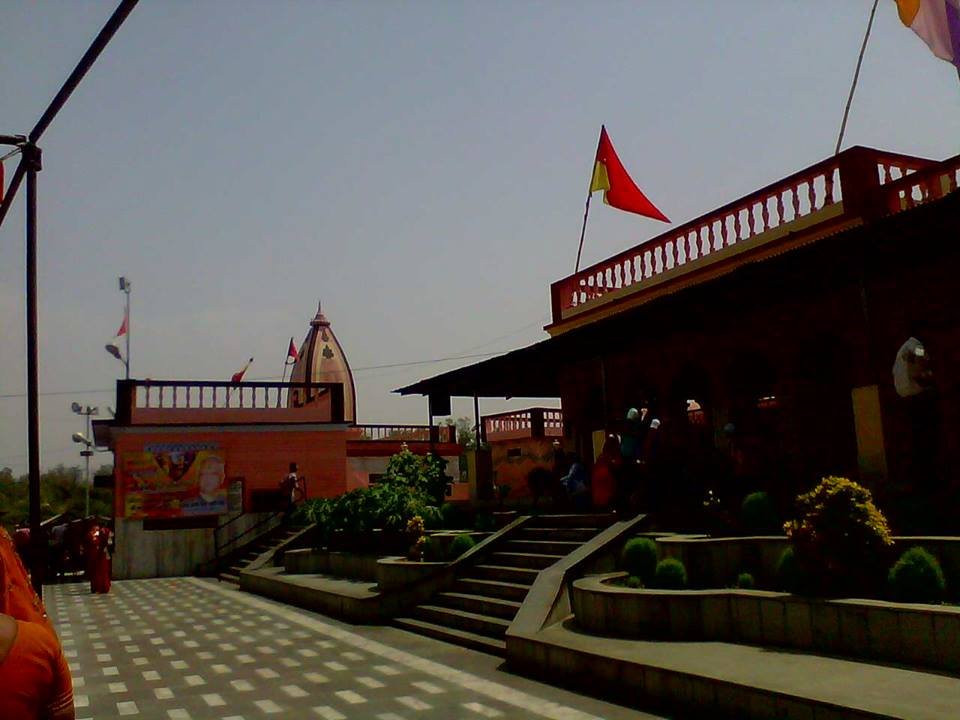
Pratapgarh, Uttar Pradesh

India Verified Apr 2026

The first thing you notice is the sharp, astringent scent of drying aonla, a tart green fruit that defines Pratapgarh, Uttar Pradesh. This is the City of Aonla, responsible for nearly half of India's Indian gooseberry harvest, a place where agricultural reality and deep history press against each other. Along the Sai River, a name whispered in Tulsidas's Ramayana, you'll find the bones of the subcontinent's earliest known humans resting a short drive from modern political dynasties.
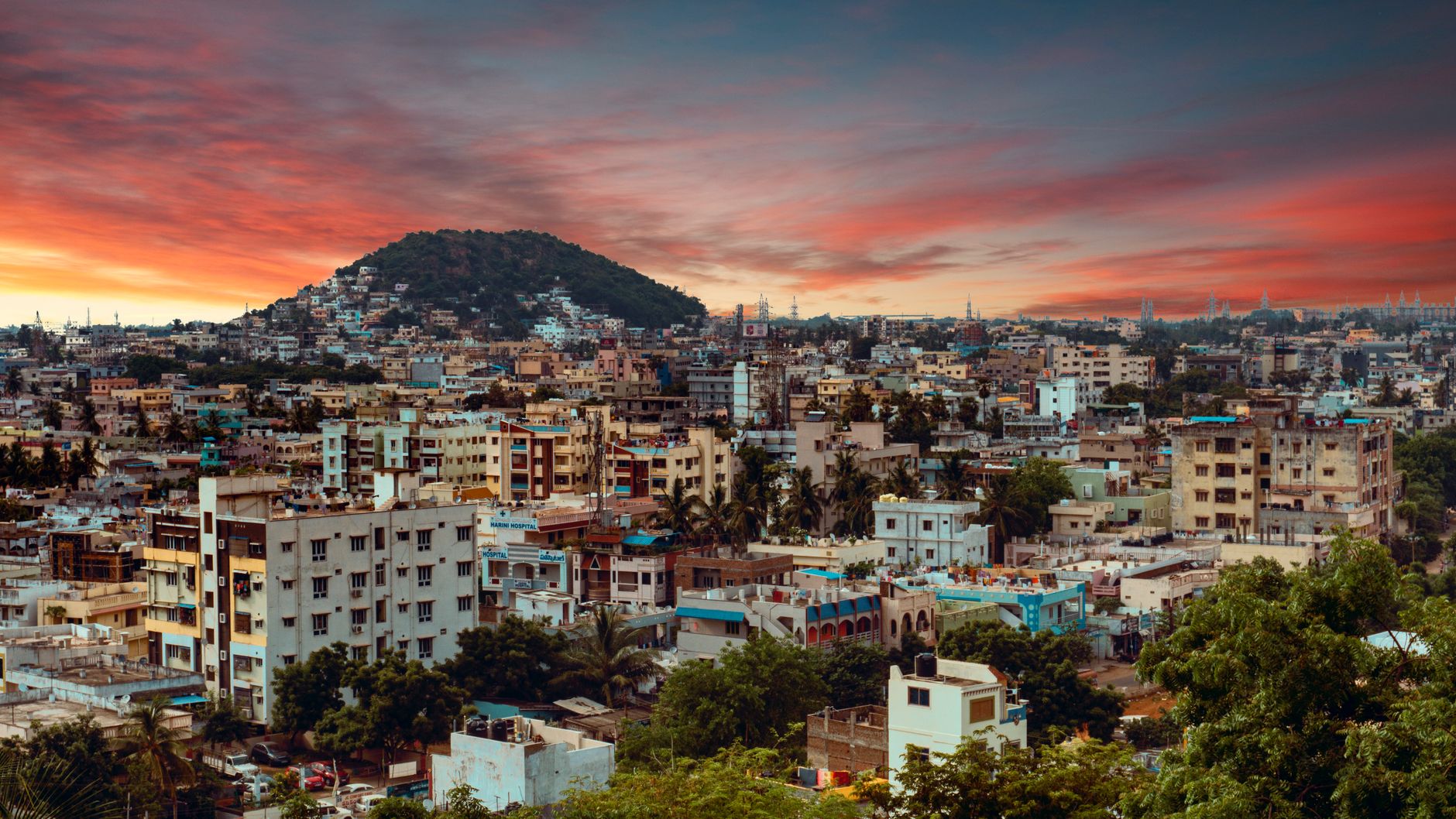
Pratapgarh, Uttar Pradesh, India Photo: rompalli harish / Pexels
Attractions
3
Trip length
1 day
Best season
Winter (October to March)

Why Pratapgarh, Uttar Pradesh

Built from cited sources · see the method · How we make our guides →

That 10,000-year-old site at Sarai Nahar Rai, with its 14 individuals buried with microlith tools and bison bones, wasn't discovered until 1968. It sits quietly 33 kilometers southwest of town, a grassy field holding secrets that rewrote textbooks. The contrast is telling. This isn't a region that shouts its antiquity; it carries it in the soil, in the river silt, and in the foundations of Raja Pratap Bahadur Singh's 1628 fort, built over an even older town called Aror.

The local rhythm is set by the land and its feudal past. Rajput Thakur landlords once shaped everything, and that influence hasn't vanished. It's transformed. In the Kunda constituency, a man named Raghuraj Pratap Singh, known as Raja Bhaiya, holds a 'janta darbar'—a people's court—where anyone can bring a grievance. He's been elected seven times since 1993. Political power here feels personal, inherited, and redistributed in daily audiences.

You come for the aonla, but you stay for the layers. Between the Buddhist stupa ruins on the Sai's bank and the trucks hauling this year's sour harvest, Pratapgarh shows you how India works. It's a palimpsest. The ancient, the colonial, the agricultural, and the fiercely local are all written on the same page, one never fully erasing the one beneath it.

  • The First Indians

    The Sarai Nahar Rai site, 33 kilometers southwest of town, holds the skeletal remains of the earliest known humans in the subcontinent. Excavations in 1968 unearthed 14 individuals buried with microliths and the bones of bison and rhinoceros, a silent testament from 10,000 years ago.
  • Kingdom of Aonla

    Pratapgarh's identity is rooted in the sour, green Indian gooseberry. The district produces roughly 40% of India's total aonla crop, a fact you'll taste in every street-side pickle and medicinal tonic. The air in the harvest season carries a sharp, citrus tang.
  • A Living Darbar

    Modern feudal politics aren't just history here. For decades, Raja Bhaiya has held a daily 'janta darbar'—a people's court open to all castes. It's a direct line to a political influence that shapes five assembly constituencies, a spectacle of power and petition.
  • The Sacred Sai

    The city unfolds along the Sai River, a tributary of the Gomti that Tulsidas wrote into the Ramcharitmanas. Its left bank hides the ruins of a Buddhist stupa, a quiet layer beneath the Awadhi Rajput history that defines the town's surface.

Neighborhoods

Where to wander, by quarter — each with its own rhythm.

  • Rampur & The Old Fort Area

    This is where Pratapgarh began. The high ground of Rampur holds the remains of the 17th-century fort built by the city's founder. The air feels different up here—older, quieter. You're walking over Aror, the ancient settlement mentioned in an 1107 land grant. Look for the subtle shifts in the earth; history here is a matter of strata, not statues.
  • Sai River Banks

    Follow the sacred Sai. On its left bank, you'll find the crumbled brickwork of a Buddhist stupa, a silent witness to monastic life long before the Mughals or the British. This is the river Lord Rama supposedly crossed. Women still wash clothes here, and the light at dusk turns the water the colour of old copper. It's the town's spiritual and practical artery.
  • Kunda Constituency

    Less a geographic neighborhood than a sphere of influence. This is the heartland of Raja Bhaiya's political territory, encompassing five assembly seats. The character is defined by a feudal modernity. If you want to understand local power, watch the comings and goings at his residence during the daily janta darbar. It's where politics dispenses with pretense and gets personal.
  • Sarai Nahar Rai (Mesolithic Site)

    A 40-minute drive southwest, this is Pratapgarh's most profound neighborhood, though you won't find a single shop. It's an empty field by a dried oxbow lake. In 1968, archaeologists unearthed 11 graves holding 14 individuals who lived here between 10,050 and 8,400 years ago. Stand still. You are on the ground that yielded the earliest human skeletons ever found in India.
  • The Aonla Belt (Orchards & Processing Units)

    The city's economic engine smells of tart fruit and woodsmoke. Venture into the outskirts where the aonla orchards stretch toward the horizon. From October to December, the harvest turns the roads green. Look for the drying yards where the gooseberries cure in the sun. This is the source of Pratapgarh's identity—80% of Uttar Pradesh's output, 35% of India's, all from this soil.

Plan your trip

Before you go

Getting There
Pratapgarh is a rail and road hub. The nearest major airport is Chaudhary Charan Singh International Airport (LKO) in Lucknow, about 190 km away. Pratapgarh Junction is the main railway station, well-connected to Prayagraj (60 km) and Lucknow on the Northern Railway line. National Highway 31 passes right through the district.
Getting Around
Auto-rickshaws and cycle rickshaws are the standard for short trips within town. For longer distances, shared jeeps and private taxis are your best bet. There's no metro or formal bus network; transport is informal, negotiated on the spot. Have cash ready.
Climate & Best Time
Summers (Apr-Jun) are fiercely hot, with temperatures regularly hitting 40–45°C. The monsoon (Jul-Sep) brings heavy, humid relief. Winters (Oct-Mar) are mild and pleasant, with lows around 8°C and highs in the mid-20s. Visit between October and March. Avoid the scorching peak of May.
Language & Currency
Hindi and its local Awadhi dialect are spoken everywhere. Urdu is also common among the Muslim minority. English is understood in hotels and by some officials. The currency is the Indian Rupee (INR). ATMs are available in the main market areas, but carry cash for smaller vendors and transport.
Safety
Pratapgarh is generally safe for daytime exploration. As in many North Indian towns, solo female travelers should exercise standard precautions after dark. The political culture is intensely local and can be volatile; it's wise to avoid large political gatherings or demonstrations.

Who lived here

  • Awadhi Ruler · 1628–1682

    Raja Pratap Bahadur Singh

    Founded the city in 1628

    He built his fort, the 'garh,' atop the ruins of an ancient town called Aror, giving the place its name and purpose. Looking at the modern district's persistent feudal character, he'd probably feel a grim sense of recognition.

  • Politician · born 1968

    Raghuraj Pratap Singh (Raja Bhaiya)

    7-term MLA, dominant political figure

    He runs a modern 'janta darbar' (people's court) from Kunda, a direct echo of the Awadhi durbars of old. He is the living bridge between Pratapgarh's Rajput feudal past and its very current political reality.

Where to Eat

Where locals actually book dinner — not the tourist menus.

Insider tips

Small things that change how the city treats you.

  • Visit in Winter

    The best time to come is October to March. Summers here are punishingly hot, and the monsoon makes rural roads difficult to navigate.
  • Eat the Aonla

    You cannot leave without trying something made from Indian gooseberry. Look for fresh aonla, chutneys, or the local candy known as murabba. It's the city's identity.
  • Seek the Ancient

    Ask a local guide to take you to Sarai Nahar Rai. It's an unassuming field, but you'll be standing where the earliest known human skeletons in India were found.
  • Respect Feudal Legacy

    Politics here are deeply personal and shaped by feudal traditions. Listen more than you speak on local power structures; you'll hear about Raja Bhaiya and his 'janta darbar'.
  • Use Prayagraj as Hub

    Pratapgarh is 60 km from Prayagraj. It's easier to find accommodation and transport there. Make Pratapgarh a day trip, using buses or hiring a car.

Frequently asked

Is Pratapgarh, Uttar Pradesh worth visiting?

It depends on your interests. If you're a history or archaeology enthusiast, absolutely. It holds the Sarai Nahar Rai site with 10,000-year-old human remains. For the average tourist seeking major monuments, it's a detour into the real, political heartland of rural Uttar Pradesh.

How many days in Pratapgarh, Uttar Pradesh?

One full day is sufficient. You can visit the aonla orchards, the historical sites by the Sai River, and the archaeological landmark. It works best as a day trip from Prayagraj.

What is Pratapgarh famous for?

It's famous for two things: aonla (Indian gooseberry) production and deep history. It calls itself the 'City of Aonla,' producing 40% of India's crop, and hosts a Mesolithic site that rewrote subcontinental human history.

How do I get to Pratapgarh?

The nearest major transport hub is Prayagraj (Allahabad), 60-65 km away. From there, take a bus or hire a taxi. The town is well-connected by road, but has limited rail connectivity for long-distance travel.

Is Pratapgarh safe for tourists?

Exercise standard precautions for rural North India. It's generally safe, but the feudal political culture is intense. Avoid political gatherings or discussions. Travel during daylight and arrange transport in advance.

All Places to Visit.

1 place to discover

Belha Devi Temple
Place

Belha Devi Temple

Photo credits (1)
  1. rompalli harish — Pexels License (https://www.pexels.com/license/) — Source: https://www.pexels.com/photo/4441983/

Photos may have been resized or cropped.