Place
Nashik
India Updated Apr 2026
The first sip of Sula’s Chenin Blanc hits different when you realize the vineyard sits barely two hours from Mumbai yet feels like another continent. Nashik, India surprises you with its split personality: one of the twelve Jyotirlingas draws millions of barefoot pilgrims while, ten kilometres away, sommeliers swirl glasses under perfect afternoon light. The air around Ramkund carries woodsmoke, incense and the faint sulphur of sacred river water; drive fifteen minutes west and it smells of ripe grapes and red laterite dust.
 Photo: Pranjal Mulane / Pexels
- Attractions
- 12
- Audio
- 1 h 8 min
- Trip length
- 3-4 days
- Best season
- October to March
Why Nashik
Built from cited sources · see the method · How we make our guides →
This is where the Godavari begins its journey to the Bay of Bengal and where, according to tradition, Lord Ram spent his forest exile. Panchavati still echoes with that story. Yet the same hills now grow Cabernet and Sauvignon Blanc. The contrast never stops being strange and wonderful. One morning you watch ash float downstream at the bathing ghat; the next you’re tasting a 2023 Riesling that costs more per bottle than most locals earn in a week.
Nashik refuses to be only one thing. It is simultaneously the wine capital of India and a Kumbh host city every twelve years. Locals argue passionately about whose misal is the true original while sommeliers debate barrel ageing. The city feels alive precisely because these contradictions sit so close together you can walk from one into the other in twenty minutes.
Come for the temples if you want. Stay for the way the place quietly rewires what you think an Indian pilgrimage town can be.
Wine Country
Sula Vineyards turned a 30-acre plot outside Nashik into an 1,800-acre empire. The Chenin Blanc flows while the sun drops behind the vines, turning the tasting room into something closer to a Mediterranean escape than anything 180 km from Mumbai. Weekends bring hour-long queues. Come on a Tuesday.Ramayana & Caves
Panchavati still carries the memory of Lord Ram’s exile along the Godavari. Walk 400 metres from the black-stone Kalaram Temple and the air changes again at Pandavleni, where 2,000-year-old Buddhist caves sit carved into the hillside. One place remembers gods. The other remembers monks who wanted silence.Ramshej Fort
Most tourists never reach Ramshej. The hill fort sits almost empty, its ramparts offering views that feel stolen. Early light hits the stone and the only sound is your own footsteps. The opposite of Sula on a Saturday.Jyotirlinga Pull
Trimbakeshwar Temple, 28 km west, is one of twelve ancient Shiva shrines that still draw pilgrims by the hundred thousand. The Kushavart tank beside it is 21 feet deep and said to wash away sins on contact. The belief is older than most countries.
Places to Visit
Not every monument, just the ones we'd walk you past ourselves.
Neighborhoods
Where to wander, by quarter — each with its own rhythm.
Panchavati
The spiritual heart on the Godavari’s left bank. Kalaram Temple’s black stone Ram draws constant foot traffic while Ramkund ghat smells of marigolds and wet ash. Khau Galli’s evening chaos delivers vada pav, fiery misal and pani puri metres from 14th-century shrines. Conservative, crowded, and completely authentic.Old Nashik
Narrow lanes around Ravivar Karanja hide the city’s sweet-shop trinity. Mangesh Mithai has sold khurchan wadi since 1840. Bhagwantrao Mithai still makes anaarsa to order. Early mornings smell of jalebi syrup and hot basundi. Far quieter than Panchavati yet only ten minutes away.Gangapur Road
The newer, slightly moneyed strip where Shree Krishna Vijay serves its legendary Sunday misal to post-match crowds. cafés, mid-range bars and the turning for Soma Vineyards all converge here. The backwaters of Gangapur Dam appear suddenly between buildings, a reminder that countryside is never far.Dindori Road
Nashik’s wine country proper. Sula’s 1,800 acres dominate but smaller estates line the route. Weekday mornings the vineyards are empty except for egrets and the occasional tractor. Weekends bring Mumbai SUVs and two-hour tasting queues. Choose wisely.College Road
Student energy meets cheap cafés and the city’s modest nightlife. Korean by Baristo and a handful of live-comedy venues keep the evenings lively. Less temple bells, more two-wheelers and cheap filter coffee.Mahatma Nagar
Quiet residential pocket known locally for Ovaara’s gentler, homestyle misal served with optional multigrain pav. Good base if you want to avoid both pilgrimage crowds and vineyard traffic.
Plan your trip
Before you go
- Getting There
- Fly into Ozar Airport (ISK), 20 km from the city, or Chhatrapati Shivaji Maharaj International (BOM) in Mumbai, 180 km south. Nashik Road railway station handles over 60 daily trains including the Mumbai Rajdhani. NH-160 and NH-60 connect directly from Mumbai, Pune, and Surat. In 2026 the Mumbai-Nashik expressway slice still shortens the drive to three hours on a good day.
- Getting Around
- No metro exists. City buses run by MSRTC are cheap but erratic. Auto-rickshaws and Uber operate everywhere; expect ₹300–450 for a one-way trip to Sula Vineyards. For Trimbakeshwar, shared taxis leave from Panchavati every 30 minutes. Renting a car with driver for the day costs around ₹2,800 in 2026 and is the sanest option for the temples.
- Climate & Best Time
- Summer (April–June) hits 40 °C with punishing sun. Monsoon (July–September) brings 700 mm of rain that turns vineyards electric green. November to February stays dry with daytime temperatures between 18–28 °C. The sweet window is mid-December to mid-February when the light is soft and Sula isn’t overrun.
Nose, Nectar and Revolution
From Ramayana exile to India's Wine Capital
- c. 3000 BCE
Stone Age Footprints
Archaeologists have found tools and flakes proving people lived around the Godavari here in the early Stone Age. The river gave them water, game, and later the black basalt they would carve into caves. Long before any temple or vineyard, this bend in the river was already home.
- Treta Yuga
Lakshman Cuts the Nose
According to the Ramayana, Lord Ram, Sita and Lakshman lived in the Panchavati grove on the Godavari's left bank. When Ravana's sister Surpanakha tried to seduce Ram, Lakshman sliced off her nose. The place took its name from nasika — Sanskrit for nose. Five ancient banyans still give the neighbourhood its name.
- 150 BCE
Silk Market of the Deccan
By the second century BCE Nashik had become the largest marketplace in the country. It sat on the trade route linking Tagara and Pratishthana to the port of Bharuch. Nashik silk was so prized that the word nasich later appeared in medieval European inventories for gold-brocaded cloth. The smell of dye vats and the clack of looms filled the streets.
- 1st century BCE
Nahapana Carves Pandavleni
Shaka ruler Nahapana ordered Buddhist caves cut into the Trirashmi hill. His son-in-law Ushavadata added more. Monks received rock-cut cells, cisterns and inscriptions promising support. The caves still smell of old stone and bat droppings; their cool interiors once echoed with Pali chants.
- c. 50 CE
Gautamiputra Crushes the Shakas
Satavahana king Gautamiputra Satakarni defeated Nahapana somewhere in Nashik district. He overstruck more than ten thousand of the Shaka's silver coins, found later at Jogal Tembhi. The victory inscription carved in the caves boasts he destroyed Shakas, Yavanas and Pahlavas in one decisive blow.
- 250 CE
Ishvarasena Starts an Era
Abhira king Ishvarasena left an inscription in Cave IX recording gifts to Buddhist monks and began a new calendar later known as the Kalachuri-Chedi era. The investment funded free medicine for sick mendicants. For the next 67 years ten Abhira kings ruled from Nashik.
Show the full timeline (20 moments)
- 1273
Nivruttinath at Trimbakeshwar
Varkari saint Nivruttinath, elder brother of Dnyaneshwar, lived and taught near Trimbakeshwar during the Yadava period. The family’s devotion shaped the bhakti tradition that still draws hundreds of thousands to the Godavari every year. Their footprints remain visible on the sacred rock.
- 14th century
Kapaleshwar Lingam Without Nandi
The serene Shiva temple in Panchavati was built without the usual Nandi bull facing the massive lingam. Devotees still comment on the unusual emptiness. Light falls through the open mandapa onto black stone worn smooth by centuries of touch.
- 1615
Mughals Rename It Gulshanabad
Mughal forces captured the city from the Nizam Shahis and called it Gulshanabad — Garden of Roses. Emperor Akbar later described its vineyards and saffron in the Ain-i-Akbari. The new name never stuck with locals, who quietly kept calling it Nashik.
- 1734
Marathas Restore the Name Nashik
After decades of fighting, the Marathas formally reclaimed the city and restored its ancient name. Peshwa patronage soon followed. The black-stone Kalaram Temple, still one of Panchavati’s landmarks, rose during this period, its Ram idol cut from a single block of basalt.
- 1818
British Take the City
The same year the Peshwas finally gained formal control, the British captured Nashik and folded it into Bombay Presidency. Within decades they built a municipality, a library and a tram line. The old Maratha order gave way to colonial ledgers and English signs.
- 1840
Maharashtra’s First Modern Library
One of the earliest public libraries in the state opened its doors in Nashik. Scholars and revolutionaries sat under the same lamps reading both classical texts and smuggled pamphlets. The smell of old paper and ink still clings to the idea of Nashik as a place that thinks.
- 1872
The Great Godavari Flood
Monsoon rains swelled the river until it tore through the city, destroying homes and temples. Residents still speak of the night the Godavari took back what it had given. The flood line remains visible on several old Panchavati buildings.
- 1883
Veer Savarkar Is Born
Vinayak Damodar Savarkar entered the world in the village of Bhagur outside Nashik. As a teenager he founded the Abhinav Bharat Society in the city, swearing young men to armed revolution. The British would later send him to the Cellular Jail for two life terms.
- 1909
Jackson Shot in a Theatre
On 21 June 1909, revolutionary Anant Kanhere walked into a Nashik theatre and shot British Collector A.M.T. Jackson dead. The Nashik Conspiracy Case followed. Kanhere was hanged at age nineteen; Savarkar was implicated and shipped to the Andamans.
- 1930
Ambedkar’s Temple Satyagraha
Dr B.R. Ambedkar launched the Kalaram Temple entry movement in Nashik demanding Dalits be allowed inside. For five years thousands marched and sat in protest. The campaign became a national symbol in the fight against untouchability.
- 1944
Dadasaheb Phalke Dies
The man born in Trimbak near Nashik in 1870, who gave India its first full-length feature film Raja Harishchandra in 1913, died quietly. A memorial now stands near the Pandavleni caves where he once shot scenes by natural light.
- 1960
Maharashtra Is Born
Bombay State was split and Nashik found itself inside the new linguistic state of Maharashtra. The orchards and vineyards that had always surrounded the city suddenly gained state support. Within two decades Nashik would become the undisputed grape capital of India.
- 1999
Sula Vineyards Plants Its First Vines
Rajeev Samant turned 30 acres of barren land 180 km from Mumbai into India’s first modern winery. Chenin Blanc and Sauvignon Blanc took to the black soil and cool nights. Today the estate sprawls across 1,800 acres and Nashik is known worldwide as the Wine Capital of India.
- 2015
Sinhastha Kumbh Mela
More than twenty million pilgrims bathed at Ramkund and Trimbakeshwar during the 2015 Kumbh. The drops of amrit said to have fallen here during the Samudra Manthan once again drew the faithful. The river ran black with people from dawn until the last conch sounded at dusk.
Who lived here
-
Filmmaker · 1870–1944
Dhundiraj Govind Phalke
Born in Nashik
In 1913 Dadasaheb Phalke screened Raja Harishchandra in a Bombay tent and changed India forever. The Sanskrit scholar's son from Nashik had painted stage backdrops before teaching himself film in London. He would probably smile at the giant cutouts of film stars that still line Nashik roads during festival season.
-
Freedom fighter and ideologue · 1883–1966
Vinayak Damodar Savarkar
Born in Bhagur village, Nashik district
At 23 Savarkar founded the Abhinav Bharat Society in a Nashik house that still stands. Two decades later he returned from the Cellular Jail to a hero's welcome at the same railway station. Today's Nashik, with its wine bars and quiet temples, would puzzle the man who once declared this soil produced warriors.
-
Marathi poet and playwright · 1912–1999
Vishnu Vaman Shirwadkar
Born and lived in Nashik
Kusumagraj wrote Vishakha in 1942 from a small Nashik room while the independence movement burned outside. The poetry collection became a rallying cry. He spent the rest of his life here, refusing to leave even when Bombay offered more. Locals still argue which of his plays best captured the city's stubborn soul.
-
Revolutionary · 1891–1910
Anant Laxman Kanhere
Carried out assassination in Nashik
On 21 June 1909 the 18-year-old walked into a Nashik theatre and shot British Collector Jackson dead. He acted inside the network Savarkar built here. The gallows came ten months later. Nashik still whispers about that night when a local boy made the empire bleed.
Where to Eat
Where locals actually book dinner — not the tourist menus.
Insider tips
Small things that change how the city treats you.
Skip Sula weekends
Visit Sula Vineyards on Tuesday through Thursday mornings. Weekends bring 1-2 hour queues and packed tasting rooms according to multiple 2025-2026 visitor reports.Misal before 9 AM
Head to Shree Krishna Vijay on Gangapur Road early on Sunday mornings. The post-match local crowd arrives by 9:30, and the fiery matki usal with untoasted pav tastes best fresh.Early Pandavleni
Reach the Buddhist caves by 7 AM. The ticket window is often unstaffed at opening and the climb feels easier before the sun heats the rock face.Temple dress code
Cover shoulders and knees near Panchavati and Trimbakeshwar. Many pure-veg eateries around Ramkund also expect conservative attire during festivals.Redeem winery entry
The ₹600 weekday entry at Sula is fully redeemable against food, wine or gifts. Order the Chenin Blanc tasting platter at Rasa to break even.Avoid peak heat
Visit hilltop sites like Ramshej Fort and Saptashringi Devi Temple between October and March. The March 2026 heat already made the Pandavleni climb uncomfortable after 10 AM.
Gallery
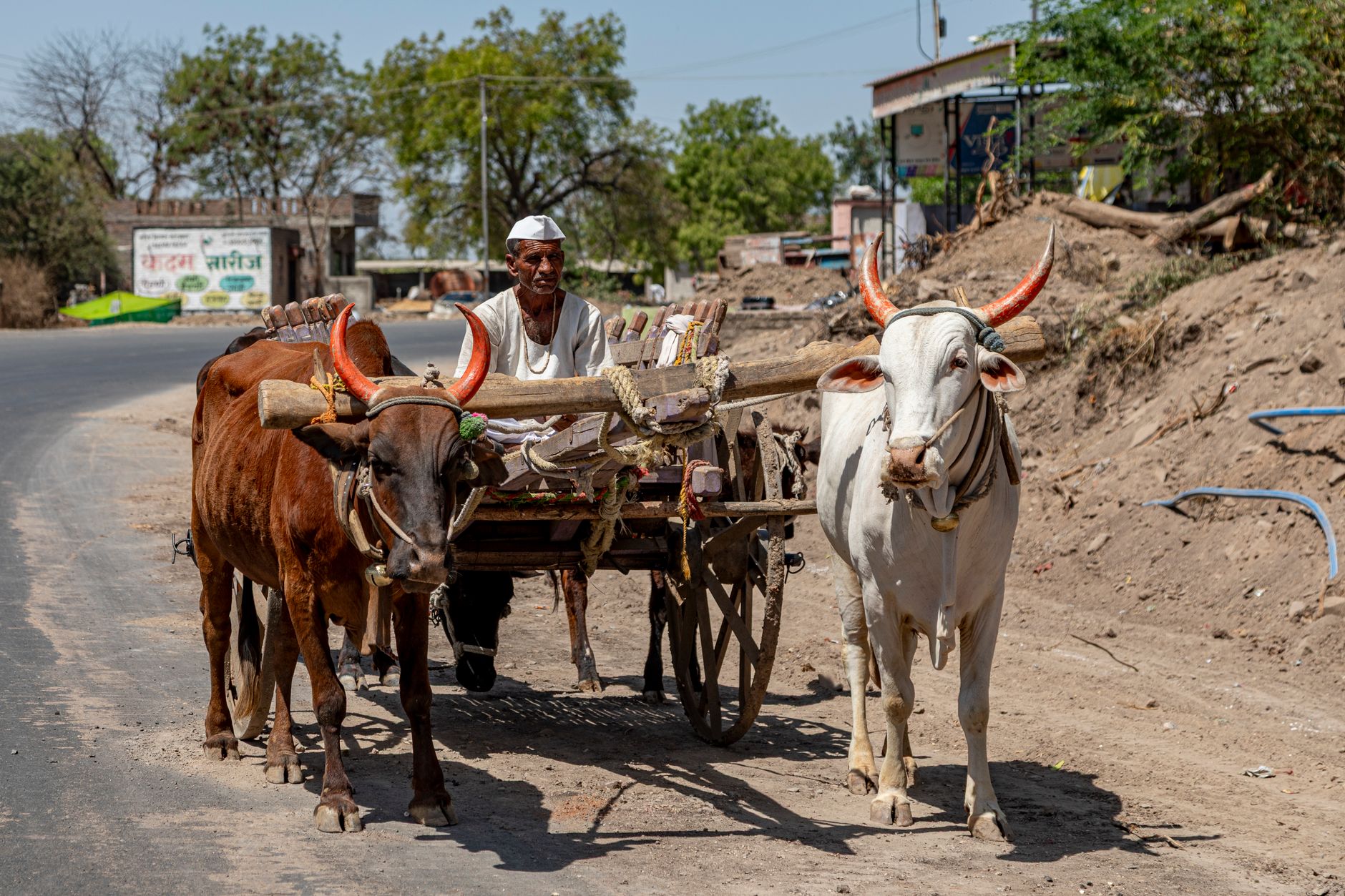
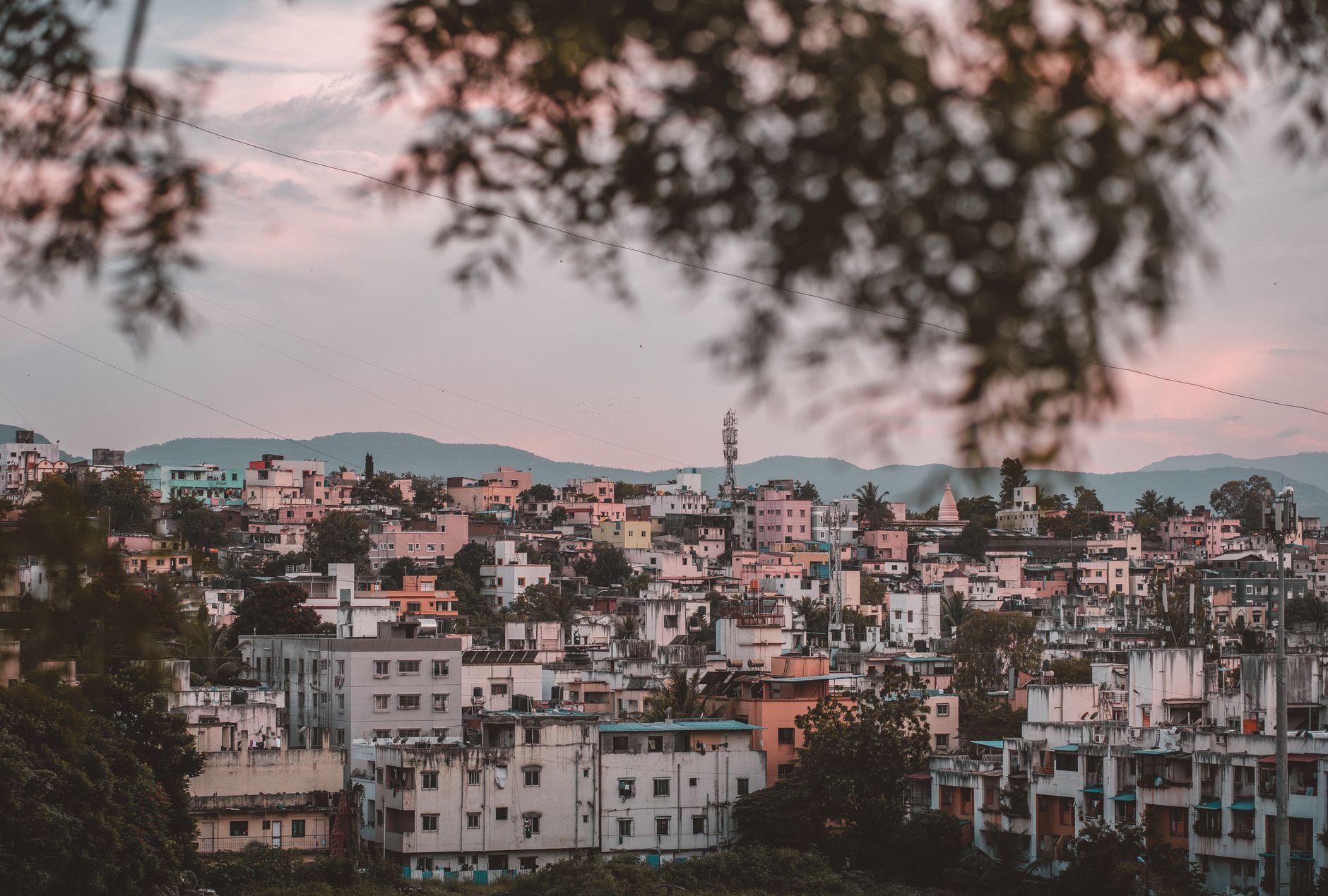
The city, as it actually looks.





Frequently asked
Is Nashik worth visiting?
Yes, if you want to taste why Nashik produces half of India's wine while standing in the exact Panchavati grove where the Ramayana says Lakshman cut off Surpanakha's nose. The contrast between ancient pilgrimage chaos at Ramkund and quiet vineyard sundowners at Soma is striking. Three days lets you see both sides without exhaustion.
How many days do you need in Nashik?
Three days works for most people. One for Panchavati temples and Old Nashik sweets, one for wineries, and one for Pandavleni caves plus Trimbakeshwar. Add a fourth if you plan to trek Ramshej Fort or attend the September ICH Festival in Surgana.
When is the best time to visit Nashik?
October to March brings comfortable temperatures for both temple visits and vineyard tours. Avoid April-June heat and weekends at Sula from December to March when Mumbai crowds descend. The Nashik ICH Festival runs 19-21 September with free tribal dance performances.
Is Nashik safe for tourists?
Nashik is generally safe for both solo and family travelers. Standard precautions apply around Ramkund's crowded ghats and during Kumbh Mela years. Women should dress conservatively near temples. The religious pilgrimage character actually keeps petty crime low.
How much does a trip to Nashik cost?
A couple can eat and drink well for ₹3500-5000 per day including one winery visit. Misal pav costs ₹60-120, Sula weekday entry with tasting runs ₹700-900 after redemption, and thalis are ₹200-350. Accommodation on Gangapur Road offers better value than vineyard-adjacent hotels.
Should I visit Sula Vineyards?
Visit once, but avoid weekends. The Chenin Blanc and Tropical Rosé are solid, the Rasa restaurant serves decent Indian-Italian plates, and sunset views justify the trip. For a quieter experience with better dam views, choose Soma Vineyards instead.
All Places to Visit.
1 place to discover
Pick up where you left off
Saved and recently read places — kept on this device only.
Photo credits (10)
- Pranjal Mulane — Pexels License (https://www.pexels.com/license/) — Source: https://www.pexels.com/photo/8398720/
- Gandhi Talav Godavari Nashik Maharashtra (cropped) — MayurFreelancer — CC BY-SA 4.0 (https://creativecommons.org/licenses/by-sa/4.0/) — Source: https://commons.wikimedia.org/wiki/File:Gandhi_Talav_Godavari_Nashik_Maharashtra_(cropped).jpg
- Chetan Tawade — Pexels License (https://www.pexels.com/license/) — Source: https://www.pexels.com/photo/26925755/
- Frank van Dijk — Pexels License (https://www.pexels.com/license/) — Source: https://www.pexels.com/photo/36874539/
- Goda Ghat, Nashik — Prashant Kharote — CC BY-SA 4.0 (https://creativecommons.org/licenses/by-sa/4.0/) — Source: https://commons.wikimedia.org/wiki/File:Goda_Ghat,_Nashik.jpg
- Arjun Sunil — Pexels License (https://www.pexels.com/license/) — Source: https://www.pexels.com/photo/6385445/
- Bhandardurg Fort Water Tank — Dhanwantpatil1699 — CC BY 4.0 (https://creativecommons.org/licenses/by/4.0/) — Source: https://commons.wikimedia.org/wiki/File:Bhandardurg_Fort_Water_Tank.jpg
- Bhandardurg Trek in Nashik — Dhanwantpatil1699 — CC BY 4.0 (https://creativecommons.org/licenses/by/4.0/) — Source: https://commons.wikimedia.org/wiki/File:Bhandardurg_Trek_in_Nashik.jpg
- Roman Saienko — Pexels License (https://www.pexels.com/license/) — Source: https://www.pexels.com/photo/32033040/
- Frank van Dijk — Pexels License (https://www.pexels.com/license/) — Source: https://www.pexels.com/photo/36874544/
Photos may have been resized or cropped.