Jamshedpur
India Updated Apr 2026
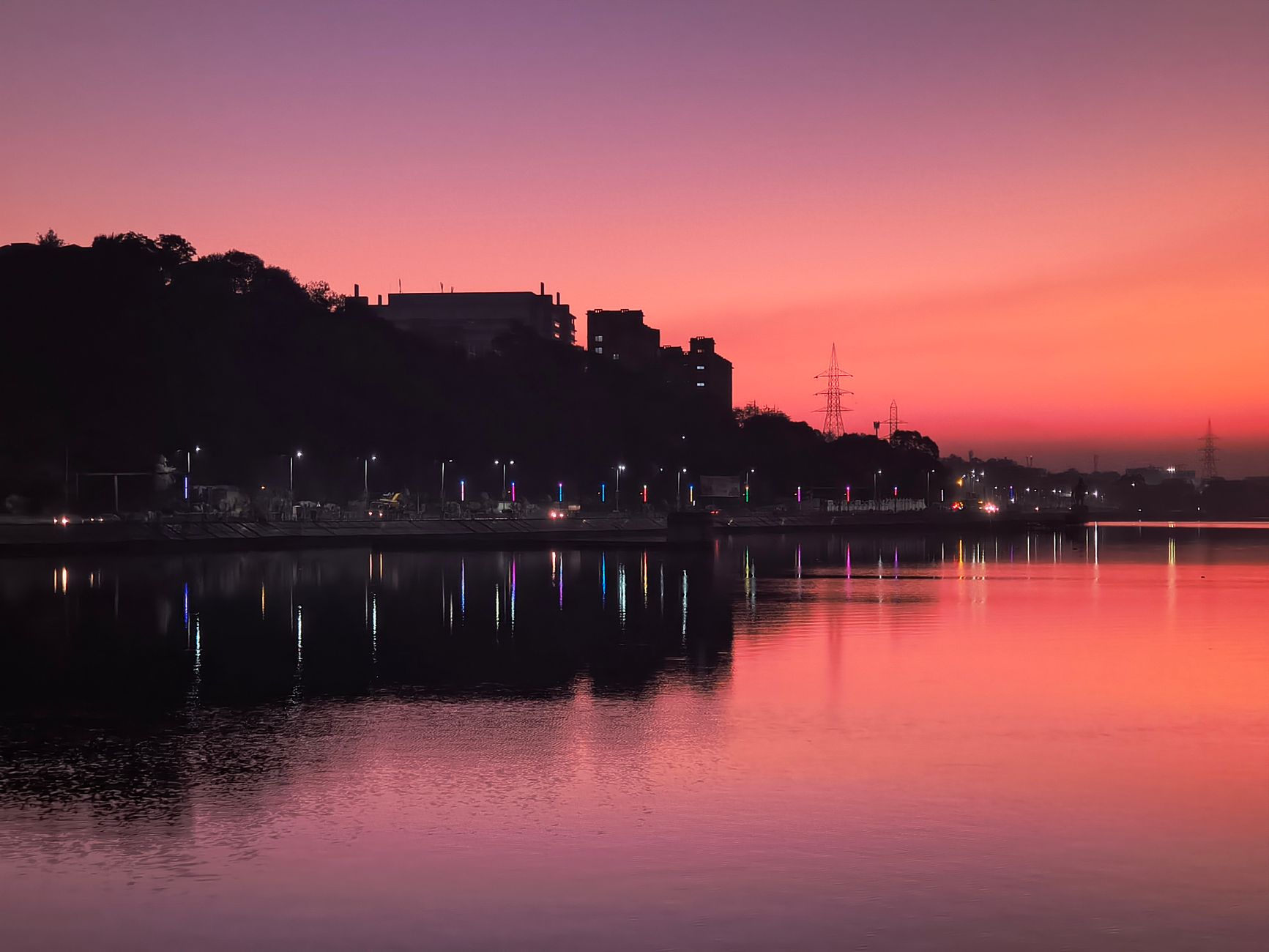
The first thing you notice is the silence. Jamshedpur, India's steel capital, greets you with tree-lined avenues instead of smoke stacks, and a 220-acre park where workers picnic beside a lake that doubles as the city's water supply. This is Tata's company town turned inside out — where factory whistles mark the hours but elephants still wander down from the Dalma hills at dawn.
 Photo: Sound Designer S.K Pramanik / Pexels
- Attractions
- 5
- Audio
- 22 min
- Trip length
- 2–3 days
- Best season
- November–February
Why Jamshedpur
Built from cited sources · see the method · How we make our guides →
They call it "mini-Bombay" for the food: dosas at 6 a.m., chilli pork at Frank's since 1968, and puchka stalls that outnumber traffic lights. The menus read like internal migration patterns — Tamil tiffin rooms, Bihari litti-chokha carts, a Parsi café installed inside a 1935 cinema, its original seats now dining chairs.
Spend three days here and you'll stop asking "what's there to do?" The question becomes "how did a planned industrial city get this relaxed?" Evening means Jubilee Park: families sharing shinghara, kids racing toward a musical fountain that only plays Bollywood hits older than their parents. When the lights shut off at 10 p.m. sharp, the sky over Domuhani river-confluence turns the exact color of cooling slag. That's when you understand the trick: Jamshedpur never chose between making steel and making home. It just built both side by side.
India’s Only Company Town Still Run by Its Founders
Jubilee Park glows violet on 3 March when Tata Steel lights 200 acres for Jamsetji Tata’s birthday—proof the city still answers to the boardroom, not the statehouse.Tigers Through Glass, Elephants Over the Ridge
Pay ₹50 at Tata Zoo to watch rescued lions pad behind 32 mm laminated glass, then drive 13 km to Dalma hills where wild herds cross the ridge at dawn.A Reservoir That Doubles as the City’s Living Room
Dimna Lake supplies Jamshedpur’s taps, but locals treat it like a seaside promenade—sunset picnics on the masonry dam, corn sellers working the breeze.
Neighborhoods
Where to wander, by quarter — each with its own rhythm.
Bistupur
The downtown grid where Tata's white-collar history lingers in Bharucha Building's stone arcades. Walk a five-minute circuit for Madrasi Hotel's 1935 dosas, Frank's chilli pork legacy, and Café Regal's Parsi cutlets served under salvaged Art-Deco chandeliers. Everything shuts by 10 p.m.; arrive hungry and early.Sakchi
The old workers' quarter smells of charcoal chicken at BGC's pushcart and mustard oil from litti-chokha stalls outside Jubilee Park. It's functional, loud, and proud of it — sari shops, hardware stores, and the city's best puchka wallah working opposite a 112-year-old mosque. Go at sunset when office crowds and park-goers create a friendly chaos.Sonari / Kagal Nagar
Residential slopes on the city's western edge. Auto drivers navigate without street signs to reach Shera's Roll, a tin-roof stall that has served the same egg-chicken kati since 1992. Low-rise houses, sudden hill views, and almost zero tourists — useful for a quiet afternoon walk followed by a three-napkin roll.Circuit House Area
Leafy embassy-row vibe without embassies: wide roads, 1920s bungalows built for Tata managers, and the century-old Beldih Club where dress codes still require closed shoes. Base yourself here for hush after city noise; the park-and-civic-architecture cluster is a ten-minute rickshaw away.Mango
Not fruit — a suburb across the Subarnarekha reached by a 1907 steel bridge. Industrial colonies give way to tribal hamlets; roadside stalls sell handia (rice beer) in earthen pots on festival days. Gateway to Dalma Wildlife Sanctuary and the closest cheap guesthouses if you plan an early elephant-tracking start.
Plan your trip
Before you go
- Getting There
- Sonari Airport (IXW) sits 6 km west of Tatanagar station, but IndiaOne Air’s Kolkata/Bhubaneswar flights were suspended in January 2026—check live status. Tatanagar Junction (TATA) is the rail hub: Rajdhani and Duronto expresses from Delhi, Howrah–Mumbai mail, and frequent Jan Shatabdi to Ranchi. NH-18 and NH-33 feed long-distance buses from Kolkata (170 km) and Ranchi (120 km).
- Getting Around
- No metro, no tram, no city bus smart card—movement runs on yellow shared autos that ply fixed routes (Sakchi–Bistupur ₹15, Sakchi–Telco ₹20). Private app cabs exist but thin after 10 pm; hotel cars cost ₹250–300 for an in-town hop. Carry ₹10–20 notes for sudden tempos.
- Climate & Best Time
- May peaks at 41 °C; August dumps 222 mm of rain. Come November–February when highs stay under 26 °C and lows dip to 8 °C—dry air, open-air zoo mornings, no monsoon potholes between you and Dalma ridge.
- Language & Currency
- Hindi gets you fed, Bengali gets you a better price, tribal Ho or Santhali earns a grin at Amadubi village. Cards work in malls; roadside dosa stalls want ₹20 notes or UPI—foreign visitors load the NPCI “UPI One World” wallet on arrival.
Steel Dreams Carved in Sal Forest
From tribal river bend to India's company-town miracle
- c. 1100 BCE
Copper Smelters at Ichagarh
Archaeological layers near the Subarnarekha yield crucibles tinged green. Copper-smithing tribes leave behind furnace slag that still glints in monsoon light. The river’s name—‘streak of gold’—is already old.
- c. 1100 CE
Chaturmukhi Temple Rises
Stone-cutters carve a four-faced Shiva lingam at Ichagarh, capital of Patkum State. Pilgrims cross the forested plateau to reach the shrine; the track they wear will one day carry rails.
- 1620
Seraikela State Founded
Maharaja Jagannath Singh plants his flag beside the Kharkai. His dynasty will rule the surrounding hills for three centuries, collecting tributes of sal timber and lac that Tata engineers will later value for blast-furnace lining.
- 1902
Jamsetji’s Letter to Dorab
In a Bombay office, Jamsetji Tata sketches his dream: wide streets, shaded gardens, separate temples, mosques, churches. He signs the letter on 3 March. Sakchi village has no idea it has just been blueprinted.
- 1904
American Geologist Finds Sakchi
Charles Page Perin steps off the train at Kalimati and smells iron in the red earth. His compass points toward the river bend where Subarnarekha meets Kharkai. He wires Pittsburgh: ‘Site located—water, ore, coal within 200 miles.’
- 1907
TISCO Born with ₹2 Crore
27 August: 7,000 shares sell out in Bombay within three weeks. The prospectus promises ‘an Indian steelworks for Indian rails.’ Sakchi’s mango groves become a construction camp overnight.
Show the full timeline (23 moments)
- 1908
First Brick Laid at Sakchi
On 27 February, masons align the foundation stone of what will be Asia’s largest blast furnace. Bullock carts haul bricks past tribal women carrying mahua flowers. The air smells of coal dust and jasmine.
- 1911
Pig Iron Flows Like Lava
At 4:12 a.m. the furnace throat opens. Molten iron pours into sand beds; the river reflects the orange glow. A Scottish foreman phones Calcutta: ‘Tell the Viceroy India has made her own iron.’
- 1912
First Steel Ingot Rolled
The 14-ton ingot emerges silver-gray, still warm enough to steam in monsoon air. It will become rails for the Uganda Railway. Jamsetji never lived to see it; he died eight years earlier.
- 1915
Free Dispensary Opens
Tata employees queue for free quinine and bandages. The company’s medic later mutates into Tata Main Hospital, still the city’s largest. Other Indian mill towns notice.
- 2 Jan 1919
Sakchi Becomes Jamshedpur
Lord Chelmsford steps onto a wooden platform at the riverside. He praises the steel that ‘won the war’ and renames the town after its absent founder. Kalimati station becomes Tatanagar Junction the same afternoon.
- 1925
Gandhi Visits, Approves
Mahatma Gandhi arrives in a khadi dhoti, tours workers’ quarters, discovers eight-hour shifts and provident funds. He tells the crowd: ‘Jamsetji has shown capital can have a human face.’
- 1925
Gerald Durrell Born Here
In a tin-roofed bungalow near the golf course, British engineer Lawrence Durrell’s wife delivers a boy who will grow up to write ‘My Family and Other Animals’ and invent the modern zoo. The cicadas he hears here reappear in his pages.
- 1930
Otto Koenigsberger Plans Garden City
The German architect sketches roundabouts lined with royal palms, sewage lines hidden beneath bougainvillea, and worker cottages set back 20 feet from the road. His blueprints still shape traffic flow.
- 1942
Blackout Against Japanese Raids
Tar boilers hiss smoke screens over the mill; searchlights sweep the sky; schoolchildren practice duck-and-cover under sal desks. The steel plant never stops; production actually rises 30 percent.
- 1945
TELCO Rolls Out First Loco
Inside a requisitioned aircraft hangar, workers bolt together India’s first steam locomotive since independence. The engine whistles at midnight; people dance in the streets despite ration cards.
- 1964
Communal Riots Scar Ram Navami
Processions turn; 200 houses burn; curfew lasts 40 days. The company town discovers politics can override paternalism. Tata Steel funds the first mixed-religion youth cricket league the next year.
- 1982
Priyanka Chopra Born in Bistupur
In the Tata Main Hospital, an army doctor and a gynaecologist welcome a daughter who will become Miss World and a global screen star. The family quarters where she learned her first English words still smell of rain-soaked eucalyptus.
- 1994
Police Crack Down on Coal Mafia
Superintendent Ajoy Kumar leads night raids, arrests 300 extortionists, seizes 47 illegal guns. Tata trucks resume running without paying hafta; factory output jumps 12 percent within a quarter.
- 15 Nov 2000
Jharkhand State Born at Midnight
Fireworks over the river mark Jamshedpur’s divorce from Bihar. The new license plates read JH-05; bureaucrats scramble to open offices overnight. Tata keeps running the taps and trash anyway.
- 2005
UN Picks Jamshedpur for Global Compact
Only six cities worldwide—alongside Melbourne and Porto Alegre—are chosen to model public-private water management. JUSCO’s zero-leakage target starts here; tour groups from Africa arrive to copy the pipes.
- 2016
Eco Park Opens on Old Slag Heap
Where furnace waste once smoked, 42 species of birds now nest. A 2-km jogging track loops past lotus ponds; the interpretive centre explains how toxic soil became fertile in seven years.
- 2023
Tata Steel Hits 13 Million Tonnes
The same plant that rolled a single ingot in 1912 now produces enough steel daily to build 10 Howrah Bridges. Robots man the blast gates; the original 1908 chimney stands preserved like a rust-red monument.
Who lived here
-
Actor & Producer · born 1982
Priyanka Chopra
Born here
She left at age 13, but locals still point to the Bistupur lane where her father sang in the church choir. Return visits are stealthy—one midnight dosa at Madrasi Hotel and gone before the crowd wakes.
-
Actor & Director · born 1970
R. Madhavan
Born and raised here
He grew up speaking Tamil on the Tata campus, selling pens door-to-door during college holidays. When he came back to shoot a commercial in 2019, he insisted the crew eat chilli pork at Frank’s first—‘payment in advance,’ he joked.
Where to Eat
Where locals actually book dinner — not the tourist menus.
Insider tips
Small things that change how the city treats you.
Check Flights First
Sonari Airport flights to Kolkata and Bhubaneswar were suspended in early 2026; verify live schedules before booking. Tatanagar railway station remains the most reliable gateway.Auto After 9 PM
Shared autos thin out after 9 PM and most restaurants close by 10. Pre-arrange a taxi if you're dining at Frank's or heading back from Jubilee Park.Order Chilli Pork
Frank's chilli pork is a dying Hakka-Chinese legacy; arrive before 9 PM and pair it with hand-pulled noodles. Most of the original Chinese families have emigrated to Canada.Sunset at Domuhani
The confluence of Subarnarekha and Kharkai rivers is best at sunset; carry your own water as there are no kiosks. It's where Tata first surveyed the city site in 1904.Cash for Autos
Shared autos and street food stalls rarely accept cards. Keep ₹10-20 notes; meters don't exist, so agree on ₹30-50 for short hops before you board.Dalma Elephants at Dawn
Enter Dalma Wildlife Sanctuary by 6 AM for the best chance of spotting wild elephants on the ridge trail. Hire a forest-approved guide at the gate; don't hike alone.
Gallery
The city, as it actually looks.



Watch
-
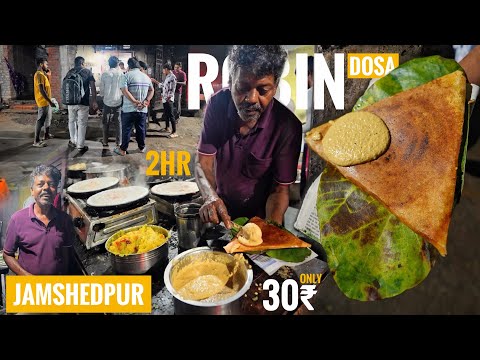
Indian Food Explorer 250 Dosa Sell in 2 Hr - Jamshedpur Famous Robin Dosa Only 30₹/- | Indian Food Explorer
-
Gypsy Bong Jamshedpur Food Tour EP3 | Teen Koniya Hotel | Manohar Chaat | Balbir Fried Chicken | Surendra Litti
-
EXPLORE YRS Jamshedpur city tour | Steel city of Jharkhand | टाटानगर जमशेदपुर 2023 🌱🇮🇳
-
Nabila Shadan Vlogs Jamshedpur Famous Street Food | Bistupur | Sakchi | Jharkhand Street Food Tour | Jamshedpur Vlog


Frequently asked
Is Jamshedpur worth visiting?
Yes, if you want to taste India's best chilli pork inside a 1935 Parsi café and walk a planned steel city that shuts by 10 PM. The mix of Tribal, Bengali, South-Indian and Hakka-Chinese cultures inside one compact grid is unlike anywhere else in Jharkhand.
How many days in Jamshedpur?
Two full days cover the essentials: Jubilee Park zoo at sunrise, Bistupur food crawl (Madrasi Hotel → Café Regal → Frank's), evening street food outside Jubilee Park, and a half-day trip to Dalma hills or Dimna Lake. Add a third day if you're a serious birder or want slower park evenings.
What is the best way to reach Jamshedpur?
Take the train to Tatanagar (direct Rajdhani from Delhi, Shatabdi from Howrah) unless you've confirmed a live IndiaOne Air flight into tiny Sonari Airport. From Ranchi airport, a pre-paid taxi costs ₹1,600–2,000 and takes 2.5 hours on NH43.
Is Jamshedpur safe for solo female travellers?
Generally yes, especially in Tata-planned areas like Bistupur and Sakchi where street lighting is good and traffic police booths stay open till late. Avoid walking alone on dark stretches of Marine Drive or Mango-Dimna Road after 10 PM; book an auto by phone instead of hailing.
Can I use UPI payments as a foreign tourist?
Yes, but only through the official RBI-approved 'UPI One World' wallet that you set up with passport KYC at airport kiosks or select banks. International banking apps won't scan local QR codes; carry ₹500 in small notes for autos and street food.
Where do locals actually eat breakfast?
Madrasi Hotel (1935) for upma-filled dosas and filter kaapi, or Vijay Dosa cart outside Gopal Maidan for ₹40 paper-thin crisp dosas served on banana leaf. Arrive before 9 AM; tiffin sells out fast.
Pick up where you left off
Saved and recently read places — kept on this device only.
Photo credits (6)
- Sound Designer S.K Pramanik — Pexels License (https://www.pexels.com/license/) — Source: https://www.pexels.com/photo/36668339/
- Arpan Ganguly — Pexels License (https://www.pexels.com/license/) — Source: https://www.pexels.com/photo/36761697/
- Sound Designer S.K Pramanik — Pexels License (https://www.pexels.com/license/) — Source: https://www.pexels.com/photo/36668353/
- Jatin kumar Naik — Pexels License (https://www.pexels.com/license/) — Source: https://www.pexels.com/photo/16758674/
- Priyanshu Singh — Pexels License (https://www.pexels.com/license/) — Source: https://www.pexels.com/photo/35424480/
- Shantum Singh — Pexels License (https://www.pexels.com/license/) — Source: https://www.pexels.com/photo/34968151/
Photos may have been resized or cropped.