
Early Origins and Foundation
The Abbey of Saint-Remi’s roots stretch back to the 6th century. It is named after Saint Remigius (Saint Rémi), the bishop of Reims celebrated for baptizing Clovis, King of the Franks, in 496—a seminal event marking the Christianization of France and cementing Reims as the spiritual capital of emerging nation (worldheritagesites.net). The original chapel was constructed over Saint Remigius’s tomb, quickly becoming a sacred pilgrimage site (encyclopedia.com).
Medieval Growth and Benedictine Reform
By the late 8th century, the abbey adopted the Benedictine rule under Archbishop Tilpin, aligning with broader Carolingian reforms. Royal and noble endowments enabled the abbey to gain considerable wealth and influence, with its monks holding prominent ecclesiastical positions and overseeing numerous priories (encyclopedia.com). Throughout the Middle Ages, the abbey flourished as a center of religious authority and learning.



Architectural Development
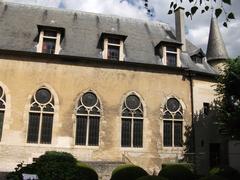
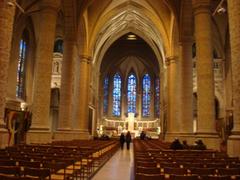
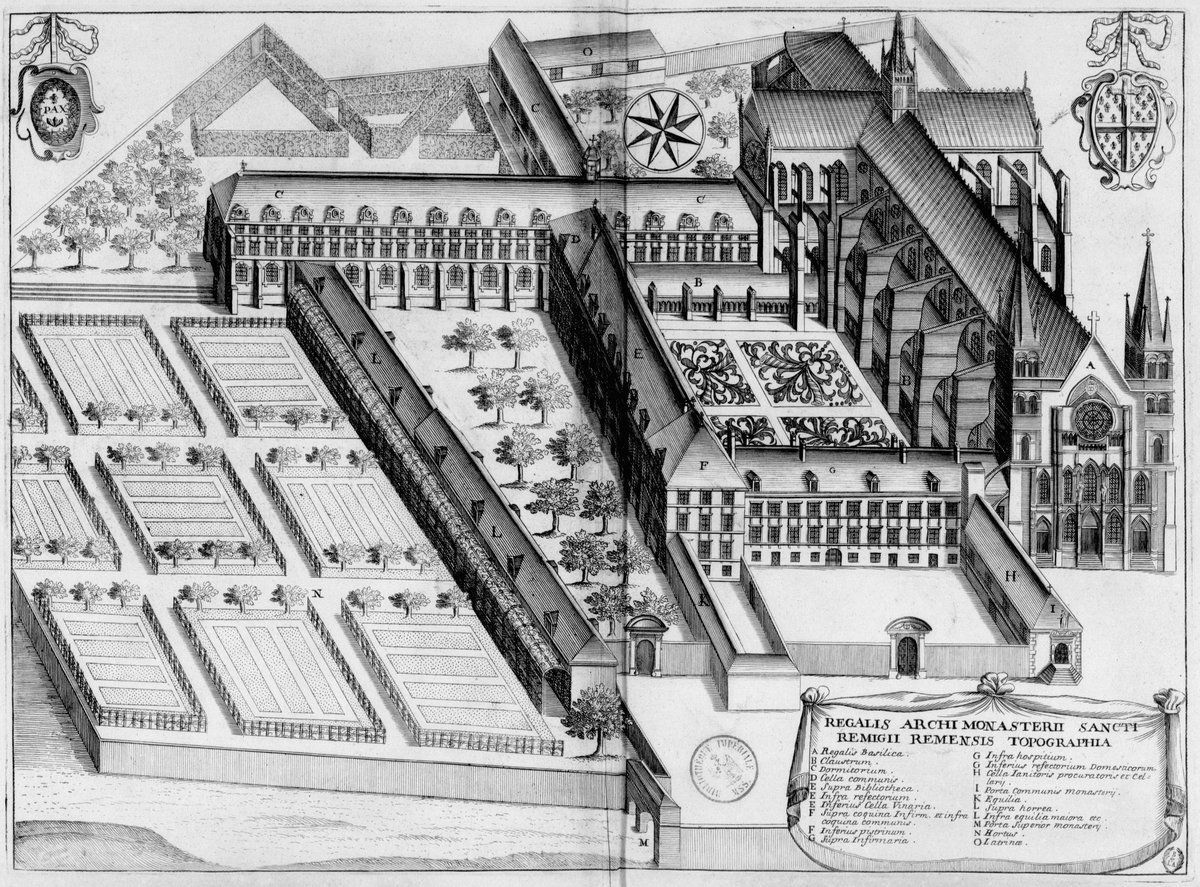
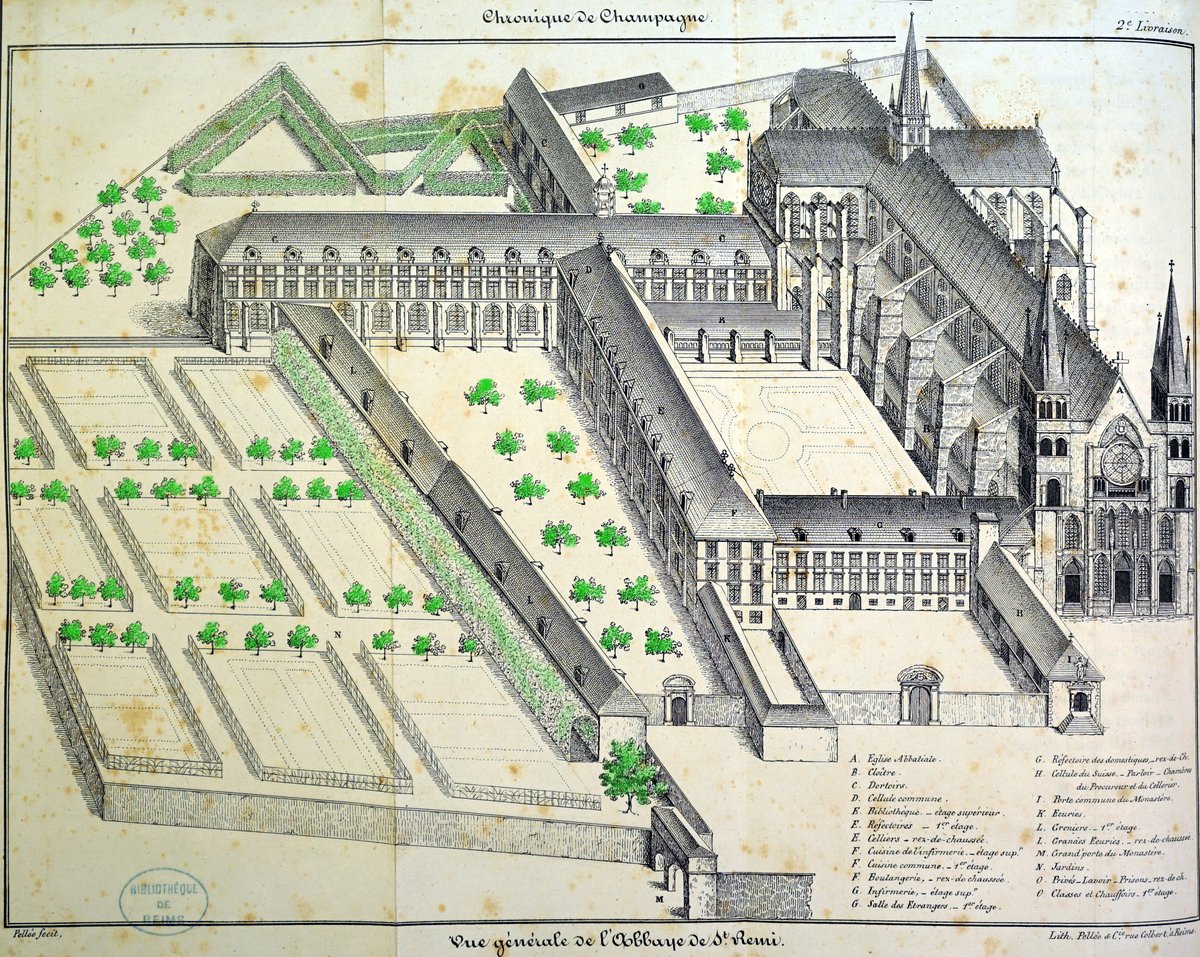
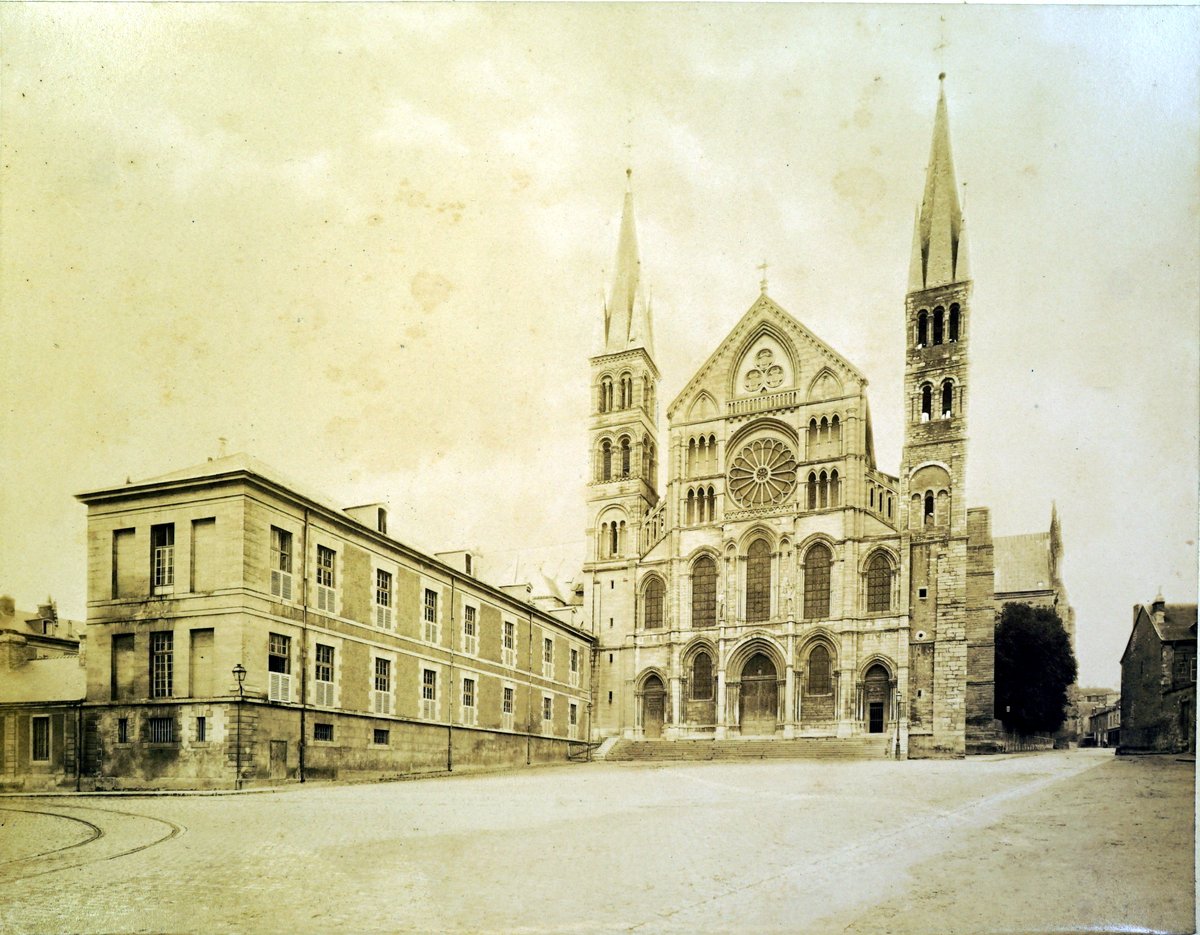
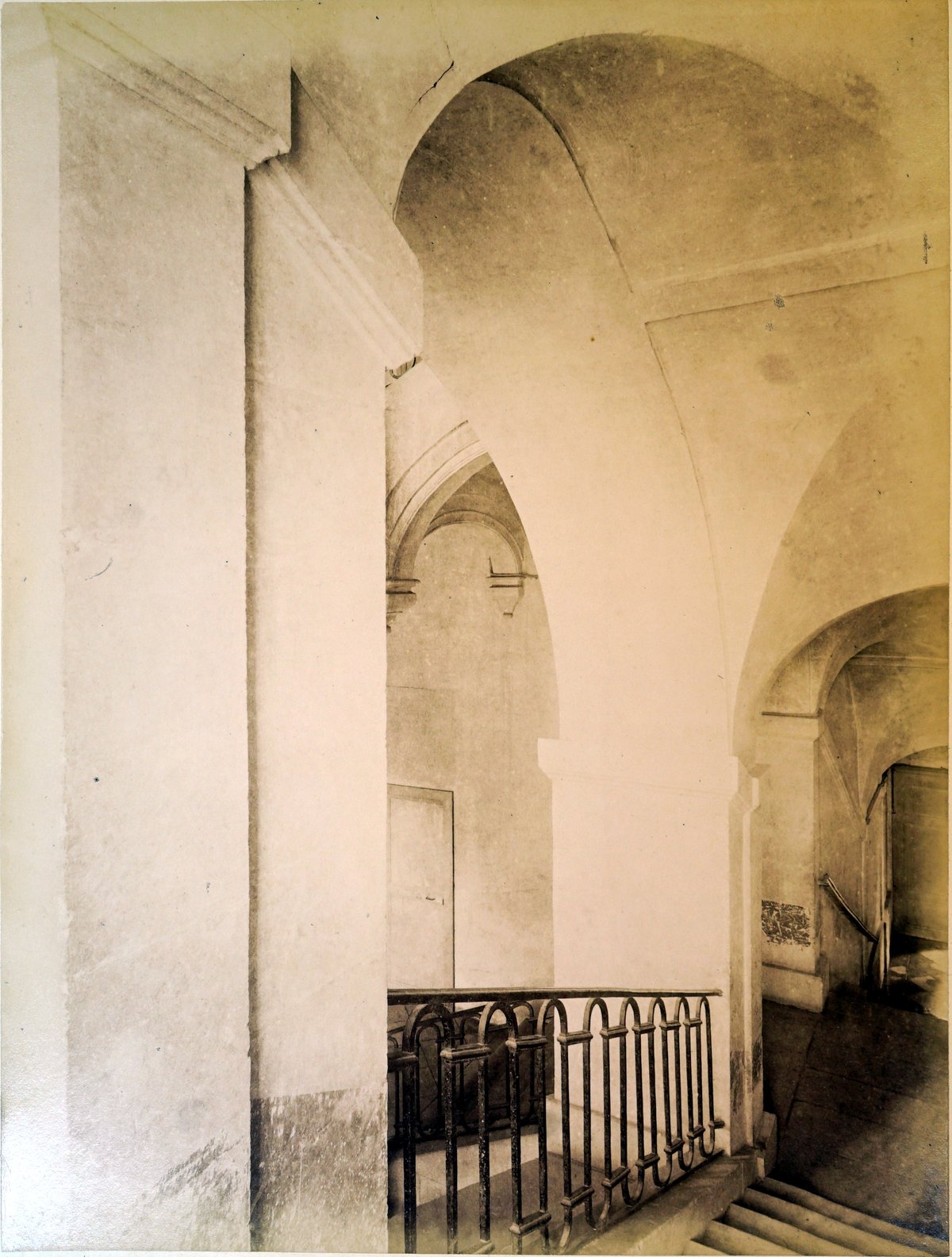
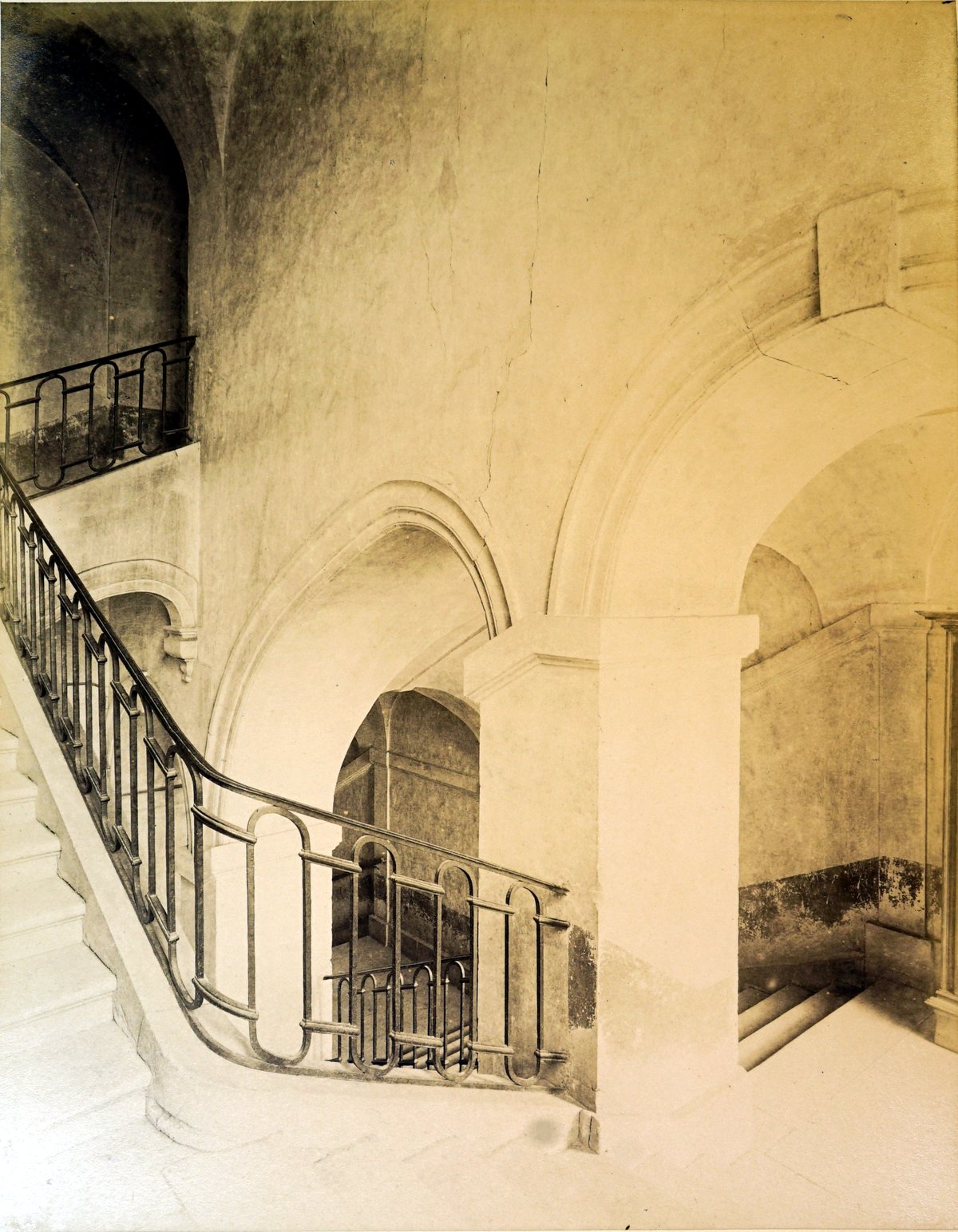
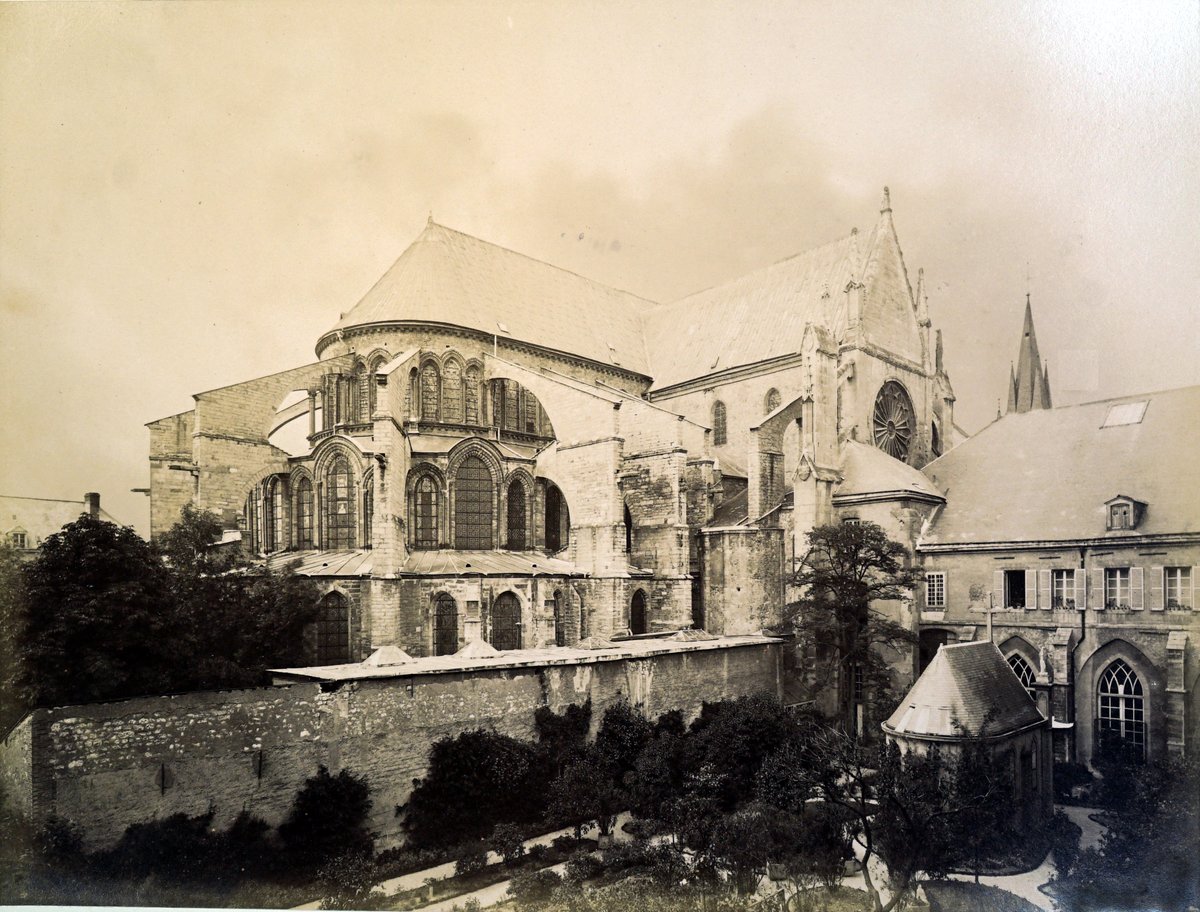
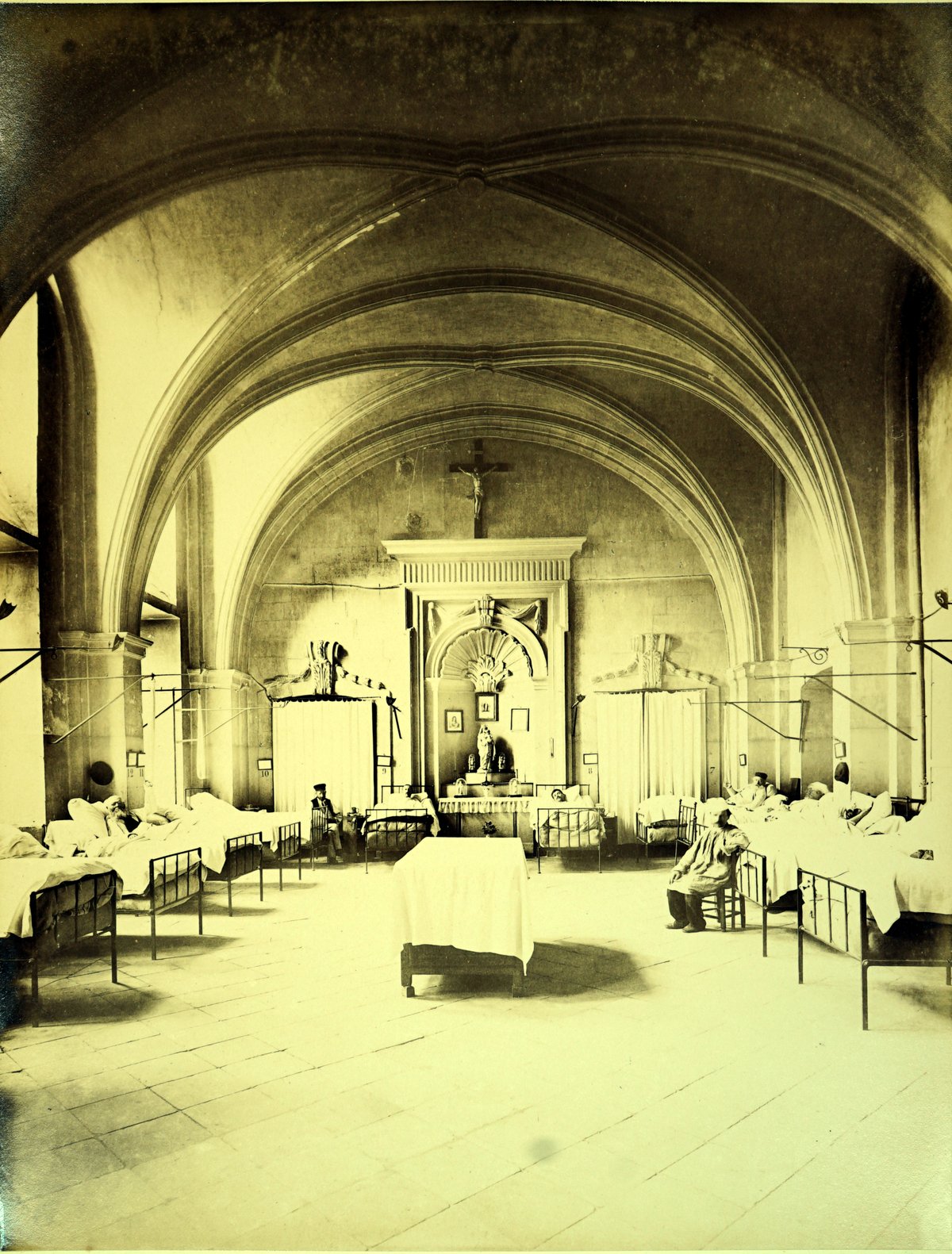
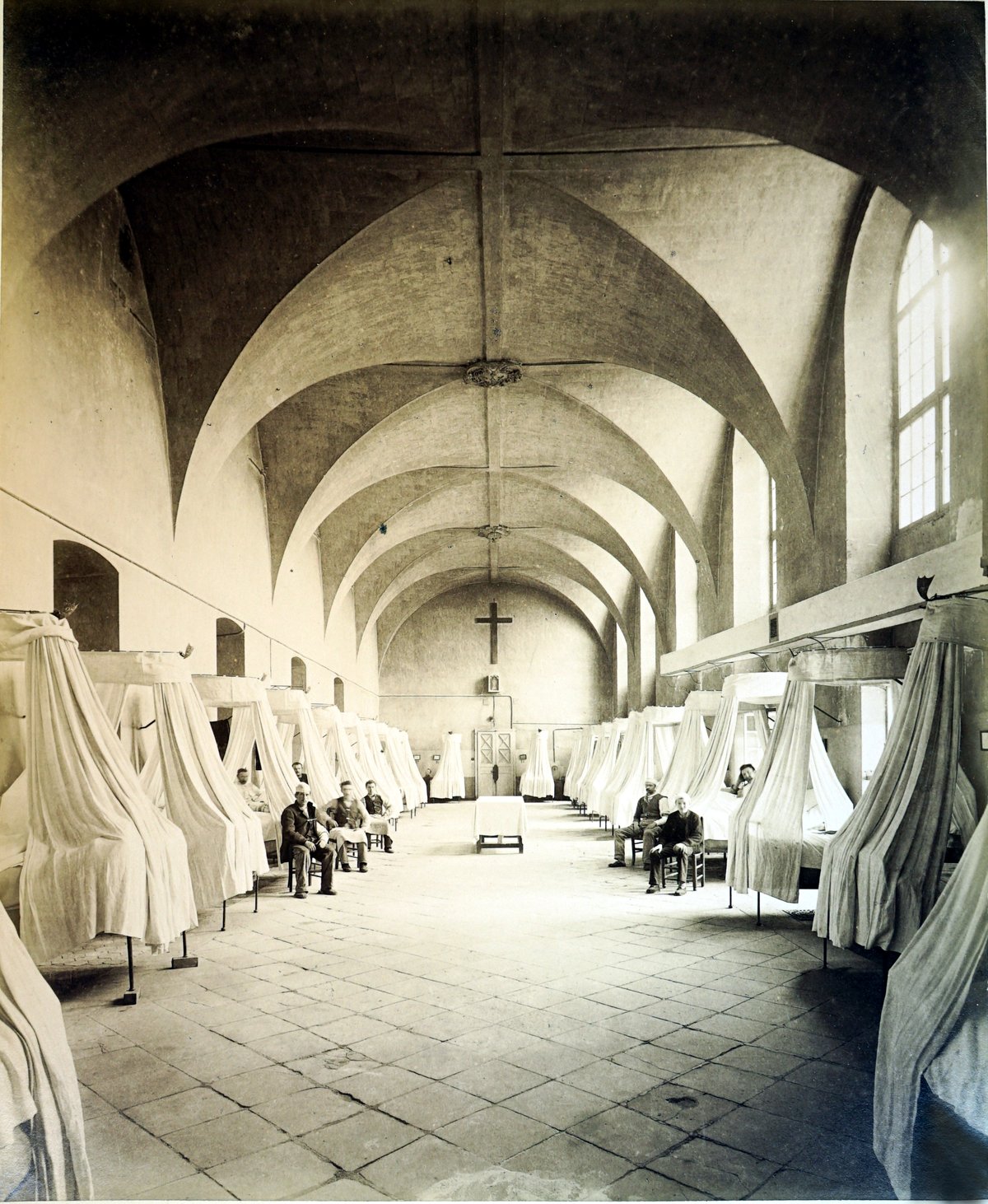
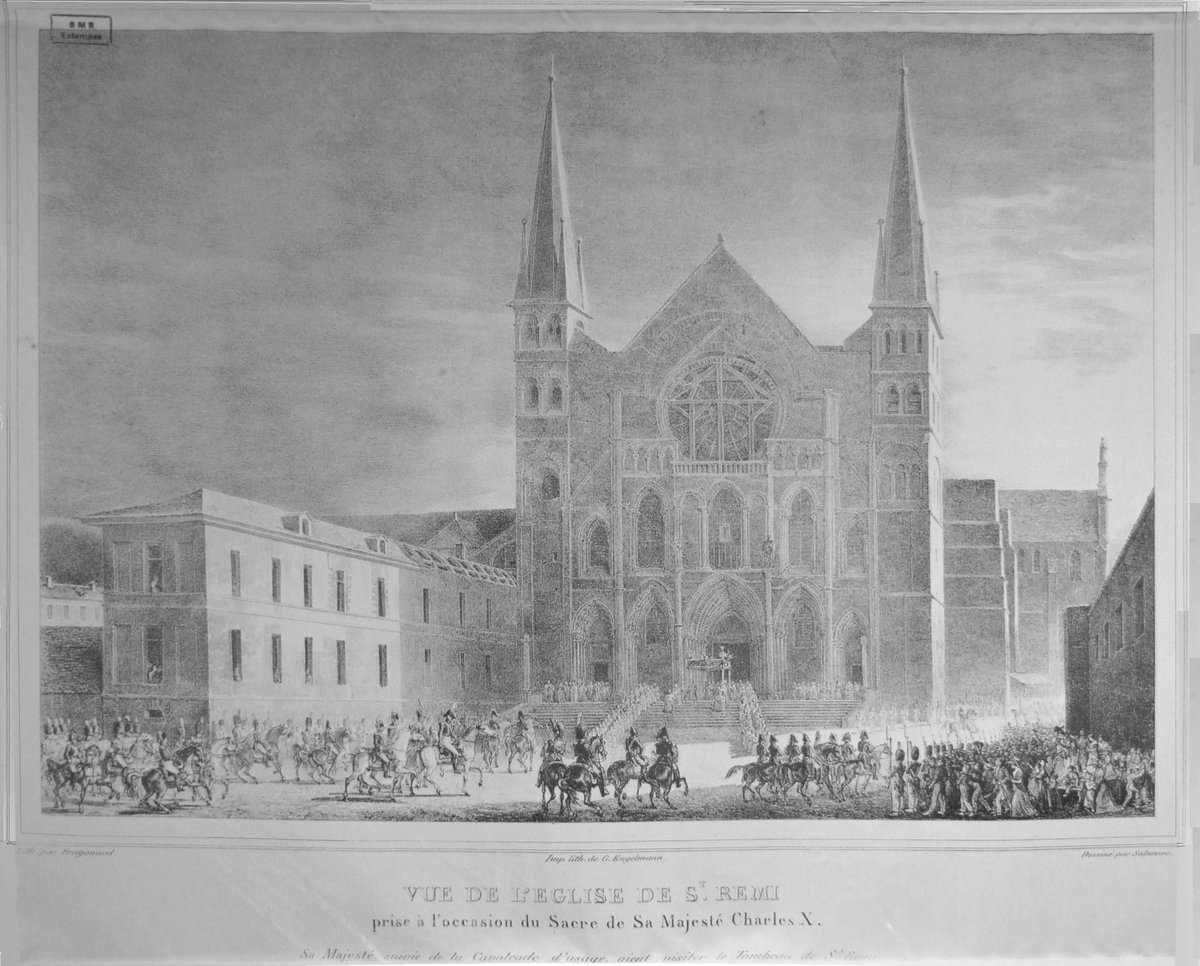
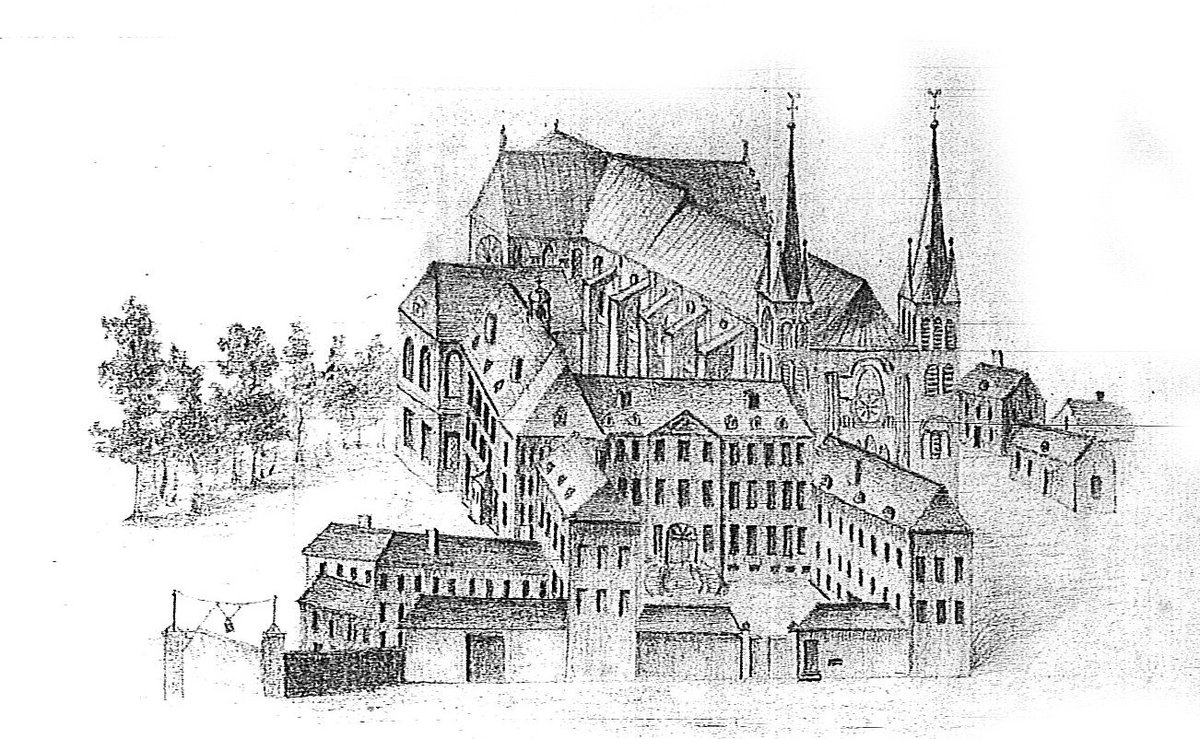
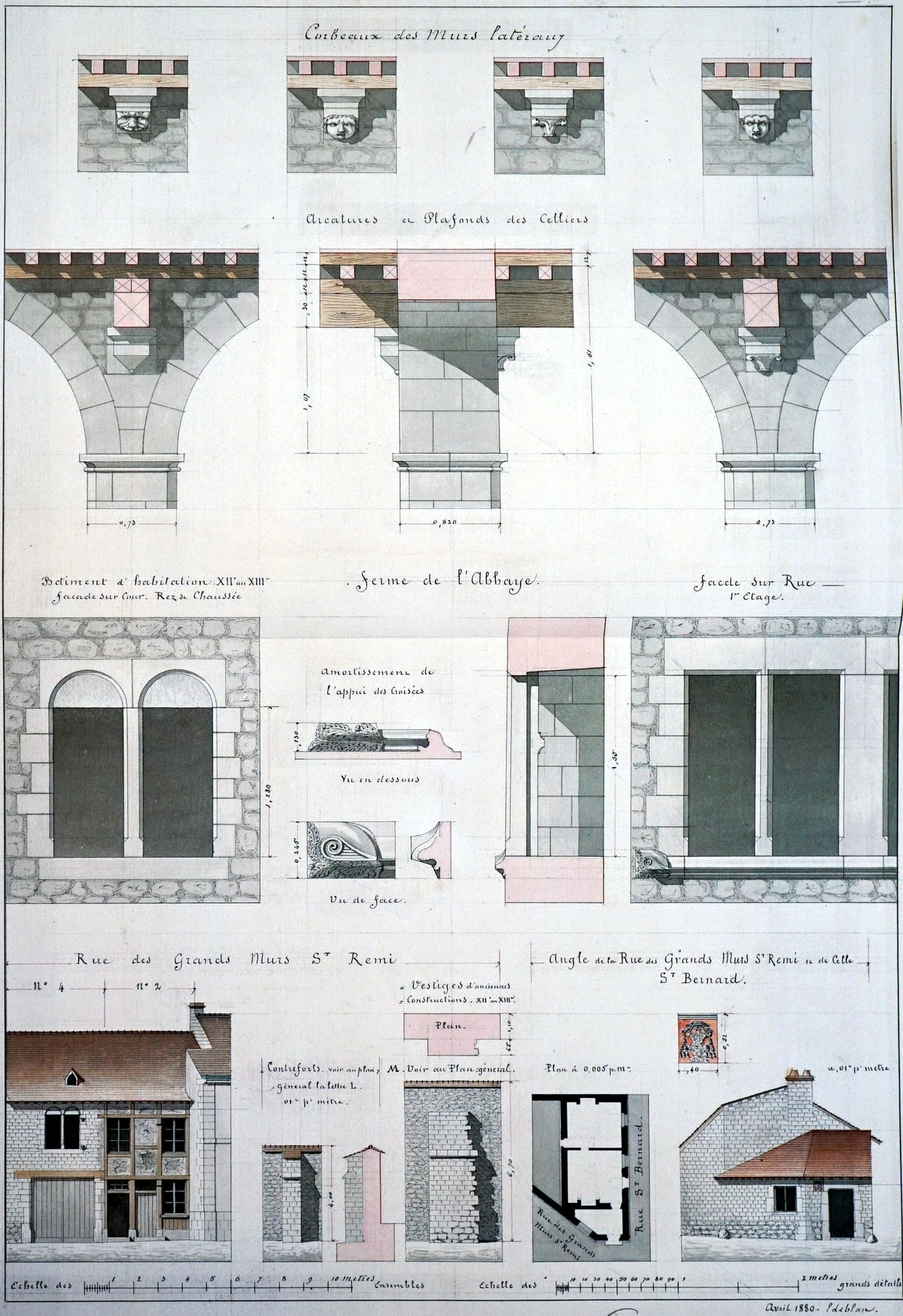
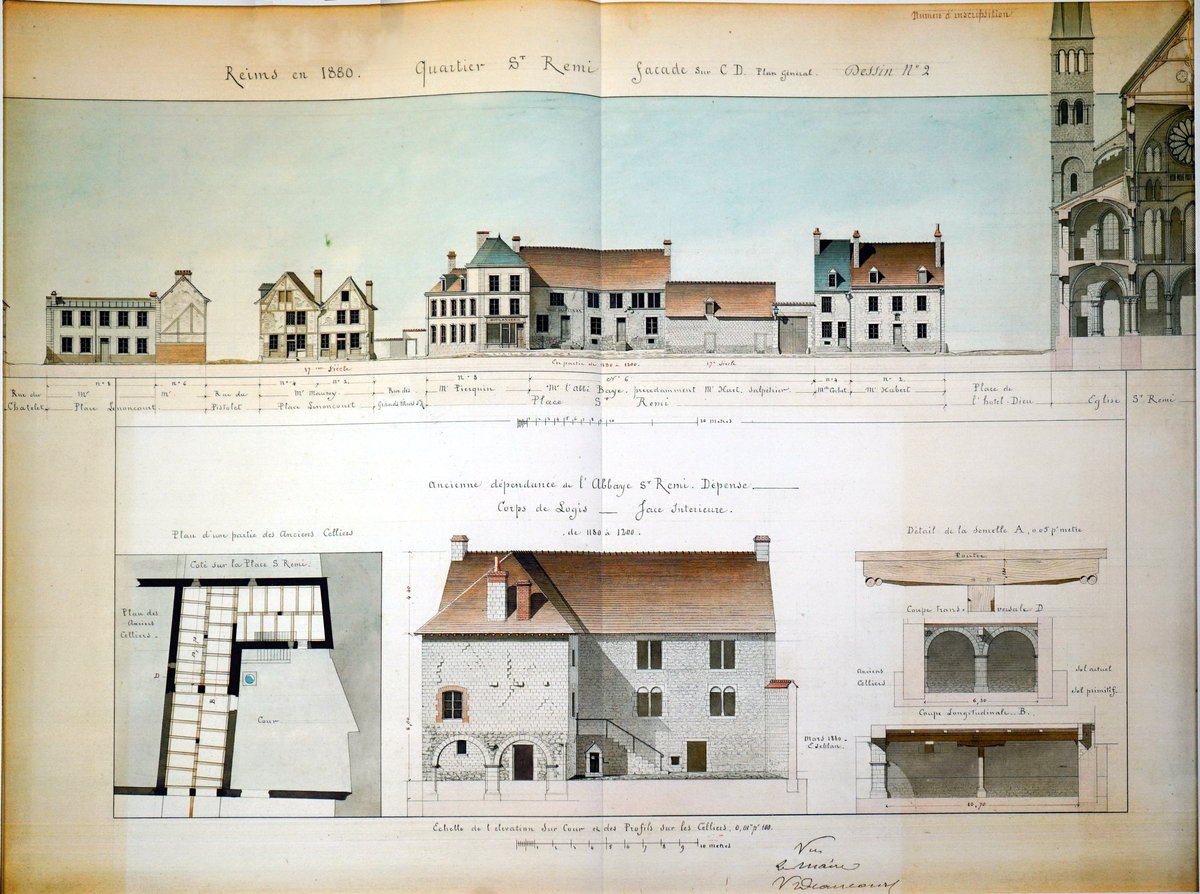
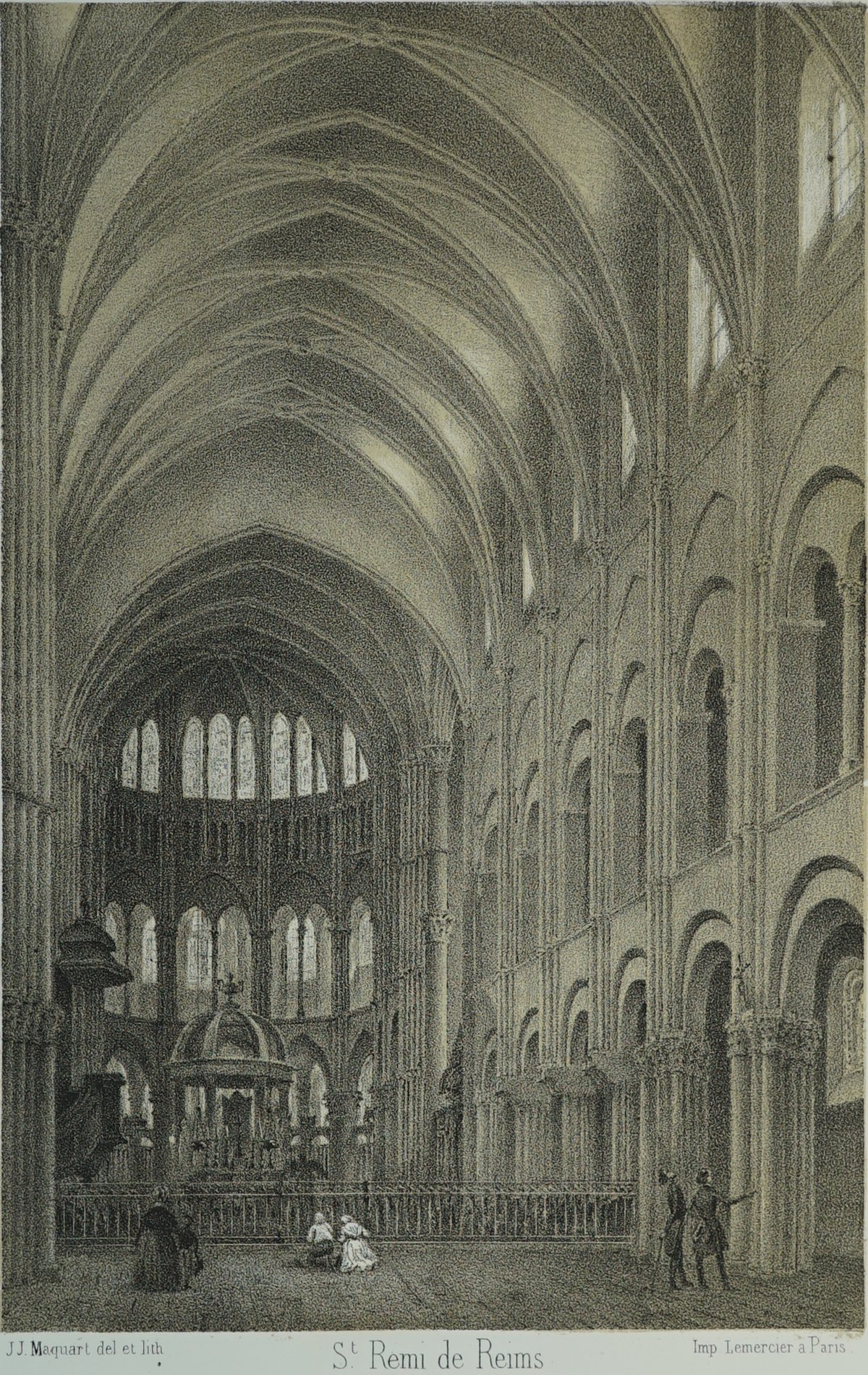
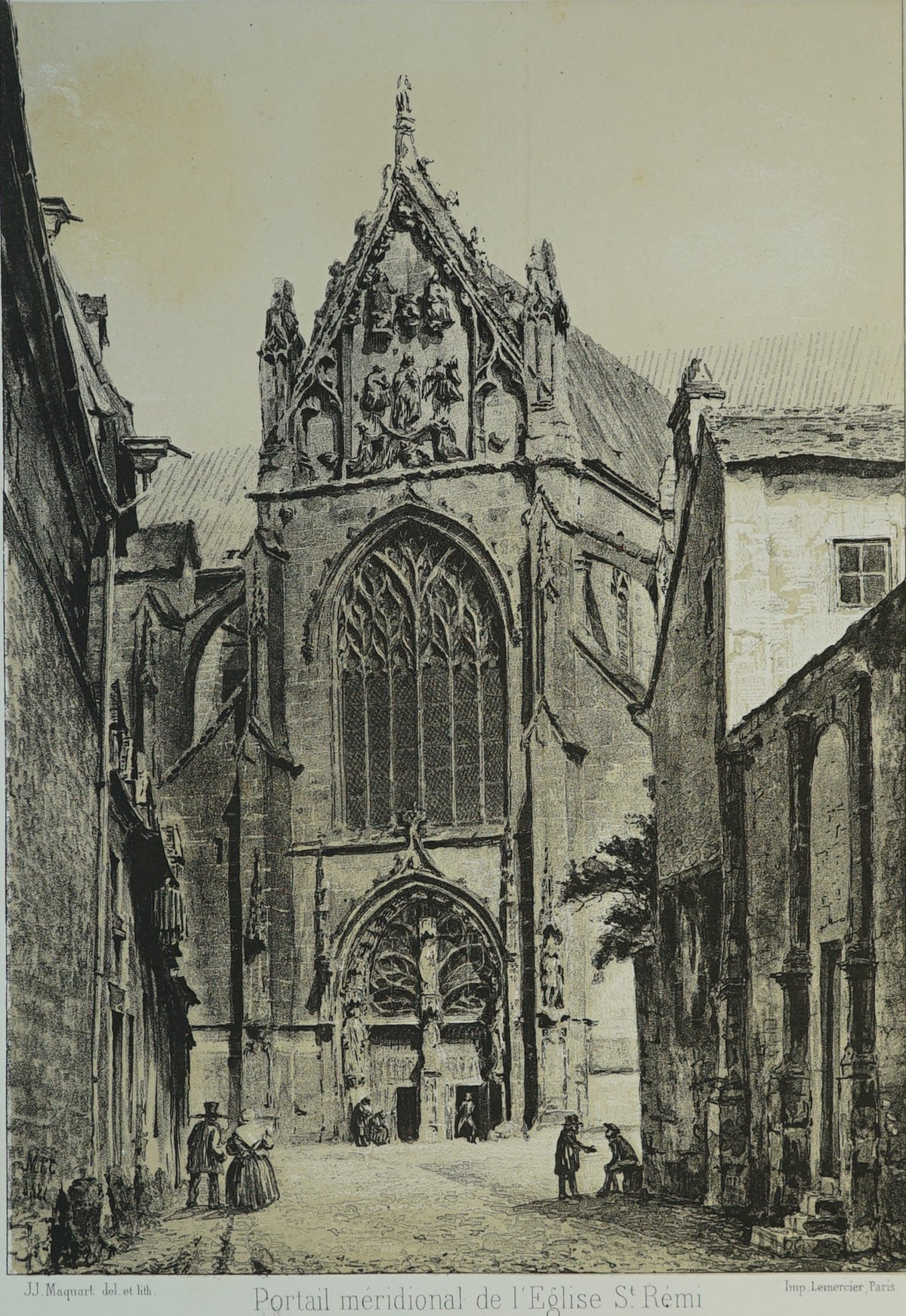
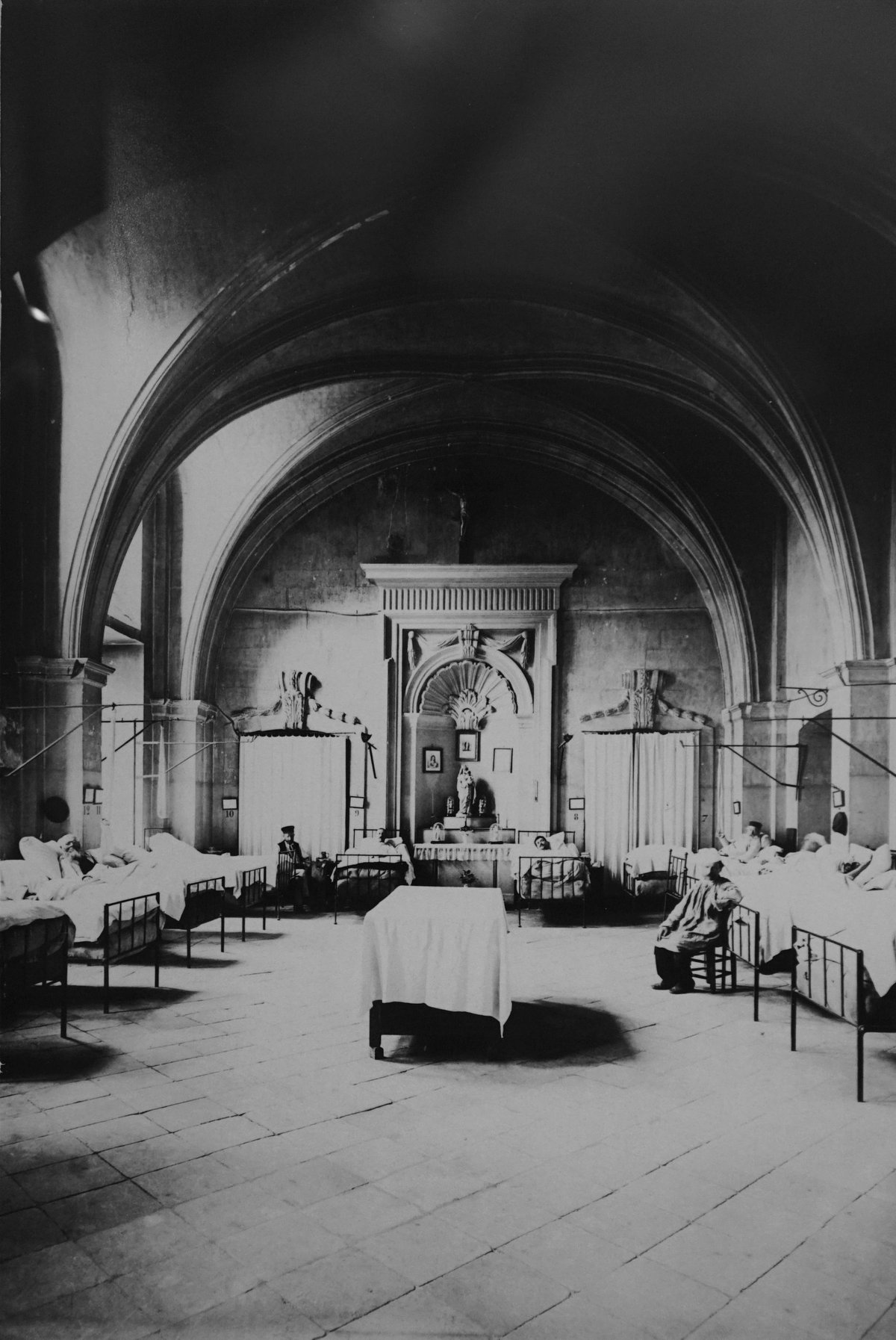
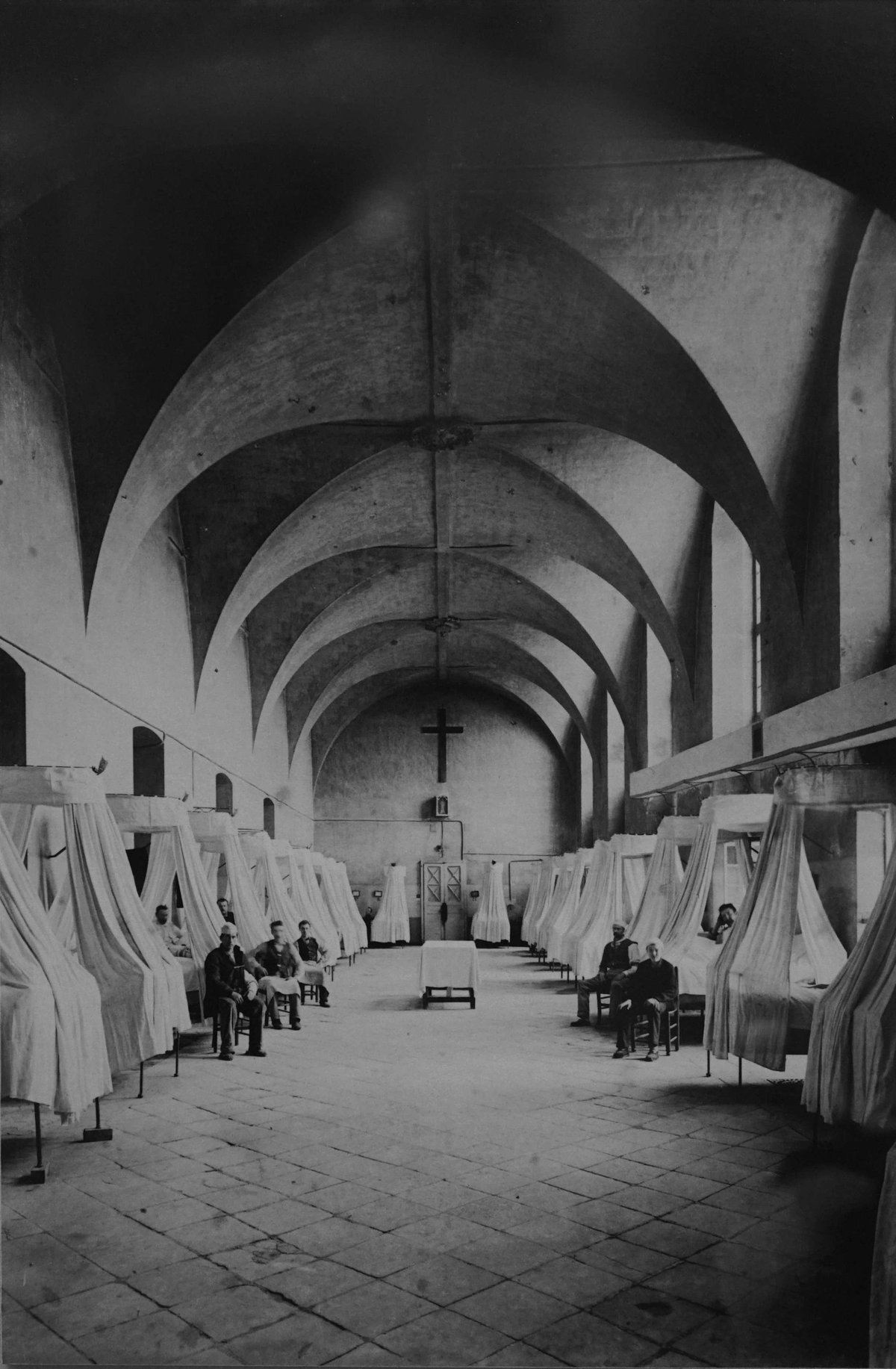
The Abbey of Saint-Remi’s basilica, constructed from 1005 to 1170, is the largest Romanesque structure in northern France, later enriched by Gothic additions (whc.unesco.org). Its vast nave and harmonious blend of Romanesque and Gothic styles reflect both the abbey’s spiritual significance and its status as a royal foundation.
Key Features:
- 126 meters long, 28 meters high
- Romanesque nave with rhythmic arches and columns
- Early Gothic choir and apse with ribbed vaults and large windows
- 12th-century stained glass windows, among the oldest in France
- Tomb of Saint Remi, a focal point for pilgrims
Royal Connections and the Holy Ampoule
The abbey’s most notable relic is the Holy Ampoule (Sainte Ampoule), believed to contain sacred oil used in the baptism of Clovis and the subsequent coronation of French kings (france-voyage.com). This vial, housed at Saint-Remi, became central to royal anointing ceremonies, reinforcing the divine legitimacy of France’s monarchs (whc.unesco.org).
Intellectual and Cultural Influence
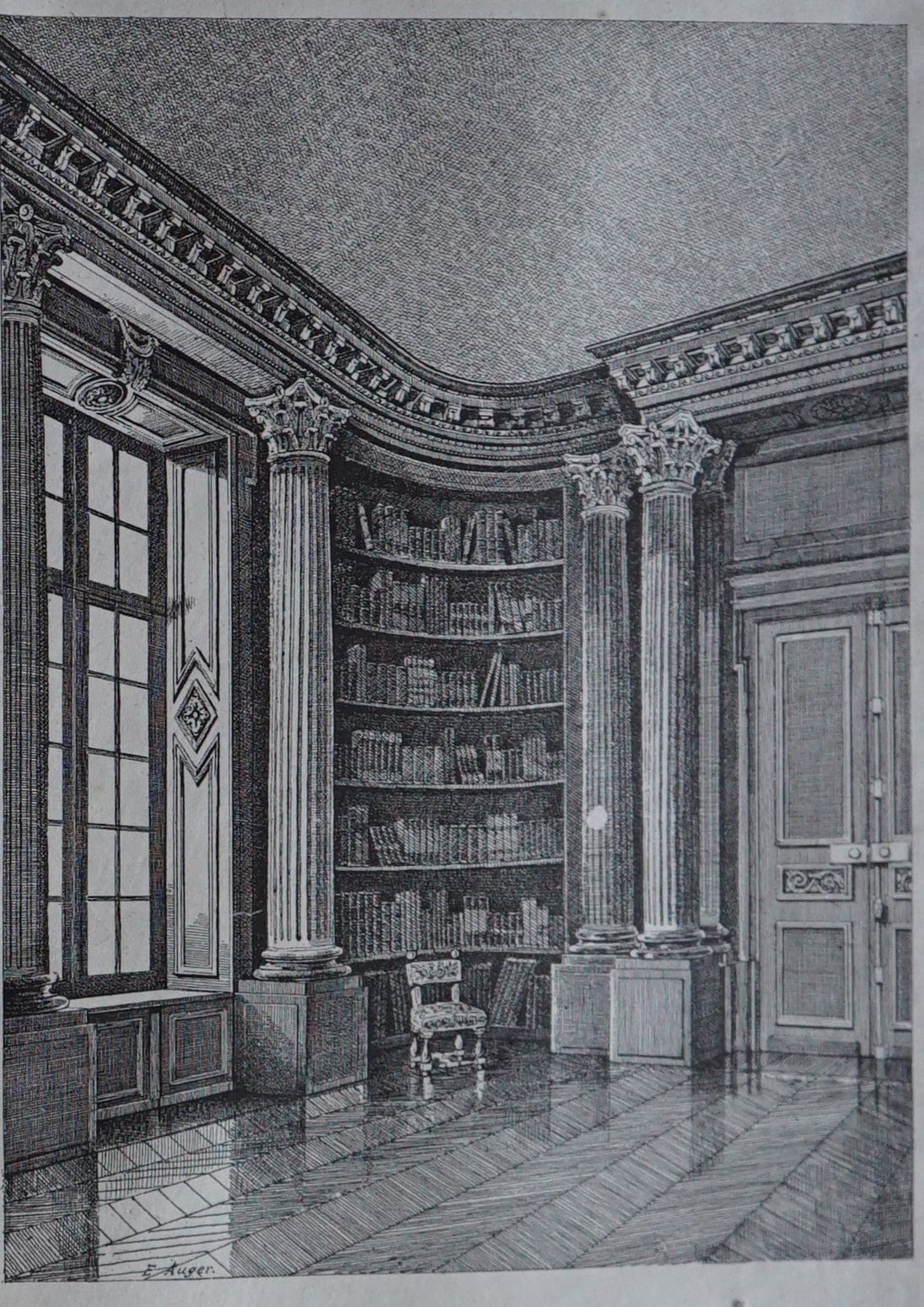
Saint-Remi was renowned for its medieval library and scholars such as Flodoard and Remigius of Auxerre. Although a fire in 1774 destroyed many manuscripts, the abbey’s reputation as a center of learning and culture remains celebrated (encyclopedia.com).
From Conflict to Heritage Site
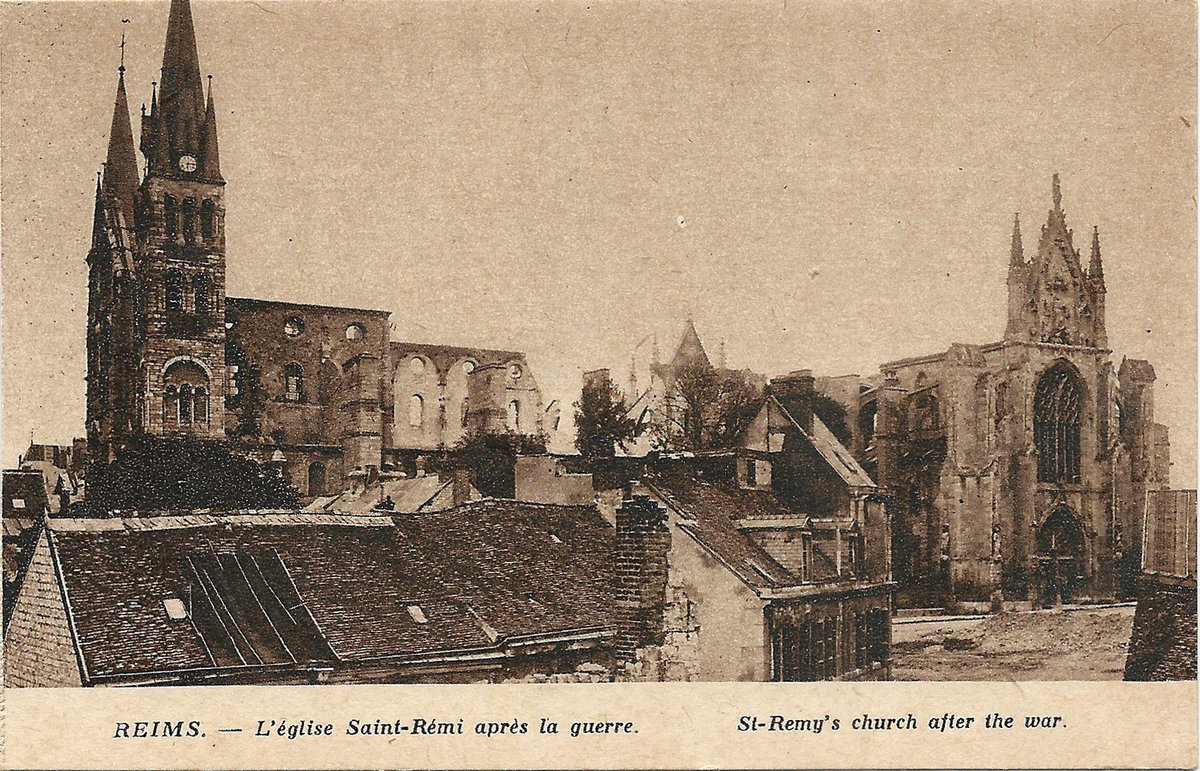
The abbey’s history also includes periods of tension, notably with the archbishops of Reims in the 13th century, prompting it to seek royal protection. It joined the Congregation of Saint Maur in 1627, emphasizing scholarship and discipline. The French Revolution led to the dissolution of the monastic community, but the basilica survived as a place of worship and heritage. Restoration after wartime damage, especially under architect Henri Deneux in the 20th century, set a benchmark for historic preservation.
UNESCO World Heritage Status
In 1991, the Abbey of Saint-Remi, along with the Cathedral of Notre-Dame and the Palace of Tau, was inscribed on the UNESCO World Heritage list in recognition of its architectural innovation and historical significance (whc.unesco.org).
Visiting the Abbey: Practical Information
Visiting Hours
- Basilica: Open daily from 9:30 AM to 6:00 PM (last entry at 5:30 PM).
- Closed: January 1, May 1, and December 25. Check for any additional closures or special event schedules on the official tourism site.
Tickets and Entry
- Basilica: Free admission for all visitors (Eupedia).
- Saint-Remi Museum: Open Tuesday to Sunday, typically 10:00 AM to 6:00 PM. Admission fees apply; discounts available for children, students, and with the Reims Epernay Pass (Reims Tourism).
Tours and Audio Guides
- Guided Tours: Available in French and English; book in advance, especially for groups. Guided tours for the basilica are free with the Reims Epernay Pass (Voyage Tips).
- Audio Guides: Available for rent on-site or via the Audiala app.
Accessibility
- Wheelchair Access: The basilica and museum are partially accessible, with ramps and adapted restrooms. Some historic areas, such as the cloisters, may be challenging.
- Restrooms: Available within the museum complex.
Facilities
- Cloakroom: Limited storage; large bags may not be permitted.
- Photography: Non-flash photography is allowed; tripods require prior permission.
Highlights and Events
- Luminiscence Show: A 50-minute immersive light and sound show in the basilica during summer evenings (Reims Tourism).
- Regular Mass and Concerts: Experience the basilica’s spiritual and acoustic ambiance.
Nearby Attractions
- Reims Cathedral (Notre-Dame de Reims) – UNESCO World Heritage Site, 10-minute walk
- Palace of Tau – Adjacent to the cathedral
- Musée des Beaux-Arts and Champagne houses
Travel Tips
- Best Times to Visit: Spring and early autumn for mild weather and fewer crowds.
- Getting There: 1.5–2 km from Gare de Reims; accessible on foot, by bus, taxi, or bicycle.
- Dining: Numerous cafés and restaurants within walking distance.
Frequently Asked Questions (FAQ)
Q: What are the Abbey of Saint-Remi’s visiting hours? A: Open daily from 9:30 AM to 6:00 PM; last admission at 5:30 PM. Closed on major holidays.
Q: Is there an entrance fee? A: Basilica entry is free; museum charges a fee (discounts available).
Q: Are guided tours offered? A: Yes, in French and English. Guided tours of the basilica are free with the Reims Epernay Pass.
Q: Is the site accessible for visitors with disabilities? A: The basilica and museum are partially accessible; contact the site for specific needs.
Q: Are photographs permitted? A: Yes, non-flash photography is permitted in most areas.
Q: Can I combine my visit with other Reims attractions? A: Absolutely. The cathedral, Palace of Tau, and Champagne cellars are all nearby.
Conclusion
The Abbey of Saint-Remi in Reims is much more than an architectural marvel; it is a living chronicle of France’s religious origins, royal traditions, and artistic evolution. From its founding in the early medieval period through its central role in the baptism of Clovis and the coronation of French monarchs, the abbey has shaped the spiritual and political landscape of the nation. Its vast basilica, with its harmonious melding of Romanesque solidity and Gothic elegance, stands as a beacon of historical continuity and resilience, having survived wars, revolutions, and restorations.
Visitors today can explore not only the sacred spaces housing Saint Remi’s tomb and the revered Holy Ampoule but also enjoy the adjoining museum’s rich collections, the serene gardens, and vibrant cultural events such as the acclaimed Luminiscence light shows. Practical amenities including guided tours, accessible facilities, and convenient location within Reims make the abbey an accessible and enriching destination for all. By combining a visit to the Abbey of Saint-Remi with nearby UNESCO sites like the Reims Cathedral and the Palace of Tau, travelers can immerse themselves fully in the historical and cultural tapestry of the region.
For those planning a visit, leveraging resources such as the Reims Epernay Pass and downloadable audio guides enhances the experience. The abbey’s ongoing preservation efforts and its status as a UNESCO World Heritage Site ensure that this remarkable monument will continue to inspire and educate future generations. Discover more about this historic landmark and plan your visit through reliable sources such as Reims Tourism and worldheritagesite.org. Embrace the opportunity to connect with France’s rich heritage at the Abbey of Saint-Remi, a must-see destination in Reims.
Additional Resources
- Official Reims Tourism – Abbey of Saint-Remi
- Voyage Tips – Things to Do in Reims
- Eupedia – Saint Remi Basilica
- TripHobo – Abbey of Saint Remi
- The Tourist Checklist – Things to Do in Reims
- WorldHeritageSites.net
- France-Voyage.com
- WorldHeritageSite.org
Plan Your Visit
Download the Audiala app for audio guides and up-to-date information on the Abbey of Saint-Remi and other Reims sites. Follow us on social media for travel tips, event updates, and more inspiration for exploring France’s remarkable heritage.