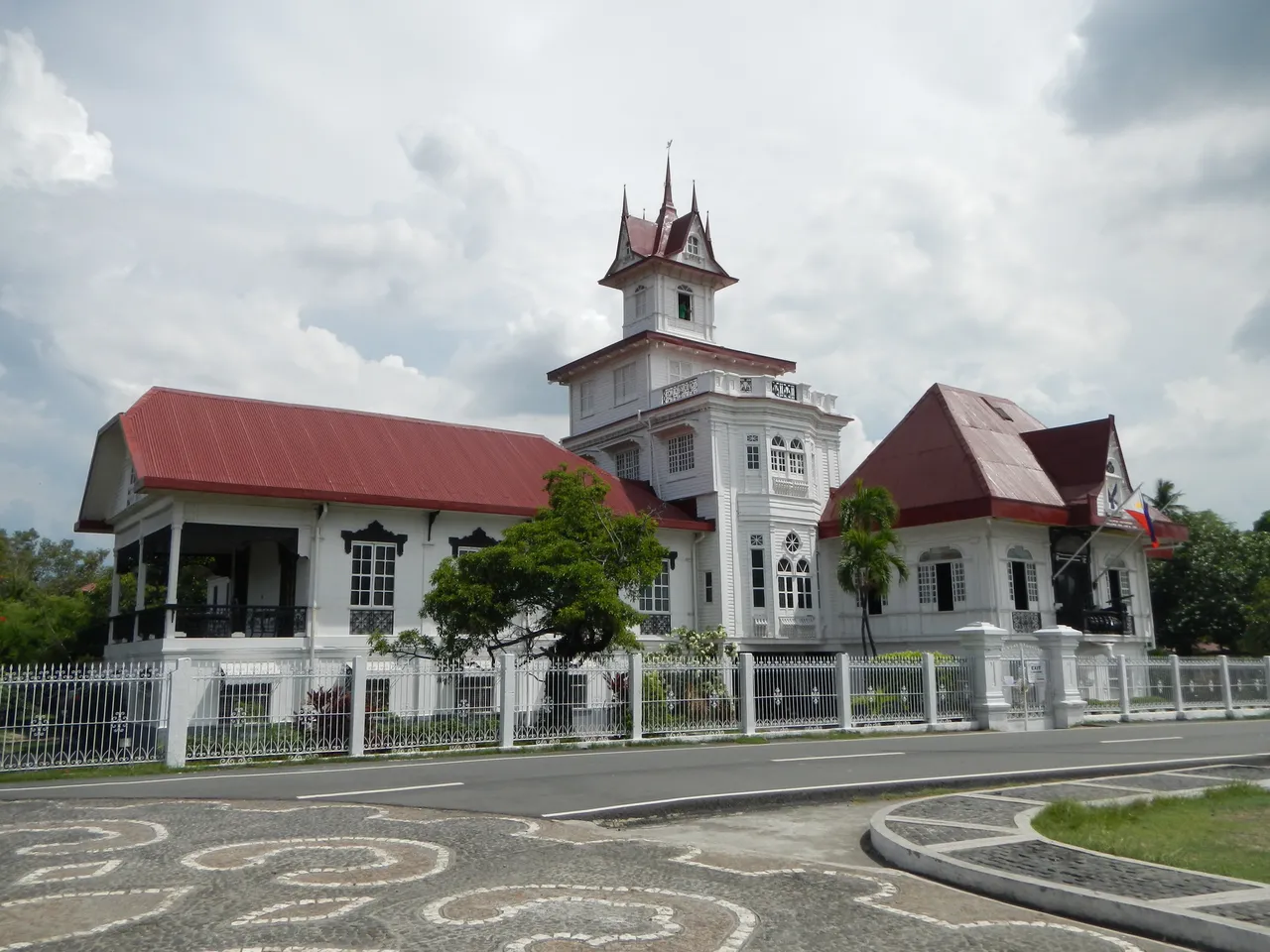
Place
Philippines 更新于 Mar 2026
The first surprise in General Trias is the smell of valenciana before you even see the church bells: garlic, coconut milk, and annatto rice drifting out of carinderias near the old core. In General Trias, Philippines, daily life moves between a centuries-old plaza-church rhythm and fast-rising townships with bike trails and glass offices. You come expecting a quick Cavite stopover, then realize the city quietly holds one of the country’s most layered revolutionary backstories.
 图片: Ramon FVelasquez · CC BY-SA 3.0
内容来自注明出处的资料 · 查看方法 · 我们如何制作导览 →
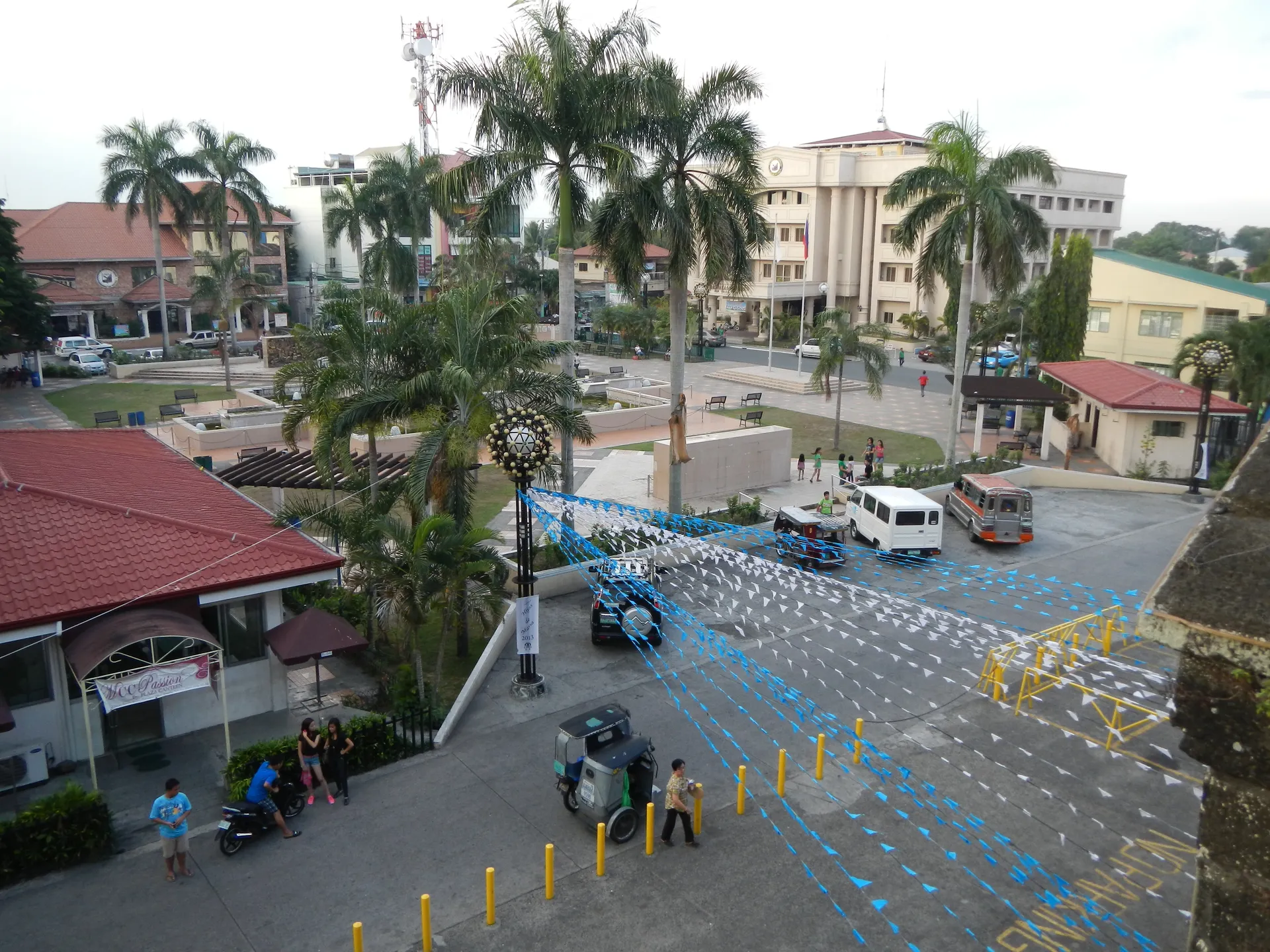
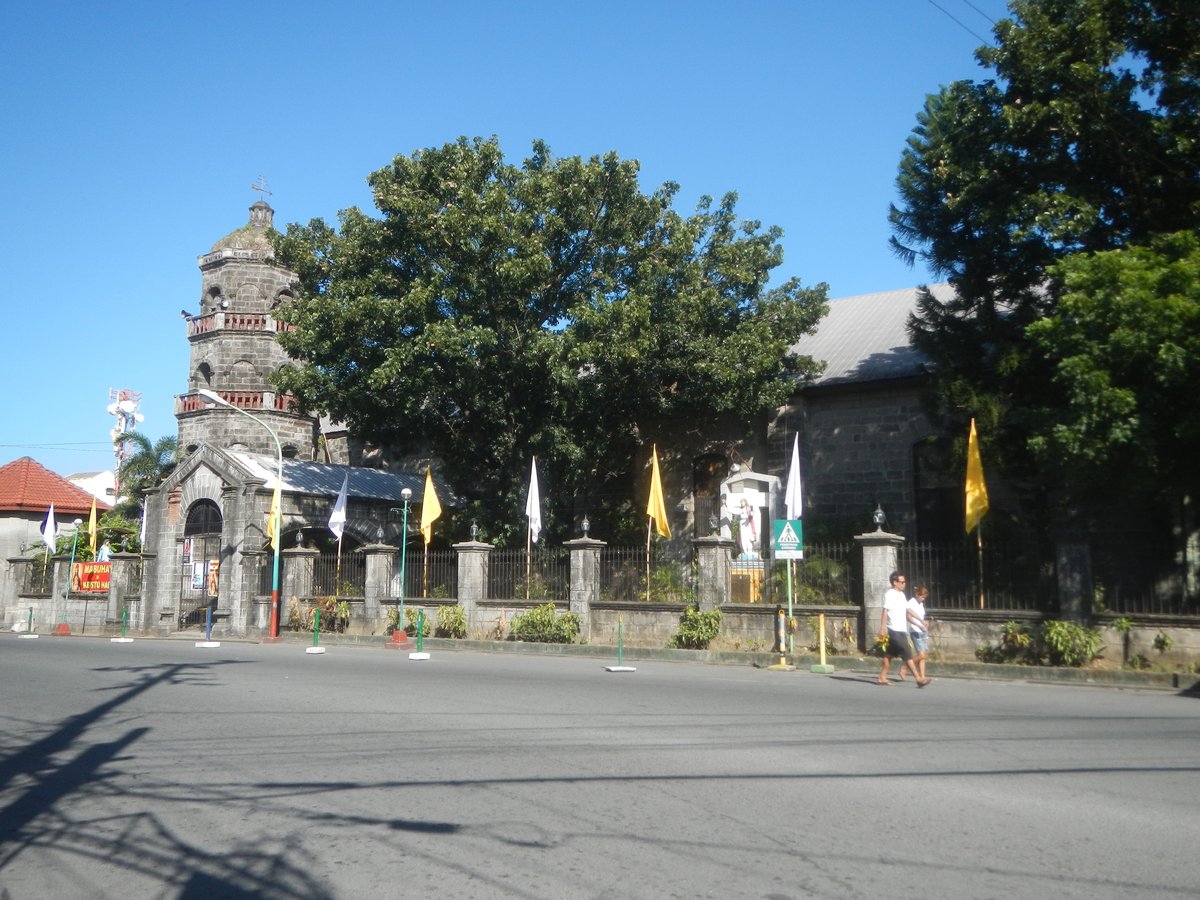
Start in the historic center, where San Francisco de Malabon Parish Church still anchors local time and memory. This was once San Francisco de Malabon, renamed in 1920 for General Mariano Trias, and the revolutionary thread is not decorative here: the Tejeros Convention story, NHCP markers, and church-plaza civic life all sit close enough to walk in one humid afternoon. Plaza Rizal is less postcard set piece than working stage, with tricycles, schoolkids, and parish announcements sharing the same air.
Then the city turns intimate and edible. General Trias expresses identity through food more than through formal museums: valenciana around Bagumbayan and the public market, carabao-milk products from GenTri’s Best, pastillas, bagoong, and festival kitchens that get louder every October 4 for the town fiesta and again around December 11-13 for the Valenciana Festival. These dates matter because the streets change character, from commuter routes into procession paths and performance spaces.
What changes your understanding is how confidently old and new sit together. In one direction you have church stone, local markets, and neighborhood parks; in another, Maple Grove’s 140-hectare plan, Riverpark’s leisure corridors, and the polished orbit of Bayleaf and Eagle Ridge in Javalera. General Trias is not chasing a single image of itself, and that is exactly why it stays interesting for more than a day.
不是每一座古迹,只有那些我们会亲自带你路过的。

按区漫步——每个街区都有自己的节奏。
出发之前
From mission outpost to revolutionary nerve center to one of Cavite’s fastest-growing cities
City history traces an early Franciscan chapel here in 1611, when the settlement was still a rural edge of Cavite Viejo’s orbit. The first church was less monument than anchor: bells, catechism, and weekly gathering in a landscape of fields and muddy roads. That pattern of parish-centered life never really disappeared.
By 1661, church records describe a priest already ministering in the settlement. That detail sounds small, but it signals continuity: regular sacraments, a stable flock, and a place no longer treated as a temporary mission stop. The town’s rhythm was becoming institutional, not improvised.
An NHCP town marker remembers 1720 as the town’s founding year, even though other official sources give later dates. That disagreement is part of General Trias history itself: memory here is layered, with civic, church, and national institutions preserving different clocks. Visitors still encounter this contested beginning in heritage narratives today.
City records place the formal establishment of the municipality of San Francisco de Malabon on December 13, 1748. The change gave the community a clearer civil frame: local officials, taxable boundaries, and a municipal seat. A loose settlement became a recognized town with administrative weight.
In 1753, the parish became an independent ecclesiastical unit, no longer just a dependency of another town. Parish autonomy meant local clergy decisions, local records, and stronger religious identity tied to St. Francis of Assisi. The spiritual map and the civic map began to overlap more tightly.
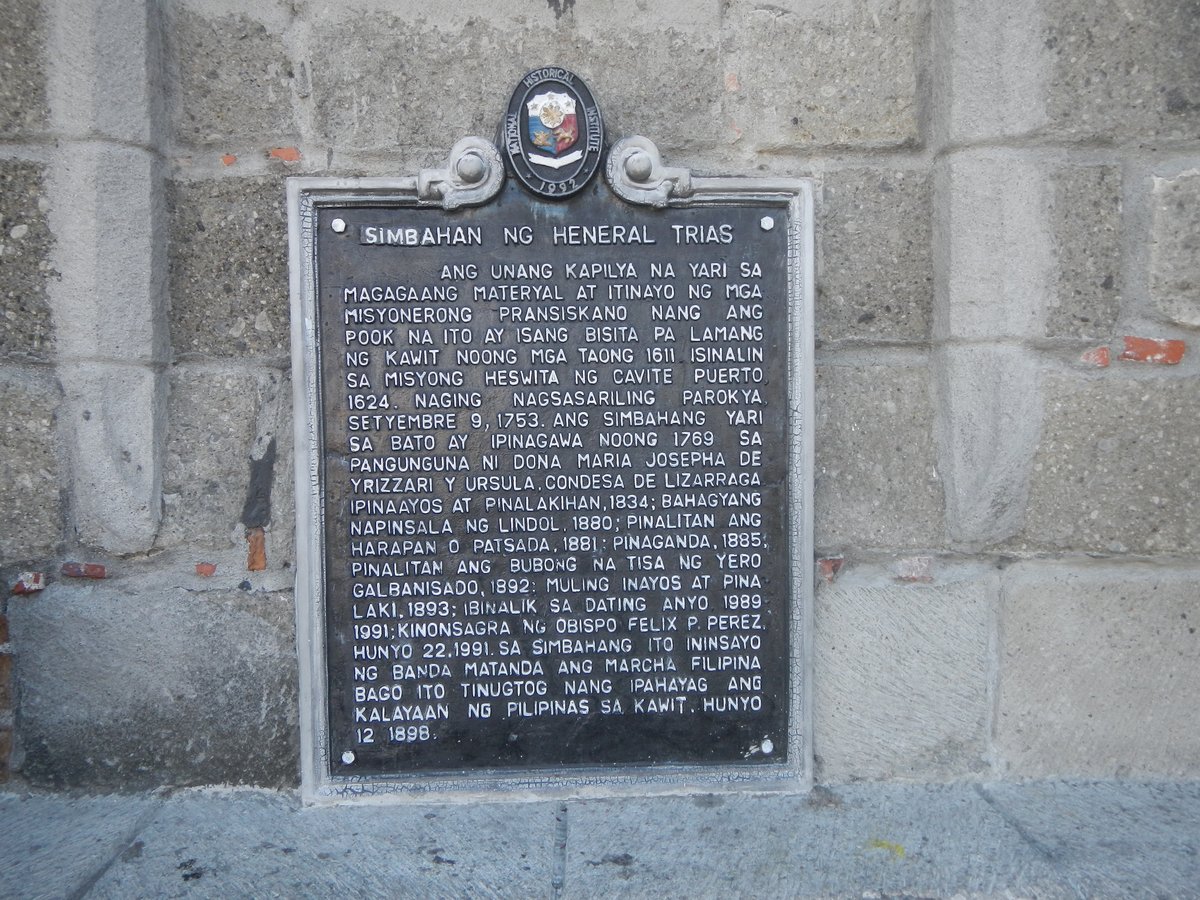
Tradition dates the first stone San Francisco de Malabon Parish Church to 1769. Coral stone, lime, and thick masonry replaced more fragile early structures, giving the town a durable visual center. The church became the long architectural thread connecting colonial years, revolution, and modern city life.
Doña Isabel Gomez de Cariaga purchased the Hacienda de San Francisco from the friars in 1788. Land ownership at this scale shaped rents, labor, and who held local influence over generations. Political debates in later centuries grew from these older patterns of land and power.
A Spanish census in 1818 counted 1,510 native families and 69 Spanish-Filipino families in the area. Behind those numbers is a town already dense enough to sustain markets, guild labor, and constant parish activity. San Francisco de Malabon was no backwater by this point.
The parish church was enlarged and restored in 1834 as population and devotion outgrew earlier space. More bodies under one roof meant more sound: brass bands in fiestas, processional drums, and long homilies carried through thicker walls. Architecture followed demographics.
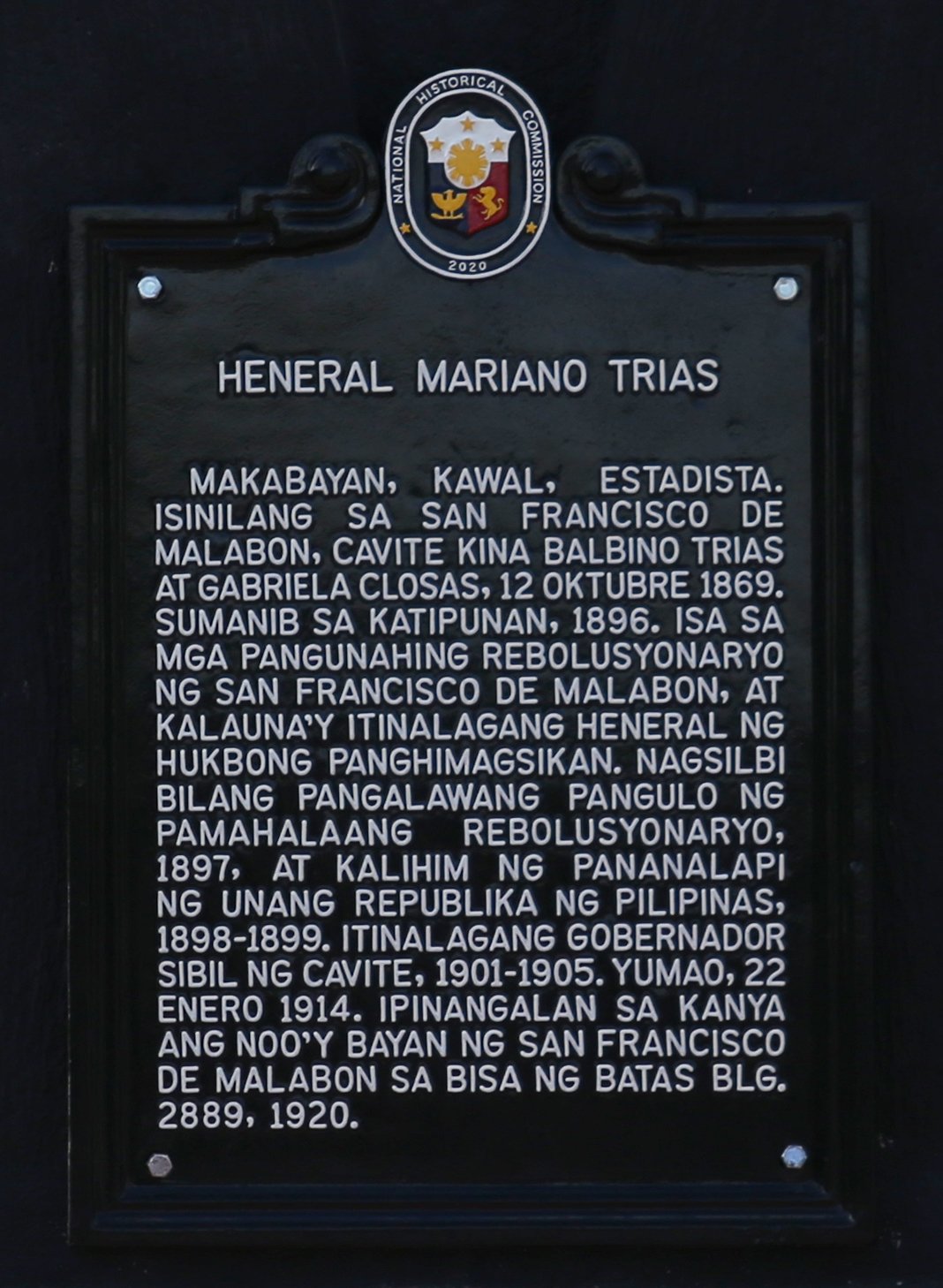
Mariano Trias was born in San Francisco de Malabon, and local memory later wrapped the town’s name around his own. He did not just pass through history from afar; he organized and fought from this Cavite ground during the revolution. The city’s present name is the clearest proof of that bond.
The great Luzon earthquakes of 1880 damaged the parish church, shaking masonry and forcing major repairs. Rebuilding in 1881 and later restorations showed a practical local instinct: preserve the symbol, but reinforce the structure. Disaster altered the church’s skin without erasing its role.
In 1892, the church roof shifted to corrugated galvanized iron for better earthquake resilience, followed by another enlargement in 1893. The change was technical and tactile: less brittle roofing, sharper rain noise, faster repairs. Even before the revolution, the town was adapting with modern materials.
Around 10:00 a.m. at Pasong Kalabaw (now Santa Clara), revolutionaries seized the town tribunal in what local history calls the First Cry of Cavite. By noon, action spread to Tierra Alta, and by afternoon to Cavite el Viejo. In one day of smoke, gunfire, and hurried signals, San Francisco de Malabon stepped into national rebellion.
NHCP marker tradition highlights Artemio Ricarte in recounting the 1896 victory linked to San Francisco de Malabon. He was not a native son, but his name is fused with the town’s revolutionary arc. General Trias remembers him as part of the command culture that turned local uprisings into coordinated war.
The Tejeros Convention met at the Casa-Hacienda of Tejeros, then within San Francisco de Malabon’s jurisdiction, and elected Emilio Aguinaldo president and Mariano Trias vice president. It was a loud, divisive pivot from Katipunan structure toward a formal revolutionary government. Few Cavite meetings carried consequences as lasting as this one.
Andres Bonifacio stayed in San Francisco de Malabon until the Tejeros confrontation, according to NHCP memory. Here, he moved between allies, assemblies, and growing political tension before the revolutionary split hardened. The town was one of the final stages of his political life, not just a backdrop.
Diego Mojica, tied closely to the town, is credited by NHCP with producing the first Tagalog translation of Rizal’s “Mi Ultimo Adios” and having it printed here in the revolutionary period. Ink and type made martyrdom legible to wider readers. In San Francisco de Malabon, literature became a weapon.
At Kawit’s independence proclamation, the Banda San Francisco de Malabon played the march that became “Lupang Hinirang.” Local accounts say rehearsal happened at the town church and convent before the ceremony. Brass, drums, and hot June air carried a town’s musicians into national memory.
After the Philippine-American War began in 1899, city history says Mariano Trias took major civilian and military responsibility in Southern Luzon while serving in government. The town’s revolutionary elite moved from anti-Spanish struggle into a harsher, longer conflict with a new imperial power. Leadership became as much negotiation as battlefield command.
American colonial administration passed Act No. 947, merging Santa Cruz de Malabon into San Francisco de Malabon and making the latter the seat. Boundaries were redrawn by statute rather than parish custom or revolutionary committee. Governance turned paper-heavy and centralized.
Act No. 2390 renamed the municipality from San Francisco de Malabon to Malabon, while Santa Cruz de Malabon became Tanza. The old devotional name was stripped out in favor of administrative clarity. For locals, identity had to be relearned through new official labels.
Act No. 2889 renamed Malabon to General Trias in honor of Mariano Trias. The municipality chose to pin its civic identity to revolutionary memory, not colonial naming logic. A person’s legacy became the map name people speak every day.
Local history records the transfer of Mariano Trias’s remains back to his hometown in 1923. The act was ceremonial but pointed: the revolutionary figure and the renamed town were reunited physically, not just symbolically. Public memory settled into ritual space.
After restoration works from 1989 to 1991, the San Francisco de Malabon Parish Church was reconsecrated. Fresh plaster and repaired masonry met centuries-old devotions, processions, and feast-day habits. Preservation here was lived, not museum-like.
The Tejeros Convention site was formally recognized as a National Historical Landmark in 1995. Marker-based heritage can look modest in scale, but it fixes disputed political memory onto exact ground. In Cavite history, that legal recognition matters.
Ronald Marquez de Santos Jr., known as Kokoy de Santos, was born in General Trias in 1998. His later visibility in film, TV, and music gave the city a contemporary cultural reference beyond revolutionary icons. It widened the local story from battlefield memory to pop culture production.
Mary Loi Yves Kipte Ricalde (Maloi of BINI), born in 2002, is linked to General Trias through early family residence and formative singing years. Her connection is not birthplace but upbringing: rehearsals, school and chorale culture, and local performance circuits. The city’s voice keeps resurfacing in national stages.
Republic Act No. 10675 was signed on August 19, 2015, converting the municipality into the City of General Trias, then ratified by plebiscite in December 2015. Administrative language changed overnight, but the deeper shift was fiscal and political scale. General Trias entered the urban tier of Cavite governance.
Republic Act No. 11069 made General Trias Cavite’s 6th lone legislative district. Representation became more direct, giving the city a sharper voice in national budgeting and lawmaking. The old revolutionary town now argued in Congress through its own seat.
By the 2024 census, the population reached 482,453, with major projects announced the same year including road links, new police and fire facilities, and SM City General Trias groundbreaking. Industrial estates and township development pulled the city into a faster metropolitan rhythm. General Trias now feels like a place where church bells and construction cranes share the same skyline.
Revolutionary leader and statesman · 1868–1914
Born in San Francisco de Malabon (now General Trias); city renamed in his honor in 1920
He came from this town when it was still called San Francisco de Malabon, then rose as one of Cavite's defining revolutionary voices. Walking the plaza and church area today, you can feel why the city eventually took his name. He would probably recognize the political ambition, even if the rice fields have become business parks.
Revolutionary leader, founder of the Katipunan · 1863–1897
Lived in San Francisco de Malabon up to the Tejeros Convention period
NHCP records tie Bonifacio's life to this area before the dramatic split-era politics around Tejeros. In General Trias, his story is less statue and more atmosphere: old roads, parish grounds, and memory carried in local history talk. He would likely see a louder, denser city, but one still arguing about leadership and nationhood.
Revolutionary general and first Philippine president · 1869–1964
Linked through the Tejeros Convention site in Barrio Tejeros, then part of San Francisco de Malabon's historical sphere
His rise at Tejeros is inseparable from the political geography of old San Francisco de Malabon, now remembered across General Trias and nearby Rosario. That makes the city a useful place to read the revolution as lived local history, not just textbook chronology. He might be startled that commuters now cross the same historical orbit on their way to malls and industrial estates.
一些小事,会改变这座城市待你的方式。
Yes, especially if you like places where Philippine revolutionary history and everyday local food still feel close together. The church-plaza core, Tejeros history link, and valenciana culture give it depth that many pass-through cities lack. It works best for travelers who enjoy context, not just photo stops.
One to two days is enough for most travelers. Day 1 can cover the heritage core, church, plaza, and local food circuit; Day 2 can add GBR Museum, Riverpark, or Eagle Ridge depending on your interests. If you include Kawit, Rosario-Tejeros, or Tagaytay, stay longer and base here strategically.
The easiest way is a direct Grab or accredited airport taxi. The budget route is NAIA to PITX, then bus/van transfers toward Cavite corridors near General Trias, followed by a short local ride. Keep transfers simple by choosing lodging near your main activity zone.
Yes, but expect road-based transport and transfers. Jeepneys, tricycles, vans, and buses are the norm, while rail access is outside the city itself via PITX/LRT-1 connections. Walking works in short pockets like the town center, not as a full-city strategy.
It is generally manageable for visitors, with traffic and wet-season flooding being the most practical risks. Stay alert in crowded transport nodes such as Tejero and Manggahan, and follow basic anti-pickpocket habits. Save local emergency hotlines before you head out.
No, it can be budget-friendly if you eat where locals eat and plan transport wisely. Carinderias, market food, and short tricycle hops keep daily costs low, while golf/resort and hotel dining raise budgets quickly. There is no city tourist pass, so location planning matters more than discount cards.
For weather comfort, go from December to February. For festival energy, target October 4 (Town Fiesta) or December 11-13 (Valenciana Festival). If you visit June to October, expect heavier rain and slower travel days.
7 个值得探索的地方
已保存和最近阅读的地点,仅保存在本设备上。
图片可能经过缩放或裁剪。