
{'date': '14/06/2025', 'task': {'model': 'gpt-4.1-mini', 'query': 'Comprehensive guide to visiting Chicago Cultural Center, Chicago, United States of America: history, significance, visitor tips, and everything tourists need to know for a memorable experience.', 'verbose': False, 'guidelines': ["Keyword Research: Identify relevant keywords that potential visitors are likely to search for, such as '[Monument Name] visiting hours,' '[Monument Name] tickets,' and '[City] historical sites.' Use these keywords strategically throughout the article, including in the title, headers, and body text, but avoid keyword stuffing.", 'Engaging and Informative Title: Craft a title that is both SEO-friendly and compelling to encourage clicks. Include the main keyword and make it clear what the article will cover.', 'Structured Content: Use headings (H1, H2, H3) to organize the content effectively. This helps with SEO and makes the article easier for readers to navigate. Include an introduction that hooks the reader, a detailed body that covers all relevant aspects, and a conclusion that summarizes the key points.', 'Comprehensive Coverage: Address common questions and topics of interest such as the history of the monument, its cultural significance, visitor information (e.g., ticket prices, opening hours), travel tips, nearby attractions, and accessibility. Include sections that might be unique to the monument, like special events, guided tours, and photographic spots.', 'Quality Content: Ensure the content is well-researched, accurate, and provides real value to readers. Use reliable sources and provide factual information. Write in a clear, engaging, and accessible style. Consider your audience and use language that is appropriate for those likely to visit the monument.', 'Visuals and Media: Incorporate high-quality images or videos of the monument. These should be optimized for the web (correct sizing, alt tags with keywords). Consider interactive elements like virtual tours or maps.', 'Internal and External Links: Include links to other related articles on your site to encourage deeper engagement (internal links). Link to official websites for the monument or credible sources for further reading (external links).', 'FAQ: Incorporate FAQ sections to target voice search queries and featured snippets', 'Visit and Stay Up to Date: End the article with a call to action, such as encouraging readers to download our mobile app Audiala, check out other related posts, or follow on social media for more updates.'], 'max_sections': 4, 'publish_formats': {'pdf': False, 'docx': False, 'markdown': True}, 'follow_guidelines': True}, 'title': 'Comprehensive Guide to Visiting the Chicago Cultural Center, Chicago, United States of America', 'report': '# 芝加哥文化中心参观指南:开放时间、门票及历史遗迹\n#### 日期:2025年6月14日\n\n## 引言:历史与意义\n\n芝加哥文化中心坐落于芝加哥市中心充满活力的心脏地带,是这座城市对艺术、文化和公共开放的坚定承诺的著名象征。它于1897年作为芝加哥第一座永久性中央公共图书馆而建立,此后已发展成为美国首个由市政府运营的免费文化中心。如今,它每年接待数十万游客,提供历史建筑、丰富多彩的活动以及对包容性的承诺的独特融合(维基百科;芝加哥市政府)。\n\n这座建筑是装饰艺术(Beaux-Arts)设计的杰作,其亮点是世界上最大的蒂凡尼彩色玻璃穹顶以及由蒂凡尼工作室设计的同样令人印象深刻的第二个穹顶。这些建筑奇迹,加上宏伟的楼梯、大理石、马赛克和当代艺术装置,使文化中心成为任何渴望沉浸于芝加哥艺术、公民和建筑遗产之中的人士的必游之地(Architecture.org;Exp1)。\n\n本指南提供了有关参观时间、免费入场、无障碍设施、导览、活动和附近景点的全面、最新信息,以确保您充分享受您的旅程(芝加哥市政府)。\n\n---\n\n## 目录\n\n- 历史演变\n- 建筑意义\n - 外部和内部特色\n - 彩色玻璃穹顶\n - 修复与文化增添\n- 游客信息:时间、门票与无障碍设施\n- 全年免费活动\n- 导览与自助游\n- 家庭与包容性倡议\n- 附近景点与出行建议\n- 便利设施与游客服务\n- 常见问题解答 (FAQ)\n- 规划您的行程并保持联系\n- 总结与建议\n- 参考资料\n\n---\n\n## 历史演变\n\n该建筑最初被构想为芝加哥的主要公共图书馆,也是纪念内战老兵的纪念馆,其双重目的设计反映了这座城市的公民抱负。该建筑由Shepley, Rutan & Coolidge建筑事务所设计,土地由美国内战老兵组织(GAR)捐赠,耗资近200万美元——这证明了芝加哥在火灾后的韧性和远见(维基百科;Chicago Beautiful)。\n\n到20世纪70年代,保护主义者成功地倡导对其进行保护,促成了翻新,为1991年哈罗德·华盛顿图书馆中心开放后的文化中心转型铺平了道路(Architecture.org)。在Lois Weisberg的领导下,它成为了美国首个免费、由市政府运营的文化中心,巩固了其作为可及艺术和社区参与的灯塔作用(芝加哥市政府)。\n\n---\n\n## 建筑意义\n\n### 外部和内部特色\n\n芝加哥文化中心占用了环城区(Loop)的整个街区,其装饰艺术和意大利文艺复兴风格的设计,拥有石灰石外墙、拱形窗户和宏伟的石雕(Chicago Beautiful)。内部,游客会看到大理石楼梯、宏伟的柱子、错综复杂的马赛克、珍珠母镶嵌、桃花心木门和历史悠久的装饰天花板(Exp1)。\n\n### 彩色玻璃穹顶\n\n文化中心拥有世界上最大的两个玻璃穹顶:\n- 普雷斯顿·布拉德利厅(南翼): 全球最大的蒂凡尼玻璃穹顶,直径38英尺,包含超过30,000块玻璃(Exp1)。\n- 陆军军团纪念厅(北翼): 一个蒂凡尼工作室穹顶,直径40英尺,由超过60,000块玻璃组成(维基百科)。\n\n两个穹顶都经过精心修复,最近一次是在2021年至2022年间,突显了该市对历史保护的承诺(维基百科)。\n\n### 修复与文化增添\n\n重要的修复工程在适应现代用途的同时,保留了文化中心的历史之美,包括由 Kerry James Marshall 创作的广受好评的壁画“Rushmore”,该壁画纪念了女性对芝加哥文化的贡献(维基百科)。拥有最先进设施的克劳迪娅·凯西迪剧院(Claudia Cassidy Theater)将历史氛围与当代表演相结合(芝加哥市政府)。\n\n---\n\n## 游客信息:时间、门票与无障碍设施\n\n- 开放时间: 每日开放,上午10点至下午5点(节假日时间可能有所变动;请查看官方网站获取最新信息)。\n- 入场: 始终免费,无需门票。\n- 地点: 华盛顿街78号东部,交通便利,靠近千禧公园、芝加哥艺术博物馆等地。\n- 无障碍设施: 完全符合ADA标准。提供轮椅通道入口、电梯、无障碍洗手间和感官友好资源。可根据要求提供美国手语(ASL)导览和CART服务(DCASEVolunTours.org)。\n\n---\n\n## 全年免费活动\n\n文化中心每年提供1,000多项免费活动和展览,涵盖视觉艺术、音乐、舞蹈、戏剧和教育工作坊(芝加哥市政府)。亮点包括:\n\n- 视觉艺术: 展出当代艺术和社区驱动项目的轮换展览。\n- 表演艺术: 在克劳迪娅·凯西迪剧院免费举办音乐会、电影放映和舞蹈工作坊(Clef Notes Journal)。\n- 标志性活动: 如开放日节、韧性系列工作坊和公共艺术导览(Eventbrite Open House)。\n\n---\n\n## 导览与自助游\n\n- 导览: 免费,每周四和周五下午1:15;无需预约。可提前通知提供ASL和特色导览(DCASEVolunTours.org)。\n- 自助游: 文化中心网站提供可下载的指南和公共艺术游览PDF。\n- 音频导览: 提供免费的英语和西班牙语音频导览。\n- 摄影: 允许个人使用;特定活动可能有限制。\n\n---\n\n## 家庭与包容性倡议\n\n- 学习实验室(Learning Lab): 适合所有年龄段的互动式、感官友好型工作坊。\n- 社区墙: 宣传本地活动和社区文化亮点。\n- 包容性: 多元文化节目、艺术家支持以及与市残疾人事务办公室合作的持续性论坛。\n\n---\n\n## 附近景点与出行建议\n\n- 附近景点: 千禧公园、芝加哥艺术博物馆、芝加哥交响中心、芝加哥河滨步道。\n- 餐饮: 附近有众多餐厅和咖啡馆,可满足各种口味。\n- 交通: 可乘坐CTA公交/火车或Metra通勤列车。附近有无障碍停车位;建议使用公共交通,因为市中心停车位有限。\n\n---\n\n## 便利设施与游客服务\n\n- 游客中心: 提供信息、无障碍支持和社区指南。\n- 洗手间: 完全无障碍。\n- 零售: BUDDY,一家支持本地艺术家和制作人的商店。\n- 失物招领: 可通过安保人员查询。\n\n---\n\n## 常见问题解答 (FAQ)\n\n问:开放时间是几点? \n答:每日上午10点至下午5点;请留意节假日时间。\n\n问:入场是否免费? \n答:是的,始终免费。\n\n问:是否有导览? \n答:是的,每周四和周五下午1:15提供;也提供自助游材料。\n\n问:该建筑是否无障碍? \n答:完全符合ADA标准,并提供ASL、感官和认知支持。\n\n问:是否允许服务犬进入? \n答:是的。\n\n问:可以拍照吗? \n答:允许拍照,但受活动限制。\n\n问:附近有什么景点? \n答:千禧公园、芝加哥艺术博物馆等。\n\n---\n\n## 规划您的行程并保持联系\n\n如需获取最新活动、导览和游客信息,请查阅芝加哥文化中心官方网站和DCASE活动日历。下载Audiala应用程序以获取音频导览和实时更新。在社交媒体上关注文化中心,获取新闻和内部提示。\n\n---\n\n## 总结与建议\n\n芝加哥文化中心是芝加哥公民精神和艺术活力的最佳体现。它丰富的历史、建筑奇迹——尤其是蒂凡尼穹顶——以及免费的公共项目,使其成为当地人和游客的必游之地。凭借强大的无障碍设施和位于其他著名地标附近的优越地理位置,文化中心为所有人提供了一个温馨而鼓舞人心的体验。通过官方资源保持信息畅通,并利用导览和数字工具获得更深入、更有意义的参观(芝加哥市政府;维基百科)。\n\n---\n\n## 参考资料\n\n- 维基百科:芝加哥文化中心\n- Chicago Beautiful:芝加哥文化中心\n- 芝加哥市政府:芝加哥文化中心\n- Architecture.org:芝加哥文化中心\n- Exp1:芝加哥文化中心的艺术、建筑与蒂凡尼玻璃\n- 芝加哥市政府:CCC 游客信息\n- DCASEVolunTours.org\n- Clef Notes Journal:克劳迪娅·凯西迪剧院重新开放\n- Eventbrite:芝加哥文化中心开放日\n\n---\n', 'headers': {'date': '日期', 'title': '芝加哥文化中心参观指南:开放时间、门票及历史遗迹', 'conclusion': '关于参观芝加哥文化中心的要点总结及最终建议', 'references': '参考资料,包括官方网站和可靠的进一步信息来源', 'introduction': '芝加哥文化中心的介绍,包括其历史和意义', 'table_of_contents': '目录,涵盖参观时间、门票信息、导览、附近景点和出行建议'}, 'sources': ['- Chicago Cultural Center, 2024, Wikipedia https://en.wikipedia.org/wiki/Chicago_Cultural_Center', '- Chicago Cultural Center: A Historic Chicago Landmark with Visiting Hours, Tickets, and Visitor Information, 2024, Chicago Beautiful https://chicago-beautiful.com/the-chicago-cultural-center/', '- Chicago Cultural Center Official Website, 2024, Chicago.gov https://www.chicago.gov/city/en/depts/dca/supp_info/chicago_culturalcenter.html', '- Chicago Cultural Center Architecture and Restoration, 2024, Architecture.org https://www.architecture.org/online-resources/buildings-of-chicago/chicago-cultural-center', '- Chicago Cultural Center Art, Architecture, and Tiffany Glass, 2024, Exp1 https://www.exp1.com/blog/chicago-cultural-center-art-architecture-and-tiffany-glass/', '- Chicago Cultural Center Visiting Hours, Free Tickets, and Year-Round Artistic Programming, 2024, Chicago.gov https://www.chicago.gov/city/en/depts/dca/supp_info/ccc.html?os=.&ref=app'], 'sections': ['Historical Overview and Architectural Significance', 'Cultural and Artistic Programming', 'Visitor Experience and Activities', 'Accessibility, Inclusivity, and Visitor Information'], 'conclusion': 'The Chicago Cultural Center exemplifies the best of Chicago’s civic spirit and artistic vibrancy. From its origins as a public library and Civil War memorial to its present role as a dynamic, inclusive arts hub, the Center combines historic architectural beauty with an expansive slate of free public programs and events. Visitors can marvel at the unmatched Tiffany stained-glass domes, participate in engaging visual and performing arts offerings, and enjoy accessible, family-friendly environments that welcome all.\n\nStrategically located in the Loop, the Center’s proximity to Millennium Park, the Art Institute of Chicago, and other iconic sites makes it a convenient and enriching stop for any itinerary. Its dedication to accessibility—featuring wheelchair access, sensory-friendly resources, ASL interpretation, and cognitive support—ensures that all guests can experience its cultural wealth fully. Moreover, with no admission fees and free guided tours, the Chicago Cultural Center exemplifies the ideal model of a public cultural institution committed to community engagement and inclusivity (Chicago.gov; Wikipedia).\n\nFor those planning a visit, staying informed through the official website and engaging with digital resources like audio guides enhances the experience. Whether you’re an architecture enthusiast, an arts aficionado, or a family looking for enriching activities, the Chicago Cultural Center offers a timeless, inspiring space to explore Chicago’s artistic heartbeat—completely free and open to all. To deepen your cultural journey, consider exploring related Chicago landmarks and downloading the Audiala app for immersive audio tours and up-to-date event information.', 'introduction': 'Nestled in the vibrant heart of downtown Chicago, the Chicago Cultural Center stands as a monumental beacon of the city’s dedication to public access to arts and culture. Originally established in 1897 as Chicago’s first permanent central public library, this historic landmark has evolved into the nation’s first free, city-operated cultural center, welcoming hundreds of thousands of visitors annually. Its rich history, architectural grandeur, and dynamic programming make it an essential destination for locals and tourists alike seeking an immersive cultural experience (Wikipedia; Chicago.gov).\n\nThe building itself is a masterpiece of Beaux-Arts architecture, featuring the world’s largest Tiffany stained-glass dome and a second magnificent Tiffany Studios dome, both exemplifying exquisite craftsmanship and historic preservation efforts that have maintained the Center’s splendor through extensive restorations as recent as 2022 (Architecture.org; Exp1). Beyond its stunning interiors, the Cultural Center offers a diverse array of free exhibitions, performances, and educational programs throughout the year, fostering community engagement and celebrating Chicago’s multicultural heritage.\n\nThis comprehensive guide provides detailed insights into visiting hours, accessibility, ticketing (all free), guided tours, and nearby attractions to help visitors plan a fulfilling visit. Whether you are captivated by architectural marvels, eager to participate in interactive workshops, or simply looking to enjoy Chicago’s cultural pulse, the Chicago Cultural Center invites you to explore its treasures without cost or barriers (Chicago.gov).', 'research_data': [{'Chicago Cultural Center: A Historic Chicago Landmark with Visiting Hours, Tickets, and Visitor Information': '## Origins and Historical Evolution\n\nThe Chicago Cultural Center stands as a testament to the city’s commitment to public access to culture and the arts. Originally conceived as the city’s first permanent public library, the building opened its doors in 1897, serving as the main branch of the Chicago Public Library for nearly a century (Wikipedia; Chicago Beautiful). The site was also intended to honor Civil War veterans, housing the headquarters and memorial hall for the Grand Army of the Republic (GAR), a prominent veterans’ organization. The dual-purpose design reflected Chicago’s aspirations as a center of learning and civic pride in the late 19th century.\n\nThe land for the building was donated by the GAR, and the project was undertaken by the Boston-based architectural firm Shepley, Rutan & Coolidge. Construction was completed at a cost of nearly $2 million—equivalent to over $75 million in today’s currency (Wikipedia). The building’s opening marked a significant milestone, as it became a symbol of Chicago’s recovery and ambition following the Great Fire of 1871.\n\nBy the 1970s, with the library’s needs outgrowing the historic structure, the city faced a crossroads: demolition or preservation. Advocacy from preservationists, notably Eleanor “Sis” Daley, wife of then-Mayor Richard J. Daley, played a pivotal role in saving the building (Architecture.org). Sensitive renovations in the 1970s allowed the building to continue serving as a library while gradually introducing exhibition spaces.\n\nThe transformation into the Chicago Cultural Center was completed in 1991, following the opening of the new Harold Washington Library Center. Under the leadership of Lois Weisberg, the city’s first Commissioner of Cultural Affairs, the building was repurposed as the nation’s first free, city-operated cultural center, dedicated to making the arts accessible to all Chicagoans (Chicago.gov).\n\n## Architectural Significance\n\n### Design and Style\n\nThe Chicago Cultural Center is a masterwork of Beaux-Arts architecture, with strong neoclassical and Italian Renaissance influences. The building occupies an entire city block in the heart of the Loop, bounded by Michigan Avenue, Randolph Street, and Washington Street (Chicago Beautiful). Its imposing façade is clad in Bedford Blue Limestone atop a granite base, with three-foot-thick masonry walls that speak to the era’s emphasis on permanence and grandeur (Wikipedia).\n\nThe structure is organized into two main wings: a four-story north wing (77 East Randolph entrance) and a five-story south wing (78 East Washington entrance), rising to a height of 104 feet (32 meters). The symmetrical layout and monumental scale reflect the Beaux-Arts tradition, while the Italian Renaissance elements are evident in the building’s arched windows, ornate cornices, and decorative stonework (Architecture.org).\n\n### Interior Features and Materials\n\nThe interior of the Chicago Cultural Center is renowned for its opulence and craftsmanship. Visitors are greeted by grand staircases, marble pillars, and intricate mosaics crafted from Favrile glass, mother-of-pearl, and colored stones (Exp1). The use of imported marbles, polished brass, and hardwood carvings throughout the building underscores the city’s ambition to create a “People’s Palace”—a space as beautiful as it was functional.\n\nDistinctive color schemes and mirrored stairwells on the north and south ends of the building create a sense of balance and harmony. The mahogany doors, coffered ceilings, and green-veined Vermont marble are highlights for architecture enthusiasts, and guided tours are available to provide deeper insight into these features (Exp1).\n\n### Stained Glass Domes\n\nPerhaps the most celebrated architectural elements of the Chicago Cultural Center are its two magnificent stained glass domes. The south wing houses the world’s largest Tiffany glass dome, designed by the firm of Healy & Millet and constructed from approximately 50,000 pieces of glass in an intricate Renaissance pattern (Exp1). The dome measures 38 feet in diameter and contains over 30,000 individual pieces of glass, making it a marvel of both artistry and engineering (Architecture.org).\n\nThe north wing features a second dome, designed by the renowned Tiffany Studios, which is even larger at 40 feet in diameter and composed of more than 60,000 pieces of glass (Wikipedia). Both domes have undergone extensive restoration, most recently in 2008 and again during a major renovation in 2021–2022, which included cleaning, polishing, and the recreation of long-lost light fixtures (Wikipedia).\n\n### Restoration and Preservation\n\nThe Chicago Cultural Center has benefited from several major restoration efforts aimed at preserving its historic character while adapting it for contemporary use. The most recent renovation, completed in 2022, focused on restoring the original beauty of the building’s art glass domes, decorative finishes, and historic rooms, particularly the Grand Army of the Republic memorial spaces (Wikipedia). The project, valued at over $15 million, included the restoration of mahogany doors, marble surfaces, and the installation of new glass, ensuring that the building remains a vibrant and accessible cultural landmark.\n\n### Artistic and Cultural Additions\n\nIn addition to its historic architecture, the Chicago Cultural Center is home to significant works of public art. Notably, the “Rush More” mural by Kerry James Marshall, commissioned in 2017, adorns the west façade of the building. This large-scale mural pays homage to women who have contributed to Chicago’s cultural landscape and was made possible through philanthropic support (Wikipedia).\n\nInside, the building hosts a rotating array of exhibitions, performances, and installations, further cementing its role as a dynamic hub for the arts. The Claudia Cassidy Theater, a 200-seat venue within the center, provides a space for film screenings, lectures, and live performances, blending the building’s historic ambiance with state-of-the-art technology (Chicago.gov).\n\n## Visitor Information: Visiting Hours, Tickets, and Accessibility\n\n- Visiting Hours: The Chicago Cultural Center is open to the public Monday through Sunday from 10:00 AM to 7:00 PM. Hours may vary on holidays and special event days, so visitors are encouraged to check the official website before planning their visit.\n\n- Admission and Tickets: Admission to the Chicago Cultural Center is free, making it an accessible destination for all visitors interested in Chicago historical sites and cultural experiences.\n\n- Guided Tours: Free guided tours highlighting the building’s architecture, history, and art are available on select days. Self-guided tour materials can also be picked up at the information desk.\n\n- Accessibility: The Cultural Center is fully ADA accessible, with ramps, elevators, and accessible restrooms to accommodate all visitors.\n\n- Location and Nearby Attractions: Situated in the Loop, the Cultural Center is easily accessible via public transportation and is within walking distance of Millennium Park, the Art Institute of Chicago, and the Chicago Riverwalk.\n\n## Visuals and Media\n\nVisitors and readers can explore high-quality images and virtual tours of the Chicago Cultural Center’s stunning interiors and stained glass domes on the official website and affiliated cultural sites. Interactive maps are available online to help plan visits, and photo galleries include alt tags such as "Chicago Cultural Center stained glass dome" and "Chicago Cultural Center interior architecture." These media elements provide an immersive preview of what to expect during your visit.\n\n## Civic and Cultural Impact\n\nThe Chicago Cultural Center’s architectural grandeur is matched by its civic significance. As the nation’s first free municipal cultural center, it has become one of Chicago’s most popular attractions, welcoming hundreds of thousands of visitors annually (Wikipedia). The building serves as the city’s official reception venue, hosting presidents, royalty, diplomats, and community leaders. It also functions as headquarters for the Chicago Children’s Choir and is a central venue for major cultural events, including the Chicago Architecture Biennial (Architecture.org).\n\nThe Department of Cultural Affairs and Special Events (DCASE) ensures that the center remains accessible to all, offering more than 1,000 programs and exhibitions each year across the performing, visual, and literary arts (Chicago.gov). The building’s preservation and adaptive reuse stand as a model for integrating historic architecture with contemporary cultural programming.\n\n## Notable Facts and Figures\n\n- Year of completion: 1897 \n- Architectural firm: Shepley, Rutan & Coolidge \n- Original cost: Nearly $2 million (approx. $75.6 million in 2024 dollars) \n- Building height: 104 feet (32 meters) \n- Tiffany dome (south wing): 38 feet in diameter, 30,000+ pieces of glass \n- Tiffany Studios dome (north wing): 40 feet in diameter, 60,000+ pieces of glass \n- Restoration value (2021–2022): Over $15 million \n- Annual programs/exhibitions: 1,000+ \n- Admission: Free to the public (Wikipedia; Chicago.gov)\n\n## Frequently Asked Questions (FAQs)\n\nQ: What are the Chicago Cultural Center visiting hours? \nA: The center is open daily from 10:00 AM to 7:00 PM. Hours may vary on holidays.\n\nQ: Is there an admission fee to visit the Chicago Cultural Center? \nA: No, admission is free to all visitors.\n\nQ: Are guided tours available? \nA: Yes, free guided tours are offered on select days, and self-guided tour materials are available.\n\nQ: Is the Chicago Cultural Center accessible to people with disabilities? \nA: Yes, the building is fully ADA accessible.\n\nQ: Where is the Chicago Cultural Center located? \nA: It is located in the Loop district at 78 E Washington St, Chicago, IL, close to Millennium Park.\n\nQ: Can I take photos inside the Chicago Cultural Center? \nA: Photography is generally allowed for personal use, but flash and tripods may be restricted during special events.\n\nQ: Are there nearby attractions to visit after the Cultural Center? \nA: Yes, nearby attractions include Millennium Park, the Art Institute of Chicago, and the Chicago Riverwalk.\n\n## Plan Your Visit and Stay Connected\n\nExperience the rich history and stunning architecture of one of Chicago’s most iconic historical sites. Whether you’re a first-time visitor or a longtime Chicagoan, the Chicago Cultural Center offers free admission, engaging exhibits, and breathtaking spaces to explore.\n\nFor the latest updates, upcoming events, and to book guided tours, visit the official Chicago Cultural Center website. Don’t forget to download the Audiala app for audio guides and related cultural content to enhance your visit.\n\nExplore more about Chicago’s cultural landmarks and architecture by checking out our related posts and following us on social media for regular updates and insider tips.\n\n---\n\nThe Chicago Cultural Center’s historical and architectural significance make it an essential destination for anyone interested in Chicago’s civic heritage, architectural innovation, and vibrant cultural life.'}, {'Chicago Cultural Center Visiting Hours, Free Tickets, and Year-Round Artistic Programming': '## Welcome to the Chicago Cultural Center: Your Guide to Visiting Hours, Tickets, and Cultural Experiences\n\nThe Chicago Cultural Center stands as a vibrant hub for arts, culture, and community engagement in the heart of downtown Chicago. Renowned for its stunning architecture and commitment to free, high-quality programming, the Center offers visitors a diverse array of visual arts, music, dance, theater, and educational activities year-round. This comprehensive guide covers everything you need to know about visiting hours, ticketing, accessibility, directions, and highlights of the Center’s dynamic cultural offerings.\n\n---\n\n## Visitor Information: Hours, Tickets, Directions, and Accessibility\n\n### Visiting Hours\nThe Chicago Cultural Center is open daily from 10 a.m. to 5 p.m. Exhibition galleries close 15 minutes before the building closes.\n\n### Tickets and Admission\nAdmission to the Chicago Cultural Center, including all exhibitions and most events, is completely free. No tickets or reservations are required for entry, making it an accessible destination for all visitors.\n\n### Location and Directions\nSituated at 78 E. Washington Street, the Center is easily accessible via public transportation, including multiple bus lines and the 'L' train system. Visitors can find detailed directions and parking options on the official Chicago Cultural Center website.\n\n### Accessibility\nThe Center is committed to accessibility for all guests. It features wheelchair-accessible entrances at Garland Court and Randolph Street, accessible restrooms and elevators, and welcomes service animals. Tours with American Sign Language (ASL) interpretation can be arranged upon request. Social narratives support neurodiverse visitors, and open captioning is provided at major events. Resources are also available for visitors who are blind or have low vision.\n\n---\n\n## Year-Round Free Programming and Access\n\nThe Chicago Cultural Center, operated by the Department of Cultural Affairs and Special Events (DCASE), is dedicated to expanding arts access across Chicago’s 77 neighborhoods through free, inclusive programming.\n\n### Visual Arts Exhibitions\nExplore rotating exhibitions featuring contemporary art, photography, sculpture, and multimedia by local and international artists. The Center often highlights underrepresented voices and community-driven projects. Notably, Kerry James Marshall’s permanent mural "Rushmore" adorns the western facade along Garland Court, with an informative guide available for visitors (Kerry James Marshall Mural Guide PDF). Check the DCASE Calendar for current exhibitions.\n\n### Performing Arts: Music, Dance, and Theater\n\n#### Claudia Cassidy Theater\nThe newly renovated Claudia Cassidy Theater on the second floor offers a state-of-the-art venue for free film screenings, live performances, and lectures. It hosts international film series in partnership with Cinema/Chicago and the Chicago Film Festival, and thematic programs like "Dancing with Disability," celebrating Chicago's Year of Dance (Clef Notes Journal).\n\n#### Concerts and Music Showcases\nThe Center regularly features free concerts ranging from classical to experimental genres, including performances by the Grant Park Orchestra and showcases like the Chicago Made Music Showcase, spotlighting emerging local musicians.\n\n#### Dance and Movement Workshops\nParticipate in dance workshops and interactive events such as the "Resilience Series," which offers artist-led sessions focusing on breath, movement, and healing arts (Clef Notes Journal).\n\n### Special Series and Signature Events\n\n#### Resilience Series\nHeld monthly in the historic Grand Army of the Republic (G.A.R.) Hall, these sessions explore art as a healing practice through workshops and memorials, with open captioning for accessibility.\n\n#### Open House Events\nEnjoy extended hours and a vibrant festival atmosphere with live music, artist residencies, exhibitions, and shopping at the architecturally significant spaces of the Center. These alcohol-free events are open to all visitors, with RSVPs appreciated but not required (Eventbrite Open House).\n\n#### Public Art Tours and Self-Guided Experiences\nJoin free guided tours every Thursday and Friday at 1:15 p.m. to discover the Center’s history and public art collection, or explore independently using downloadable guides (Public Art Tour PDF).\n\n---\n\n## Community Engagement and Educational Programming\n\n### Learning Lab\nLocated near the Washington entrance, the interactive Learning Lab offers workshops and sensory experiences for visitors of all ages and abilities, fostering participatory art education.\n\n### Neighborhood Cultural Spotlights and Community Wall\nThe Welcome Center showcases rotating cultural spotlights and a Community Wall for local event flyers, enhancing cross-cultural dialogue.\n\n### Artist Support and Residency Programs\nDCASE supports Chicago’s creative community through grants and residencies, providing artists opportunities to engage with the public through open studios and collaborative projects.\n\n---\n\n## Retail and Artist Marketplace\n\nVisit BUDDY on the first floor, a retail space featuring Chicago-made goods and artworks, supporting local artists and small manufacturers.\n\n---\n\n## Partnerships and Citywide Initiatives\n\nThe Center collaborates with initiatives like the Chicago Monuments Project, Chicago Poet Laureate Program, and Chicago Made, amplifying the city’s cultural diversity and creative economy.\n\n---\n\n## Notable Annual and Seasonal Events\n\n- Millennium Park Summer Workouts: Free fitness and dance classes on Saturdays through August 30.\n- Juneteenth Events: Celebrations and educational activities across multiple locations.\n- Chicago Farmers Markets: Seasonal markets from May through October, with resources available at the Center.\n\n---\n\n## Visuals and Media\n\nVisitors can view high-quality images of the Center’s architecture, exhibitions, and events on the official website and social media channels. A virtual tour is also available online, providing an immersive experience for prospective visitors.\n\n---\n\n## Frequently Asked Questions (FAQ)\n\nQ: What are the Chicago Cultural Center’s visiting hours?\nA: The Center is open daily from 10 a.m. to 5 p.m.\n\nQ: Are tickets required to visit or attend events?\nA: No, admission and most programming are free, with no tickets needed.\n\nQ: Is the Center wheelchair accessible?\nA: Yes, the Center has wheelchair-accessible entrances, elevators, accessible restrooms, and offers ASL interpretation upon request.\n\nQ: Can I take guided tours?\nA: Free guided tours are offered Thursdays and Fridays at 1:15 p.m., and self-guided tours are also available.\n\nQ: Are there family-friendly activities?\nA: Yes, the Learning Lab offers interactive workshops and sensory experiences for all ages.\n\nQ: How can I stay updated on events?\nA: Sign up for DCASE newsletters and follow the Center’s social media channels for the latest programming updates.\n\n---\n\n## Stay Connected and Plan Your Visit\n\nDiscover the rich cultural experiences awaiting you at the Chicago Cultural Center. For the latest news and event schedules, visit the Chicago Cultural Center website and the DCASE Calendar. Follow the Center on social media and download the Audiala app for immersive audio tours and updates. Plan your visit today and immerse yourself in Chicago’s vibrant arts scene—all with free admission and welcoming accessibility.'}, {'Chicago Cultural Center Visiting Hours, Tickets, and Visitor Guide': "## Discover the Chicago Cultural Center: Visiting Hours, Tickets, and Insider Tips\n\nThe Chicago Cultural Center stands as one of Chicago's most iconic historical sites, celebrated for its stunning Beaux-Arts architecture, rich cultural programming, and welcoming public spaces. Whether you're an architecture aficionado, an art lover, or a family seeking interactive experiences, this guide covers everything you need to know about visiting—from hours and tickets to tours, exhibits, and nearby attractions.\n\n## A Brief History and Cultural Significance\n\nConstructed in 1897, the Chicago Cultural Center was originally the city’s central public library. Designed by the Boston firm Shepley, Rutan and Coolidge, the building stretches an impressive 352 feet from north to south—longer than a football field—and rests on 2,357 wooden piles driven 75 feet into the clay beneath Chicago’s soil, a testament to its enduring foundation. Today, it serves as a vibrant cultural hub offering free access to the arts, preserving Chicago’s commitment to civic engagement and artistic expression.\n\n## Visiting Hours and Ticket Information\n\n- Visiting Hours: The Chicago Cultural Center is open to the public Monday through Saturday from 10 a.m. to 7 p.m. and Sunday from noon to 5 p.m. Hours may vary during holidays or special events, so it’s best to check the official calendar before your visit.\n- Admission: Entry to the Chicago Cultural Center and all public exhibits and programs is free of charge. There is no need to purchase tickets in advance for general admission.\n\n## Architectural Marvels and Interior Highlights\n\nStep inside to marvel at the building’s breathtaking Beaux-Arts architecture and opulent interiors. Visitors are greeted by two of the world’s largest stained-glass domes:\n\n- The 38-foot Tiffany glass dome in Preston Bradley Hall, comprising over 30,000 pieces of glass, is the largest Tiffany dome globally.\n- The 40-foot-diameter glass dome in the Grand Army of the Republic (GAR) Memorial Hall serves as a memorial to Civil War veterans.\n\nThe interiors feature intricate mosaics, marble staircases, carved woodwork, and grand chandeliers, creating endless photo opportunities and a profound sense of awe.\n\n## Free Public Programs and Events\n\nThe Cultural Center hosts over 1,000 free programs annually, including visual art exhibitions, concerts, lectures, workshops, and performances. Notable series include weekly classical music performances and the popular Candlelight concerts, which have featured tributes to artists like Coldplay and Imagine Dragons. Rotating art exhibitions highlight local, national, and international artists, ensuring a dynamic experience for every visit.\n\n## Guided Tours and Self-Guided Exploration\n\nEnhance your visit with these options:\n\n- Free Building Tours: Available Thursdays and Fridays at 1:15 p.m., these guided tours provide insights into the building’s history, architecture, and art. Reserve your spot or learn more on the official tours page.\n- Audio Tours: Download free audio tours in English and Spanish for a flexible, self-paced experience.\n- Public Art Walking Tours: From May to October, join a 45-60 minute tour on the 1st and 3rd Saturdays, starting at the Randolph Street steps and ending in Millennium Park, highlighting public art and the center’s cultural impact.\n\n## Interactive and Family-Friendly Activities\n\nThe interactive Learning Lab offers hands-on activities and educational resources ideal for families and school groups. Regularly scheduled family workshops encourage creativity and participation, making the center a vibrant destination for all ages.\n\n## Special Events and Private Functions\n\nThe Chicago Cultural Center is also a sought-after venue for weddings, galas, and corporate events. Its grand halls, such as Preston Bradley Hall and GAR Memorial Hall, provide a stunning and historic backdrop. The dedicated events team assists with planning to ensure seamless experiences.\n\n## Accessibility and Visitor Amenities\n\nLocated at 78 E. Washington St. in downtown Chicago, the center is easily accessible via public transit, car, or on foot. It’s within walking distance of major hotels, restaurants, and attractions. The building is fully wheelchair accessible and offers amenities including restrooms, elevators, and a gift shop operated by the Public Media Institute.\n\n## Tips for a Memorable Visit\n\n- Check the Official Calendar: Stay updated on events and any changes in hours by visiting the event calendar.\n- Join a Guided Tour: Discover hidden details and rich history.\n- Photography: Capture the Tiffany dome and marble staircases, but respect restrictions during private events.\n- Combine Attractions: Pair your visit with Millennium Park, the Art Institute of Chicago, or the Chicago Riverwalk.\n- Plan for Accessibility: Consult the official website for accessibility information.\n- Family Fun: Explore the Learning Lab and attend family workshops.\n\n## Nearby Experiences and Dining\n\nExplore nearby dining options like About Last Knife and The Lounge At The Lion or enjoy a movie at AMC DINE-IN Block 37. Cultural sites such as the Art Institute of Chicago, Chicago Architecture Center, and Michigan Avenue Bridge are within easy reach. For unique city tours, consider joining a Chicago Insta Walk, Ferris Bueller Movie Tour, or Segway tour—all starting close to the center.\n\n## Seasonal and Annual Highlights\n\nThe Cultural Center actively participates in citywide celebrations, including Chicago’s Pride Month in June and special art exhibitions tied to major cultural milestones. Events often feature extended hours, special performances, and collaborations with other institutions.\n\n## Frequently Asked Questions (FAQ)\n\nQ: What are the Chicago Cultural Center's visiting hours?\nA: Monday-Saturday 10 a.m.–7 p.m., Sunday noon–5 p.m. Hours may vary; check the official calendar.\n\nQ: Is there an admission fee?\nA: No, admission and programs are free.\n\nQ: Are guided tours available?\nA: Yes, free tours are offered Thursdays and Fridays at 1:15 p.m., plus self-guided audio tours.\n\nQ: Is the building wheelchair accessible?\nA: Yes, the center is fully accessible.\n\nQ: Can I host a private event here?\nA: Yes, the center offers spaces and event planning services for private functions.\n\n## Enhance Your Visit with Audiala\n\nFor a richer experience, download the Audiala app to access exclusive audio tours, insider tips, and real-time event updates about the Chicago Cultural Center and other Chicago attractions.\n\n## Explore More Chicago Attractions\n\nTo deepen your Chicago experience, check out our related guides on the Art Institute of Chicago, Millennium Park, and Chicago Architecture Center.\n\n---\n\nBy blending historic grandeur with free cultural programming and interactive experiences, the Chicago Cultural Center remains an essential destination for anyone eager to immerse themselves in the heart of Chicago’s artistic and civic life.'}, {'Chicago Cultural Center Visiting Hours, Tickets, Accessibility & Visitor Guide': '# Chicago Cultural Center Visiting Hours, Tickets, Accessibility & Visitor Guide\n\nWelcome to your comprehensive guide to visiting the iconic Chicago Cultural Center, one of Chicago’s premier historical sites and cultural landmarks. Whether you’re planning your first visit or returning to explore its stunning architecture, exhibitions, and events, this guide covers everything you need to know — from visiting hours and ticket information to accessibility features, tours, nearby attractions, and helpful visitor tips.\n\n## About the Chicago Cultural Center\n\nLocated in the heart of downtown Chicago’s Loop district at 78 E. Washington St., the Chicago Cultural Center is renowned for its breathtaking architecture, including the world’s largest Tiffany stained-glass dome. Managed by the Department of Cultural Affairs and Special Events (DCASE), the Center offers an ever-changing array of exhibitions, performances, and festivals representing Chicago’s rich multicultural heritage.\n\n## Visiting Hours and Tickets\n\nThe Chicago Cultural Center is open daily from 10 a.m. to 5 p.m. Admission is always free—no tickets are required to enter the building or attend exhibitions, making it an accessible and welcoming destination for all visitors. Exhibition galleries begin closing 15 minutes before the building closes. The Center observes select holiday closures, so visitors should check the official website for the latest updates on holiday hours.\n\n## Accessibility Features\n\n### Physical Accessibility\n\nThe Center is committed to ensuring a barrier-free experience. It offers wheelchair-accessible entrances at street level on Garland Court and Randolph Street, with power-assisted doors. All restrooms and elevators are wheelchair accessible, facilitating easy access to all public floors and galleries. Accessible parking is available in nearby Millennium Garages, including Grant Park North, Grant Park South, Millennium Park, and Millennium Lakeside; spaces are limited, so advanced online purchase is recommended.\n\nPublic transportation options are fully accessible, with CTA buses and trains stopping near the Center. Real-time elevator status and service updates are available via the CTA System Status page. Service animals trained to assist visitors with disabilities are welcome throughout the facility.\n\n### Sensory and Cognitive Accessibility\n\nRecognizing the needs of neurodiverse visitors and those with sensory sensitivities, the Center provides social narratives to prepare visitors with step-by-step visual guides. The Learning Lab, located on the first floor near the Washington entrance, offers interactive, sensory-friendly programming suitable for all ages and abilities.\n\n### D/deaf and Hard-of-Hearing Accessibility\n\nAmerican Sign Language (ASL) interpreted tours can be requested at least one week in advance through DCASEVolunTours.org. Communication Access Realtime Translation (CART) services are also provided during select public forums and events, especially those focusing on accessibility and community engagement.\n\n### Blind and Low-Vision Accessibility\n\nResources for blind and low-vision visitors include tactile and descriptive materials as well as accessible self-guided tours. Staff at the Welcome Center are available to assist with orientation and navigation.\n\n## Tours and Visitor Experiences\n\n### Guided Tours\n\nFree public tours are available Thursdays and Fridays at 1:15 p.m., departing from the Welcome Center on the first floor. These tours explore the building’s fascinating history, architectural features, and current exhibitions. No reservations are needed; tours operate on a first-come, first-served basis.\n\nSpecialized tours tailored for educational groups and visitors with disabilities can be arranged in advance via DCASEVolunTours.org.\n\n### Self-Guided Tours\n\nVisitors pressed for time can enjoy self-guided tours using the Visitor Guide or download the Public Art Tour (PDF) from the Center’s website.\n\n### Photography\n\nPhotography is encouraged but subject to the Center’s photography policy. Visitors should review guidelines prior to taking photos to respect artwork and other guests.\n\n## Getting There and Nearby Attractions\n\nThe Chicago Cultural Center is centrally located and easily accessible via multiple CTA bus and train lines, as well as Metra commuter rail. Accessible drop-off points are available near the building, and all entrances accommodate mobility devices.\n\nVisitors are encouraged to use public transit for convenience due to limited and expensive downtown parking. For detailed transit information, consult Transit Chicago or contact the Travel Information Center at 1-888-YOUR-CTA (TTY: 1-888-CTA-TTY1).\n\nThe Center’s Loop location places it within walking distance of major attractions like Millennium Park, the Art Institute of Chicago, and the Chicago Symphony Center. Exploring these nearby sites can enrich your visit.\n\n## On-Site Amenities\n\n- Welcome Center: Located off the Randolph Street (North) lobby, offering information on exhibitions, neighborhood culture, and community events. Staff are trained to assist with accessibility and general visitor inquiries.\n- Learning Lab: An inclusive, interactive creative space suitable for visitors of all ages and abilities.\n- Restrooms: Fully wheelchair accessible.\n- Lost and Found: Assistance available through security staff.\n\n## Inclusivity Initiatives\n\nThe Chicago Cultural Center actively promotes access to the arts for all Chicagoans. In partnership with the Mayor’s Office for People with Disabilities (MOPD), the Center hosts forums and input sessions to identify barriers and improve cultural accessibility. These sessions are supported by ASL interpreters and CART services.\n\nProgramming reflects Chicago’s diverse communities through multicultural exhibitions, performances, and festivals such as the World Music Festival and Chicago Gospel Music Festival.\n\n## Visitor Tips\n\n- Arrive early for popular free tours.\n- Check the Center’s event calendar for upcoming humanities programs.\n- Request specific accommodations in advance.\n- Use public transit for convenience.\n- Plan to visit nearby attractions to make the most of your trip.\n\n## Frequently Asked Questions (FAQ)\n\nQ: Are tickets required to enter the Chicago Cultural Center?\nA: No, admission is always free and tickets are not required.\n\nQ: What are the Center’s visiting hours?\nA: The Center is open daily from 10 a.m. to 5 p.m., with galleries closing 15 minutes prior.\n\nQ: Are guided tours available?\nA: Yes, free public tours run Thursdays and Fridays at 1:15 p.m., plus specialized tours can be arranged.\n\nQ: Is the building wheelchair accessible?\nA: Yes, entrances, restrooms, and elevators are fully accessible.\n\nQ: How can I arrange for ASL interpretation?\nA: Request ASL tours at least one week in advance via DCASEVolunTours.org.\n\nQ: Are service animals allowed?\nA: Yes, service animals trained to assist individuals with disabilities are welcome.\n\n## Visuals and Media\n\nThe Chicago Cultural Center offers virtual tours and galleries on its official website. Visitors are encouraged to view these resources before their visit to plan their experience. Photos and videos of the building’s stunning architecture and events are also available online with descriptive alt tags for accessibility.\n\n## Connect with Us\n\nFor more information or to request accommodations, contact the Chicago Cultural Center via phone, email, or visit the Welcome Center upon arrival. Stay updated by following the Center on social media and exploring related articles about Chicago museums and Millennium Park on our website.\n\n---\n\nThis guide aims to ensure that every visitor enjoys a memorable, inclusive, and enriching experience at the Chicago Cultural Center, a treasured Chicago historical site and vibrant cultural hub.'}], 'table_of_contents': '- Origins and Historical Evolution\n- Architectural Significance\n - Design and Style\n - Interior Features and Materials\n - Stained Glass Domes\n - Restoration and Preservation\n - Artistic and Cultural Additions\n- Visitor Information: Visiting Hours, Tickets, and Accessibility\n- Year-Round Free Programming and Access\n - Visual Arts Exhibitions\n - Performing Arts: Music, Dance, and Theater\n - Special Series and Signature Events\n - Community Engagement and Educational Programming\n- Guided Tours and Visitor Experiences\n- Retail and Artist Marketplace\n- Partnerships and Citywide Initiatives\n- Notable Annual and Seasonal Events\n- Accessibility Features\n- Getting There and Nearby Attractions\n- On-Site Amenities\n- Inclusivity Initiatives\n- Frequently Asked Questions (FAQ)\n- Plan Your Visit and Stay Connected'}
历史演变 (Historical Evolution)
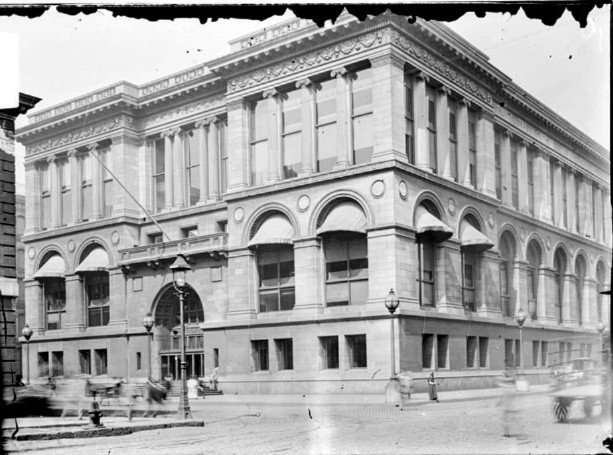
该建筑最初被构想为芝加哥的主要公共图书馆,也是纪念内战老兵的纪念馆,其双重目的设计反映了这座城市的公民抱负。该建筑由Shepley, Rutan & Coolidge建筑事务所设计,土地由美国内战老兵组织(GAR)捐赠,耗资近200万美元——这证明了芝加哥在火灾后的韧性和远见(维基百科;Chicago Beautiful)。
到20世纪70年代,保护主义者成功地倡导对其进行保护,促成了翻新,为1991年哈罗德·华盛顿图书馆中心开放后的文化中心转型铺平了道路(Architecture.org)。在Lois Weisberg的领导下,它成为了美国首个免费、由市政府运营的文化中心,巩固了其作为可及艺术和社区参与的灯塔作用(芝加哥市政府)。
---\n
建筑意义 (Architectural Significance)
外部和内部特色 (Exterior and Interior Features)
芝加哥文化中心占用了环城区(Loop)的整个街区,其装饰艺术和意大利文艺复兴风格的设计,拥有石灰石外墙、拱形窗户和宏伟的石雕(Chicago Beautiful)。内部,游客会看到大理石楼梯、宏伟的柱子、错综复杂的马赛克、珍珠母镶嵌、桃花心木门和历史悠久的装饰天花板(Exp1)。
彩色玻璃穹顶 (Stained Glass Domes)
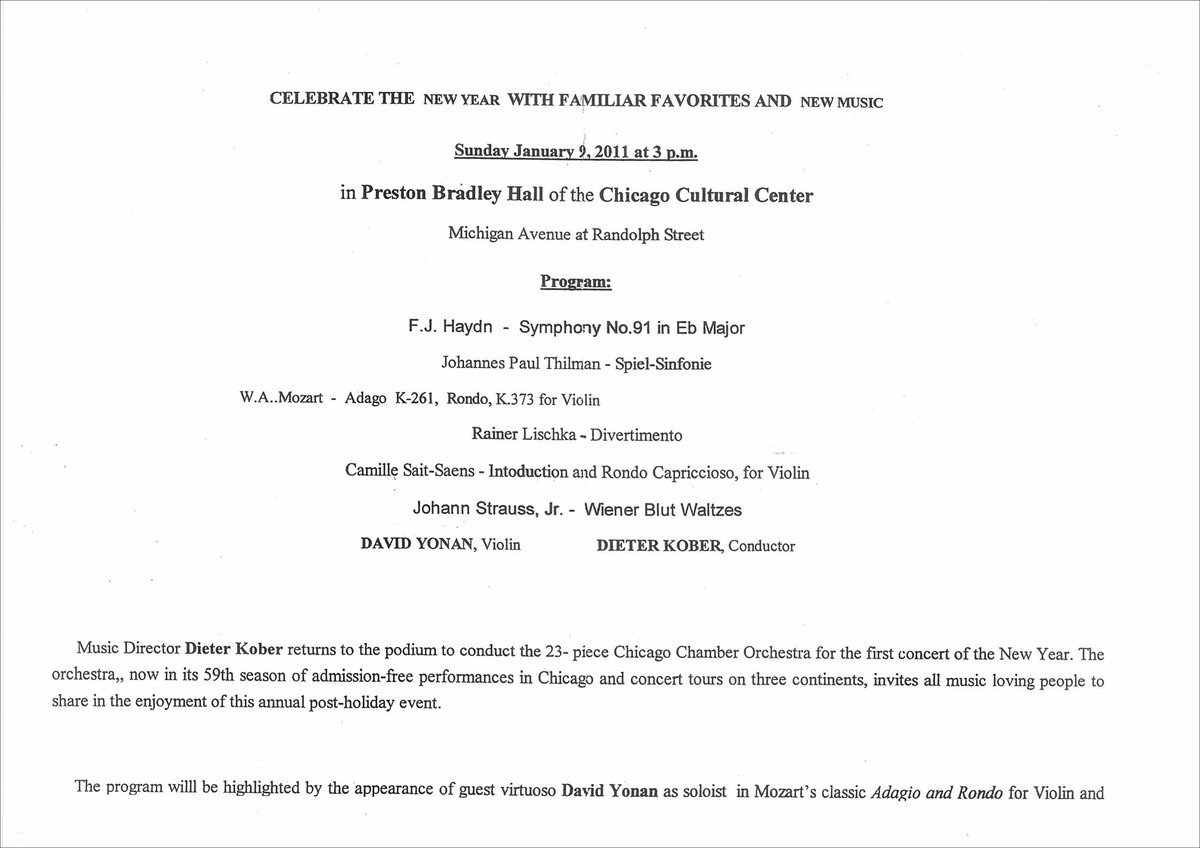
文化中心拥有世界上最大的两个玻璃穹顶:
- 普雷斯顿·布拉德利厅(南翼) 最大的蒂凡尼玻璃穹顶,直径38英尺,包含超过30,000块玻璃(Exp1)。
- 陆军军团纪念厅(北翼) 一个蒂凡尼工作室穹顶,直径40英尺,由超过60,000块玻璃组成(维基百科)。
两个穹顶都经过精心修复,最近一次是在2021年至2022年间,突显了该市对历史保护的承诺(维基百科)。
修复与文化增添 (Restoration and Cultural Additions)
重要的修复工程在适应现代用途的同时,保留了文化中心的历史之美,包括由 Kerry James Marshall 创作的广受好评的壁画“Rushmore”,该壁画纪念了女性对芝加哥文化的贡献(维基百科)。拥有最先进设施的克劳迪娅·凯西迪剧院(Claudia Cassidy Theater)将历史氛围与当代表演相结合(芝加哥市政府)。
---\n
游客信息:时间、门票与无障碍设施 (Visitor Information: Hours, Tickets, and Accessibility)
- 开放时间 每日开放,上午10点至下午5点(节假日时间可能有所变动;请查看官方网站获取最新信息)。
- 入场 始终免费,无需门票。
- 地点 华盛顿街78号东部,交通便利,靠近千禧公园、芝加哥艺术博物馆等地。
- 无障碍设施 完全符合ADA标准。提供轮椅通道入口、电梯、无障碍洗手间和感官友好资源。可根据要求提供美国手语(ASL)导览和CART服务(DCASEVolunTours.org)。
---\n
全年免费活动 (Year-Round Free Programming)
文化中心每年提供1,000多项免费活动和展览,涵盖视觉艺术、音乐、舞蹈、戏剧和教育工作坊(芝加哥市政府)。亮点包括:
- 视觉艺术 展出当代艺术和社区驱动项目的轮换展览。
- 表演艺术 在克劳迪娅·凯西迪剧院免费举办音乐会、电影放映和舞蹈工作坊(Clef Notes Journal)。
- 标志性活动 如开放日节、韧性系列工作坊和公共艺术导览(Eventbrite Open House)。
---\n
导览与自助游 (Guided and Self-Guided Tours)
- 导览 免费,每周四和周五下午1:15;无需预约。可提前通知提供ASL和特色导览(DCASEVolunTours.org)。
- 自助游 文化中心网站提供可下载的指南和公共艺术游览PDF。
- 音频导览 提供免费的英语和西班牙语音频导览。
- 摄影 允许个人使用;特定活动可能有限制。
---\n
家庭与包容性倡议 (Family and Inclusive Initiatives)
- 学习实验室(Learning Lab) 适合所有年龄段的互动式、感官友好型工作坊。
- 社区墙 宣传本地活动和社区文化亮点。
- 包容性 多元文化节目、艺术家支持以及与市残疾人事务办公室合作的持续性论坛。
---\n
附近景点与出行建议 (Nearby Attractions and Travel Tips)
- 附近景点 千禧公园、芝加哥艺术博物馆、芝加哥交响中心、芝加哥河滨步道。
- 餐饮 附近有众多餐厅和咖啡馆,可满足各种口味。
- 交通 可乘坐CTA公交/火车或Metra通勤列车。附近有无障碍停车位;建议使用公共交通,因为市中心停车位有限。
---\n
便利设施与游客服务 (Amenities and Visitor Services)
- 游客中心 提供信息、无障碍支持和社区指南。
- 洗手间 完全无障碍。
- 零售 BUDDY,一家支持本地艺术家和制作人的商店。
- 失物招领 可通过安保人员查询。
---\n
常见问题解答 (FAQ)
问:开放时间是几点?
答:每日上午10点至下午5点;请留意节假日时间。
问:入场是否免费?
答:是的,始终免费。
问:是否有导览?
答:是的,每周四和周五下午1:15提供;也提供自助游材料。
问:该建筑是否无障碍?
答:完全符合ADA标准,并提供ASL、感官和认知支持。
问:是否允许服务犬进入?
答:是的。
问:可以拍照吗?
答:允许拍照,但受活动限制。
问:附近有什么景点?
答:千禧公园、芝加哥艺术博物馆等。
---\n
了解更多
如需获取最新活动、导览和游客信息,请查阅芝加哥文化中心官方网站和DCASE活动日历。下载Audiala应用程序以获取音频导览和实时更新。在社交媒体上关注文化中心,获取新闻和内部提示。
---\n