
引言
巴黎卢泰西亚斗兽场坐落于巴黎历史悠久的拉丁区中心,是这座城市古罗马遗产的杰出证明。这座建于公元1世纪的罕见罗马圆形剧场,曾可容纳多达17,000名观众,是角斗士比赛、戏剧表演和市民集会的活跃场所。它在19世纪的重新发现,以及随后维克多·雨果等人物领导的保护工作,突显了它作为巴黎多层身份和城市演变象征的持久重要性(Paris.fr,Paris Discovery Guide,World in Paris)。
如今,卢泰西亚斗兽场免费开放,全年可供参观,为游客提供了一个宁静的绿色空间,平衡了考古学的真实性与社区生活。本指南提供了参观的所有基本细节,包括开放时间、门票、无障碍设施、亮点和实用的旅行建议,以帮助您充分利用在巴黎最迷人的历史遗迹之一的体验。
图片库
图览吕特斯竞技场
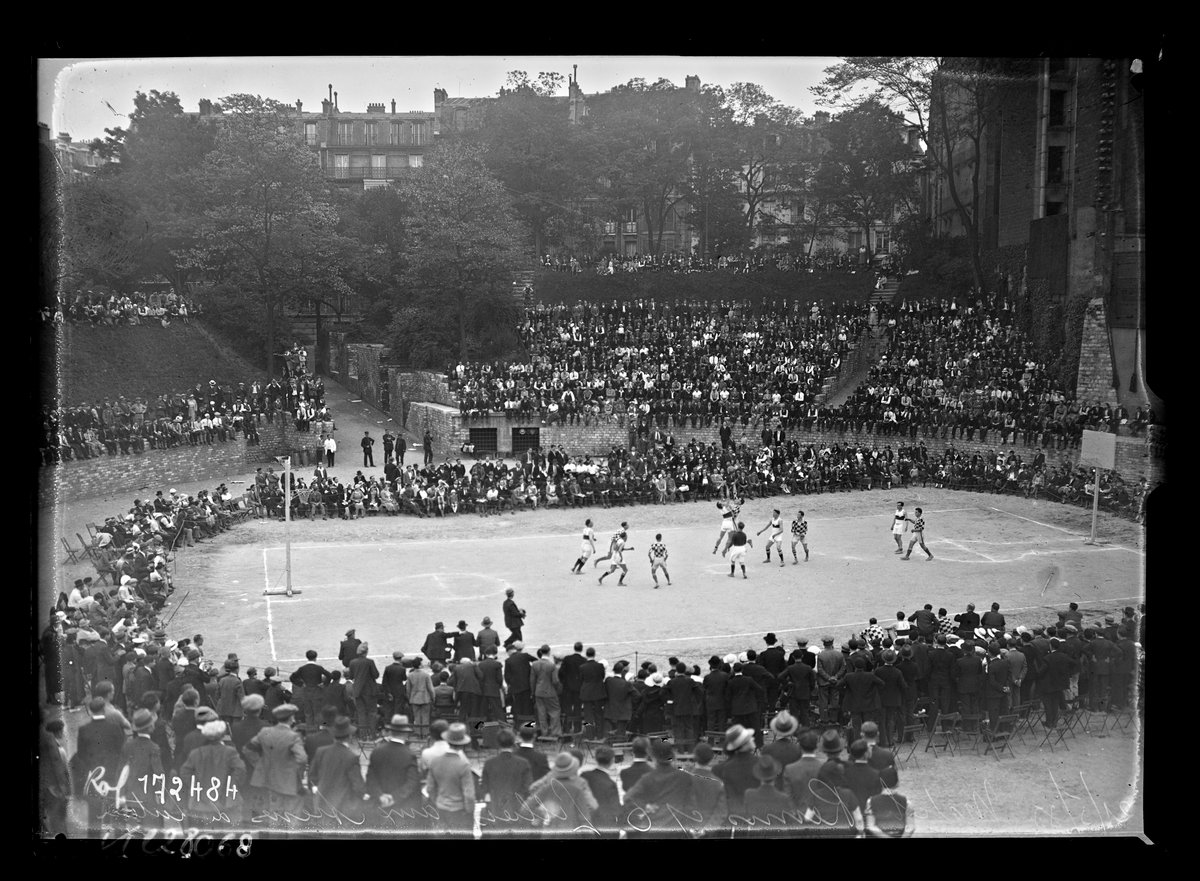
Historic 1933 basketball game featuring teams Reims and Olympique Lillois held at the ancient Roman amphitheater Arènes de Lutèce, Paris. Captures urban sports culture scene in Paris during early 20th century.
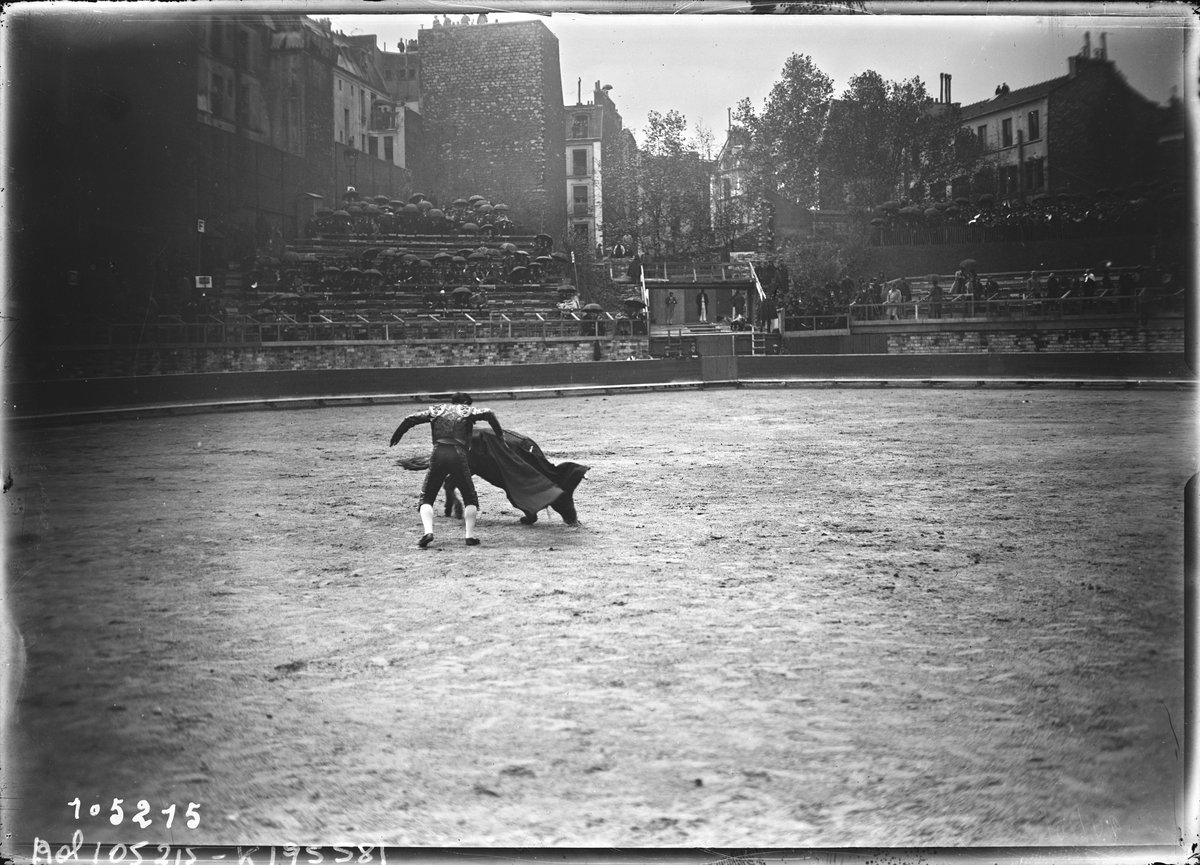
Black and white photograph depicting a bullfight at the Roman amphitheater Arènes de Lutèce in Paris, France, showing toreros and fighting bulls on October 24, 1925.
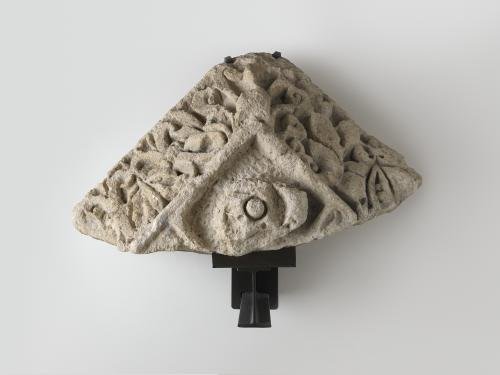
2nd-3rd century limestone architectural element, fragment of a cornice corner with raised moulding decorated with a vegetal frieze and coffered ceiling panel featuring a central floral bud. Found at the Arènes de Lutèce, Paris, now in Musée Carnavalet collection.
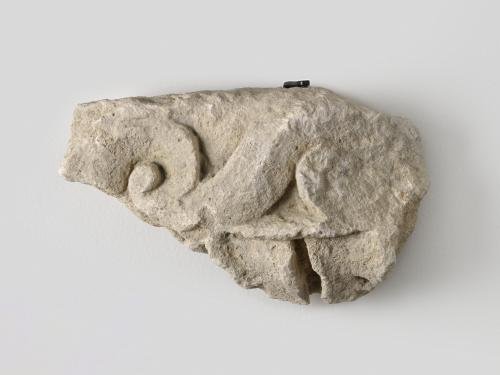
2nd-3rd century carved limestone architectural element featuring vegetal and geometric frieze motifs. Discovered in the 5th arrondissement, Rue Monge, Arènes de Lutèce, held at Musée Carnavalet, Paris. Inventory number AP683.
Carved limestone fragment of architectural decoration featuring foliage, dating from the 2nd-3rd century, originating from the wall of the amphitheater in Lutetia (modern-day Paris). Held at the Musée Carnavalet with inventory number AP695.
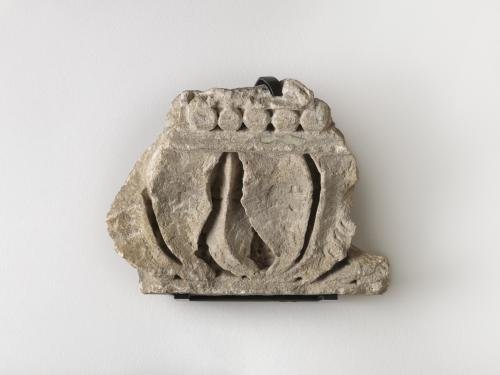
A 35x19x16 cm limestone architectural element decorated with palmettes and floral motifs separated by a molding, dated to 2nd-3rd century. Discovered in the Arènes de Lutèce area, Paris, and held at Musée Carnavalet.
Stone fragment from 2nd-3rd century, carved limestone with decorative frieze showing leaves, pearls, and a flower in the lower left corner. Dimensions: 24 cm height, 19.5 cm width, 15 cm depth. Discovered in the 5th arrondissement, rue Monge, at Arènes de Lutèce, now held at Musée Carnavalet, Paris.
Photograph of a 2nd-3rd century carved limestone architectural fragment featuring acanthus leaf decoration. Excavated from the site of the Arènes de Lutèce in Paris, this 19x22x14.5 cm artifact is cataloged as AP724 in the Musée Carnavalet collection.
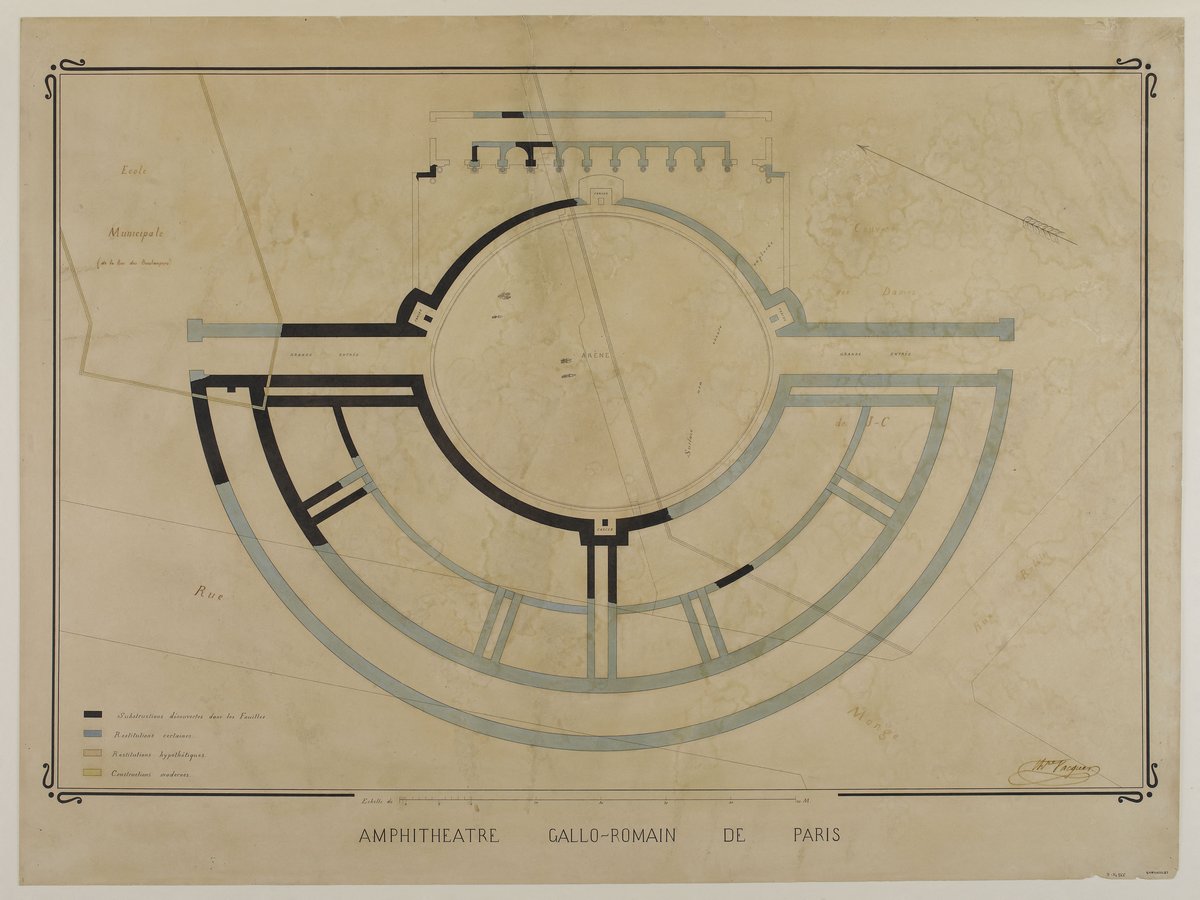
Architectural drawing by Théodore Vacquer created between 1860 and 1899 depicting the restoration of the ancient Gallo-Roman amphitheater of Lutetia in Paris. Shows archaeological substructures, skeletons, modern street layouts, and the amphitheater as it would have appeared in the 5th arrondissemen
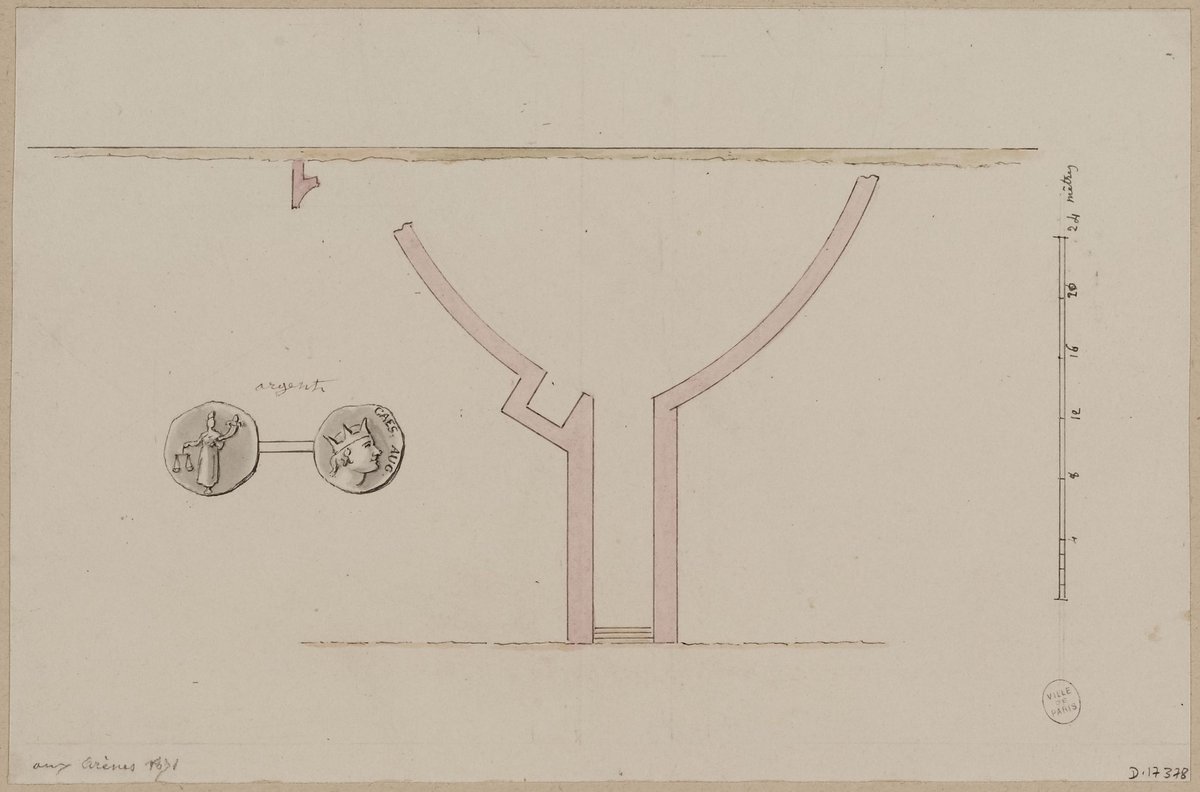
An 1871 drawing by an anonymous artist depicting the archaeological excavation at Arènes de Lutèce on Rue Monge, Paris, showing details of unearthed coins. Created with pencil, black ink, and wash on paper, measuring 15.2 by 23.5 cm, mounted on a 31 by 48 cm backing. Held at Musée Carnavalet in Pari
历史概述与重新发现
罗马起源与建造
卢泰西亚斗兽场是罗马巴黎(当时称为卢泰西亚)最重要的遗迹之一。它建于公元1世纪,作为角斗士比赛、动物狩猎和戏剧表演的多功能场所。其设计包括一个半圆形管弦乐区、分层座位和一个中央竞技场,采用当地卢泰西亚石灰石建造,可容纳10,000至17,000名观众(来源)。圆形剧场反映了罗马的建筑规范,其规划鼓励集体参与和视觉盛宴。
衰落与遗忘
随着罗马帝国的衰落,卢泰西亚的规模缩小,圆形剧场等公共娱乐场所逐渐停用。在晚期罗马时期的野蛮人入侵期间,部分圆形剧场被拆毁,石块被重新用于城墙防御。到了中世纪,该遗址已消失在城市发展之中,其存在仅限于模糊的记忆和零星的考古发现(来源)。
19世纪的重新发现
卢泰西亚斗兽场于1869年在蒙日街(Rue Monge)的建设期间被重新发现,这是奥斯曼男爵改造巴黎的一部分。竞技场石块遗迹的挖掘引发了一场由维克多·雨果等知识分子领导的公众运动,最终促成了圆形剧场的保护和部分修复。它于1896年作为公共广场重新开放,标志着一个新篇章的开始,将被遗忘的废墟变成巴黎古老根源的受人尊敬的象征(来源)。
考古意义与保护
如今,约有三分之一的原圆形剧场得以保存。19世纪末和20世纪初的修复工作稳定了剩余的结构,并重建了部分露台和入口。该遗址由巴黎市政府管理,既作为考古地标,也作为社区公园进行保护,设有解说标识和偶尔的导览(来源)。
参观卢泰西亚斗兽场
开放时间与门票
- 夏季 (4月–9月): 8:00 AM – 9:30 PM
- 冬季 (10月–3月): 8:00 AM – 5:30 PM
免费入场;无需门票或预订(Paris.fr)。由于开放时间可能因季节而异,建议在参观前在官方网站确认。
无障碍设施与交通
- 地址: 49 Rue Monge, 75005 Paris, France
- 地铁: 7号线至Place Monge站(最近),或10号线至Cardinal Lemoine站
- 公交: 47、63路及其他线路
- 自行车: 附近有Vélib’共享单车站点
- 无障碍设施: 主要入口方便轮椅通行,但部分台阶和不平整区域可能存在挑战(Paris.fr)
最佳参观时间
为了获得宁静的体验和最佳的摄影光线,建议在清晨或傍晚参观。工作日和淡季(春季和秋季)通常人较少。
设施与周边景点
- 座位: 原装石制长椅和现代公园长椅
- 洗手间: 现场无公共洗手间;附近的咖啡馆可能提供给顾客使用
- 遮荫与野餐: 提供有遮荫的花园和草坪区域——非常适合野餐(禁止明火和饮酒)
- 周边景点:
- 植物园 (Jardin des Plantes)
- 克吕尼博物馆 (Musée de Cluny)
- 穆浮塔街 (Rue Mouffetard) 市场街
- 先贤祠 (Panthéon)
附近的咖啡馆和餐馆众多,提供充足的游览后餐饮选择(trip.com)。
导览与活动
虽然该遗址主要为自助游览,但许多独立的拉丁区徒步导览会包含斗兽场。夏季期间,会偶尔举办音乐会和露天表演。如需最新信息,请查阅巴黎市政活动日历。
建筑与考古亮点
- 设计: 融合罗马和希腊影响的混合式圆形剧场;半圆形座位嵌入山坡
- 容量: 最初估计可容纳10,000至17,000名观众
- 舞台: 异常长,约41米,有九个壁龛用于放置雕像
- 地下设施: 今日可见的五个动物笼,曾用于在比赛中戏剧性地释放动物
- 入口: 历史上曾有41个拱形开口(现已消失);现代游客使用三个主要入口
- 保存的元素: 竞技场地面、部分座位、基座墙和动物笼(Paris Discovery Guide)
社会与文化背景
罗马社会中的角色
圆形剧场是罗马卢泰西亚娱乐和市民生活的重要组成部分。座位安排强化了社会等级:男性公民坐在较低的座位区,女性和地位较低者坐在较高的位置,有时还有遮阳帆(velarium)(World in Paris)。活动包括角斗士比赛、动物狩猎和戏剧表演,促进了社区认同和帝国价值观(Paris Top Ten)。
古代之后
罗马统治结束后,该遗址成为墓地,然后被掩埋和遗忘。19世纪的重新发现和修复重新点燃了人们对巴黎罗马历史的兴趣,文学引用和公众运动确保了其保存(Salut from Paris)。
当代体验
卢泰西亚斗兽场现在是一个充满活力的当地公园和社区聚集地。孩子们在竞技场地面玩耍,当地人和游客在花园里野餐,该遗址偶尔会举办音乐会和文化活动。法文和英文的解说标识有助于生动地再现遗址的历史。尽管起源古老,但圆形剧场仍然融入了拉丁区的日常生活(Paris Discovery Guide)。
常见问题解答 (FAQ)
问:是否收费? 答:不,该遗址免费向公众开放。
问:是否有导览? 答:偶尔通过独立的徒步导览和在文化活动期间提供。
问:是否对残疾人士开放? 答:主要通道是无障碍的,但一些古老的石头区域可能难以通行。
问:开放时间是什么? 答:夏季8:00 AM至9:30 PM;冬季8:00 AM至5:30 PM。请查阅官方网站获取最新信息。
问:现场有洗手间吗? 答:现场没有;请使用附近的咖啡馆或公共设施。
问:可以带狗吗? 答:可以,但请给狗狗系好牵引绳。
在应用中收听完整故事
Audiala App
支持 iOS 和 Android
加入50,000+策展人
资料来源
- verified
- verified
- verified
- verified
- verified
- verified
- verified
最后审核: