引言
Vélodrome d’Hiver,通常简称为 Vel’ d’Hiv,在巴黎历史上占据着独特而沉重的地位。它于1909年落成,是该市第一个永久性室内自行车赛道,Vel’ d’Hiv 很快成为体育和文化活动的中心,以其创新的建筑和可容纳17,000名观众的能力而闻名(Paris Promeneurs; Wikipedia)。然而,它持久的遗产与1942年7月发生的悲惨事件密不可分,当时它被用作法国警方在纳粹命令下进行大规模逮捕和驱逐犹太人的主要拘留场所(Yad Vashem; New York Jewish Travel Guide)。尽管原始建筑于1959年被拆除,但通过纪念花园、纪念碑和年度仪式,那些事件的记忆得以延续,它们作为怀念和教育的场所。
本指南为游客提供必要信息,涵盖纪念地、开放时间、票务、无障碍设施、旅行建议以及有意义和尊重的参观该重要巴黎地标所需的历史背景。
图片库
图览冬季自行车馆
A collective portrait featuring Marius Chocque (1878-1947), René Comboudoux (1908-1977), and Paul Chocque (1910-1949) taken at the Vélodrome d'hiver in Paris, France, around November 1927. The image is part of a historical documentary collection covering portraits from 1914 to 1945.
Historic black and white photo capturing cyclists Marius Chocque, René Comboudoux, and Paul Chocque posing together at Vélodrome d'hiver in Paris, dated November 1927. The image is a collective portrait from the period 1914-1945 and belongs to the Pho20Rol and MnS000 document collections.
Historical black and white image showing Ernst Kaufmann, Swiss cyclist and winner of the Grand Prix de la Toussaint, at the Vélodrome d'Hiver in Paris, dated November 1, 1924. The image is part of the collection covering portraits of Ernst Kaufmann and group portraits at the Vélodrome d'Hiver from 1
Historical black and white image from October 11, 1931, showing cyclists René Comboudoux and Janin as victors in an amateur American cycling race held at the Velodrome d'Hiver in Paris. Part of press archives and collective portraits of Parisian cycling culture between 1914 and 1945.
Historical black and white image of cyclists, taken at the Vélodrome d'Hiver in Paris on March 24, 1927. Featuring portraits by Charles Lacquehay and Georges Wambst, capturing a collective moment in cycling history between 1914 and 1945.
Photograph of Lucien Weiss at the Vél d'Hiv indoor cycling stadium capturing a historic moment
Black and white portrait of Lucien Weiss, a French cyclist, taken at the Vélodrome d'hiver in Paris on November 25, 1928. Historical image showcasing Weiss in sports attire during a cycling event in early 20th century France.
Historical photo of Lucien Weiss at Vélodrome d'Hiver (Vél d'Hiv), a significant location in French history.
Black and white image depicting merchants gathered at the Vélodrome d'Hiver in Paris during a commercial association event on May 28, 1933. Shows the artisan and commercial associations in France during the early 20th century.
Historical image showing cyclists departing for the Six Days cycling race at the Winter Velodrome in Paris on April 3, 1922. Group portrait of cycling competitors from early 20th century Paris.
Black and white image capturing the French national cycling team including Achille Souchard, Charles Pélissier, Jean Alavoine, and Henri Pélissier at the Vélodrome d'Hiver in Paris, dated January 30, 1927, showcasing historic portraits of prominent cyclists from the early 20th century.
Collective portraits of cyclists André Raynaud and Armand Blanchonnet taken at the Vélodrome d'hiver in Paris on October 30, 1927, during an Omnium match event.
起源与建筑发展
Vélodrome d’Hiver 于1909年开放,由Gaston Lambert设计,是当时的一项建筑奇迹,拥有钢框架、玻璃屋顶,可容纳数千名观众。赛道由松木建造,为速度而倾斜,设有一个大型中央草坪和旱冰场(Paris Promeneurs; Wikipedia)。在随后的几十年里,该场馆成为自行车、拳击、摔跤、冰球乃至政治集会的中心。1931年,它被更名为Palais des Sports de Grenelle,反映了其多功能性和受欢迎程度。
Vel’ d’Hiv’ 搜捕事件:1942年7月
Velodrome d’Hiver 历史上最黑暗的一章发生在1942年7月16日至17日。法国警方逮捕了超过13,000名犹太人,其中包括4,000多名儿童,并将他们关押在Velodrome d’Hiver,条件恶劣,随后被驱逐到Drancy等营地,最终送往奥斯维辛(Yad Vashem)。Vel’ d’Hiv’ 搜捕事件仍然是法国大屠杀历史上的一个决定性时刻,并每年进行纪念。
纪念碑:地点、设计与象征意义
尽管Velodrome d’Hiver已不复存在,但仍有几处纪念碑和纪念牌匾标记着其地点并纪念遇难者。
主要纪念花园
主要的纪念碑是Jardin mémorial des enfants du Vel’ d’Hiv’(Vel’ d’Hiv’ 儿童纪念花园),位于15区Boulevard de Grenelle 6号,靠近原始Velodrome d’Hiver的地点,并且靠近埃菲尔铁塔(Trek Zone; Paris.fr)。这个宁静的空间设有纪念牌匾,其中一块专门献给在搜捕事件中被拘留的数千名犹太儿童。
雕塑纪念碑
于1994年7月17日落成的雕塑纪念碑,由Walter Spitzer和建筑师Mario Azagury创作,描绘了一群处于困境中的平民,象征着搜捕事件中遭受的苦难。以Velodrome赛道形状为底座,呼应了该场地最初的用途(New York Jewish Travel Guide; Liberation Route)。
纪念牌匾
除了主花园外,Boulevard de Grenelle 8号和Bir-Hakeim地铁站的牌匾也为反思和纪念提供了更多机会。
参观时间、票务与无障碍设施
纪念花园与户外牌匾
- 开放时间: 每日开放,全年无休。4月至9月:上午8:00至晚上8:00;10月至次年3月:上午9:00至下午6:00(Paris.fr)。
- 门票: 免费入场,无需购票。
- 无障碍设施: 该场地适合轮椅使用者,有适合行动不便的游客的铺砌通道。
附近的博物馆与展览
- Mémorial de la Shoah (犹太大屠杀纪念馆): 周二至周日开放,上午10:00至下午6:00(Mémorial de la Shoah)。需要门票;可预订导览和工作坊。博物馆完全无障碍。
- Drancy Shoah Memorial (Drancy 犹太大屠杀纪念馆): 位于巴黎郊区,周三至周日开放。请查看其官方网站了解当前开放时间和票务详情。
交通与旅行建议
- 乘地铁: 最近的地铁站是Bir-Hakeim (6号线)、La Motte-Picquet–Grenelle (6、8、10号线) 和Dupleix (6号线),均在步行范围内。
- 乘公交: 多条公交线路服务该区域。
- 骑自行车: Vélib’ 自行车共享站位于100米以内。
- 无障碍设施: 纪念碑及周边区域提供铺砌通道和无障碍入口。
- 游客建议: 清晨参观可享受更宁静的氛围。纪念碑现场没有设施,请提前做好规划。允许拍照,但请保持尊重。
附近的景点
在参观Vel’ d’Hiv’ 纪念碑时,可以考虑参观巴黎其他重要的地标,如埃菲尔铁塔、战神广场以及玛黑区的Mémorial de la Shoah。Shoah Memorial会组织记忆导览,通常会包含Vel’ d’Hiv’ 场地及其他关键地点(Explore Paris)。
教育作用与公众参与
Vel’ d’Hiv’ 纪念碑是犹太大屠杀教育的焦点,学校团体、研究人员和游客经常前来参观。解说展板(主要为法语,部分有英语翻译)提供了1942年7月事件以及法国犹太大屠杀的更广泛背景(Liberation Route)。
法国的清算与官方认可
多年来,法国一直不愿承认其在大屠杀中的作用。1995年,雅克·希拉克总统公开承认法国政府对驱逐事件负有责任,这是国家记忆和纪念史上的一个里程碑(New York Jewish Travel Guide)。
常见问题解答 (FAQ)
问:我能参观原始的Vel’ d’Hiv’ 建筑吗? 答:不能,原始建筑于1959年被拆除;游客可以参观位于原址或附近区域的纪念花园和纪念牌匾。
问:开放时间是什么? 答:纪念花园每天开放:上午8:00至晚上8:00(4月至9月),上午9:00至下午6:00(10月至次年3月)。
问:有入场费吗? 答:没有,参观纪念花园和户外牌匾是免费的。
问:有导览吗? 答:是的,当地运营商和博物馆提供导览;建议提前预订。
问:如何乘坐公共交通到达? 答:乘坐巴黎地铁6号线(Bir-Hakeim、Dupleix或La Motte-Picquet–Grenelle站)。
问:纪念碑对行动不便人士是否无障碍? 答:是的,该场地设有铺砌通道和无障碍入口。
问:我可以拍照吗? 答:可以,欢迎拍照,但请保持尊重。
视觉与互动媒体
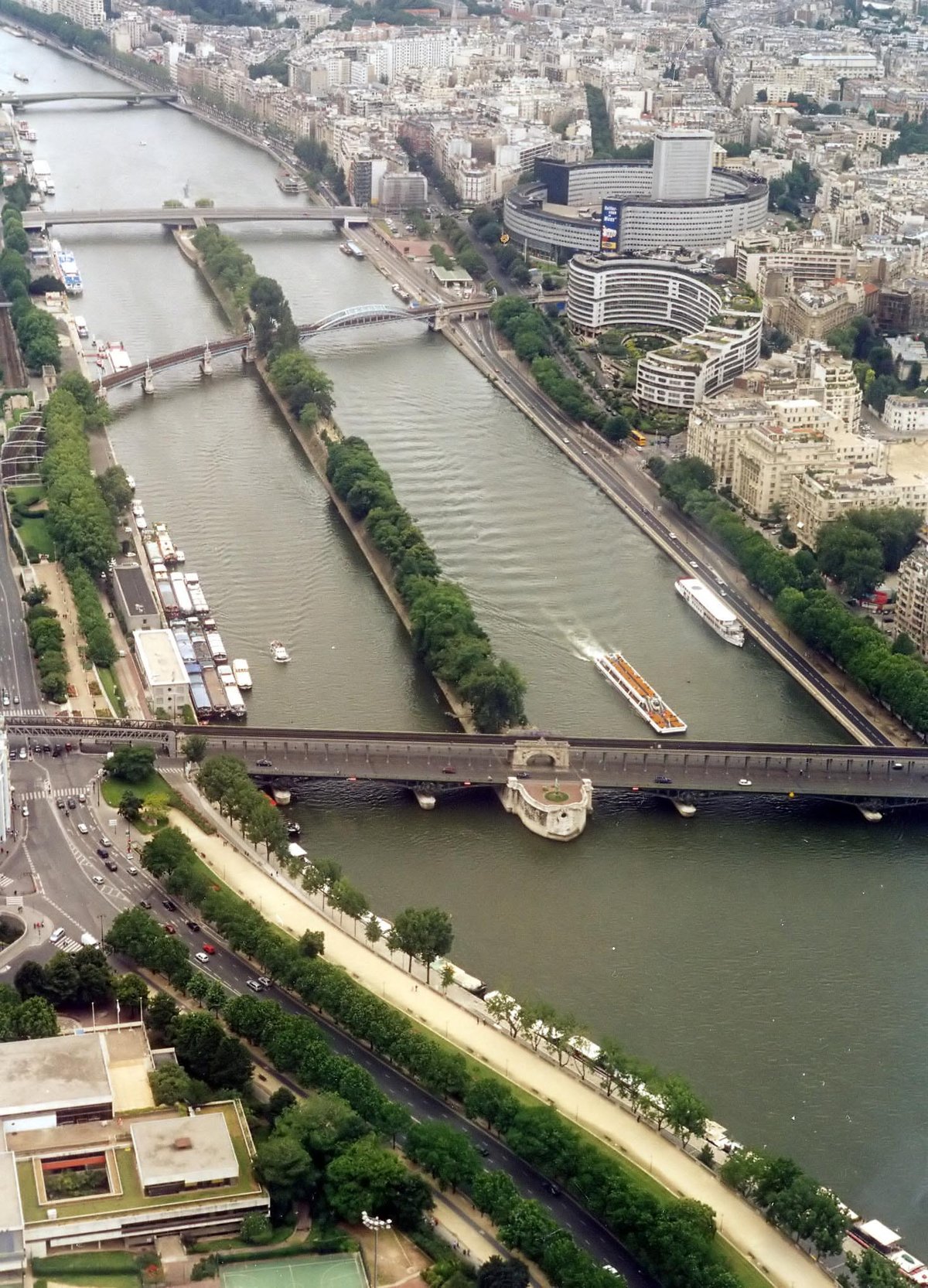
通过 Yad Vashem、Paris 城市指南和 Mémorial de la Shoah 等组织的虚拟旅游、互动地图和图片库,提升您的体验。图片配有描述性alt文本,方便无障碍访问和搜索引擎优化(Yad Vashem)。
在应用中收听完整故事
Audiala App
支持 iOS 和 Android
加入50,000+策展人
资料来源
- verified
- verified
- verified
- verified
- verified
- verified
- verified
- verified
- verified
- verified
最后审核: