简介
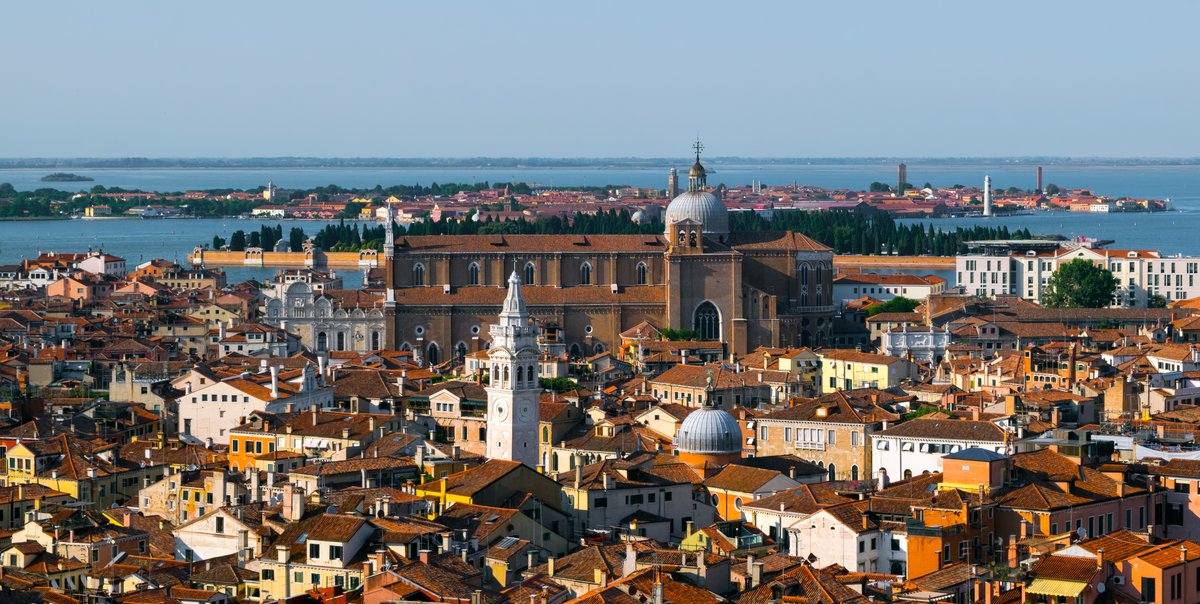
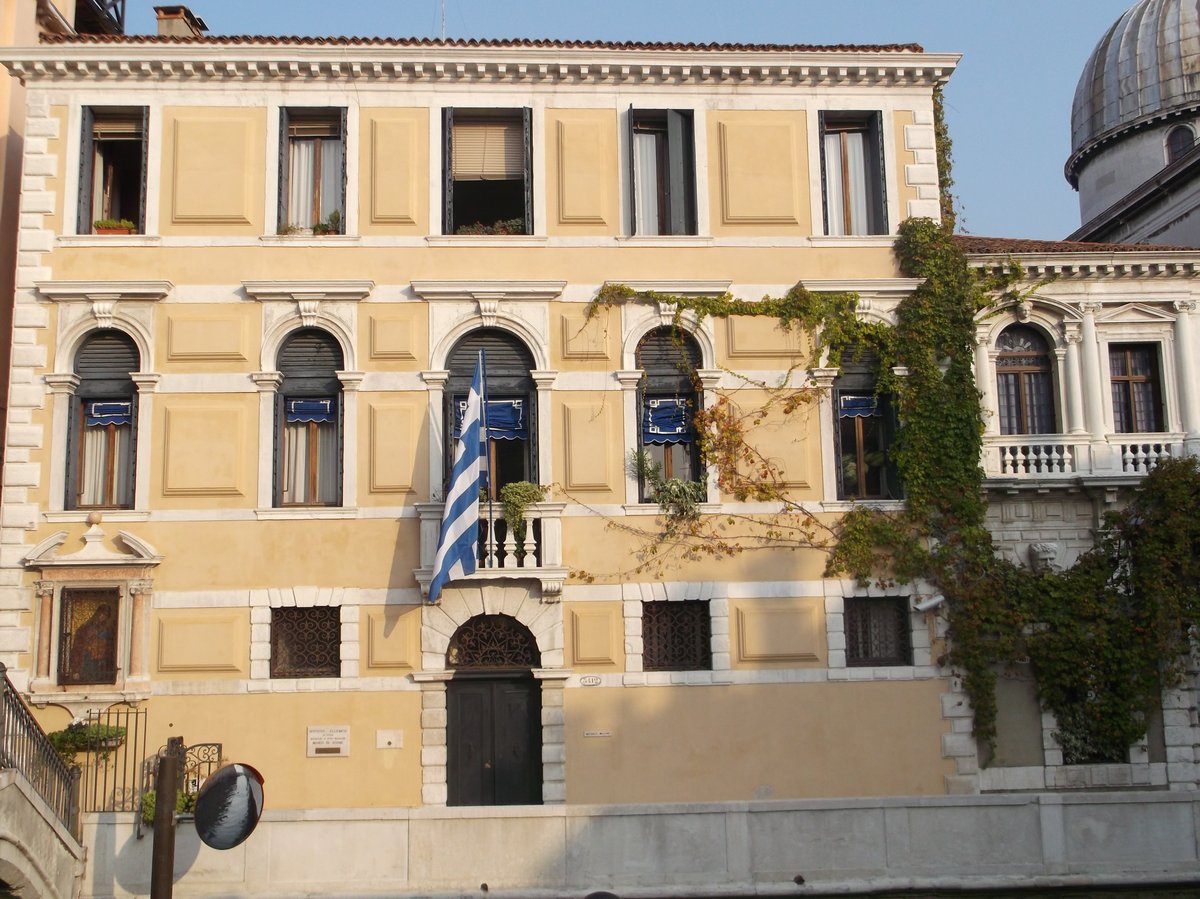
威尼斯圣像博物馆 (Museo delle Icone) 坐落于威尼斯历史悠久的卡斯特罗区,是这座城市与拜占庭及后拜占庭世界长期联系的见证。博物馆设在希腊东正教圣乔治希腊教堂内,拥有西欧最重要的宗教圣像藏品之一,为我们提供了了解威尼斯希腊社区精神和艺术遗产的难得窗口。无论您是艺术爱好者、历史迷还是好奇的旅行者,本指南都将为您提供关于博物馆历史、藏品亮点、开放时间、票务、无障碍设施以及实用提示的详细信息,以丰富您的体验 (Istituto Ellenico; Fondazione Musei Civici di Venezia; World City History)。
图片库
图览图标博物馆
16th century hymn illustration Epi Soi Hairei by George Klontzas showing Virgin Mary in glory with Christ, surrounded by concentric circles of celestial and biblical figures including cherubim, angels, zodiacs, and saints, representing a cosmic praise to the Virgin Mary.
The Dormition of the Virgin Mary, a famous iconographic painting by Andreas Ritzos depicting the death of the Virgin Mary in traditional Byzantine style.
The Assumption of Saint Spyridon, painted in 1595 by Emmanouil Tzanfournaris, measures 60.5 by 42.8 cm. The central panel shows the Dormition of Saint Spyridon with a funeral procession in front of a church attended by clergy and followers. Above, angels carry the saint's soul to heaven through gate
A 17th century painting titled The Crucifixion by Georgios Margazinis, showing a multi-level realistic depiction of the Crucifixion of Christ: the cross on the ground with soldiers, Christ on the large central cross with two robbers, Mary Magdalene embracing Christ, the division of clothes, the Virg
A multifaceted 1711 painting by Ioannis Moskos showing the Crucifixion of Christ. Central large cross with Christ against a golden background, black clouds around. Two robbers at sides, left one blessed by an angel saying 'Bless me Lord in your Kingdom'. Below are Virgin Mary fainting, Magdalene, Jo
Late 16th century Byzantine icon titled The Resurrection of Christ by Markos Bathas depicting the Harrowing of Hell, featuring Adam kneeling on the sarcophagus, John the Baptist gesturing, and Hell breathing fire, showcasing the Greek Style iconographic model.
Icon of Panagia Hodegetria painted by Michael Damaskenos in late 16th century (1574-1582), depicting Virgin Mary holding Christ and archangels Michael and Gabriel with psalm excerpt (Psalm 44:11-12) related to the Incarnation.
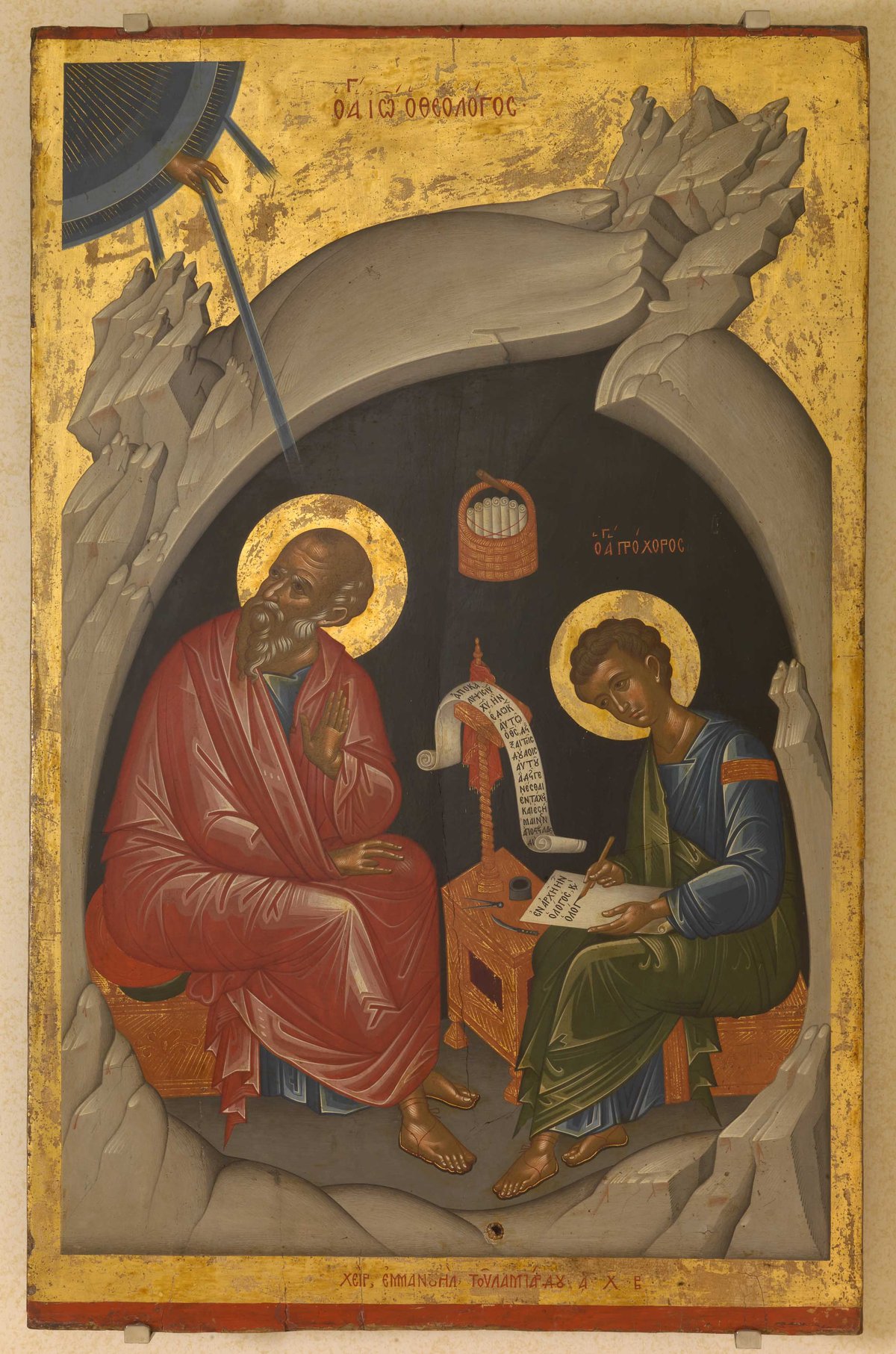
Painting from 1602 by Emmanuel Lambardos depicting John the Evangelist in the cave of Patmos dictating the beginning of the Gospel of John to his disciple Prochorus. The hand of God blesses from above, illuminating John. Prochorus writes on an open scroll at a low desk with writing tools, while a ba
The Last Judgment painting (1640-41) by Fragias Kavertzas depicting Christ as the Judge, angels with trumpets and books, archangel Michael with scales, prophet Daniel with a scroll, righteous souls on the left, nations awaiting judgment on the right, Hell shown with the dragon's abyss, and Paradise
17th century painting by Constantin Tzanes depicting Mary Magdalene seated beside an empty sarcophagus, holding her knees with a sorrowful look. The myrrh jar rests on the tomb cover and Golgotha with three crosses is visible in the background, alongside a sharp rocky hill with two trees.
1594 icon of Virgin Mary Nikopoia holding Christ child frontally by Thomas Bathas. Mary is half-length with a decorated halo mimicking precious stones. She wears a dark maphorion contrasting the bright clothes of Christ.
Noah's Ark artwork by Theodoros Poulakis, second half of 17th century, showing Noah and family on right, ark and animals entering in pairs on left, birds flying in sky, and God surrounded by clouds pointing to ark.
历史背景与威尼斯希腊社区
威尼斯独特的地理位置使其成为东西方之间的十字路口,与拜占庭帝国建立了深厚的联系。希腊人在威尼斯的存在可追溯至中世纪,在第四次十字军东征(1204年)后,尤其是在1453年君士坦丁堡陷落之后,希腊人的涌入大大增加。希腊商人、神职人员和难民定居在威尼斯,带来了神圣艺术品、礼仪用品以及东正教传统。到15世纪末,希腊社区成立了希腊兄弟会 (Scuola dei Greci) 和圣乔治希腊教堂,后者成为西欧希腊人的精神和文化中心 (Istituto Ellenico; World City History)。
博物馆的建立与发展
圣像博物馆源于威尼斯希腊社区几个世纪的虔诚奉献和艺术赞助。藏品通过家庭、神职人员和工匠的捐赠而不断丰富,其中包括14世纪至18世纪的圣像和礼仪用品。1951年,希腊拜占庭及后拜占庭研究中心成立,并于1953年继承了教堂及其藏品,正式确立了博物馆在威尼斯保护和弘扬希腊-拜占庭遗产的使命 (Istituto Ellenico; GPSmyCity)。
藏品亮点与艺术意义
圣像博物馆收藏了300多幅圣像,是西欧最重要的东正教宗教艺术宝库之一 (Venezia Tourism)。藏品包括:
- 拜占庭及后拜占庭圣像: 克里特、爱奥尼亚和马其顿画派的杰作,以及将拜占庭圣像画法与文艺复兴技术融合的威尼斯-希腊艺术家的作品。
- 著名艺术家: 西奥多罗斯·普拉基斯 (Theodoros Pulakis)、伊曼纽尔·扎内斯 (Emmanuel Tzanes)、伊曼纽尔·兰巴尔多斯 (Emmanuel Lambardos)、米歇尔·达马斯基诺斯 (Michele Damaskinos) 和乔治奥斯·克隆扎斯 (Georgios Klontzas) 的圣像,他们为东正教圣像画的演变做出了贡献 (Istituto Ellenico)。
- 圣像主题: 全能者基督像、指引者圣母像、圣尼古拉和圣乔治等圣人像,以及重要的圣经场景。许多圣像都以金箔和鲜艳的矿物颜料装饰,展现了宗教象征意义和精湛的技艺。
- 礼仪用品: 圣餐杯、法衣、手稿和圣像屏风碎片,将圣像置于东正教礼拜活动的背景中。
博物馆的藏品是信仰、韧性和文化交流的视觉叙事,既反映了拜占庭传统的延续,也反映了威尼斯艺术对希腊侨民的影响 (Museum of Byzantine Icons Venice)。
开放时间、门票与无障碍设施
开放时间
- 常规时间: 周二至周日,上午10:00 – 下午5:00(周一和主要节假日闭馆)。
- 季节性变化: 夏季(4月至10月)可能会有所延长,周五和周六偶尔会有特别的夜间开放。
- 建议: 务必查阅 MUVE 官方网站 或 Istituto Ellenico 以获取当前的开放时间,因为它们可能因宗教服务、修复或特殊活动而更改。
门票与入场
- 价格: 成人标准门票通常在8欧元至15欧元之间。学生、老年人、儿童和团体可享受折扣。12岁以下儿童通常免费入场。
- 购票: 门票可在现场或在线购买;旺季建议提前预订。
- 联票: 通常包含在圣乔治希腊教堂的门票中。
无障碍设施
- 博物馆因其历史建筑(台阶、狭窄通道、无电梯)而对行动不便的游客部分可达。有特殊需求的游客应提前联系博物馆以获得帮助 (Lonely Planet)。
- 最近的水上巴士站是圣扎卡里亚 (San Zaccaria) 和军械库 (Arsenale),两者距离博物馆步行约10分钟。
实用参观信息与提示
- 着装要求: 由于博物馆毗邻活跃的礼拜场所,需要穿着得体(遮盖肩膀和膝盖)。
- 摄影: 在指定区域允许无闪光灯摄影;服务期间或临时展览可能有限制。
- 导览: 提供意大利语和英语导览;私人或团体体验需提前安排。
- 语音导览: 多语言语音导览和解说板可增进理解。
- 最佳参观时间: 清晨或傍晚,以及避开夏季高峰期,以获得更宁静的体验。
- 设施: 馆内没有咖啡馆或礼品店,但附近有许多餐馆和手工艺品店。附近有公共洗手间。
- 安全: 威尼斯总体安全,但在繁忙区域要警惕扒手。博物馆有隐蔽的安保,并禁止携带大包或行李箱。
附近景点与建议行程
卡斯特罗区为文化探索提供了丰富的机会:
- 圣乔治希腊教堂: 以其倾斜的钟楼和华丽的壁画而闻名。
- 斯拉夫人圣乔治大会堂: 以维托雷·卡帕乔 (Vittore Carpaccio) 的杰作而闻名。
- 威尼斯军械库: 历史悠久的造船厂和海军博物馆。
- 圣马可大教堂和总督宫: 步行10-15分钟即可到达的标志性景点。
建议行程: 上午参观圣像博物馆和圣乔治希腊教堂,在附近享用午餐,下午探索军械库或圣马可广场。
常见问题 (FAQ)
问:威尼斯圣像博物馆的开放时间是什么? 答:通常是周二至周日,上午10:00至下午5:00。请务必查看 官方网站 获取最新信息。
问:门票多少钱,如何购买? 答:标准门票为8-15欧元,可在现场或在线购买。学生、老年人和儿童可享受折扣。
问:博物馆是否方便轮椅使用者? 答:由于历史建筑的限制,无障碍设施有限;请提前联系博物馆以获得帮助。
问:是否有导览和语音导览? 答:是的,提供导览和语音导览。导览可提前安排。
问:我可以在博物馆内拍照吗? 答:通常允许在指定区域无闪光灯摄影。服务期间或特殊展览期间请遵守限制。
问:最近的公共交通是什么? 答:水上巴士站圣扎卡里亚和军械库距离博物馆最近。
在应用中收听完整故事
Audiala App
支持 iOS 和 Android
加入50,000+策展人
资料来源
- verified
- verified
- verified
- verified
- verified
- verified
- verified
最后审核: