
简介
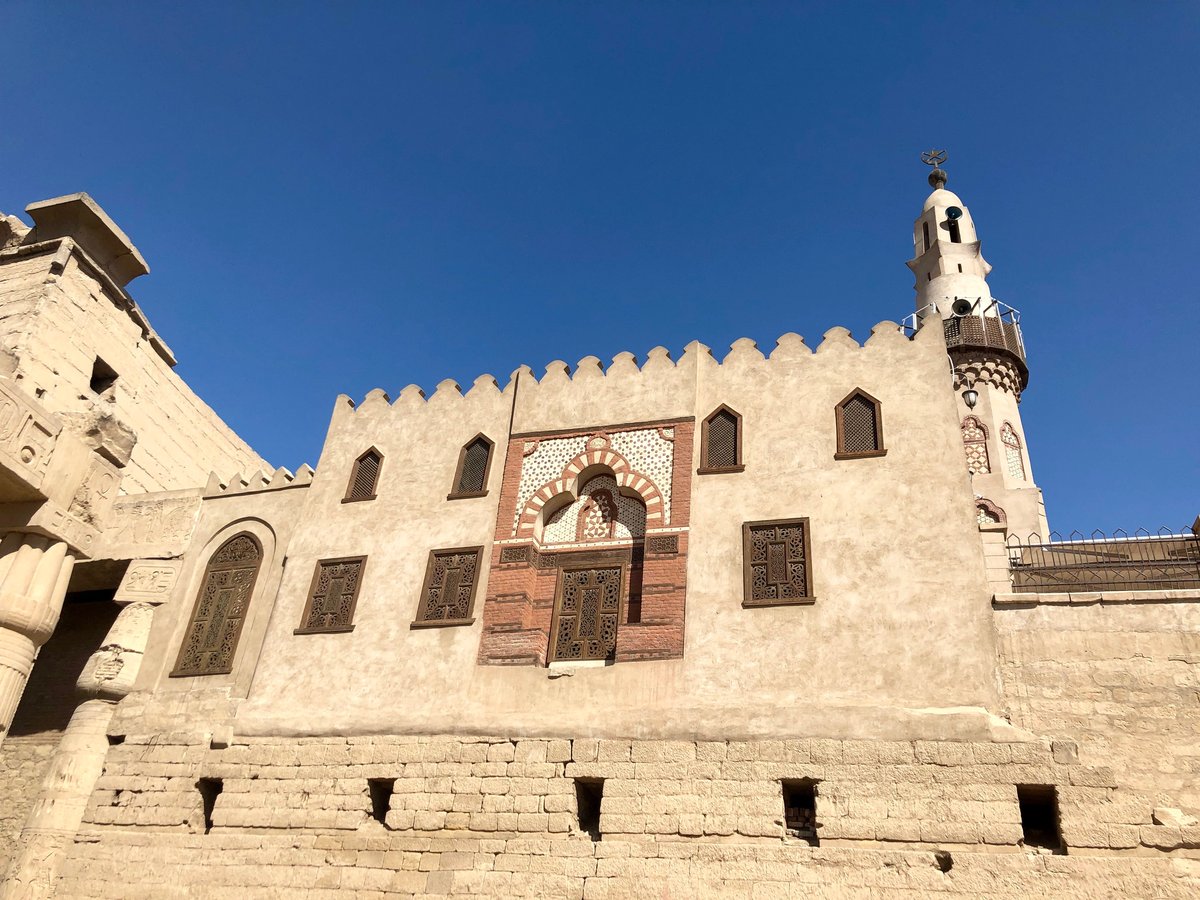
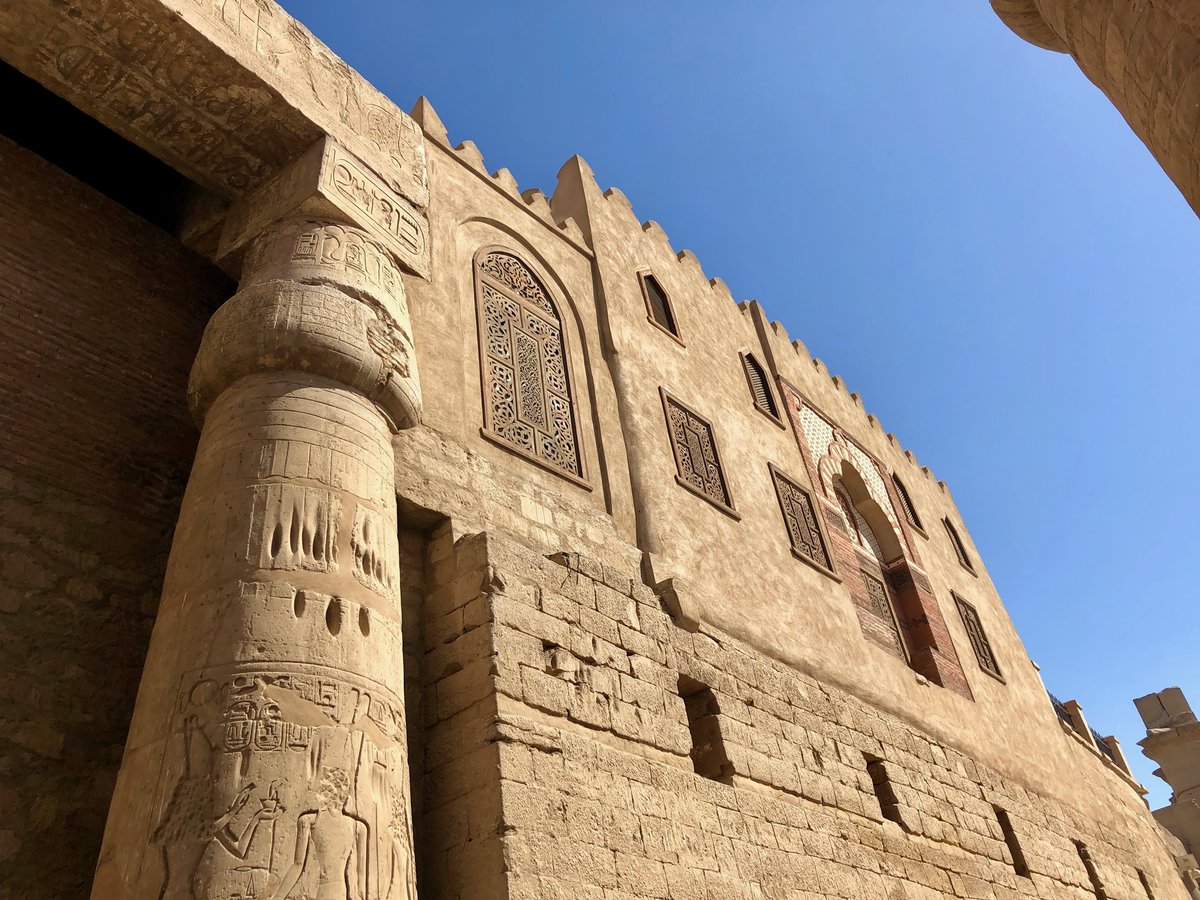
阿布哈加格清真寺是埃及一项独一无二的地标,它将埃及的法老、基督教和伊斯兰历史无缝地融合在宏伟的卢克索神庙建筑群中。作为一座活跃的宗教场所,并是埃及文明 3500 多年不断演变的宗教实践的证明,这座清真寺为游客提供了一个难得的机会,亲眼见证埃及文明的建筑和精神传承。该寺庙供奉着备受尊敬的苏菲派圣人谢赫·优素福·阿布·哈加格,至今仍是当地虔诚和朝圣的焦点,同时也邀请旅行者体验其活生生的遗产。
本综合旅行指南涵盖了您进行有意义参观所需了解的一切,包括历史背景、建筑亮点、参观时间与门票等实用信息、旅行建议、附近景点以及常见问题解答。无论您是历史爱好者、精神寻求者还是好奇的探索者,阿布哈加格清真寺都是您卢克索行程中必不可少的一站。
图片库
图览阿布哈贾格清真寺
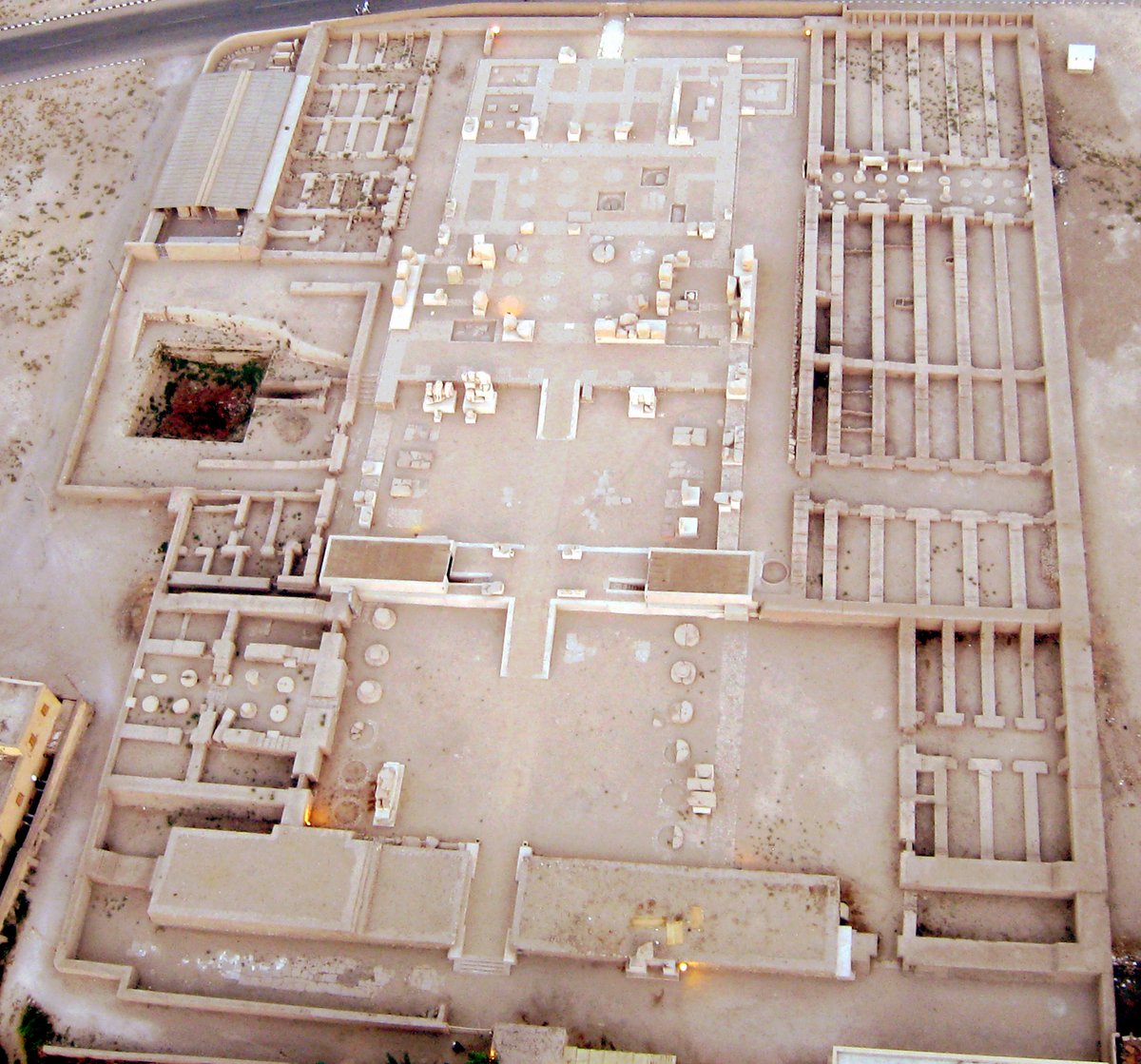
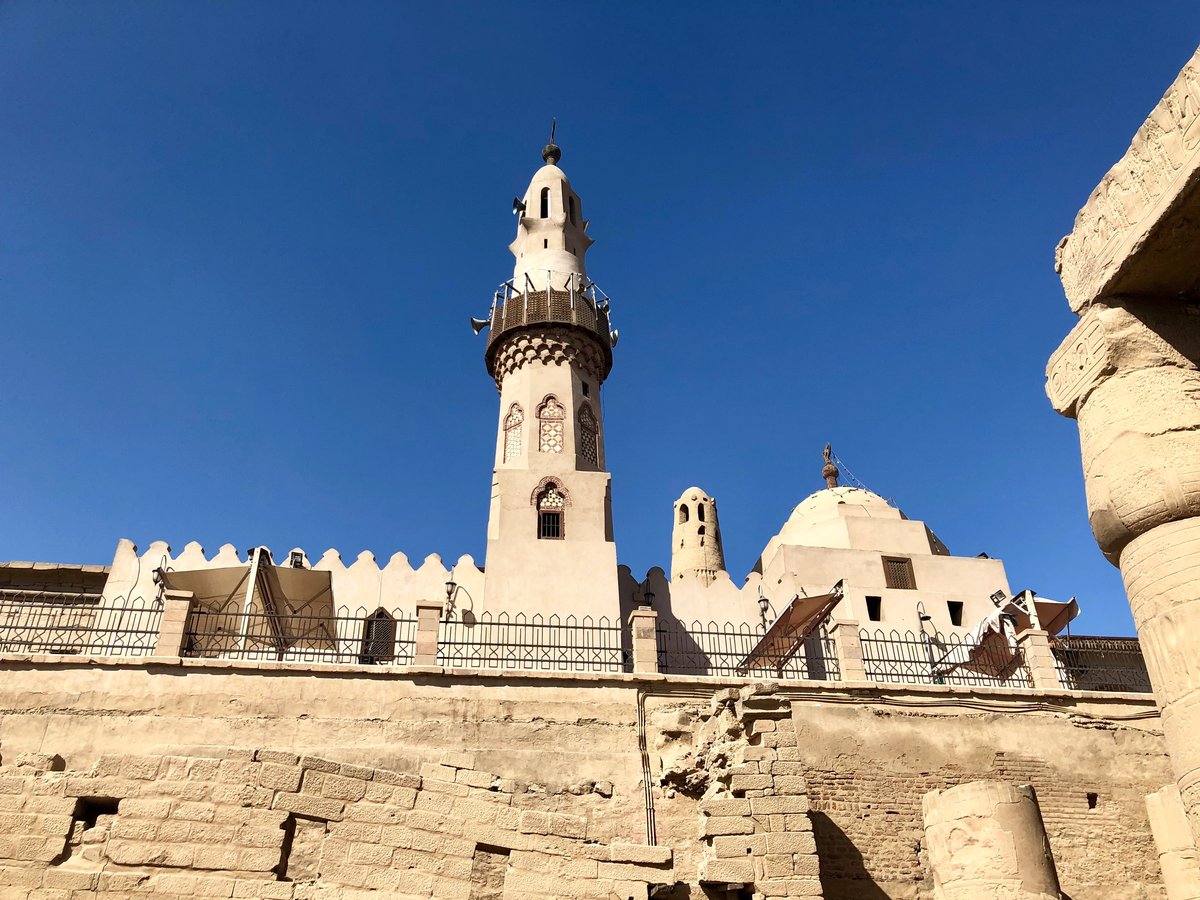
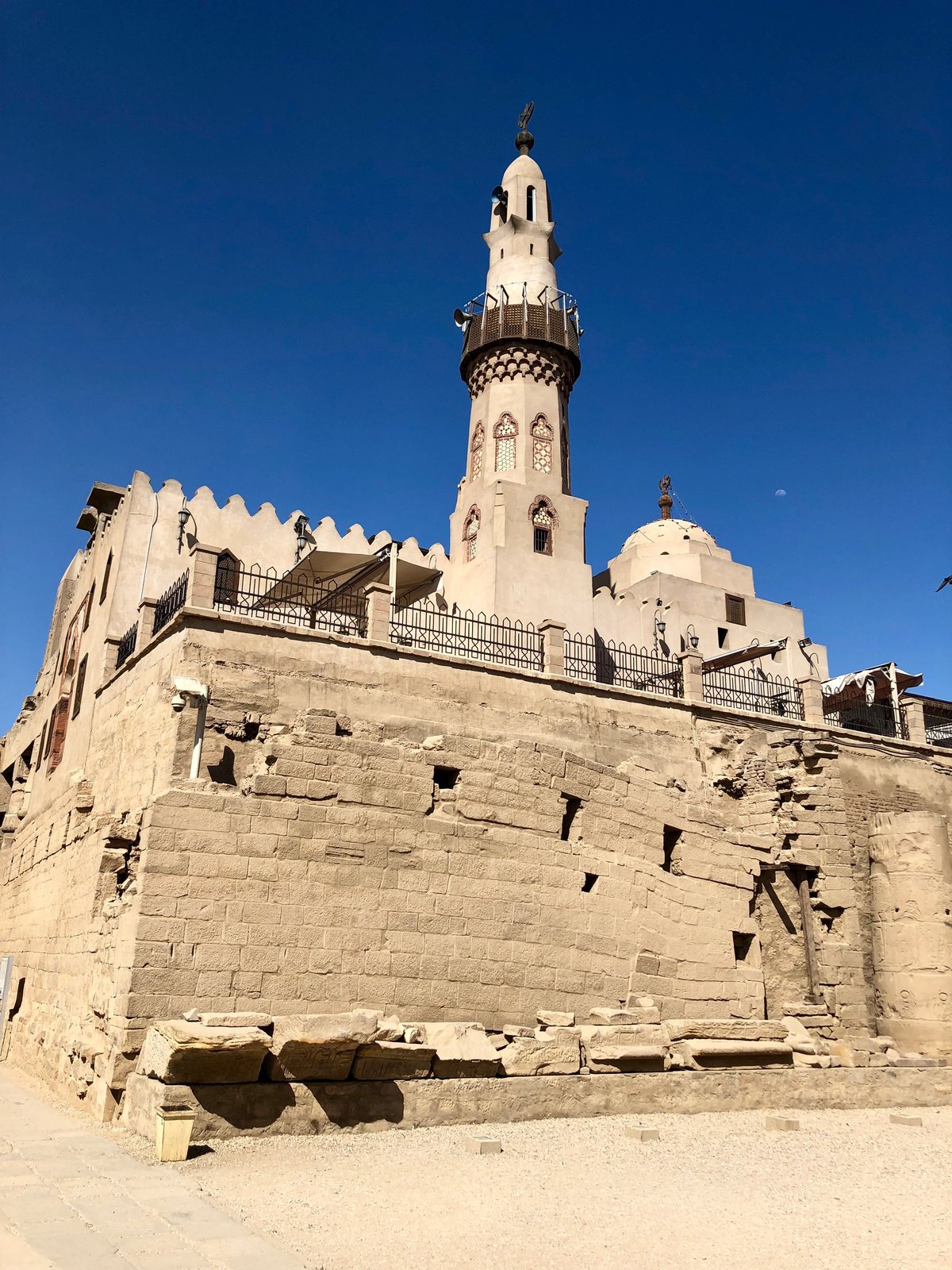
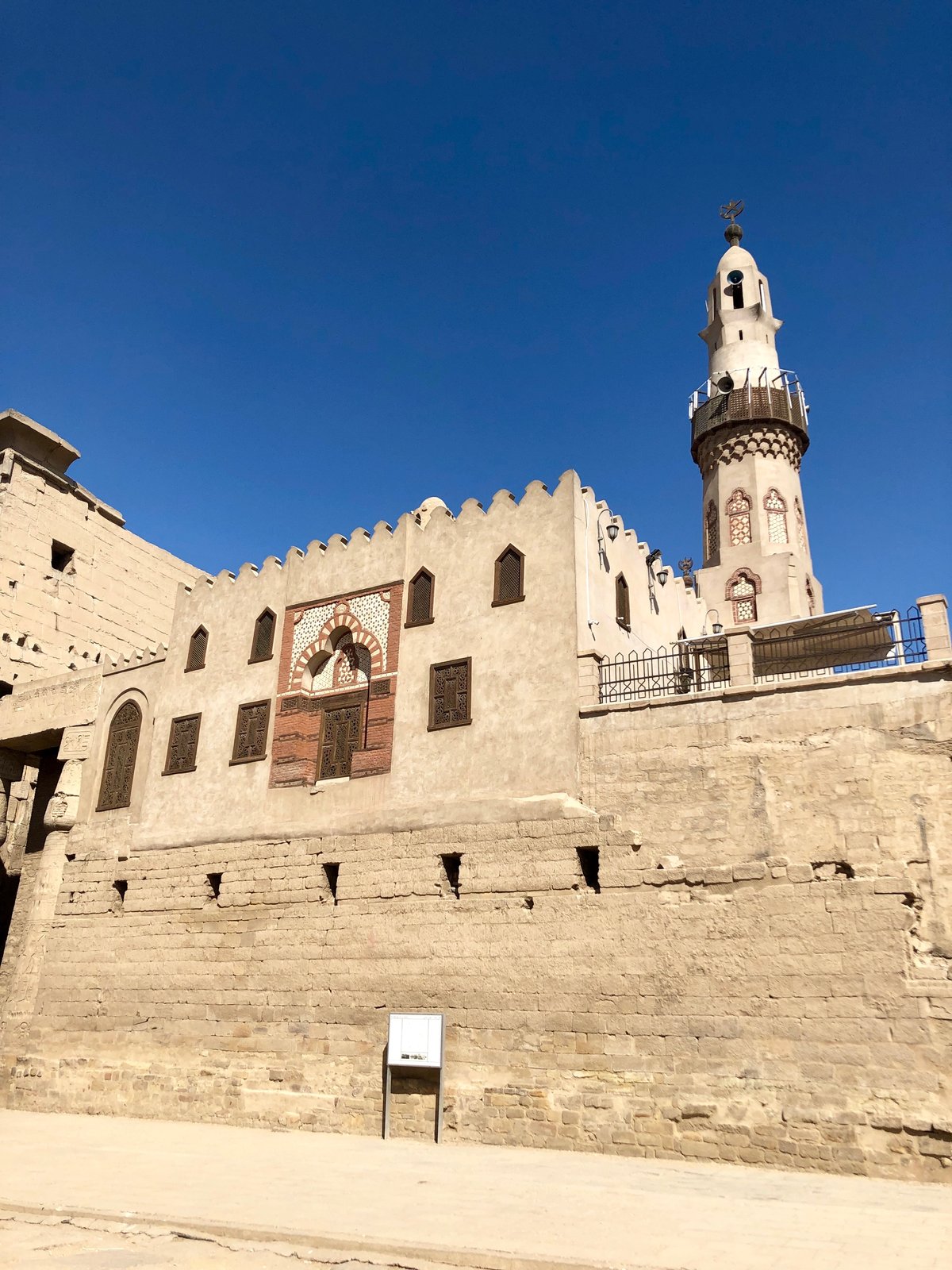
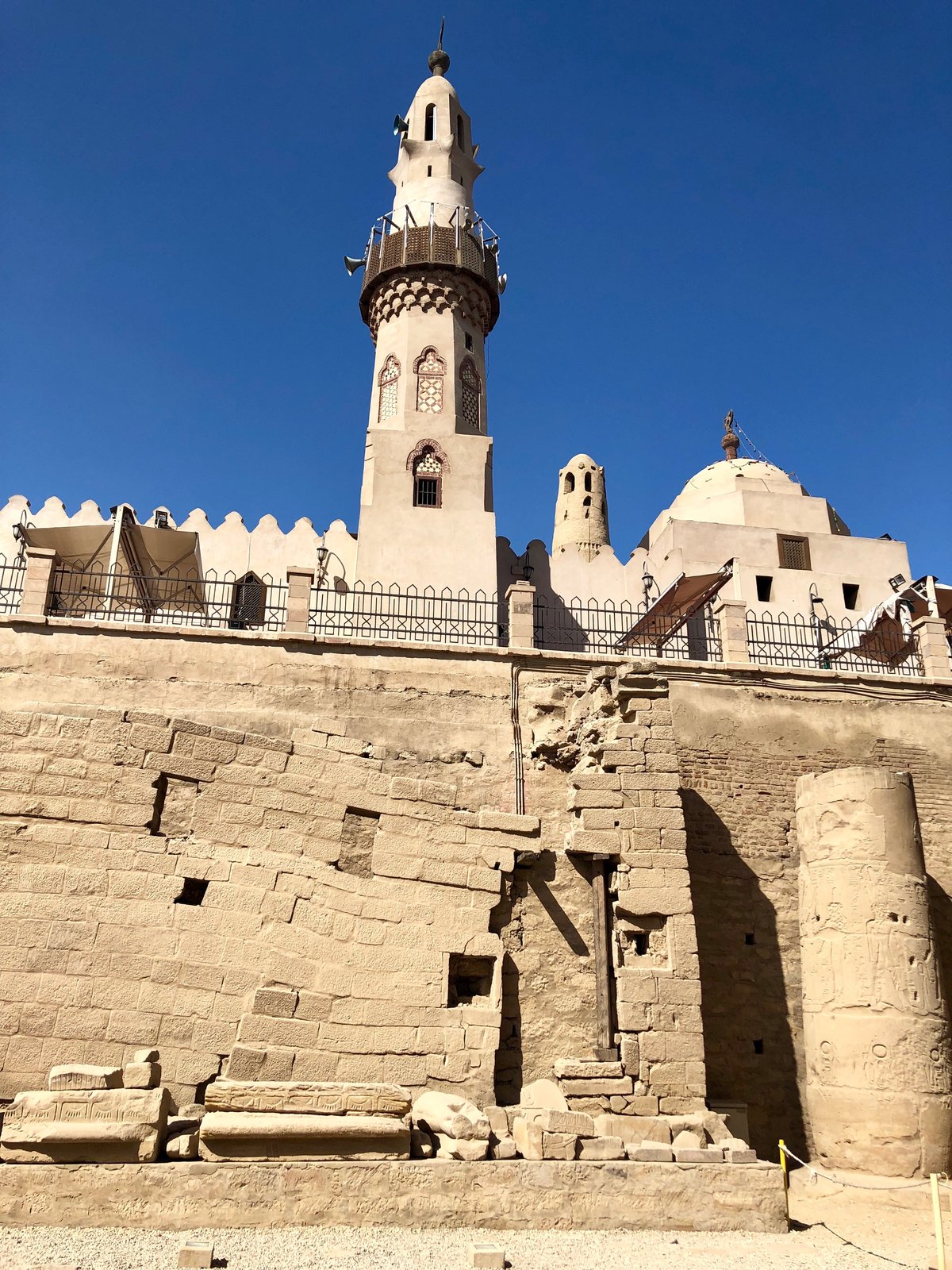
Luxor Temple, a large ancient Egyptian temple built around 1400 BC in Luxor city, features the historic Abu Haggag Mosque on its ruins. The temple was used in royal coronation ceremonies and later converted into a Roman fortress. Excavations began in the 1880s, revealing the temple’s significance an
Luxor Temple is a historic temple complex in Luxor, Egypt, originally built around 1400 BC during the reigns of Amenhotep III, Tutankhamun, and Ramses II. The temple was a major ceremonial center for royal coronations and later converted into a Roman fortress. The Abu Haggag Mosque, constructed in t
View of Luxor Temple in Luxor, Egypt featuring the historic Abu Haggag Mosque built atop the ancient temple ruins. The temple dates back to 1400 BC and was a significant ceremonial site for Ancient Egyptian kings. The mosque was constructed in the 1200s AD, highlighting the fusion of ancient Egyptia
Luxor Temple, an ancient Egyptian ceremonial site in Luxor city featuring the Abu Haggag Mosque built atop its ruins. Constructed around 1400 BC during the reigns of Amenhotep III and Ramses II, it served coronation rituals and later Roman and Islamic uses.
Image of Luxor Temple, an ancient Egyptian temple complex in Luxor city, originally built around 1400 BC for royal ceremonies and coronations, later converted to a Roman fortress and a Coptic Church, then partially covered by Islamic settlement including the Abu Haggag Mosque built in the 1200s AD.
Luxor Temple in central Luxor, Egypt, originally built around 1400 BC during the reigns of Amenhotep III to Alexander the Great, served as a ceremonial coronation site for Egyptian kings. Later converted to Roman fortress and then an Islamic settlement, featuring the historic Abu Haggag Mosque from
Luxor Temple located in the city of Luxor, Egypt is an ancient temple built around 1400 BC during the reigns of Amenhotep III, Tutankhamun, Ramses II, and Alexander the Great, serving ceremonial purposes in the coronation of Egyptian kings. The temple complex includes the Abu Haggag Mosque from the
Photograph of the Luxor Temple, a historically significant ancient Egyptian temple complex constructed around 1400 BC, located in the city of Luxor. The site features the Abu Haggag Mosque built atop part of the temple ruins, showcasing the blend of ancient Egyptian and Islamic architecture.
Image of Luxor Temple, an ancient Egyptian temple complex constructed around 1400 BC, featuring the Abu Haggag Mosque built atop the ruins. The temple is situated in the city of Luxor (ancient Waset or Thebes) and served as a major ceremonial site for the rejuvenation of kingship. The image showcase
Luxor Temple, an ancient Egyptian temple complex built around 1400 BC, located in the city of Luxor (ancient Waset), featuring the historic Abu Haggag Mosque constructed in the 1200s AD atop part of the temple ruins.
Luxor Temple in Luxor, Egypt, constructed around 1400 BC during Ancient Egyptian Middle and New Kingdoms. Ceremonial site for royal rejuvenation and coronations. Converted to Roman fortress and later integrated with Islamic settlement, featuring Abu Haggag Mosque built in the 1200s AD atop the templ
Luxor Temple, an ancient Egyptian temple complex constructed around 1400 BC, located in Luxor, Egypt. The site includes the historically important Abu Haggag Mosque, built in the 1200s AD atop part of the temple ruins. The temple was used for coronation ceremonies of Egyptian rulers and later served
历史背景
古代地基:卢克索神庙的圣地传承
阿布哈加格清真寺的起源深植于古老的卢克索神庙,该神庙由埃及法老阿蒙霍特普三世于公元前 14 世纪统治时期建造。这座神庙供奉底比斯三神——阿蒙、穆特和孔苏,是 Opet 节的中心,这是一个庆祝更新和神圣王权的盛大游行(Scene Traveller)。拉美西斯二世后来的扩建增加了宏伟的雕像和柱子,其中许多至今仍保留在原地。
罗马和基督教时期的改造
在其法老时代之后,卢克索神庙在罗马统治下经历了改造,成为一个设防的帝国圣地。在晚期,神庙的一部分被改建为基督教大教堂,至今仍可见一些科普特壁画的遗迹,反映了该遗址历经数个世纪的宗教重要性(Egyptian Streets)。
伊斯兰教的到来与阿布哈加格清真寺的诞生
随着伊斯兰教的征服,卢克索的圣地景观再次被重塑。在公元 13 世纪,阿布哈加格清真寺在古神庙遗址上建造,以纪念苏菲派圣人谢赫·优素福·阿布·哈加格——据信他是先知穆罕默德的后裔。清真寺的建立体现了早期圣地的适应性,用于新的宗教目的,这是埃及历史上常见的做法(ISAC, University of Chicago)。
建筑融合与独特特色
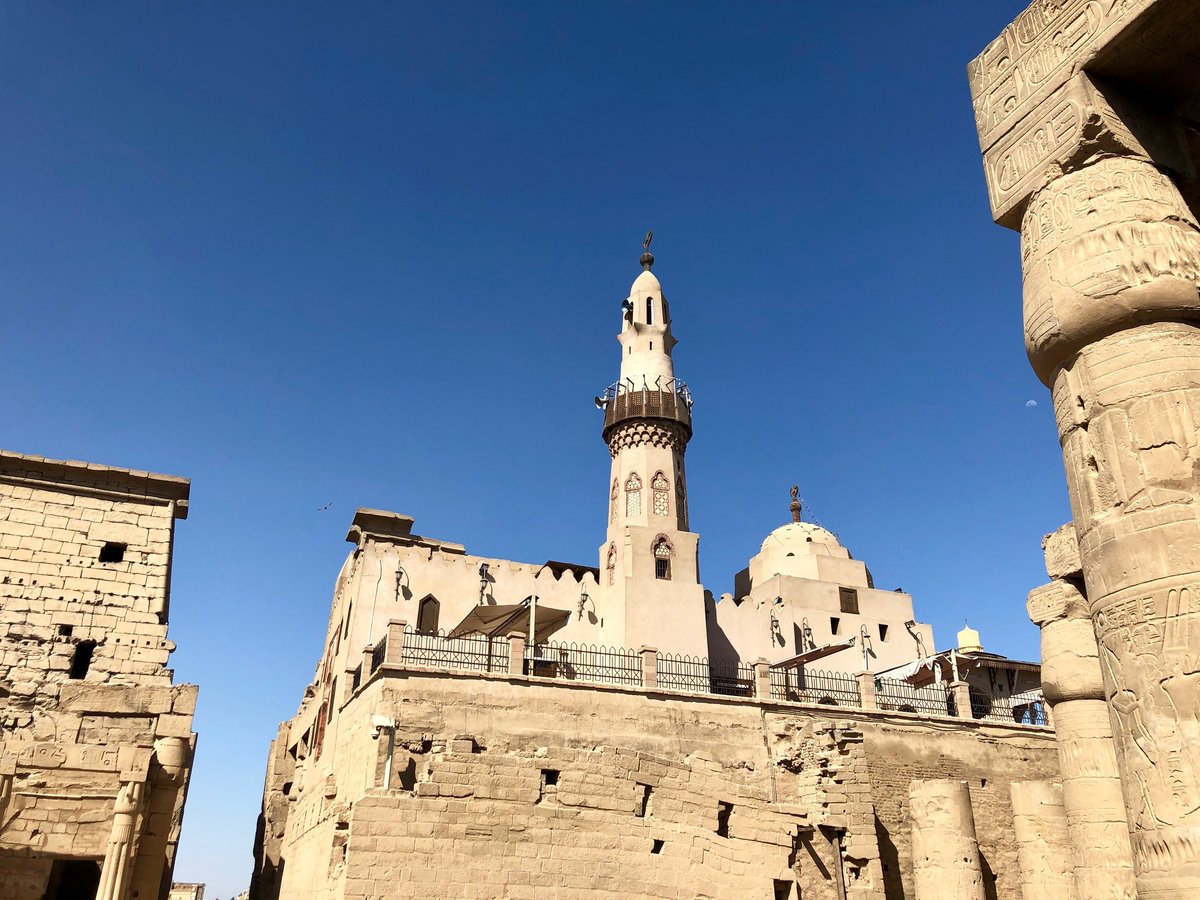
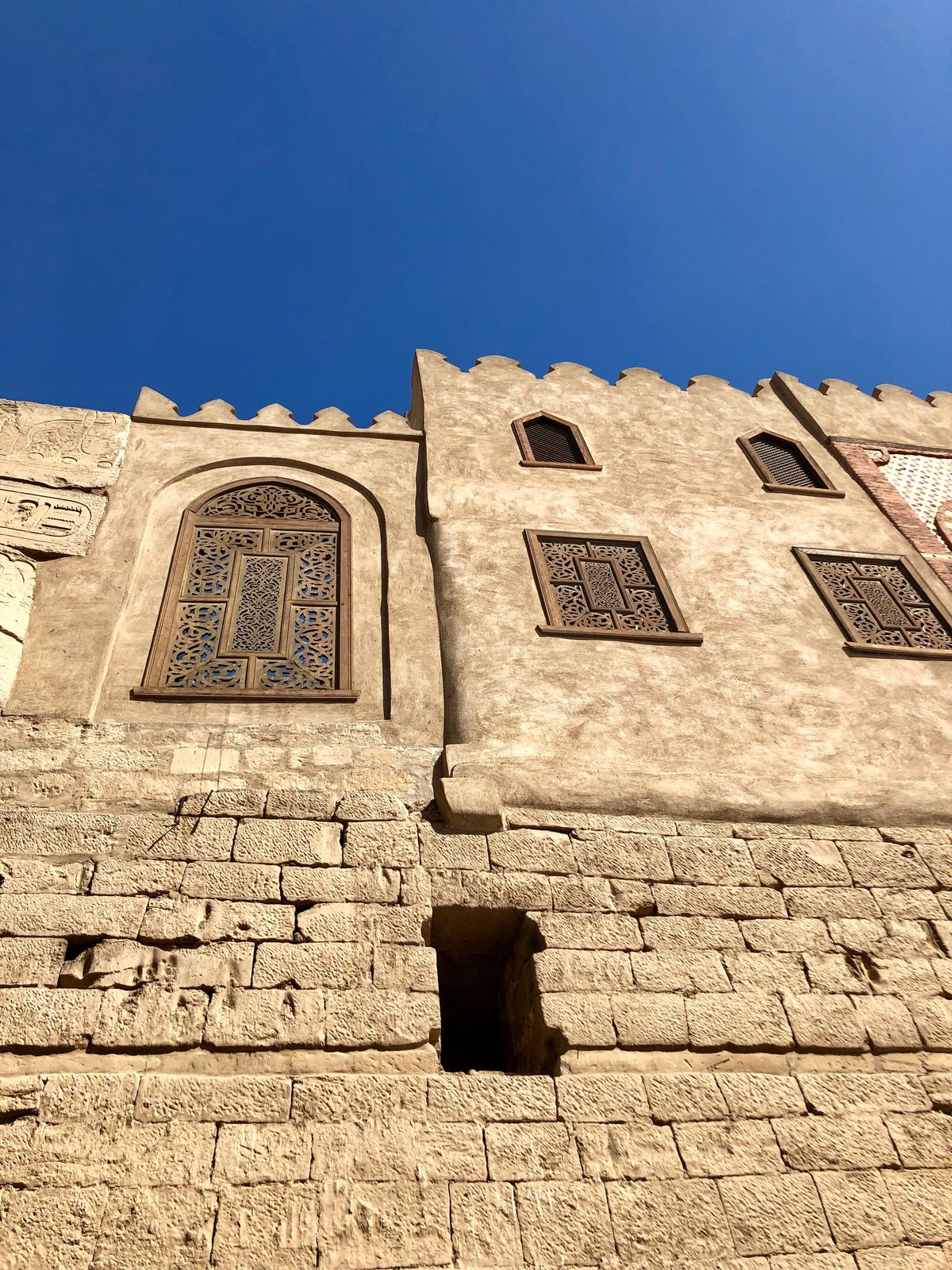
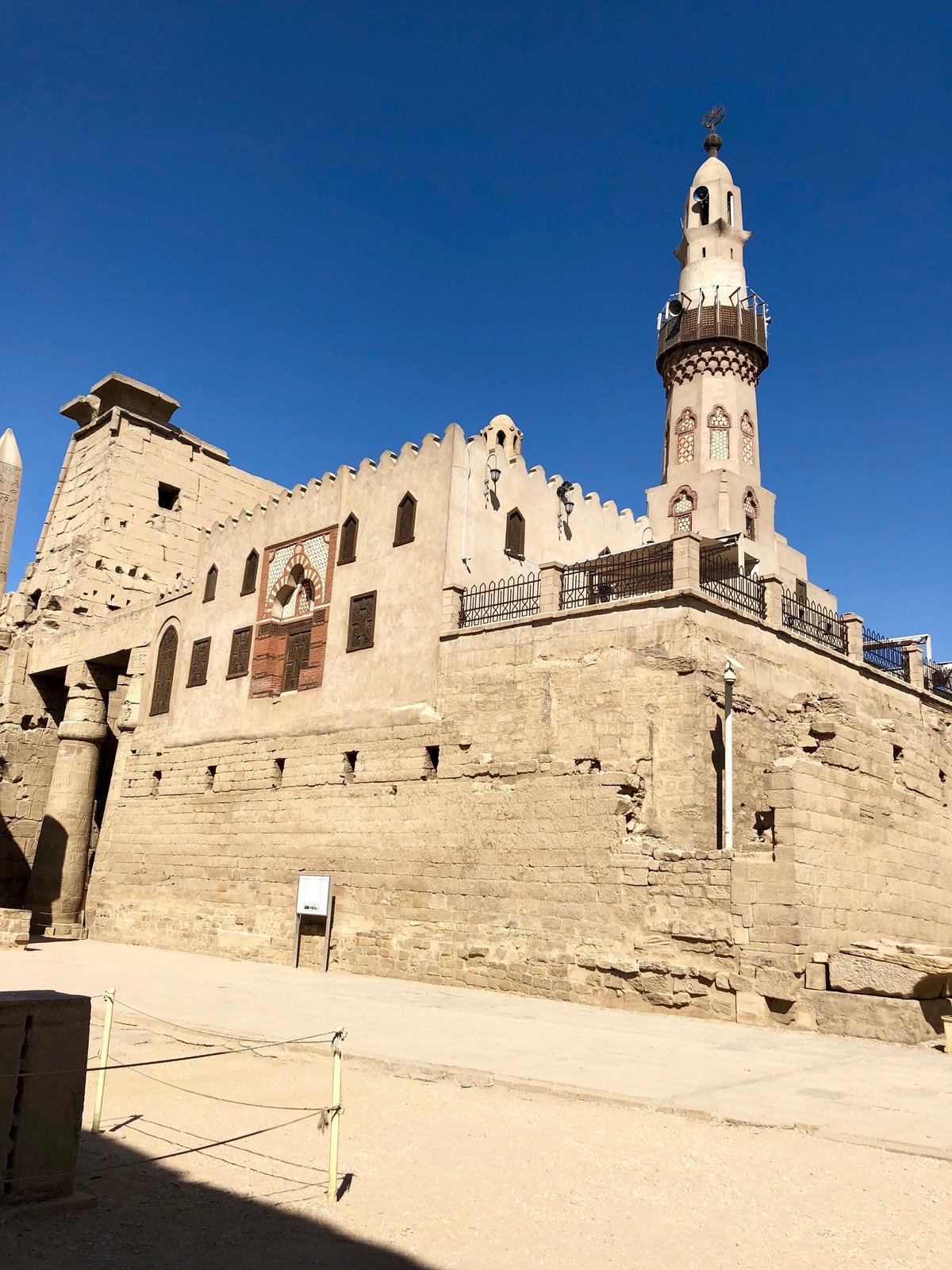
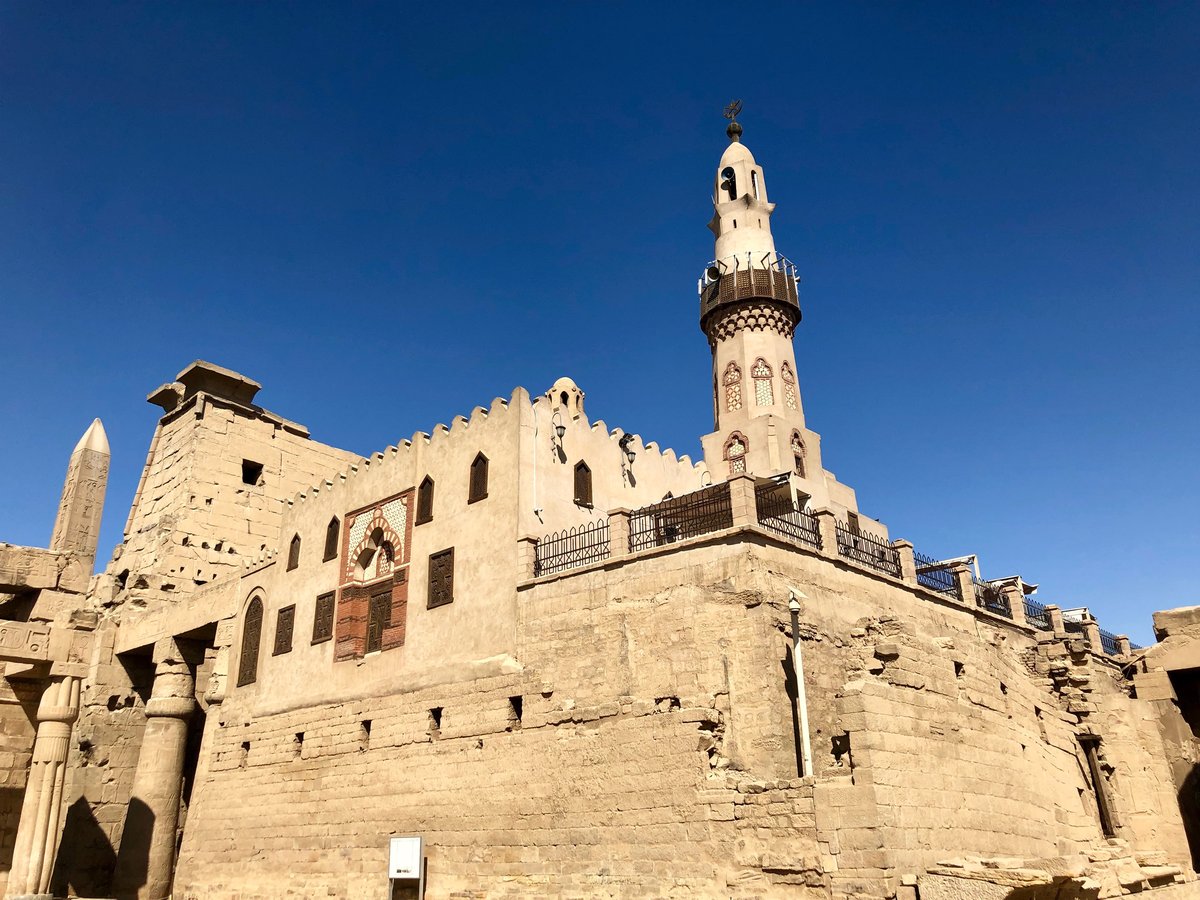
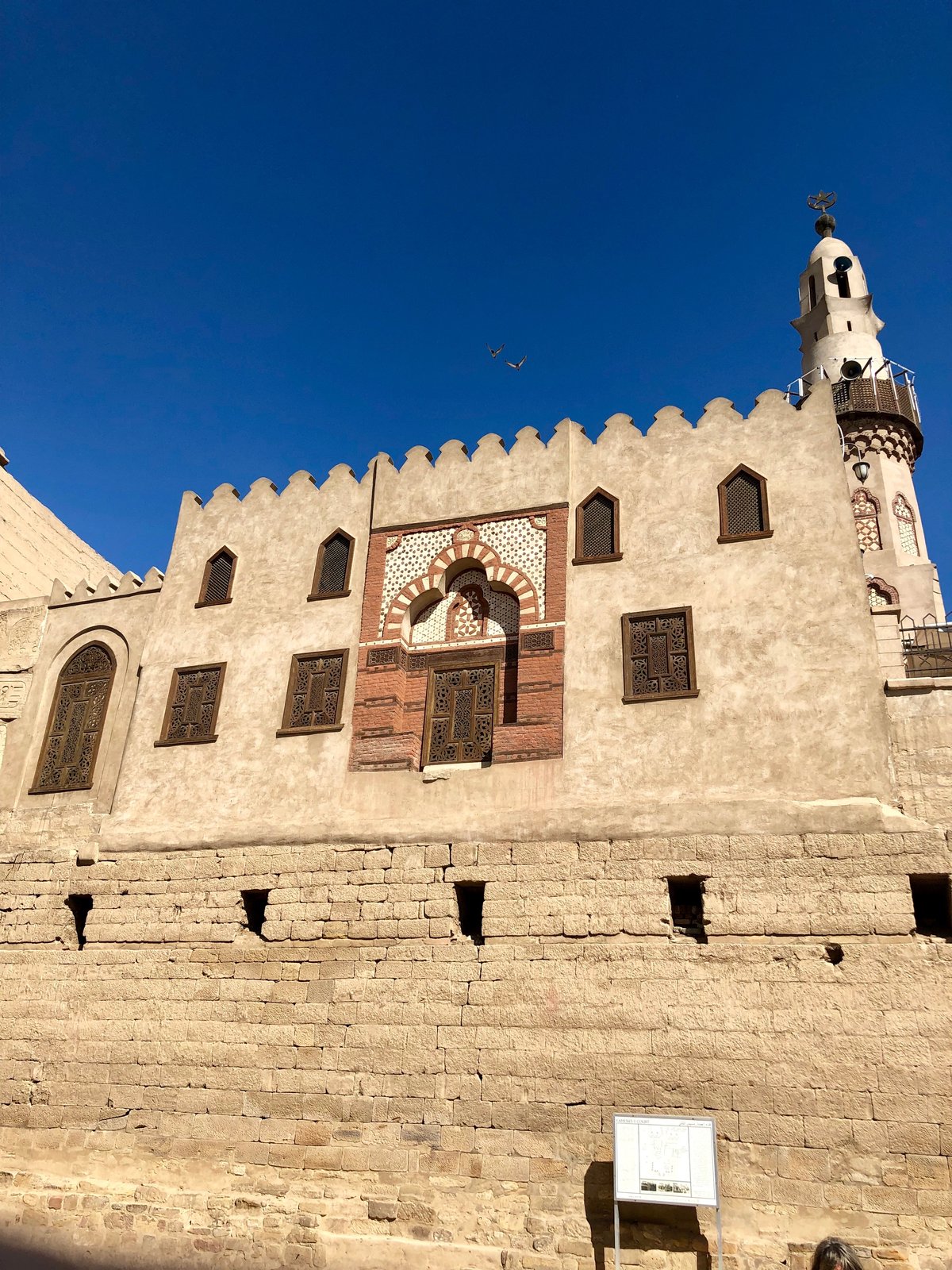
阿布哈加格清真寺的建筑是不同风格和时代的卓越融合。其土坯结构、尖拱和宣礼塔无疑是伊斯兰风格的,但这些元素实际上是建在刻有象形文字的法老柱子和墙壁之上并与之融合的。清真寺的高耸位置,是由于几个世纪以来尼罗河淤泥的积累造成的,这意味着游客进入时会比原始神庙地面高出几米,从古代进入现代(Cairo Top Tours)。
清真寺内部,18 根保留有象形文字的柱子支撑着祈祷大厅,而高达 40 多米的宣礼塔则带有马穆鲁克、阿拔斯和法蒂玛王朝时期的影响。清真寺的米哈拉布(壁龛)和敏拜尔(讲坛)虽然简单但意义深远,反映了苏菲派传统的精神焦点。修复工作精心保存了伊斯兰和古埃及的特色,使清真寺成为一座活着的博物馆和一个工作的圣地(ETB Tours Egypt; Her Asian Adventures)。
参观阿布哈加格清真寺:时间、门票与须知
参观时间
- 一般开放时间: 每日上午 8:00 至下午 5:00
- 关闭时间: 主要伊斯兰节日期间关闭,有时在圣灵节期间也可能关闭。
- 注意: 祈祷时间(尤其是在周五和宗教庆祝活动期间)可能限制进入。请随时与当地联系或咨询您的导游以获取最新信息。
门票与入场费
- 门票要求: 进入阿布哈加格清真寺包含在卢克索神庙的门票中。
- 价格: 外国成人约 140 埃及镑;学生、儿童和团体可能有折扣。
- 购买地点: 门票可在卢克索神庙入口处或通过官方卢克索旅游局网站购买。
访客须知
- 着装要求: 需要穿着得体。应遮盖肩膀、手臂和膝盖。女性进入清真寺内应携带头巾。
- 鞋子: 进入祈祷区域前请脱鞋;提供鞋架。
- 摄影: 除非另有说明,否则在大多数区域允许拍照。在拍摄礼拜者或宗教活动前,务必征求同意。
- 礼仪: 尊重祈祷时间,避免打扰服务。保持安静并遵守当地习俗。
- 无障碍设施: 清真寺通过楼梯和古老的石质地面进入,对于行动不便者可能会有挑战。
参观阿布哈加格清真寺及卢克索历史遗迹的旅行贴士
- 最佳参观时间: 清晨和傍晚气温较低,光线柔和,适合摄影,且游客较少。
- 导游服务: 强烈推荐参加导游服务,以了解历史背景和不易察觉的特色。许多卢克索神庙的行程都包含这座清真寺;也提供语音导览。
- 节日活动: 阿布哈加格圣灵节是一个充满活力的年度盛会,有游行和庆祝活动;在此期间,游客可能会遇到高密度人群和进入限制。
- 必备物品: 舒适的鞋子、防晒用品、饮用水和头巾或披肩。
- 语言: 当地主要使用阿拉伯语,但英语在导游和工作人员中普遍被理解。
卢克索附近的景点
- 卡纳克神庙: 埃及最大的古代宗教建筑群,位于北部不远处。
- 卢克索博物馆: 收藏卢克索神庙及附近遗址的出土文物。
- 帝王谷: 著名的皇家墓地,位于西岸,是必看景点。
- 尼罗河滨河大道: 提供风景优美的散步路线和河景,适合观光后放松身心。
将参观阿布哈加格清真寺与这些地标结合起来,可获得全面的卢克索体验。
特别活动:圣灵节
每年,为了纪念谢赫·阿布·哈加格,都会在斋月前 15 天举办盛大的圣灵节,这是卢克索最色彩缤纷的宗教活动之一。庆祝活动包括船只游行、音乐和集体用餐,呼应了古代 Opet 节的精神。在圣灵节期间,清真寺成为全市庆祝活动的中心(Egyptian Streets)。
常见问题解答 (FAQ)
问:清真寺的参观时间是? 答:通常为每日上午 8:00 至下午 5:00,但在宗教活动期间可能会有所变动。
问:进入清真寺需要单独购票吗? 答:不需要。进入阿布哈加格清真寺包含在卢克索神庙的门票内。
问:非穆斯林可以参观清真寺吗? 答:是的,祈祷时间之外可以参观。所有访客都应着装得体并尊重当地习俗。
问:有导游服务吗? 答:是的。许多卢克索神庙的导览行程都包括参观清真寺;也提供语音导览。
问:可以拍照吗? 答:大多数区域可以拍照。在拍摄人物或宗教仪式前,请务必征求许可。
问:清真寺是否对残障人士开放? 答:进入清真寺涉及楼梯和不平整的石面;目前没有坡道或电梯。
在应用中收听完整故事
Audiala App
支持 iOS 和 Android
加入50,000+策展人
资料来源
- verified
- verified
- verified
- verified
- verified
- verified
- verified
- verified
最后审核: