
简介
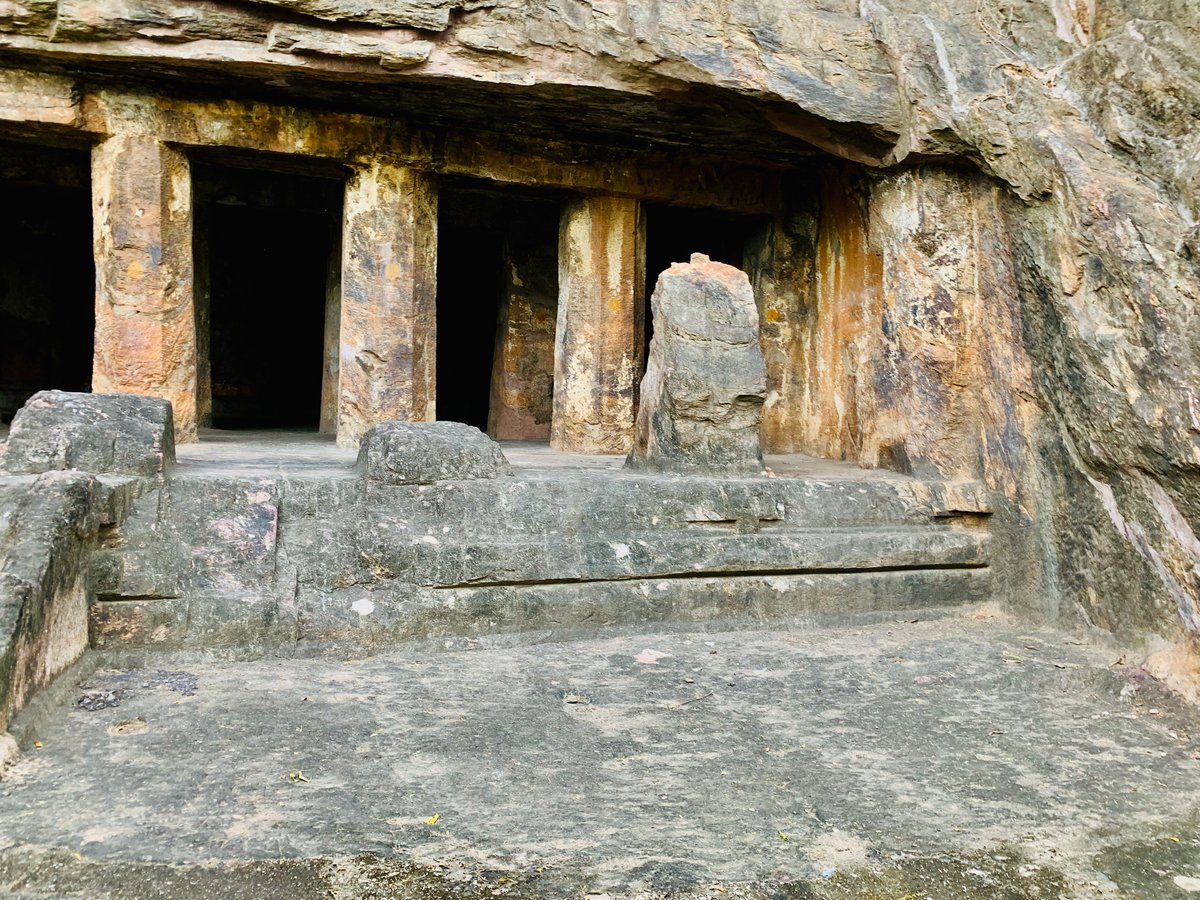
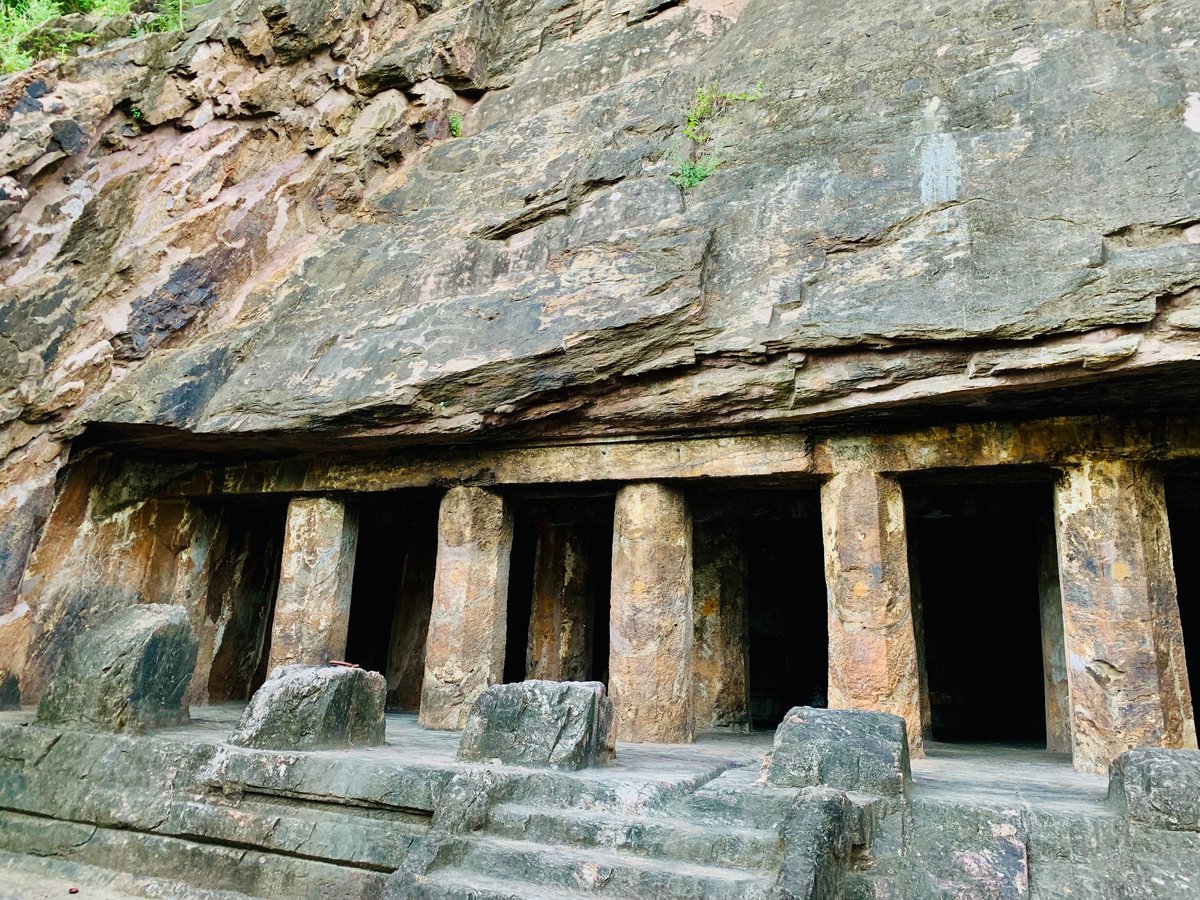
位于印度阿马拉瓦蒂历史古城的阿卡纳·马丹纳洞穴,是这一地区丰富文化和建筑遗产的卓越见证。这些古老的石窟,据说可以追溯到公元7世纪,由东卡卢基耶王朝资助建造。洞穴以戈尔康达库特布莎希王朝的杰出大臣阿卡纳和马丹纳之名命名,展示了当时的艺术和文化影响。洞穴内有复杂的雕刻、雕塑和壁画(来源)。
阿卡纳·马丹纳洞穴不仅仅是一个建筑奇迹,特别是对于印度教信徒来说,它还具有极大的宗教意义。洞穴是宗教和精神活动的中心,主洞室供奉着湿婆神,宁静和偏僻的环境为冥想和精神修行提供了理想场所。近年来,印度考古调查局(ASI)的保护工作有助于保护和保存这一历史遗址,使其成为历史爱好者、艺术爱好者和灵修者的热门目的地(来源)。
本综合指南旨在为游客提供所有必要信息,包括历史背景、建筑特色、宗教意义、开放时间、门票详情及参观阿卡纳·马丹纳洞穴的实用贴士,确保一次难忘的访问体验。
图片库
图览阿卡纳马丹纳洞穴
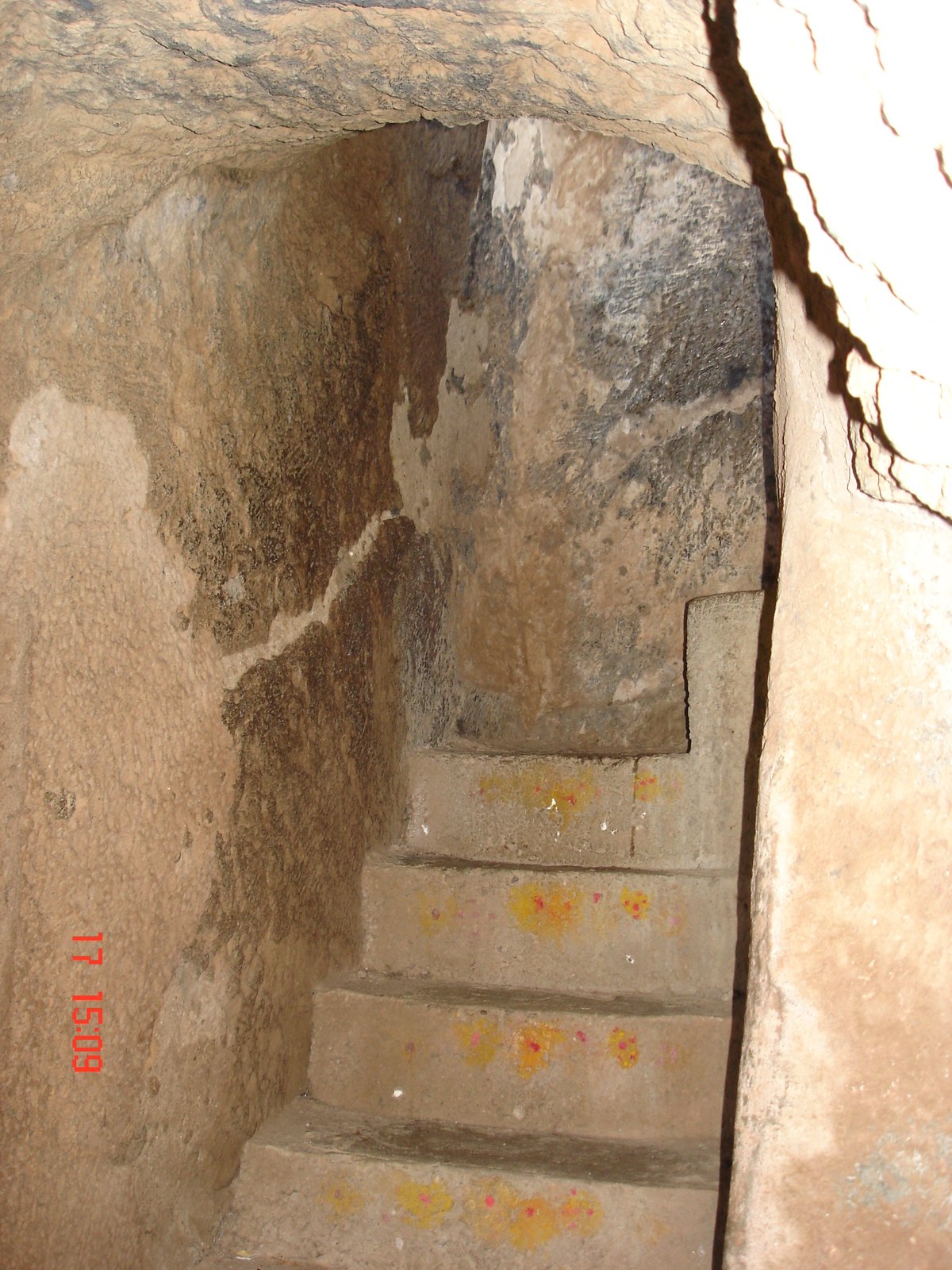
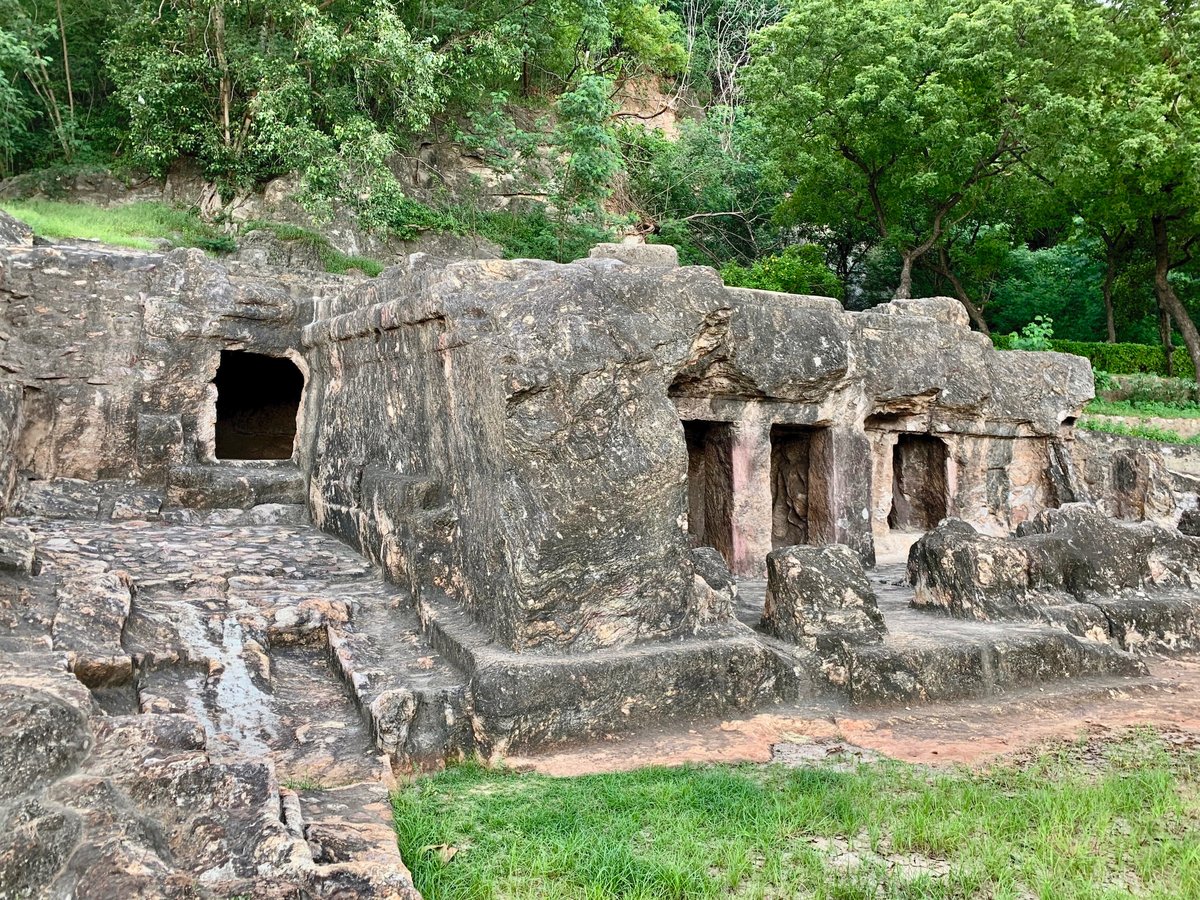
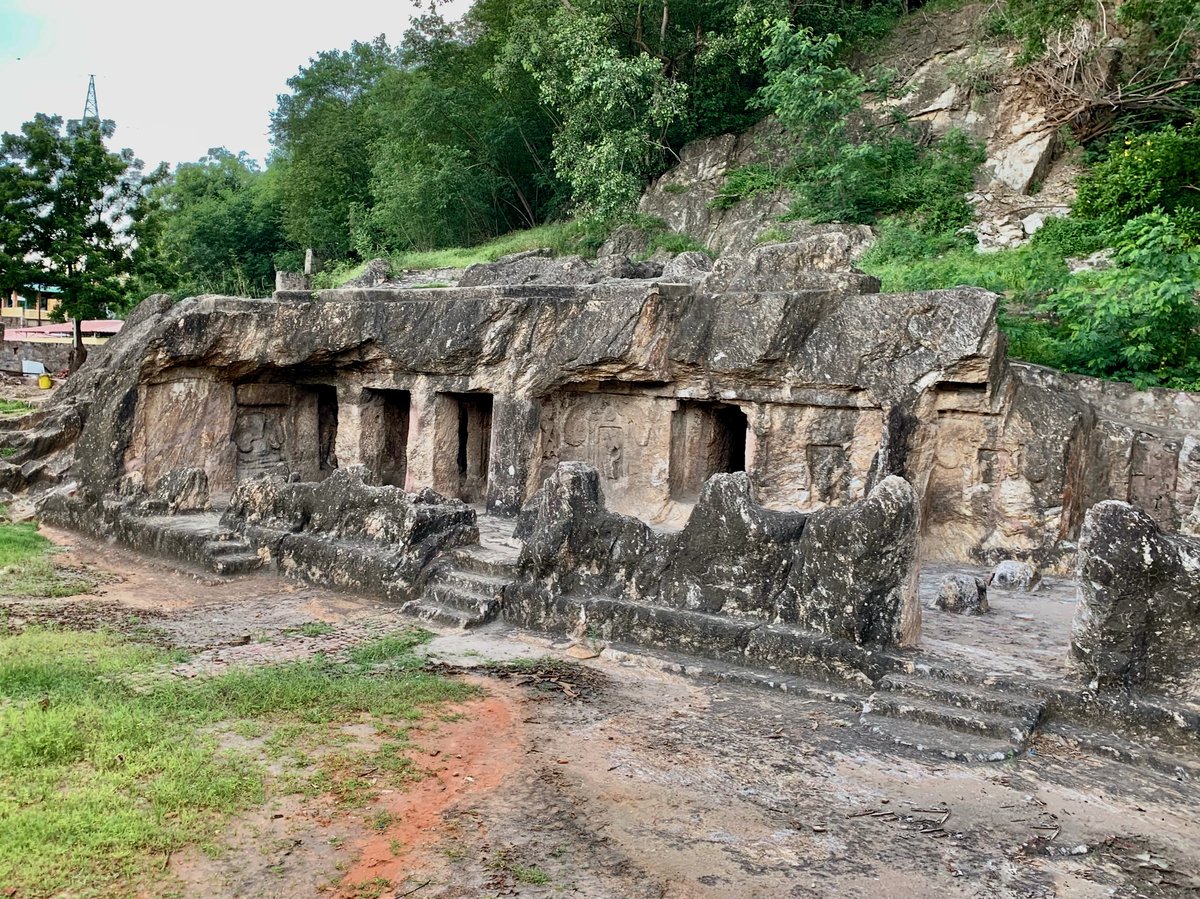
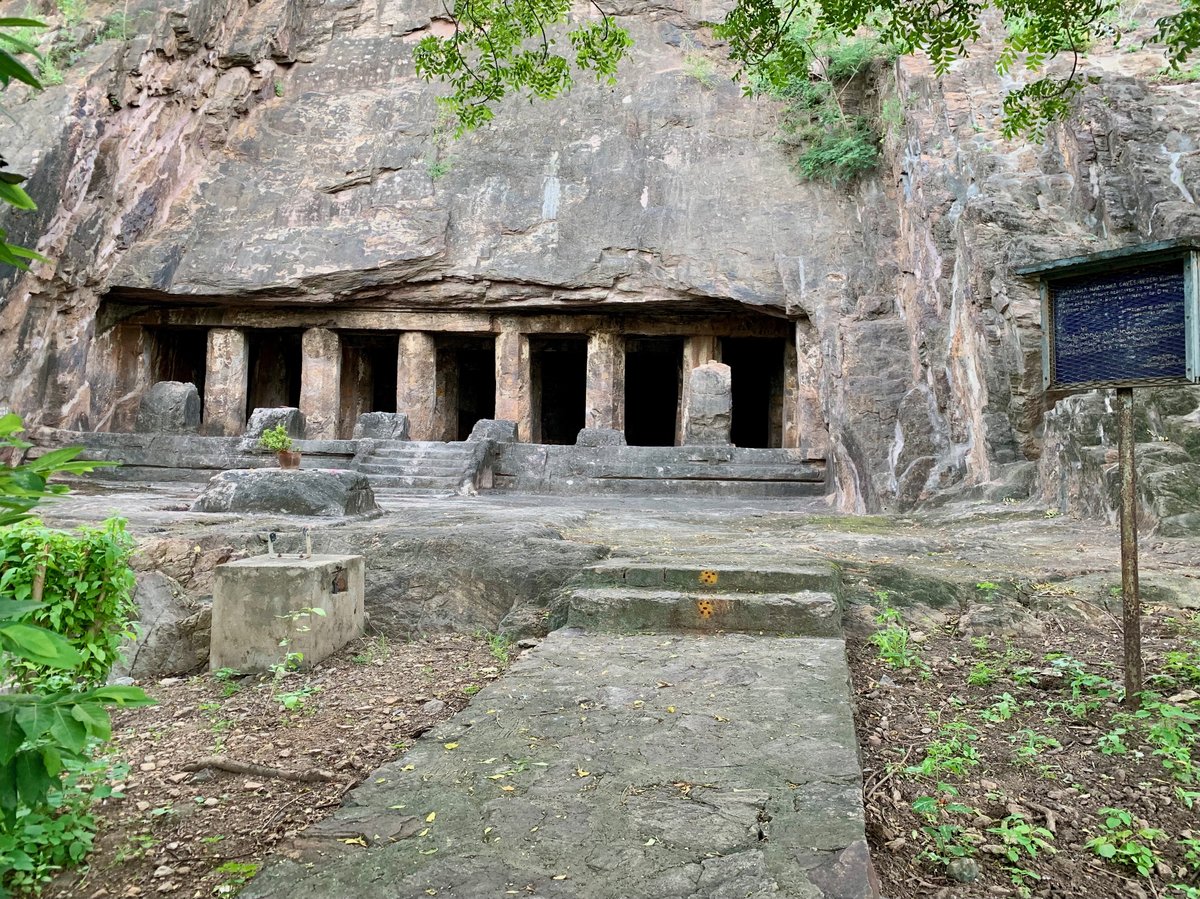
Rock-cut Hindu temple of Akkanna Madanna Lower Cave, dated to 6th-7th century CE, located at foothills by Krishna river in Vijayawada, Andhra Pradesh. Largest surviving Shaivism cave monument in city with historic artwork including Ganesha and Shaiva dvarapalas.
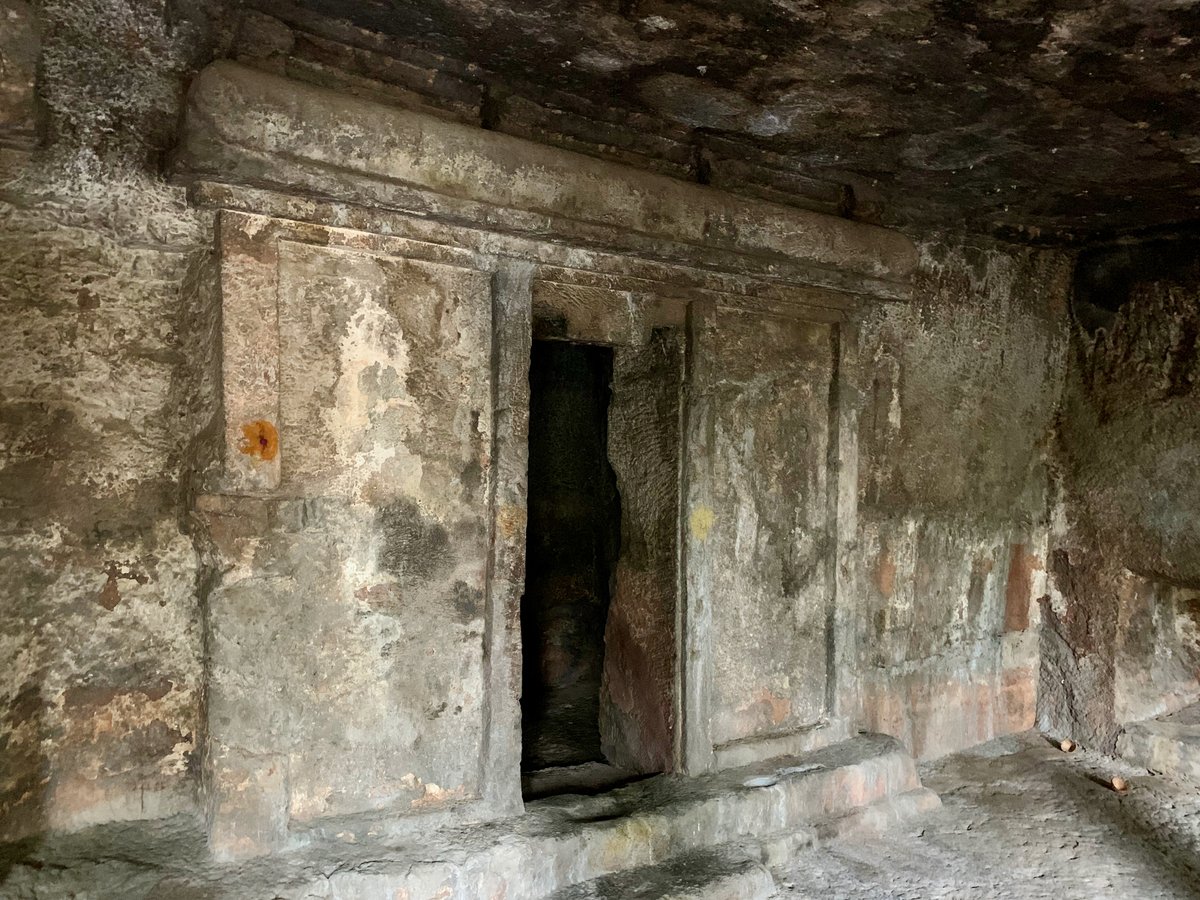
View of the 7th-century Akkanna Madanna Lower Cave, a rock-cut Hindu temple at Vijayawada, Andhra Pradesh near the Krishna river. The cave features Shaiva reliefs of Ganesha and dvarapalas with some Shaktism and Vaishnavism themes. The site shows signs of deliberate historic damage and mutilation of
Historic 7th-century rock-cut Hindu cave temples known as Akkanna Madanna caves in Vijayawada, Andhra Pradesh. Ancient Shaivism temples with reliefs of Ganesha and Shaiva dvarapalas, located at the foothills near Krishna river and Durga temple. These caves have significant historical importance dati
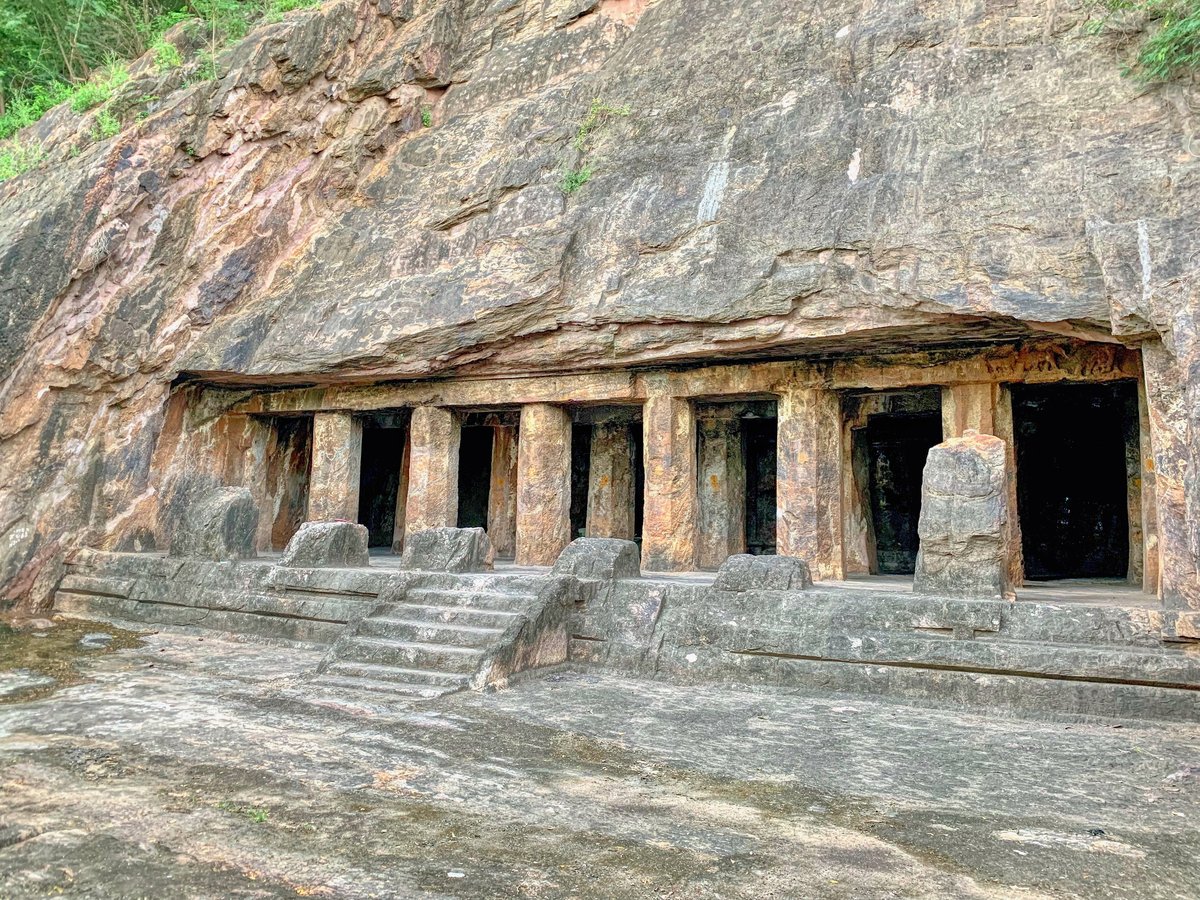
Akkanna Madanna caves, 7th-century rock-cut Hindu temples in Vijayawada, Andhra Pradesh near Krishna river, dedicated to Shaivism with artwork also depicting Shaktism and Vaishnavism themes. These historic cave monuments, named after 17th-century ministers, show signs of damage and nearby ruins.
Ancient 7th-century rock-cut Hindu cave temples known as Akkanna Madanna caves located at the foothills of a Durga temple in Vijayawada, Andhra Pradesh, showing Shaiva, Shaktism and Vaishnavism themes with reliefs of Ganesha and Shaiva dvarapalas.
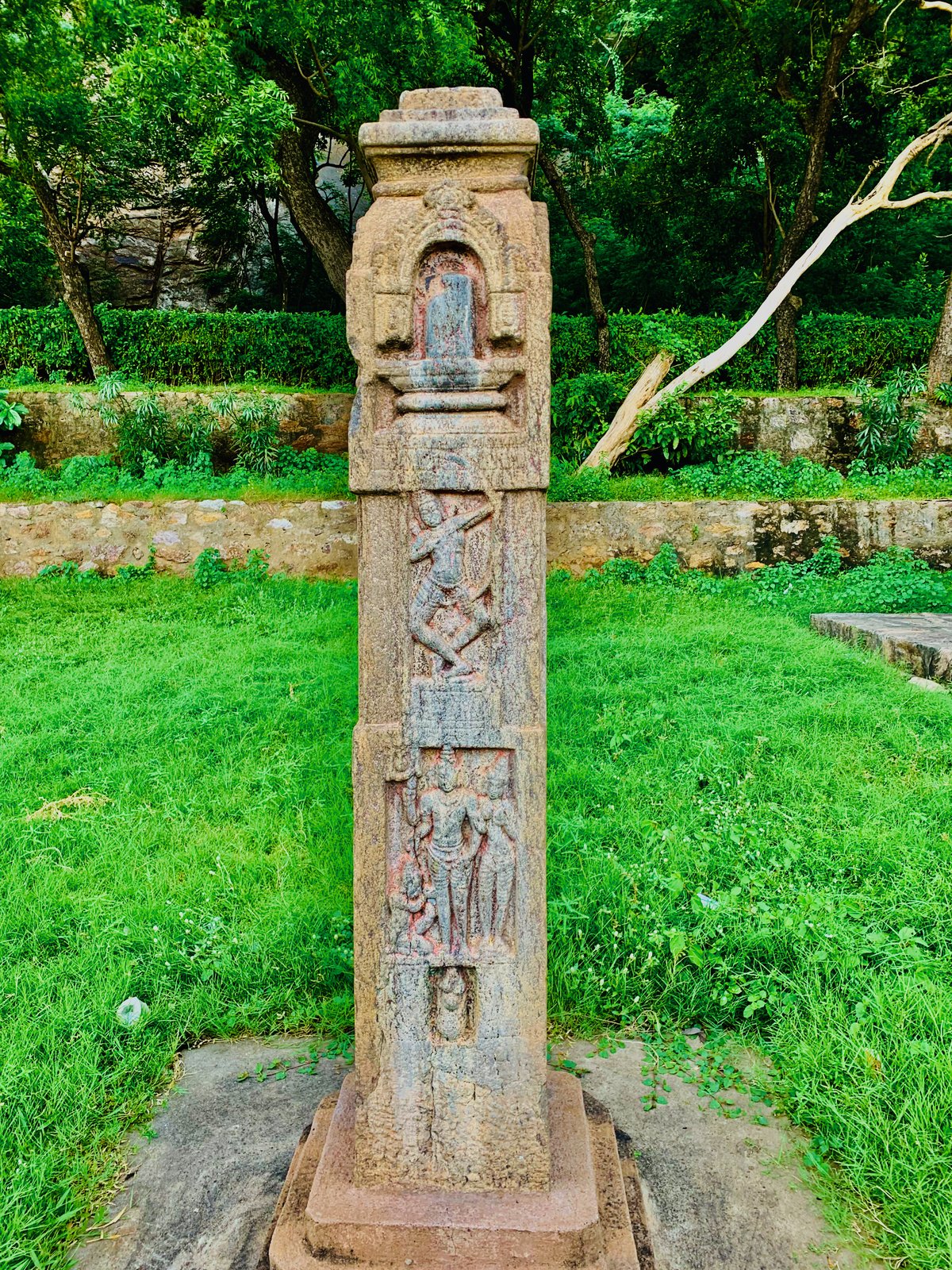
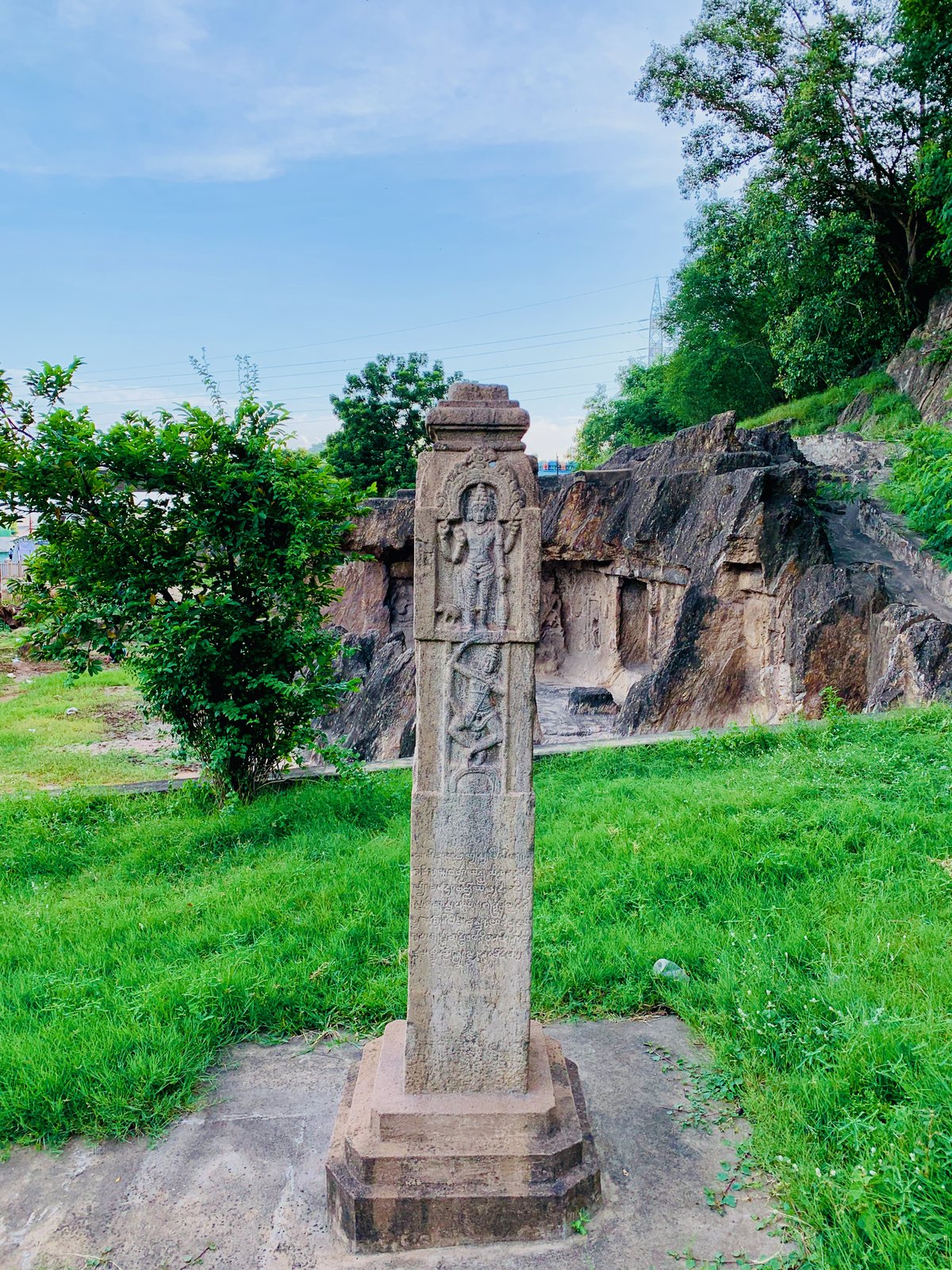
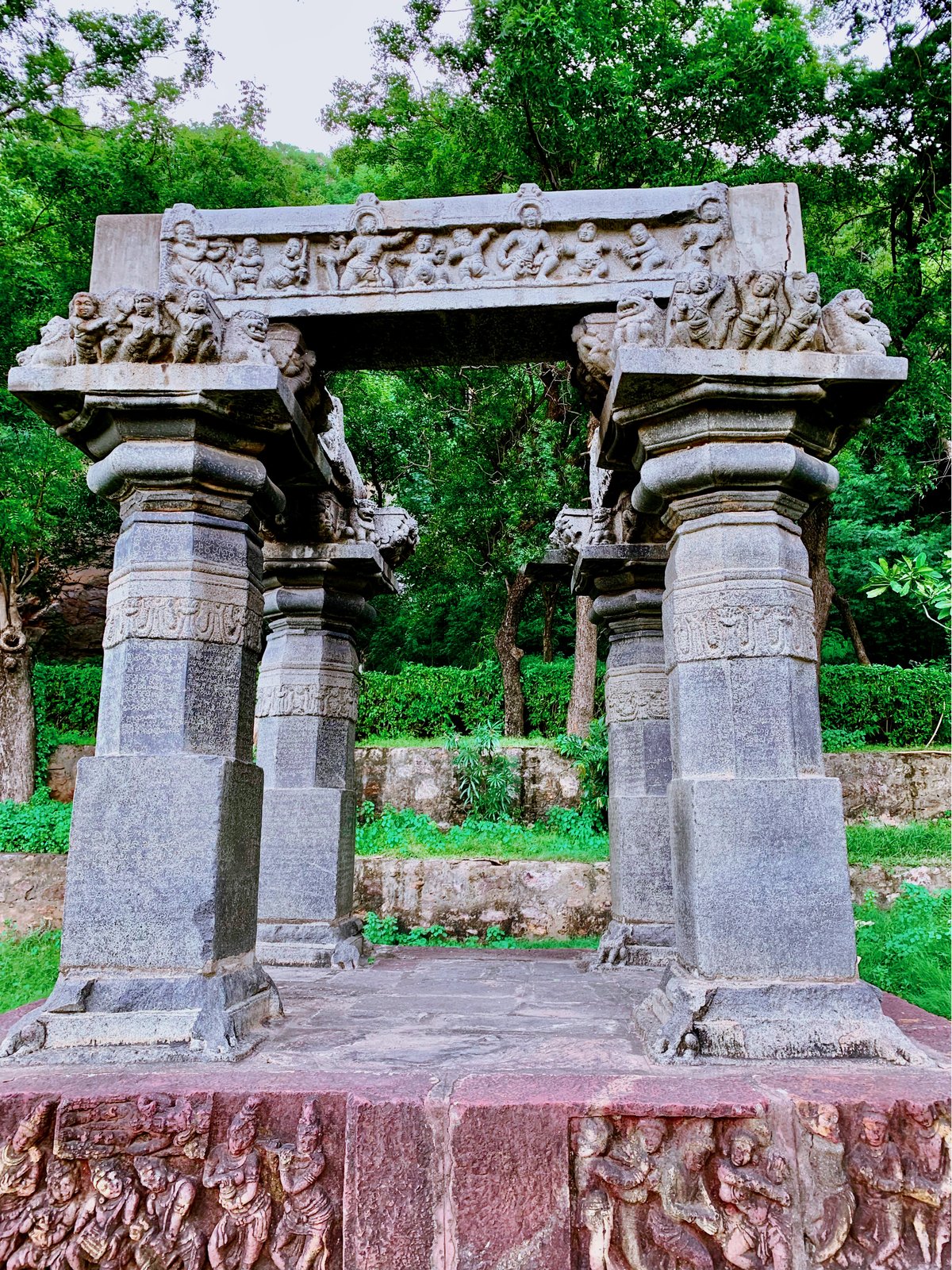
Photograph of the 7th-century Akkanna Madanna rock-cut Hindu cave temples located in Vijayawada, Andhra Pradesh, featuring Shaivism themed reliefs including Ganesha and dvarapalas, with visible ruined pillars and stone artworks from damaged historic structures nearby.
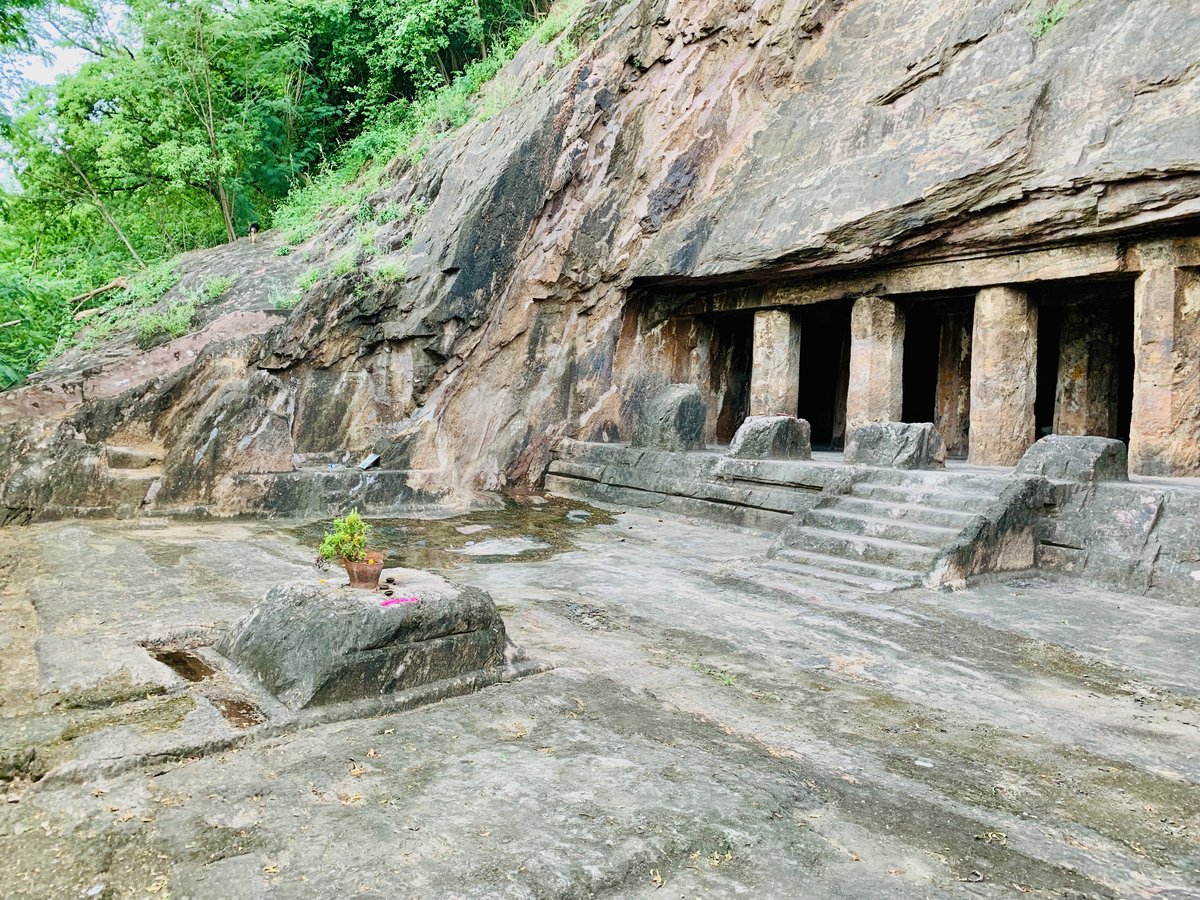
The Akkanna Madanna caves are ancient 7th-century rock-cut Hindu temples on the left bank of the Krishna river at Vijayawada, Andhra Pradesh. Dedicated to Shaivism with artwork reflecting Shaiva, Shaktism, and Vaishnavism themes, the caves are historic monuments damaged over time and named after 17t
The 7th-century Akkanna Madanna rock-cut Hindu caves in Vijayawada, Andhra Pradesh, are ancient Shaivism monuments located near the Krishna river. These largest surviving caves within the city feature Shaiva, Shaktism, and Vaishnavism artwork, with historical ties to 17th-century ministers Akkanna a
Historic 7th-century Akkanna Madanna Upper Cave rock-cut Hindu temple located at the foothills of a Durga temple near Krishna river in Vijayawada city, India. Largest surviving Shaivism cave monument, featuring Ganesha and Shaiva dvarapalas reliefs, damaged sections, and historic significance linked
The 7th-century Akkanna Madanna Upper Cave in Vijayawada, Andhra Pradesh is a large rock-cut Hindu temple complex dedicated to Shaivism with artwork including Shaiva dvarapalas and Ganesha. It is one of the oldest surviving cave monuments in the city located near the Krishna river and historic Durga
Detailed view of the 7th-century Akkanna Madanna Upper Cave, a rock-cut Hindu temple dedicated primarily to Shaivism, located in Vijayawada, Andhra Pradesh. This historic cave complex sits on the left bank of Krishna river and features Shaiva reliefs including Ganesha and Shaiva dvarapalas, with som
A view of the 7th-century Akkanna Madanna rock-cut Hindu cave temples located at the foothills near the Krishna river in Vijayawada, Andhra Pradesh. These ancient caves are Shaiva temples with Shaiva, Shaktism, and Vaishnavism artwork, named after 17th-century ministers Akkanna and Madanna. The cave
起源与建造
阿卡纳·马丹纳洞穴的历史可追溯到公元7世纪,捐美于东卡卢基耶王朝,他们在这一时期统治了印度南部的部分地区。洞穴以戈尔康达库特布莎希王朝的两位杰出大臣阿卡纳和马丹纳的名字命名,著称于他们对该地区发展的贡献。
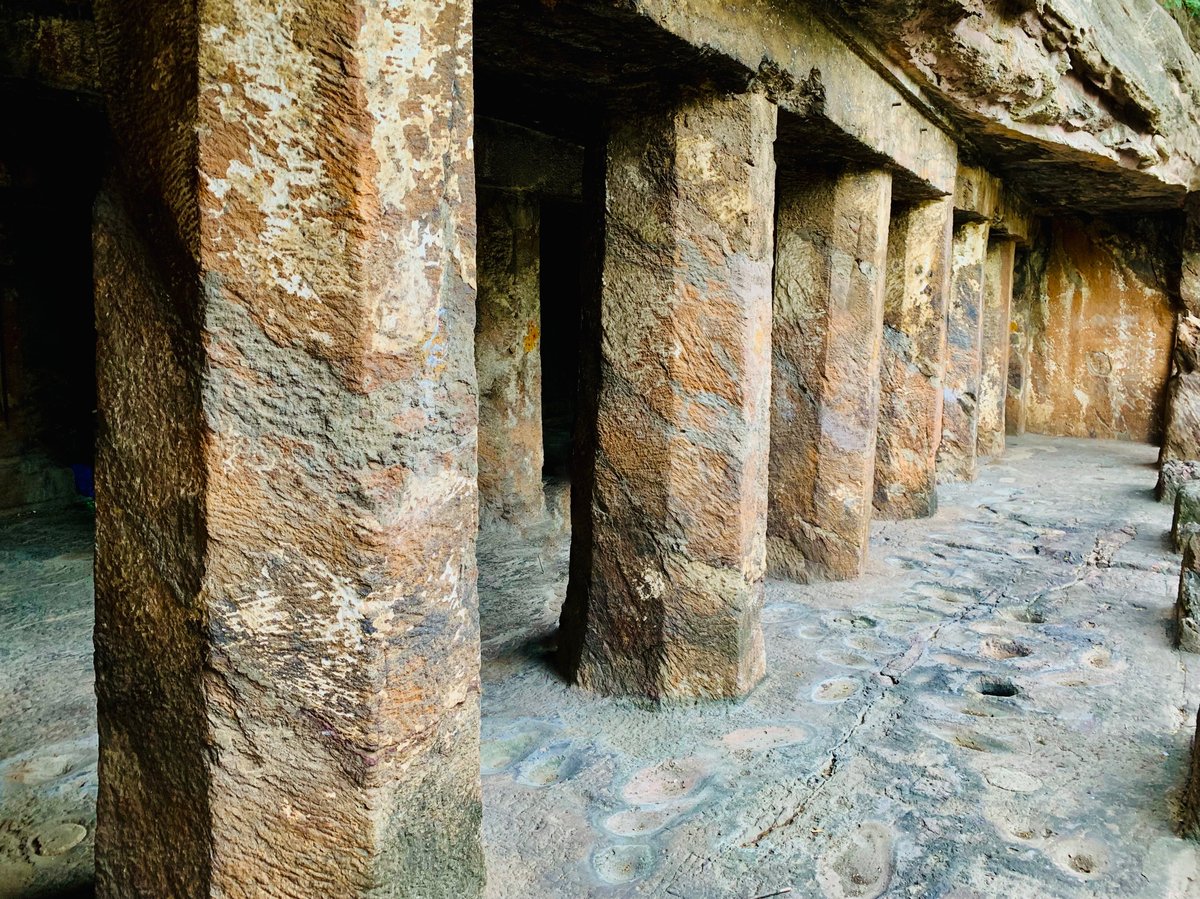
洞穴的建设被认为是在东卡卢基耶统治者的赞助下开始的,这些统治者以支持艺术和建筑著称。洞穴是从坚硬的岩石中开凿出来的,就像古印度建筑中常见的那样,这需要极高的技能和劳动强度。工匠们使用简单的工具如凿子和锤子,创造了装饰洞壁的复杂雕刻和雕塑。
建筑特色
阿卡纳·马丹纳洞穴以其独特的建筑特色著称,反映了当时的艺术和文化影响。洞穴由一系列石窟构成,每个洞窟都有不同的用途。主洞室,也常被称作圣殿,供奉着印度教主神之一的湿婆神。
主洞室的入口装饰着多种印度教神祇和神话场景的精美雕刻,这些雕刻展示了东卡卢基耶时期工匠的高超技艺。洞穴的墙壁和天花板也装饰有精致的壁画和壁饰,虽然这些艺术品随着时间的推移有所损坏,但仍能窥见那个时代丰富的艺术遗产。
宗教意义
阿卡纳·马丹纳洞穴对印度教徒具有极大的宗教意义。主神供奉的湿婆神是信徒们前来洞穴祈祷和求得祝福的焦点。洞穴内雕刻和雕塑中还包含其他神祇,如毗湿奴和梵天,表明洞穴也是宗教和灵修活动的中心。
洞穴也曾是苦行僧和修道者进行冥想和静修的场所。宁静和隐蔽的环境为精神修行和沉思提供了理想的场所。洞穴的建筑设计,具有良好的通风和自然光线,进一步增强了精神氛围。
历史事件与赞助
在历史上,阿卡纳·马丹纳洞穴见证了许多历史事件和赞助的变化。在16和17世纪戈尔康达库特布莎希王朝统治时期,洞穴受到了阿卡纳和马丹纳的极大关注和赞助,他们正是洞穴的命名者。其贡献包括洞穴的修复和维护,以及新雕塑和雕刻的增加。
在殖民时期,当英国的考古学家和历史学家开始记录和研究印度的古代遗产时,洞穴也发挥了重要作用。阿卡纳·马丹纳洞穴成为了许多历史遗址之一,吸引了学者和研究人员的注意,带动了对该遗址的意识提高和保护工作。
保护与保存
近年来,为了防止进一步的损坏,已经采取了一系列措施来保护和保存阿卡纳·马丹纳洞穴。印度考古调查局(ASI)开展了各种举措来恢复洞穴的结构完整性,并保护精美的雕刻和壁画。这些措施包括清洁和稳定岩石表面、修复受损部分,以及采取措施防止水渗透和侵蚀。
阿卡纳·马丹纳洞穴现在是ASI保护的遗址,并采取了一些措施来促进负责任的旅游,并教育游客了解该遗址的历史和文化意义。信息牌和导游服务提供了有关洞穴历史和建筑的有价值的见解,提升了游客体验。
开放时间与门票
阿卡纳·马丹纳洞穴每天上午9:00至下午5:00开放。门票可在入口处购买,印度公民票价为INR 20,外国游客票价为INR 200。学生和老年人可凭有效身份证明享受折扣。
无障碍设施与访客信息
阿卡纳·马丹纳洞穴位于阿马拉瓦蒂镇,通过公路和铁路与外界紧密相连。最近的大城市是距此约35公里的维杰亚瓦达,该城市拥有机场和铁路站,有与印度主要城市的定期航班和列车连接。
游客前来洞穴参观时,建议穿着舒适的服装和鞋子,因为在景区内需要一定的步行和攀爬。建议携带水和零食,因为现场设施有限。最佳探访时间是从10月至3月的凉爽季节,这段时间的天气宜人,适合探险。
附近景点
在阿马拉瓦蒂,游客还可以探索其他历史遗址,例如阿马拉瓦蒂大佛塔,一个古老的佛教遗址,以及阿马拉林格斯瓦拉寺,这座寺庙供奉着湿婆神。这些景点能让游人更深入地了解这个地区多样的文化和宗教遗产。
特别活动与导游服务
每年一度的湿婆神夜节,吸引了大量信徒前来洞穴参与宗教仪式和祭典。现场提供导游服务,详细讲解洞穴的历史、建筑特色和宗教意义。摄影点也标注了适合拍摄的地点。
常见问题
阿卡纳·马丹纳洞穴的开放时间是什么时候? 洞穴每天上午9:00至下午5:00开放。
如何购买阿卡纳·马丹纳洞穴的门票? 门票可在入口处购买,印度公民票价为INR 20,外国游客票价为INR 200。
参观洞穴时应该穿什么? 建议穿着舒适的服饰和鞋子,由于涉及步行和攀爬。
是否有导游服务? 是的,现场提供导游服务,详细讲解洞穴的历史和建筑特色。
在应用中收听完整故事
Audiala App
支持 iOS 和 Android
加入50,000+策展人
资料来源
- verified
- verified
- verified
- verified
- verified
最后审核: