
引言
印度尼西亚雅加达的门藤普洛战争公墓(Ereveld Menteng Pulo)是印尼最重要的战争纪念地之一,它反映了印尼、荷兰及其盟友在第二次世界大战和印度尼西亚民族革命期间深厚而交织的历史。这座宁静的墓地不仅是超过4000名军民逝者的纪念之地,也是和解、教育和跨文化对话的象征。本指南将全面概述墓地的历史背景、实用的访客信息——包括参观时间、票务和可达性——以及有价值的文化见解,以确保一次尊重且有意义的访问。
图片库
图览门腾普洛战争公墓
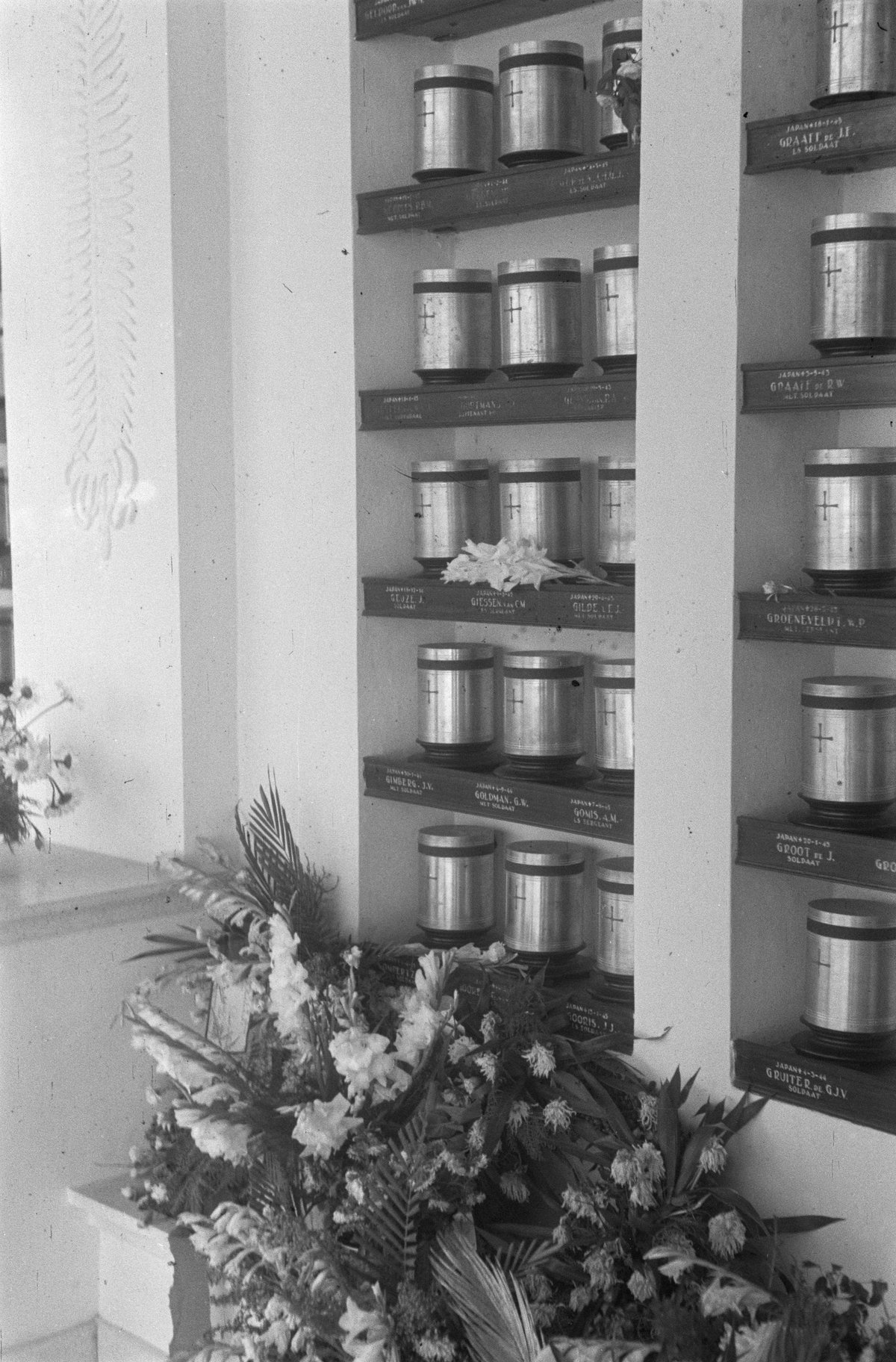
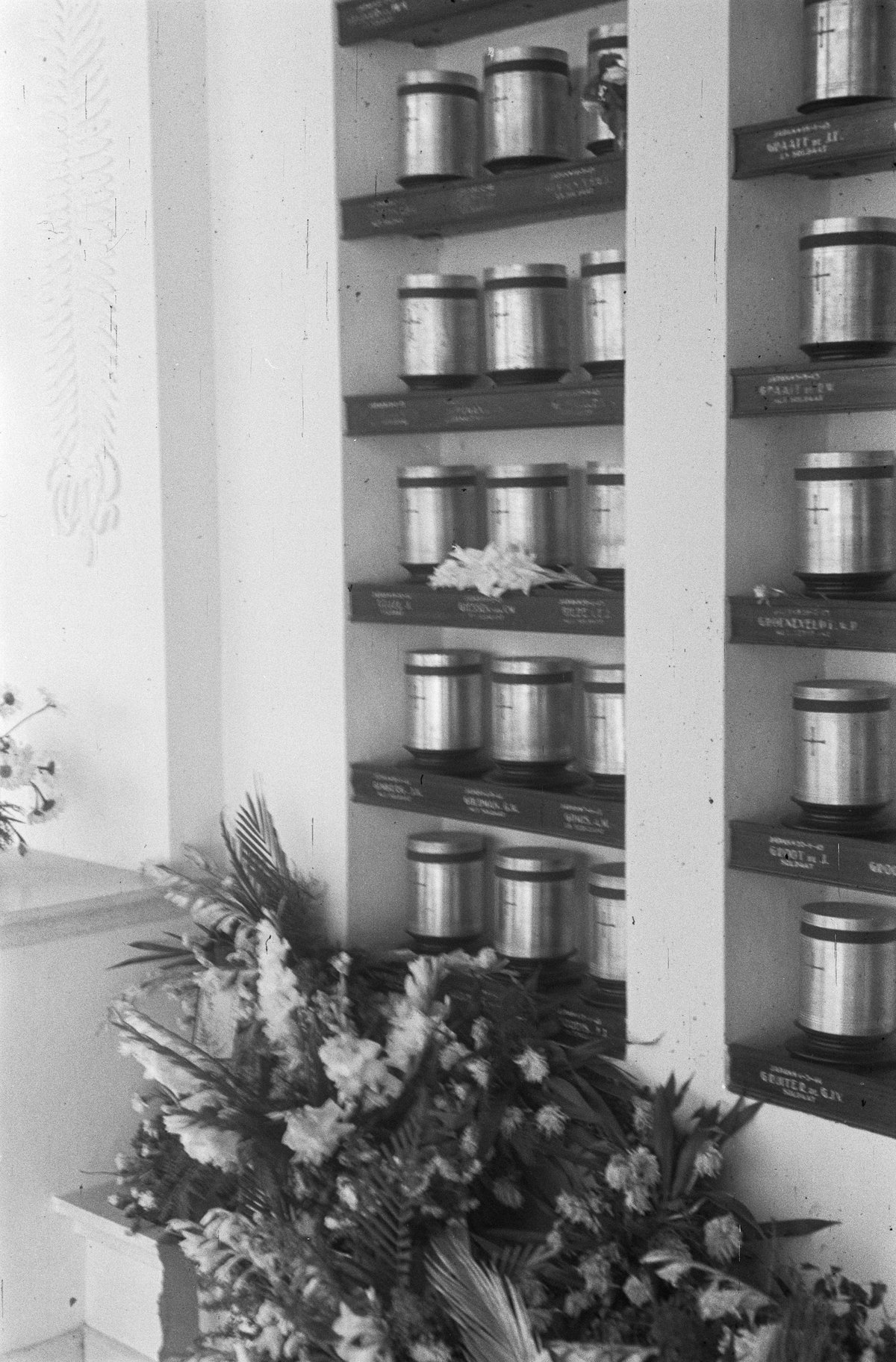
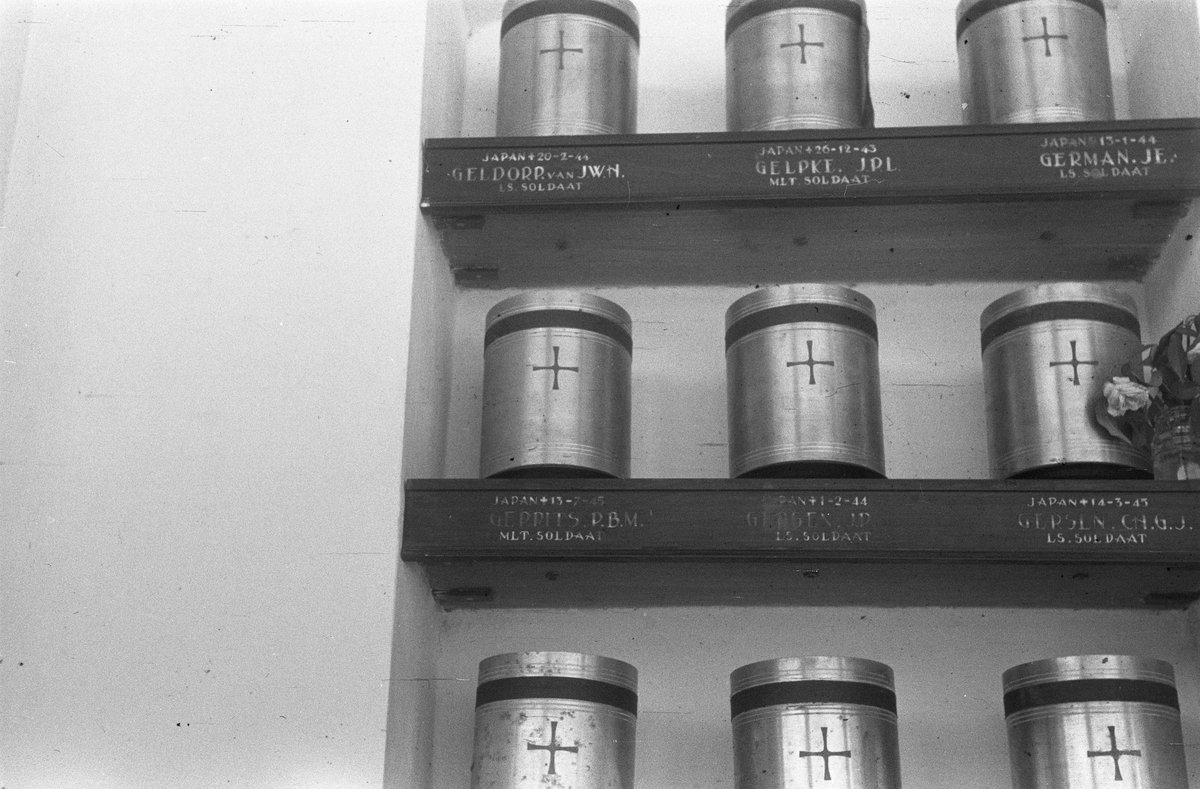
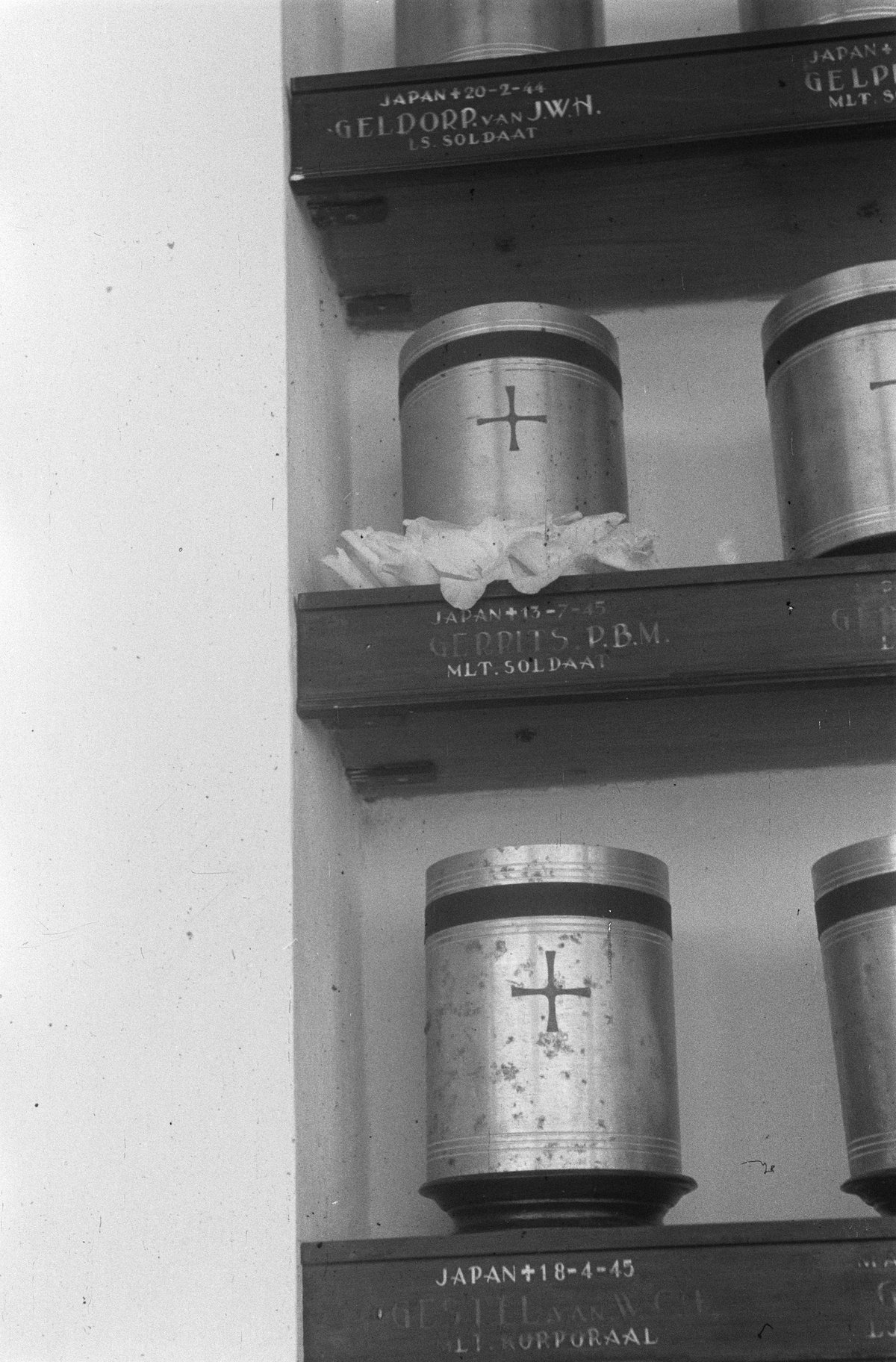
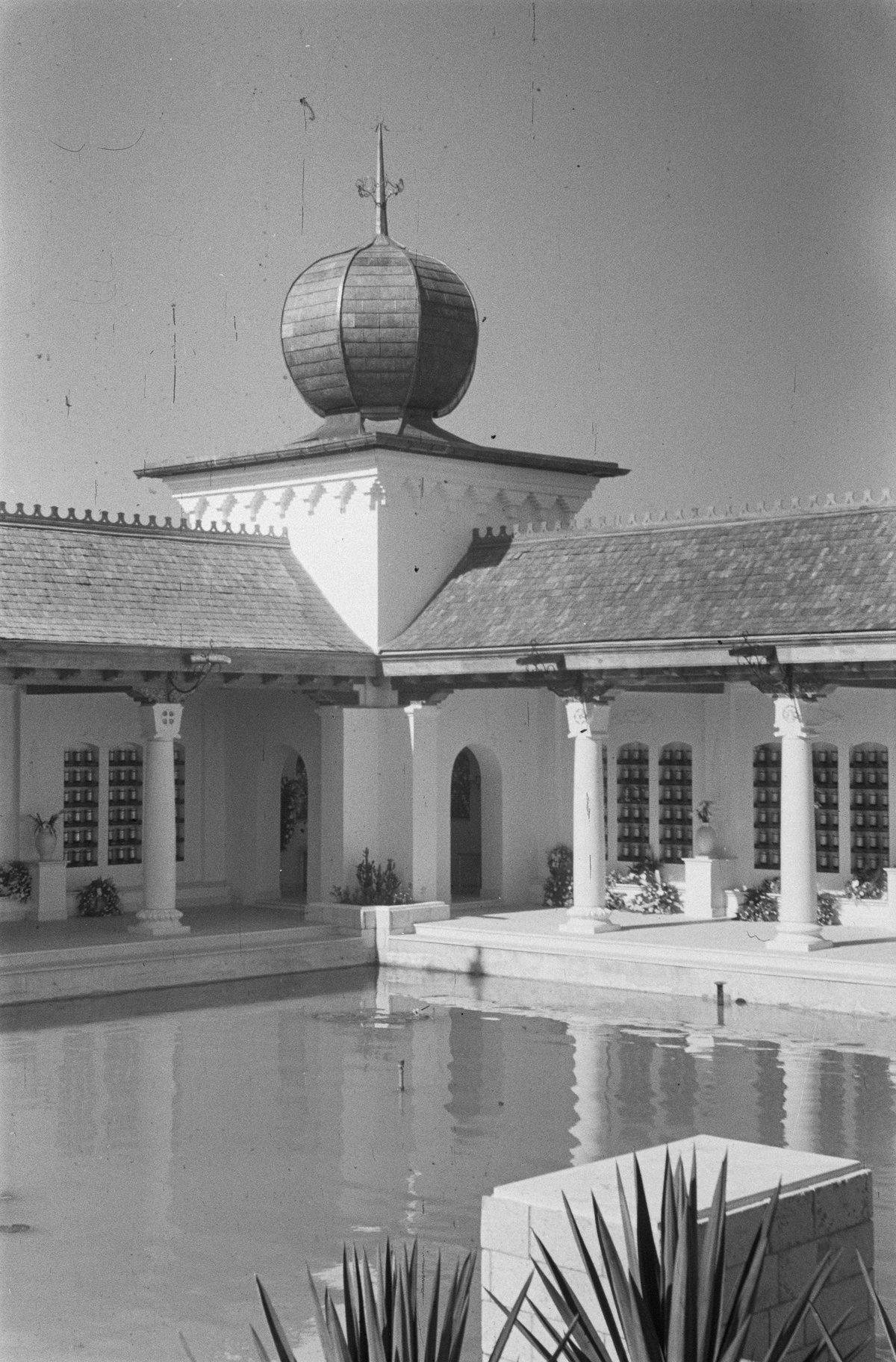
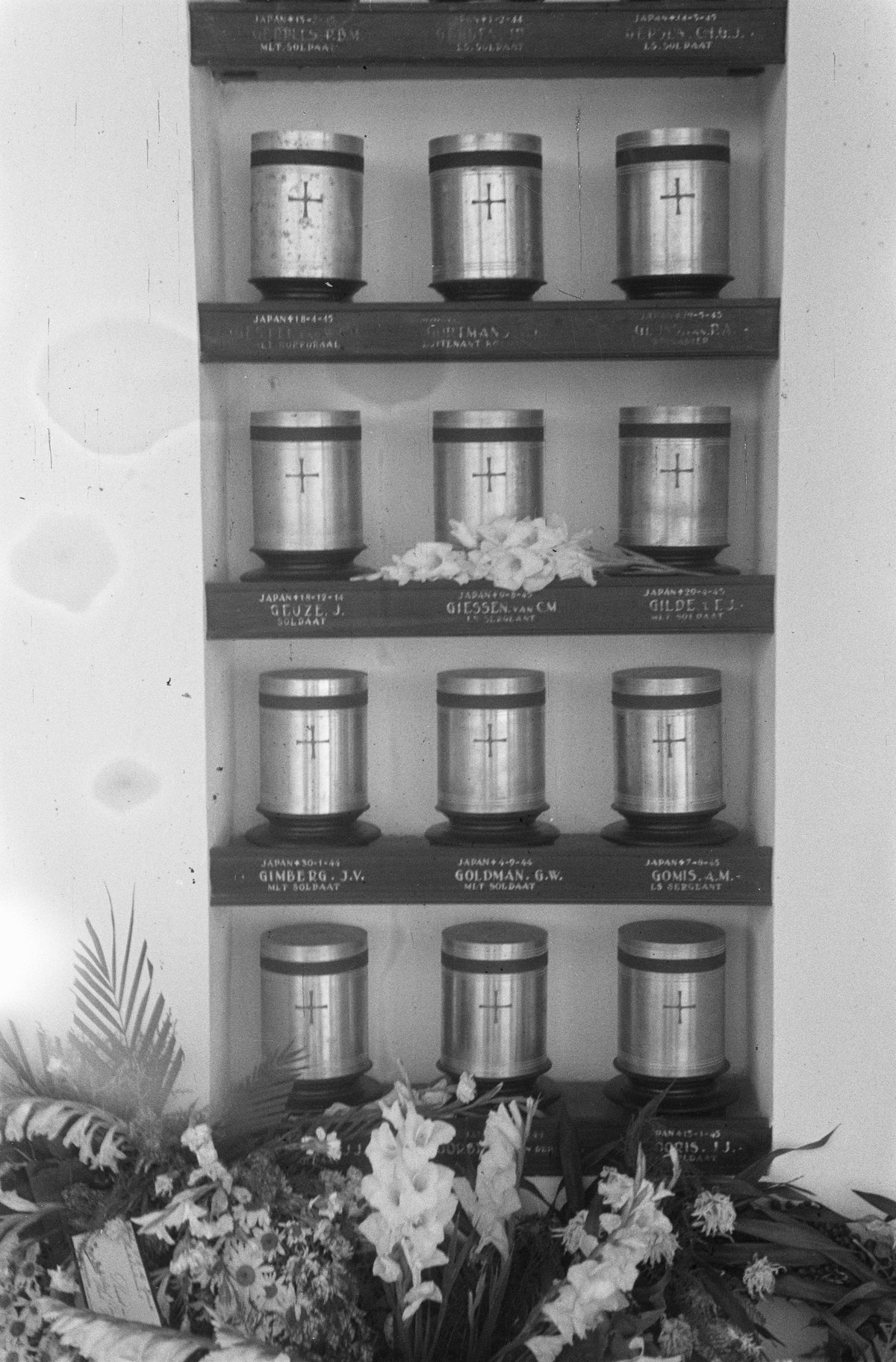
Historical black and white photograph showing the Columbarium at the Menteng Poeloeh cemetery in Batavia (now Jakarta), Java, Indonesia, captured in September 1949. Part of the Fotocollectie Dienst voor Legercontacten Indonesië, preserved by the Nationaal Archief.
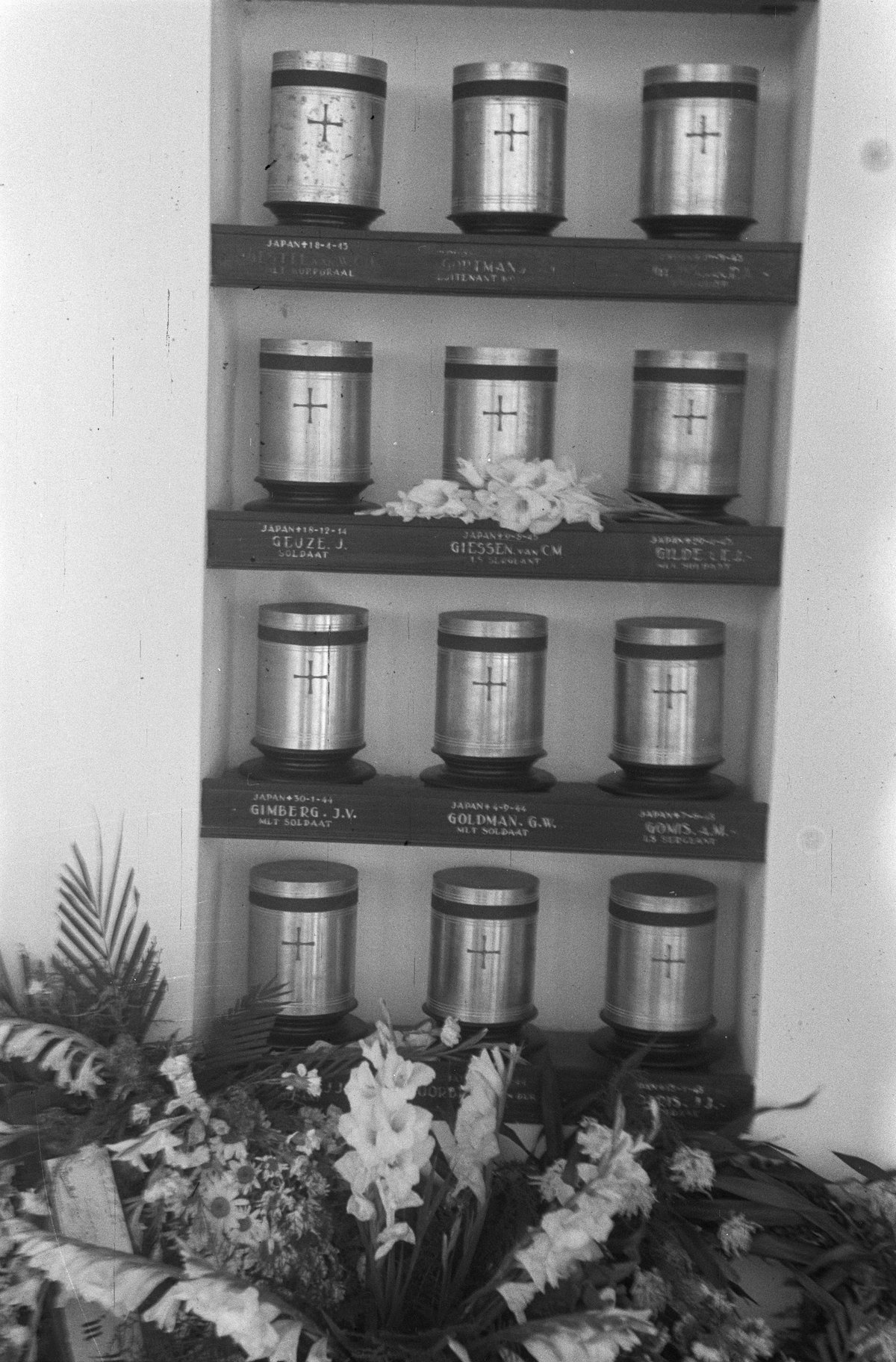
Historic black and white photo depicting the Columbarium at the Menteng Poeloeh cemetery in Batavia (now Jakarta), Java, dated September 1949. Taken by an unknown photographer as part of the Fotocollectie Dienst voor Legercontacten Indonesië, archived by the Nationaal Archief.
Historical black and white photo from 1949 showing the Columbarium at the Menteng Poeloeh war cemetery in Batavia, Java, during the Dutch East Indies era, photographed by an unknown photographer as part of the Indonesian Army Contacts photo collection.
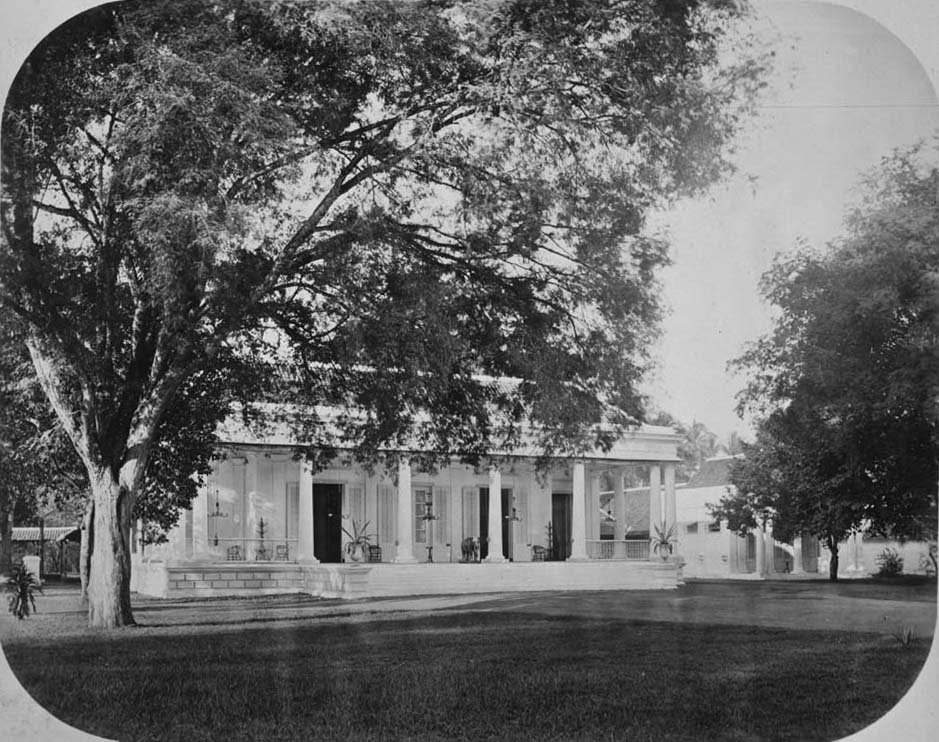
Historical black and white photograph taken in September 1949 in Batavia, Java, showing a street view from the Dutch East Indies period. Part of the collection of the Dienst voor Legercontacten Indonesië, archived at the Nationaal Archief.
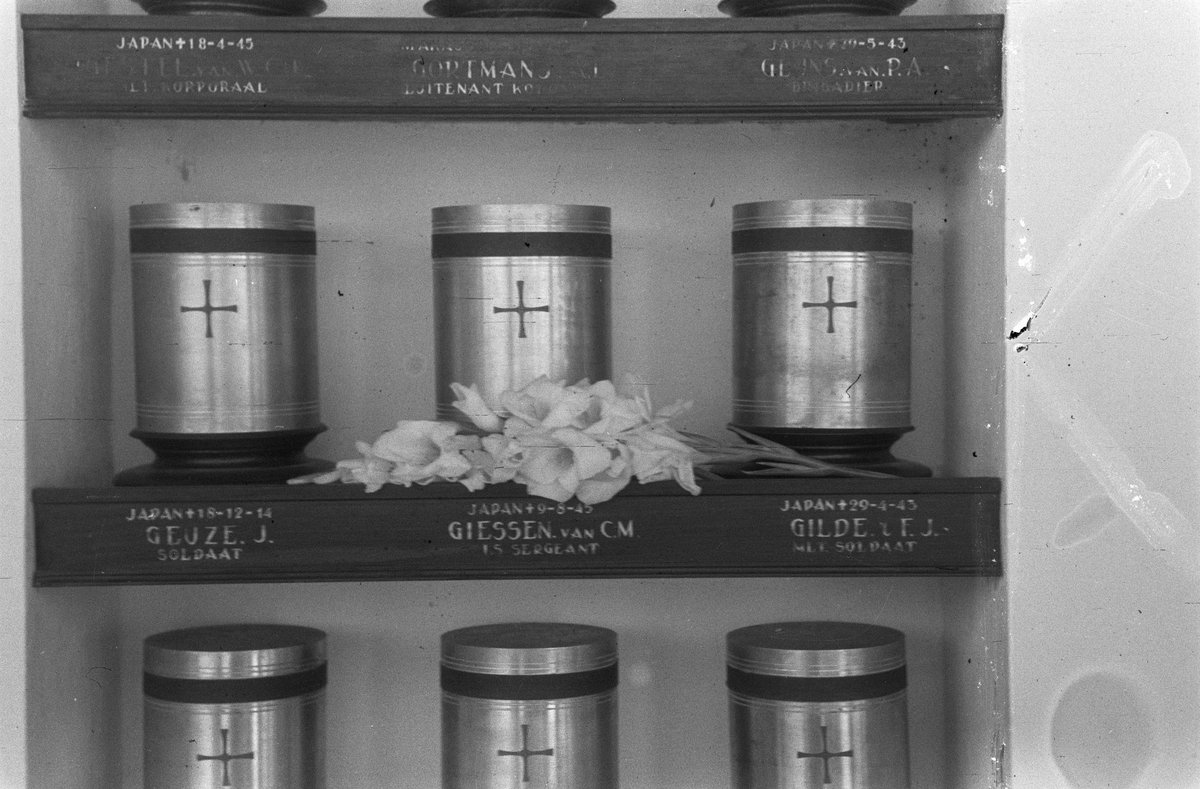
Historic black and white image captured in September 1949 of the Columbarium at the honorary field Menteng Poeloeh in Batavia, Java, illustrating a part of Netherlands-Indies era preserved by the National Archive.
Historical black and white photo taken in September 1949 showing the Columbarium at Menteng Poeloeh War Cemetery, Batavia, Java, in the former Dutch East Indies. Part of the Fotocollectie Dienst voor Legercontacten Indonesië, housed in the Nationaal Archief.
Historical black and white photo showing the Columbarium at the Menteng Poeloeh cemetery in Batavia (now Jakarta), Java, Indonesian archipelago, from September 1949. Part of the Fotocollectie Dienst voor Legercontacten Indonesië, archived by the Nationaal Archief.
Historical black and white photo showing the Columbarium at the Menteng Poeloeh war cemetery in Batavia (now Jakarta), Java, Indonesia, taken in September 1949 as part of the Fotocollectie Dienst voor Legercontacten Indonesië collection by an unknown photographer, archived by Nationaal Archief.
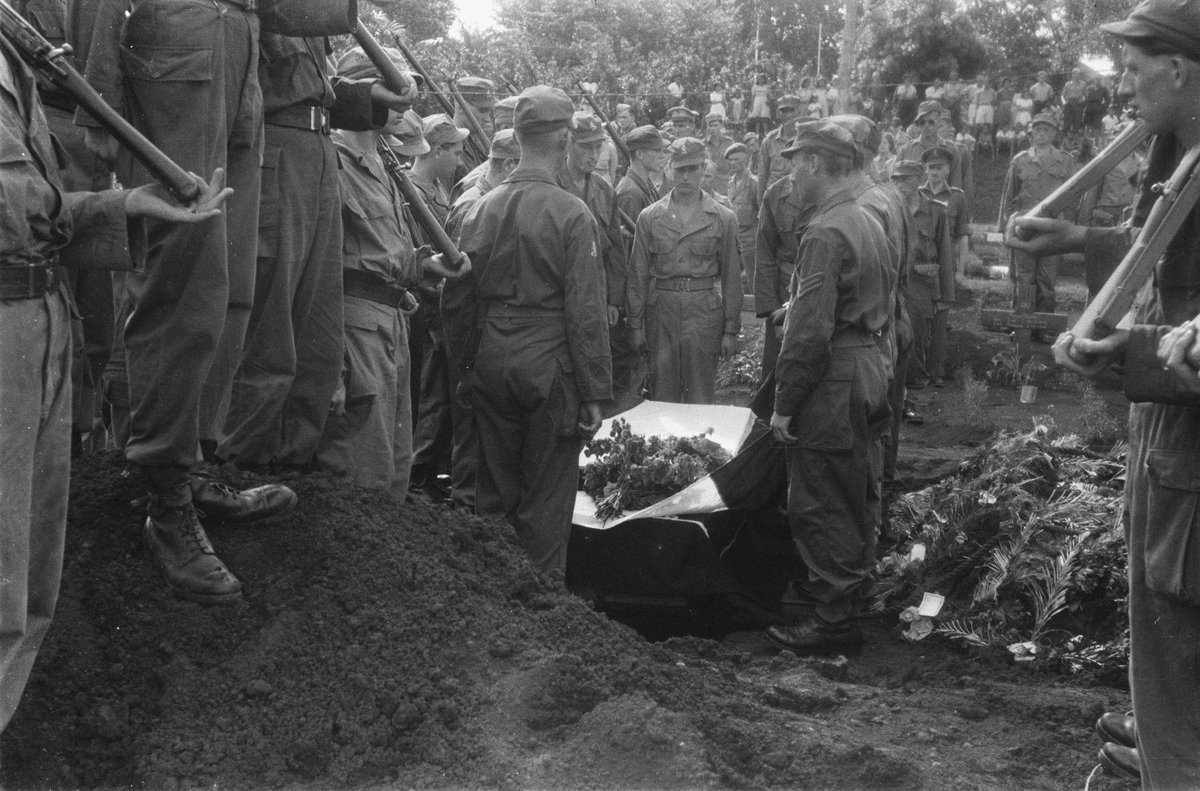
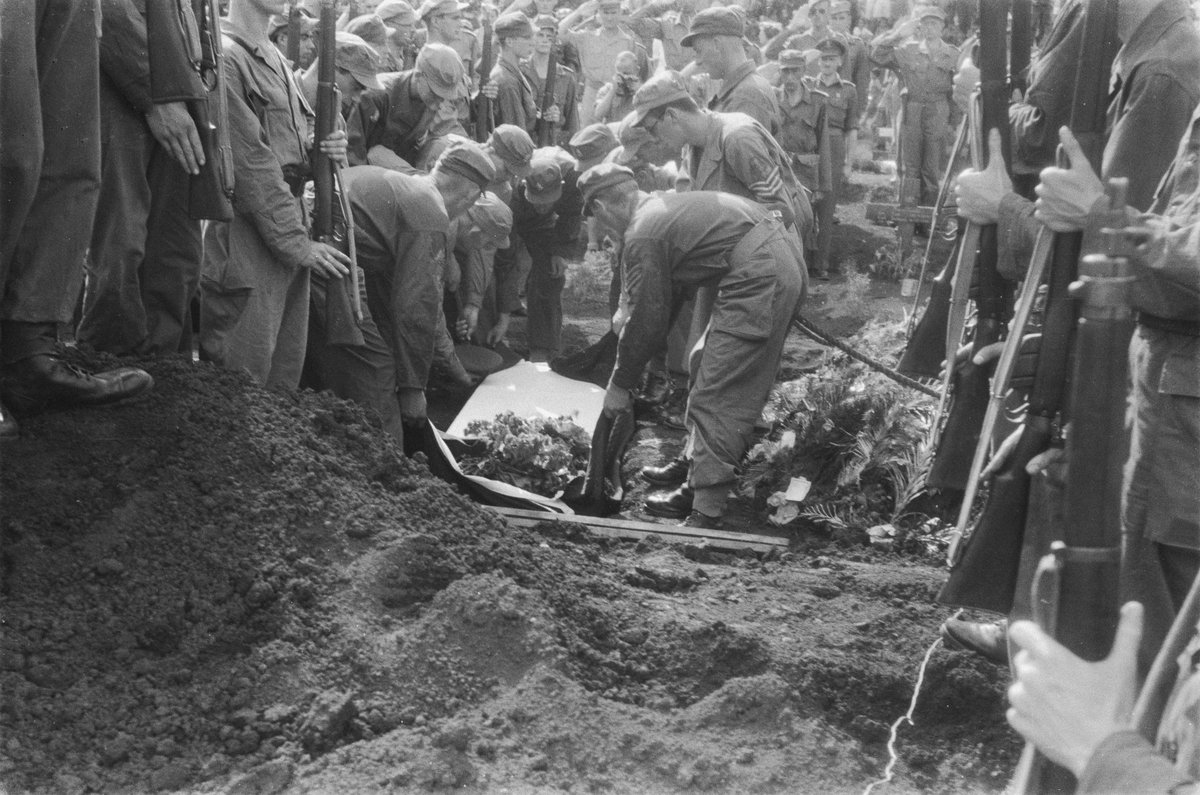
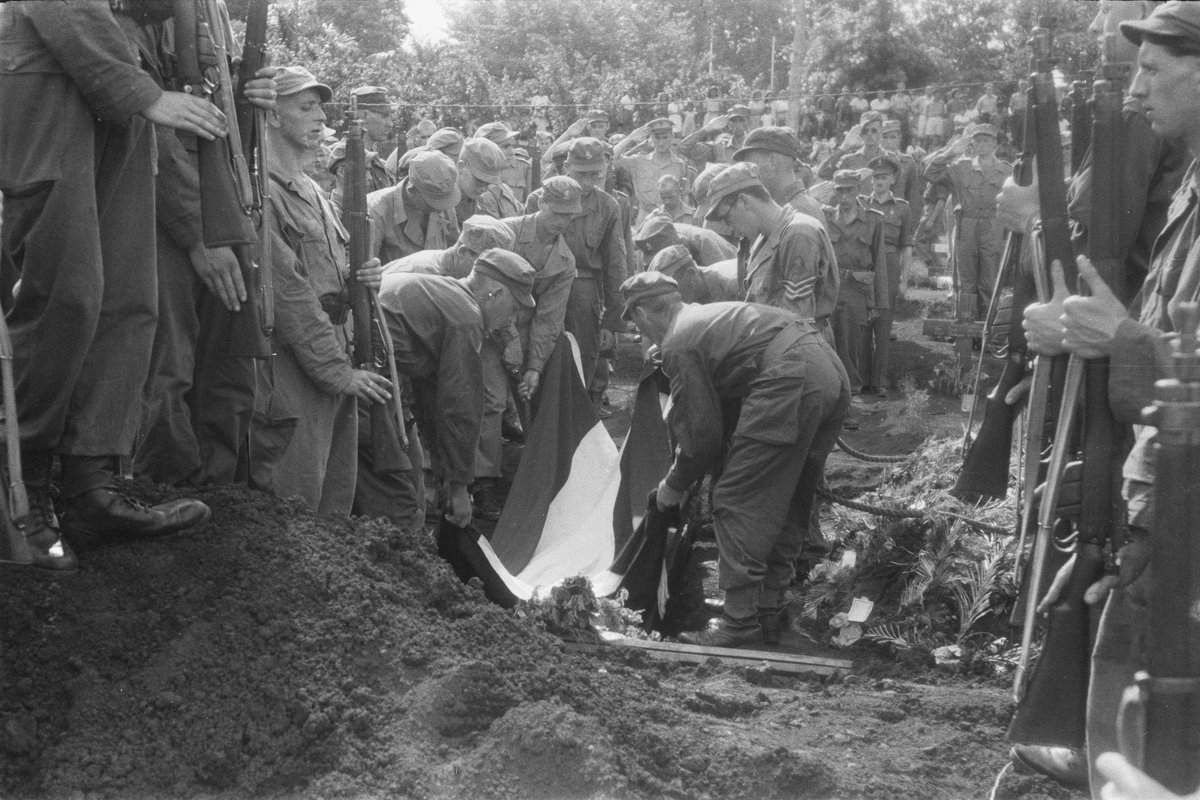
Historic black and white image capturing the funeral of Major B.H.J. Callenbach at Ereveld Menteng Pulo in Batavia (now Jakarta), Indonesia on 27 November 1946, showing soldiers and civilians at the gravesite. Part of the Fotocollectie Dienst voor Legercontacten Indonesië, archived by the Nationaal
Black and white archival photograph showing the funeral of Major B.H.J. Callenbach at Ereveld Menteng Pulo gravesite in Batavia (now Jakarta), Dutch East Indies, on 27 November 1946. Part of the DLC Fotocollectie Dienst voor Legercontacten Indonesië.
Black and white photo of the funeral procession for Major B.H.J. Callenbach at Ereveld Menteng Pulo cemetery in Batavia, Indonesia on November 27, 1946. Part of the Dutch Legion Contact Service photo archive.
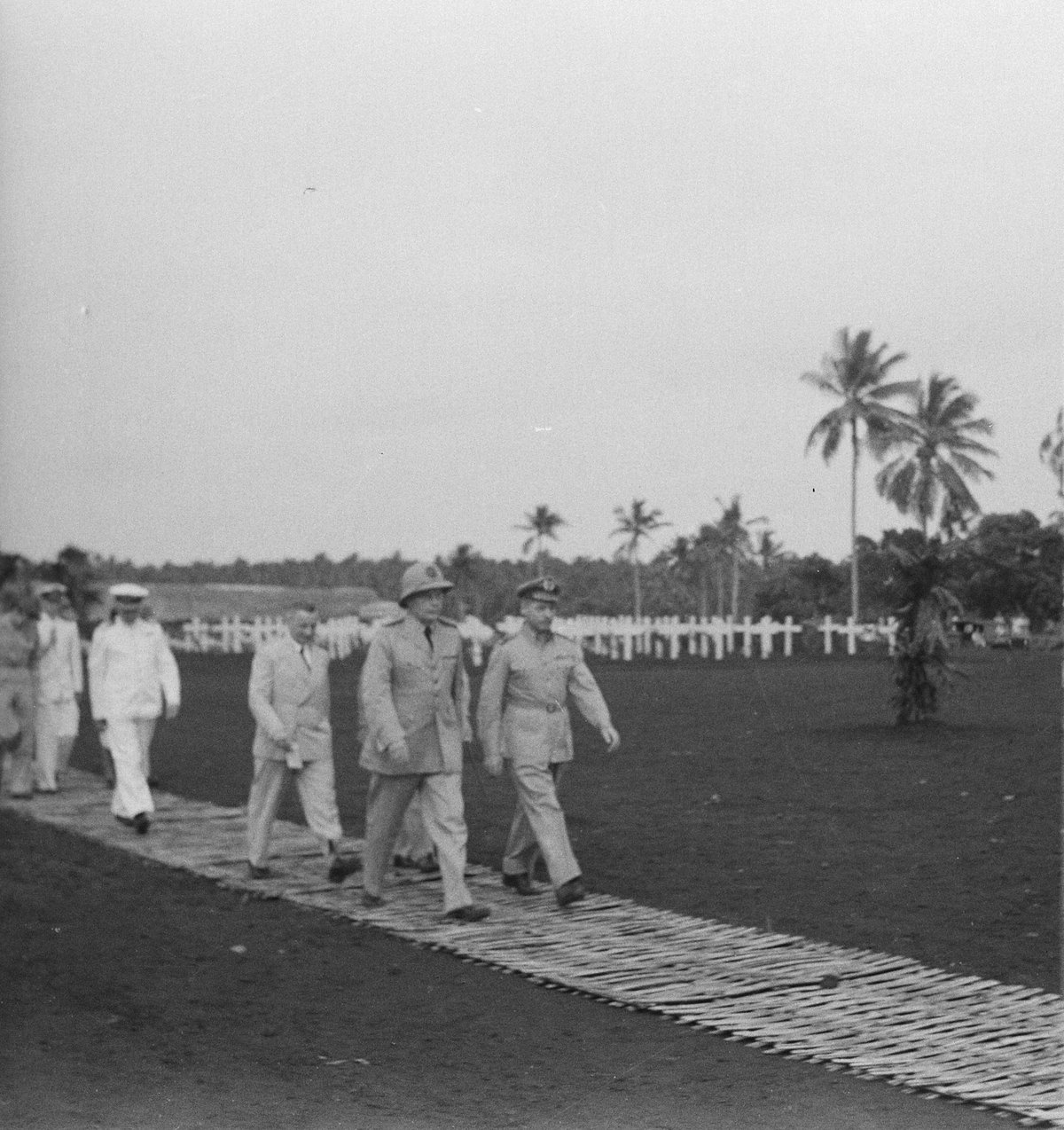
Historical black and white photo showing the arrival of the Lieutenant-Governor-General H.J. van Mook in Batavia (now Jakarta), Dutch East Indies on December 8, 1947. Part of the Fotocollectie Dienst voor Legercontacten Indonesië archival collection.
历史背景
起源与建立
门藤普洛战争公墓于第二次世界大战后建立,旨在为二战和占领期间的荷兰、印尼及盟军受害者提供最后的安息之地。该墓地位于雅加达南部的门藤德拉地区,因其宁静的棕榈树林环境而被选址,如今已被城市的城市景观所环绕(OGS Indonesia)。墓地由荷兰预备少校工程师雨果·安东纽斯·范·奥尔勒设计,奠基石于1946年12月铺设,并于1947年12月正式落成(Now Jakarta)。
二战及印尼民族革命期间的意义
门藤普洛的历史与日本占领荷属东印度(1942-1945)以及随后的印度尼西亚民族革命(1945-1949)紧密相连。在这些动荡的岁月里,成千上万的荷兰国民、印尼荷兰混血儿、印尼人和盟军士兵在拘留营、强制劳动和军事冲突中丧生(Manual Excursion)。该墓地最初是为在那个时代去世的荷兰皇家东印度陆军(KNIL)成员和民事人员而设的墓地。
在20世纪60年代,根据印尼与荷兰之间关于将战争公墓集中在爪哇的协议,来自印尼各地20多个小型墓地中的遗骸被统一迁至门藤普洛(OGS Indonesia)。
墓葬的多样性与纪念特征
门藤普洛以其包容性而闻名,这里安葬着代表荷兰、印尼、英国、印度及其他盟军军人,以及不同信仰(包括基督教、伊斯兰教、犹太教和佛教)的平民(Indonesia Expat)。墓地安葬着4000至4300人,墓碑整齐排列,并设有不同宗教和国籍的专门区域。
显著的特色包括:
- Simultaan教堂: 墓地中心一座非宗教性、可容纳多教派的教堂,是纪念仪式的重要焦点。
- 骨灰堂: 存放了在日军俘虏期间去世的荷兰军人的骨灰瓮,这些骨灰后来从日本运来(OGS Indonesia)。
- 纪念碑: 纪念在此次冲突中遇难的飞行员、海员、葛里多克集中营的被拘留者以及儿童。
参观门藤普洛战争公墓
地理位置与交通路线
该墓地位于雅加达南部的门藤德拉地区 Jl. Menteng Pulo RT. 3 RW. 12。乘坐汽车、出租车、叫车服务以及公共交通(包括TransJakarta巴士和附近的Tebet火车站)均可轻松抵达(Trek Zone)。
参观时间与入场信息
-
标准开放时间: 每日上午8:00至下午5:00。
-
特别提示: 一些资料显示仅限工作日(周一至周五,上午8:00至下午5:00)开放,周末及公共假期关闭(Holidify)。为了获得最准确的信息,请查阅荷兰战争公墓基金会的官方网站。
-
门票/入场费: 所有访客免费入场;无需门票。
无障碍设施与服务
- 路径: 大部分是平坦的铺砌人行道,方便行动不便的访客。
- 洗手间和长椅: 入口附近设有设施。
- 教堂和骨灰堂: Simultaan教堂和骨灰堂在特殊活动期间或经事先安排后开放供反思。
- 停车: 墓地内外均设有停车位。
访客礼仪与须知
- 着装得体: 穿着尊重、保守的服装。
- 保持肃静: 在墓地内请轻声细语,行为举止要尊重。
- 摄影: 允许个人使用;请避免未经许可拍摄仪式或其他访客。
- 禁止乱扔垃圾: 将垃圾扔进指定的垃圾箱。
- 禁止娱乐活动: 不鼓励进食、饮水和娱乐活动。
- 儿童: 欢迎儿童,但需要有人看管。
文化与教育意义
门藤普洛战争公墓在教育和文化方面发挥着重要作用,促进了对印尼复杂的战时历史以及许多国家共同牺牲的理解。该墓地用于学校和大学参观、导览以及年度纪念活动,如荷兰全国纪念日(5月4日),鼓励人们反思和平与和解(Indonesia Expat)。
印尼与荷兰之间持续的维护和外交象征着对和解与共同记忆的承诺,而其包容性则反映了在逆境中不同社群的团结。
附近景点与旅行贴士
- Kota Kasablanka 购物中心: 距离1.5公里,是一个主要的购物和餐饮目的地(Trek Zone)。
- 荷兰文化中心(Erasmus Huis): 位于约2.5公里处,提供展览和文化活动。
- 雅加达历史地标: 参观时可以顺道游览附近的景点,如国家纪念碑(Monas)、雅加达历史博物馆和Tebet本田公园。
旅行贴士:
- 最好在旱季(5月至9月)前来,天气舒适。
- 建议上午早些时候或下午晚些时候参观,以避开高温和人群。
- 请携带饮用水、防晒用品和舒适的步行鞋。
常见问题解答 (FAQ)
问:门藤普洛战争公墓的开放时间是什么? 答:墓地通常每日上午8:00至下午5:00开放。部分资料显示仅限工作日开放;请查看荷兰战争公墓基金会网站获取最新更新。
问:是否需要门票或入场费? 答:入场免费;无需门票。
问:墓地是否对轮椅使用者无障碍? 答:是的,铺砌的路径使其方便行动不便的访客。
问:是否有导览服务? 答:是的,可以通过荷兰战争公墓基金会或提前联系墓地管理部门安排导览。
问:我可以在这里拍照吗? 答:允许个人摄影;请保持低调,并避免未经同意拍摄哀悼者或仪式。
问:是否允许团体参观? 答:是的;团体,特别是教育或纪念性质的团体,应提前通知管理部门。

在应用中收听完整故事
Audiala App
支持 iOS 和 Android
加入50,000+策展人
资料来源
- verified
- verified
- verified
- verified
- verified
最后审核: