规划并聆听柴瓦塔那兰寺, 尽在 Audiala。
语音导览装进口袋,行程规划留在浏览器。为你真正的旅行方式而生。
引言
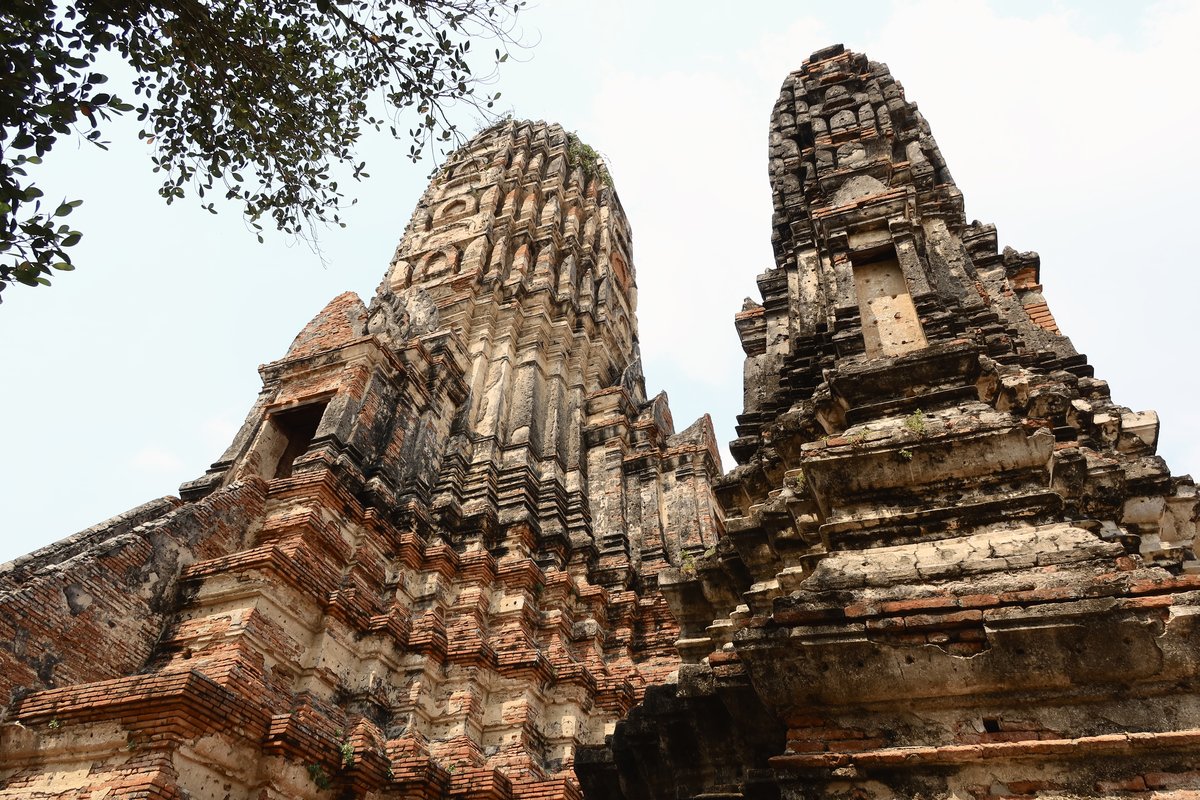
瓦猜瓦塔那兰寺(Wat Chaiwatthanaram)是泰国大城府(Ayutthaya)最引人注目且历史意义重大的寺庙之一,它见证了暹罗前首都的艺术辉煌和精神传承。这座寺庙由普拉萨特通国王(King Prasat Thong)于1630年兴建,融合了高棉建筑风格和深厚的佛教象征意义,展现了大城王朝的宏伟。如今,它作为联合国教科文组织世界遗产,以其中央的宝塔、位于昭披耶河(Chao Phraya River)畔的独特位置,以及作为文化地标和宗教节日场所的角色而闻名。本综合指南将涵盖您需要了解的关于瓦猜瓦塔那兰寺的所有信息:开放时间、门票价格、可达性、历史背景、建筑细节、旅游提示以及附近的景点。无论您是历史爱好者、精神寻求者还是普通游客,本指南都将帮助您最大化地利用这次标志性景点的参观体验(Renown Travel; thaiunikatravel.com; Tourist Platform)。

历史背景
起源与奠基
瓦猜瓦塔那兰寺由普拉萨特通国王于1630年下令兴建,以纪念其母亲。寺庙的名字意为“长久统治与辉煌时代的寺庙”,概括了国王的个人功德和对大城永恒繁荣的期望(Renown Travel; Go Find Orient)。国王母亲的骨灰安放在戒堂附近的两个佛塔内,进一步巩固了该遗址作为皇家和孝道纪念碑的意义。
建筑意义
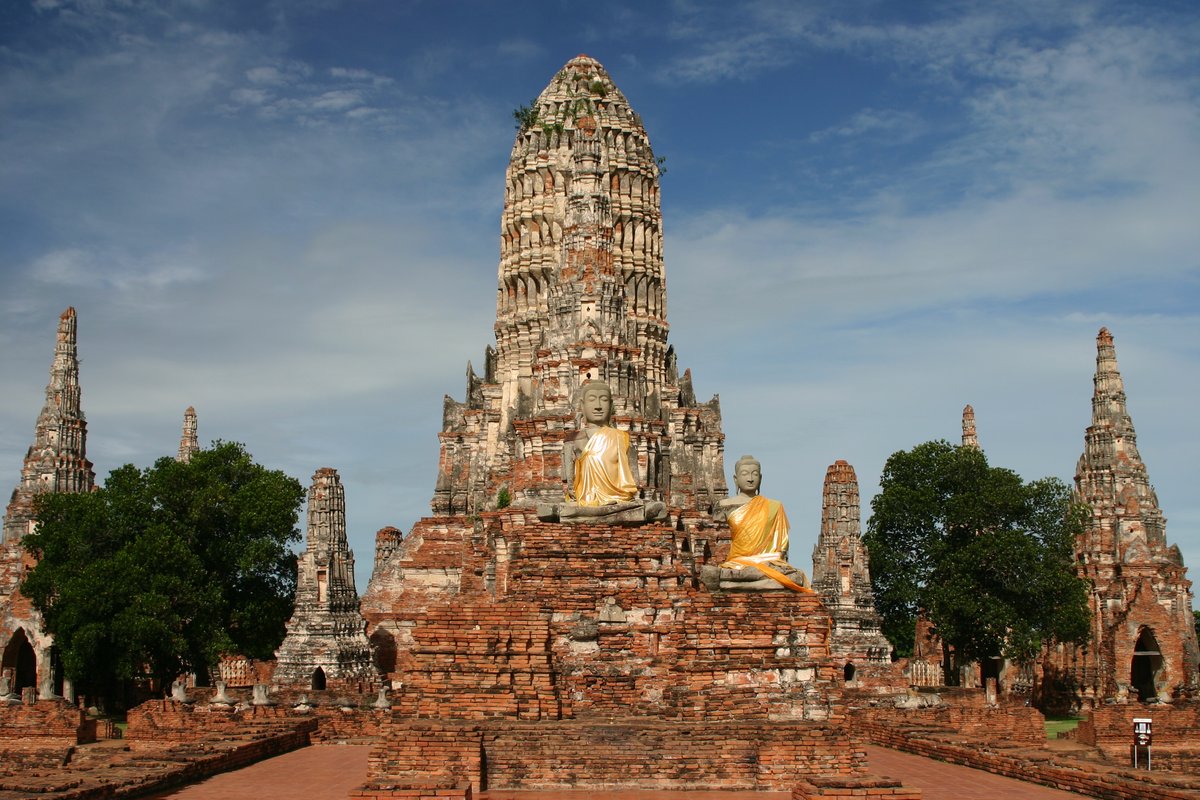
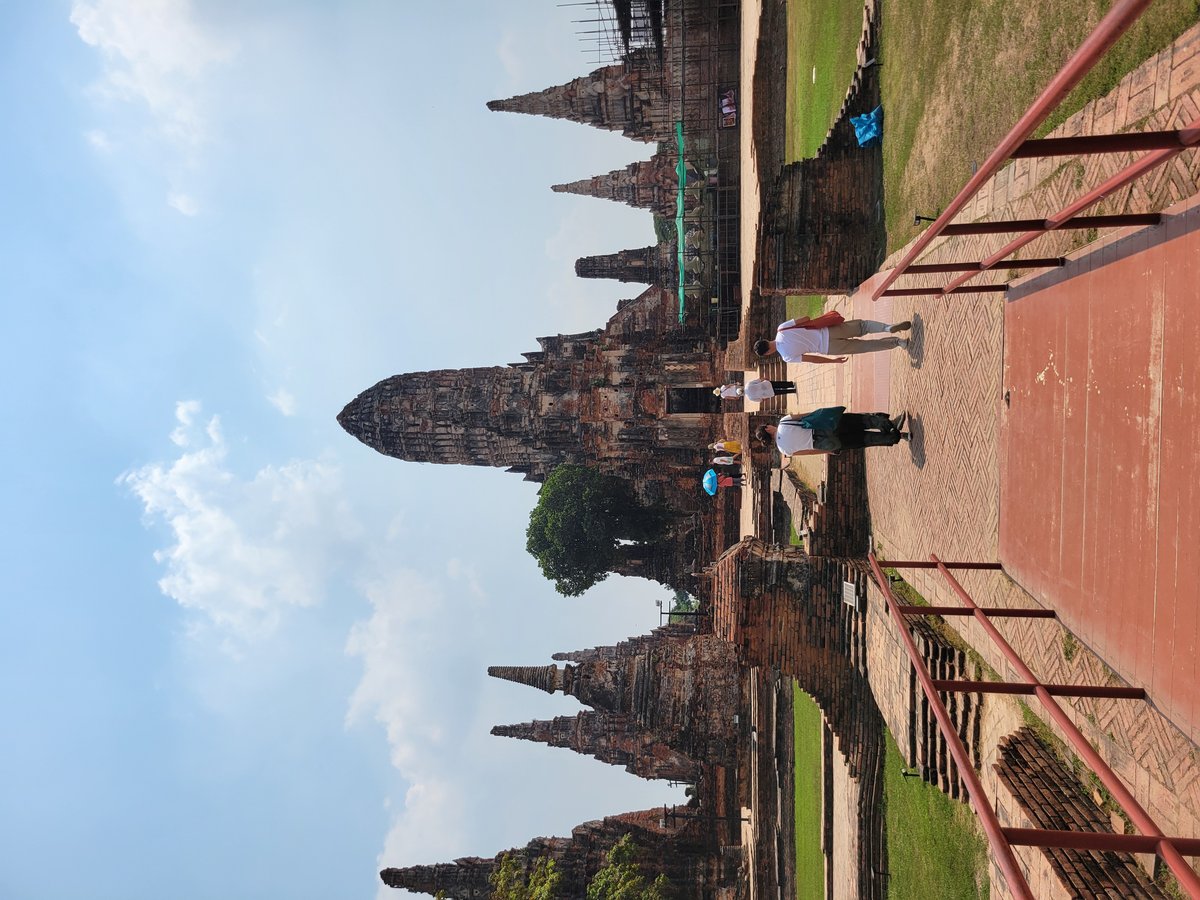
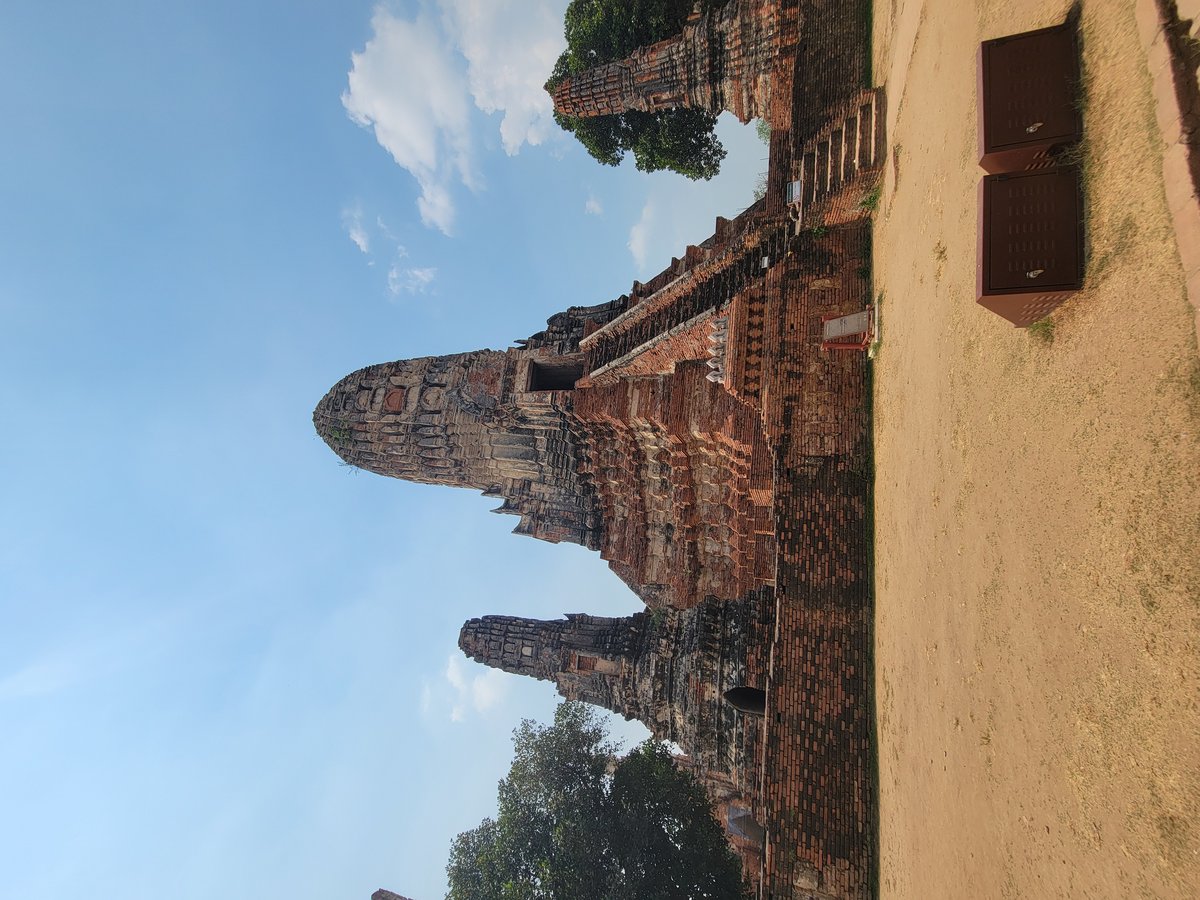
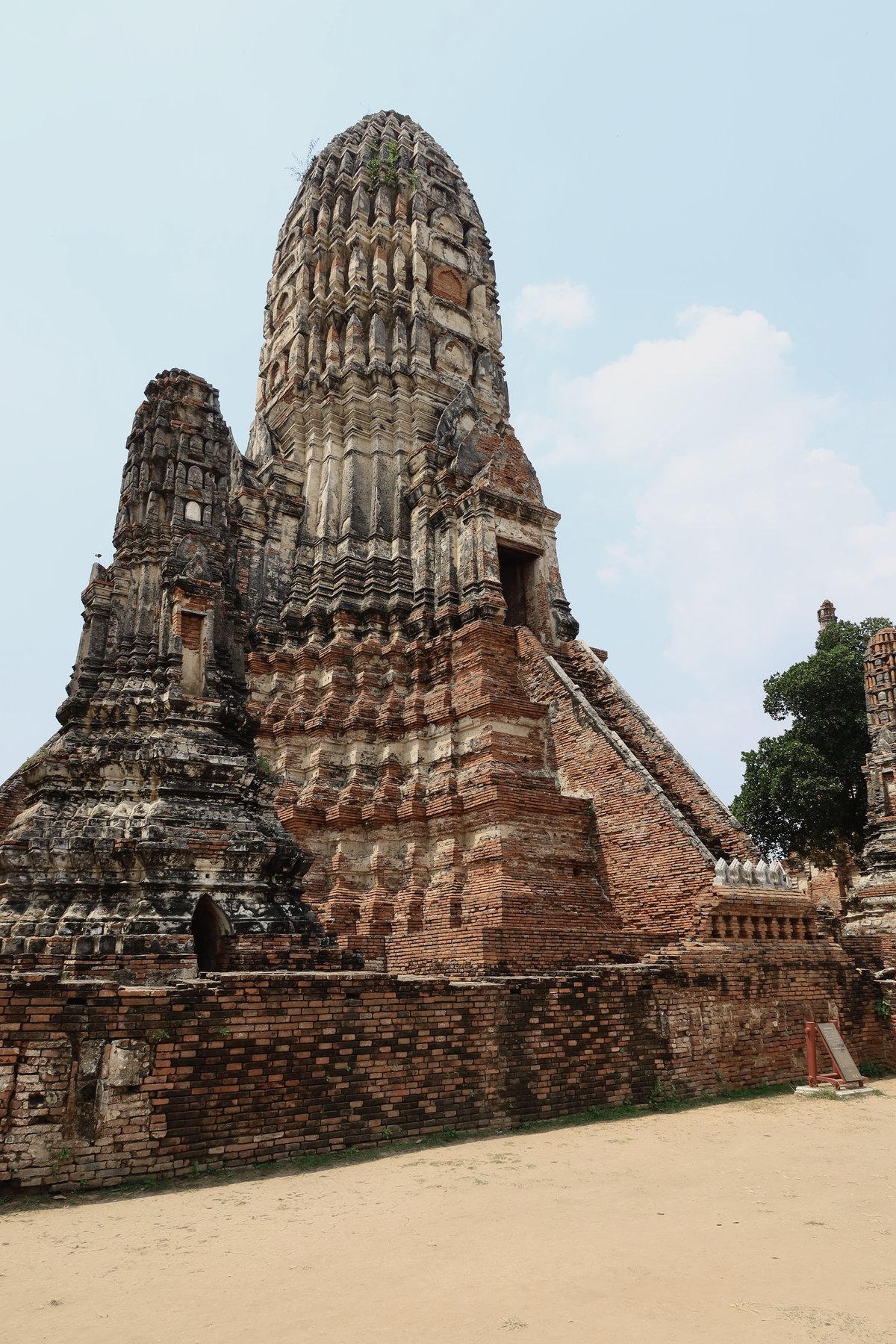
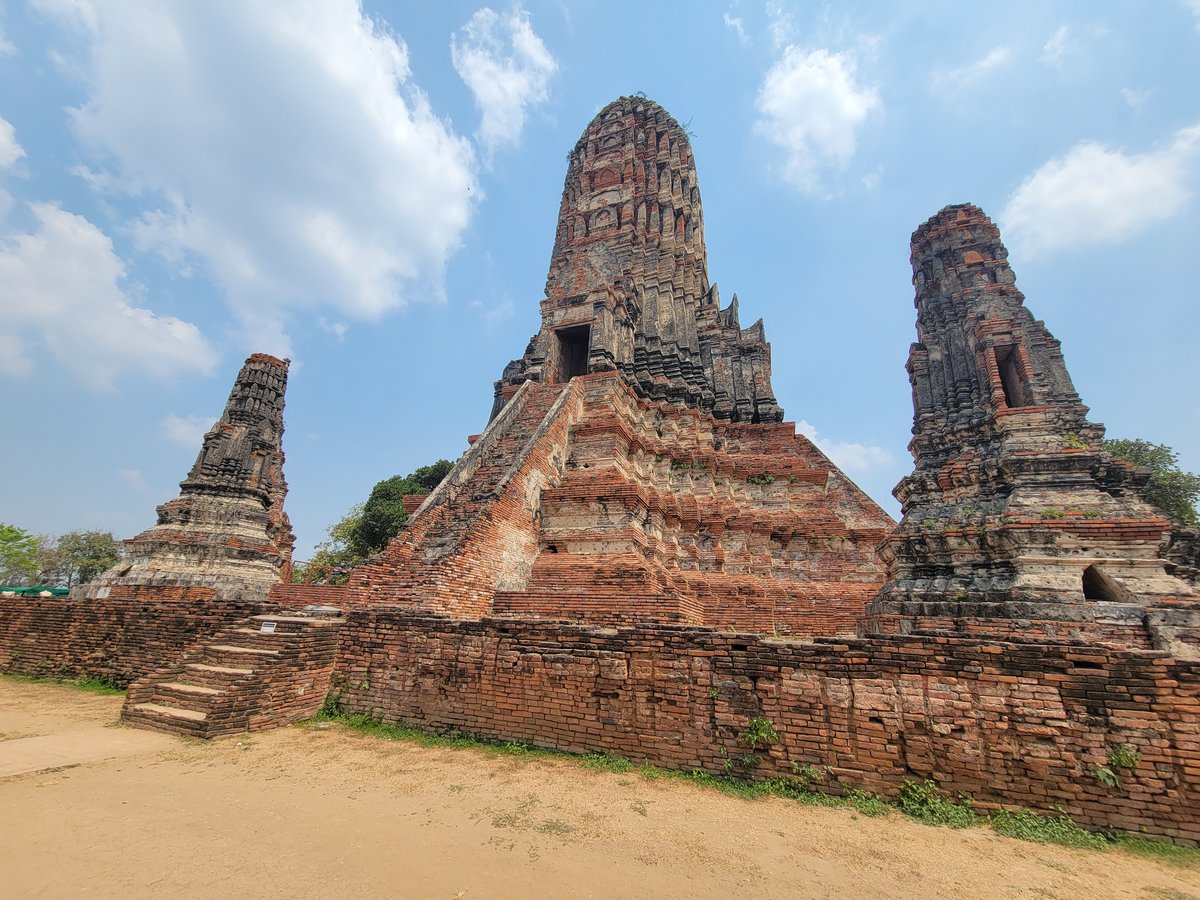
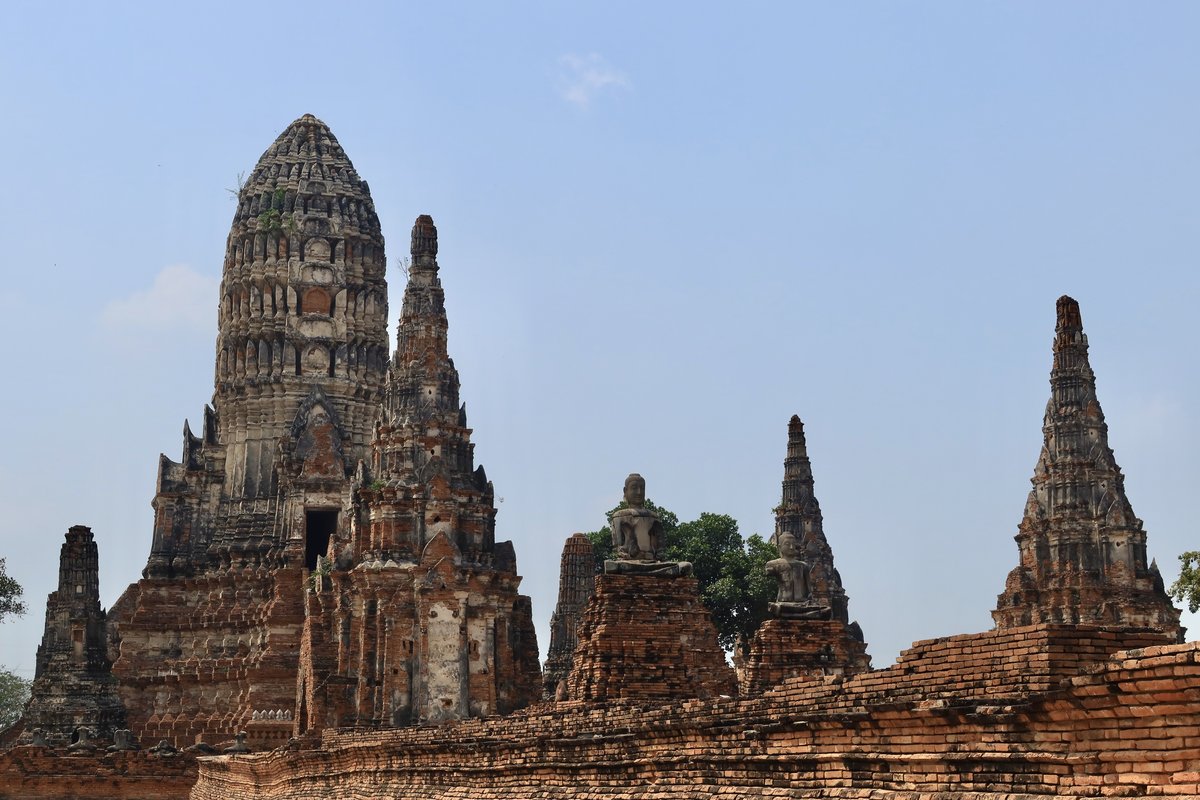
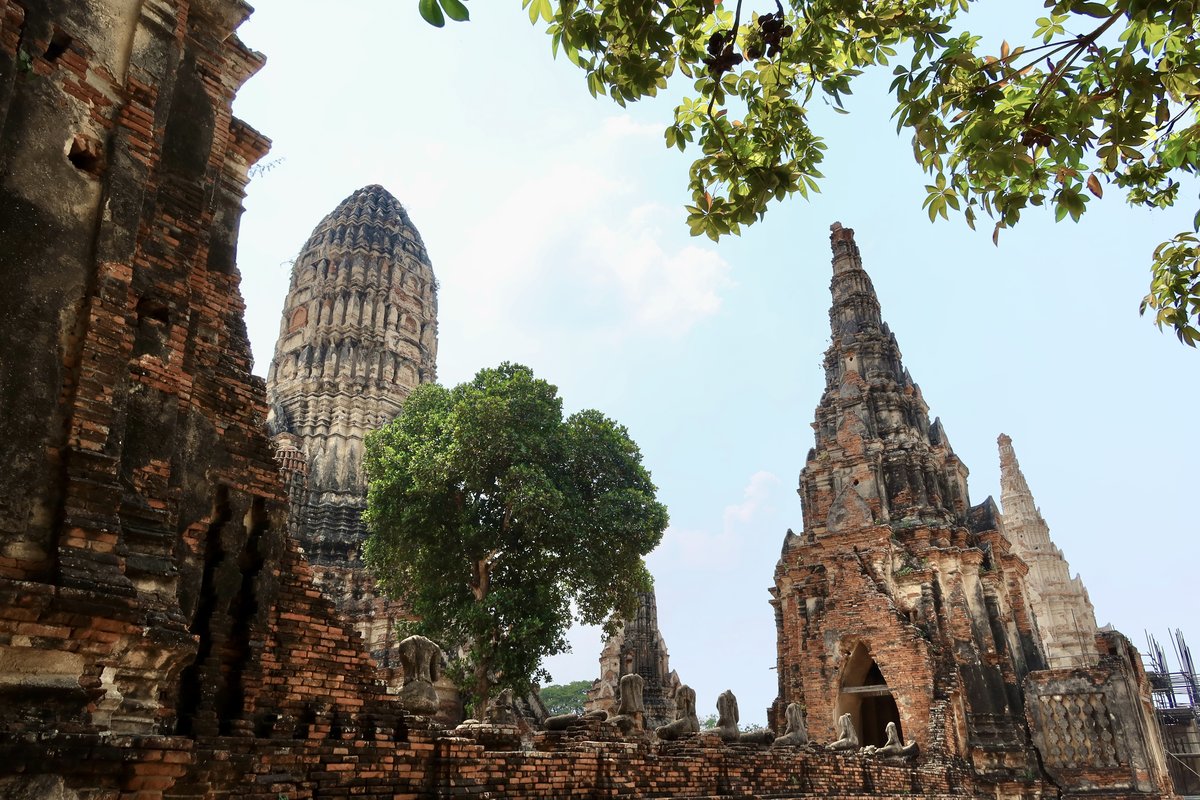
该寺庙的设计深受高棉影响,以吴哥窟的圣山寺庙为蓝本。高耸的35米中央宝塔,周围环绕八座佛塔,象征着印度教和佛教宇宙论中的须弥山(Mount Meru)。朝东面向昭披耶河的布局,强调了其宗教仪式意义和皇家抵达的便捷性(Asia Travel Information)。
毁坏与修复
在1767年缅甸入侵期间,瓦猜瓦塔那兰寺曾作为防御据点,遭受了严重破坏。在经历了几个世纪的废弃后,20世纪末由艺术部门领导的修复工作稳定了建筑结构,并保存了现存的装饰(Renown Travel)。如今,该寺庙是大城历史公园的主要亮点,也是泰国遗产的持久象征。
建筑特色
中央宝塔与布局
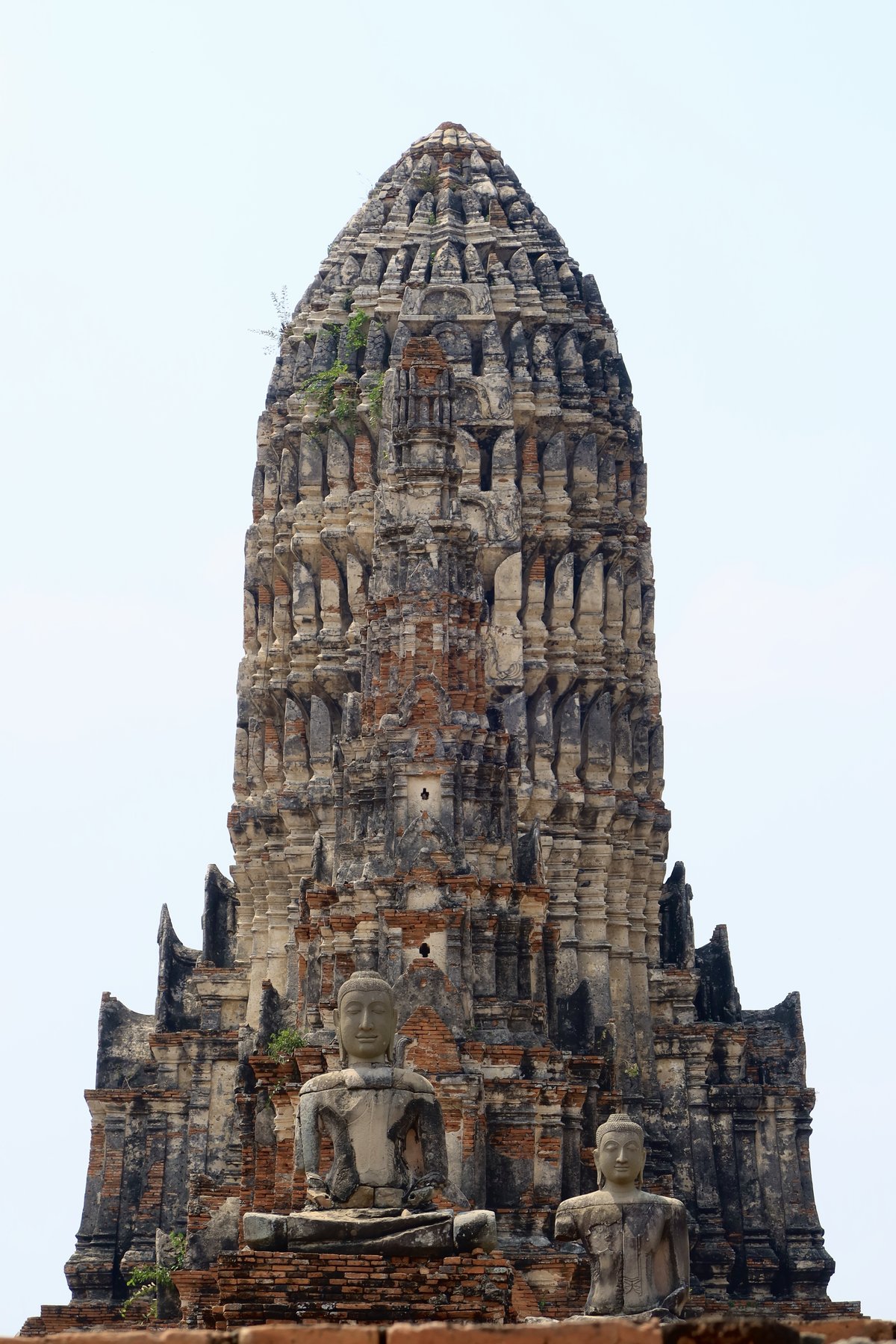
- 35米高的中央宝塔是视觉和象征意义的核心,代表须弥山。
- 平台四个角落的小型宝塔强化了寺庙的宇宙象征意义。
- 八座佛塔对称地布置在平台周围,最初用于供奉佛像和舍利子(thaiunikatravel.com)。
回廊与装饰元素
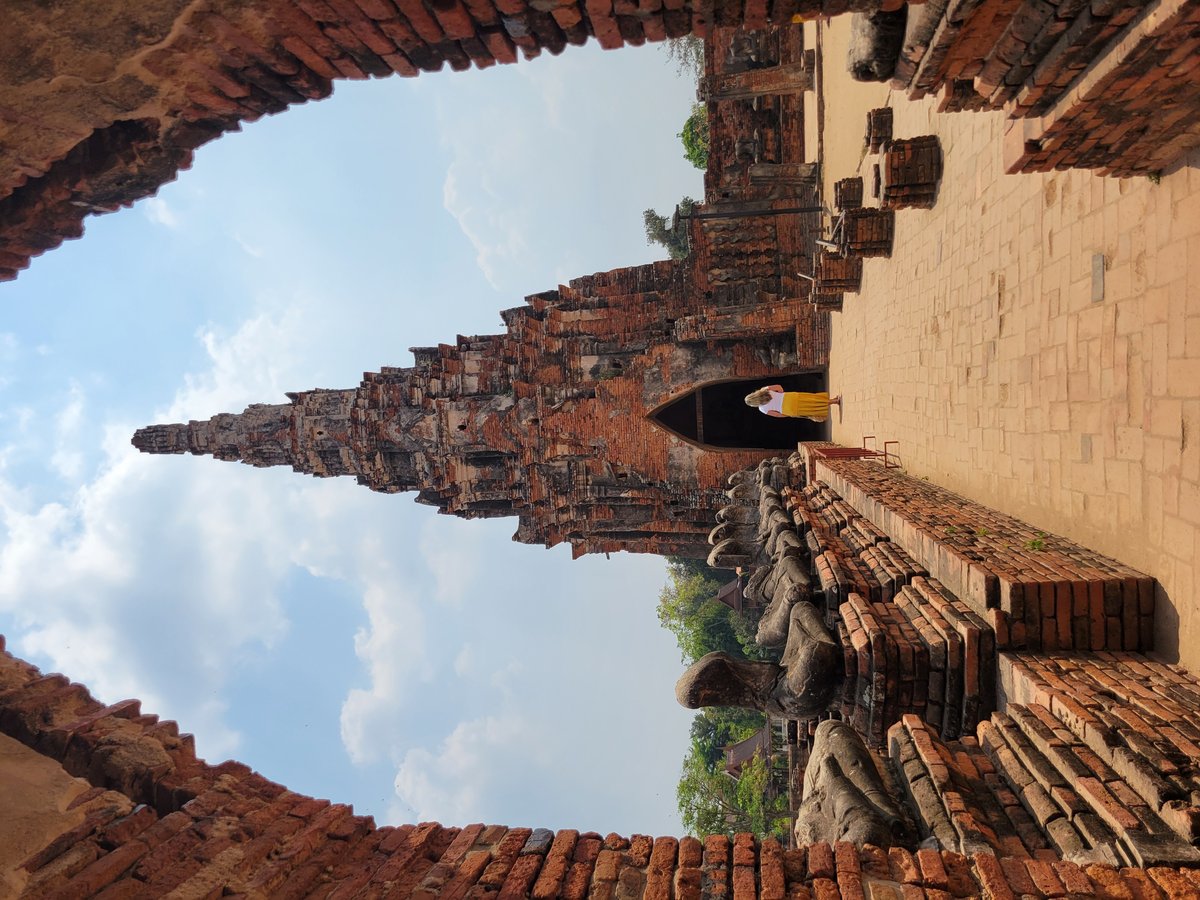
- 回廊曾经供奉着120尊漆金佛像。许多佛像在过去的冲突中已遗失或损坏,但现存的佛像及其布局仍能唤起寺庙昔日的宏伟(guide2thailand.com)。
- 虽然经受了风雨侵蚀,但灰泥浮雕和花卉图案仍展示了大城时期的精湛艺术。
高棉影响
瓦猜瓦塔那兰寺的整体对称性、以宝塔为中心的布局和装饰性灰泥的使用,体现了高棉风格与当地大城风格的交融(topasiatour.com; amazingthailand.org)。
围墙与入口
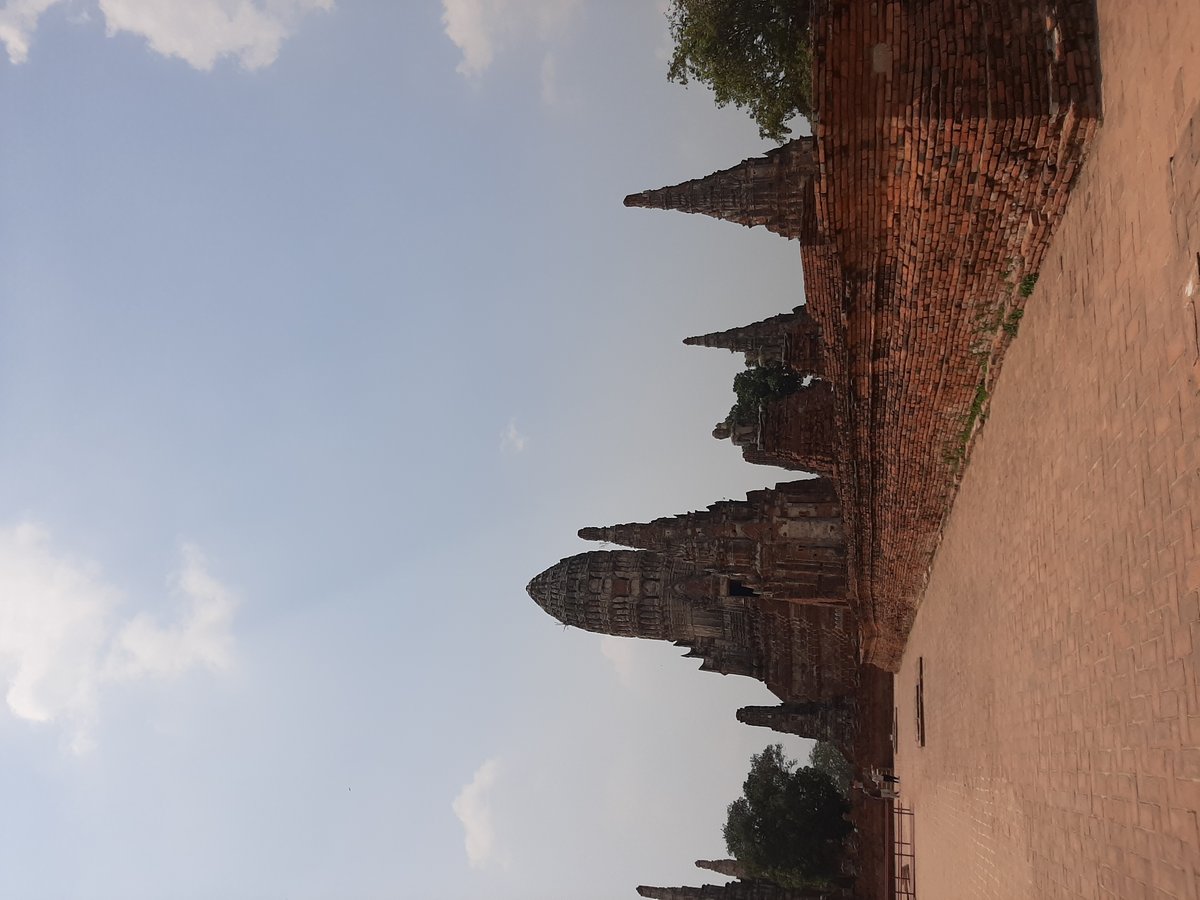
- 寺庙被一座坚固的围墙所环绕,其中主要入口朝东,面向皇家水路(amazingthailand.org)。
- 建筑材料包括红砖和灰泥,兼具实用性和装饰性。
修复
现代修复工作保存了主要建筑,稳定了地基,并改善了游客通道,同时保持了寺庙的历史完整性(thai-hub.com; holidify.com)。
文化和精神意义
皇家与佛教象征
瓦猜瓦塔那兰寺既是皇家纪念碑,也是上座部佛教的中心。中央宝塔象征着宇宙的轴心,而佛塔则代表了佛教宇宙论中的大陆和海洋(Tourist Platform)。寺庙的布局和图像学反映了国王作为宇宙统治者和功德制造者的角色。
僧侣与宗教生活
历史上,该寺庙是僧侣教育、冥想和公共宗教仪式的中心。其回廊装饰有壁画和佛像,用于传授佛教故事和道德价值观(Travel Triangle)。
文化节日
瓦猜瓦塔那兰寺至今仍是水灯节(Loy Krathong)、佛诞节(Visakha Bucha)和大城世界遗产博览会等佛教节日的焦点,届时寺庙会点亮并举办社区仪式和文化表演。
社区参与
当地社区在寺庙保护中发挥着至关重要的作用,参与清洁、筹款和组织文化活动(Tourist Platform)。
游客礼仪
- 着装得体(遮盖肩膀和膝盖)
- 进入圣地时脱鞋
- 不要攀爬遗址或触摸佛像
- 尊重宁静、虔诚的氛围(Asia Highlights)
实用游客信息
地点
班蓬(Ban Pom),大城府,位于昭披耶河西岸,距大城中心约8公里。
开放时间
- 每日开放:上午8:00 – 下午6:00
- 一些资料可能列出略有不同的开放时间(例如,上午8:30 – 下午5:30);请务必在参观前核实官方最新信息。
门票与入场
- 外国游客:50泰铢
- 对泰国国民、15岁以下儿童和学生有折扣。
- 门票可在入口处购买(仅限现金);也可购买包含大城历史公园多个景点的通票(泰国旅游局)。
如何前往
- 从大城府: 从市中心或码头乘坐嘟嘟车、出租车、自行车或乘船。
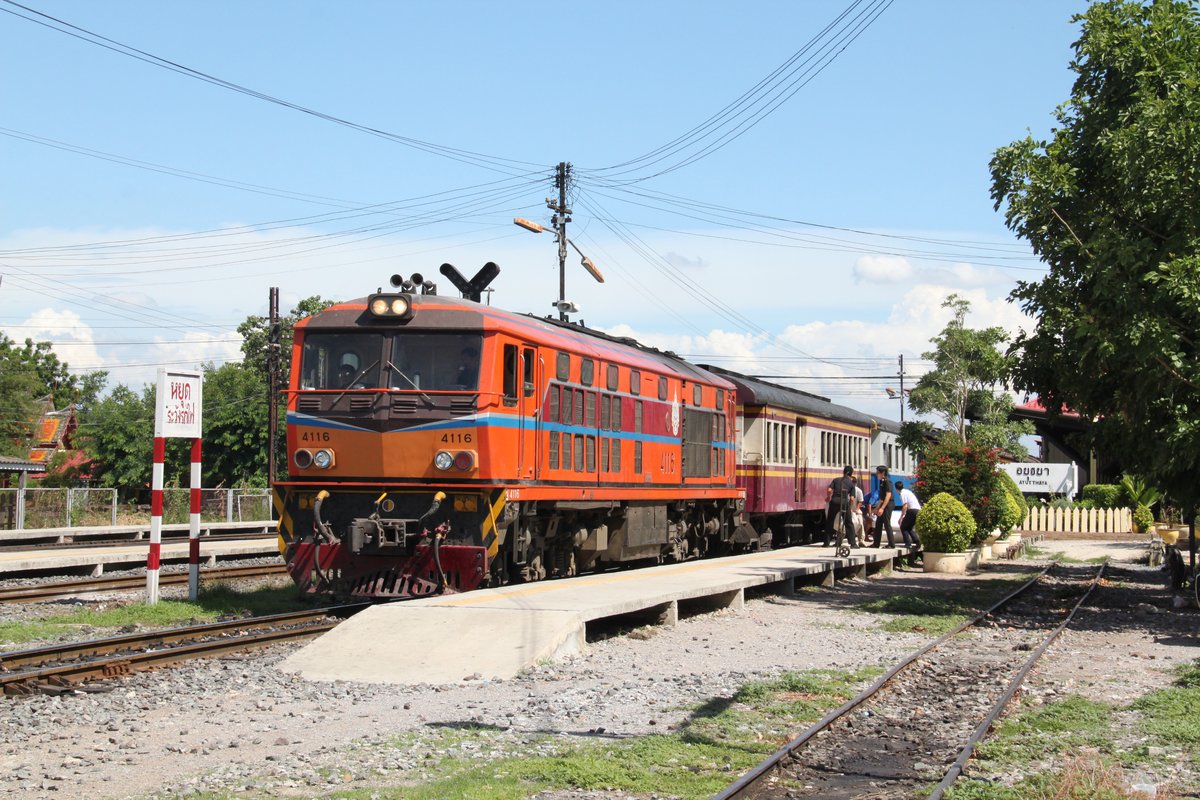
- 从曼谷: 乘坐火车(1.5–2小时)、巴士(2–3小时)或私家车;然后乘坐当地交通工具前往寺庙。
可达性
- 大部分区域平坦,但有不平整的砖砌小径和台阶——轮椅可达性有限。
- 提供休息区和基本设施。
现场设施
- 入口附近有洗手间和售卖点。
- 自行车和汽车停车场。
- 提供传统泰式服装租赁以供拍照(约50泰铢)。
- 咖啡馆和河畔休闲区(trip.com)。
旅游贴士及周边景点
最佳参观时间
- 凉爽干燥季节: 11月至次年2月最为舒适,气温宜人。
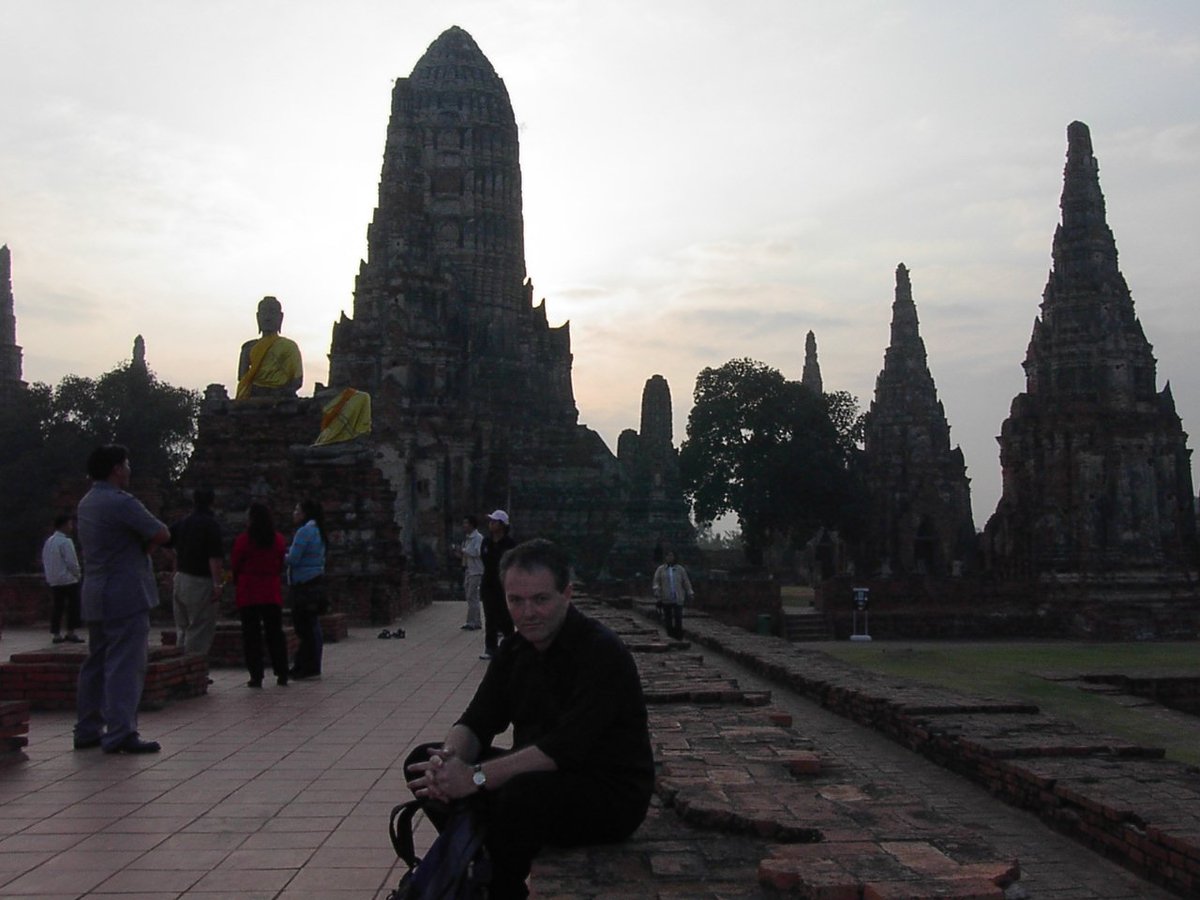
- 日出与日落: 提供最佳的摄影光线和宁静的氛围。
携带物品
- 防晒用品:帽子、防晒霜、太阳镜
- 水瓶
- 舒适的鞋子
- 相机
- 现金(用于支付门票和零食)
导览服务
可在寺庙入口处或通过当地旅行社获取导览服务,以深入了解历史和文化。也可能提供语音导览。
周边景点
- 玛哈泰寺(Wat Mahathat)
- 沙旺寺(Wat Phra Si Sanphet)
- 罗迦耶苏塔寺(Wat Lokayasutharam)
- 大城历史公园(Ayutthaya Historical Park)
租赁自行车或雇佣嘟嘟车是游览多个景点的好方法。
常见问题解答(FAQ)
问:开放时间是什么时候? 答:通常是每天上午8:00至下午6:00,但请在参观前核实官方网站。
问:门票多少钱? 答:外国成人50泰铢;泰国国民、学生和儿童有折扣。
问:寺庙适合儿童参观吗? 答:是的,但请看管好孩子,因为地面不平且有历史遗迹。
问:可以拍照或使用无人机吗? 答:允许拍照;通常禁止使用无人机,需要获得许可。
问:允许携带宠物吗? 答:不允许携带宠物进入寺庙。
问:瓦猜瓦塔那兰寺对残障人士开放吗? 答:由于地面不平坦和有台阶,可达性有限;建议寻求协助。
在应用中收听完整故事
经过核实,如实呈现。
由 Audiala 编辑团队依据历史档案、建筑资料与本地专长调研撰写。
基于 Wikidata、维基百科与官方来源调研 · 经过事实核查 · 我们如何制作导览 →