
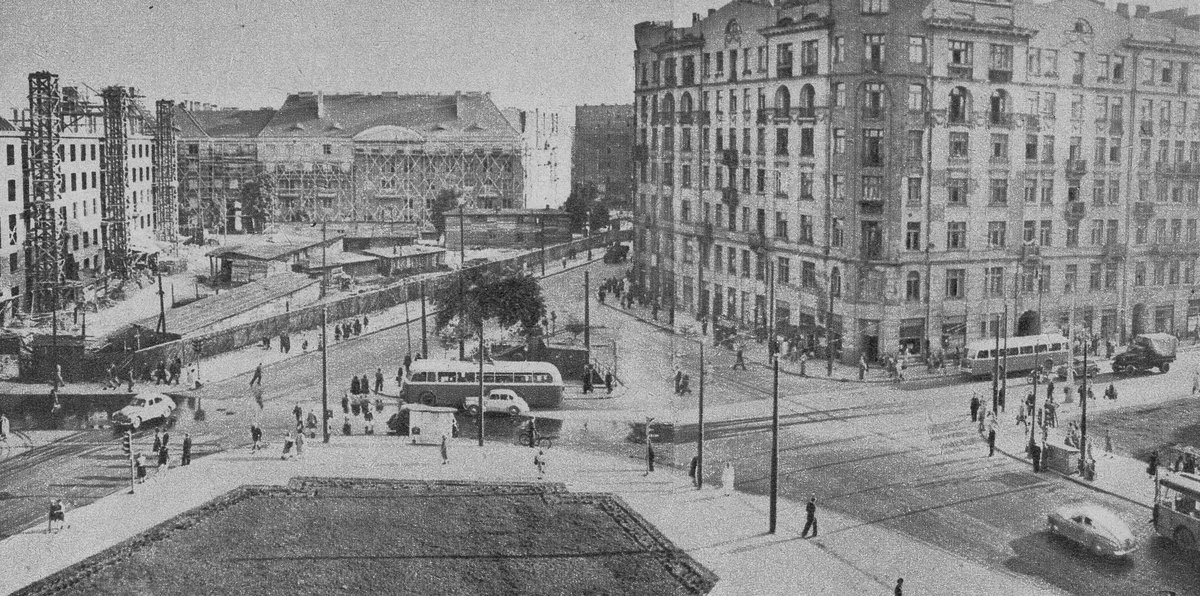
历史渊源与城市发展
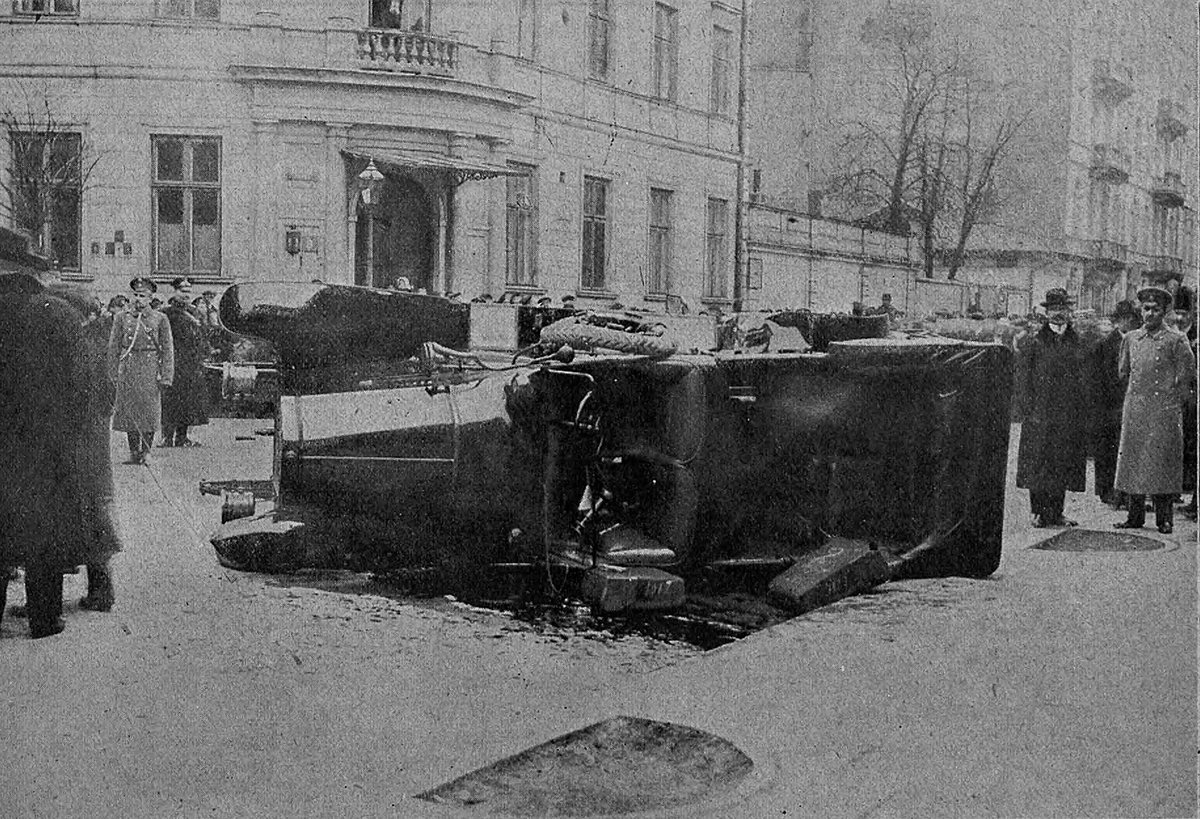
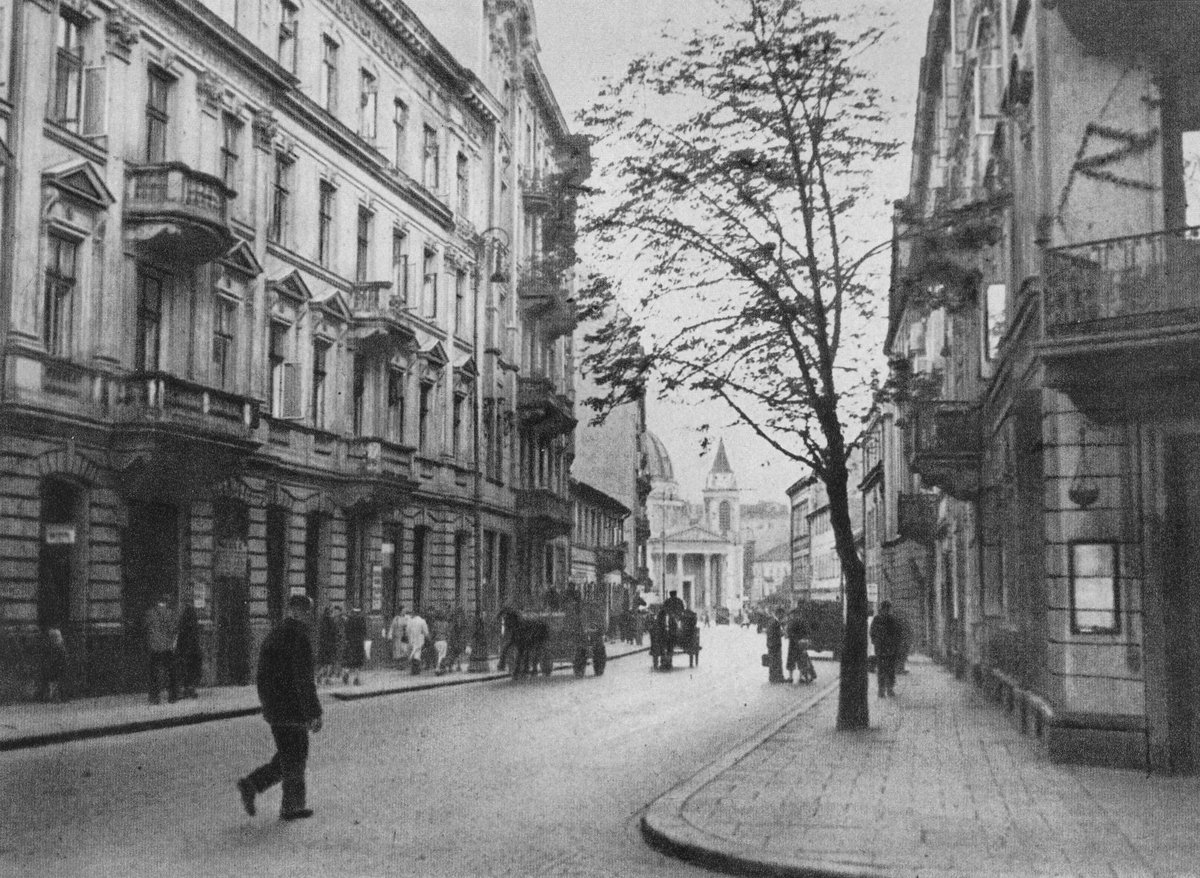
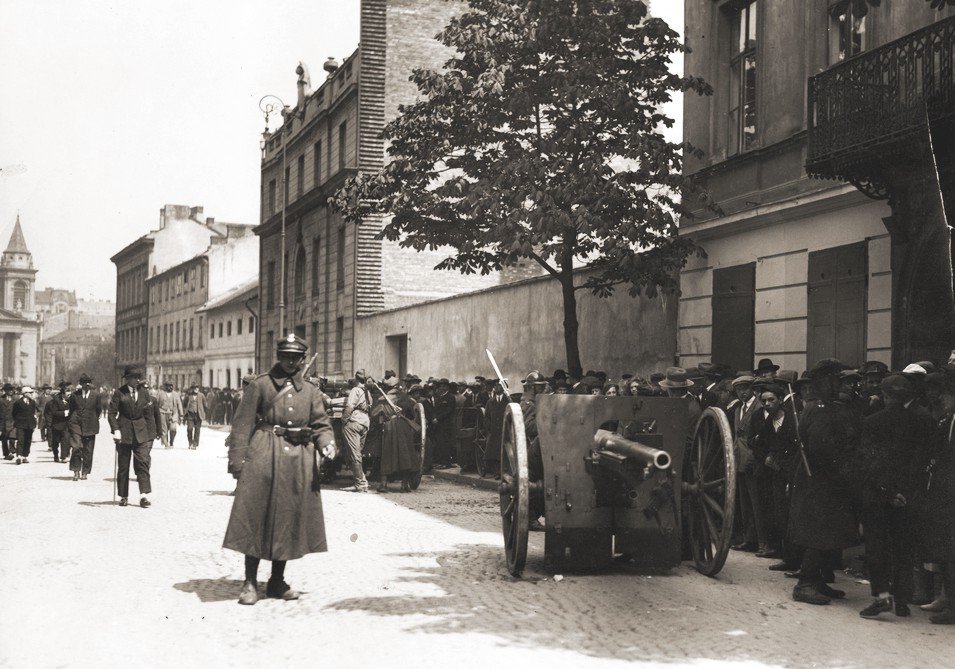
莫科托夫斯卡街的历史可追溯至18世纪末和19世纪初,当时它曾是连接华沙市中心与莫科托夫乡村的一条通道。随着华沙人口增长和城市向中世纪边界外扩张,这条街在19世纪后期迅速发展成为时尚的街区。十字广场(Trzech Krzyży Square)位于其北端,将这条主要街道与商业区和住宅区相连(The Leaders Estate)。
到20世纪初,莫科托夫斯卡街两旁林立着宏伟的联排公寓(kamienice)和优雅的排屋,其中许多至今仍保留着,为人们提供了一睹战前华沙风貌的难得机会。
建筑亮点
折衷主义与新艺术运动
莫科托夫斯卡街以其折衷主义的建筑风格而闻名,其中点缀着杰出的新艺术运动杰作。在其最著名的建筑中:
- 希姆博尔斯基联排别墅(Szymborski Townhouse,与科西科瓦街 Koszykowa Street 交汇处) 由尤利乌什·杰日扎诺夫斯基(Juliusz Dzierżanowski)于1902年建造,这座四层角的建筑特色是复杂的灰泥装饰、太阳图案和面具浮雕——典型的新艺术运动元素(WhiteMAD)。
- 莫科托夫斯卡41号(Mokotowska 41) 由赫彭-切尔温斯基(Heppen-Czerwiński)于1912年设计,这座早期现代主义建筑包含了独特的新艺术运动风格和一座守护天使雕塑。
- 莫科托夫斯卡57号(Mokotowska 57,“克拉科夫人和高地人”联排公寓) 以其纪念性的巨型波兰民族服饰雕塑而著称,颂扬着民族遗产(The Leaders Estate)。
现代主义、保护与复兴
两次世界大战期间,现代主义影响开始盛行,建筑呈现出流线型和奢华的内饰。尽管在1944年华沙起义期间遭受重创,莫科托夫斯卡街却在很大程度上幸免于华沙大部分地区所遭受的破坏。战后翻修简化了许多装饰元素,但持续进行的修复项目(例如2018年希姆博尔斯基联排别墅的复兴)已使许多立面恢复了其原有的宏伟(WhiteMAD)。近期的改造将遗产与现代设施融合,包括屋顶露台和地下停车场(The Leaders Estate)。
访客信息
参观时间和门票
- 莫科托夫斯卡街 公共场所,全天24小时开放;街道漫步无需门票。
- 独立场馆 大多数精品店、画廊和咖啡馆的营业时间为上午10:00至晚上8:00。一些私人建筑和画廊可能需要门票或预约。
无障碍设施
- 行人友好 宽阔的人行道和人行横道可容纳轮椅和婴儿车,但部分历史建筑可能通道有限。
- 公共交通 电车、巴士和理工大学地铁站(Politechnika metro station)提供便捷交通。停车位有限,但附近停车场有空位。
导览游
- 提供专注于莫科托夫斯卡街历史和建筑的徒步导览,包括专业导游或通过Audiala等应用程序提供的语音导览。
旅行提示
- 最佳参观时间 春季和初秋,天气宜人,街头生活充满活力。
- 穿着 建议穿着舒适的步行鞋,因为部分路段为鹅卵石路。
- 摄影 主要拍照地点包括希姆博尔斯基联排别墅、莫科托夫斯卡41号和“克拉科夫人和高地人”联排公寓。
文化与社交场景
时尚与设计
莫科托夫斯卡街是华沙首屈一指的“时尚大道”,汇集了利迪娅·卡利塔(Lidia Kalita)、博霍博科(Bohoboco)和拉玛尼亚(La Mania)等波兰设计师的高端精品店。这些时尚的店面坐落于修复后的历史建筑中,吸引着当地人和寻求奢侈品购物及独特纪念品的游客(Fodor’s)。
美食地标
这条街的美食场景从传统的波兰牛奶吧到时尚咖啡馆和手工冰淇淋店应有尽有。杰出的场所包括:
- 牛奶吧(Bar Mleczny) 提供价格实惠的经典波兰菜肴。
- Ciao e Tutti 地道的意大利美食。
- Malinova和Jednorozec 以手工冰淇淋闻名。
- Miau Café 华沙最初的猫咪咖啡馆(Fodor’s)。
艺术与社区生活
莫科托夫斯卡街的魅力因其艺术画廊、独立书店以及如现代剧院(Współczesny Theatre)和月神影院(Luna Cinema)等剧院而增色不少。季节性文化活动、临时展览和节日街头装饰为这条街注入了创意活力。
著名地标与景点
- 波兰历史博物馆(Mokotowska 33/35) 周二至周日开放,上午10:00至下午6:00(周一闭馆)。门票:成人约20波兰兹罗提,每月第一个周日免费入场。该博物馆是华沙城堡建筑群的一部分,设有展览、音乐厅、电影院和全景观景平台(ArchDaily)。
- 精品店集群(Mokotowska 40-60) 高端波兰时尚精品店的集中地。
- Malinova冰淇淋店(Mokotowska 17) 因其独特口味而深受当地人喜爱。
- 华沙城堡建筑群 包括波兰陆军博物馆和卡廷博物馆,构成一个重要的文化中心。
绿地与历史细节
成熟的树木、历史悠久的煤气灯和小型公园共同营造了莫科托夫斯卡街宁静的氛围。建筑细节——铸铁阳台、装饰性飞檐和原装入口——为华沙战前优雅风貌提供了有形联系(Like a Local Guide)。
常见问题 (FAQ)
问:参观莫科托夫斯卡街需要费用吗? 答:不需要,它是一条公共街道,可免费游览。
问:有提供英语导览服务吗? 答:是的,提供多种语言的徒步导览服务。
问:莫科托夫斯卡街对残疾人士是否方便通行? 答:街道本身是无障碍的,但一些历史建筑可能入口有限。
问:附近有停车场吗? 答:街边停车位有限;附近有几家停车场。
问:波兰历史博物馆的开放时间及门票价格是多少? 答:周二至周日开放,上午10:00至下午6:00。门票:成人约20波兰兹罗提,每月第一个周日提供折扣和免费入场(ArchDaily)。
视觉画廊与互动元素
为提升您的参观体验,请探索虚拟导览和高质量图片,包括:
- “华沙莫科托夫斯卡街历史建筑”
- “希姆博尔斯基联排别墅新艺术运动立面”
- “莫科托夫斯卡街上的时尚精品店”
- “波兰历史博物馆外部”
互动地图和数字指南可进一步丰富您的体验。
官方资源及更多信息
- The Leaders Estate – 探索莫科托夫斯卡街
- WhiteMAD – 希姆博尔斯基联排别墅
- Like a Local Guide – 华沙莫科托夫斯卡街
- ArchDaily – 波兰历史博物馆
- Fodor’s – 参观莫科托夫的10个理由
Audiala2024## Mokotowska Street, Warsaw: A Comprehensive Visitor’s Guide
Introduction
Mokotowska Street in Warsaw stands as a distinguished emblem of the city’s rich historical tapestry, architectural heritage, and vibrant cultural life. Originating as a rural route connecting central Warsaw with the then-suburb of Mokotów in the late 18th century, Mokotowska evolved into one of the capital’s most prestigious and architecturally significant thoroughfares. Visitors today can experience a seamless blend of eclectic architectural styles, from the ornate Art Nouveau masterpieces like the Szymborski townhouse to early modernist gems and meticulously restored pre-war tenements that survived the ravages of World War II. Beyond its architectural allure, Mokotowska serves as a dynamic cultural corridor, hosting high-end boutiques by renowned Polish designers, charming cafés, theaters, and galleries that celebrate Warsaw’s artistic spirit.
This comprehensive visitor’s guide offers detailed insights into Mokotowska Street’s historical evolution, cultural significance, and practical information crucial for planning a visit. From understanding the street’s origins and preservation efforts to exploring its role as Warsaw’s “fashion mile” and its proximity to notable landmarks like the Polish History Museum and Trzech Krzyży Square, this guide equips travelers with knowledge to fully appreciate the street’s multifaceted appeal. Accessibility considerations, visiting hours, guided tours, and tips for exploring the culinary and social scenes further enhance the visitor experience.
Whether you are an architecture enthusiast, history buff, fashion aficionado, or a casual traveler seeking to immerse yourself in Warsaw’s urban charm, Mokotowska Street promises an engaging journey through Poland’s past and present. For more details on its architectural highlights and visitor amenities, explore resources such as The Leaders Estate, WhiteMAD, and Like a Local Guide.
Historical Origins and Urban Development
Mokotowska Street’s roots date back to the late 18th and early 19th centuries, when it served as a connector between Warsaw’s city center and the rural village of Mokotów. The street’s transformation into a fashionable address accelerated in the late 19th century, as Warsaw’s population grew and the city expanded beyond its medieval boundaries. Trzech Krzyży Square anchors its northern end, linking the thoroughfare to both commercial and residential districts (The Leaders Estate).
By the early 20th century, Mokotowska was lined with grand tenement houses (kamienice) and elegant townhouses, many of which remain today—offering a rare glimpse into pre-war Warsaw.
Architectural Highlights
Eclecticism and Art Nouveau
Mokotowska is renowned for its eclectic architectural blend, with notable Art Nouveau masterpieces punctuating the street. Among its most celebrated buildings:
- Szymborski Townhouse (Intersection with Koszykowa Street) Built in 1902 by Juliusz Dzierżanowski, this four-story corner building features intricate stucco, sun motifs, and mascarons—quintessential Art Nouveau elements (WhiteMAD).
- Mokotowska 41 Designed in 1912 by Heppen-Czerwiński, this early modernist building includes distinctive Art Nouveau touches and a guardian angel sculpture.
- Mokotowska 57 (“Cracovians and Highlanders” Tenement) Distinguished by monumental sculptures of giants in Polish folk attire, celebrating national heritage (The Leaders Estate).
Modernism, Preservation, and Revival
The interwar period introduced modernist influences, with buildings featuring streamlined forms and luxurious interiors. Despite heavy fighting during the Warsaw Uprising of 1944, Mokotowska largely survived the devastation that befell much of the city. Post-war renovations simplified many decorative elements, but ongoing restoration projects—such as the 2018 revival of the Szymborski townhouse—have returned many façades to their original grandeur (WhiteMAD). Recent adaptations blend heritage with modern amenities, including rooftop terraces and underground parking (The Leaders Estate).
Visitor Information
Visiting Hours and Tickets
- Mokotowska Street Public and open 24/7; no entrance fees for walking the street.
- Individual Venues Most boutiques, galleries, and cafés operate from 10:00 AM to 8:00 PM. Some private buildings and galleries may require tickets or appointments.
Accessibility
- Pedestrian-Friendly Wide sidewalks and pedestrian crossings accommodate wheelchairs and strollers, though some historic buildings may have limited access.
- Public Transport Trams, buses, and the Politechnika metro station offer convenient access. Parking is limited but available in nearby garages.
Guided Tours
- Walking tours focusing on Mokotowska’s history and architecture are available, including options with professional guides or audio guides via apps such as Audiala.
Travel Tips
- Best Time to Visit Spring and early autumn for optimal weather and lively street life.
- What to Wear Comfortable walking shoes are recommended due to cobblestone sections.
- Photography Key photo spots include the Szymborski townhouse, Mokotowska 41, and the “Cracovians and Highlanders” tenement.
Cultural and Social Scene
Fashion and Design
Mokotowska Street is Warsaw’s premier “fashion mile,” home to a concentration of high-end boutiques featuring Polish designers like Lidia Kalita, Bohoboco, and La Mania. The chic storefronts, set in restored historic buildings, attract both locals and visitors seeking luxury shopping and unique souvenirs (Fodor’s).
Culinary Landmarks
The street’s culinary scene ranges from traditional Polish milk bars to trendy cafés and artisanal ice cream parlors. Standout venues include:
- Bar Mleczny Classic Polish dishes at affordable prices.
- Ciao e Tutti Authentic Italian cuisine.
- Malinova and Jednorozec Renowned for artisanal ice cream.
- Miau Café Warsaw’s original cat café (Fodor’s).
Artistic and Community Life
Mokotowska’s charm is amplified by its art galleries, independent bookstores, and theaters such as the Współczesny Theatre and Luna Cinema. Seasonal cultural events, pop-up exhibitions, and festive street decorations infuse the street with creative energy.
Notable Landmarks and Points of Interest
- Polish History Museum (Mokotowska 33/35) Open Tuesday to Sunday, 10:00 AM–6:00 PM (closed Mondays). Tickets: ~20 PLN for adults, free entry on the first Sunday of each month. The museum, part of the Warsaw Citadel complex, features exhibitions, a concert hall, cinema, and panoramic viewing platform (ArchDaily).
- Boutique Cluster (Mokotowska 40–60) High-end Polish fashion boutiques.
- Malinova Ice Cream Parlor (Mokotowska 17) Beloved by locals for its unique flavors.
- Warsaw Citadel Complex Includes the Polish Army Museum and Katyn Museum, forming a major cultural hub.
Green Spaces and Historic Details
Mature trees, historic gas lamps, and small parks contribute to Mokotowska’s tranquil ambiance. Architectural details—wrought-iron balconies, decorative cornices, and original entryways—provide a tangible link to Warsaw’s pre-war elegance (Like a Local Guide).
Frequently Asked Questions (FAQ)
Q: Is there a fee to visit Mokotowska Street? A: No, it is a public street and free to explore.
Q: Are guided tours available in English? A: Yes, various walking tours are offered in multiple languages.
Q: Is Mokotowska Street accessible for people with disabilities? A: The street is accessible, though some historic buildings may have limited entry.
Q: Where can I park nearby? A: Limited street parking is available; several parking garages are located nearby.
Q: What are the Polish History Museum’s opening hours and ticket prices? A: Open Tuesday–Sunday, 10:00 AM–6:00 PM. Tickets: ~20 PLN for adults, with discounts and free entry on the first Sunday monthly (ArchDaily).
Visual Gallery and Interactive Elements
To enhance your visit, explore virtual tours and high-quality images featuring:
- “Mokotowska Street Warsaw historical buildings”
- “Szymborski Townhouse Art Nouveau façade”
- “Fashion boutiques on Mokotowska Street”
- “Polish History Museum exterior”
Interactive maps and digital guides can further enrich your experience.
Summary and Recommendations
Mokotowska Street stands as a testament to Warsaw’s resilience, blending pre-war architectural beauty with modern vibrancy. Its preserved tenements, cultural institutions, boutique shops, and culinary destinations offer a multi-layered experience for visitors. Accessibility and public transport make it easy to explore, and restoration efforts ensure its continued vitality.
For the best visit:
- Walk the street to admire Art Nouveau façades.
- Tour the Polish History Museum and neighboring Citadel complex.
- Sample local cuisine and browse unique boutiques.
- Use digital tools like the Audiala app for audio guides and updates.
- Visit during seasonal festivals for a lively atmosphere.
For more information, consult resources like Fodor’s and ArchDaily.
Official Sources and Further Information
- The Leaders Estate – Discovering Mokotowska Street
- WhiteMAD – The Szymborski Townhouse
- Like a Local Guide – Mokotowska Street Warsaw
- ArchDaily – Polish History Museum
- Fodor’s – 10 Reasons to Visit Mokotów