简介
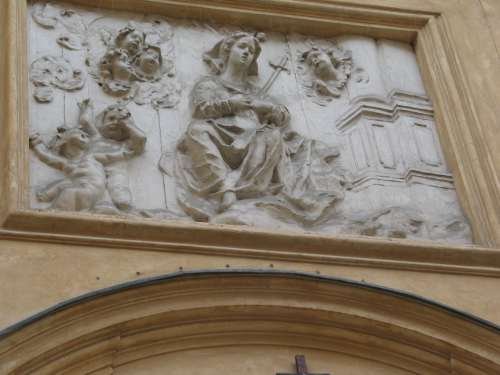
华沙波兰圣神天主教堂是波兰首都华沙信仰、韧性和建筑之美的深刻象征。这座巴洛克式杰作起源于14世纪末,既是精神中心,也是这座城市层叠历史的见证。从其最初作为华沙中世纪城墙外的医院和礼拜场所开始,这座教堂就在城市的宗教和社会生活中扮演了举足轻重的角色,最著名的是它作为通往亚斯纳戈拉修道院的著名朝圣之路的起点。如今,游客可以探索其华丽的内部装饰、历史悠久的礼拜堂以及仍旧活跃着这座不朽地标的生动传统。(华沙圣神教堂,华沙旅游局,Petit Futé)
图片库
图览华沙波兰天主教圣灵大教堂
Historic photo showing the start of a cross-country race with runners and the Garrison Church of the 1st Regiment of Light Cavalry visible in the background. Lieutenant Mieczysław Bigoszewski stands fifth from the right.
A detailed image of a religious procession held inside the garrison church of the 1st Regiment of Chasseurs during Boże Ciało celebration
Participants of a ceremony kneeling outside the Garrison Church of the 1st Regiment of Mounted Rifles during the Corpus Christi celebration
Image showing participants standing in front of the garrison church of the 1st Regiment of Mounted Rifles during a religious ceremony
Image showing participants of the Boże Ciało ceremony exiting the garrison church of the 1st Regiment of Polish Horse Grenadiers.
Historical photo of the mounted bugle platoon of the 1st Regiment Józef Piłsudski's Lancers with a garrison church in the background, taken in barracks on Huzarska Street, Warsaw.
Image showing the carrying of a coffin from the garrison church of the 1st Regiment of Polish Lancers during a funeral ceremony.
Black and white historical photo of Lieutenant Franciszek Flatau mounted on a horse, with the garrison church of the 1st Regiment of Lancers visible in the background.
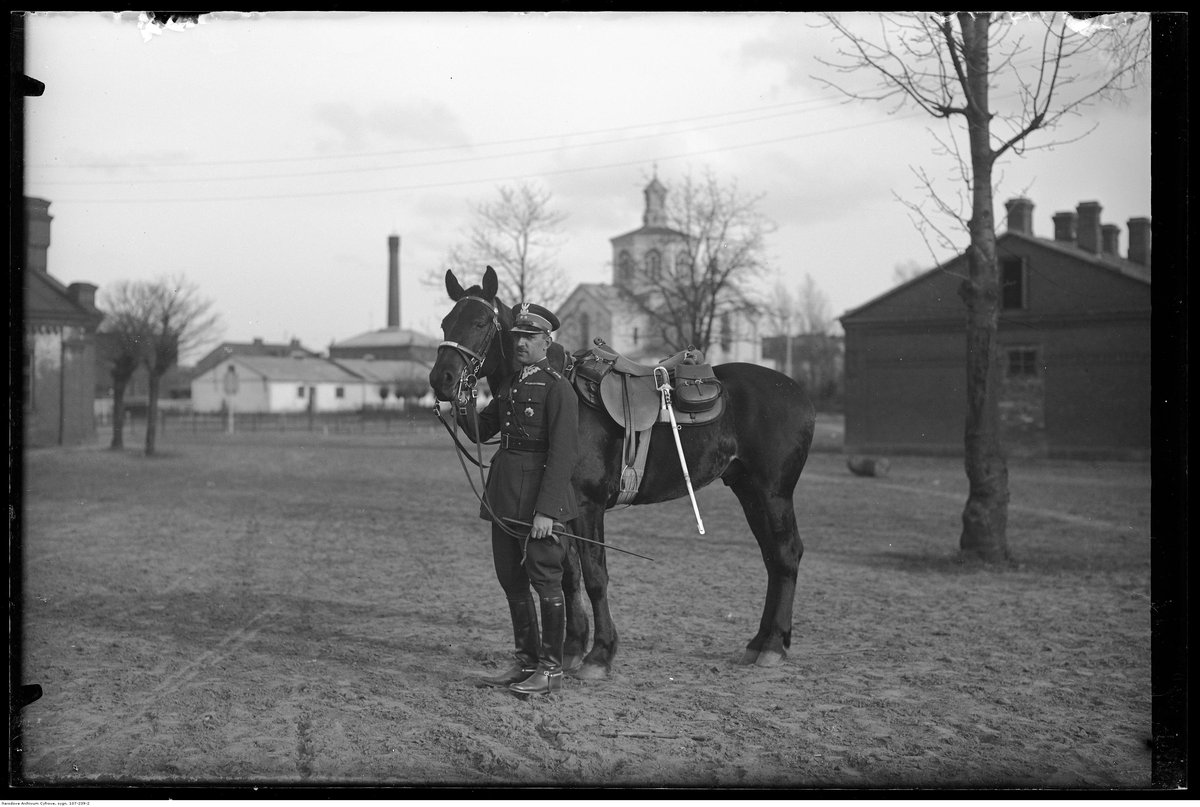
Historical photograph of Porucznik Jan Kazimierz Motz standing next to a horse with the garrison church of the 1st Regiment of Lancers visible in the background.
Image of a military parade of the non-commissioned officers school featuring officers and the flag of the 1st Regiment of Chasseurs. Officer Józef Szostak is visible on the far left. The garnison church of the regiment can be seen in the distance.
Artistic depiction of the Grave of Christ located in a regimental church, Wielkanoc 1931 artwork by Narcyz Witczak-Witaczyński
Image of the Grave of Christ located in the regimental church, showcasing a religious Easter display from 1931 with artistic and historical significance.
中世纪起源与建立
圣神教堂(Kościół Św. Ducha)建于14世纪末,最初是华沙中世纪城墙外的一座医院教堂,为穷人和旅人提供服务。1388年,华沙公爵老雅努什将教堂和医院移交给城市管理,巩固了其作为市政和宗教机构的角色。在接下来的一个世纪里,该地扩建了礼拜堂和修道院,凸显了教堂精神和社会使命的相互交织。
文艺复兴与早期现代变革
在16和17世纪,教堂经历了重大的建筑和组织变革。它被并入圣三一教区,并在皇家赞助下为比尔吉蒂娜修会(Birgittine Order)完成了建设。尽管在瑞典入侵期间遭受了破坏,教堂和医院仍继续运作,并启动了新建巴洛克式教堂的计划。
巴洛克式复兴与朝圣传统
在1707年至1717年间,在建筑师约瑟夫·皮奥拉(Józef Piola)和约瑟夫·希蒙·贝洛蒂(Józef Szymon Bellotti)的指导下,并在总督里宾斯基(Rybiński)的资助下,教堂以巴洛克风格重建,获得了如今的建筑辉煌。1708年,在一场毁灭性的瘟疫中,保罗会修士发起了华沙首次前往琴斯托霍瓦亚斯纳戈拉修道院的朝圣活动——这一传统延续至今,使教堂深深植根于波兰的精神版图。
19及20世纪:政治变迁与重建
拿破仑战争和随后的俄罗斯统治之后,保罗会修会被驱逐,该建筑群被改作各种宗教和民用用途。1944年华沙起义期间,教堂几乎被完全摧毁。修复工作于1947年开始,到1956年,教堂得以重建,保留了其巴洛克风格的特色,并继续作为精神中心发挥作用。
游客信息
开放时间
- 周一至周六: 上午8:00 – 下午6:00
- 周日: 上午7:00 – 下午7:00
节假日期间开放时间可能有所不同。请在参观前务必通过官方网站确认。
门票与入场
- 入场: 免费
- 捐款: 欢迎捐款以支持维护和慈善工作
导览服务
- 可通过教区办公室或当地旅行社安排导览服务。
- 导览内容涵盖教堂的历史、建筑和宗教意义。
- 团体预订需提前安排。
无障碍设施
- 主入口有台阶,但侧门可能提供坡道通道。
- 中殿可供轮椅使用者进入,但由于建筑年代久远,部分地面仍不平坦。
- 内部不提供无障碍洗手间,但在附近的旧城区可以找到。
旅游贴士与礼仪
- 最佳参观时间: 清晨或工作日下午人流较少。
- 着装要求: 需穿着端庄——肩膀和膝盖应遮盖。进入教堂后应脱帽。
- 行为规范: 请保持安静,尤其是在礼拜期间。在非礼拜期间允许拍照,但请勿使用闪光灯。
- 捐款: 随身携带少量现金用于捐款或购买蜡烛。
附近景点
- 华沙旧城广场: 联合国教科文组织世界遗产,拥有充满活力的历史。
- 皇家城堡: 前皇家住所和博物馆。
- 圣约翰大教堂: 重要的哥特式教堂。
- 多媒体喷泉公园: 夏季提供夜间灯光和水上表演。
- 华沙最小的房子: 教堂旁边独特的建筑奇观。
(The Crazy Tourist,The Simple Travel,Petit Futé)
文化与宗教意义
教堂的遗产与城市的精神和文化生活紧密相连。它作为医院的建立反映了其长期致力于慈善事业的承诺,而其在琴斯托霍瓦朝圣中的作用则标志着它成为波兰天主教传统的活生生的中心。修复项目和社区倡议继续保留其作为重要宗教和历史遗址的地位。
常见问题
问:圣神天主教堂的开放时间是? 答:周一至周六上午8:00至下午6:00,周日上午7:00至下午7:00。节假日期间请确认。
问:有入场费吗? 答:没有,免费入场。鼓励捐款。
问:有导览服务吗? 答:是的,可通过教区办公室或当地旅行社安排导览。
问:教堂是否对轮椅使用者开放? 答:主要区域部分无障碍;部分入口设有坡道。
问:我可以在里面拍照吗? 答:可以,但请勿使用闪光灯,并且不要在礼拜期间或有信众在场时拍照。
在应用中收听完整故事
Audiala App
支持 iOS 和 Android
加入50,000+策展人
资料来源
- verified
- verified
- verified
- verified
- verified
最后审核: