

Place
Greece 更新于 Mar 2026
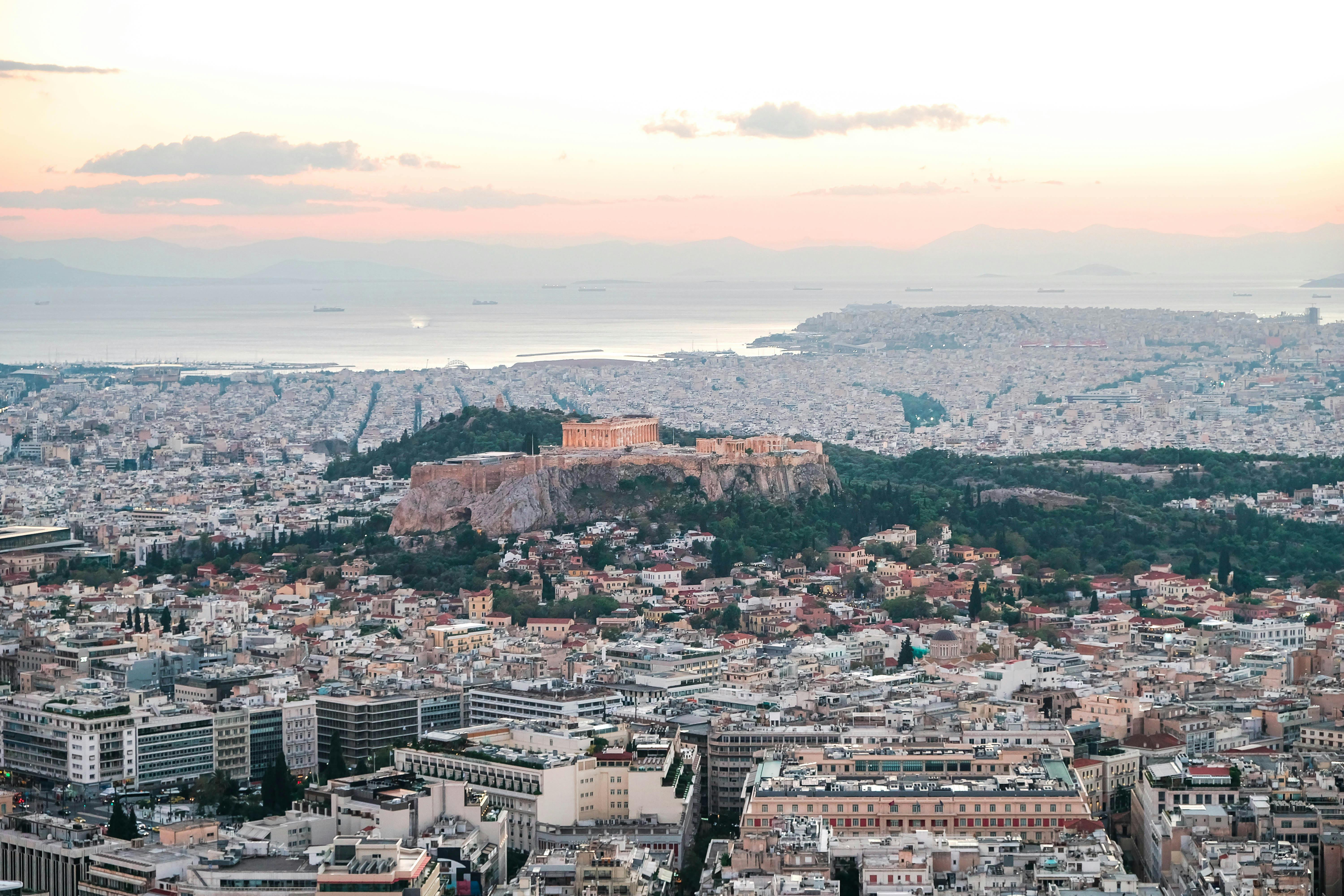
还没来得及仰望卫城,雅典已经用气息迎住了你——脚下的石板被晒得发烫,小巷里飘来烤肉的焦香,傍晚的茉莉花香悄悄混入暮色。让大多数游客意外的,是废墟之间那股蓬勃的生命力。在这座城市,拜占庭小教堂可以蜷缩在写字楼底层,罗马图书馆能藏在集市的喧嚣背后,而夜晚到了十一点,才刚刚热起来。
 图片: Matheus Bertelli / Pexels
内容来自注明出处的资料 · 查看方法 · 我们如何制作导览 →
读懂雅典,需要把它当作一部叠压的历史读本。从哈德良图书馆走向古代阿哥拉,途经购物人流中的卡普尼卡雷亚教堂,再拐进某个现代混凝土楼座的角落,就能发现圣阿吉娅·迪纳米小礼拜堂——烛光依然亮着。十九世纪的城市抱负同样清晰可辨:新古典主义三部曲建筑和扎皮翁宫在街头随处可见,而奥纳西斯文化中心和斯塔夫罗斯·尼阿尔霍斯基金会文化中心则以不容忽视的姿态宣告,当代文化在雅典从来不是点缀,而是核心。
这里的日常生活热络、喧闹,又带着一种令人着迷的从容。喝咖啡是一场长谈,绝非外带一杯了事;晚上九点前开饭,感觉像是赶早场;菜是点给整桌人的,随吃随加,边聊边商量。跟着雅典人走:清晨去瓦尔瓦基奥斯中央市场,傍晚转去潘格拉提或佩特拉罗纳,入夜后再找一家露天电影院——银幕亮起时,夏日的余光还没完全散去。
真正改变你对雅典认知的,是意识到那些著名遗迹不过是第一章。更深的故事藏在那些旧工坊变身酒吧的街巷里,藏在阿雷奥帕古斯山或斯特雷菲山上等待城市被夕阳染成金色的本地人身旁,也藏在当代希腊人争论、实验、演出的场所——国家当代艺术博物馆、技术城、国家歌剧院。为古迹而来,但请为这座不断书写自身的活城市留出空间。
按区漫步——每个街区都有自己的节奏。
出发之前
From hilltop settlement to modern capital, the city keeps rebuilding itself without losing its nerve.
Long before temples, families settled around the Acropolis slopes, leaving flint tools, pottery, and hearth traces. The hill already offered what every city needs first: defensible height, water nearby, and a view of every approach.
Mycenaean builders wrapped the Acropolis in massive limestone defenses that later Greeks called Cyclopean, as if only giants could lift them. A rock-cut stair to a hidden cistern hints at siege planning and a city expecting hard times.
Athens shifted from hereditary kingship to annually chosen archons, with aristocratic clans steering policy through the Areopagus. Power did not become democratic overnight, but it became procedural, and procedure became Athens' habit.
Draco's code was posted publicly so rules were no longer guarded as family secrets. Its punishments were famously severe, but the deeper change was radical: law became text, visible and arguable in public.
As lawgiver, Solon canceled crushing debts and ended debt slavery for Athenian citizens under his seisachtheia reforms. In Athens he tied political voice to wealth classes, widened legal participation, and gave future democracy a working frame.
Cleisthenes redrew Attica into ten mixed tribes and set up the Council of 500, breaking old clan monopolies. Athens started to feel less like a noble network and more like a political machine powered by ordinary male citizens.
Athenian and Plataean troops met Persian forces on the Marathon plain and won against the odds. The victory protected the city in the short term and, more importantly, taught Athenians that collective discipline could beat empire.
Themistocles pushed Athens to spend Laurion silver not on dividends but on triremes, roughly 200 of them. That decision shifted the smell of the city toward pine pitch, oars, and shipyards, and made naval power its lifeline.
Xerxes' army burned the Acropolis after Athenians evacuated, leaving smoke and shattered sanctuaries on the sacred rock. Weeks later, the Greek fleet won at Salamis, and Athens returned to rebuild from ash with a harder sense of purpose.
Pericles emerged as Athens' dominant statesman after democratic reforms weakened aristocratic veto points. In this city he fused pay for civic service, naval empire, and monumental building into one political style: grandeur as policy.
Builders began the Parthenon in Pentelic marble, with optical refinements so subtle the lines seem alive in Attic light. It was temple, treasury, and statement: Athens intended to be seen, remembered, and feared.
War refugees packed into Athens, and disease tore through the crowded city during the Peloponnesian War. Thucydides described fever, thirst, and civic breakdown with clinical precision; the epidemic killed a large share of the population, including Pericles.
Socrates spent his life arguing in Athenian streets and gymnasia, then faced trial by Athenian jurors. His execution fixed Athens in world memory as both cradle of free thought and a city capable of condemning its own questioner.
Philip II's Macedonian army crushed the Athenian-Theban coalition at Chaeronea. Athens kept prestige and schools, but independent great-power politics ended; the city became culturally central and strategically secondary.
After siding with Mithridates, Athens was besieged and stormed by Roman forces under Sulla. Walls were broken, the Piraeus burned, and art was carried off; the city survived, but under Roman terms.
Emperor Hadrian treated Athens as the cultural heart of the Greek world and poured imperial money into it. His projects, including the Olympieion's completion and Hadrian's Library, expanded the city eastward and gave it a new Roman-Greek skin.
Justinian's order shuttered the old pagan philosophical schools, including the Academy's long tradition. With that, Athens lost its ancient role as the Mediterranean's classroom and settled deeper into provincial Byzantine life.
After the Fourth Crusade shattered Byzantine control, Frankish lords seized Athens and turned the Parthenon into a Latin cathedral. The city entered a feudal Mediterranean world of dukes, mercenaries, and competing crowns.
Mehmed II absorbed Athens into the Ottoman Empire, and the Parthenon became a mosque with a minaret. The city shrank to a provincial town, but its stones kept attracting diplomats, pilgrims, and curious Europeans.
During the Venetian siege, a mortar shell hit Ottoman gunpowder stored inside the Parthenon. The blast ripped through the temple, killing hundreds and leaving the broken silhouette that still defines the Acropolis skyline.
Lord Elgin's agents began taking major sections of Parthenon sculpture under Ottoman permission claims still disputed today. Carts scraped through dusty streets below the Acropolis, and a global argument over ownership began that has never really paused.
The new Greek kingdom selected Athens as capital, though it was then a small town of a few thousand among ruins. Bavarian planners laid broad avenues and neoclassical ministries, turning an archaeological landscape into a national stage.
Athens hosted the first modern Olympic Games in the rebuilt marble Panathenaic Stadium. Crowds roared as Spyros Louis won the marathon, and the city linked ancient athletic memory to modern international spectacle.
After the Asia Minor Catastrophe, huge waves of Greek refugees arrived and transformed Athens' edges into new districts like Nea Smyrni and Kaisariani. The city grew denser, poorer, louder, and culturally richer, with new music, food, and politics.
German troops entered Athens and raised the swastika on the Acropolis, a deliberate image of domination. Occupation hunger soon hollowed the city; in the winter of 1941-42, starvation deaths became a daily street reality.
Students occupied the Athens Polytechnic and broadcast anti-junta messages over improvised radio. A tank crashed the gates on November 17, and the crackdown exposed the regime's violence to the whole country.
As culture minister in Athens, Melina Mercouri turned heritage into national diplomacy and made the Parthenon Marbles campaign global news. She also helped launch the European Capital of Culture idea, insisting culture policy could be urban policy.
The 2004 Games delivered new metro links, tram lines, ring roads, and airport-era connectivity that Athenians still use every day. For a few weeks the city ran on synchronized timetables and bright new concrete, then had to decide what legacy meant.
Austerity measures tied to international bailouts hit wages, pensions, and public services, and central Athens became a protest ground. Tear gas mixed with summer heat around Syntagma as the crisis rewired party politics and everyday trust.
A fast wildfire tore through Mati on the coast east of Athens, killing 102 people in one of modern Greece's deadliest disasters. The tragedy forced painful reckoning over evacuation systems, illegal building patterns, and climate-era risk on the capital's doorstep.
哲学家 · 约公元前470—前399年
在雅典生活、教学并走向死亡
他不写书,只在广场和街头向雅典人追问不休,把整座城市变成了一间露天课堂。他的审判与死刑均在此地执行,因此雅典与西方道德哲学的起点永远无法分开。如今这座城市最爱好的运动——喧闹而不休止的辩论——他大概仍会感到熟悉。
政治家 · 约公元前495—前429年
引领雅典走向公元前5世纪的鼎盛
帕特农神庙和雅典公民形象的大部分,都是伯里克利主导的建设计划留下的。他将建筑化为政治剧场,让石头同时诉说民主理想与帝国雄心。今天这座充满层叠身份的城市,依然生活在那份蓝图之中。
罗马皇帝 · 76—138年
雅典最重要的罗马时期赞助人
哈德良大力投资雅典,兴建图书馆、完善基础设施,并在奥林匹亚宙斯神庙周围建起宏伟街区。他的凯旋门至今矗立,划定着古雅典与罗马雅典的象征性边界。在他眼中,雅典是文化之都,而非偏远行省的一个驿站。
希腊国王 · 1815—1867年
1834年将雅典定为现代希腊首都
奥托迁都时,雅典不过是废墟间的一个小镇,远非今日的大都会。这个决定催生了新古典主义规划浪潮,塑造了中心大道与公共机构的格局。无论从政治还是城市建设角度,现代雅典的起点都是这一场豪赌。
建筑师 · 1837—1923年
设计了雅典众多标志性建筑
从府邸到剧院再到公共建筑,齐勒为雅典留下了19世纪城市的诸多面孔。他的作品让新古典主义融入日常街巷,而非只停留在博物馆的记忆里。漫步雅典市中心,你会在一栋又一栋建筑的立面上,不断与他的手艺相遇。
歌剧演唱家 · 1923—1977年
青年时期在雅典求学并登台演出
卡拉斯在战时的雅典磨砺歌喉,在音乐学院苦练,在小剧场初试声色,然后才走向世界舞台。如今这座城市的歌剧文化——从学院记忆到SNFCC国家歌剧院——仍延续着那条从苦功到辉煌的弧线。雅典是她在压力中完成学徒生涯的地方。
演员与文化部长 · 1920—1994年
生于雅典,深刻塑造了现代希腊文化政策
梅尔库里将雅典带入一场全球性的文化辩论,尤其是她为追讨帕特农神庙大理石雕塑而发起的运动。身为文化部长,她致力于让文化走出精英厅堂、进入公共生活。每当遗产保护与当代身份被放在同一句话里讨论,她的身影便会浮现。
本地人真正会去订位的地方——而非游客菜单。
一些小事,会改变这座城市待你的方式。
这座城市真实的模样。


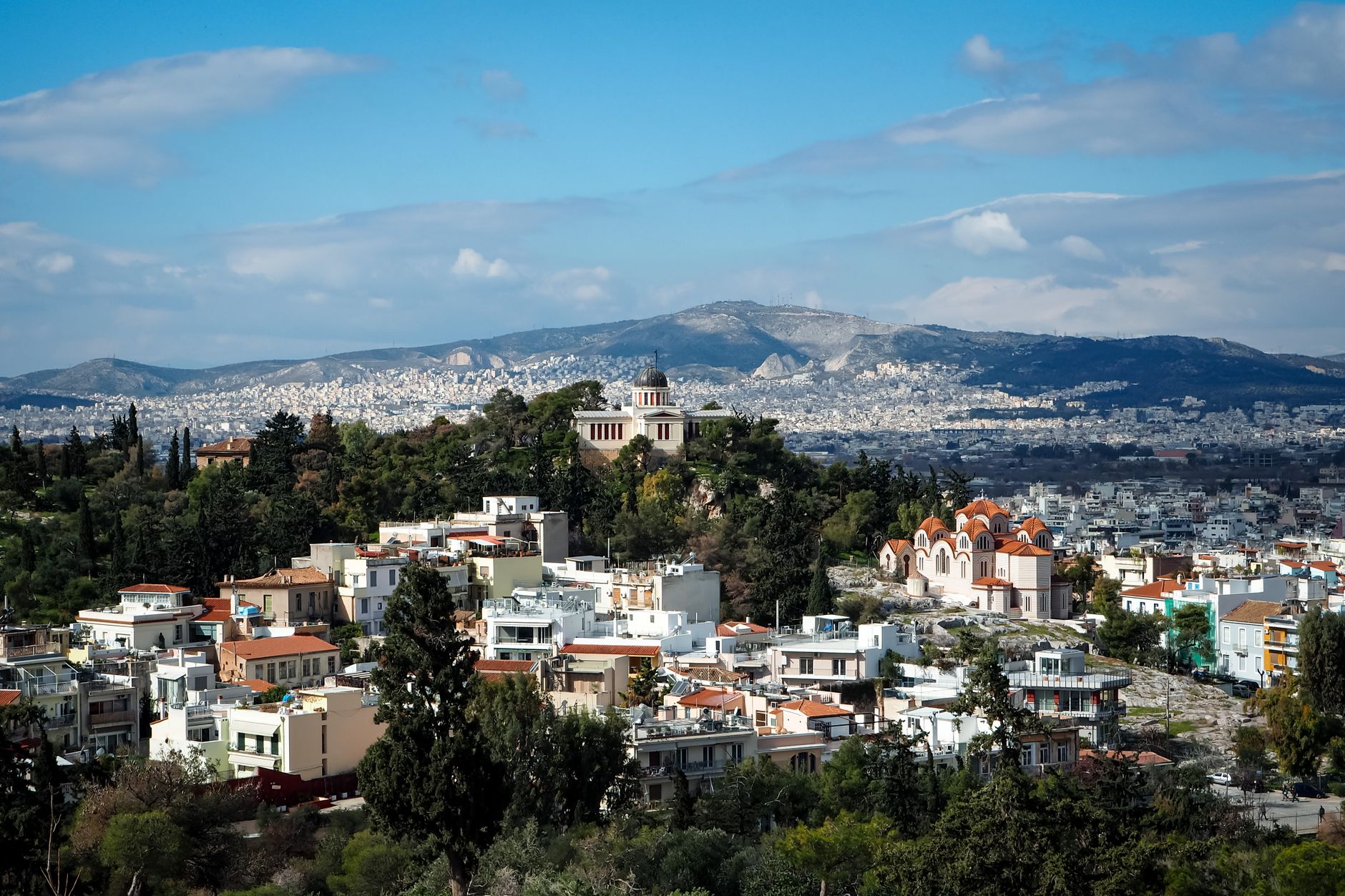

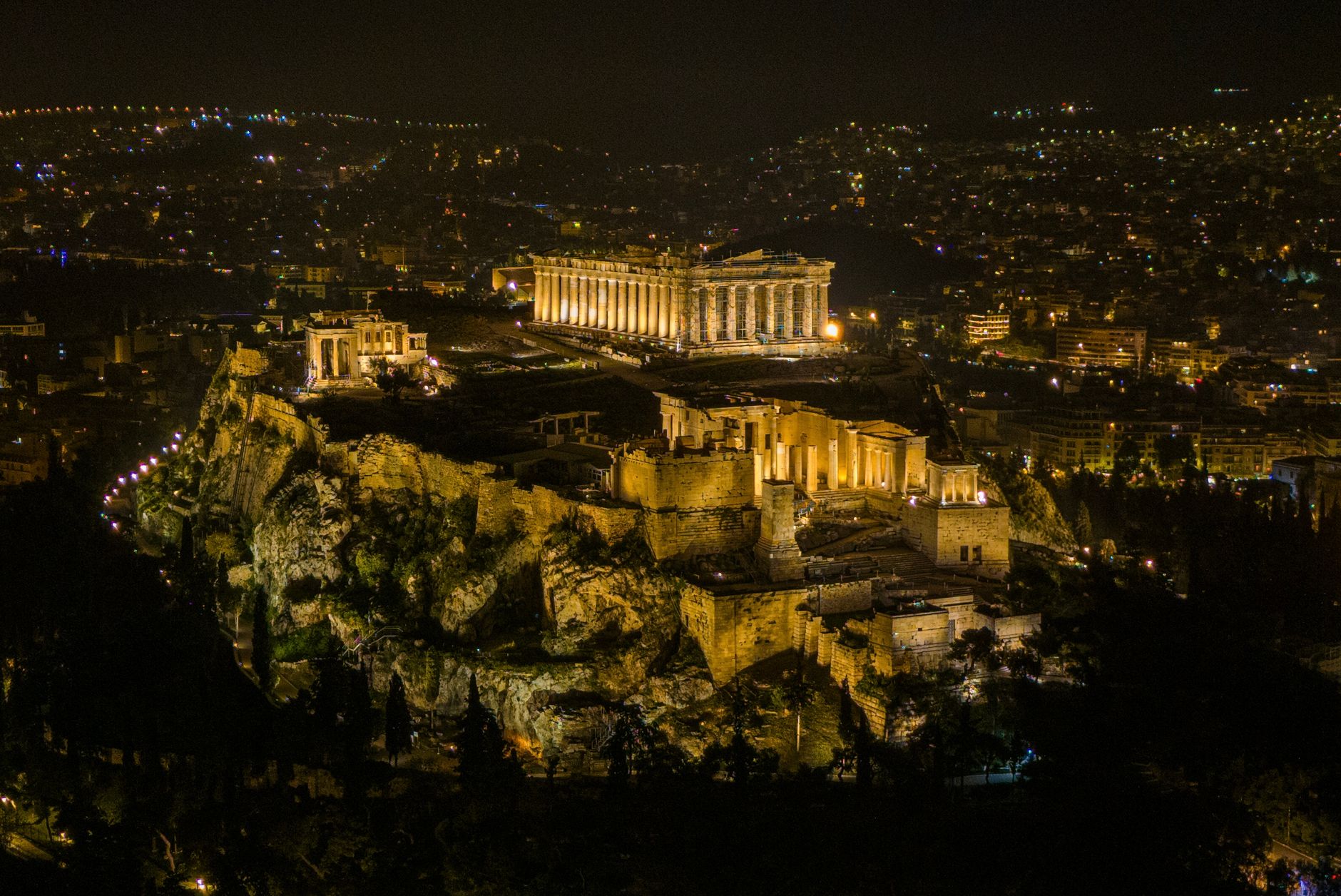
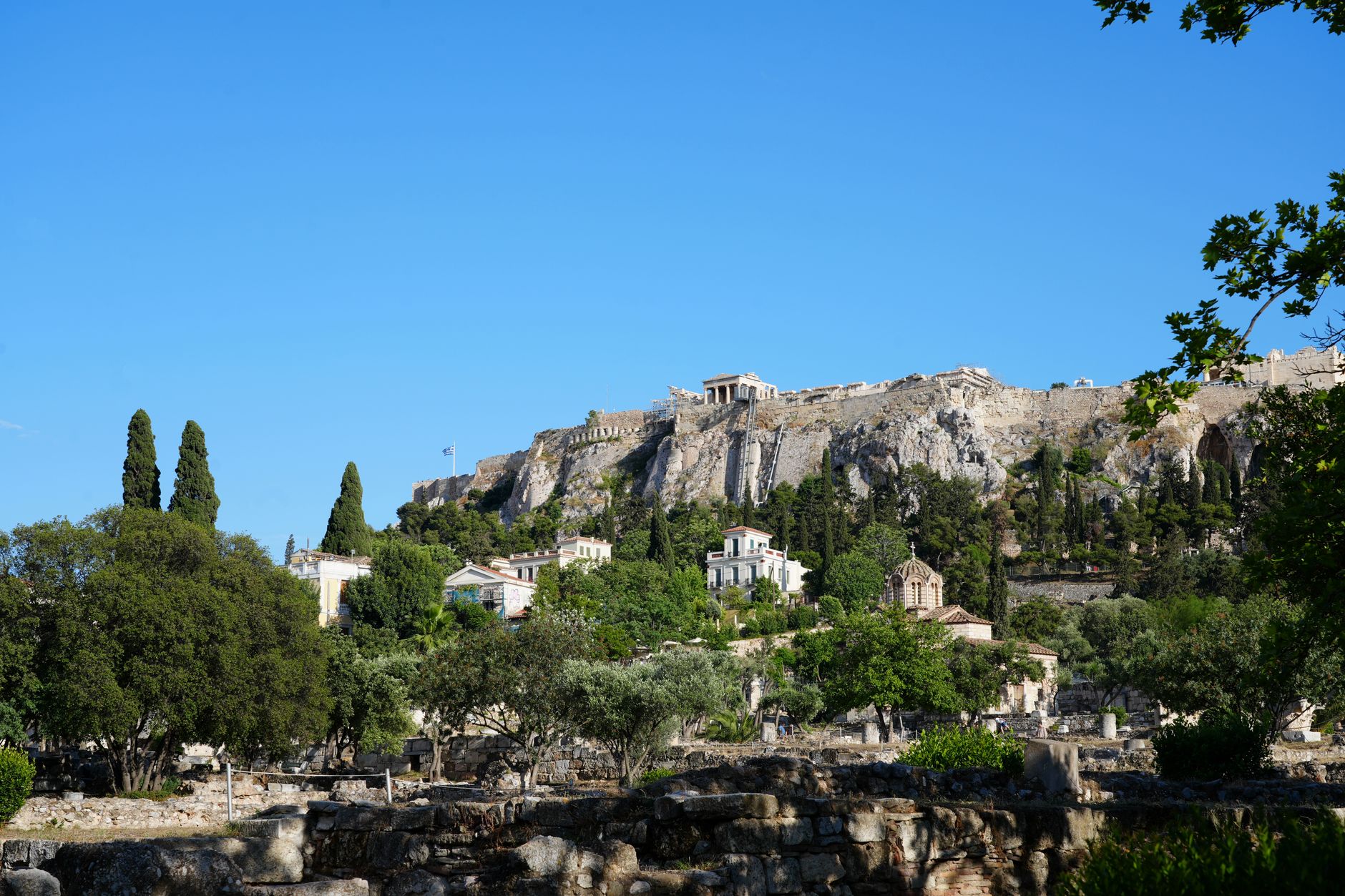
非常值得。雅典不只是卫城,它是一座把古典、罗马、拜占庭、奥斯曼与当代生活叠压在一起的城市。白天你能在两千年前的遗址间穿行,晚上又能在普西里的小馆喝酒聊天直到深夜。愿意把时间分给遗址与街区的旅行者,在这里总能有意外的收获。
3到5天最为合适。3天足以走完历史核心区和主要博物馆;4到5天可以深入各个街区、体验夜生活,还能抽出一天去埃癸娜岛、德尔菲或苏尼翁角。若对文化演出感兴趣,不妨多留一晚,赶上SNFCC或奥纳西斯文化中心的节目。
夜间最稳妥的方式是乘坐X95快线巴士直达辛塔格玛广场,全天候运行从不停班。地铁3号线虽然只需约40分钟,但不通宵。若打车,官方机场出租车实行固定价格,白天约38欧元,夜间约54欧元。
总体来说是安全的,主要风险是扒窃而非暴力犯罪。在交通枢纽人群中、奥莫尼亚部分路段、抗议期间的艾克塞亚广场附近,以及机场周边深夜昏暗街道,需保持日常城市警惕。遇到主动献花系手绳、假扮警察检查钱包或非官方揽客出租车,直接拒绝走开。
消费水平属于中等,善用公共交通和文化联票可以大幅压低花销。地铁单程票价亲民,考古联票加上淡季折扣能让参观成本相当合理。旺季价格会明显上涨,肩季出行通常更划算。
4—5月和9—10月是公认的最佳时段,天气温暖、光照充足,又不像盛夏那样酷热难耐。7月和8月人气最旺,但近年极端高温事件频发,户外活动体验会大打折扣。
大多数酒店、餐厅和较大的商店都可刷卡,但建议随身备些现金,小咖啡馆、集市摊位和偶尔打车都可能用到。非接触支付已相当普及,不过部分小店仍设有最低刷卡金额限制。ATM取款时记得选欧元结算,拒绝动态货币转换。
完全可以。市中心历史轴线步行条件极好,地铁2号线和3号线高效串联起主要景点;前往海岸线则搭电车即可。出租车主要用于深夜返程,或在酷暑中不想长途步行的时候。
已保存和最近阅读的地点,仅保存在本设备上。
图片可能经过缩放或裁剪。