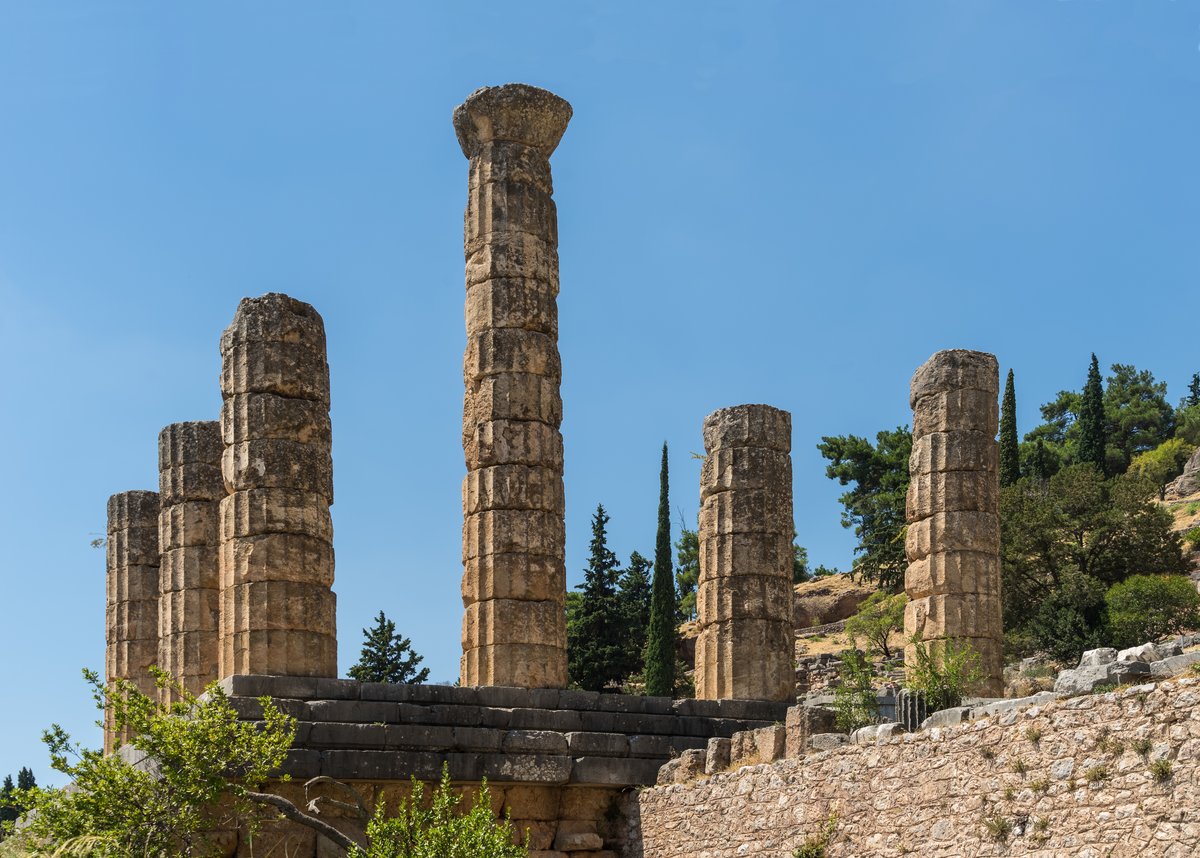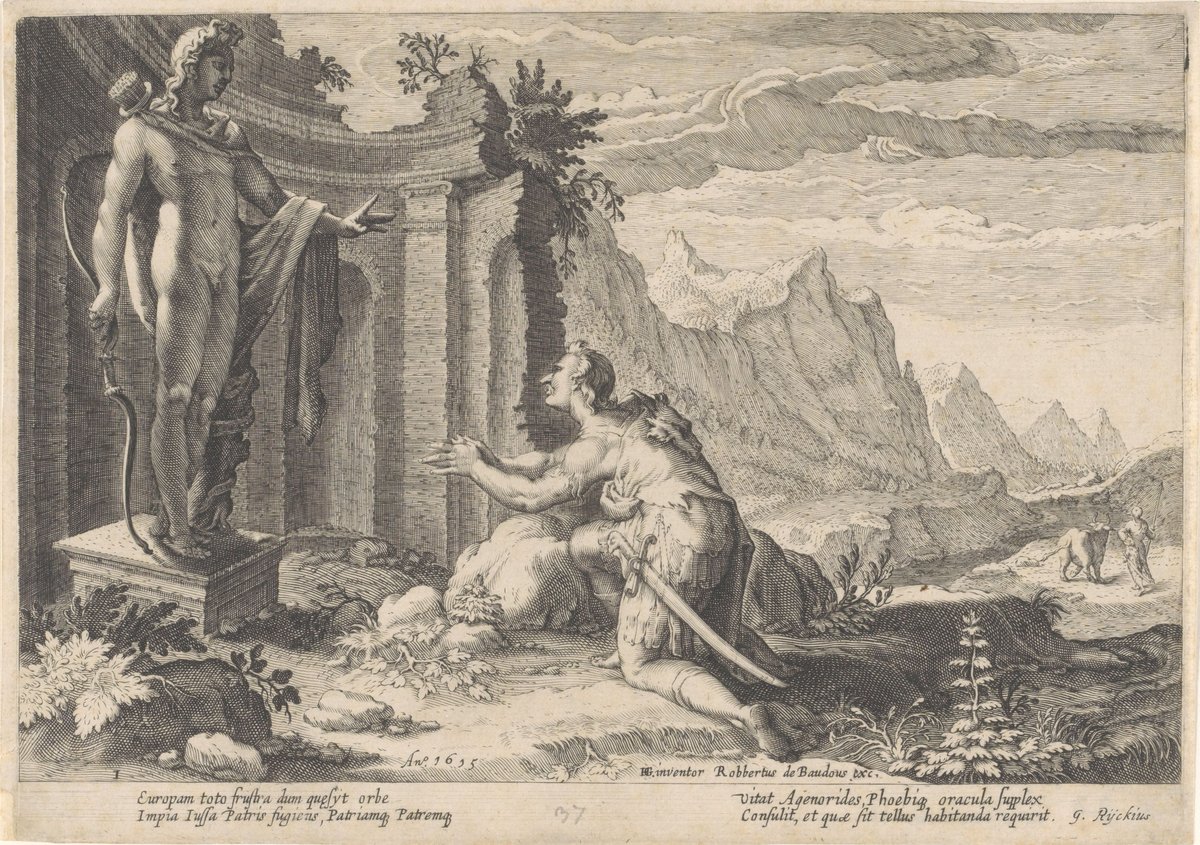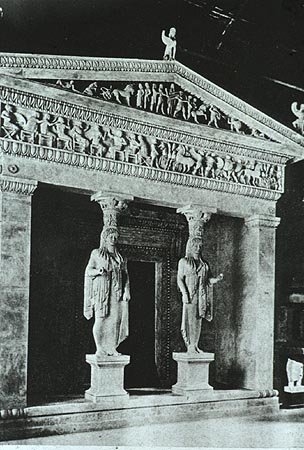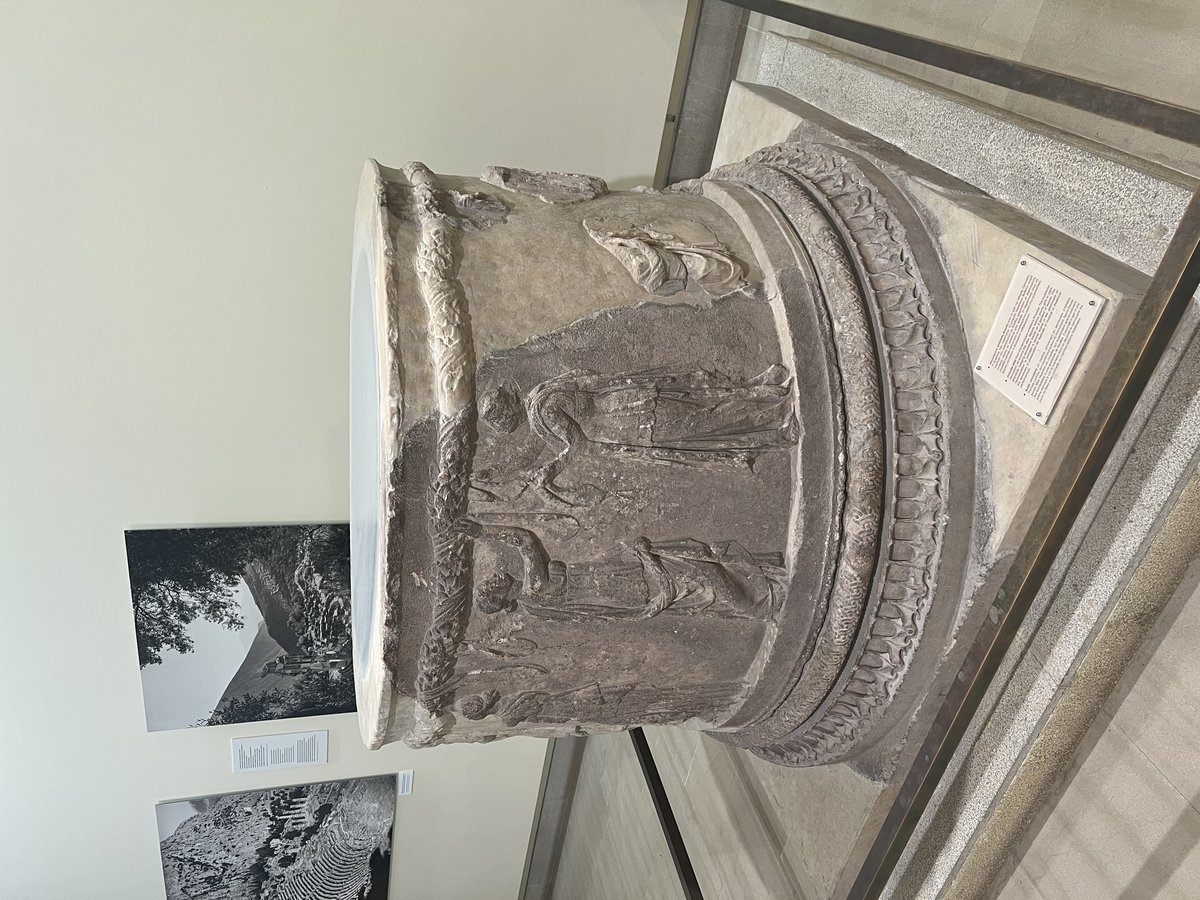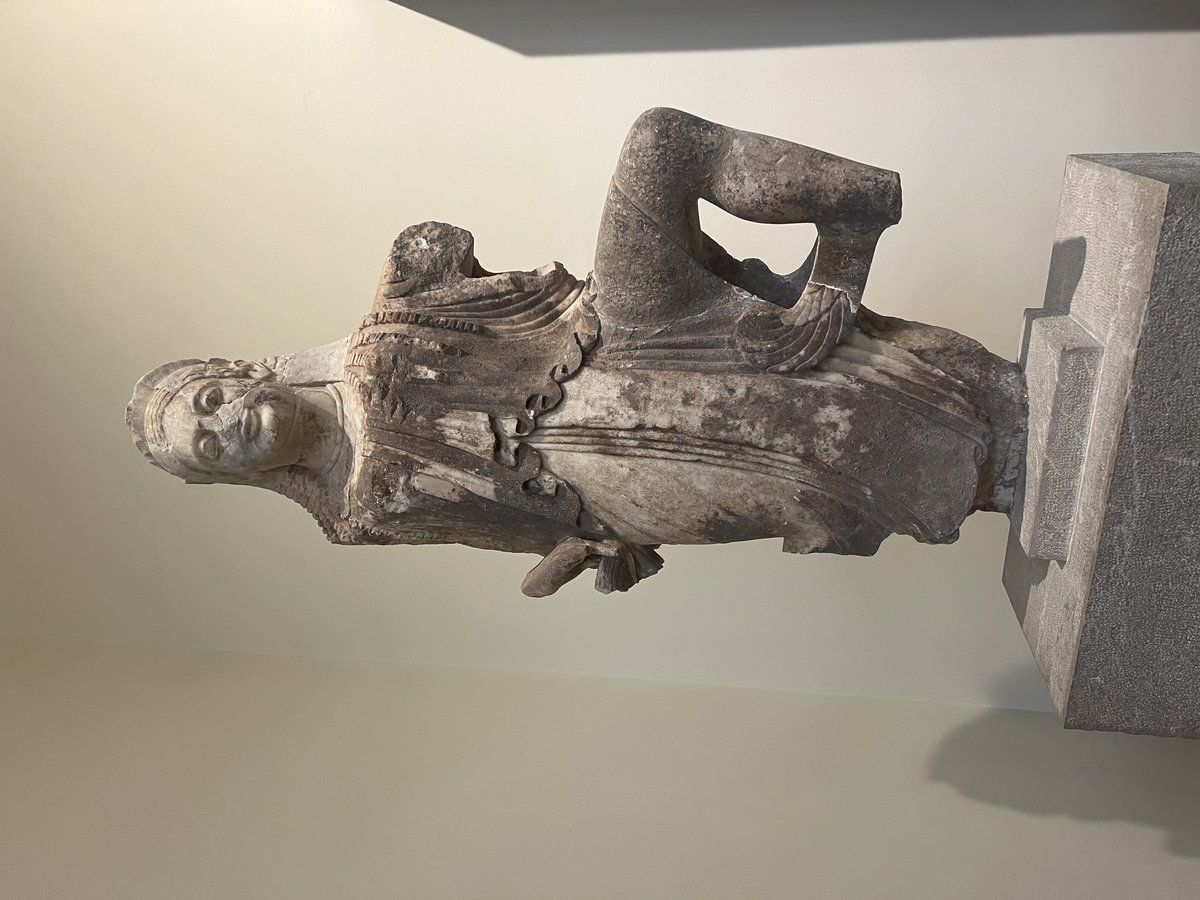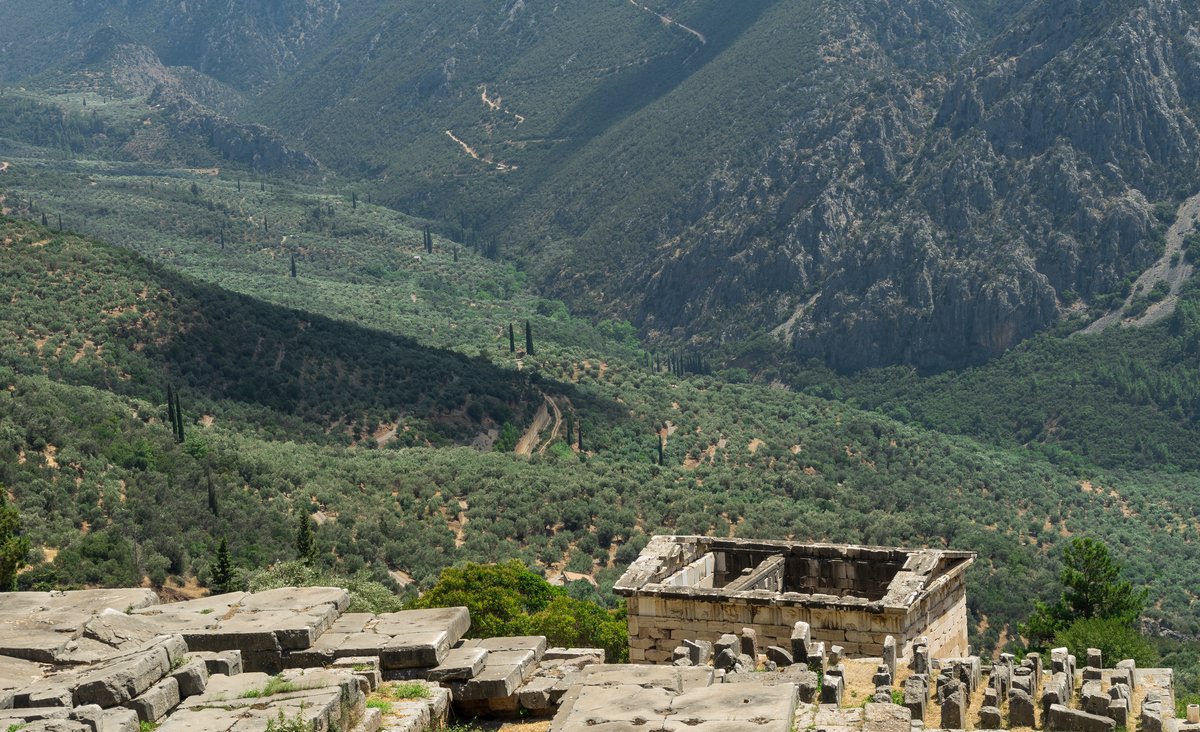

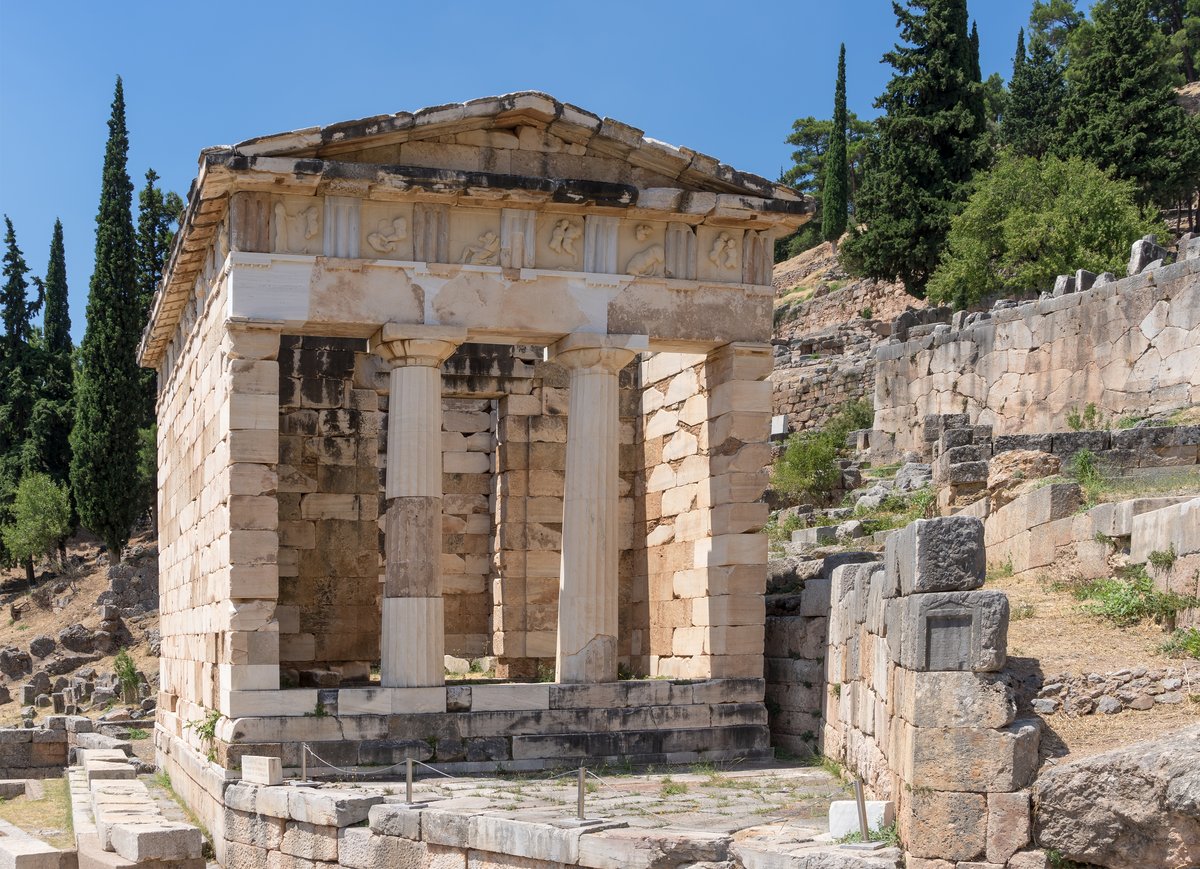
{'date': '14/06/2025', 'task': {'model': 'gpt-4.1-mini', 'query': 'Comprehensive guide to visiting Athenian Treasury, Delphi, Grécia: history, significance, visitor tips, and everything tourists need to know for a memorable experience.', 'verbose': False, 'guidelines': ["Keyword Research: Identify relevant keywords that potential visitors are likely to search for, such as '[Monument Name] visiting hours,' '[Monument Name] tickets,' and '[City] historical sites.' Use these keywords strategically throughout the article, including in the title, headers, and body text, but avoid keyword stuffing.", 'Engaging and Informative Title: Craft a title that is both SEO-friendly and compelling to encourage clicks. Include the main keyword and make it clear what the article will cover.', 'Structured Content: Use headings (H1, H2, H3) to organize the content effectively. This helps with SEO and makes the article easier for readers to navigate. Include an introduction that hooks the reader, a detailed body that covers all relevant aspects, and a conclusion that summarizes the key points.', 'Comprehensive Coverage: Address common questions and topics of interest such as the history of the monument, its cultural significance, visitor information (e.g., ticket prices, opening hours), travel tips, nearby attractions, and accessibility. Include sections that might be unique to the monument, like special events, guided tours, and photographic spots.', 'Quality Content: Ensure the content is well-researched, accurate, and provides real value to readers. Use reliable sources and provide factual information. Write in a clear, engaging, and accessible style. Consider your audience and use language that is appropriate for those likely to visit the monument.', 'Visuals and Media: Incorporate high-quality images or videos of the monument. These should be optimized for the web (correct sizing, alt tags with keywords). Consider interactive elements like virtual tours or maps.', 'Internal and External Links: Include links to other related articles on your site to encourage deeper engagement (internal links). Link to official websites for the monument or credible sources for further reading (external links).', 'FAQ: Incorporate FAQ sections to target voice search queries and featured snippets', 'Visit and Stay Up to Date: End the article with a call to action, such as encouraging readers to download our mobile app Audiala, check out other related posts, or follow on social media for more updates.'], 'max_sections': 4, 'publish_formats': {'pdf': False, 'docx': False, 'markdown': True}, 'follow_guidelines': True}, 'report': '# 雅典宝库德尔斐希腊:参观指南、门票和历史遗迹\n日期:2025年6月14日\n\n## 雅典宝库德尔斐简介\n\n雅典宝库坐落于德尔斐阿波罗圣地之中,是古希腊宗教虔诚、民族自豪感和艺术成就的辉煌证明。这座宝库建于雅典在马拉松战役(约公元前490年)取得关键胜利后不久,既是献给阿波罗的祭品贮藏所,也是雅典身份和影响力的强大象征。宝库采用优雅的多利安柱式,以璀璨的帕罗斯大理石建造,其两侧的间壁(metopes)生动描绘了赫拉克勒斯和忒修斯的英雄伟绩,叙述了美德、力量和公民卓越的主题。\n\n宝库策略性地坐落于通往阿波罗神庙的主要 procession 道路——圣道(Sacred Way)之上,吸引着朝圣者和贵宾的目光,巩固了雅典在泛希腊事务中的核心地位。如今,它是德尔斐保存最完好的古迹之一,为游客提供了深入了解古希腊宗教、政治和艺术生活的窗口。\n\n本指南将深入探讨雅典宝库的历史、建筑和文化意义,并提供参观德尔斐的实用信息:最新的开放时间、门票选择、无障碍设施以及让您充分体验的建议(delphi.culture.gr;Evendo;curioustravelbug.com)。\n\n---\n\n## 目录\n\n- 简介\n- 起源与建造\n- 目的与功能\n- 建筑与艺术特色\n- 宗教与政治意义\n- 参观时间、门票与设施\n- 游览路线\n- 德尔斐考古博物馆概述\n- 常见问题解答\n- 结论\n- 参考文献\n\n---\n\n## 起源与建造\n\n雅典宝库建于公元前510年至公元前480年之间,大多数证据表明其完工时间在雅典赢得马拉松战役(delphi.culture.gr;Wikipedia)之后不久。它完全由帕罗斯大理石建造,长约6.57米,宽约9.65米,为宝库建筑树立了新标准。其位于圣道上的战略位置确保了最大程度的可见性,取代了早期的一座建筑,并巩固了雅典与德尔斐的长期联系(traveladdicts.net)。\n\n---\n\n## 古希腊社会中的目的与功能\n\n雅典宝库的主要作用是存放雅典人因感恩阿波罗而献上的祭品——从战利品到奢华的奉献物。这些祭品纪念了胜利,尤其是击败波斯人在马拉松战役的胜利,并标志着雅典的繁荣和神圣的恩宠(delphi.culture.gr;greeka.com)。宝库也具有政治象征意义:通过建造一个醒目而华丽的建筑,雅典宣示了自己的力量,并寻求在其他希腊城邦中激起敬畏和竞争(delphi.tours)。\n\n---\n\n## 建筑与艺术特色\n\n### 设计与材质\n\n雅典宝库是“柱间式”(distyle in antis)建筑——在入口处,两根柱子被突出的侧墙(antae)框住。它是德尔斐第一座完全由大理石建造的宝库,拥有独特的红色大理石屋顶(delphi.culture.gr)。其基座上的分级平台刻有献辞铭文,将建造与马拉松战役的战利品联系起来(Pleiades)。\n\n### 雕塑装饰\n\n宝库的间壁(metopes)——位于额枋上方的长方形石板——是其艺术亮点。最初有三十块间壁,装饰着两个神话系列:赫拉克勒斯(泛希腊英雄)的十二项功绩和忒修斯(雅典奠基英雄)的功绩。这种刻意的并列突出了共享的希腊价值观和雅典独特的身份(von den Hoff, 2009, p. 101)。这些雕塑采用晚期古风风格,最初色彩鲜艳,现陈列于德尔斐考古博物馆。\n\n### 铭文与装饰\n\n宝库的墙壁上刻有荣誉法令及对阿波罗的赞歌,提供了对雅典习俗及其与德尔斐关系的见解(delphi.tours)。屋顶的顶饰(acroteria)——位于屋角上的雕塑——描绘了亚马逊女战士,强化了斗争与胜利的主题。\n\n---\n\n## 宗教与政治意义\n\n德尔斐被认为是古世界的“胎盘”(omphalos)——一个凡人可以与神灵交流的地方(realgreekexperiences.com)。雅典宝库突出的位置和华丽的设计,既是对阿波罗的奉献,也是对雅典军事和政治优势的宣告。在马拉松战役后献上宝库,不仅是为了感谢神圣的恩宠,也标志着雅典在希腊城邦中作为领导者的地位(travelthegreekway.com)。\n\n---\n\n## 参观雅典宝库:时间、门票与设施\n\n### 开放时间\n\n- 夏季(4月1日 - 10月31日): 08:00–20:00(最后入场时间 19:40)\n- 冬季(11月1日 - 3月31日): 08:30–15:30(最后入场时间 15:10)\n\n请查阅德尔斐考古博物馆官方网站获取最新开放时间,尤其是在节假日或特殊活动期间。\n\n### 门票\n\n- 标准票: 成人 €12(2025年票价)\n- 优惠票: 儿童(6-25岁,非欧盟国家)、老人及符合条件团体(凭有效证明)€6\n- 免费: 5岁以下儿童、25岁以下欧盟公民及学生(凭有效证件)\n- 特殊免费日: 每月第一个周日(11月至3月)及特定节假日(Entrance Fee)。\n\n门票包含考古遗址(包括宝库)和博物馆的入场(Athens Cabs)。\n\n### 无障碍设施\n\n遗址位于山坡上,有不平坦且有时湿滑的石板路。行动不便的游客可能需要协助,因为没有坡道或电梯(curioustravelbug.com)。\n\n### 设施\n\n- 洗手间: 位于入口处和博物馆附近。\n- 商店与咖啡馆: 博物馆商店出售书籍和纪念品。博物馆附近有一个小型咖啡馆。\n- 饮水: 请自带饮用水,因为遗址大部分地区暴露在阳光下,夏季可能很热。\n\n---\n\n## 游览路线\n\n雅典宝库很容易在圣道上找到,就在进入考古遗址后不久。请预留2-3小时探索圣地,博物馆至少需要1小时。穿着结实的鞋子,并做好防晒。长凳和阴凉处有限,请做好相应计划(Greek Gods Paradise)。\n\n考虑参加导览或租用语音导览,以丰富您的理解(Athens Cabs)。\n\n---\n\n## 德尔斐考古博物馆:亮点与参观信息\n\n德尔斐考古博物馆位于遗址旁边,收藏了许多来自圣地的原始雕塑和文物,包括雅典宝库的间壁、著名的德尔斐战车御者以及原始的胎盘石(greece-tourist-information.com)。现代设施包括洗手间、礼品店和解说展示。\n\n---\n\n## 常见问题解答 (FAQ)\n\n问:雅典宝库的开放时间是什么?\n答:夏季:08:00–20:00。冬季:08:30–15:30。请在官方网站确认。\n\n问:可以网上购票吗?\n答:是的,德尔斐遗址和博物馆的门票可以在线购买,建议在旺季购买。\n\n问:遗址对轮椅使用者是否无障碍?\n答:由于地形不平坦和有台阶,无障碍性受限。\n\n问:是否有导览服务?\n答:是的,提供多种语言的导览,强烈推荐。\n\n问:可以拍照吗?\n答:遗址允许拍照;博物馆可能对闪光灯和三脚架有限制。\n\n---\n\n## 结论\n\n德尔斐的雅典宝库是任何对古希腊历史、艺术和建筑感兴趣的人的必游之地。它持久的美丽和意义提供了与古典时期世界联系的独特机会。请根据最新的开放时间和门票信息规划您的行程,参观博物馆以获得更深入的了解,并考虑参加导览以获得最有益的体验。\n\n准备好探索德尔斐了吗? 下载Audiala应用程序,获取互动地图、个性化指南和最新更新。如需更多旅行灵感和技巧,请在社交媒体上关注我们,以获取更多更新。\n\n---\n\n## 参考文献和扩展阅读\n\n- delphi.culture.gr\n- Evendo\n- curioustravelbug.com\n- Athens Cabs\n- Entrance Fee\n- Greek Gods Paradise\n- greece-tourist-information.com\n- Pleiades\n- von den Hoff, 2009, p. 97\n\n', 'headers': {'date': '日期', 'title': '雅典宝库德尔斐希腊:参观时间、门票和历史遗迹指南', 'conclusion': '关于参观雅典宝库德尔斐的关键点总结', 'references': '参考文献和扩展阅读', 'introduction': '雅典宝库及其意义简介', 'table_of_contents': '目录'}, 'sources': ['- 雅典宝库在德尔斐的历史背景和文化意义:参观时间、门票和实用指南,2024年,delphi.culture.gr https://delphi.culture.gr/athenians-treasure/', '- 建筑特色与艺术项目,2024年,Evendo https://evendo.com/locations/greece/delphi/attraction/the-athenian-treasury', '- 德尔斐考古遗址参观时间、门票及希腊历史圣地旅游指南,2024年,curioustravelbug.com https://curioustravelbug.com/visiting-delphi-greece/', '- 雅典宝库参观时间、门票及德尔斐历史遗迹指南,2024年,Athens Cabs https://athenscabs.com/delphi-archaeological-museum-opening-hours-and-visitor-guide/'], 'sections': ['历史背景与文化意义', '建筑特色与艺术项目', '参观雅典宝库:实用信息', '周边考古遗址和博物馆'], 'conclusion': '雅典宝库在德尔斐作为古希腊文明的有力象征经久不衰,它融合了宗教敬畏、政治表达和艺术创新的交汇点。其精美的多利安式建筑、歌颂赫拉克勒斯和忒修斯的雕塑叙事,以及在阿波罗圣地中的战略位置,共同阐述了雅典在马拉松战役取得决定性胜利后的崛起。参观这座宝库提供了与古希腊丰富的历史、神话和公民自豪感联系起来的无与伦比的机会。\n\n为了充分领略宝库的意义,我们鼓励游客不仅要探索宝库本身,还要参观周边考古遗址和邻近的德尔斐考古博物馆,那里保存了许多原始雕塑和铭文。凭借适应季节变化的便利参观时间、包括遗址和博物馆联票在内的各种门票选项,以及能够阐释宝库故事的导览服务,游客可以根据自己的兴趣和需求定制行程。尽管山坡地形需要一定的体力,但令人惊叹的全景和德尔斐深厚的文化底蕴使得一切付出都极其值得。\n\n请根据最新的宝库开放时间和门票信息规划您的行程,考虑参加导览,并利用语音导览和虚拟旅游等数字资源来丰富您的体验。别忘了下载Audiala应用程序,获取互动地图和个性化内容,无缝游览德尔斐及其他希腊文化遗址。通过沉浸在雅典宝库的遗产中,您将连接到一个永恒的关于人类成就、信仰和艺术卓越的故事,并继续激励着世界各地的游客(delphi.culture.gr;curioustravelbug.com;Athens Cabs)。', 'introduction': '雅典宝库坐落于神圣的德尔斐阿波罗圣地之中,是古希腊宗教虔诚、政治野心和艺术精湛的证明。这座宝库建于马拉松战役(约公元前490年)之后不久,不仅保护了献给阿波罗的珍贵祭品,还将雅典的军事实力和民主理念传播到泛希腊世界。宝库完全采用庄重简洁的多利安风格,以璀璨的帕罗斯大理石建造,其建筑的优雅和描绘赫拉克勒斯和忒修斯英雄事迹的精雕间壁,为游客提供了雅典身份和文化价值观的生动叙事。\n\n宝库策略性地坐落于通往阿波罗神庙的主要 procession 道路——圣道(Sacred Way)之上,是圣地最早和最显眼的宝库之一,确保了朝圣者和游客都能感受到雅典的神圣恩宠和公民成就。如今,它是德尔斐保存最完好的古迹之一,邀请游客探索其历史背景、艺术意义和不朽的遗产。\n\n本综合指南深入探讨了雅典宝库的起源、建筑特色和文化重要性,并提供了实用的游客信息,包括更新的参观时间、门票价格、无障碍设施考虑以及邻近景点的推荐。无论您是历史爱好者、艺术爱好者,还是计划前往希腊标志性考古遗址的旅行者,本指南都将帮助您充分利用在德尔斐雅典宝库的体验(delphi.culture.gr;Evendo;curioustravelbug.com)。', 'research_data': [{'Historical Background and Cultural Significance of the Athenian Treasury at Delphi: Visiting Hours, Tickets, and Practical Guide': "## Introduction\n\nThe Athenian Treasury at Delphi is a remarkable ancient monument that combines rich historical significance with stunning architectural beauty. Situated within the Sanctuary of Apollo, this treasury offers visitors a unique glimpse into the religious, political, and cultural life of ancient Greece. This guide will explore the origins, purpose, and artistic features of the Athenian Treasury, as well as provide essential visitor information such as Athenian Treasury visiting hours, ticket details, accessibility tips, and nearby attractions.\n\n## Origins and Construction of the Athenian Treasury\n\nThe Athenian Treasury at Delphi stands as one of the most significant and best-preserved monuments within the Sanctuary of Apollo. Its construction is generally dated between 510 and 480 BCE, with most scholarly consensus placing it shortly after the pivotal Athenian victory at the Battle of Marathon in 490 BCE (delphi.culture.gr; Wikipedia). Built entirely from Parian marble—a material renowned for its fine quality—the treasury exemplifies early Doric architecture and measures approximately 6.57 by 9.65 meters at its base (delphi.culture.gr).\n\nThe treasury was strategically situated along the Sacred Way, the main processional route leading up to the Temple of Apollo. Its prominent location ensured that all pilgrims and dignitaries ascending to the sanctuary would pass by and witness the wealth and piety of Athens (Wikipedia; traveladdicts.net). The building replaced an earlier structure on the same site, possibly dating to the first half of the 6th century BCE, indicating a longstanding Athenian presence and investment at Delphi (delphi.culture.gr).\n\n## Purpose and Function in Ancient Greek Society\n\nThe primary function of the Athenian Treasury was to house dedications, spoils of war, and votive offerings made by the Athenians to Apollo. These offerings included precious objects, trophies from military victories, and other valuable items, all intended to express gratitude for divine favor and to commemorate significant achievements, particularly the defeat of the Persians at Marathon (delphi.culture.gr; greeka.com).\n\nTreasuries at Delphi were a common feature, with various Greek city-states constructing their own to safeguard offerings and to display their wealth and religious devotion. The Athenian Treasury, however, was especially notable for its scale, quality of construction, and the political message it conveyed. By erecting such a prominent and lavish structure, Athens asserted its dominance, celebrated its democratic ideals, and reinforced its role as a leading power in the Greek world (delphi.tours).\n\nOn ceremonial occasions, the Athenians would display the contents of the treasury on the adjacent triangular terrace, further emphasizing their prosperity and piety to all visitors (delphi.culture.gr).\n\n## Architectural and Artistic Features\n\nThe Athenian Treasury is a distyle in antis building, meaning it features two columns between projecting side walls (antae) at the entrance. Its construction from Parian marble set a new standard for treasuries at Delphi, marking it as the earliest known Doric treasury built entirely of marble (delphi.culture.gr). The roof was also marble, originally painted red, adding to the building’s visual impact.\n\nThe frieze of the treasury is particularly significant, with six metopes on each narrow side and nine on each long side. The sculptural decoration depicted scenes from the lives of two legendary Greek heroes: Hercules and Theseus. The northern and western sides, less visible to visitors, illustrated the labors of Hercules, such as the battle against Geryones and the Amazonomachy. The southern and eastern sides, facing the Sacred Way, showcased the exploits of Theseus, the mythical founder-hero of Athens (delphi.culture.gr). The acroteria—sculptures placed on the roof’s corners—depicted Amazons on horseback, further reinforcing themes of heroism and victory.\n\nInside, the treasury’s walls were adorned with inscriptions, including political honorary decrees and hymns to Apollo. These inscriptions provide valuable insights into Athenian customs, religious practices, and the city’s relationship with Delphi (delphi.tours).\n\n## Religious and Political Significance\n\nDelphi was regarded as the “navel” (omphalos) of the ancient world, a place where mortals could communicate with the divine through the Oracle of Apollo (realgreekexperiences.com). The Athenian Treasury’s presence at this sacred site was both an act of religious devotion and a calculated display of political power. By dedicating the treasury after the Battle of Marathon, Athens not only thanked Apollo for his perceived support but also sent a clear message to other Greek city-states about its military prowess and leadership in the struggle against Persia (delphi.culture.gr; travelthegreekway.com).\n\nThe treasuries at Delphi, including the Athenian example, functioned as both religious offerings and as statements of civic identity. They allowed city-states to compete for prestige and influence within the Panhellenic sanctuary, reinforcing alliances and rivalries that shaped the political landscape of ancient Greece (delphi.tours).\n\n## Cultural Legacy and Influence\n\nThe Athenian Treasury’s artistic and architectural innovations influenced subsequent Greek temple and treasury design. Its use of high-quality marble, detailed sculptural programs, and prominent placement set a precedent for later monuments. The themes depicted on its friezes—heroic struggles, civic virtue, and divine favor—became central motifs in Greek art and literature (delphi.culture.gr).\n\nThe treasury also played a role in the broader cultural activities at Delphi, such as the Pythian Games, which brought together athletes, musicians, and poets from across the Greek world. The presence of such monuments contributed to the sanctuary’s atmosphere of competition, celebration, and shared Hellenic identity (ancientpedia.com).\n\n## Visiting the Athenian Treasury: Hours, Tickets, and Tips\n\n### Visiting Hours\nThe Sanctuary of Apollo, including the Athenian Treasury, is typically open daily from 8:00 AM to 8:00 PM during the peak tourist season (April to October) and from 8:00 AM to 5:00 PM in the off-season (November to March). It’s advisable to check the official Delphi archaeological site website for up-to-date visiting hours before planning your visit.\n\n### Tickets and Admission\nAdmission to the Sanctuary of Apollo, which includes the Athenian Treasury, usually costs around €12 during the high season and €6 during winter months. Reduced prices are available for EU citizens aged 18-25 and free entry for children under 18, seniors, and certain other categories. Combination tickets including entry to the Delphi Archaeological Museum are also available.\n\n### Accessibility\nThe site includes uneven terrain and some steep paths. While efforts have been made to improve accessibility, visitors with mobility impairments should prepare accordingly and may require assistance to fully experience the sanctuary.\n\n### Guided Tours and Special Events\nGuided tours focusing on the Athenian Treasury and other Delphi historical sites are offered by various local operators and can provide deeper insight into the monument’s significance. Additionally, the Pythian Games and other cultural events held periodically at Delphi offer a unique opportunity to experience the site’s living heritage.\n\n### Nearby Attractions and Photographic Spots\nVisitors can also explore the Delphi Archaeological Museum, which houses many original sculptures and inscriptions from the treasury. The panoramic views from the Sacred Way offer excellent photographic opportunities, especially at sunrise and sunset.\n\n## Visual Media and Interactive Resources\n\nFor an enhanced experience, visitors can access virtual tours and high-quality images of the Athenian Treasury through the official Delphi cultural websites and trusted travel portals. Including alt tags such as “Athenian Treasury at Delphi,” “Delphi historical sites marble treasury,” and “Athenian Treasury visiting hours” ensures optimized searchability for these visuals.\n\n## Frequently Asked Questions (FAQ)\n\nQ1: What are the Athenian Treasury visiting hours?\nA1: The treasury is open daily, typically 8:00 AM to 8:00 PM in summer months and 8:00 AM to 5:00 PM in winter. Check official sources for current hours.\n\nQ2: How much are tickets to visit the Athenian Treasury?\nA2: Entrance to the Sanctuary of Apollo costs about €12 in peak season and €6 in off-season. Reduced and free tickets are available.\n\nQ3: Is the Athenian Treasury accessible for visitors with mobility challenges?\nA3: The terrain can be uneven and steep, so accessibility is limited. Assistance may be needed.\n\nQ4: Can I take photos inside the Athenian Treasury?\nA4: Photography is generally allowed, but flash and tripods may be restricted. Check site rules.\n\nQ5: Are guided tours available for the Athenian Treasury?\nA5: Yes, many local operators offer guided tours focusing on the treasury and Delphi archaeological sites.\n\n## Conclusion and Call to Action\n\nThe Athenian Treasury at Delphi stands as a timeless symbol of ancient Greek artistry, religious devotion, and political power. Whether you're a history enthusiast, an architecture lover, or a curious traveler, visiting this treasury offers an unforgettable journey into the heart of classical civilization. Plan your visit today by checking the latest Athenian Treasury visiting hours and ticket options. For an enriched experience, consider joining a guided tour and exploring nearby Delphi historical sites.\n\nDon't forget to download the Audiala app for audio guides and interactive maps that will enhance your visit to Delphi and other Greek landmarks. Stay connected by following our social media channels for updates on upcoming events and new articles about Greece’s rich heritage. Embark on your Delphi adventure now and immerse yourself in the legacy of the Athenian Treasury!"}, {'Architectural Features and Artistic Program': '## Discover the Athenian Treasury at Delphi: Visiting Hours, Tickets, and Historical Insights\n\n### Introduction\n\nThe Athenian Treasury is one of the most captivating historical sites at Delphi, Greece, showcasing ancient Athenian artistry, politics, and religious devotion. Situated along the Sacred Way, this small yet significant building offers visitors a unique glimpse into the cultural heritage of Athens and its role in panhellenic history. Whether you are an art lover, history enthusiast, or a curious traveler, understanding the treasury’s architectural and artistic features enhances your experience at this UNESCO World Heritage Site.\n\n### Location and Layout\n\nThe Athenian Treasury is strategically positioned along the Sacred Way, the principal processional route within the sanctuary of Apollo at Delphi. This placement ensured that all visitors en route to consult the Oracle would pass by the monument, drawing immediate attention to Athenian piety and prestige (Evendo). The treasury stands at a prominent turn in the path, just below the Temple of Apollo, making it one of the first major structures encountered after entering the archaeological site (Pleiades).\n\nThe building itself is relatively small, with a rectangular plan measuring approximately 6.68 by 9.73 meters. Despite its modest size, its architectural and decorative program was designed to impress, serving both as a secure repository for Athenian offerings and as a visual statement of the city’s wealth and artistic sophistication (Evendo).\n\n### Architectural Features\n\n#### Order and Materials\n\nThe Athenian Treasury is a classic example of the Doric order, the earliest and most austere of the three main Greek architectural styles. The structure is built entirely of Parian marble, a material prized for its fine grain and luminous quality, which would have gleamed in the Greek sunlight (Evendo; Pleiades).\n\nThe treasury features a pronaos (front porch) with two Doric columns in antis (set between the projecting side walls), supporting a simple entablature and a triangular pediment. The walls are constructed of carefully fitted marble blocks, and the building rests on a stepped podium, which bears a dedicatory inscription referencing the spoils from the Battle of Marathon (490 BCE) (Pleiades; von den Hoff, 2009, p. 97).\n\n#### Structural Innovations and Restoration\n\nThe Athenian Treasury is notable for being one of the earliest buildings dedicated by Athens in a panhellenic sanctuary and the first major monument erected after the reforms of Kleisthenes and the expulsion of the Peisistratid tyrants (von den Hoff, 2009, p. 101). Its construction likely began before 490 BCE and was completed shortly after the Battle of Marathon, as indicated by both stylistic analysis and ancient literary sources such as Pausanias (von den Hoff, 2009, p. 97).\n\nThe building underwent significant restoration in the 20th century, with many original blocks and sculptural fragments reassembled to give visitors a sense of its original appearance (Evendo).\n\n### Sculptural Program\n\n#### Metopes\n\nThe most celebrated artistic feature of the Athenian Treasury is its sculpted metopes—rectangular panels set above the architrave on the exterior of the building. There were originally thirty metopes, of which many have survived and are now displayed in the nearby Delphi Archaeological Museum (Evendo; von den Hoff, 2009, p. 97).\n\nThe metopes depict two mythological cycles:\n- The Labors of Herakles: Herakles, a panhellenic hero symbolizing strength and virtue recognized throughout Greece.\n- The Exploits of Theseus: Theseus, the legendary founder-hero of Athens, appears here for the first time in monumental architectural sculpture, reflecting Athens’ growing self-confidence and political ambitions (von den Hoff, 2009, p. 101).\n\nThough the exact arrangement is debated, the juxtaposition of Theseus and Herakles was meant to place Athens’ hero alongside the broader Greek heroic tradition.\n\n#### Pedimental Sculpture\n\nThe pediments (triangular gables at each end) also featured sculptural decoration. Only fragmentary remains survive—most notably a head possibly belonging to Athena—but these sculptures reinforced the building’s mythological and civic themes (Pleiades).\n\n#### Artistic Style and Color\n\nThe sculptures are in the late Archaic style, notable for dynamic poses, detailed anatomy, and expressive faces, carved in high relief to create dramatic light and shadow effects (von den Hoff, 2009, p. 97). Originally, the treasury was brightly painted, with traces of pigment found on sculptures and architecture, enhancing its visual impact.\n\n### Symbolism and Civic Messaging\n\nThe artistic program communicated multiple layers of meaning:\n- Panhellenic Identity: Featuring Herakles linked Athens to shared Greek values.\n- Athenian Distinctiveness: Including Theseus asserted Athens’ leadership and cultural innovation.\n- Victory and Gratitude: The dedicatory inscription and Marathon pedestal linked the monument to Athens’ victory over the Persians, portraying the city as victorious and pious (von den Hoff, 2009, p. 101).\n\nThus, the treasury served as political and religious propaganda visible to all visitors at Delphi, the spiritual center of the Greek world (Evendo).\n\n### Visiting the Athenian Treasury: Practical Information\n\n#### Visiting Hours and Tickets\n\n- The archaeological site of Delphi, including the Athenian Treasury, is generally open daily from 8:00 AM to 8:00 PM during the summer months (April to October), and from 8:00 AM to 5:00 PM in winter (November to March). Hours may vary during holidays or special events; visitors should check the official Greek Ministry of Culture website for current information.\n- Entrance to the archaeological site requires a ticket, which can be purchased on-site or online. Combined tickets include access to the Delphi Archaeological Museum, where many original sculptures from the treasury are displayed.\n\n#### Accessibility\n\nThe site has uneven terrain and some steep paths, which may be challenging for visitors with mobility impairments. Comfortable walking shoes are recommended.\n\n#### Guided Tours and Audio Guides\n\nGuided tours are available and highly recommended to fully appreciate the historical and artistic significance of the treasury. Audio guides can be rented at the entrance or downloaded via various travel apps.\n\n#### Nearby Attractions and Tips\n\n- While visiting, explore other nearby sites such as the Temple of Apollo, the Delphi Theatre, and the Delphi Archaeological Museum.\n- Early morning or late afternoon visits offer cooler temperatures and softer light for photography.\n\n### Visuals and Media\n\nVisitors can find high-quality images and virtual tours of the Athenian Treasury on the official Delphi Archaeological Museum website and trusted travel platforms. Including a map of the sanctuary helps locate the treasury along the Sacred Way.\n\n### Frequently Asked Questions (FAQ)\n\nQ: What are the Athenian Treasury visiting hours?\nA: The Delphi archaeological site is open from 8:00 AM to 8:00 PM in summer and 8:00 AM to 5:00 PM in winter; check official sources for updates.\n\nQ: How much are tickets to the Athenian Treasury?\nA: Tickets for the Delphi site, including the treasury, vary by season and visitor category; combined tickets with the museum are available.\n\nQ: Is the Athenian Treasury accessible for visitors with disabilities?\nA: Due to uneven terrain, accessibility is limited; assistance may be required.\n\nQ: Are guided tours available?\nA: Yes, guided tours and audio guides are recommended for deeper understanding.\n\nQ: Can I take photos at the site?\nA: Photography is allowed; early or late visits provide the best lighting.\n\n### Conclusion and Call to Action\n\nThe Athenian Treasury at Delphi is a must-see for anyone interested in ancient Greek history, art, and culture. Its rich symbolism and exquisite craftsmanship continue to inspire visitors from around the world. Plan your visit today by checking the latest visiting hours and ticket information. Don’t forget to explore the Delphi Archaeological Museum for the treasury’s original sculptures.\n\nFor more travel tips and updates on Greece’s historical sites, download the Audiala app and follow our social media channels. Explore related articles on ancient Greek architecture and mythology on our site to enrich your journey!\n\n---\n\nImages:\n- Include high-resolution images of the Athenian Treasury exterior and metopes with alt text such as "Athenian Treasury at Delphi – Doric marble building along Sacred Way" and "Metopes of Herakles and Theseus from the Athenian Treasury, Delphi Museum".\n- Map of the Sanctuary of Apollo highlighting the treasury’s location.\n\nInternal Links:\n- Link to related articles on "Ancient Greek Architecture," "Delphi Archaeological Museum Guide," and "Visiting the Sanctuary of Apollo at Delphi."\n\nExternal Links:\n- Official Greek Ministry of Culture site for updated visiting info.\n- Delphi Archaeological Museum official page.\n- Trusted travel guides for Delphi.'}, {'Athenian Treasury Visiting Hours, Tickets & Guide to Delphi Historical Sites': '# Athenian Treasury Visiting Hours, Tickets & Guide to Delphi Historical Sites\n\nDiscover the fascinating Athenian Treasury at Delphi, one of Greece’s most iconic historical sites. This comprehensive guide covers everything you need to know about visiting the Athenian Treasury, including location, access, visiting hours, ticket information, site highlights, and practical tips to make the most of your experience exploring Delphi’s ancient sanctuary.\n\n## Location and Access to the Athenian Treasury\n\nThe Athenian Treasury is nestled within the UNESCO World Heritage archaeological site of Delphi, approximately 180 km (112 miles) northwest of Athens. Perched on the slopes of Mount Parnassus overlooking the Gulf of Corinth, the treasury stands along the Sacred Way, the main processional route leading to the Temple of Apollo. It is one of the first prominent monuments visitors encounter on their walk through the sanctuary (Entrance Fee).\n\n### Getting There\n\n- By Car: The EO48 highway connects Athens to Delphi, with a drive of about 2.5 to 3 hours. Parking is conveniently available near the archaeological site and the modern town.\n- By Public Transportation: Daily KTEL buses depart from Athens’ Liosion Bus Station to Delphi, taking roughly 3 hours. The bus stop is a short walk from the site entrance.\n- Guided Tours: Numerous tour operators provide full-day guided tours from Athens, often bundling transportation, entrance fees, and expert commentary (Athens Cabs).\n\n## Athenian Treasury Visiting Hours & Best Times to Visit Delphi Historical Sites\n\nThe Athenian Treasury is included within the main Delphi archaeological site, which follows seasonal opening hours:\n\n- Summer Season (April 1 – October 31): 08:00–20:00 (last admission at 19:40)\n- Winter Season (November 1 – March 31): 08:30–15:30 (last admission at 15:10)\n\nNote that hours may slightly change in September and October due to daylight variations. Always verify current visiting hours on the official Delphi Archaeological Museum site, especially around Greek holidays or special events.\n\nBest Visiting Times: To avoid crowds and midday heat, plan your visit early morning or late afternoon, particularly in summer. Spring and autumn provide mild weather and a more peaceful atmosphere for exploring Delphi’s historical treasures.\n\n## Athenian Treasury Tickets & Admission Fees\n\n- Standard Admission: €12 (2025 rate) for adults\n- Reduced Admission: €6 for children (ages 6–25 from non-EU countries), seniors, and eligible groups (with valid proof)\n- Free Admission: Children under 5, EU citizens under 25, and students (with appropriate ID)\n- Special Free Days: Entrance is free for all visitors every first Sunday from November 1 to March 31 and on select national holidays (Entrance Fee).\n\nTickets grant access to both the archaeological site, including the Athenian Treasury, and the Delphi Archaeological Museum. Combo tickets are recommended for a comprehensive Delphi historical sites experience (Athens Cabs).\n\n## Navigating the Site & Visitor Facilities\n\n### Site Layout\n\nLocated on the Sacred Way, a gently ascending stone path marked by remnants of treasuries, monuments, and statues, the Athenian Treasury is a compact temple-like structure in the Doric order. It is easily identified by stout columns and geometric architectural features (Greek Gods Paradise).\n\n### Accessibility\n\n- Terrain: The site is on a hillside with uneven, sometimes slippery stone paths and steps. Sturdy walking shoes with good grip are essential.\n- Mobility: Limited mobility visitors may find some areas challenging due to steepness and uneven surfaces; no elevators or ramps lead directly to the treasury.\n- Rest Areas: Benches and shaded areas are scarce; bring water and sun protection, especially during summer.\n\n### Amenities\n\n- Restrooms: Available near the site entrance and the museum.\n- Shops: The museum shop offers books, replicas, and souvenirs inspired by ancient Delphi (Athens Cabs).\n- Café: A small café near the museum serves snacks and drinks—perfect for a break.\n\n## What to See at the Athenian Treasury & Delphi Historical Sites\n\n### Architectural Highlights\n\n- Material: Crafted from fine Parian marble, prized for its luminous quality (We Free Spirits).\n- Design: A small rectangular Doric-style building resembling a miniature temple with two columns at the entrance.\n- Decorative Metopes: The treasury’s celebrated metopes depict mythological scenes—Heracles’ labors (north side) and Theseus’ exploits (south side). The famous metope of Theseus defeating the Minotaur is exhibited in the Delphi Archaeological Museum (Greek Gods Paradise).\n\n### Inscriptions\n\nAdjacent to the treasury lies a limestone base with an ancient inscription commemorating the Athenians’ dedication and their victory at Marathon:\n\n> “AΘENAIOI T[O]I APOLLON[I AΠO MEΔ]ON AKROΘINIA TEΣ MARAΘ[O]NI M[AXE]Σ”\n\nThis means the Athenians dedicated the treasury to Apollo with spoils from the Battle of Marathon (Greek Gods Paradise).\n\n### Museum Connection\n\nMany original sculptures, including metopes and fragments, are preserved in the Delphi Archaeological Museum. Visiting the museum enriches understanding of the treasury’s artistic and historical context (Athens Cabs).\n\n## Guided Tours, Photography, and Special Events\n\n- Guided Tours: Available in multiple languages, tours provide expert insights into the treasury and Delphi’s rich history, enhancing your visit.\n- Photography: Allowed throughout the open-air site; however, flash photography and tripods may be restricted inside the museum.\n- Special Events: Check the official Delphi cultural calendar for festivals, lectures, and special exhibitions held at the sanctuary.\n\n## Essential Visitor Tips\n\n- Wear sturdy, comfortable footwear suitable for uneven stone paths.\n- Carry water, sunscreen, and a hat; shade is limited.\n- Allocate 2–3 hours to explore the archaeological site and at least an hour for the museum.\n- Combine your visit with other key Delphi historical sites: the Temple of Apollo, Ancient Theatre, and Tholos of Athena Pronaia (Greek Gods Paradise).\n- Plan visits on free admission days to save on entrance fees (Entrance Fee).\n\n## Safety and Etiquette\n\n- Respect the site: avoid climbing or touching ancient marble surfaces.\n- Stay on marked paths to protect the ruins and ensure safety.\n- Supervise children closely due to uneven terrain.\n- Maintain a quiet and respectful atmosphere appropriate for this UNESCO World Heritage Site.\n\n## Nearby Services and Accommodation\n\n- Modern Delphi Town: Offers hotels, guesthouses, restaurants, and shops—ideal for overnight stays.\n- Local Cuisine: Enjoy traditional Greek dishes at tavernas with panoramic valley views.\n\n## Frequently Asked Questions (FAQ)\n\nQ: Are there guided tours specifically for the Athenian Treasury? \nA: Yes, many guided tours of Delphi include detailed visits to the Athenian Treasury with explanations of its history and art.\n\nQ: Can I buy tickets online in advance? \nA: Online ticketing is available for the Delphi archaeological site and museum; it’s recommended to secure tickets ahead during peak seasons.\n\nQ: Is the Athenian Treasury accessible for wheelchair users? \nA: Due to uneven terrain and steps, access is limited and may be challenging for wheelchair users.\n\nQ: What are the best photo spots at the Athenian Treasury? \nA: The approach along the Sacred Way offers excellent views, especially capturing the treasury with Mount Parnassus in the background.\n\nQ: Are there any special events held at the Athenian Treasury? \nA: Occasionally, cultural events and guided lectures are hosted at Delphi; check official announcements before your visit.\n\n## Additional Resources\n\n- Delphi Archaeological Museum Official Site\n- Delphi Visitor Guide\n- Delphi Entrance Fee and Hours\n- Delphi Travel Guide\n- Delphi Attractions Overview\n\n---\n\n## Conclusion\n\nVisiting the Athenian Treasury offers a unique window into ancient Greek history, art, and architecture within the stunning sanctuary of Delphi. By planning your trip with up-to-date visiting hours, ticket options, and guided tours, and by following our practical tips, you can ensure a rewarding and memorable exploration of one of Greece’s most treasured historical sites.\n\nReady to explore more? Download the Audiala app for personalized travel guides, explore related articles on Delphi historical sites on our platform, and follow us on social media for the latest updates and tips for your Greek adventures!\n\n---\n\nInternal Links: \nCheck out our related posts: Temple of Apollo at Delphi, Ancient Theatre of Delphi Guide, Tholos of Athena Pronaia Exploration. \n\nImage Suggestions: High-quality photos of the Athenian Treasury from the Sacred Way perspective, detailed shots of metopes, maps of the archaeological site, and interior views of the Delphi Archaeological Museum, all with descriptive alt text for SEO.\n'}, {'Delphi Archaeological Site Visiting Hours, Tickets, and Travel Guide to Greece’s Historic Sanctuary': '## The Archaeological Site of Delphi: Layout and Key Monuments\n\n### Setting and Approach\n\nThe archaeological site of Delphi is dramatically situated on the slopes of Mount Parnassus, offering panoramic views over the valley of Phocis and the distant Gulf of Corinth. The site is accessed via a single main path known as the Sacred Way, which ascends from the ancient agora (marketplace) at the entrance and winds its way uphill past a series of significant monuments, including the Athenian Treasury, before reaching the Temple of Apollo and the theater above (curioustravelbug.com; pourquoi-pas-nous.com). For more insights, check our related article on Ancient Greek Sanctuaries.\n\n### The Sacred Way\n\nThe Sacred Way was the principal processional route through the sanctuary. In antiquity, it was lined with votive offerings, statues, and treasuries built by various Greek city-states to commemorate victories and display their wealth and piety. The Athenian Treasury is one of the most prominent and best-preserved of these structures, situated near the lower section of the path, making it one of the first major monuments encountered by visitors (pourquoi-pas-nous.com).\n\n### The Athenian Treasury in Context\n\nThe Athenian Treasury stands out for its architectural refinement and historical significance. Built around 490 BCE, it was dedicated by the Athenians to commemorate their victory at the Battle of Marathon. The treasury housed valuable offerings to Apollo and was adorned with elaborate sculptural decoration, including metopes depicting the labors of Heracles and Theseus. Its prominent location along the Sacred Way ensured that all pilgrims and visitors would pass by and admire its splendor (curioustravelbug.com).\n\n### Other Notable Monuments\n\n- Omphalos of Delphi: Near the Athenian Treasury, visitors encounter the Omphalos, a marble stone believed by the ancient Greeks to mark the center (navel) of the world. The stone seen on-site is a replica; the original is preserved in the museum (curioustravelbug.com).\n- Sybil Stone: Between the Athenian Treasury and the Stoa, the Sybil Stone is a legendary terrace-like rock associated with ancient prophetic traditions (tourismontheedge.com).\n- Temple of Apollo: The spiritual heart of Delphi, where the Pythia delivered her prophecies. The temple’s ruins are among the most iconic in Greece, and the site is imbued with inscriptions of the Delphic Maxims, such as “Know thyself” (tourismontheedge.com).\n- Theater and Stadium: Higher up the slope, the ancient theater offers breathtaking views over the sanctuary and valley, while the stadium, located even further up, hosted the Pythian Games, second in importance only to the Olympics (greece-tourist-information.com).\n\n### Visuals and Media\n\n\n\n\n\nExplore our interactive map of the Delphi archaeological site here.\n\n## Delphi Archaeological Museum: Location, Highlights, and Visiting Hours\n\n### Location and Layout\n\nAdjacent to the archaeological site, the Delphi Archaeological Museum is a modern facility that houses many of the most significant finds from the sanctuary. The museum is essential for understanding the context and artistry of the site, as many original sculptures and artifacts have been moved here for preservation (greece-tourist-information.com). Learn more about the museum’s collection in our Delphi Museum Guide.\n\n### Highlights of the Collection\n\n- The Charioteer of Delphi: One of the most celebrated bronze statues of ancient Greece, dating to around 470 BCE. It was part of a larger monument commemorating a victory in the Pythian Games.\n- Original Omphalos: The marble “navel of the world” stone, central to Delphic mythology.\n- Friezes and Metopes: Sculptural panels from the Athenian Treasury and other buildings, illustrating mythological scenes and historical events.\n- Votive Offerings: A vast array of bronze figurines, tripods, and other dedications made by individuals and city-states.\n- Ancient Inscriptions: Including the Delphic Maxims and decrees that provide insight into the religious and political life of the sanctuary (greece-tourist-information.com).\n\n### Visitor Facilities\n\nThe museum offers modern amenities, including restrooms (which are not available within the archaeological site itself), a gift shop, and interpretive signage in multiple languages. It is recommended to visit the museum either before or after touring the site to gain a deeper appreciation of the monuments and their original appearance (curioustravelbug.com).\n\n## Delphi Visiting Hours, Tickets, and Practical Visitor Tips\n\n### Opening Hours\n\n- Delphi Archaeological Site Visiting Hours: Open daily, with summer hours (April–October) from 8:00 am to 8:00 pm, and winter hours (November–March) from 8:30 am to 3:30 pm. Last ticket sales are typically 20 minutes before closing (curioustravelbug.com; pourquoi-pas-nous.com).\n\n### Tickets\n\n- Delphi Tickets: Combined tickets for the archaeological site and museum are available and can be purchased in advance online or at the entrance. Prices vary, but expect to pay around €12–€15 for adults, with discounts for students and seniors (welcome-greece.gr).\n\n### Guided Tours\n\nHiring a guide or joining a tour can greatly enhance your understanding, as expert guides provide context, anecdotes, and historical insights that bring the ruins to life (welcome-greece.gr). For more information, see our Guide to Delphi Tours.\n\n### Best Times to Visit\n\n- Early Morning or Late Afternoon: To avoid crowds and the intense midday sun, especially in summer, plan to arrive at opening time or later in the day. The site is largely unshaded, and temperatures can rise quickly (pourquoi-pas-nous.com).\n- Seasonal Considerations: Spring (April–June) and autumn (September–October) offer the most pleasant weather. Winter visits are possible, but be prepared for shorter hours and the possibility of snow (curioustravelbug.com).\n\n### Accessibility and Site Navigation\n\n- Terrain: The site is built on a steep hillside, and the Sacred Way involves a continuous uphill walk with uneven stone paths. Good walking shoes are essential.\n- Facilities: There are no restrooms or food vendors within the archaeological site itself. Use the museum facilities before entering and bring sufficient water—there is a water fountain near the ticket booth (curioustravelbug.com).\n- Interpretive Signs: Numerous signs in Greek and English provide historical context at key monuments, aiding self-guided exploration (curioustravelbug.com).\n\n### Duration and Planning\n\n- Recommended Visit Duration: Allow at least 3–4 hours to explore both the archaeological site and the museum at a comfortable pace. Those with a keen interest in history may wish to spend longer (curioustravelbug.com).\n- Overnight Stay: Staying overnight in the modern town of Delphi allows for early or late visits, avoiding the peak influx of day-trippers from Athens and enjoying the site in relative tranquility (curioustravelbug.com).\n\n## Additional Experiences\n\n- Hiking: The surrounding area offers excellent hiking opportunities, including trails to Mount Kirfi and panoramic viewpoints over the valley (thedelphiguide.com).\n- Modern Delphi: The nearby town provides accommodation, dining, and additional cultural experiences, making it a convenient base for exploring the site and region (thedelphiguide.com).\n\n## Frequently Asked Questions (FAQ)\n\nQ: How do I buy Delphi tickets in advance?\nA: You can purchase combined tickets for the archaeological site and museum online through official ticket platforms or at the entrance. Online purchase is recommended during peak seasons.\n\nQ: What are the best Delphi visiting hours to avoid crowds?\nA: Early mornings at opening or late afternoons are ideal for fewer visitors and cooler temperatures.\n\nQ: Is the archaeological site of Delphi accessible for people with mobility issues?\nA: Due to steep and uneven terrain, accessibility is limited. Visitors with mobility challenges should plan accordingly and consult with site staff.\n\nQ: Are guided tours available at Delphi?\nA: Yes, guided tours can be booked in advance or on-site. They provide valuable historical context and enhance the experience.\n\nQ: Can I take photographs at the site and museum?\nA: Photography is allowed throughout the site and museum, but flash photography is prohibited inside the museum.\n\n## Essential Reminders\n\n- Respect the Site: As a UNESCO World Heritage Site, visitors are expected to respect barriers and avoid climbing on ruins (pourquoi-pas-nous.com).\n- Weather Preparedness: Bring sun protection, water, and appropriate clothing for the season.\n\n## Stay Connected\n\nFor up-to-date information on Delphi visiting hours, tickets, and travel tips, download the Audiala app here to plan your visit efficiently. Explore related posts on our website, including Exploring Ancient Greek Sanctuaries and Top Hiking Trails Near Delphi. Follow us on social media for the latest updates and tips for your Greek adventures.\n\nFor more detailed planning, consult the official Delphi Guide and Greece Tourist Information.'}], 'table_of_contents': '- 简介\n- 起源与建造\n- 古希腊社会中的目的与功能\n- 建筑与艺术特色\n - 设计与材质\n - 结构创新与修复\n - 雕塑装饰\n- 宗教与政治意义\n- 文化遗产与影响\n- 参观雅典宝库:时间、门票与技巧\n - 开放时间\n - 门票与入场\n - 无障碍设施\n - 导览与特别活动\n - 附近景点与摄影点\n- 德尔斐考古遗址和博物馆概览\n- 常见问题解答\n- 结论与行动呼吁'}## 德尔斐考古遗址:布局与主要古迹\n\n### 地理位置与路线\n\n德尔斐考古遗址坐落于帕纳索斯山(Mount Parnassus)的山坡上,可俯瞰福基斯山谷(valley of Phocis)和远处科林斯湾(Gulf of Corinth)的全景。遗址通过一条名为“圣道”(Sacred Way)的主要路径进入,该路径从入口处的古市集(agora)开始,蜿蜒向上,经过包括雅典宝库在内的多处重要古迹,直至抵达更上方的阿波罗神庙和剧场(curioustravelbug.com;pourquoi-pas-nous.com)。欲了解更多信息,请参阅我们关于古希腊圣地的相关文章。\n\n### 圣道\n\n圣道是圣地内的主要 procession 路线。在古代,它两旁林立着希腊各城邦为纪念胜利、展示其财富和虔诚而建造的祭品、雕像和宝库。雅典宝库是这些建筑中最显著、保存最完好的之一,位于道路的下部区域,是游客进入遗址后遇到的第一批主要古迹之一(pourquoi-pas-nous.com)。\n\n### 雅典宝库的历史背景\n\n雅典宝库因其建筑的精美和历史意义而备受瞩目。它建于公元前490年左右,由雅典人献纳,以纪念他们在马拉松战役中的胜利。宝库内珍藏着献给阿波罗的贵重祭品,并饰有描绘赫拉克勒斯和忒修斯事迹的精美雕塑。其在圣道上的显眼位置确保了所有朝圣者和游客都会经过并欣赏其辉煌(curioustravelbug.com)。\n\n### 其他著名古迹\n\n- 德尔斐的胎盘石(Omphalos of Delphi):在雅典宝库附近,游客会看到胎盘石,这是一块古希腊人相信是世界中心(navel)的大理石。现场看到的石头是复制品;原件保存在博物馆内(curioustravelbug.com)。\n- 女预言家石(Sybil Stone):在雅典宝库和柱廊(Stoa)之间,女预言家石是一块传说中的类似露台的岩石,与古代预言传统有关(tourismontheedge.com)。\n- 阿波罗神庙(Temple of Apollo):德尔斐的精神中心,女祭司皮提亚(Pythia)在此发布预言。神庙的遗址是希腊最具标志性的遗址之一,并且刻有德尔斐箴言,如“认识你自己”(tourismontheedge.com)。\n- 剧场和体育场(Theater and Stadium):在山坡更高处,古老的剧场提供了俯瞰圣地和山谷的壮丽景色,而更远处的体育场则举办了仅次于奥运会的皮提亚运动会(greece-tourist-information.com)。\n\n### 视觉与多媒体\n\n\n\n \n\n在此处探索我们的德尔斐考古遗址互动地图(here)。\n\n## 德尔斐考古博物馆:位置、亮点与参观时间\n\n### 位置与布局\n\n德尔斐考古博物馆位于考古遗址旁边,是一家现代化的设施,收藏了圣地众多最重要的发现。博物馆对于理解遗址的背景和艺术性至关重要,因为许多原始雕塑和文物已移至此处进行保护(greece-tourist-information.com)。请在我们的德尔斐博物馆指南中了解更多博物馆藏品信息。\n\n### 馆藏亮点\n\n- 德尔斐战车御者(The Charioteer of Delphi):古希腊最著名的铜像之一,约建于公元前470年。它是纪念皮提亚运动会胜利的宏伟纪念碑的一部分。\n- 原始胎盘石(Original Omphalos):德尔斐神话的中心,“世界肚脐”大理石石块。\n- 壁饰和间壁(Friezes and Metopes):来自雅典宝库和其他建筑的雕塑石板,描绘了神话场景和历史事件。\n- 祭品(Votive Offerings):大量的铜制小雕像、三脚架和其他由个人和城邦献纳的物品。\n- 古代铭文(Ancient Inscriptions):包括德尔斐箴言和法令,提供了对圣地宗教和政治生活的洞察(greece-tourist-information.com)。\n\n### 游客设施\n\n博物馆提供现代化的设施,包括洗手间(考古遗址内没有)、礼品店和多语言解说标识。建议在参观遗址之前或之后参观博物馆,以更深入地欣赏古迹及其原始外观(curioustravelbug.com)。\n\n## 德尔斐参观时间、门票与实用游客建议\n\n### 开放时间\n\n- 德尔斐考古遗址开放时间:每日开放,夏季(4月至10月)为早上8:00至晚上8:00,冬季(11月至3月)为早上8:30至下午3:30。最后售票时间通常在闭馆前20分钟(curioustravelbug.com; pourquoi-pas-nous.com)。\n\n### 门票\n\n- 德尔斐门票:考古遗址和博物馆的联票可供购买,可提前在线购买或在入口处购买。价格有所不同,但预计成人票价约为12-15欧元,学生和老年人有折扣(welcome-greece.gr)。\n\n### 导览\n\n聘请导游或参加导览可以大大增强您的理解,因为专业导游会提供背景信息、轶事和历史见解,让遗址栩栩如生(welcome-greece.gr)。更多信息请参阅我们的德尔斐导览指南。\n\n### 最佳参观时间\n\n- 清晨或傍晚:为避开高峰时段和强烈的午后阳光,尤其是在夏季,请计划在开放时段或下午晚些时候抵达。遗址大部分区域没有遮蔽,气温可能迅速升高(pourquoi-pas-nous.com)。\n- 季节考量:春季(4月至6月)和秋季(9月至10月)提供最宜人的天气。冬季也可参观,但需注意开放时间缩短和可能下雪(curioustravelbug.com)。\n\n### 无障碍设施与遗址导航\n\n- 地形:遗址建在陡峭的山坡上,圣道需要持续的上坡行走,路面不平。务必穿着舒适的步行鞋。\n- 设施:考古遗址内没有洗手间或食品供应商。请在进入前使用博物馆的设施,并携带足够的水——售票处附近有一个饮水点(curioustravelbug.com)。\n- 解说标识:许多希腊语和英语标识在重要古迹处提供历史背景信息,有助于自助游览(curioustravelbug.com)。\n\n### 游览时长与规划\n\n- 建议游览时长:请预留至少3-4小时,以便舒适地参观考古遗址和博物馆。对历史有浓厚兴趣者可能需要更长时间(curioustravelbug.com)。\n- 过夜停留:选择在现代德尔斐镇过夜,可以避免日间旅行团的拥挤,享受相对宁静的遗址(curioustravelbug.com)。\n\n## 其他体验\n\n- 徒步:周边地区提供绝佳的徒步机会,包括前往喀菲尔山(Mount Kirfi)的步道和山谷的观景点(thedelphiguide.com)。\n- 现代德尔斐:附近的城镇提供住宿、餐饮和额外的文化体验,是探索遗址和地区便捷的基地(thedelphiguide.com)。\n\n## 常见问题解答 (FAQ)\n\n问:如何提前购买德尔斐门票?\n答:您可以通过官方购票平台在线购买考古遗址和博物馆的联票,或在入口处购买。在旺季建议提前在线购买。\n\n问:德尔斐最佳参观时间是何时以避开人群?\n答:清晨开门或傍晚是人流较少且气温较凉爽的理想时间。\n\n问:德尔斐考古遗址对行动不便者是否无障碍?\n答:由于地形陡峭且不平坦,无障碍性有限。行动不便的游客应提前规划并咨询遗址工作人员。\n\n问:德尔斐是否有导览服务?\n答:是的,可以提前或现场预订导览。导览提供宝贵的历史背景,增强体验。\n\n问:遗址和博物馆可以拍照吗?\n答:遗址和博物馆均允许拍照,但博物馆内禁止使用闪光灯。\n\n## 重要提醒\n\n- 尊重遗址:作为联合国教科文组织世界遗产,游客应遵守隔离措施,避免攀爬遗迹(pourquoi-pas-nous.com)。\n- 做好天气准备:携带防晒用品、水和适合季节的衣物。\n\n## 保持联系\n\n如需了解德尔斐参观时间、门票和旅行技巧的最新信息,请在此处(here)下载Audiala应用程序,高效规划您的行程。浏览我们网站上的相关文章,包括探索古希腊圣地和德尔斐附近最佳徒步路线。在社交媒体上关注我们,获取有关德尔斐和其他历史遗迹的最新动态、虚拟旅游和独家内容。\n\n如需更详细的规划,请参考官方德尔斐指南和希腊旅游信息。\n\n