一段引言。
由 Audiala 编辑团队依据历史档案、建筑资料与本地专长调研撰写。
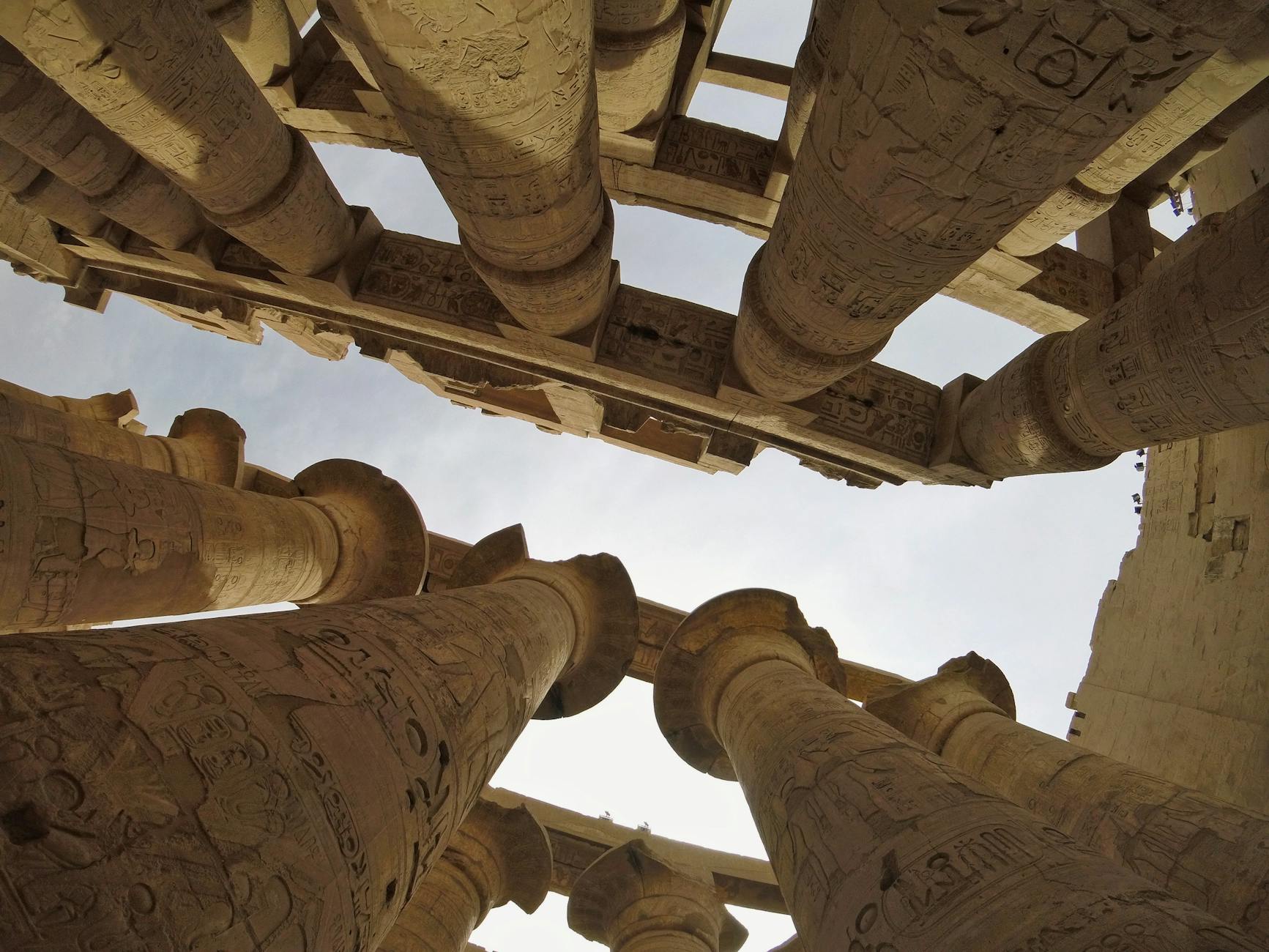
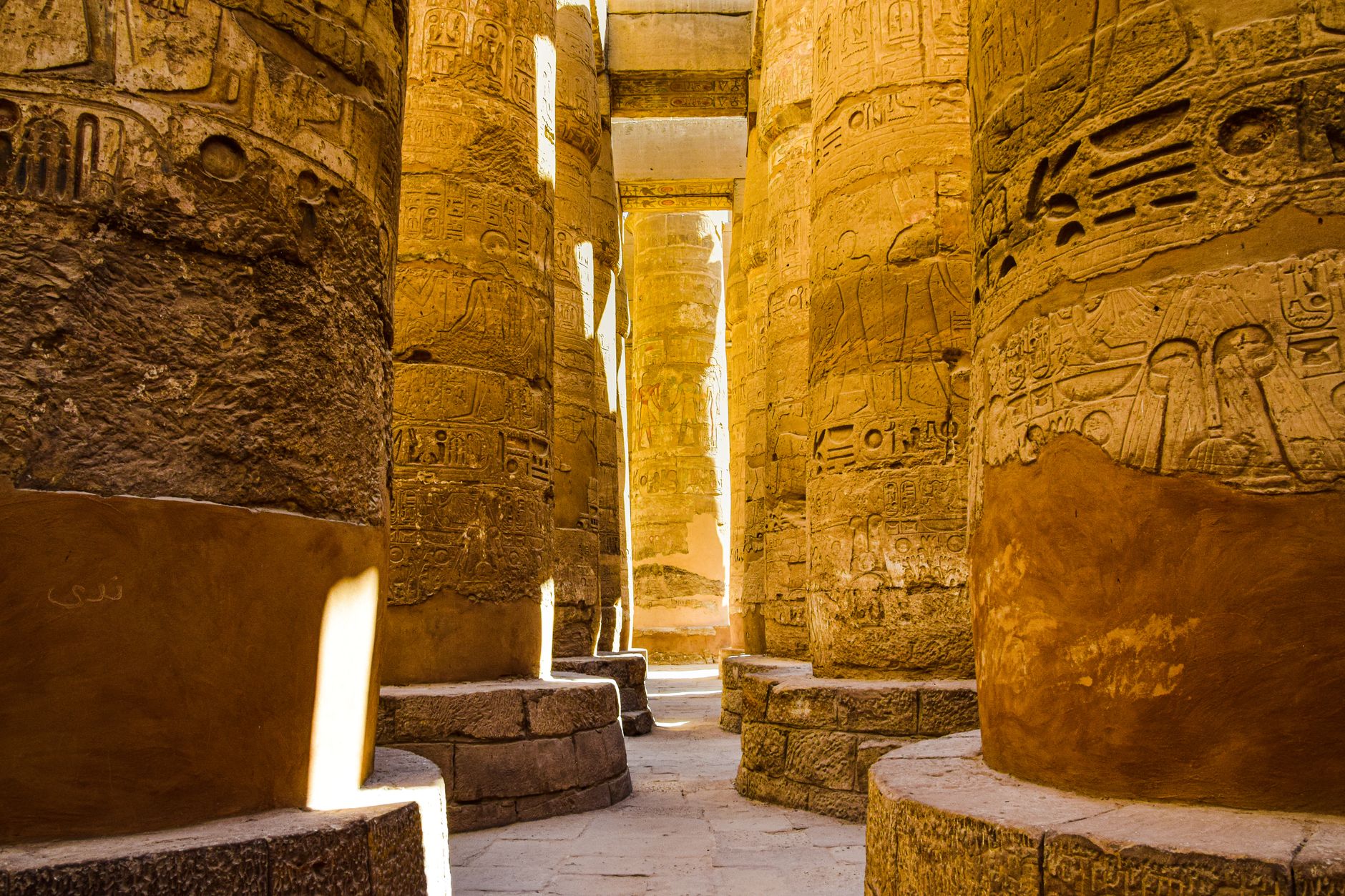
为为什么埃及樂蜀的卡纳克神庙群会同时让人觉得永恒,却又奇异地尚未完成,仿佛这些石头还在争论这里究竟是什么地方?这恰恰就是你该来的原因:走进古代世界最伟大的神圣区域之一,看134根纸莎草花苞柱像石化芦苇丛一样升起,而每一道门都会改变你对尺度、权力与时间的感觉。
你现在看到的是砂岩上的炫目反光,是鞋底碾过尘土的沙沙声,是一列列饱经风蚀的雕像,领着你走向一个又一个比预想更深的庭院。鸽子在破损的檐口间掠过。空气里有热石头的气味,也有几分钟路程之外、尼罗河西面吹来的干燥河风。
大多数游客把卡纳克称作一座神庙,单数。这个地方拒绝这种简化。记录显示,它在一千多年间长成了一整座以阿蒙为中心的神圣城市,通过巡行路线与樂蜀相连,也被一位又一位把建筑当作后世统治者使用宣传工具那样使用的国王所塑造。
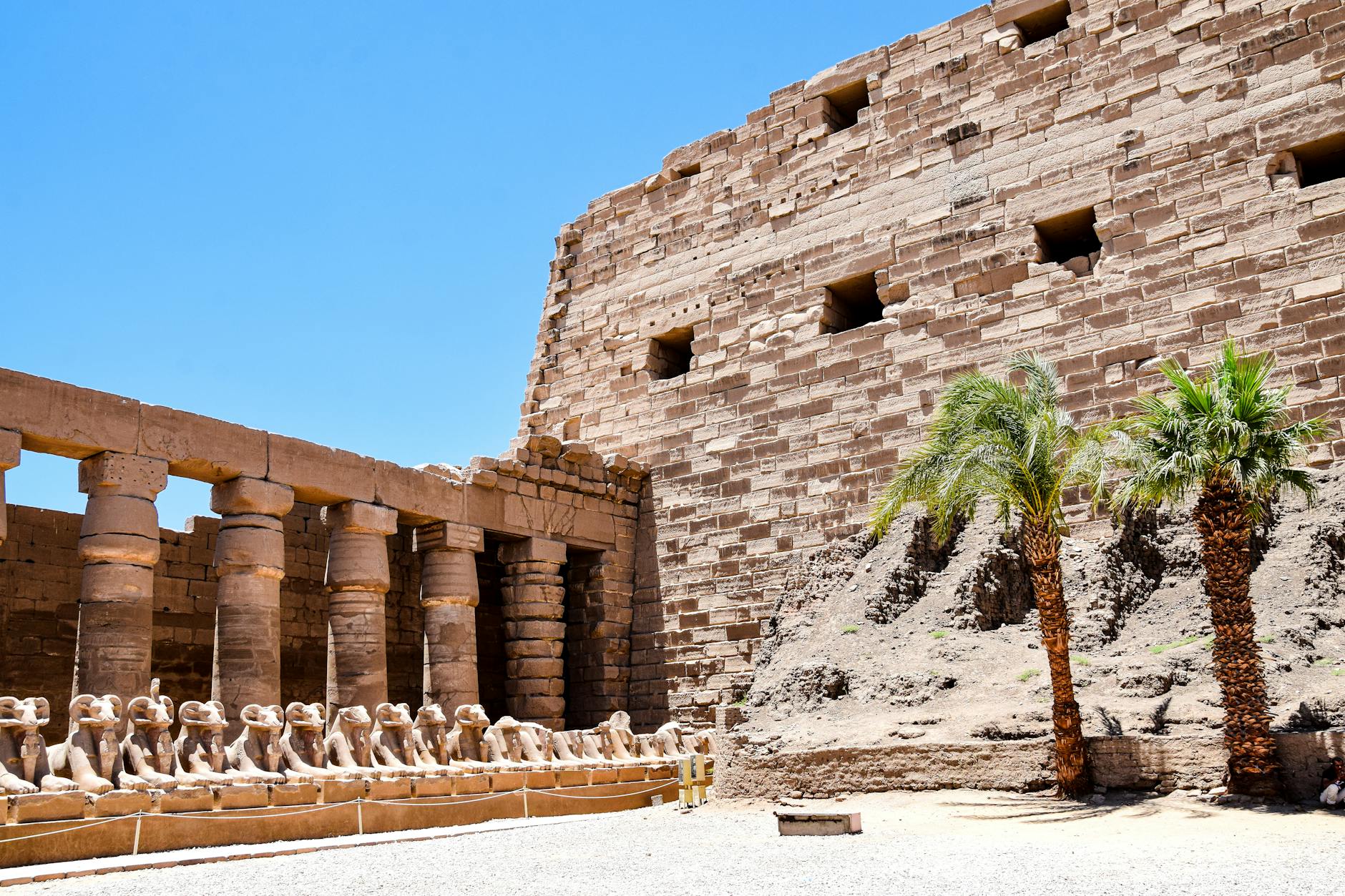
当然,为了那种显而易见的宏伟而来没有问题,但也要为了这里的矛盾而来。多数人视作古老而完整的入口塔门,其实是最晚近的重要增建之一,由奈克塔尼布一世在公元前380到362年间修建,而且从未完成;这里现存最古老的重要遗迹塞努斯雷特一世的白色礼拜亭之所以能留下来,恰恰是因为后来的建造者把它拆开,像藏匿证据一样塞进了一道墙里。
01 必看景点
大柱厅
哈特谢普苏特方尖碑与圣湖
慢慢走:从第一塔门到露天博物馆
02 用图说话。



规划并聆听卡纳克神庙, 尽在 Audiala。
语音导览装进口袋,行程规划留在浏览器。为你真正的旅行方式而生。
Tickets & tours.
这些是我们合作伙伴提供的导览选项——与直接预订同价。
价格仅供参考——最终价格与可订情况以结账时为准。通过这些链接完成的预订,Audiala 可能赚取佣金。
03 Visitor logistics.
一次美好造访的实用支架——尽量简短。
如何到达
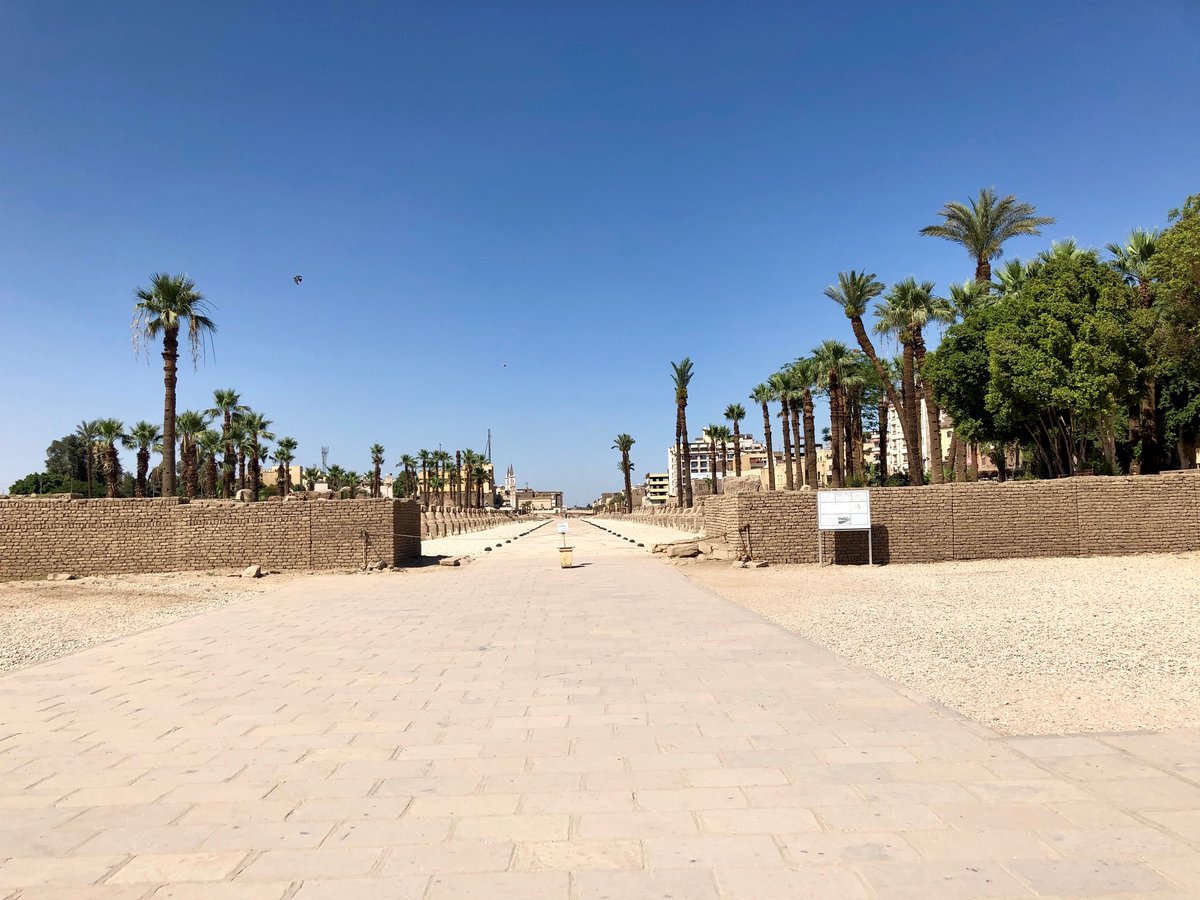
卡纳克神庙位于樂蜀东岸的现代卡纳克区,距离樂蜀神庙以北约2.5到2.7 km。大多数自由行游客都会直接打车到游客入口;沿狮身人面像大道步行大约需要30到40分钟,光线好时这段路挺舒服,但到了上午稍晚,热意就会把这件原本惬意的事变成折磨。
开放时间
截至2026年,文物部官方页面显示卡纳克神庙每日开放时间为6:00 AM至5:00 PM。官方票务门户更严格:全年最晚入场时间都是4:00 PM,包括当前夏季、冬季和斋月的列表,因此真正该当作截止时间的是4:00 PM。
所需时间
如果您只想走快捷路线,安排1到1.5小时就够了:第一庭院、大柱厅、哈特谢普苏特方尖碑区域,然后到圣湖。更合理的默认安排是2到3小时;如果您真的想读浮雕、在露天博物馆多停一会儿,让这片遗址的尺度慢慢压下来,3到4小时才合适。
无障碍情况
主游客路线有部分轮椅通行条件,近年新增的步道帮了些忙,但卡纳克神庙远不是完全无障碍。您会遇到磨损的石面、碎石、古老铺地、漫长距离,以及一些依旧不适合轮子前进的区域;在这里,地面本身就很会跟人辩论。
费用与门票
截至2026年,外国游客成人票为EGP 600,学生票为EGP 300,门票包含卡纳克神庙和露天博物馆;埃及公民票价为EGP 40和EGP 20。6岁以下儿童免费入场,官方门户还列出埃及籍特殊需求人士和60岁以上埃及公民的免票政策;可在egymonuments.com线上订票,而单独的穆特神庙门票对外国成人为EGP 200。
04 Tips for visitors.
一些改变一天的小事。
避开酷热
如果可以,尽量在早上6:00到。到了上午中段,石头就会把热气整片反射回来;而在旅行团抵达之前,大柱厅完全是另一种样子:空气更凉,影子更长,成排的巨柱像一片被石化的纸莎草沼泽。
拍照规则
截至2026年,官方售票页面写明手机拍照免费。随手拍几张个人照片没有问题,但三脚架、灯光设备、商业拍摄和无人机都应视为需要许可的范围;在埃及的考古区域,先默认答案是否定的,能省下不少争执。
先说好价格
卡纳克神庙最让人头疼的,不是危险,而是各种磨人:马车夫、出租车讲价,还有那些一开始热情帮忙、最后伸手要钱的临时讲解员。说一句La, shukran,继续往前走;无论上出租车还是乘马车,都要先把总价谈清楚。
附近用餐
吃饭这件事,放到遗址区外面处理会顺心得多。想在大门附近快速解决又省钱,Al White Garden Restaurant & Coffee距离这里约0.3英里;想正经坐下来吃一顿,El Hussein Restaurant的评价更稳,若您住在东岸,Qasr El Neel也是不错的中档选择。
轻装上阵
卡纳克神庙没有列出官方行李寄存服务,旅行者的反馈也指向同一个结论,所以到这里时最好只带那些您愿意一路背着走过这片帝国尺度遗址的东西。穿着也以得体和实用为先:在樂蜀,遮住肩膀和膝盖会更自在;至于高低不平的石地,比起您的衣服,它更在乎您的鞋。
美食推荐
不可错过的美食
白色咖啡馆与餐厅
local favorite推荐点: 点当天的套餐最稳,尤其是家常做法的鸡肉或牛肉配菜盘;评论也普遍认为这里的素食选择很可靠。
这里显然是参观完卡纳克神庙后最顺手的一站,但并不让人觉得敷衍。评论里提到,这是一家家庭经营的小店,每天菜单不大,标价清楚,待客很大方,食物由店主的母亲亲自下厨,在安静的花园环境里享用。
阿尔萨哈比巷餐厅
local favorite推荐点: 如果想吃更贴近本地口味的东西,可以点骆驼肉或乳鸽;评论者对这里的塔吉锅和汤也评价不错。
屋顶露台当然是卖点,但这份菜单比一般那种只靠景观撑场面的餐厅更有底气。服务可能偏慢,不过反复出现的评论都说传统菜值得等,尤其适合在晚风里慢慢坐下来吃。
مطعم توت عنخ امون 图坦卡蒙餐厅
local favorite推荐点: 如果有的话,点 Kebab Halla;有位评论者说那是全场亮点。炖牛肉和咖喱鸡也很受好评,通常配米饭和蔬菜。
人们夸的不只是这里的食物,也提到那种被照顾得很周到的感觉。尼罗河边的露台、分量慷慨的定价套餐,以及始终热情的服务,让这里成了旅人会一来再来的地方,而不只是打卡一次就走。
阿赫兰餐厅 مطعم اهلا
local favorite推荐点: 点烤肉和蔬菜。评论对这里把牛肉和鸡肉烤得恰到好处尤其称赞,蔬菜则来自餐厅自家的花园现摘。
这家出挑的地方不在于噱头,而在于食材质量。客人会说自己能从餐桌上看到农场,也能吃出差别;在樂蜀,这比另一家千篇一律、只靠河景卖混合烤肉的店要少见得多。
餐饮建议
- check 在樂蜀,午餐通常是一天中的正餐,一般在下午1:00到4:00之间食用。
- check 餐馆往往会在下午2:00左右特别繁忙。
- check 晚餐时间比许多西方游客预想的更晚,通常从晚上8:00一直持续到午夜。
- check 有些餐馆会在午餐和晚餐之间歇业,大约是下午5:00到7:00,然后再重新营业,供应晚餐。
- check 我没有找到證据表明樂蜀的餐馆有统一的每周固定休息日;许多面向游客的店一周七天都营业。
- check 在樂蜀的市场里,周五通常开得更晚:主要市场信息显示,周五是下午1:00开门,而不是平日惯常的上午开市。
- check 餐馆账单里常常已包含10-12%的服务费,但如果服务好,另外给现金小费仍然是惯例。
- check 给小费是埃及日常服务文化的一部分,通常被称为 baksheesh。
餐厅数据由 Google 提供
05 这场巡行从未真正结束
卡纳克神庙最深层的延续性,不在某一种建筑风格,也不在某一个王朝,而在功能上。一千多年里,统治者始终把这里维持为阿蒙的仪式之家,而重点从来不只是黑暗内殿中的祈祷;重点是移动,尤其是在奥佩特节期间,神圣圣舟神龛一路驶向樂蜀时,那种宗教、金钱与王权正统性一起流动的移动。
这条延续线之所以重要,是因为卡纳克神庙看起来像废墟,却原本是一台为仪式运转而设计的机器。直到今天,这片遗址仍然作为一条活着的路线,比作为一座死去的纪念物更容易理解:一重又一重庭院依次展开,轴线把你往南牵引,而它与樂蜀之间更广阔的神圣联系,也正是解释为何那么多法老会在同一片土地上不断重建、抹除又修复的线索。
图坦卡蒙让心跳重新开始
乍看之下,卡纳克神庙讲述的似乎是一个关于恒常的简单故事。阿蒙在这里统治,柱子依然耸立,浮雕宣告秩序,这座神庙看上去像是从一位国王平稳滚动到下一位国王,中间只有表面上的修饰变化。
但疑问很快出现。既然如此,图坦卡蒙为什么还需要在这里立下一块《复兴碑》?为什么学者会指出,那些被拆毁的阿吞神庙后来作为填充物埋进了后来的塔门里?又为什么卡纳克神庙里这么多遗迹,反而是因为先被人毁掉才保存下来?
真正的答案更冷硬,也更像人事本身:卡纳克神庙的延续性,是争夺来的。阿肯那顿把崇拜转向阿吞之后,图坦卡蒙公开恢复了底比斯对阿蒙的祭祀;对他来说,这既是政治问题,也是切身问题,因为一个王位根基脆弱的年轻国王,需要重新把旧有祭司集团拉回自己一边。转折点就发生在卡纳克神庙,当这场复兴在此被宣告时,旧神的归来并不是安静的神学修正,而是把劳力、财富和仪式权威重新转移回这片神区。
再看之后的卡纳克神庙,整座地方就变了。你不再把它看成一件稳定不动的遗物,而会看见一座一再失去节奏、又一再把节奏找回来的神庙;甚至通往樂蜀的那条路也读出了新意思,它不再只是考古遗迹,而像一条幸存下来的巡行路线,一度让国王显得可信。
改变了什么
延续了什么
在应用中收听完整故事
06 常被问到的问题。
旅行者就卡纳克神庙问得最多的问题。
卡纳克神庙群值得参观吗?
值得,尤其如果你想在樂蜀找到那个最不像博物馆、最像一座石头城市的古埃及地点。阿蒙神区叠加了超过2,000年的建造、抹除与重建,从塞努斯雷特一世一直到奈克塔尼布一世;光是大柱厅就有134根砂岩柱,走进去像穿过一片石化的纸莎草沼泽。最好早点去,别等热浪把露天庭院烤成铁板。
参观卡纳克神庙群需要多长时间?
大多数游客需要2到3小时。这样足够看第一庭院、大柱厅、哈特谢普苏特方尖碑区域、圣湖,以及露天博物馆,而且不用一路小跑。如果你想细看浮雕、在阿蒙神区多停留一会儿,或者绕去孔苏神庙,那就留出3到4小时。
我怎么从樂蜀前往卡纳克神庙群?
最省事的方式,是在樂蜀东岸打出租车。卡纳克神庙位于樂蜀神庙以北大约2.5到2.7公里处,所以天气合适时,你也可以沿着狮身人面像大道步行,大约30到40分钟;但中午就是另一回事了。樂蜀没有地铁,我也没找到针对卡纳克神庙、清楚公开发布的编号市区公交线路,所以还是把希望放在出租车、本地小巴、马车,或者你自己的双脚上。
参观卡纳克神庙群的最佳时间是什么时候?
最佳时间是清晨,最好正好赶在遗址早上6:00开门时。低角度的光会擦亮浮雕,柱子那时还能投下真正的阴影,你也更容易把卡纳克神庙感受到为一处巡行之地,而不是拥挤的拍照点。冬天最适合慢慢看,而每年12月21日,阳光会与主轴线对齐,这是一项埃及文物部门会主动标示的年度现象。
可以免费参观卡纳克神庙群吗?
通常不能。截至2026年4月22日,外国游客的官方票价是成人 EGP 600、学生 EGP 300,并可通过官方电子门票平台在线购票;目前确认的免费对象是6岁以下儿童、有特殊需求的埃及人,以及60岁以上的埃及人。我没有在官方网站上看到任何常规免费开放日。
在卡纳克神庙群有什么绝不能错过?
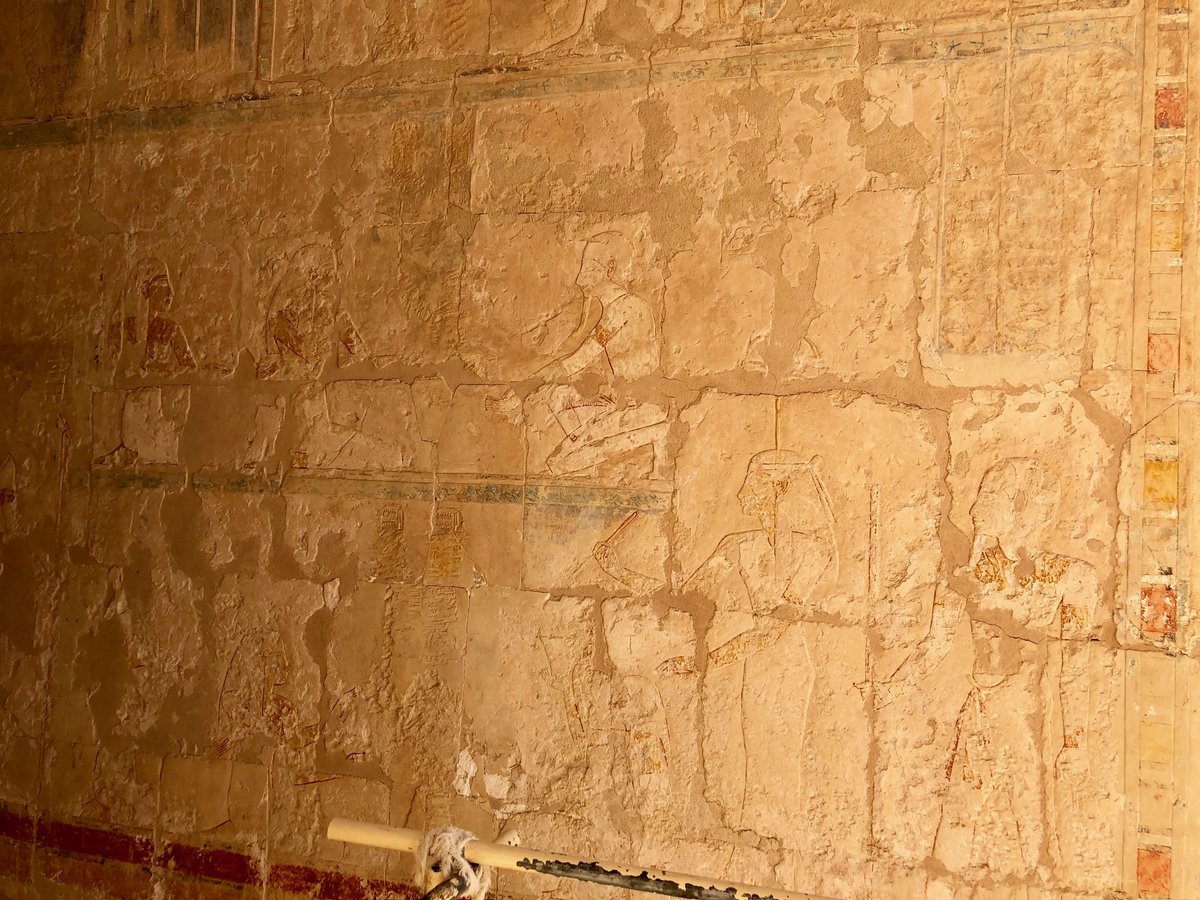
别错过大柱厅、圣湖、哈特谢普苏特现存的方尖碑,以及露天博物馆。大多数人沿着主轴线一路猛冲,很快就离开,这意味着他们会错过塞努斯雷特一世的白色礼拜亭和哈特谢普苏特的红色礼拜亭;这些较小的空间里,雕刻更见功夫,颜料痕迹也仍顽强附着。还要去第一塔门后面看看古代的泥砖施工坡道,它会让入口看起来不像一处废墟,更像昨天才被放弃的工程。
卡纳克神庙群几点关闭?
安排时间时要按最晚下午4:00入场、遗址大约下午5:00关闭来算。文物部门页面写的是每天早上6:00到下午5:00开放,而官方售票平台则写明最晚入场时间为下午4:00,所以稳妥的做法是远早于4:00到达。2026年4月11日宣布的近期修复工程没有提到全面关闭,但现场哪些区域会显得完全开放,仍可能受影响。
经过核实,如实呈现。
由 Audiala 编辑团队依据历史档案、建筑资料与本地专长调研撰写。
确认卡纳克神庙被列入“古底比斯及其墓地群”世界遗产,联合国教科文组织列名时间为1979年,并说明了该遗址在底比斯圣域整体格局中的更广泛作用。
提供了官方开放时间、门票包含内容说明、现场洗手间信息、建筑群背景介绍,并确认露天博物馆包含在参观范围内。
支持将卡纳克神庙置于更大的底比斯世界遗产框架中理解,并说明它与樂蜀神庙之间的联系。
提供当前票价、下午4:00的最晚入场时间、官方免费入场豁免条件、线上订票信息,以及手机拍照免费的说明。
用于补充宏观历史背景,包括跨多个王朝的发展过程、卡纳克神庙的规模与重要性,以及塞提一世和拉美西斯二世等重要统治者的作用。
提供了大柱厅的建筑信息,包括134根立柱,以及中央主廊的高度与布局。
支持将大柱厅视为游客最值得看的亮点之一,也是卡纳克神庙核心体验的重要部分。
帮助解释这座大厅最初如何处理采光,以及为什么它过去比现在更昏暗、更富戏剧感。
提供了辛努塞尔特一世白色礼拜亭的年代与重要性,并支持推荐参观露天博物馆。
用于介绍哈特谢普苏特的方尖碑、它的尺度,以及周边核心圣殿区域。
支持将圣湖列为重要停留点,并提供其仪式功能的历史背景。
提供了哈特谢普苏特红色礼拜亭的背景信息,并说明它为何是卡纳克神庙内最能揭示历史的较小型建筑之一。
确认第一塔门是奈克塔内布一世时期较晚且未完成的增建部分,且其后方至今仍可见古代泥砖施工坡道。
用于介绍建筑群内较安静的支线神庙行程,并支持建议那些想走出主轴线深入探索的人安排更长参观时间。
确认卡纳克神庙主轴线每年12月21日都会出现太阳对位事件。
提供了日期为2026年4月11日的最新信息,说明卡纳克神庙与樂蜀神庙正在进行修复与整治工程。
确认卡纳克神庙在2026年3月仍有持续中的保护工作,并支持“该遗址至今仍是活跃考古区”这一判断。
佐证了2026年3月21日有关卡纳克神庙修复与新发现的消息。
用于实用交通建议,包括当地没有地铁,主要依靠出租车、小巴和步行。
提供了樂蜀神庙与卡纳克神庙之间2.7 km的连接路线,并为步行时间建议提供依据。
作为近期旅客来源,用于了解较真实的参观时长、炎热程度、步行强度与现场情况。
支持季节性建议:冬季最适合长时间参观,而一天越往后,炎热越难熬。
谨慎用于讨论早期有人活动的争议,以及卡纳克神庙的起源更可能来自不断变化的河流地貌,而非某个单一而明确的建造时刻。
支持关于卡纳克神庙地貌环境及其在不断变化的尼罗河土地上长期发展的研究背景。
内容来自注明出处的资料 · 查看方法 · 我们如何制作导览 →