引言
坐落于印度中央邦瓜廖尔堡内,萨斯巴胡寺(Sasbahu Temple),也被称为萨哈斯拉巴胡寺(Sahastrabahu Temple),是11世纪印度北部寺庙建筑的杰出代表。寺庙以其独特的双子寺庙布局、精美的砂岩雕刻和融合的象征意义而闻名,吸引着历史爱好者、建筑迷、精神寻求者和好奇的旅行者。
该寺由卡奇阿帕加塔王朝(Kachchhapaghata dynasty)国王马希帕拉(Mahipala)下令建造,最初供奉毗湿奴神(Lord Vishnu),是当时艺术和工程技艺的典范。“萨斯巴胡”一词意为“婆婆和儿媳”,源于当地传说和双子寺庙的实际布局,象征着家庭和睦与精神统一。
本指南将详细介绍萨斯巴胡寺的历史背景、建筑特色、实用的游客信息(包括参观时间及票价)以及一些有助于愉快参观的贴士。如需进一步更新,请参考印度考古调查局(Archaeological Survey of India)(asi.nic.in)和印度中央邦旅游局(Madhya Pradesh Tourism)(www.mptourism.com)。
图片库
图览萨斯巴胡庙
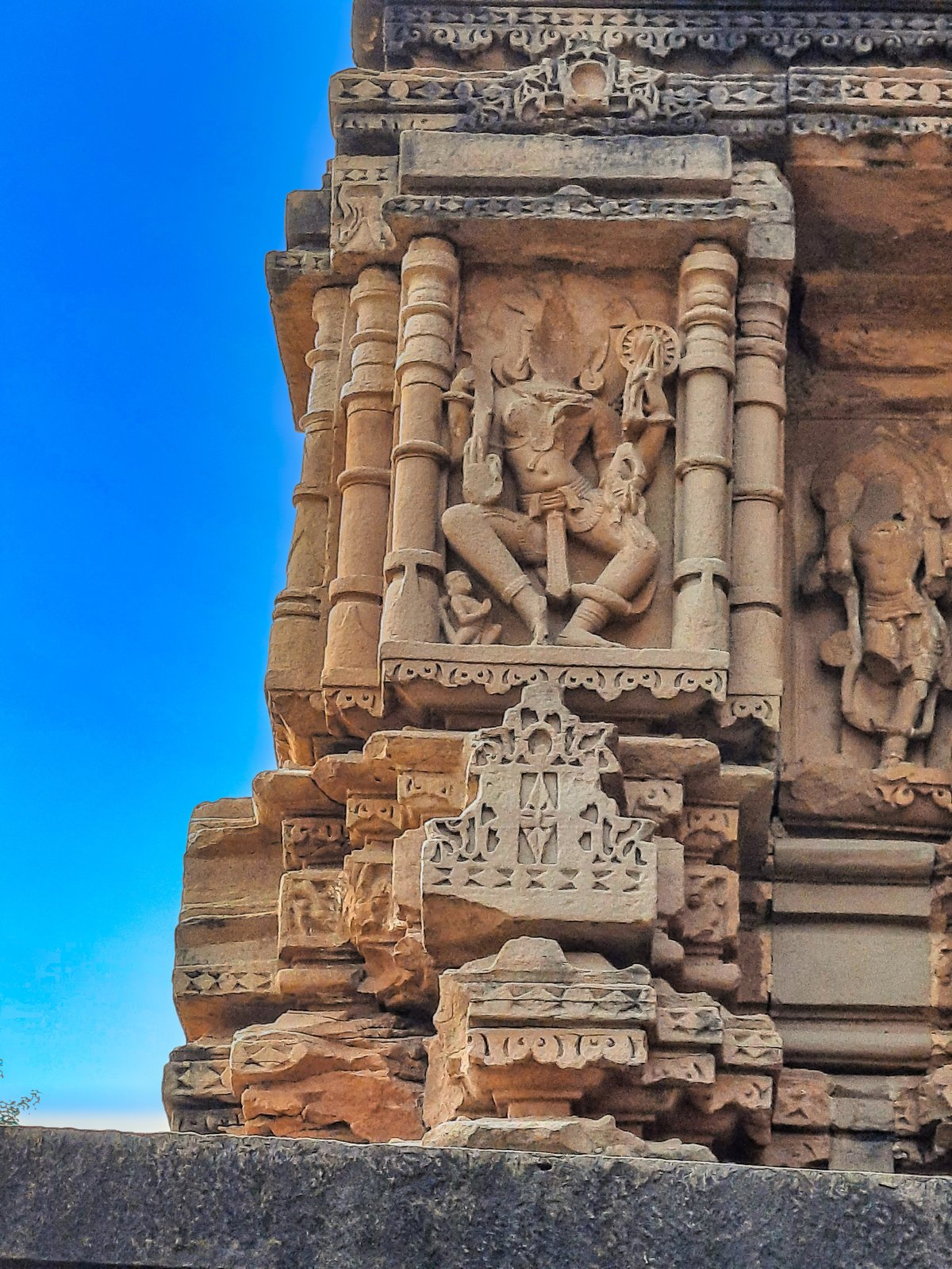
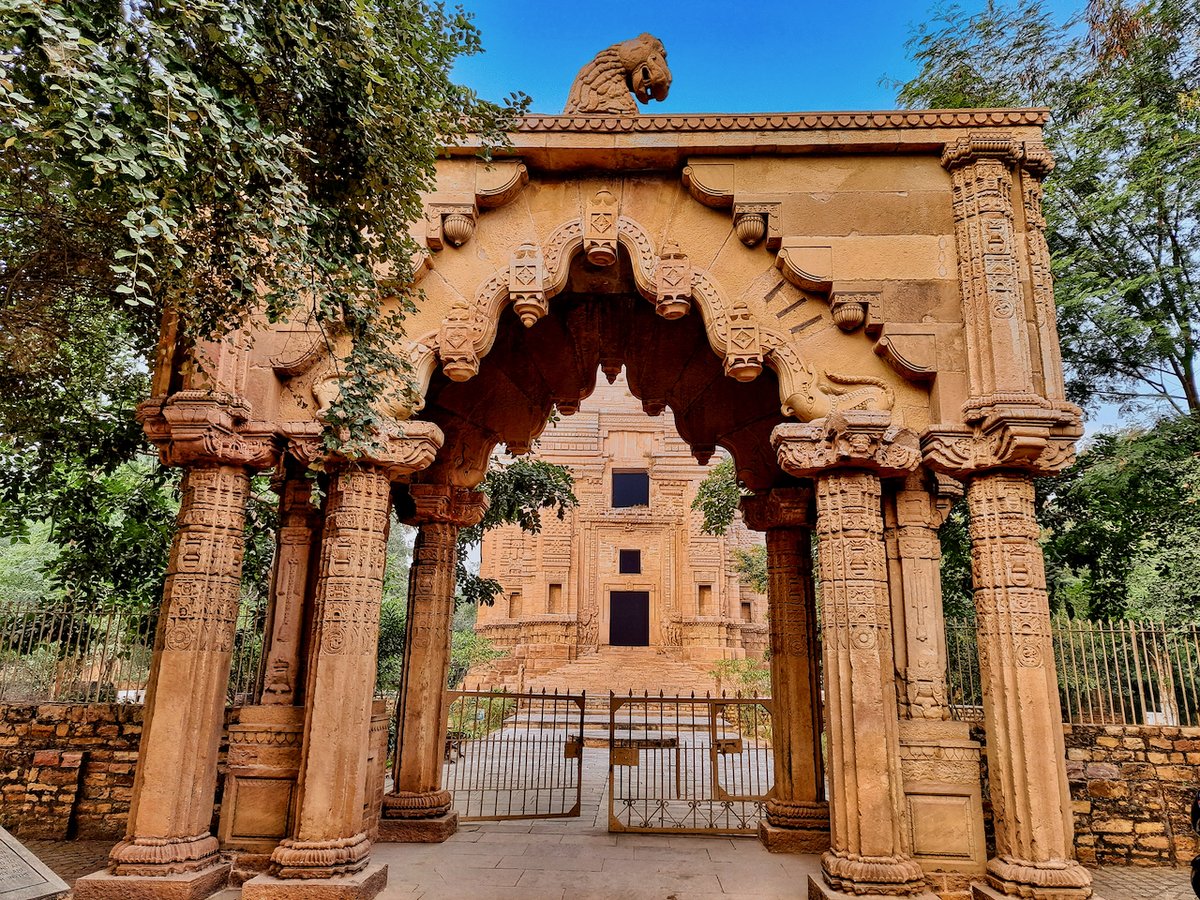
11th century Sasbahu Temple twin Hindu temples at Gwalior Fort, Madhya Pradesh, known for their intricate Sekhari-style carvings. Larger temple built by King Mahipala of Kachchhapaghata dynasty with notable three-floor design and artwork representing multiple Hindu traditions.
11th century Sasbahu twin Hindu temples at Gwalior Fort, Madhya Pradesh, India showing multi-storey stone design, intricate carvings, partial ruins, historical heritage of King Mahipala's Kachchhapaghata dynasty.
The Sasbahu Temple, also known as Sahasrabahu Temple, is a multi-storey 11th century Hindu temple complex located within Gwalior Fort, Madhya Pradesh. Built by King Mahipala of the Kachchhapaghata dynasty, it features Sekhari-style architecture with intricately carved walls, pillars, and ceilings. T
Sasbahu Temples at Gwalior Fort are 11th century twin Hindu temples famous for profuse Sekhari style carvings. Built by King Mahipala, the larger temple has a rare triple-storey design and artwork representing multiple Hindu traditions. The temples show extensive historic damage and loss but remain
Profusely carved, multi-storey 11th century Sasbahu Temples (Sahasrabahu) at Gwalior Fort, Madhya Pradesh. Famous for Sekhari-style Hindu architecture with carvings representing Vaishnavism, Shaivism, Shaktism, Sauraism and Vedic traditions. Larger Sas temple dedicated to Vishnu and smaller Bahu tem
Profusely carved three-storey 11th century Sasbahu (Sahasrabahu) twin Hindu temples at Gwalior Fort, Madhya Pradesh, India. Built by King Mahipala of Kachchhapaghata dynasty, showcasing advanced Sekhari-style architecture and featuring artwork from major Hindu traditions.
Historic 11th century Sasbahu twin Hindu temples at Gwalior Fort, Madhya Pradesh, showcasing multi-storey Sekhari-style architecture and intricate carvings depicting various Hindu traditions, built by King Mahipala of the Kachchhapaghata dynasty with notable ruins and damaged artwork from historic c
Profusely carved 11th century Sasbahu twin Hindu temples at Gwalior Fort, built by King Mahipala of the Kachchhapaghata dynasty. These Sekhari-style temples feature three floors in the larger temple and display carvings representing all major Hindu traditions. The temples are now mostly in ruins due
The Sasbahu Temple at Gwalior Fort, Madhya Pradesh, is an 11th century twin Hindu temple built by King Mahipala. Featuring a rare three-floor design and Sekhari-style architecture, it showcases elaborate carvings of Vaishnavism, Shaivism, Shaktism, Sauraism, and Vedic deities. The larger temple (Sas
Image of the Sasbahu (Sahasrabahu) twin Hindu temples at Gwalior Fort, Madhya Pradesh, showcasing the multi-storey 11th century Sekhari-style architecture with profuse carvings on the outer walls, pillars, and ceilings, built by King Mahipala of the Kachchhapaghata dynasty.
Sasbahu Temple at Gwalior Fort, Madhya Pradesh is a ruined 11th century twin Hindu temple built by King Mahipala of the Kachchhapaghata dynasty, known for its rare three-floor Sekhari-style architecture and profuse carvings representing all major Hindu traditions.
Sasbahu Temple at Gwalior Fort, built in the 11th century by King Mahipala of the Kachchhapaghata dynasty, showcases Sekhari-style Hindu architecture with profusely carved outer walls, pillars, and ceiling. The larger temple has a rare three-floor design and features artwork from major Hindu traditi
历史背景
起源与赞助
萨斯巴胡寺群建于公元11世纪末,由卡奇阿帕加塔王朝国王马希帕拉(Mahipala)下令建造,反映了中世纪印度对毗湿奴教派的皇家赞助。最初的名称“萨哈斯拉巴胡”指的是“千手毗湿奴”。随着时间推移,当地传说和语言演变使其广为人知的名字为“萨斯巴胡”,象征着世代和睦。
建筑演变
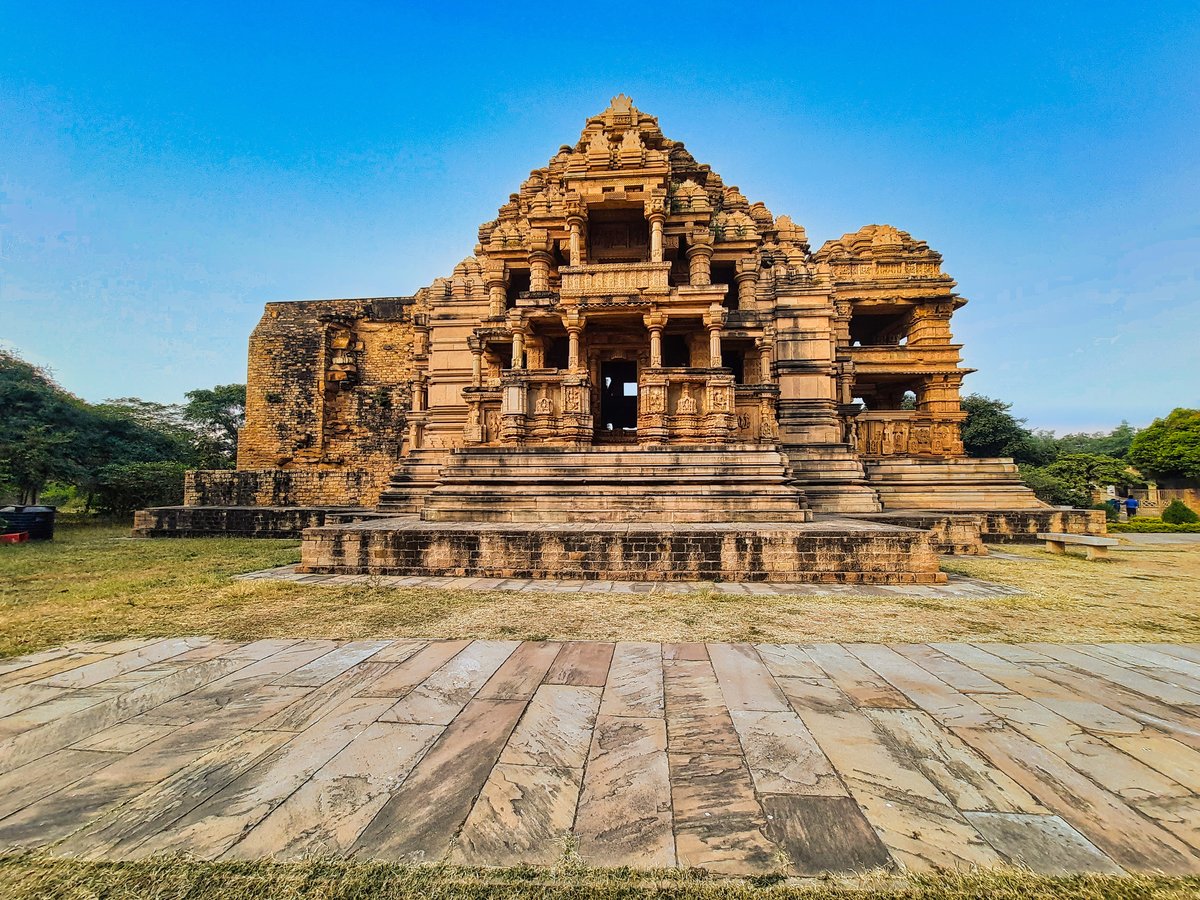
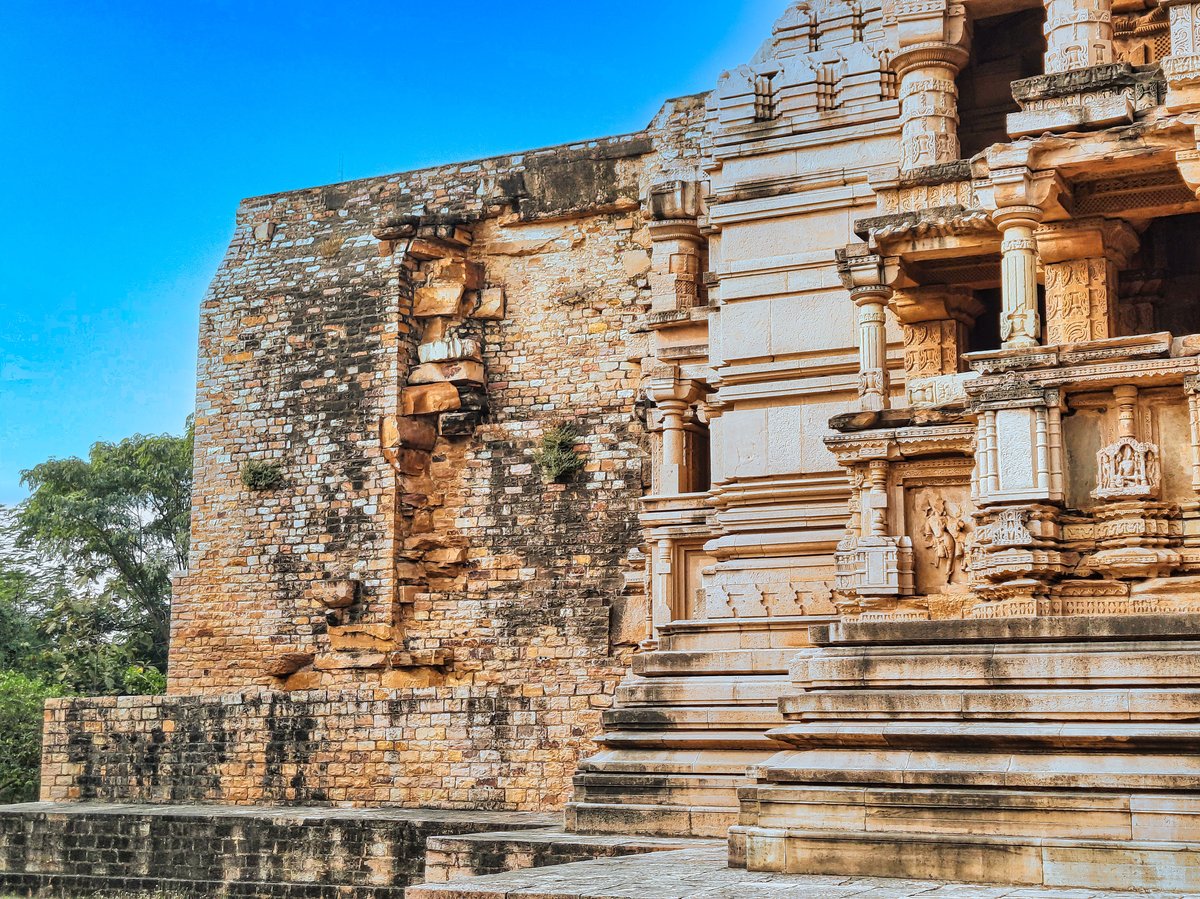
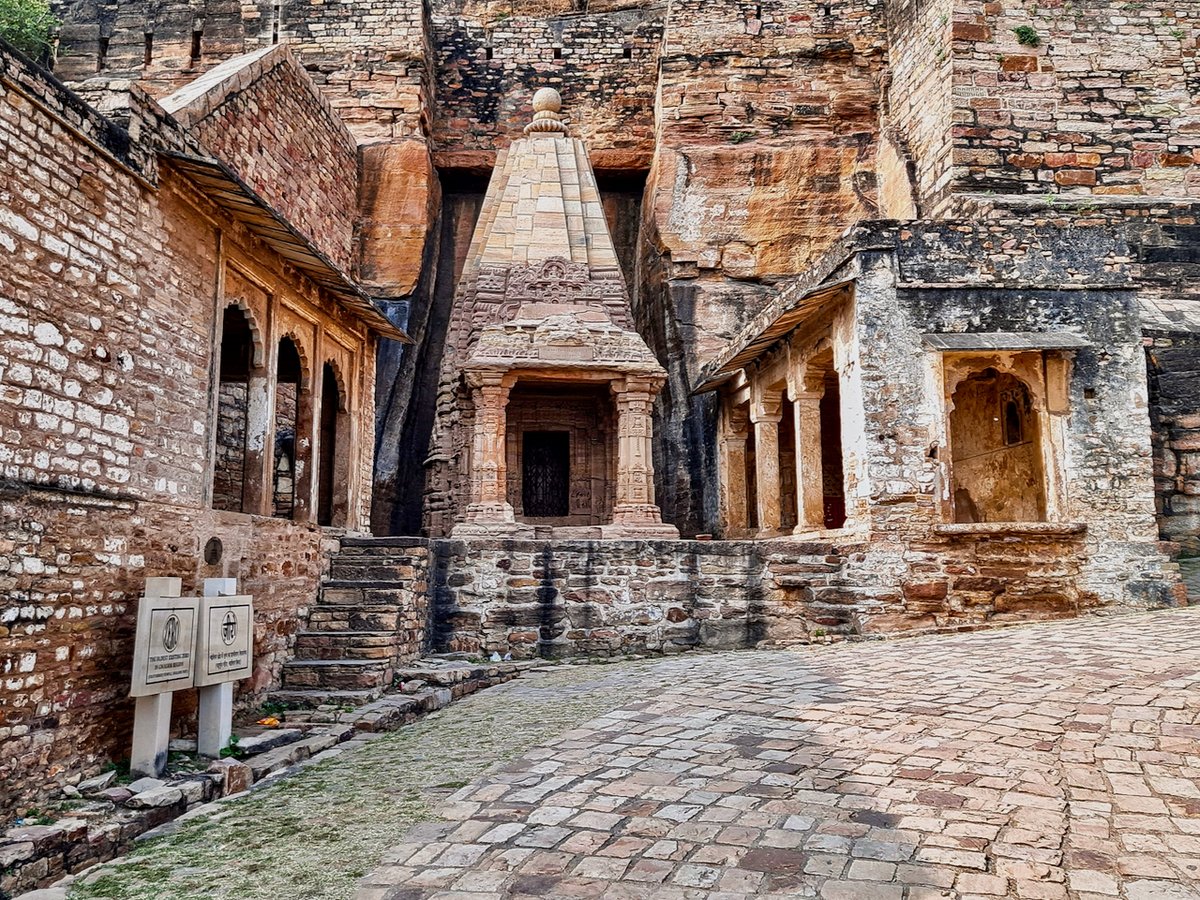
寺庙建筑主要采用当地砂岩,具有北印度那加拉风格(Nagara style)典型的曲线形尖塔(shikharas)和十字形基座。较大的“萨斯”(婆婆)寺庙供奉毗湿奴神,而较小的“巴胡”(儿媳)寺庙则形成了罕见的双子寺庙布局。尽管主尖塔和大部分上层建筑已毁于战火和时间,但幸存的曼达帕(mandapas)、柱子和雕刻仍是那个时代精湛工艺的证明。
传说与文化习俗
当地传说称,这些寺庙是为一位女王和她各自信奉不同神祇的儿媳而建。这些故事虽然未经证实,但已成为该遗址文化身份不可分割的一部分。
历史传承
尽管历经数个世纪的动荡,包括德里苏丹国、莫卧儿帝国和马拉塔帝国(Delhi Sultanate, Mughals, Marathas)的入侵,萨斯巴胡寺依然屹立不倒,虽然伤痕累累,却保留着其庄严。它的韧性反映了瓜廖尔本身丰富的历史。
建筑奇迹
双子寺庙群:布局与象征意义
萨斯巴胡寺最显著的特点是其双子寺庙设计。“萨斯”(婆婆)和“巴胡”(儿媳)两座寺庙并列于一个高耸的平台上,象征着代际和家庭的和睦。其十字形布局和三个宏伟的入口,既创造了亲密感,又促进了连接。
建筑风格与特色
- 那加拉与布米迦元素: 寺庙展现了那加拉传统建筑垂直强调的特点,并融入了布米迦(Bhumija)亚风格的特色,部分曼达帕也可见德拉威达(Dravidian)风格的影响。
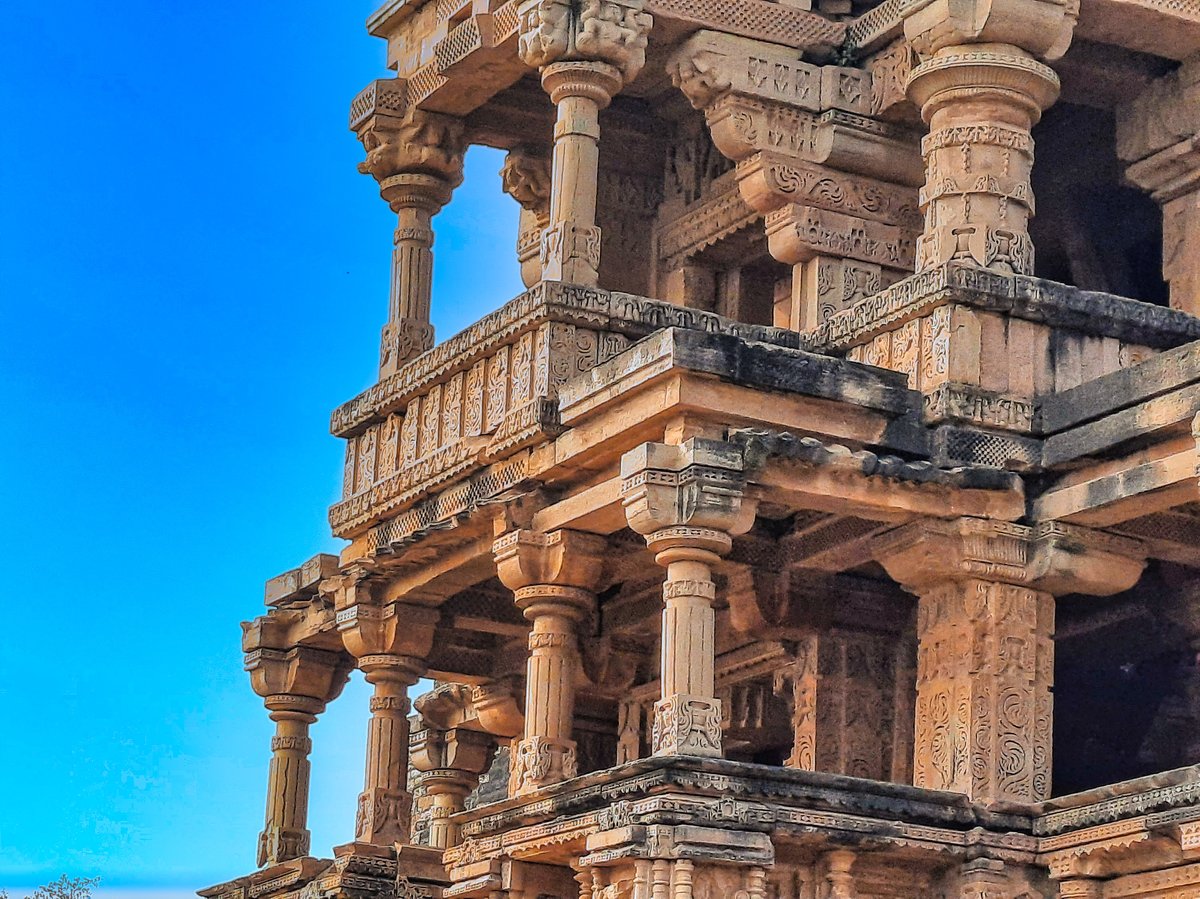
- 曼达帕与柱子: 雕刻精美的柱子支撑着宽敞的大厅,上面装饰着神话场景和花卉图案。
- 圣所(Garbhagriha): 主寺庙的圣所虽已失落神像,但根据古代铭文,是供奉毗湿奴神的。
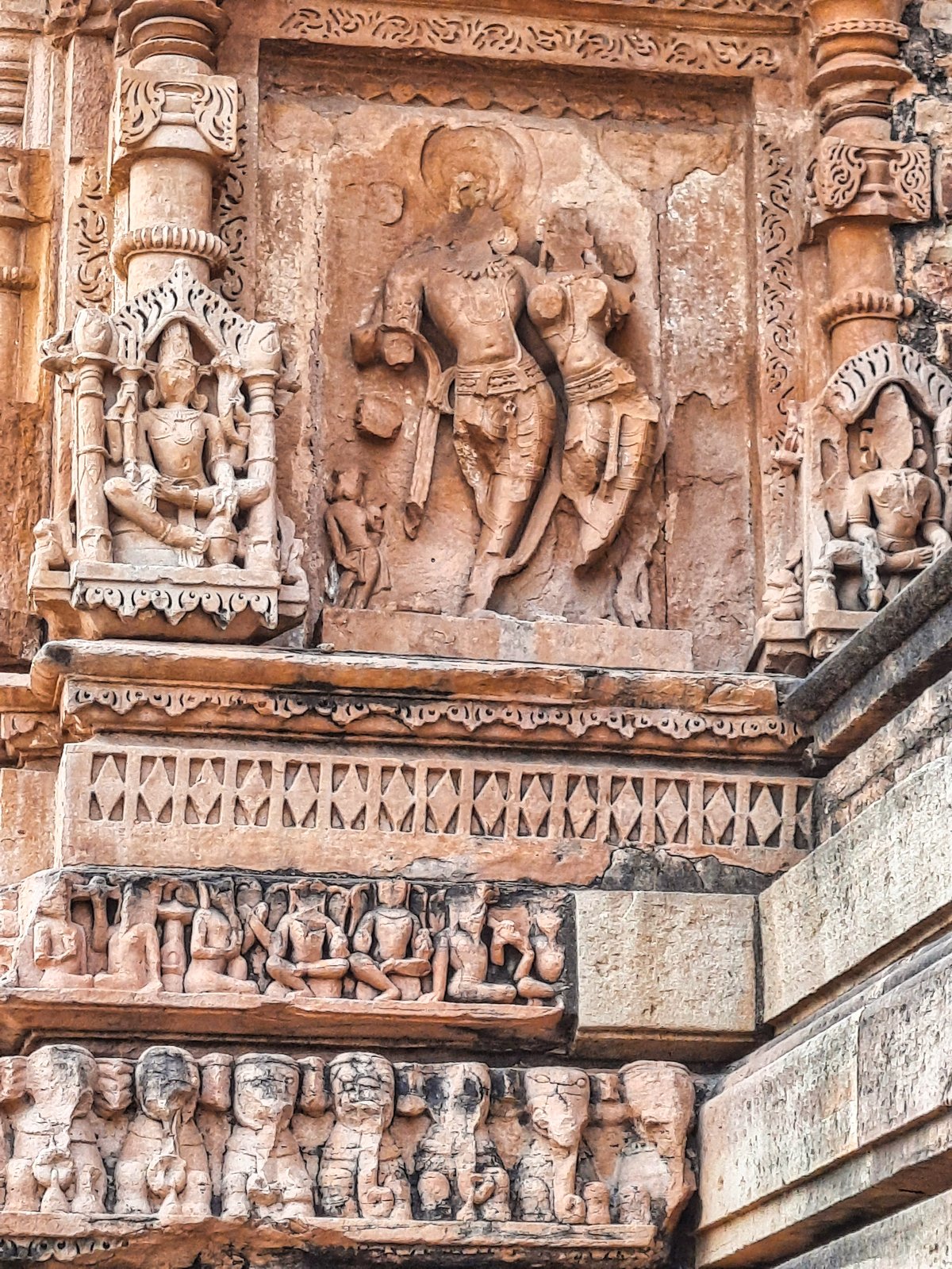
- 雕塑装饰: 精致的雕刻描绘了《罗摩衍那》(Ramayana)和《摩诃婆罗多》(Mahabharata)中的场景,以及天舞者、音乐家和守护者。
建造技术
寺庙主要采用精细打磨的当地砂岩建造,并运用先进的连接技术。多层设计、突出的门廊和精密设计的曼达帕展示了工匠的创造力。
修缮与保护
尽管历经历史破坏,印度考古调查局(Archaeological Survey of India)的持续保护工作已修复了部分遗存结构并恢复了若干原始特征,确保后代能够欣赏这一建筑奇迹。
游客信息
萨斯巴胡寺参观时间
- 标准时间: 每日上午8:00至下午5:00(可能因季节变化和特殊活动而调整)。
门票与入场费
- 入场: 包含在瓜廖尔堡的门票内。
- 票价(2025年): 印度国民约75卢比,外国游客约250卢比。15岁以下儿童通常免费入场;请在参观前核实当前票价。
如何抵达
- 陆路: 位于瓜廖尔堡内,距离市中心约3公里。
- 铁路: 距离瓜廖尔火车站(Gwalior Junction)5公里。
- 航空: 距离瓜廖尔机场(Gwalior Airport)约12公里。
- 当地交通: 可方便地搭乘三轮摩托车(auto-rickshaws)和出租车。
无障碍服务
- 寺庙建筑群地势不平,有许多石阶,轮椅通行困难。建议行动不便者寻求协助。
设施与便利
- 洗手间: 位于瓜廖尔堡入口附近,寺庙区域内无洗手间。
- 餐饮: 请自备饮用水和零食,寺庙区域内无小贩。堡垒入口附近和市区有许多餐馆。
- 纪念品: 堡垒入口附近偶有当地小贩出售手工艺品和明信片;瓜廖尔市场有更多选择。
最佳参观时间
- 10月至次年3月: 天气宜人(10°C至25°C),最适合观光。
- 节日期间: 刹那节(Navratri)和光明节(Diwali)期间充满文化活力,但寺庙依然宁静。
旅行贴士
- 穿着舒适的鞋子,以便攀爬台阶和在不平坦的路面上行走。
- 清晨和傍晚是摄影采光的最佳时段。
- 夏季参观时请做好防晒措施。
现场体验
导游服务
当地导游可在堡垒入口处租用,每组约200-400卢比,他们会介绍寺庙的历史和图像学。聘请导游能极大地提升初次参观者的体验。
摄影
个人用途的摄影在整个建筑群内均允许。商业拍摄需获得印度考古调查局的许可。黄金时段的光影交错为摄影提供了绝佳机会。
文化礼仪
- 请穿着得体,以示对该地重要性的尊重。
- 进入圣所前需脱鞋。
- 保持肃静:避免大声喧哗、触摸雕刻或乱扔垃圾。
附近景点
- 瓜廖尔堡(Gwalior Fort): 规模宏大的堡垒建筑群,包含马纳·辛格宫(Man Singh Palace)、瓜里亚里宫博物馆(Gujari Mahal Museum)和特利卡神庙(Teli Ka Mandir)等。
- 贾伊·维拉斯宫(Jai Vilas Palace): 融合了欧洲风格的宏伟宫殿。
- 戈帕查尔山(Gopachal Parvat): 以其耆那教石刻雕像而闻名。
完整游览瓜廖尔堡和萨斯巴胡寺通常需要3-4小时。
常见问题解答 (FAQ)
问:萨斯巴胡寺的参观时间是什么? 答:通常为上午8:00至下午5:00,但时间可能会有变动。请在参观前查阅官方旅游门户网站。
问:门票价格是多少? 答:包含在瓜廖尔堡的门票内;印度国民约75卢比,外国人约250卢比。
问:萨斯巴胡寺对轮椅使用者开放吗? 答:由于地势不平且有台阶,轮椅通行困难。
问:有导游服务吗? 答:是的,可在堡垒入口处租用,费用较低。
问:最佳参观时间是什么时候? 答:10月至次年3月。
视觉与媒体
- 建议为游客和虚拟探索者提供寺庙外观、柱子和全景的高分辨率图片。
- 网上提供虚拟导览。
- 使用描述性alt文本,如“瓜廖尔萨斯巴胡寺精美的砂岩雕刻”和“萨斯巴胡寺全景”。
地图
Alt text: 显示萨斯巴胡寺在瓜廖尔位置的地图。
在应用中收听完整故事
Audiala App
支持 iOS 和 Android
加入50,000+策展人
资料来源
- verified
- verified
- verified
- verified
- verified
- verified
- verified
- verified
- verified
- verified
最后审核: