
引言
印度普拉亚格拉贾的阿拉哈巴德堡(Allahabad Fort)是该地区丰富历史和文化的精彩见证。由阿克巴大帝于1583年建造,这座堡垒坐落在恒河、亚穆纳河和神话中的萨拉斯瓦蒂河交汇处,称为“三河汇流处”(Triveni Sangam)。这一位置不仅具有建筑意义,还具重大宗教意义。阿拉哈巴德堡的建造旨在巩固莫卧儿帝国在该地区的力量,同时作为防御堡垒和行政中心。今天,阿拉哈巴德堡是伊斯兰和印度教建筑风格的独特融合,包含阿育王石柱和帕塔尔普里寺等著名建筑,吸引了众多游客和信徒。本综合指南旨在提供实用信息,从开放时间和票价到旅行提示和历史见解,确保您的参观既充实又愉快 (Britannica, India.com)。
图片库
图览阿拉哈巴德堡
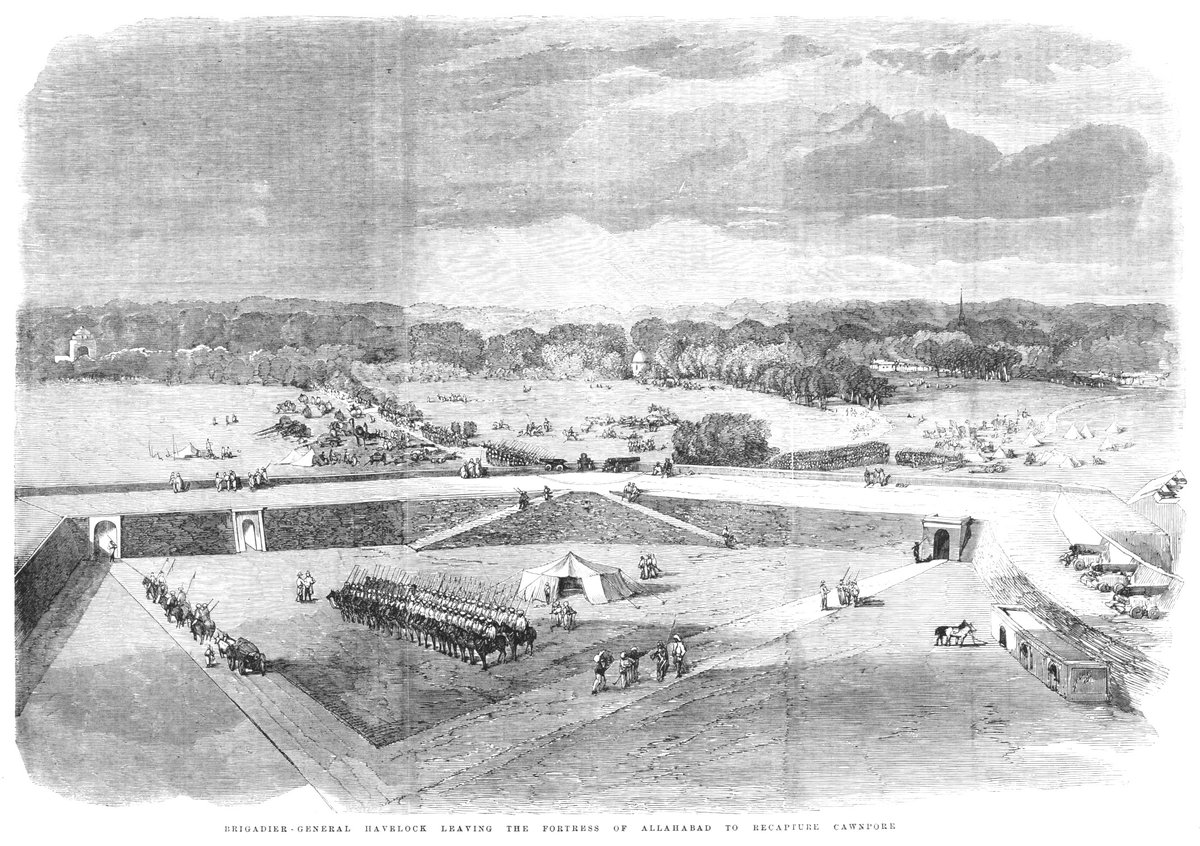
Historical illustration of Brigadier-General Havelock departing the Fortress of Allahabad to recapture Cawnpore during the Indian Mutiny, published in The Illustrated London News on 5 September 1857.
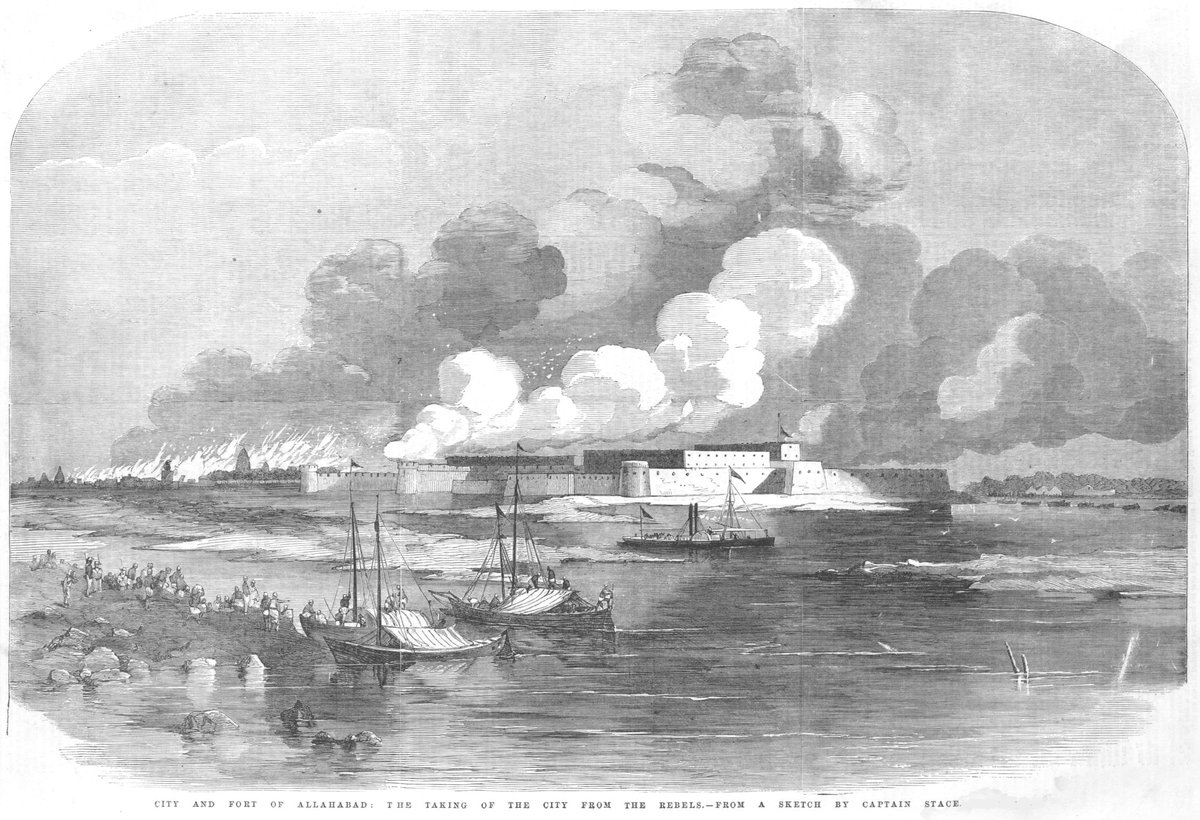
Illustration showing the city and fort of Allahabad being taken back from rebels during 1857 uprising, from a sketch by Captain Stace published in The Illustrated London News, 22 August 1857.
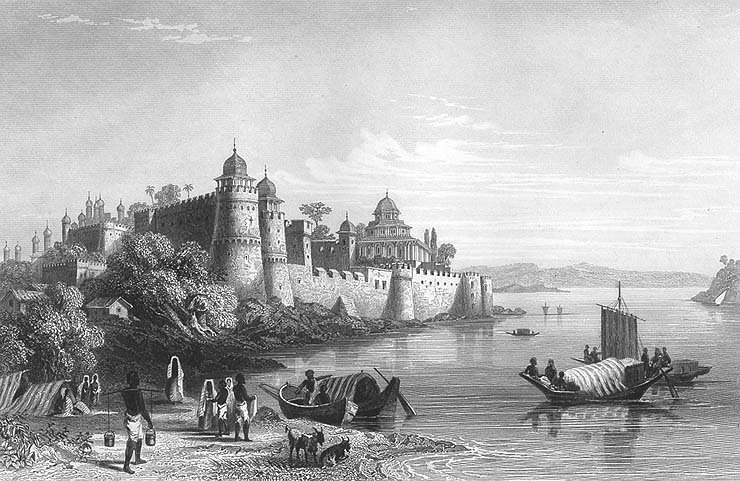
Historical image showing the Fort of Akbar located in Allahabad during the 1580s, showcasing Mughal architectural heritage.
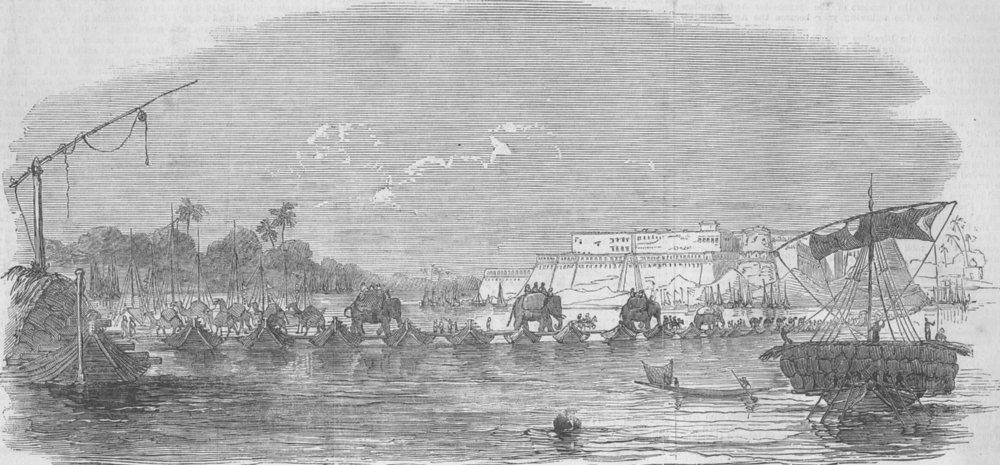
Historic illustrated engraving depicting the Fortress of Allahabad and the bridge of boats crossing the Jumna River, published in Illustrated London News in 1851.
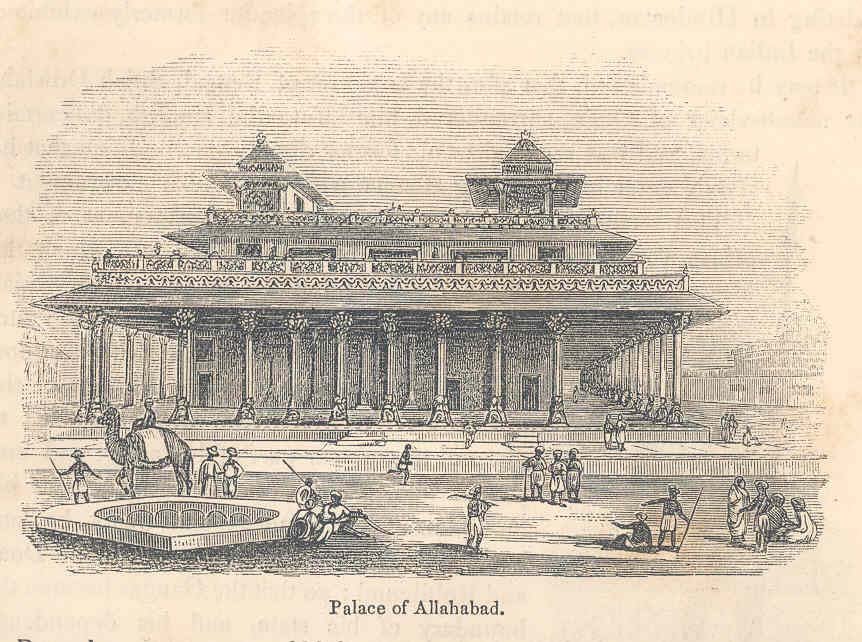
A detailed page from an English history book published in 1851 featuring historical text and illustrations relevant to that period.
Historic image of the Chalis Satun, also known as the Hall of Forty Pillars, located in Allahabad, showcasing traditional oriental architecture and pillar arrangements.
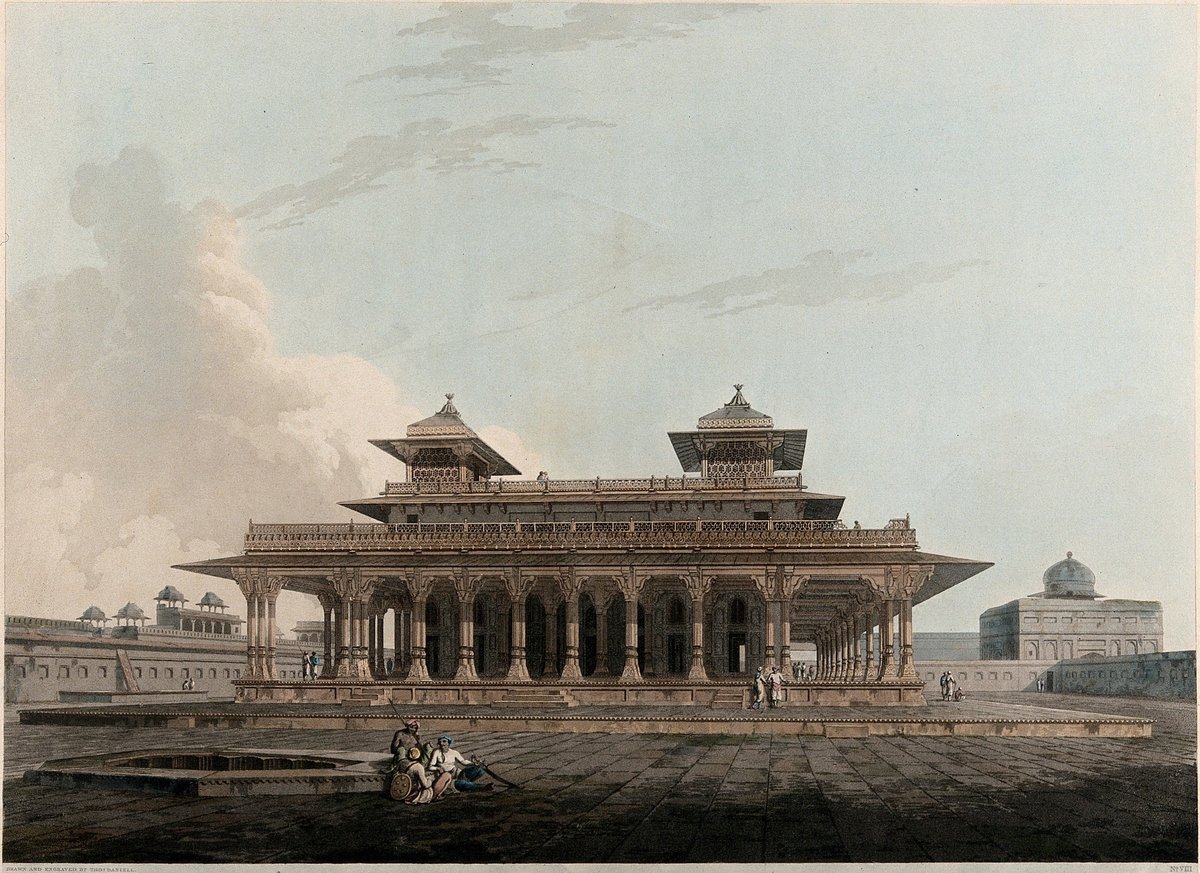
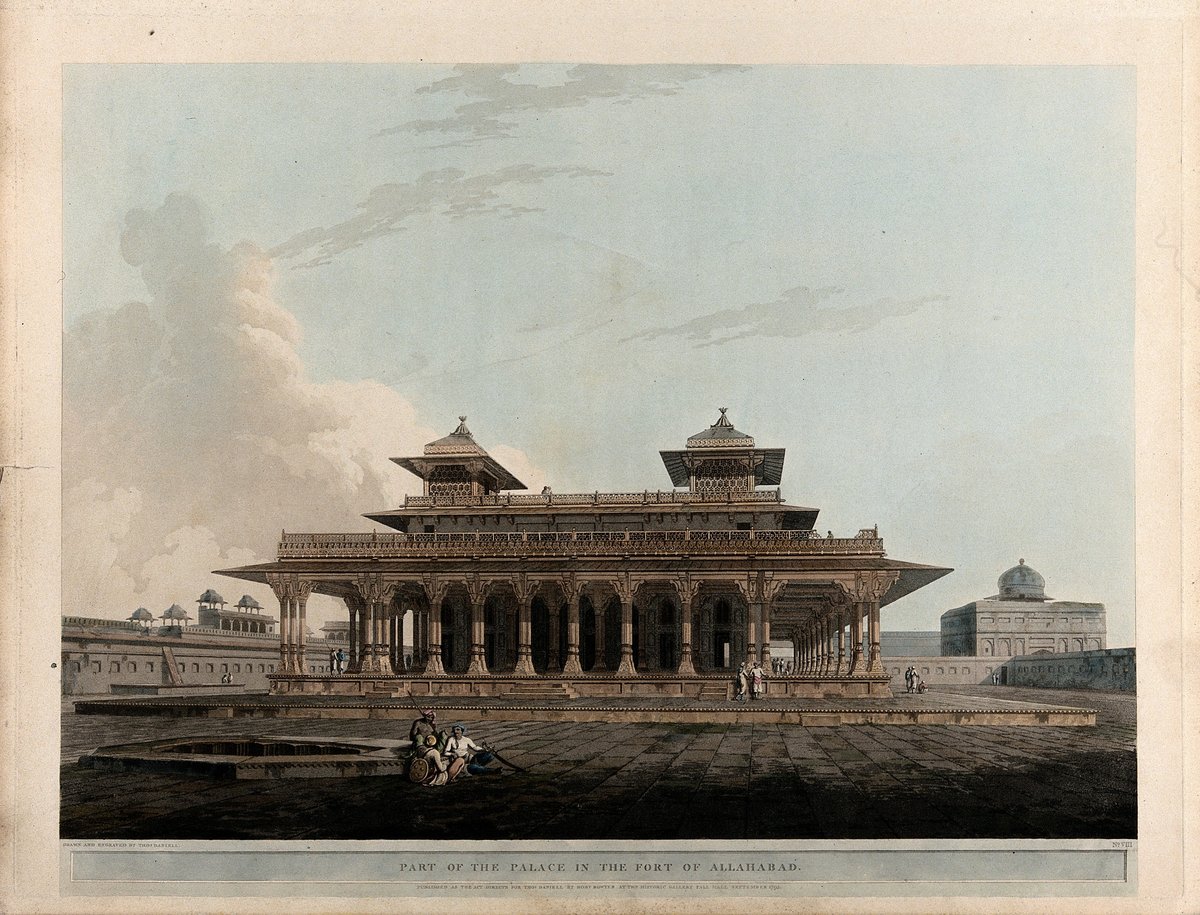
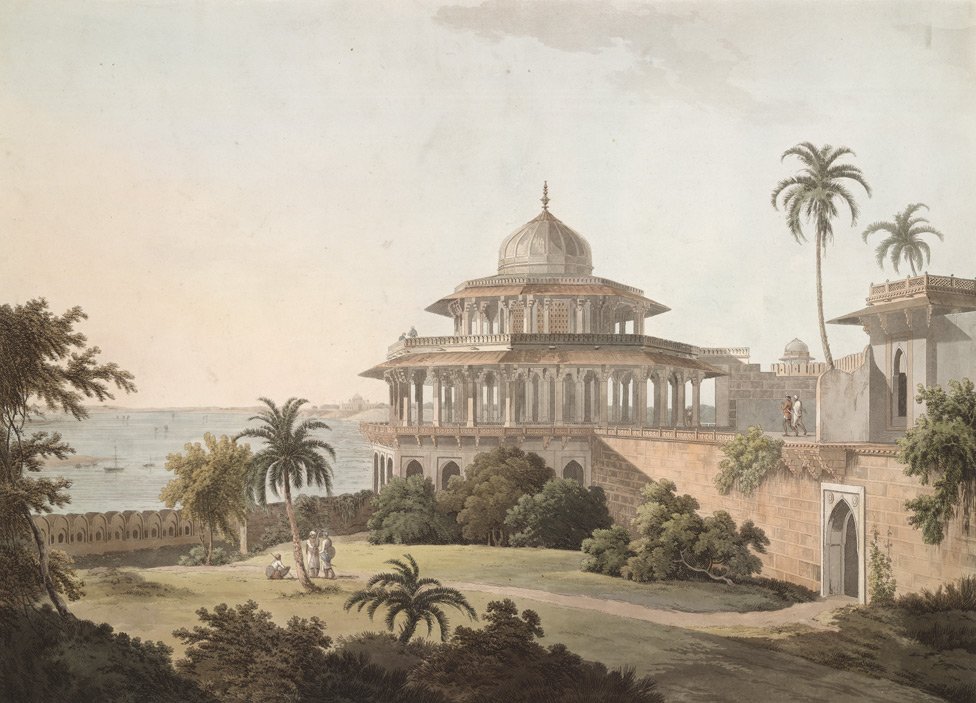
Plate 8 from Thomas Daniell's Oriental Scenery series depicting the Queen's pavilion (Rani-ka-Mahal) at Akbar's Fort, Allahabad. Built in 1583, this pavilion features a baradari with a nine-fold plan, colonnades of double and quadruple pillars, and roof terrace kiosks with latticed screens, original
Coloured aquatint illustration by Thomas Daniell of the Queen's pavilion (Rani-ka-Mahal) in the fort of Allahabad, Uttar Pradesh, from 1795. This historic pavilion, built in 1583 as Emperor Akbar's private retiring room, features a baradari with nine-fold plan surrounded by colonnades and decorated
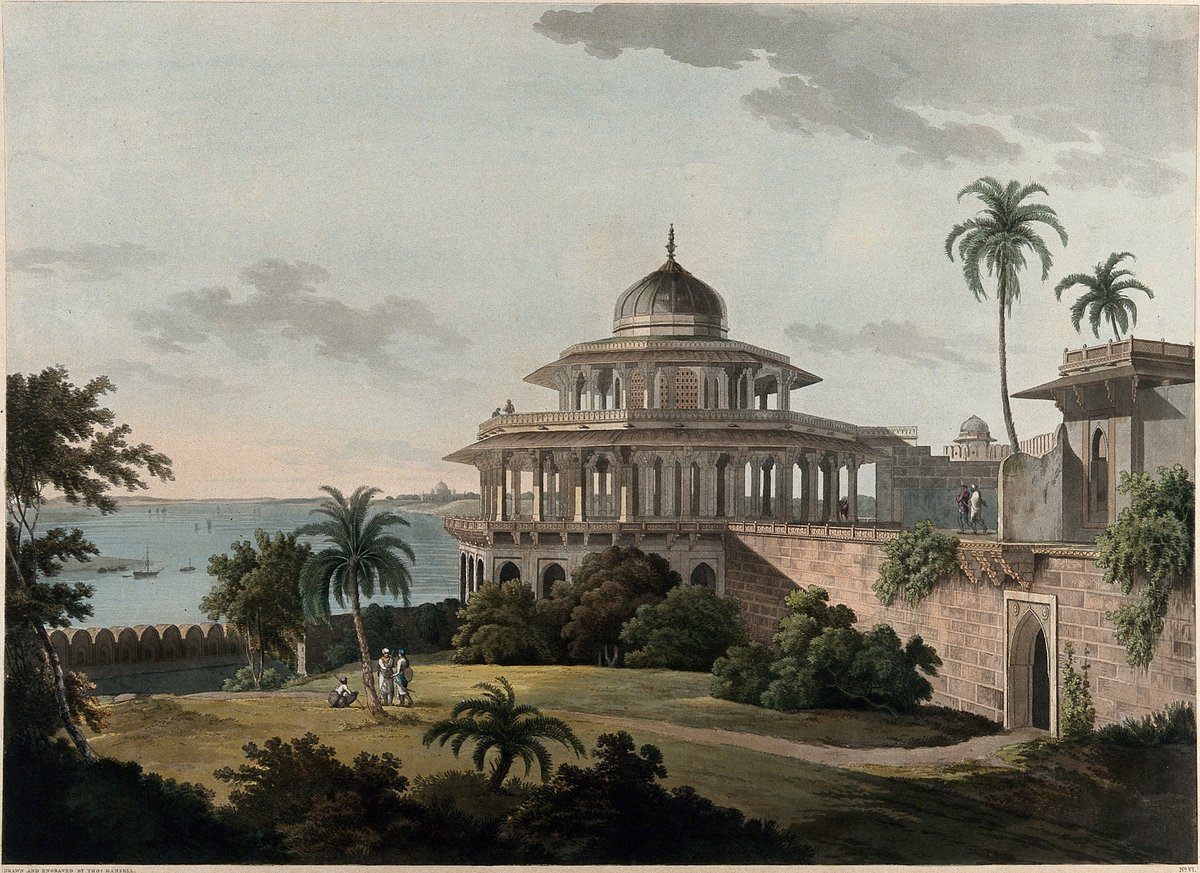
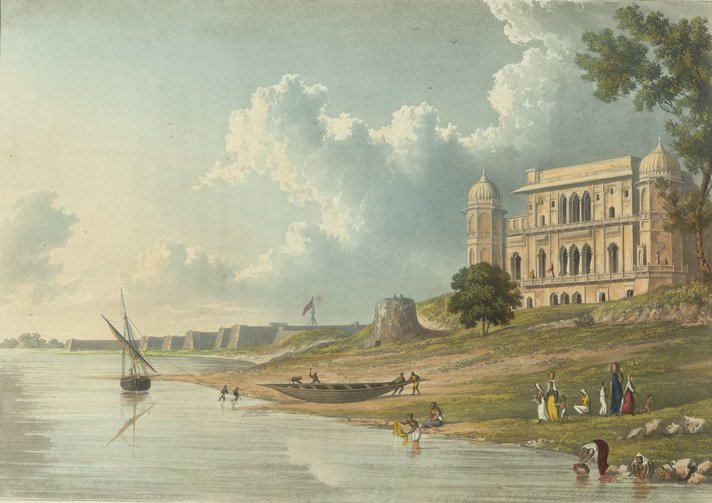
Historical image of Raj Ghaut and Fort of Allahabad located at the confluence of the Ganges and Jumna rivers, from Charles Ramus Forrest's 1824 tour along these rivers in India, showcasing the triangular fort built by Emperor Akbar and the pilgrimage site where devotees bathe in sacred waters.
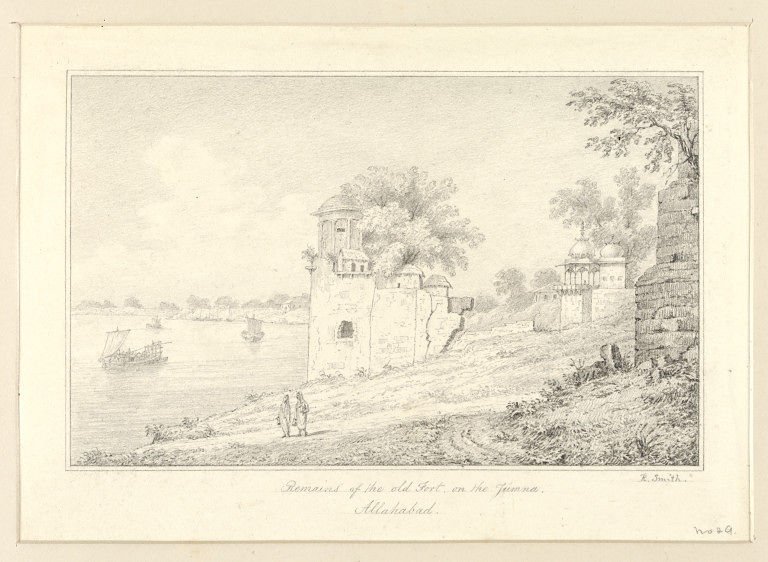
Pencil drawing of the Old Fort remains near the Jumna river in Allahabad from early 19th-century travel journal by Captain Robert Smith, depicting historic architecture along the river.
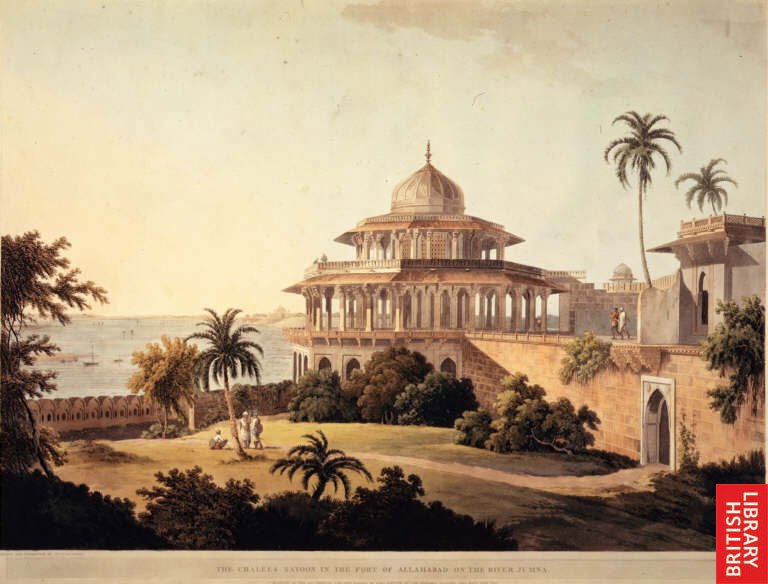
An 18th century painting by Thomas Daniell depicting The Chalees Satoon, a 'forty-pillared' pavilion at Allahabad Fort beside the River Jumna. This artwork is part of Daniell's 'Oriental Scenery' series, showing historical Indian architecture from the late 18th century, including structures no longe
The Chalees Satoon pavilion at the Allahabad Fort on the River Jumna, depicted by Thomas Daniell in 1795. This historic painting from Daniell's 'Oriental Scenery' series captures the airy forty-pillared pavilion built during Emperor Akbar's reign in the 1580s, providing a rare visual record of a lat
建设和早期历史
阿克巴大帝下令在三河汇流处建造这座堡垒,旨在巩固莫卧儿王朝对该地区的控制并防止潜在的入侵 (Cultural India)。
历史意义和开放时间
位于印度普拉亚格拉贾的阿拉哈巴德堡是莫卧儿帝国建筑敏锐性和战略智慧的见证。由阿克巴大帝1583年建造,堡垒战略性地坐落在恒河、亚穆纳河和神话中的萨拉斯瓦蒂河交汇处 (Britannica)。访问时间可能会有所变化,特别是因为堡垒目前由军方控制。一般来说,堡垒在白天开放,但最准确和最新的访问时间最好检查当地当局。
建筑奇观
堡垒因其坚固的结构和复杂的设计而闻名,融合了伊斯兰和印度教建筑风格。堡垒的墙壁由红砂岩建成,雄伟壮丽。堡垒内包含多个著名建筑,包括:
阿育王石柱
这座历史意义重大的文物可追溯到公元前232年,上面刻有阿育王统治时期的法令 (India.com)。
萨拉斯瓦蒂古井
据说这是神话中萨拉斯瓦蒂河的源头,这个地点具有极大的宗教意义 (Kumbh Mela)。
帕塔尔普里寺和阿克夏瓦树
帕塔尔普里寺是一座古老的地下寺庙,供奉着众多印度教神灵。寺庙旁边是阿克夏瓦树,或称不朽的榕树,在印度教神话中占有重要地位 (Hindustan Times)。
莫卧儿王朝的行政角色
在阿克巴统治下,阿拉哈巴德堡作为重要的行政中心。它驻扎着守军,并作为皇家宝库,在莫卧儿帝国的治理中发挥了重要作用 (Cultural India)。
英国时代及其以后
在英国殖民时期,堡垒继续保持军事意义。它被用于驻扎守军,并在1857年印度起义中发挥了作用。独立后,堡垒移交给印度军队,并保持军事控制,公众访问受限 (Lonely Planet)。
文化和宗教意义
阿拉哈巴德堡具有极大的文化和宗教意义,尤其在大壶节期间吸引大量信徒 (Kumbh Mela)。
游客提示和实用信息
访问与入场
由于阿拉哈巴德堡由印度军队控制,公众访问受限。然而,某些区域如阿育王石柱和帕塔尔普里寺在特定时间开放给游客。建议查看当地当局或旅行社以获取最新访问信息、开放时间和票价 (Tripadvisor)。
最佳访问时间
参观阿拉哈巴德堡的最佳时间是在冬季,即10月到3月,这时天气宜人。在大壶节期间访可能会提供独特的经验,届时堡垒及周围地区充满了宗教热情和文化活动 (Kumbh Mela)。
导游服务
为了充分理解阿拉哈巴德堡的历史和文化意义,建议参加导游服务。知识渊博的导游可以提供关于堡垒历史、建筑和宗教重要性的深入信息,增强游客体验。当地多家旅行社提供导游服务,可以提前预订 (Viator)。
着装和鞋类
建议穿着适合步行的舒适衣物和鞋类。轻便、透气的面料特别适合较暖的月份。此外,戴帽子和太阳镜可以帮助防晒。
摄影和礼仪
某些区域允许摄影,但应遵守当局制定的规章制度。游客还应注意堡垒的宗教意义,在敬拜区保持礼貌,特别是在宗教场所。建议穿着得体,并遵循导游或地方当局的指导方针 (Lonely Planet)。
安全与保安
阿拉哈巴德堡对游客来说通常是安全的,但仍需采取常规预防措施。保管好个人物品并注意周围环境,避免携带大量现金和贵重物品。堡垒由安全人员巡逻,并在各处安装了监控摄像头,增加了安全保障。
无障碍设施
堡垒部分区域对残障游客开放,主入口和部分区域适合轮椅通行,但某些区域如地下帕塔尔普里寺和阿育王石柱可能较难进入。建议与堡垒管理部门确认具体的无障碍信息和帮助。
食物和饮料
堡垒内部没有食品摊或餐厅,因此建议自带水和轻食。然而,附近有多家餐馆和咖啡馆,提供各种本地和国际美食。
纪念品和购物
对于那些希望购买纪念品的游客,堡垒附近有多个商店和市场。包括周围的集市和民用线路,游客可以找到传统手工艺品、服装、珠宝等纪念品。
文化礼仪
参观阿拉哈巴德堡时,应尊重当地习俗和传统。特别是参观堡垒内宗教场所如帕塔尔普里寺时,请穿着得体。在进入任何寺庙或圣地之前,请脱鞋。此外,请注意当地的敏感性,避免大声喧哗或令人不快的行为。
紧急联系方式
如遇紧急情况,以下联系电话可能会有用:
- 当地警方:100
- 救护车:102
- 旅游热线:1363(提供多语言服务)
常见问题 (FAQ)
阿拉哈巴德堡的开放时间是多少?
堡垒每天开放时间为上午7点到下午6点。
如何购买阿拉哈巴德堡的门票?
门票通常可在现场购买,但提前查看当地旅行社或官方网站获取预订信息是有益的。
普拉亚格拉贾有哪些值得参观的景点?
普拉亚格拉贾有多个历史文化景点,包括三河汇流处、阿南德巴万、阿拉哈巴德博物馆。造访这些景点能丰富您的阿拉哈巴德堡之旅。
附近景点
- 三河汇流处:位于堡垒约4公里处,是恒河、亚穆纳河和神话萨拉斯瓦蒂河的交汇处。它是一个重要的朝圣地,并提供游船服务。
- 阿南德巴万:尼赫鲁家族的祖宅,现在是展示印度首任总理贾瓦哈拉尔·尼赫鲁生平的博物馆,距堡垒约5公里。
- 库什鲁花园:一座历史悠久的花园和穆斯林王子库什鲁·米尔札的墓园,距堡垒约6公里。这里有美丽的莫卧儿建筑和精心维护的花园。
在应用中收听完整故事
Audiala App
支持 iOS 和 Android
加入50,000+策展人
资料来源
- verified
- verified
- verified
- verified
- verified
最后审核: