Place
南非 更新于 Mar 2026
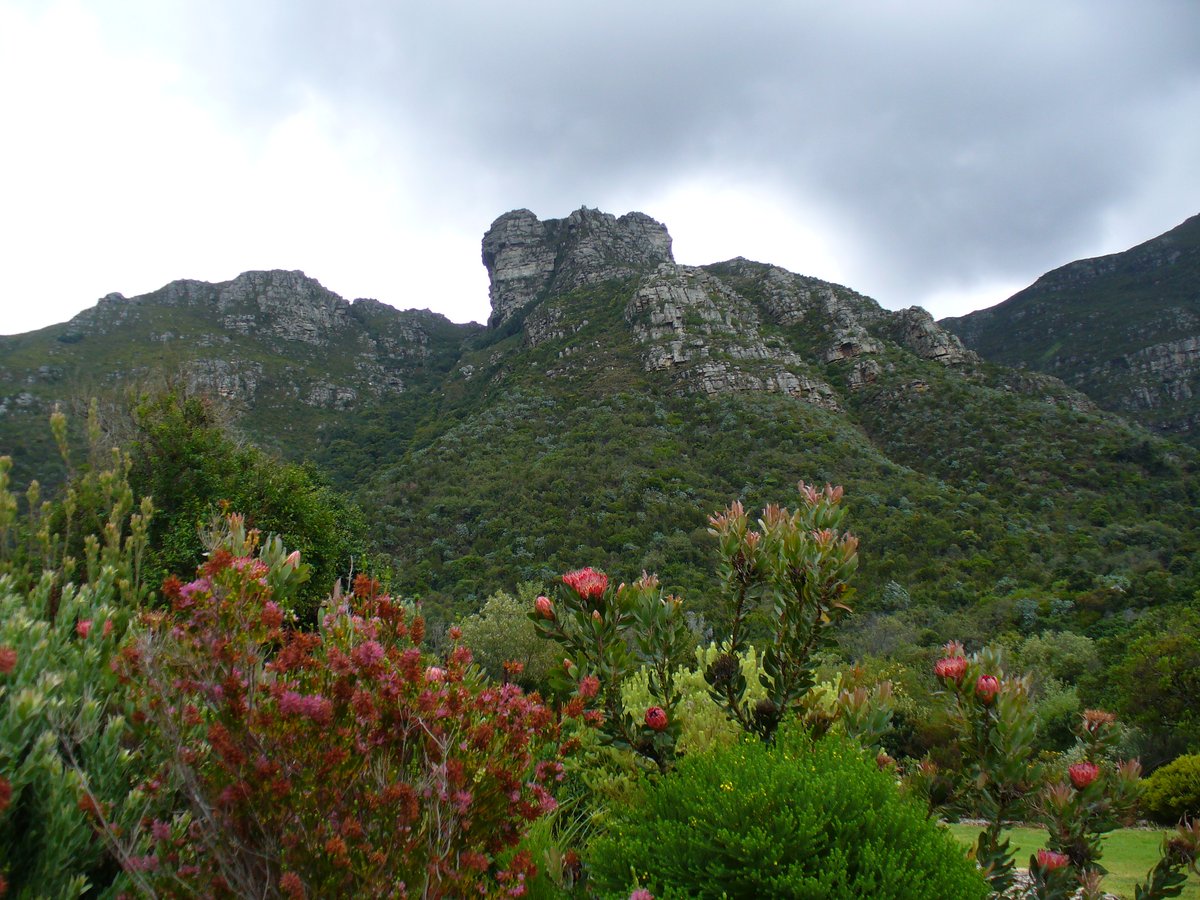
The first surprise is how Cape Town, South Africa, smells at the edge of evening: kelp from the Atlantic, charcoal smoke from a braai, and cardamom drifting out of Bo-Kaap kitchens while the mountain turns pink. Few cities put this much drama in a single glance, with sheer cliffs behind downtown and working harbours in front. Come for the scenery, yes, but stay because the place keeps changing shape the closer you look.
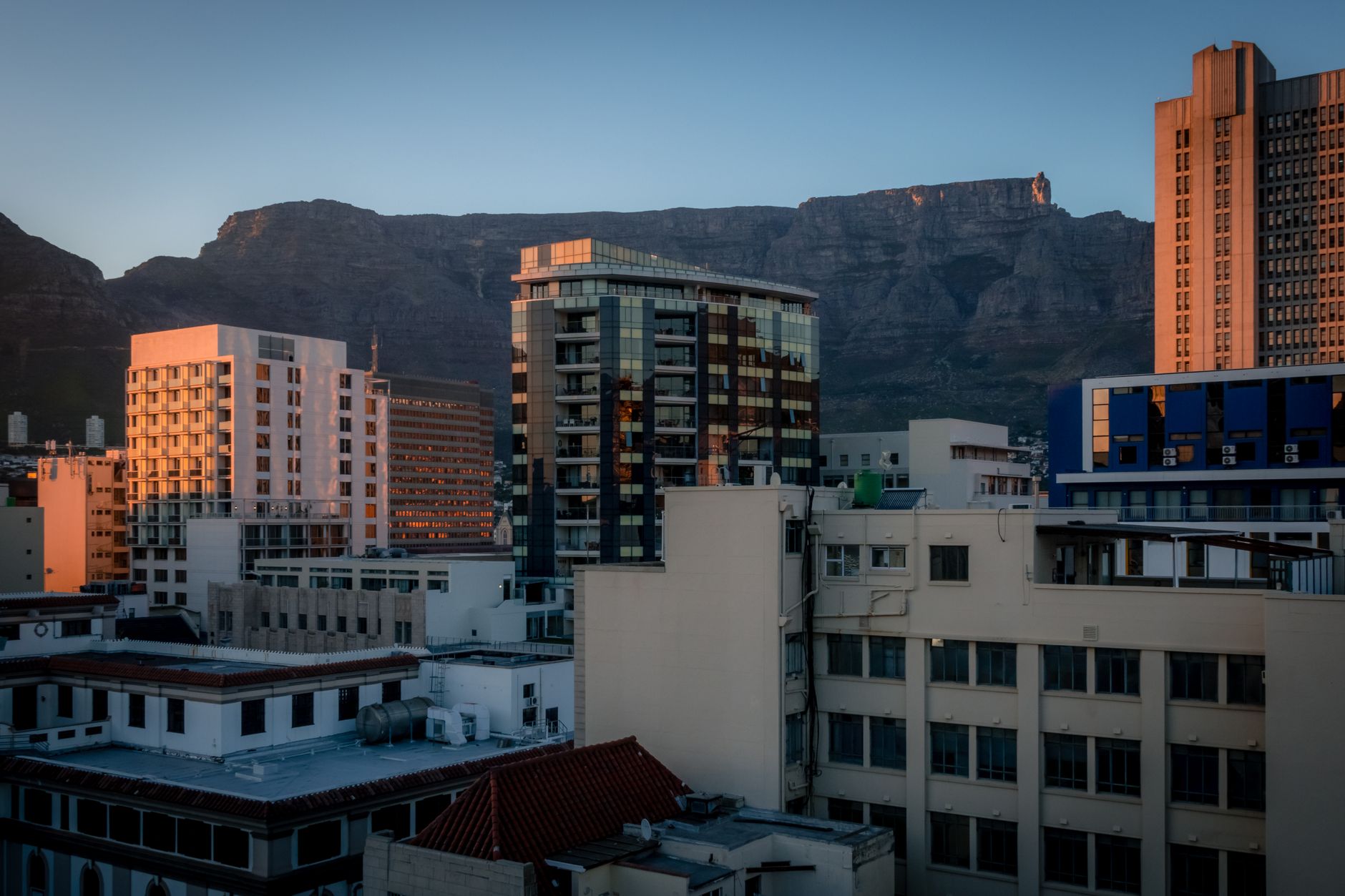 图片: Andrew Harvard / Pexels
内容来自注明出处的资料 · 查看方法 · 我们如何制作导览 →
Cape Town runs on contrast, and locals treat that as normal. One morning can start with a weather-check for the Table Mountain cableway, then shift to a Lion’s Head hike or a slow walk through Company’s Garden under old oaks and parliamentary facades. The light here is hard to forget: sharp on the Atlantic side, softer and warmer once you swing toward False Bay.
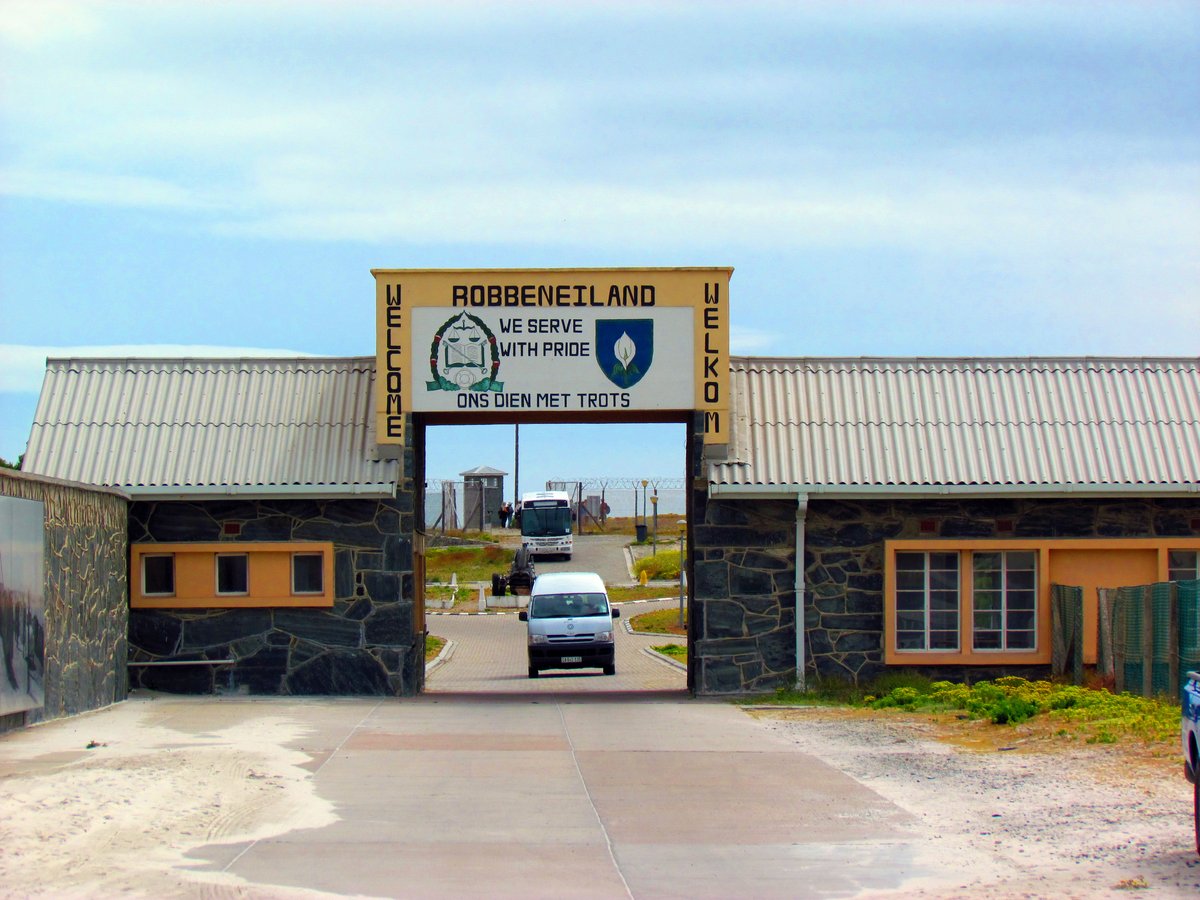
History is not tucked away behind glass. Robben Island trips still leave from the Nelson Mandela Gateway and take roughly 3.5 to 4 hours, a crossing that reframes the skyline you just admired. Back in town, District Six Museum, the Slave Lodge, and City Hall’s balcony where Mandela addressed crowds on 11 February 1990 make the city’s beauty feel earned rather than easy.
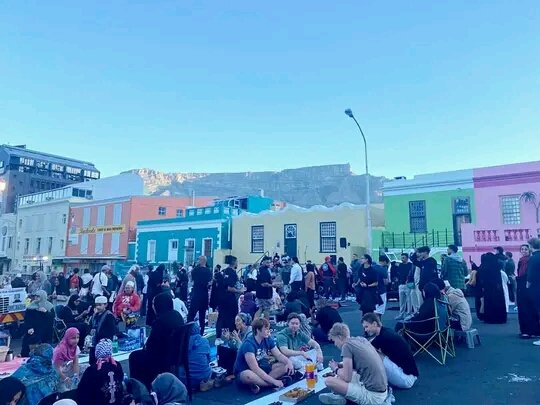
What wins people over is the lived-in rhythm: First Thursdays gallery openings from about 5pm to 8pm, late jazz in intimate rooms, and meals that jump from a formal tasting menu to a shared Gatsby sandwich. Cape Malay cooking in Bo-Kaap, fish-and-chips by Kalk Bay harbour, and coffee culture in De Waterkant or Loop Street tell you more than any checklist can. Cape Town doesn’t ask for one version of you; it gives you several ways to belong for a few days.
不是每一座古迹,只有那些我们会亲自带你路过的。



按区漫步——每个街区都有自己的节奏。
出发之前
从本城各地点精选。与官方网站同价。


所示价格仅供参考——最终价格与可订情况以结账时为准。通过这些链接预订,Audiala 可能获得佣金。
From ancient cave hearths to a legislature rebuilding after fire
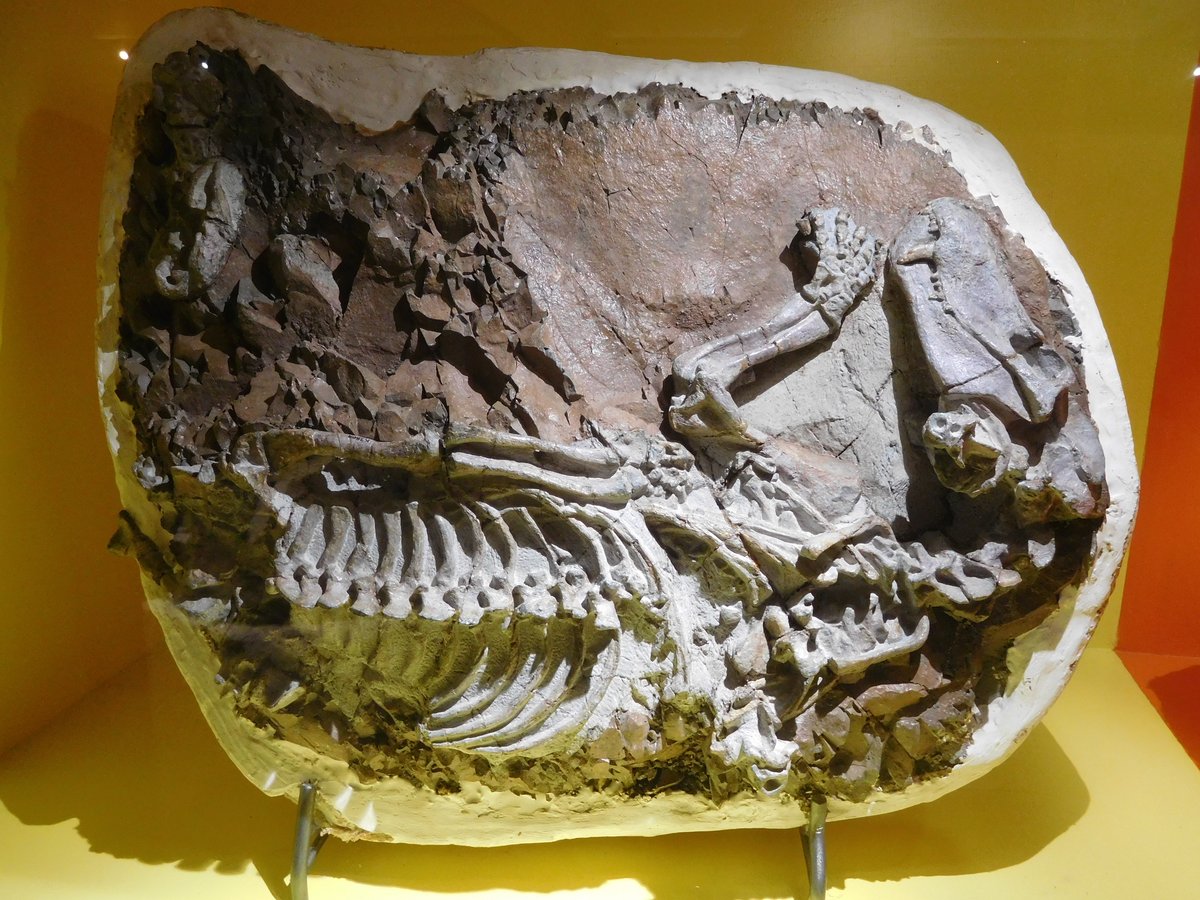
In caves above present-day Fish Hoek, Late Stone Age communities left hearth ash, tools, and human remains dated to roughly 12,000 years ago. Finds associated with "Fish Hoek Man" place Cape Town's history deep in prehistory, long before forts, docks, or mapped streets.
Near today's Observatory and Salt River, Khoikhoi fighters defeated a Portuguese force led by Francisco de Almeida. It was one of the earliest recorded armed clashes between Europeans and indigenous people in what became South Africa, and it warned passing empires that Table Bay was not an empty shore.
Table Bay's freshwater streams, known as Camissa, drew pastoralists, traders, and ship crews into seasonal exchange networks. By the early 1600s, the bay was already a working contact zone, and by about 1630 Autshumao was mediating commerce with growing authority.
Krotoa grew up in the Table Bay world and later became interpreter and cultural broker at the Dutch fort. Her fluency made diplomacy possible in tense, unequal encounters over land, cattle, and survival. Her life traces the human cost of colonial contact in Cape Town's first generation.
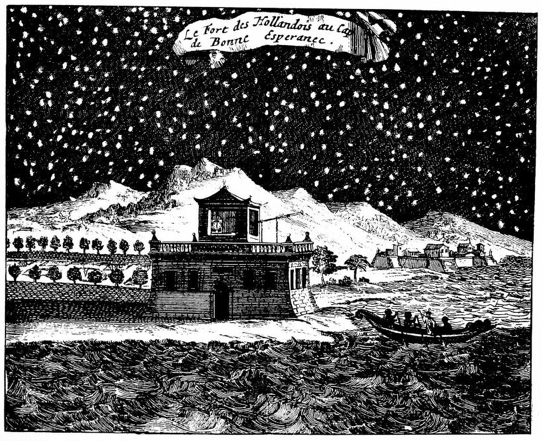
Jan van Riebeeck came ashore for the VOC to build a permanent refreshment station at Table Bay. Gardens, storehouses, and a fort quickly followed, turning a maritime stop into the nucleus of colonial Cape Town. This date remains the conventional founding point of the colonial city.
The ship Amersfoort arrived carrying 174 enslaved Angolans, marking the start of large-scale slavery at the Cape. Their forced labor built households, fields, and public works, while their descendants helped shape Cape language, food, music, and faith.
The first cornerstone of the Castle of Good Hope was laid as the VOC replaced an earlier vulnerable fort. Its bastions and thick walls signaled military permanence on the shore. The building still stands as South Africa's oldest surviving colonial structure.
A devastating smallpox epidemic moved through ships, farms, and settlements across the peninsula. Khoisan communities were hit especially hard, with demographic collapse that accelerated dispossession and labor coercion. Disease became an invisible ally of conquest.
Imam Abdullah Kadi Abdus Salaam, known as Tuan Guru, helped establish Auwal Masjid in the Bo-Kaap, the oldest mosque tradition in South Africa. From this hill neighborhood, Cape Muslim religious life gained durable institutions, schools, and a public voice that still shapes the city.
At Muizenberg, British forces attacked Dutch defenses in smoke and sea wind, beginning the first British occupation. By 16 September 1795, control had shifted. Cape Town was now tied to imperial routes from London to India.
The Battle of Blaauwberg sealed Britain's second occupation after a brief Batavian interlude. Governor Janssens capitulated on 18 January. British rule then lasted until Union in 1910, reshaping law, trade, and urban institutions.
Slavery ended in law at the Cape, but a four-year "apprenticeship" system prolonged coercion until 1838. Emancipation redrew work and family life while leaving wealth and land concentrated. Freedom arrived unevenly, neighborhood by neighborhood.
Prince Alfred tipped the first stone for the new breakwater after storms in 1858 had wrecked more than 30 vessels in Table Bay. Decades of construction on the Alfred and Victoria basins followed. Cape Town shifted from exposed anchorage to engineered global port.
A municipal reorganization divided central Cape Town into numbered districts, and District Six entered the record. It became a dense, polyglot quarter of workers, musicians, tailors, churches, mosques, and corner cafés. The label later turned into one of South Africa's deepest symbols of loss.
When bubonic plague appeared, authorities used public-health panic to justify segregated removals, including the relocation of Black residents to Ndabeni. Quarantine fences and police power became urban planning tools. The episode prefigured apartheid geography decades before apartheid was formal policy.
With the Union of South Africa, Cape Town became the country's legislative capital. Parliament's chambers gained national weight, and decisions made in this city reached every province. Cape Town's political centrality was now constitutional, not just commercial.
The Table Mountain Aerial Cableway opened, carrying passengers from steep slope to summit in minutes. Steel cables hummed over fynbos and sandstone while the city spread out below in hard midday light. A mountain once reached mainly by boot leather became a shared urban viewpoint.
Beginning in 1938, major land reclamation pushed Cape Town's shoreline outward by about 230 hectares. Dredgers, fill, and concrete created space for roads, offices, and port-linked industry, though World War II slowed progress. The map of the central city was physically redrawn.
After the National Party victory, segregation hardened into a full legal architecture of apartheid. In Cape Town, zoning, pass controls, and policing turned race into the organizing rule of urban space. The city entered decades of planned rupture.
On 21 March, police violence in Langa killed 3 people and injured 26 during anti-pass protests after Sharpeville. On 30 March, Philip Kgosana led roughly 30,000-50,000 marchers from Langa and Nyanga toward Caledon Square. Cape Town's streets became a national stage of resistance.
The Group Areas proclamation declared District Six a "White area." Over the next 15 years, more than 60,000 residents were forced to the Cape Flats as homes were demolished. What survived was memory, music, and maps carried in people rather than streets.
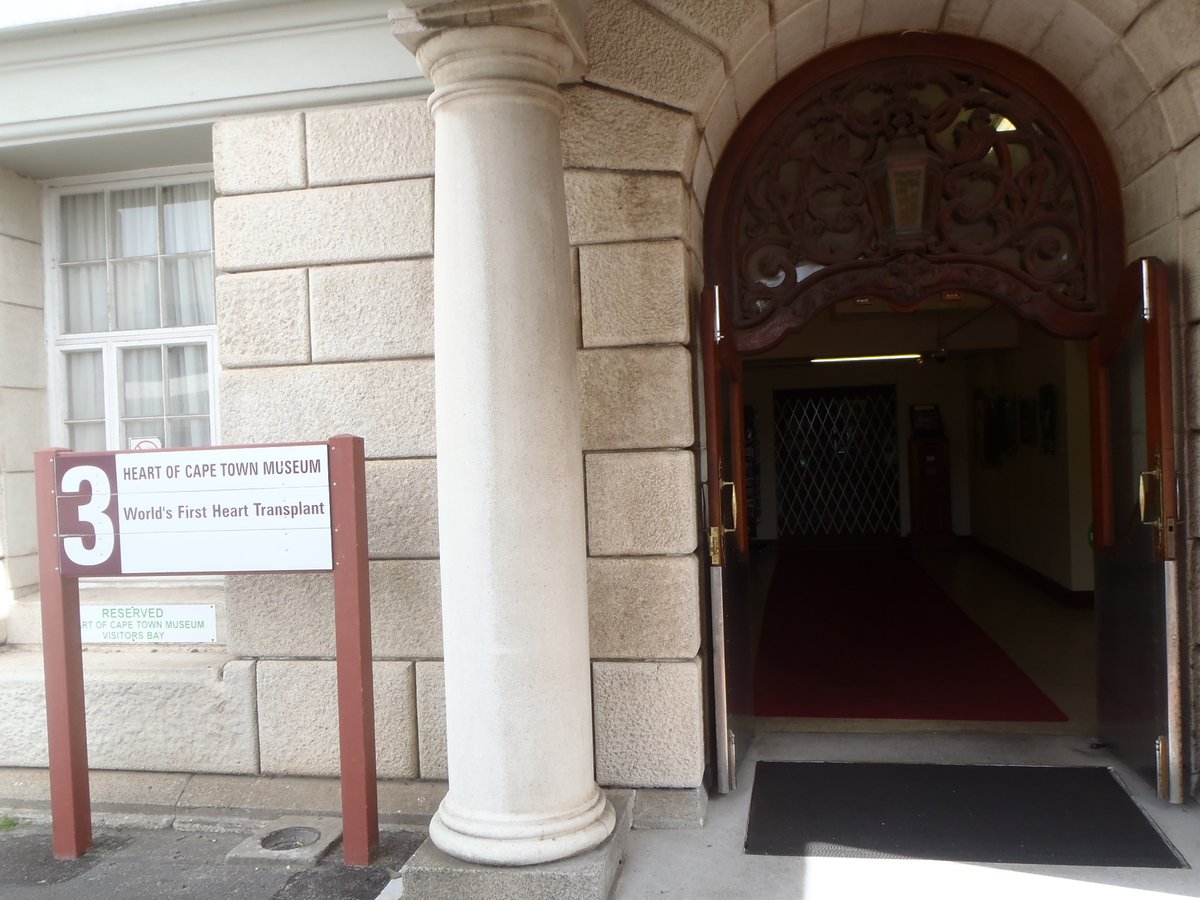
At Groote Schuur Hospital, Christiaan Barnard led the world's first human-to-human heart transplant. Under bright theatre lamps and strict timing, Cape Town entered global medical history in a single night. The achievement tied the city to high-risk surgical innovation.
The United Democratic Front was launched in Rocklands, Mitchells Plain, binding civic groups, churches, students, and unions into a mass movement. Cape Town became one of its key organizing engines. Local halls and church spaces turned into strategy rooms for national change.
As Archbishop of Cape Town, Desmond Tutu made St George's Cathedral a moral command post against apartheid. Sermons, vigils, and marches spilled onto the cathedral steps, where prayer and protest often ran together. The building earned its reputation as "the people's cathedral."
Hours after his release from prison, Nelson Mandela addressed a huge crowd from Cape Town City Hall balcony. The speech linked the silence of Robben Island cells to a public politics of negotiation and mass expectation. Grand Parade became a hinge point between eras.
South Africa's democratic transition made Parliament in Cape Town the legislature of a new constitutional order. The same precinct now hosted representatives elected by universal franchise. The city's political role stayed central, but its mandate changed fundamentally.
UNESCO listed Robben Island as a World Heritage Site, recognizing it as a global symbol of imprisonment and human dignity. Ferries from the Waterfront now carry visitors to a place once designed to erase voices. The crossing itself became a lesson in memory.
A disused grain silo at the V&A Waterfront reopened as Zeitz MOCAA, a major museum for contemporary art from Africa and its diaspora. Carved concrete cylinders create a dramatic central atrium that feels both industrial and cathedral-like. The conversion marked a new chapter in Cape Town's cultural self-definition.
A fire tore through the parliamentary precinct and burned for more than 70 hours. More than 300 firefighters and over 60 appliances fought the blaze as key chambers were damaged. National ceremonies, including the State of the Nation Address, shifted to City Hall while rebuilding plans advanced.
Parliament formally received the refurbished Nieuwmeester Dome as a temporary National Assembly venue. On 12 February 2026, the State of the Nation Address was again delivered at City Hall, underscoring how governance and urban space remain tightly intertwined. Full restoration of the damaged precinct is targeted for December 2026.
Statesman · 1918-2013
Imprisoned on Robben Island; spoke from Cape Town City Hall in 1990
From this city's harbor, ferries still cross to Robben Island where Mandela spent key prison years. On 11 February 1990, he addressed crowds from City Hall's balcony, turning Cape Town's civic center into a global stage for democratic transition.
Cleric and Nobel Peace Prize laureate · 1931-2021
Archbishop of Cape Town
As Archbishop, Tutu made St George's Cathedral a moral nerve center during apartheid and beyond. In today's Cape Town, his voice still echoes in civic debates about dignity, inequality, and what reconciliation should look like in daily life.
Cardiac surgeon · 1922-2001
Performed the first human heart transplant in Cape Town
At Groote Schuur Hospital in 1967, Barnard's team carried out the first human-to-human heart transplant, a moment that put Cape Town in medical history. The city he worked in still carries that mix of experimental ambition and stark social contrast.
Jazz pianist and composer · born 1934
Born in Cape Town
Ibrahim's sound was shaped by Cape Town's mosque calls, church harmonies, and street rhythms, especially from District Six-era memory. Listening to him after walking those neighborhoods makes the city feel less like scenery and more like syncopation.
Colonial administrator · 1619-1677
Established VOC refreshment station at Table Bay in 1652
Van Riebeeck's 1652 landing at Table Bay set in motion the colonial project that would become Cape Town. If he returned now, he would still recognize the mountain and harbor, but not the city's ongoing argument over whose histories get centered.
本地人真正会去订位的地方——而非游客菜单。
Fragrant with turmeric, cinnamon, and cardamom, this is one of the city’s signature flavor maps in a bowl. Eat it in or near Bo-Kaap, where the food and neighborhood history are inseparable.
A giant Cape Town street-food legend: loaded bread, hot chips, sauces, and spiced fillings built for sharing. It is messy, salty, and exactly right after a long day on the peninsula.
On the False Bay side, especially around Kalk Bay, seafood arrives with a real harbor smell still in the air. Look for simply grilled catch or smoked snoek to taste the working-coast side of the city.
Braai is not just grilled meat; it is social architecture, with smoke, stories, and long pauses between bites. If you are invited to one, say yes, because it explains local life faster than any museum label.
This is weekend Cape Town in edible form: small producers, fresh bakes, local cheese, and breakfast lines by the waterfront. Go hungry and do a slow lap before committing to one stall.
Woodstock’s market scene blends design energy, coffee culture, and global plates in a converted industrial setting. It works best when paired with a street-art walk so the food and neighborhood context connect.
For sweets, try syrupy, spice-heavy Cape Malay koesisters and a slice of chilled milk tart with cinnamon on top. They carry the city’s layered Dutch, Southeast Asian, and local kitchen traditions in two very different textures.
Cape Town’s food identity includes nearby vineyards as much as urban restaurants, especially in Constantia’s historic estates. Pair cool-climate whites with seafood for a combination that makes immediate geographic sense.
一些小事,会改变这座城市待你的方式。
这座城市真实的模样。


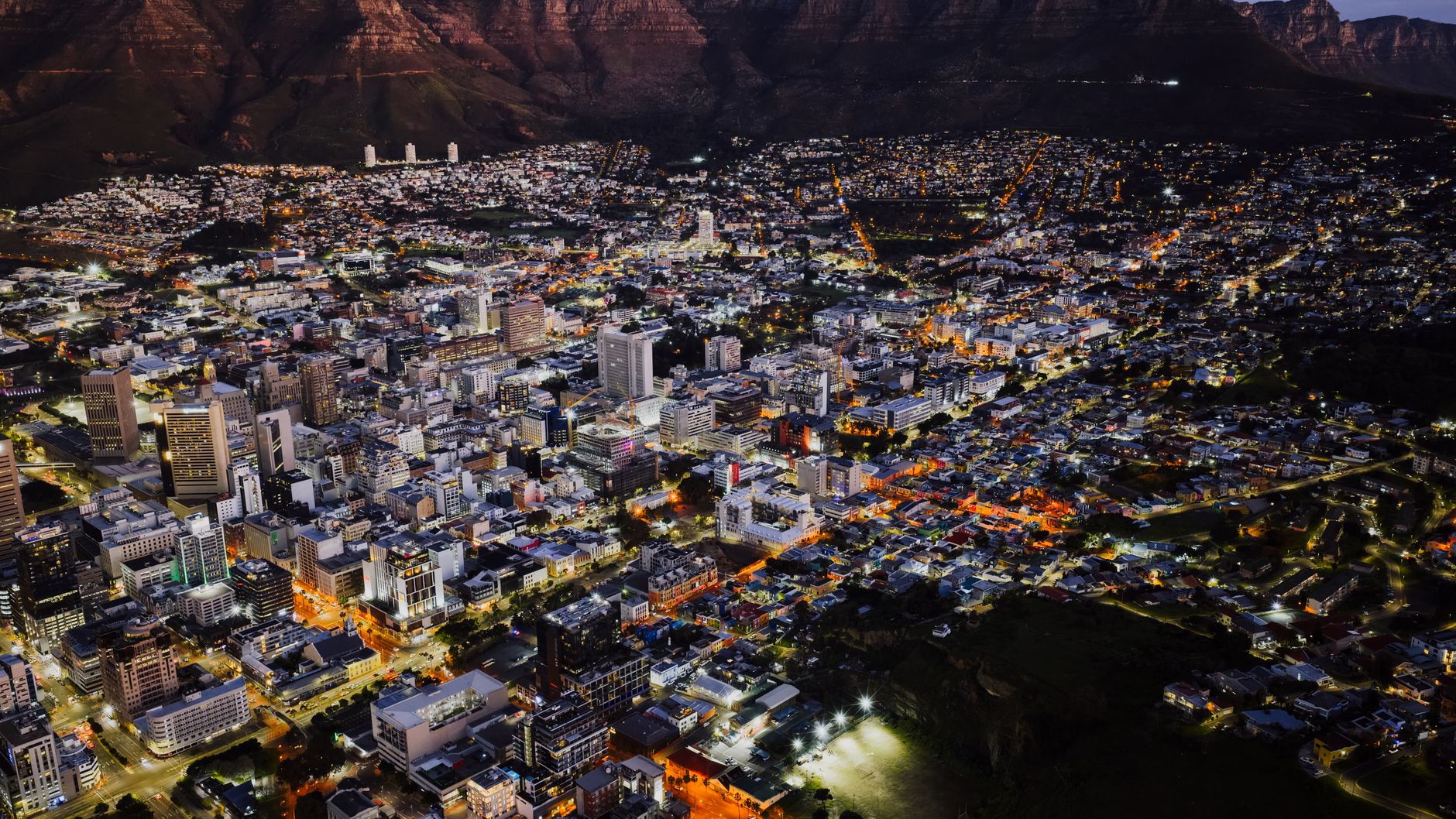

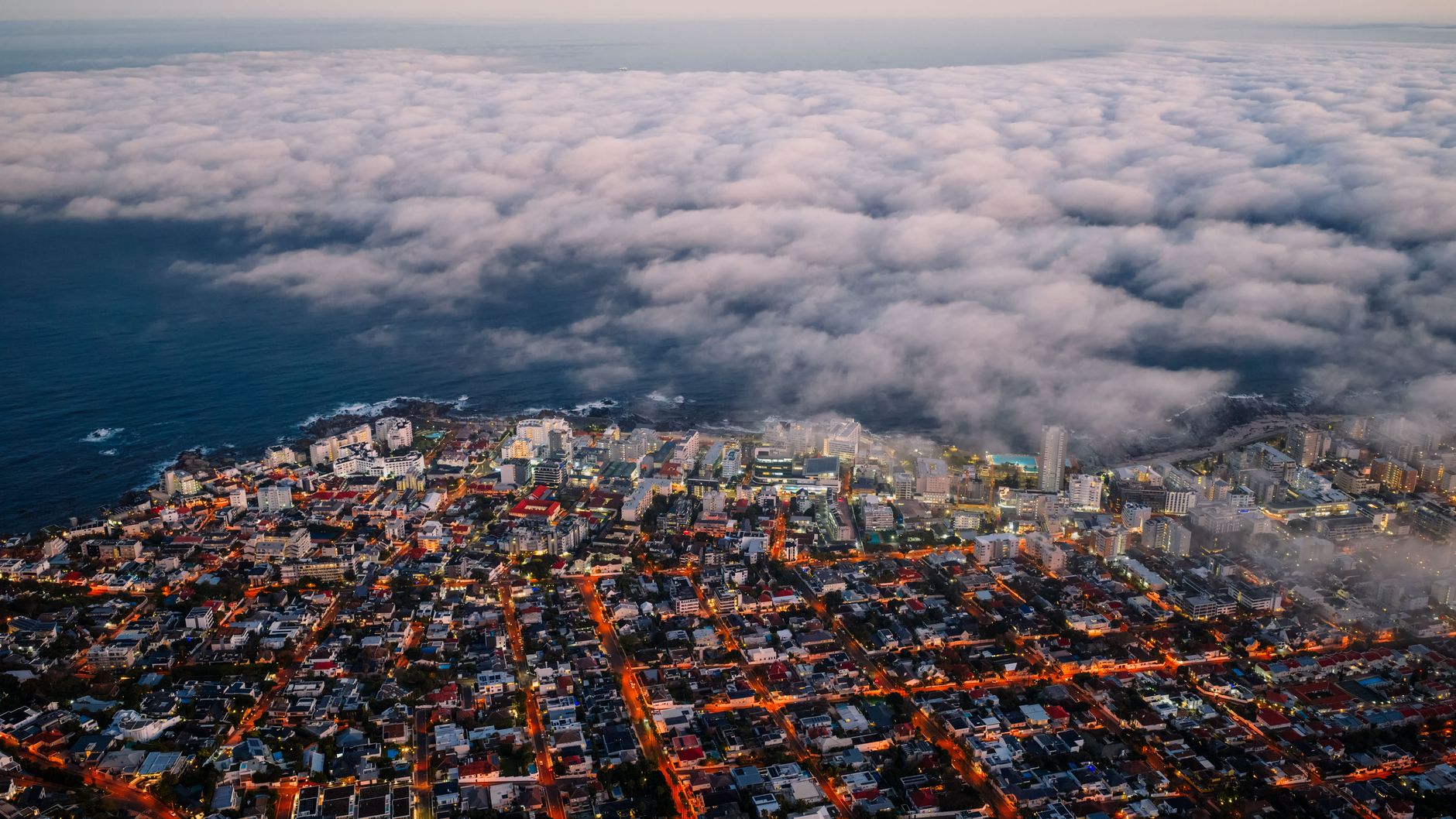
Yes, especially if you want big nature and layered history in one trip. You can do Table Mountain, Robben Island, Bo-Kaap, and world-class art institutions within short travel times. It is one of the rare cities where penguin beaches, wine valleys, and a dense urban food scene all fit into the same itinerary.
Plan 4-5 days for a strong first visit. That gives you two city days, one peninsula day (Cape Point plus Boulders), and one flexible day for museums, beaches, or Winelands. If you add Hermanus or Cederberg, stretch to 6-7 days.
Use Uber, Bolt, an authorized airport taxi, pre-booked shuttle, or rental car. The airport's official transport page lists authorized operators and warns against unsolicited drivers. The MyCiTi airport service is currently discontinued.
No, not a metro/subway system in the way visitors expect. The practical network is MyCiTi buses, Golden Arrow buses, Metrorail suburban rail, and ride-hailing. For most travelers, MyCiTi plus Uber/Bolt is the simplest combination.
It can be, if you use city habits consistently. Stick to active areas, avoid isolated places at night, use accredited transport, and do not flash valuables. For hikes and remote viewpoints, go in groups and start early.
It can be done on a moderate budget, with premium options available. You can save with MyCiTi passes, markets, and local food spots while reserving budget for headline experiences like Robben Island and cableway tickets. Dining spans from inexpensive street-food halls to top-tier fine dining.
March-April and October-November are usually the best balance of weather, price, and crowd levels. January-February is hottest and driest but also peak season. June-August is cooler and wetter, but often better for lower rates.
Yes, cards are accepted in most hotels, restaurants, and attractions. Keep some cash for smaller transactions and informal tipping situations. In restaurants and bars, 10% is customary, with higher tips for excellent service.
86 个值得探索的地方









显示第 1–48 个,共 86 个地点
已保存和最近阅读的地点,仅保存在本设备上。
图片可能经过缩放或裁剪。