
引言
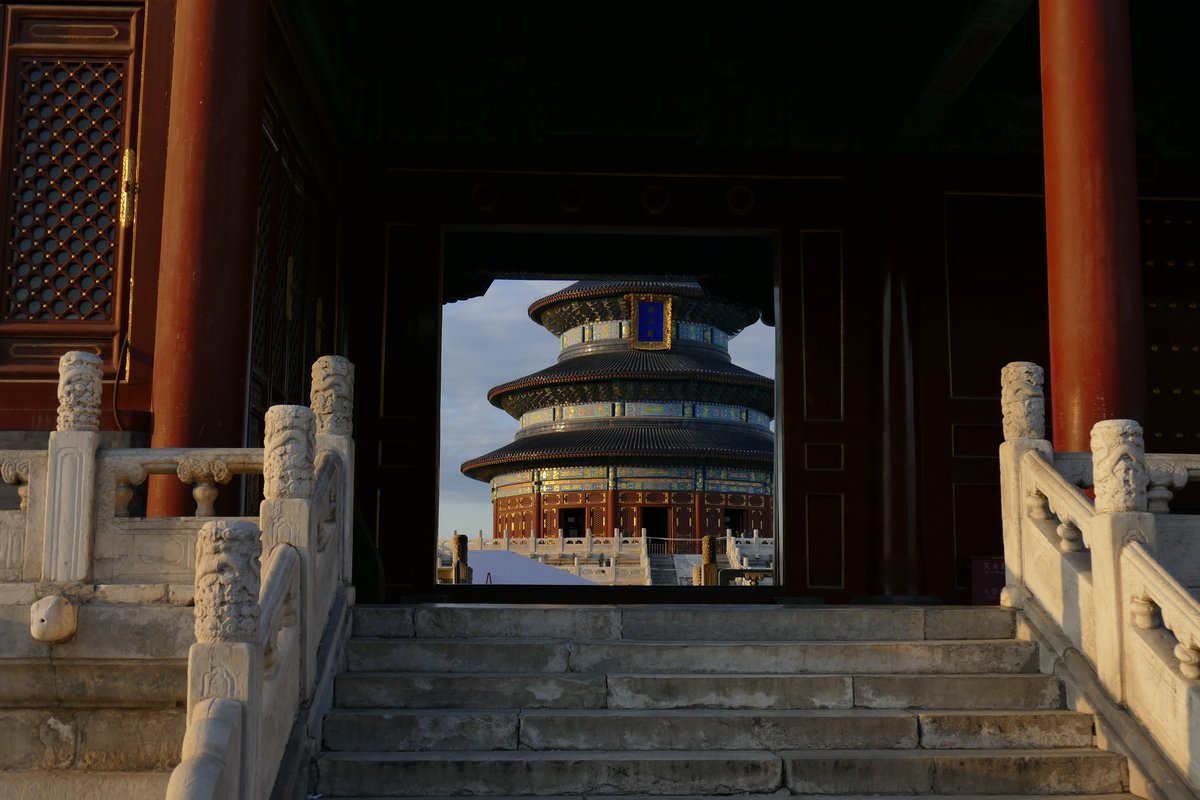
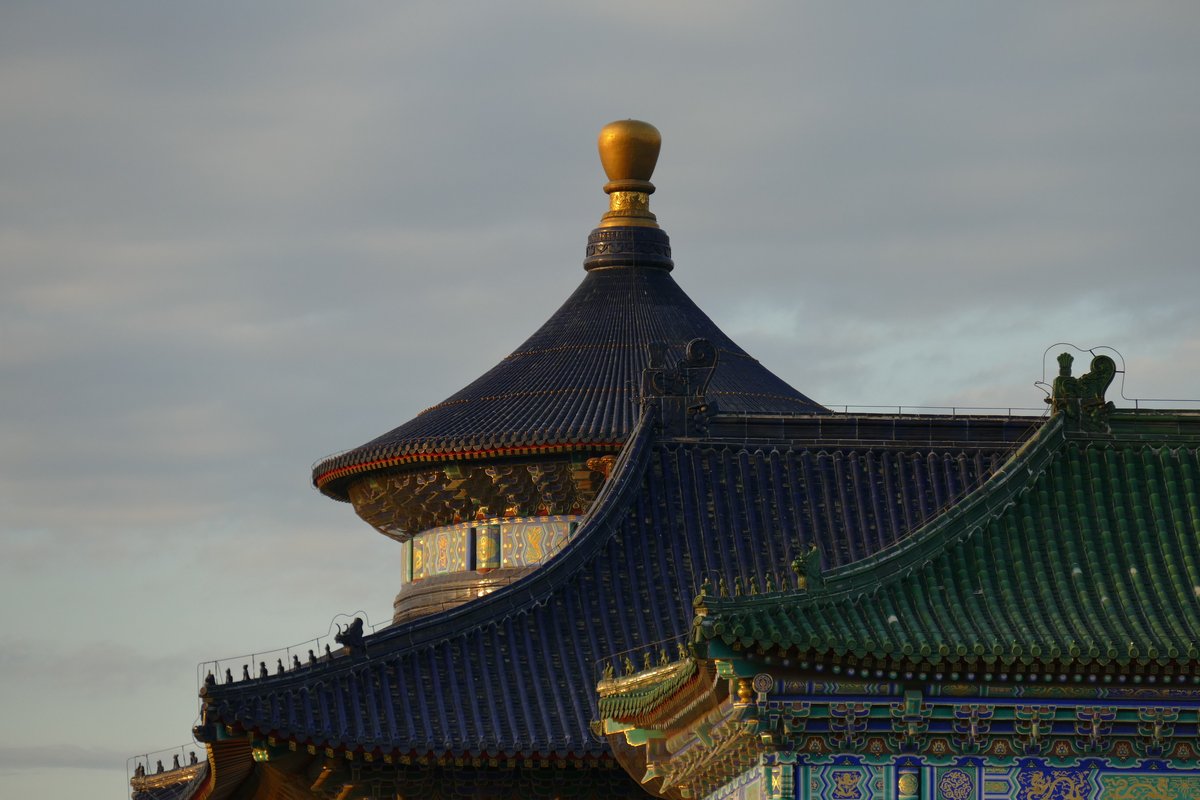
祈年殿 (Hall of Prayer for Good Harvests),位于北京天坛公园内,是古代中国文化和宗教的深远象征。建于明代1420年,由永乐皇帝下令建造,这座建筑杰作最初被称为大祭祀殿 (中国亮点)。祈年殿完全由木头建造,没有使用钉子,由象征宇宙秩序的28根巨型木柱支撑 (UNESCO)。
祈年殿不仅是一座建筑奇迹,也是一个具有巨大文化和宗教重要性的地方。它是皇帝每年举行祭祀仪式的中心,皇帝被认为是天子。这些仪式对于确保好收成和国家的福祉至关重要 (Cultural China)。几个世纪以来,祈年殿经历了许多历史事件和翻修,包括在一次毁灭性大火后于1890年进行的精心重建。1998年,天坛,包括祈年殿在内因其历史和文化意义被联合国教科文组织列为世界遗产 (UNESCO)。
今天,祈年殿是一个主要的旅游景点,每年吸引数以百万计的游客。本指南提供其历史、建筑意义和实用的游客信息,如票价、开放时间和旅行提示的全面概述,确保所有访问者都有难忘且富有意义的体验。
图片库
图览天坛
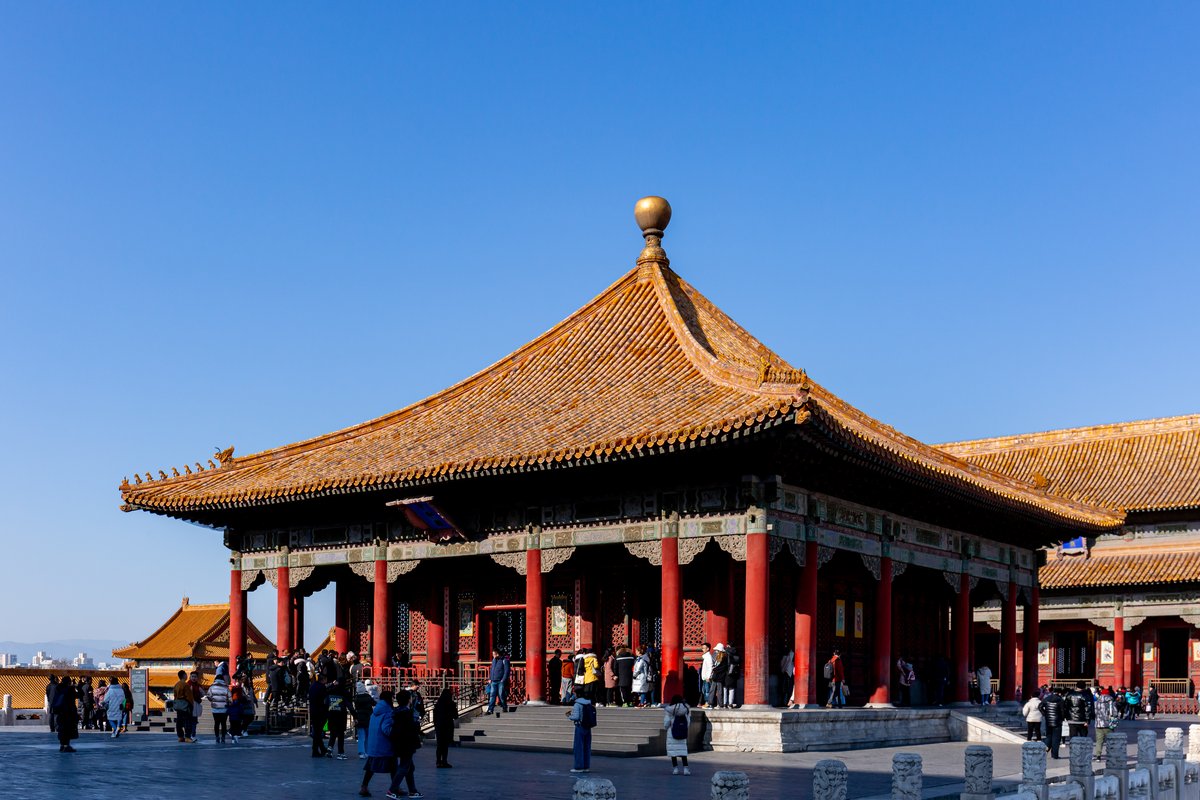
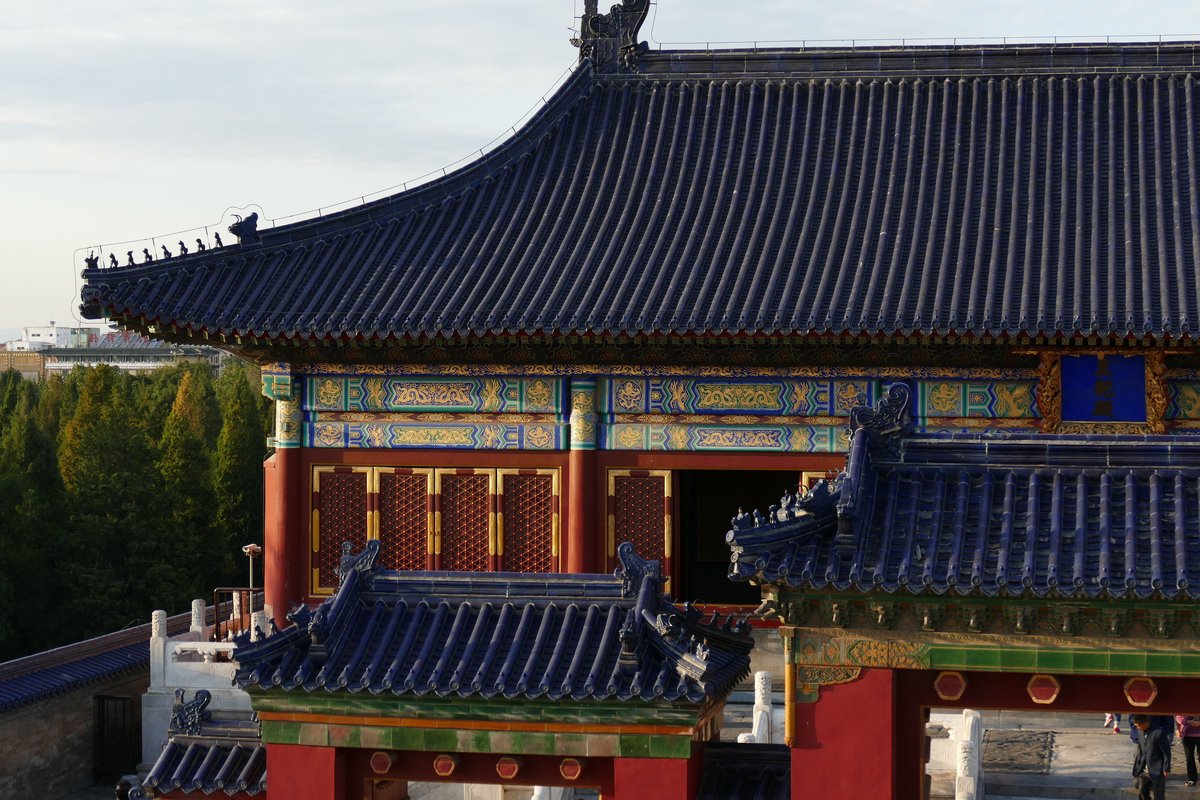
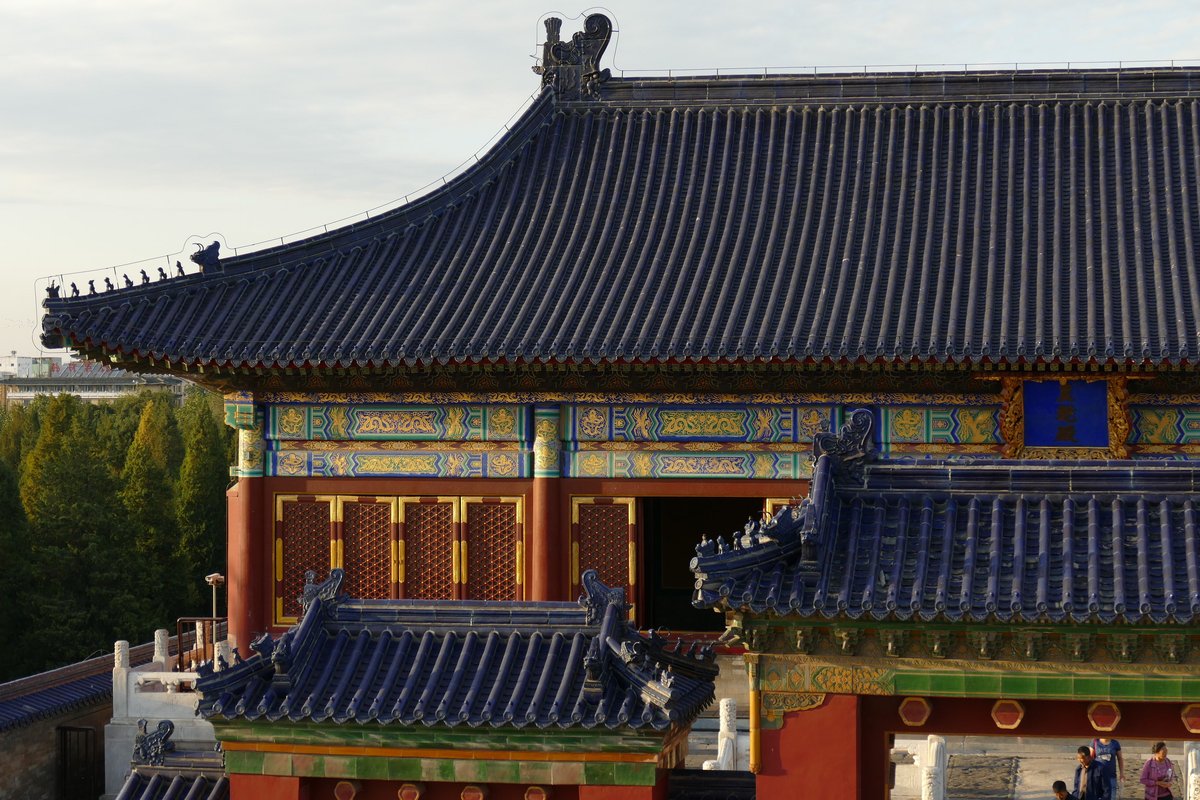
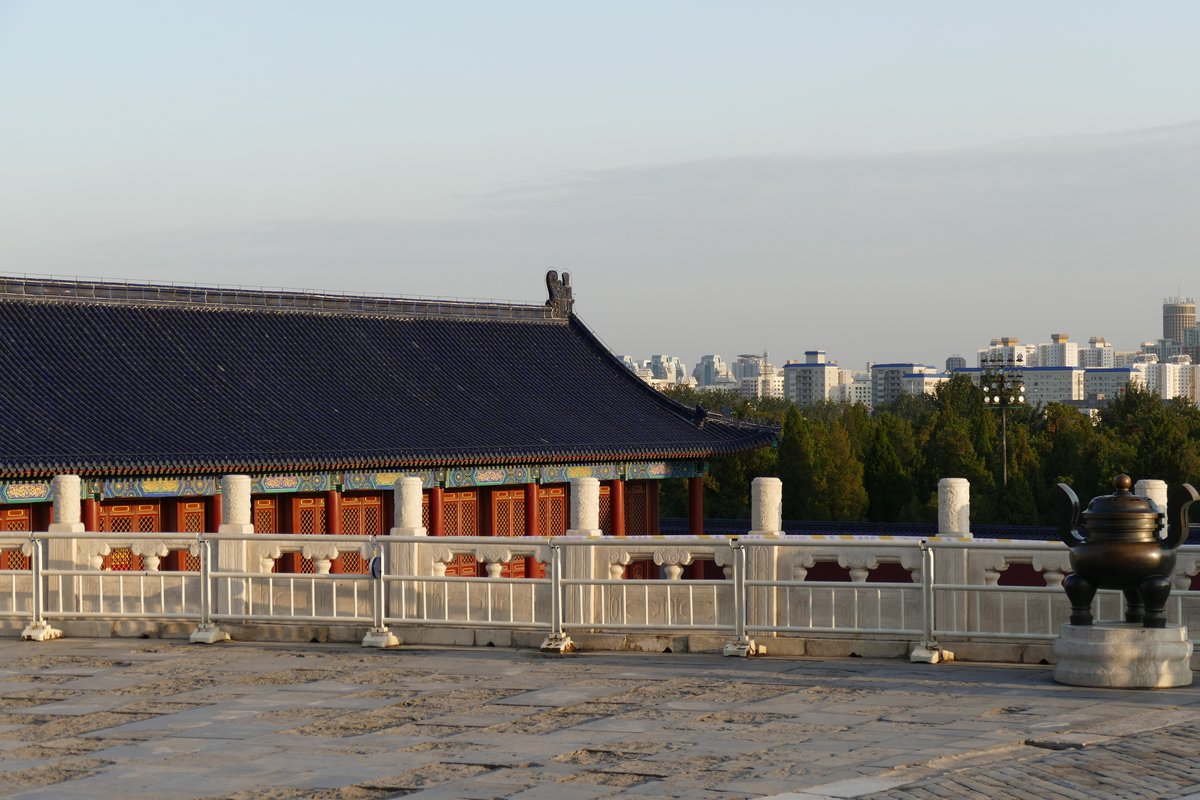
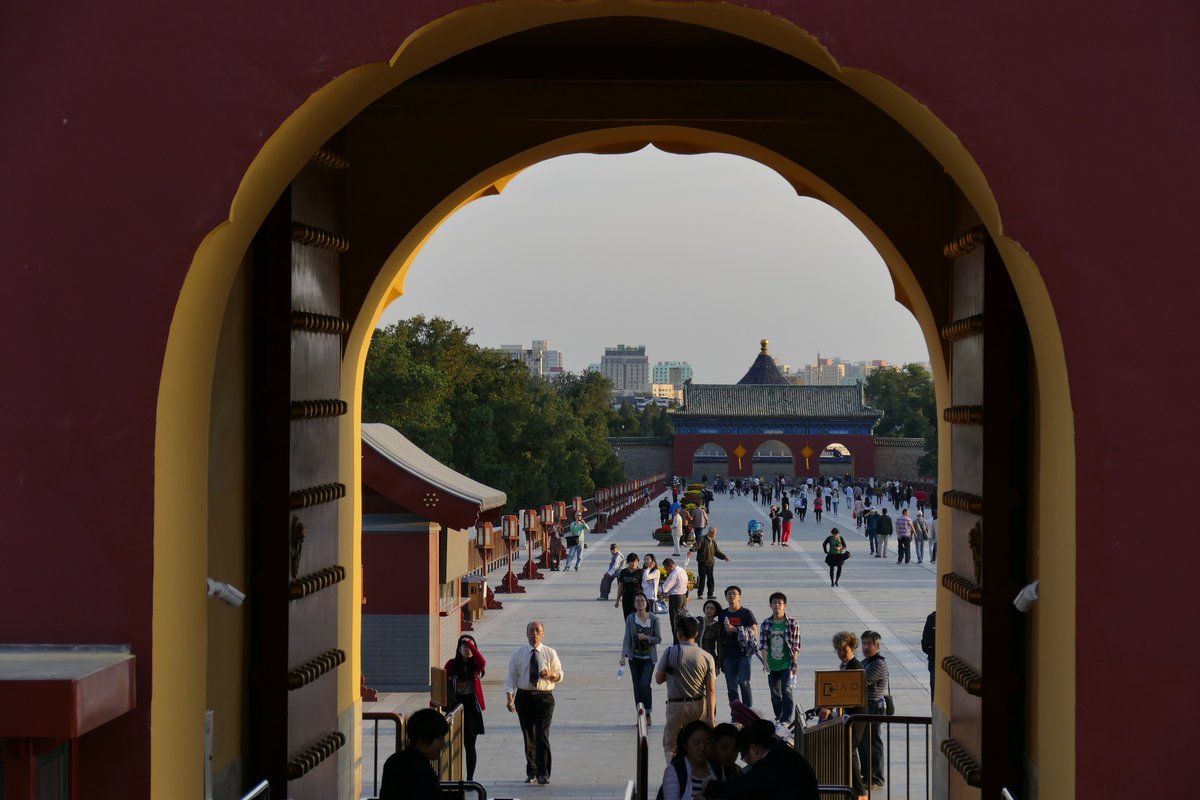
Scenic view of the Temple of Heaven in Beijing captured on September 29, 2014, showcasing the historic architectural site under a clear blue sky.
Photograph of the Temple of Heaven in Beijing taken on September 29, 2014, showing the historic architecture against a bright blue sky.
Photo of the Temple of Heaven in Beijing taken on September 29, 2014, showcasing the historic architectural beauty in clear weather
Photo of the Temple of Heaven in Beijing captured on September 29, 2014, showcasing the historical Chinese architecture and clear sky.
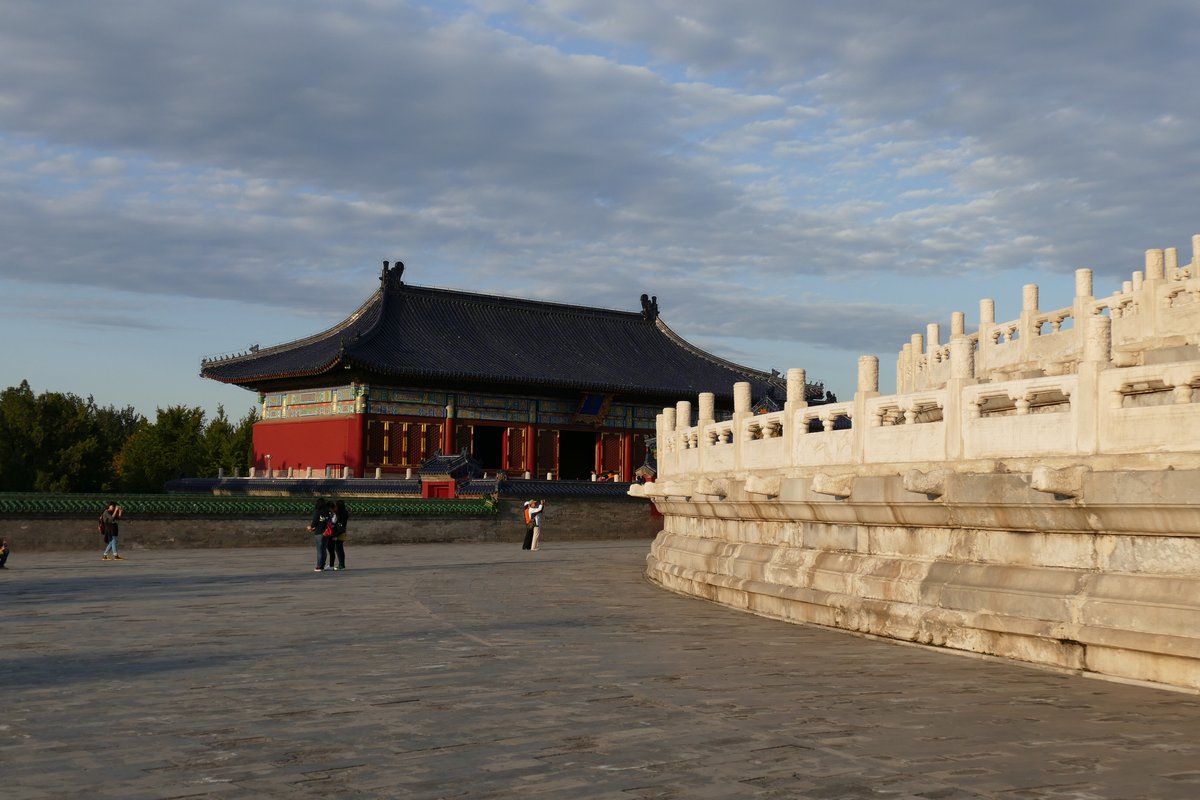
The Temple of Heaven in Beijing captured at sunset on September 29, 2014, showcasing its traditional Chinese architecture and vibrant colors.
Scenic view of the Temple of Heaven in Beijing captured on September 29, 2014, showcasing its traditional Chinese architectural style with lush green surroundings and a clear blue sky.
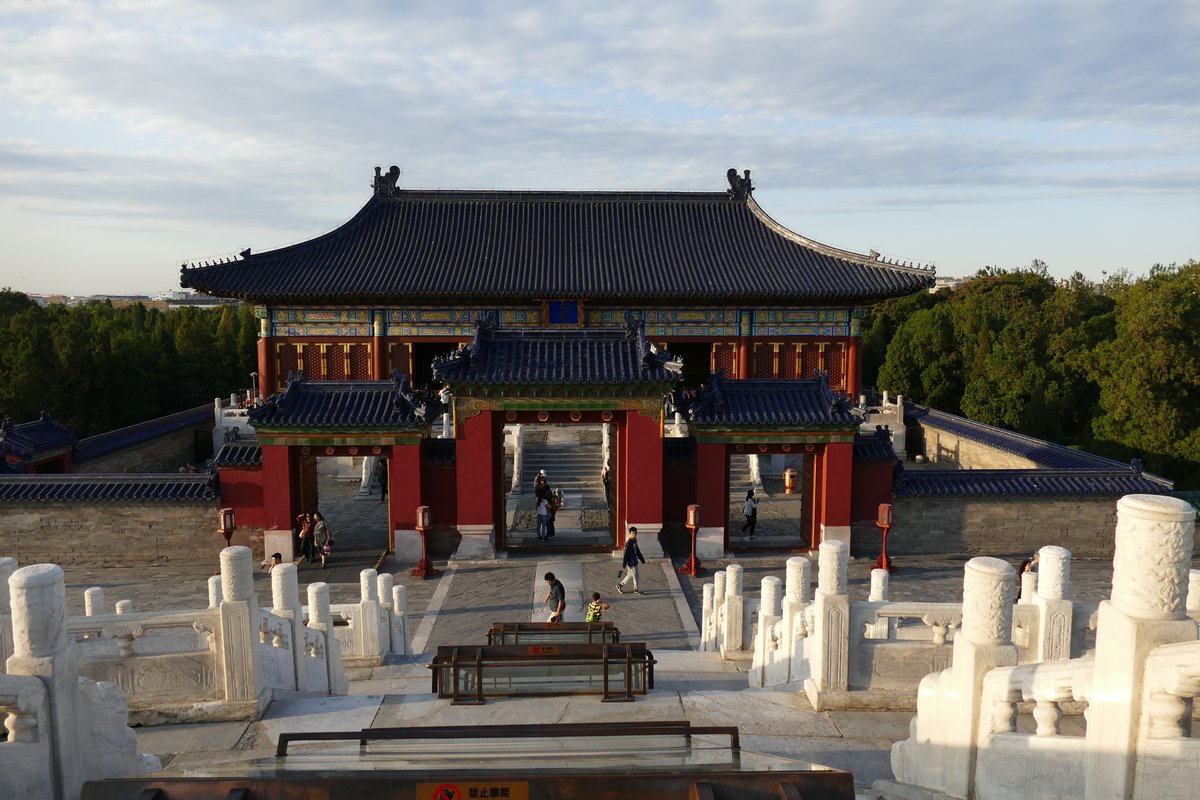
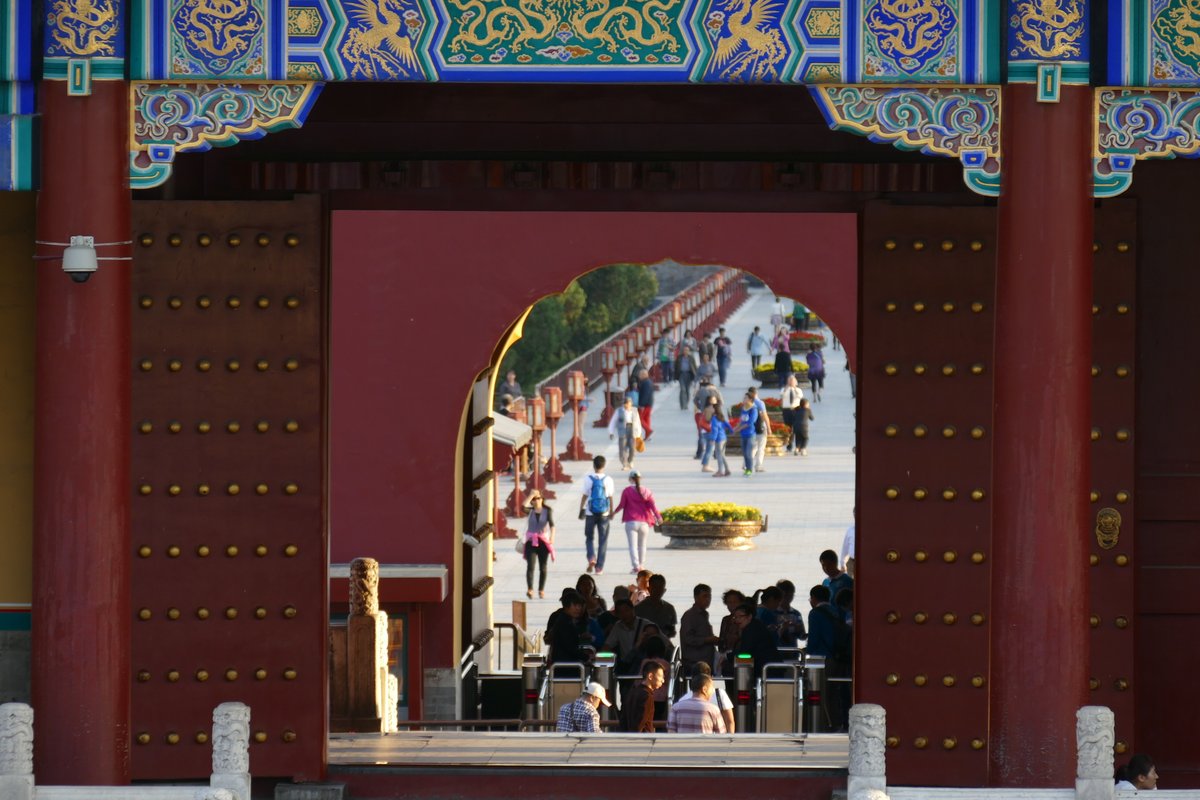
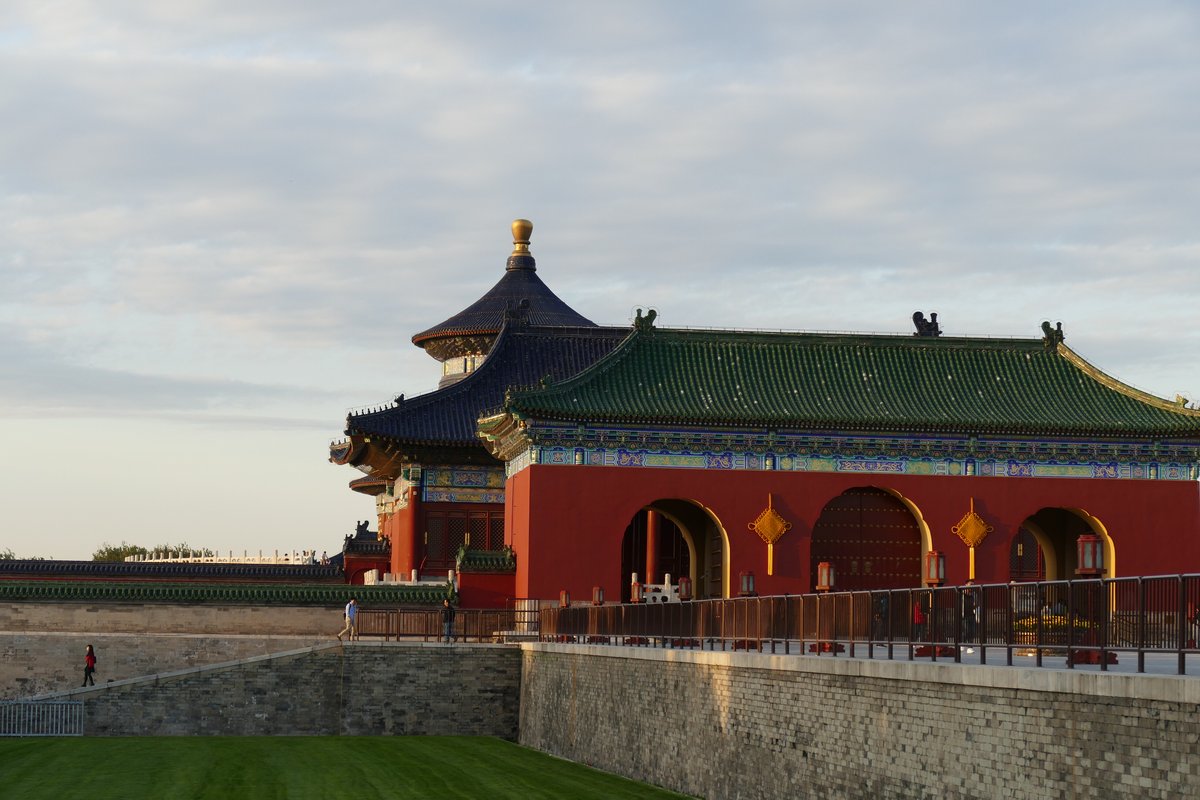
Scenic view of the Gate of Temple of Heaven in Beijing taken on September 29, 2014, showcasing traditional Chinese architecture
Photograph of the Gate of the Temple of Heaven in Beijing, taken on September 29, 2014. The temple gate features traditional Chinese architecture with vibrant colors and intricate details.
Photograph of the Gate of Temple of Heaven in Beijing taken on September 29, 2014, showcasing traditional Chinese architecture under a clear blue sky.
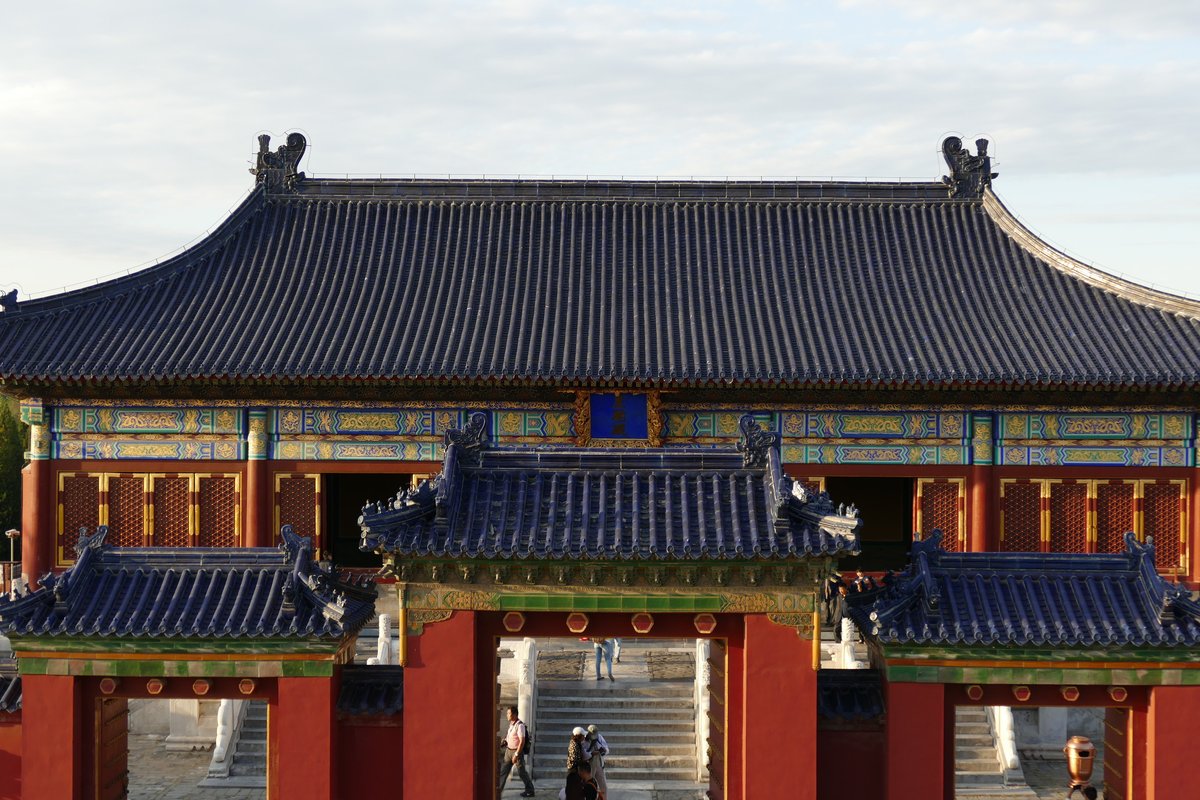
Scenic view of the Gate of the Temple of Heaven in Beijing with intricate architectural details on 29th September 2014
Photograph of the Temple of Heaven in Beijing taken on September 29, 2014, showcasing the iconic ancient Chinese architecture under clear skies.
Temple of Heaven in Beijing, China, captured on September 29, 2014, showcasing traditional Chinese architecture with clear blue sky background
祈年殿的历史
起源与建设
祈年殿位于北京天坛公园内,是明代建筑的杰作。祈年殿的建设始于1420年,由永乐皇帝下令建造,他还下令建造了紫禁城。祈年殿最初被称为大祀殿,主要用于每年的祈谷礼仪。1545年,嘉靖皇帝时期重建,并更名为祈年殿。
建筑意义
祈年殿因其建筑独创性和象征性设计而闻名。该建筑是一个三层重檐的圆形建筑,高38米,直径36米。它完全由木头建造,没有使用任何钉子,展示了古代中国工匠高超的木工技艺。祈年殿由28根巨型木柱支撑,每根木柱代表宇宙秩序的不同元素。四根中心柱象征四季,十二根内柱代表一年十二个月,十二根外柱对应中国传统的十二个时辰 (UNESCO)。
历史事件与翻修
在其历史上,祈年殿见证了众多重大事件,并经历了多次翻修。最著名的事件之一是在1889年的一场大火中,原结构被毁。1890年,光绪皇帝时期,祈年殿根据原设计和建筑技术进行了精心重建。
20世纪,祈年殿和整个天坛在文化大革命期间经历了几次被忽视的时期。然而,鉴于其历史和文化价值,中国政府在1970年代和1980年代启动了大规模的修复工程。1998年,天坛包括祈年殿在内被指定为联合国教科文组织世界遗产,突显其全球重要性 (UNESCO)。
文化和宗教重要性
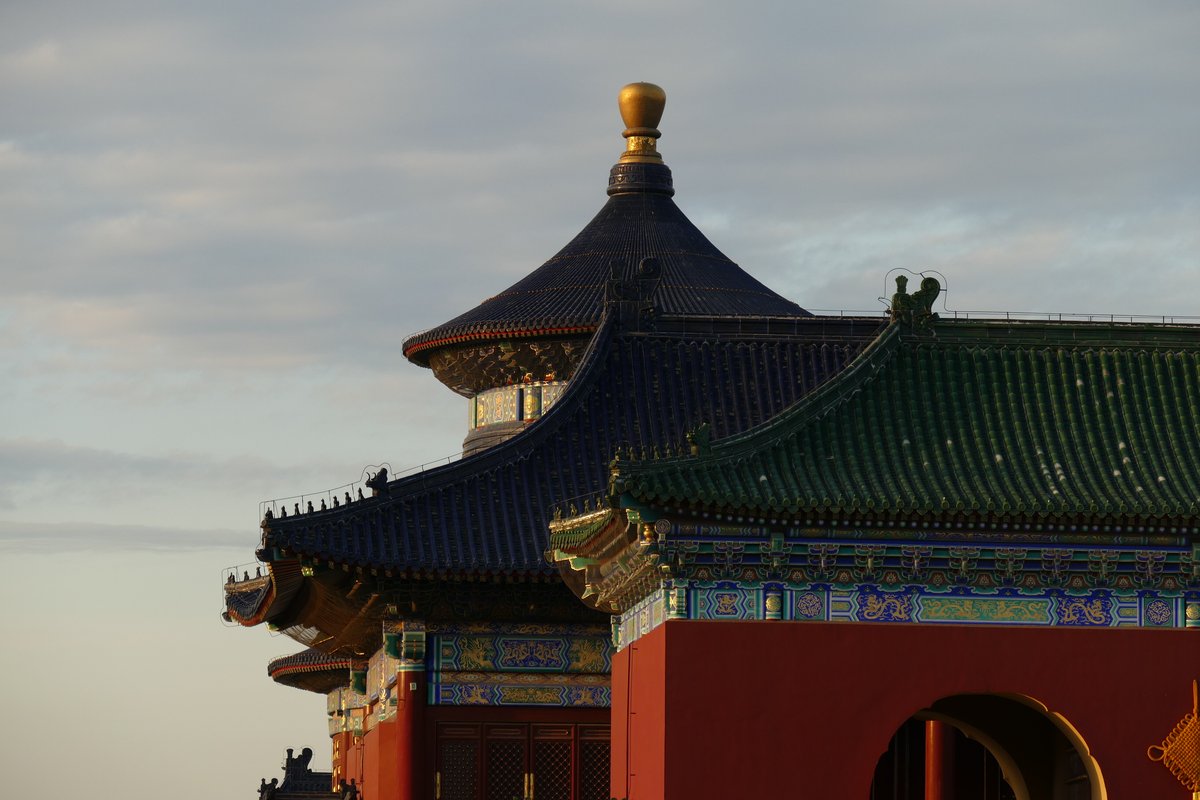
祈年殿在中国历史上具有巨大文化和宗教重要性。它是皇帝每年举行祭祀仪式的中心,这些仪式至关重要,确保国家的好收成和福祉 (Cultural China)。祈年殿的设计和装饰寓意深刻。蓝色瓷瓦的屋顶象征天空,而圆形结构象征着天,方形基座象征地,反映了古代中国天地和谐的信仰。
保护及现代相关性
今天,祈年殿是一个主要的旅游景点,每年吸引数百万游客。保护和维护祈年殿的努力仍在继续,确保这座建筑奇迹继续激励和教育后代。通过各种展览和教育项目,庆祝祈年殿的历史和文化重要性,为游客提供对中国丰富遗产的更深入了解。
游客信息
票价
进入天坛公园,包括祈年殿的票价通常从¥15到¥35不等,视季节和票种而定。
开放时间
天坛通常从早上6:00开放至晚上8:00,主要建筑包括祈年殿从早上8:00开到下午5:30。请查阅 天坛官网 获取最新信息。
特殊活动和导览
提供导览服务,通常可以深入了解景点的历史和文化重要性。此外,特别是在中国传统节日期间,会不定期举办特色活动。
旅游提示
最佳参观时间
最佳参观时间是春季(4月至6月)和秋季(9月至11月),此时天气温和宜人。避免在国家假日期间高峰期参观,以享受更宁静的体验。
如何到达
天坛可以通过公共交通工具到达。最近的地铁站是5号线的天坛东门站。数条公交线路也在公园附近停靠。
附近景点
考虑参观其他附近的历史遗址,如紫禁城、天安门广场和颐和园,以充分利用您的北京之旅。
无障碍设施
天坛公园,包括祈年殿,为残疾人游客提供无障碍设施,包括坡道和无障碍洗手间。如需详细信息,建议查看官方网站或联系游客中心。
视觉和媒体
常见问题
问:祈年殿的开放时间是什么时候?
- 答:祈年殿开放时间为早上8:00至下午5:30。
问:祈年殿的票价是多少?
- 答:票价从¥15至¥35不等。
问:祈年殿对残疾人游客友好吗?
- 答:是的,景区提供坡道和无障碍洗手间。
在应用中收听完整故事
Audiala App
支持 iOS 和 Android
加入50,000+策展人
资料来源
- verified
- verified
- verified
- verified
最后审核: