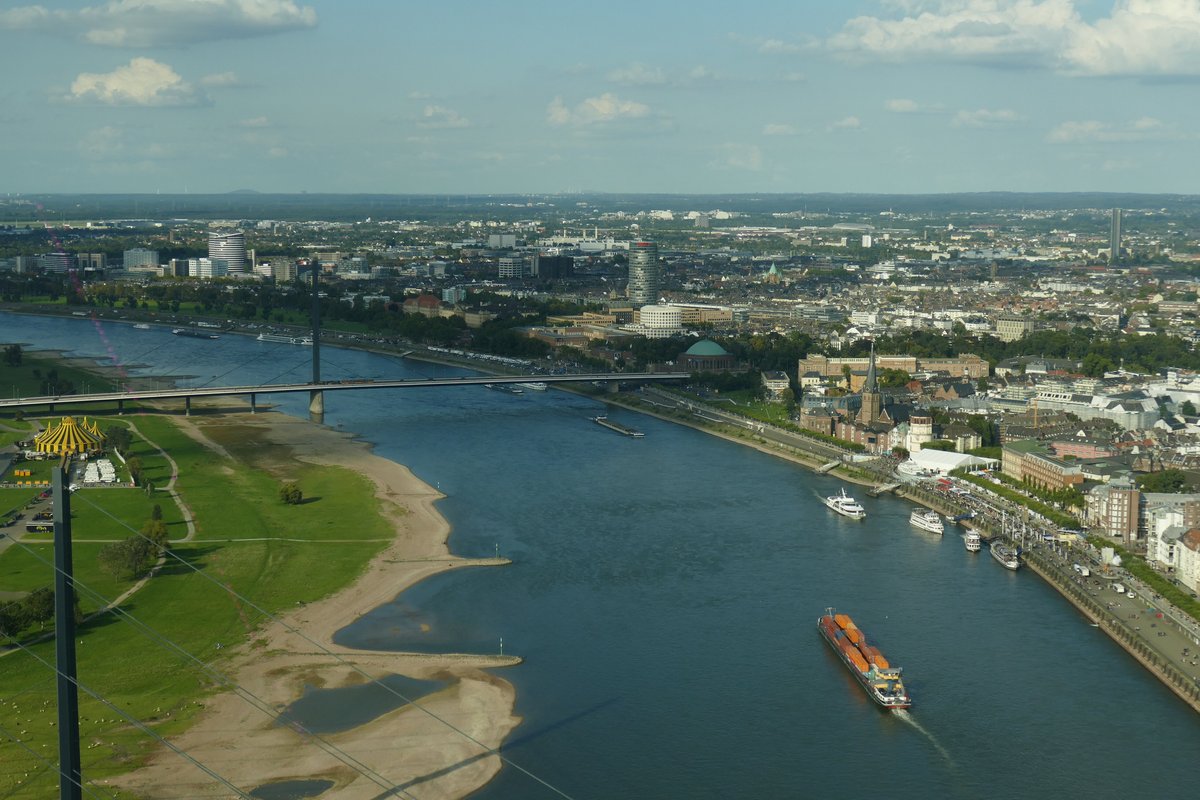
{'date': '04/07/2025', 'task': {'model': 'gpt-4.1-mini', 'query': 'Comprehensive guide to visiting Oberkasseler Brücke, Düsseldorf, Germany: history, significance, visitor tips, and everything tourists need to know for a memorable experience.', 'verbose': False, 'guidelines': ["Keyword Research: Identify relevant keywords that potential visitors are likely to search for, such as '[Monument Name] visiting hours,' '[Monument Name] tickets,' and '[City] historical sites.' Use these keywords strategically throughout the article, including in the title, headers, and body text, but avoid keyword stuffing.", 'Engaging and Informative Title: Craft a title that is both SEO-friendly and compelling to encourage clicks. Include the main keyword and make it clear what the article will cover.', 'Structured Content: Use headings (H1, H2, H3) to organize the content effectively. This helps with SEO and makes the article easier for readers to navigate. Include an introduction that hooks the reader, a detailed body that covers all relevant aspects, and a conclusion that summarizes the key points.', 'Comprehensive Coverage: Address common questions and topics of interest such as the history of the monument, its cultural significance, visitor information (e.g., ticket prices, opening hours), travel tips, nearby attractions, and accessibility. Include sections that might be unique to the monument, like special events, guided tours, and photographic spots.', 'Quality Content: Ensure the content is well-researched, accurate, and provides real value to readers. Use reliable sources and provide factual information. Write in a clear, engaging, and accessible style. Consider your audience and use language that is appropriate for those likely to visit the monument.', 'Visuals and Media: Incorporate high-quality images or videos of the monument. These should be optimized for the web (correct sizing, alt tags with keywords). Consider interactive elements like virtual tours or maps.', 'Internal and External Links: Include links to other related articles on your site to encourage deeper engagement (internal links). Link to official websites for the monument or credible sources for further reading (external links).', 'FAQ: Incorporate FAQ sections to target voice search queries and featured snippets', 'Visit and Stay Up to Date: End the article with a call to action, such as encouraging readers to download our mobile app Audiala, check out other related posts, or follow on social media for more updates.'], 'max_sections': 4, 'publish_formats': {'pdf': False, 'docx': False, 'markdown': True}, 'follow_guidelines': True}, 'title': 'Подробное руководство по посещению моста Оберкасселер-Брюкке, Дюссельдорф, Германия', 'report': '# Часы работы, билеты и путеводитель по историческим местам Дюссельдорфа: мост Оберкасселер-Брюкке\n#### Дата: 04/07/2025\n\n## Введение\n\nМост Оберкасселер-Брюкке – одна из самых выдающихся достопримечательностей Дюссельдорфа, гармонично сочетающая историческое наследие, инженерные инновации и яркую городскую культуру. Он, перекинутый через реку Рейн, соединяет оживленный центр города с живописным районом Оберкассель, служа как жизненно важной транспортной артерией, так и любимым центром общественной жизни. Благодаря своему впечатляющему вантовому дизайну, панорамным видам на город и истории, отражающей стойкость и рост Дюссельдорфа, мост является обязательным для посещения архитектурными энтузиастами, любителями истории, фотографами и путешественниками. В этом руководстве представлена подробная информация о часах посещения, доступности, советах для путешественников, близлежащих достопримечательностях и текущих обновлениях, что поможет вам получить максимальное удовольствие от посещения этого знакового места (Industriekultur Düsseldorf, baukunst-nrw.de, RP Online).\n\n---\n\n## Исторический обзор\n\n### Происхождение и раннее развитие\n\nОткрытый в 1898 году как первый постоянный мост Дюссельдорфа через Рейн, Оберкасселер-Брюкке заменил ненадежные плавучие переправы. Инициатива, возглавляемая Rheinische Bahn-Gesellschaft, предвосхитила экономическое и жилищное развитие Оберкасселя, сделав мост неотъемлемой частью городской экспансии региона. Первоначальное сооружение имело две грандиозные арки и богато украшенные порталы, обслуживающие как железнодорожное, так и автомобильное движение.\n\n### Трансформации, разрушение во время войны и реконструкция\n\nСо временем мост был расширен (1925–1926 годы) для увеличения пропускной способности, при этом оригинальные порталы были удалены. С 1934 по 1945 год, в период нацистской эры, он был переименован в «Скагеррак-Брюкке». В апреле 1945 года отступающие немецкие войска разрушили мост, чтобы остановить наступление союзников. За этим последовали временные решения, включая мост Фримена и прочный «Дауэрбехельфсбрюкке» (Dauerbehelfsbrücke), пока в начале 1970-х годов не началось строительство нынешнего моста (Industriekultur Düsseldorf).\n\n### Современный вантовый мост\n\nЗавершенный в 1976 году, нынешний мост Оберкасселер-Брюкке является образцом послевоенного немецкого инженерии. Известный своим 104-метровым пилоном и длиной 614 метров, мост был построен немного выше по течению от своего предшественника и гидравлически сдвинут на свое место, что стало замечательным достижением гражданского строительства (baukunst-nrw.de).\n\n---\n\n## Архитектурное и культурное значение\n\n### Инженерные особенности\n\nВантовая конструкция моста Оберкасселер-Брюкке с его изящной палубой и наклонными тросами обеспечивает как эстетическую элегантность, так и структурную эффективность. Широкие проезжие части, выделенные трамвайные пути и просторные пешеходные и велосипедные дорожки отражают современное городское планирование. Минимальные визуальные препятствия позволяют беспрепятственно любоваться Рейном и городским пейзажем (baukunst-nrw.de, vvv-linksrheinisch.de).\n\n### Городская идентичность и социальный центр\n\nМост является символом послевоенного возрождения и прогрессивного духа Дюссельдорфа. Это оживленное место встреч, особенно по выходным, для пешеходов, велосипедистов и уличных артистов. Его открытый дизайн и виды на реку делают его излюбленным местом среди фотографов и художников (evendo.com, komoot.com).\n\n---\n\n## Информация для посетителей\n\n### Часы посещения и политика продажи билетов\n\n- Открыт круглосуточно: Мост Оберкасселер-Брюкке доступен для публики в любое время, каждый день года.\n- Вход свободный: Для пересечения моста пешком, на велосипеде, трамвае или автомобиле не требуется билет или плата.\n\n### Доступность\n\n- Безбарьерная среда: Мост имеет пандусы на обоих концах, гладкие широкие дорожки и подходит для инвалидных колясок и детских колясок.\n- Общественный транспорт: Множество трамвайных (707, 708, U74, U76, U77) и линий Штадтбан (U70, U74, U75, U76, U77) останавливаются рядом с мостом или пересекают его (evendo.com, de.wikipedia.org).\n\n### Как добраться\n\n- На общественном транспорте: Используйте обширную сеть трамваев и Штадтбана для беспрепятственного доступа.\n- На автомобиле: Парковка ограничена, особенно во время мероприятий и строительства. Рекомендуется использовать парковки Park & Ride (duesseldorf-parken.de).\n- На велосипеде: По мосту проходят специальные велосипедные дорожки. Доступны услуги проката велосипедов (timeout.com).\n- Пешком: Мост ведет непосредственно к центру города, на набережную и в жилой район Оберкасселя.\n\n---\n\n## Ключевые особенности и достопримечательности\n\n### Панорамные виды и лучшие места для фотосъемки\n\nНасладитесь захватывающими видами на горизонт Альтштадта, Рейнтурм и Медиенхафен. Прогулки на закате и вечером предлагают особенно впечатляющие возможности для фотографий, особенно во время общегородских мероприятий с фейерверками.\n\n### Ближайшие достопримечательности\n\n- Район Оберкассель: Известен своей архитектурой в стиле модерн, стильными кафе и зелеными бульварами.\n- Рейнская набережная: Живописная набережная для прогулок или велосипедных прогулок с доступом к речным круизам.\n- Городской пляж и парки: Прилегающие зеленые зоны и оживленный Штадтштранд предлагают отдых и культурные программы (stadtklang.org, visitduesseldorf.de).\n\n---\n\n## События и сезонные особенности\n\n- Japan-Tag (май): Мост является отличной смотровой площадкой для фейерверков; автомобильное движение ограничено, но пешеходные и велосипедные дорожки остаются открытыми (D.LIVE).\n- Rheinkirmes (июль): Крупная ярмарка с аналогичными ограничениями и захватывающими видами на реку.\n- Мероприятия на городском пляже: Ежедневные культурные и развлекательные программы летом (visitduesseldorf.de).\n\n---\n\n## Текущие строительные работы и повышение безопасности (2025)\n\nТекущие работы по реконструкции включают поднятие перил моста для повышения безопасности пешеходов и велосипедистов, с минимальными нарушениями, так как одновременно закрывается только один тротуар. Строительство приостанавливается во время крупных мероприятий, и все полосы движения для транспортных средств и велосипедов остаются в рабочем состоянии (RP Online).\n\n---\n\n## Практические советы\n\n- Погода: Мост открыт всем ветрам — одевайтесь соответственно и проверяйте прогноз погоды (wanderlog.com).\n- Часы пик: Посещайте рано утром или поздно вечером, чтобы избежать толпы и получить оптимальное освещение.\n- Удобства: Общественные туалеты и фудтраки доступны рядом с городским пляжем; за пользование туалетом взимается небольшая плата (stadtklang.org).\n- Транспорт: Используйте общественный транспорт или Park & Ride во время мероприятий и строительства. Проверяйте билеты перед посадкой.\n\n---\n\n## Часто задаваемые вопросы (FAQ)\n\nВ: Нужно ли платить за вход или приобретать билеты для посещения моста Оберкасселер-Брюкке?\nО: Нет, мост общедоступен в любое время и бесплатен для всех.\n\nВ: Доступен ли мост для инвалидных колясок?\nО: Да, есть безбарьерные пандусы и широкие дорожки, подходящие для инвалидных колясок и детских колясок.\n\nВ: Могу ли я проехать на велосипеде по мосту Оберкасселер-Брюкке?\nО: Да, имеются специальные велосипедные дорожки.\n\nВ: Какое лучшее время для посещения для фотографий?\nО: Раннее утро, поздний вечер и во время городских мероприятий, таких как Japan-Tag и Rheinkirmes.\n\nВ: Как добраться до моста на общественном транспорте?\nО: Множество трамвайных линий и линий Штадтбан обслуживают остановки на обоих концах моста.\n\nВ: Повлияет ли строительство на мой визит?\nО: Ожидается минимальное количество неудобств; один тротуар может быть закрыт, но остальные полосы остаются открытыми.\n\n---\n\n## Внутренние ссылки\n\nПодробнее о достопримечательностях Дюссельдорфа см.:\nАльтштадт Дюссельдорф, Рейнская набережная, Медиенхафен Дюссельдорф и Путеводитель по общественному транспорту Дюссельдорфа.\n\n---\n\n## Визуальные и интерактивные материалы\n\n- Включите высококачественные изображения моста в разное время суток, детальные снимки пилона, панорамные виды на Рейн и исторические фотографии.\n- Альтернативный текст: «Вантовый мост Оберкасселер-Брюкке в Дюссельдорфе на закате», «Вид с Оберкасселер-Брюкке на Рейн», «Исторический Оберкасселер-Брюкке 1898 года».\n- Встройте интерактивные карты, показывающие остановки общественного транспорта, велосипедные/пешеходные маршруты и близлежащие достопримечательности.\n\n---\n\n## Заключение\n\nМост Оберкасселер-Брюкке – это живой символ стойкости, инноваций и социокультурной динамичности Дюссельдорфа. Его доступный дизайн, инженерное значение и прекрасное расположение делают его неотъемлемой остановкой для любого, кто хочет ощутить дух города – будь то ежедневная поездка на работу, живописная прогулка или празднование крупных событий. Спланируйте свой визит, насладитесь видами и погрузитесь в уникальное сочетание истории и современности Дюссельдорфа.\n\nДля получения обновлений, советов по путешествиям и специально разработанных туров загрузите приложение Audiala и подпишитесь на нас в социальных сетях. Сделайте свое путешествие по Дюссельдорфу по-настоящему незабываемым!\n\n---\n\n## Ссылки\n\n- Industriekultur Düsseldorf\n- baukunst-nrw.de\n- RP Online\n- vvv-linksrheinisch.de\n- komoot.com\n- evendo.com\n- stadtklang.org\n- visitduesseldorf.de\n- de.wikipedia.org\n- timeout.com\n- wanderlog.com\n- Japan-Tag Düsseldorf\n- duesseldorf-parken.de\n- maps.duesseldorf.de\n\n---\n\n', 'headers': {'date': 'Дата', 'title': 'Часы работы, билеты и путеводитель по историческим местам Дюссельдорфа: мост Оберкасселер-Брюкке', 'conclusion': 'Краткое изложение и заключительные советы по посещению Оберкасселер-Брюкке', 'references': 'Ссылки и официальные ресурсы по Оберкасселер-Брюкке', 'introduction': 'Введение в Оберкасселер-Брюкке и его значение для Дюссельдорфа', 'table_of_contents': 'Часы работы, билеты, история, культурное значение, советы по путешествиям, близлежащие достопримечательности, доступность, специальные мероприятия, экскурсии, места для фотографирования, часто задаваемые вопросы'}, 'sources': ['- Oberkasseler Brücke: History, Visiting Hours, and Travel Tips for Düsseldorf’s Iconic Bridge, 2025, Industriekultur Düsseldorf https://industriekultur-duesseldorf.de/portfolio_page/oberkasseler-bruecke/', '- Oberkasseler Brücke Düsseldorf: Visiting Hours, History, Architectural Highlights & Travel Tips, 2025, baukunst-nrw.de https://www.baukunst-nrw.de/en/projects/Oberkasseler-Bruecke--319.htm', '- Oberkasseler Brücke Düsseldorf: Visiting Hours, Tickets, Historical Significance, and Travel Tips, 2025, RP Online https://rp-online.de/nrw/staedte/duesseldorf/oberkasseler-bruecke-duesseldorf-neues-gelaender-fuer-1-8-millionen-euro_aid-124001667'], 'sections': ['Historical Overview', 'Architectural and Cultural Significance', 'Visitor Experience', 'Practical Information'], 'conclusion': 'Мост Оберкасселер-Брюкке остается незаменимым символом исторического развития, инженерного превосходства и культурной самобытности Дюссельдорфа. Его путь от двухпролетного моста XIX века до современного вантового чуда воплощает в себе стойкость и дальновидность города. Благодаря неограниченному круглосуточному доступу для публики, комплексным возможностям для пешеходов, велосипедистов и автомобилистов, а также продолжающимся работам по повышению безопасности, мост предлагает гостеприимный и доступный опыт для всех посетителей. Помимо своей функциональной роли, мост служит оживленным социальным и рекреационным пространством, дополненным его близостью к оживленному району Оберкассель и городскому пляжу, где процветают культурные мероприятия и общественные собрания. Фотографы и туристы ценят захватывающие виды на Рейн и горизонт Дюссельдорфа, особенно на закате и во время крупных городских фестивалей. Планирование посещения Оберкасселер-Брюкке обещает не только живописное и познавательное путешествие, но и связь с непреходящим наследием и современной динамичностью Дюссельдорфа. Для получения актуальной информации для посетителей, расписания мероприятий и экскурсий, рассмотрите возможность загрузки приложения Audiala и следите за местными источниками, чтобы быть в курсе и получить максимум от своего опыта (Industriekultur Düsseldorf, RP Online, baukunst-nrw.de).', 'introduction': 'Мост Оберкасселер-Брюкке в Дюссельдорфе является ярким свидетельством богатой истории города, архитектурных инноваций и яркой городской жизни. Этот знаковый вантовый мост, перекинутый через реку Рейн, соединяет оживленный центр Дюссельдорфа с живописным районом Оберкассель, служа не только жизненно важной транспортной артерией, но и культурной достопримечательностью и центром общественной жизни. Первоначально построенный в 1898 году как первая постоянная переправа через Рейн, мост претерпел значительные преобразования — от его ранней двухпролетной конструкции до разрушения во время Второй мировой войны, за которым последовали инновационная реконструкция и современные инженерные достижения, кульминацией которых стало нынешнее сооружение, завершенное в 1976 году. Сегодня Оберкасселер-Брюкке известен своим элегантным 104-метровым пилоном, обширными пешеходными и велосипедными дорожками и панорамными видами на горизонт Дюссельдорфа, включая такие достопримечательности, как Рейнтурм и Альтштадт. Посетители могут бесплатно получить доступ к мосту в любое время, наслаждаясь бесшовным сочетанием исторического резонанса и современной городской динамики. Независимо от того, являетесь ли вы любителем истории, архитектуры, фотографом или обычным путешественником, это всеобъемлющее руководство предоставит важную информацию о часах посещения, доступности, советах по путешествиям, близлежащих достопримечательностях и продолжающихся улучшениях безопасности. Воспользуйтесь возможностью исследовать одну из самых любимых достопримечательностей Дюссельдорфа и погрузиться в его динамичную атмосферу, дополненную местными событиями, такими как Japan-Tag и Rheinkirmes, которые оживляют район праздниками и фейерверками (Industriekultur Düsseldorf, baukunst-nrw.de, RP Online).', 'research_data': [{'Oberkasseler Brücke: History, Visiting Hours, and Travel Tips for Düsseldorf’s Iconic Bridge': '## Introduction\n\nThe Oberkasseler Brücke is one of Düsseldorf’s most iconic landmarks, connecting the city’s bustling center with the charming district of Oberkassel across the Rhine. Beyond its impressive architectural presence, this bridge holds deep historical significance and continues to serve as a vital transportation artery. Whether you are a history enthusiast, a traveler exploring Düsseldorf historical sites, or a photography lover, understanding the Oberkasseler Brücke’s past and practical visiting details will enrich your experience.\n\n---\n\n## Origins and Early Development\n\nThe Oberkasseler Brücke holds a pivotal place in Düsseldorf’s urban and infrastructural history as the city’s first permanent bridge across the Rhine. Prior to its construction, the only means of crossing the river at this location was via a pontoon or floating bridge, which was both unreliable and susceptible to seasonal disruptions. The demand for a more stable and efficient crossing grew in the late 19th century, driven by the expansion of rail transport and the economic ambitions of the region.\n\nThe initiative for the bridge’s construction came from the Rheinische Bahn-Gesellschaft, a private railway company. Their vision extended beyond mere transportation: the company’s shareholders had acquired significant tracts of land on the left bank of the Rhine, anticipating that a fixed bridge would dramatically increase the value of these holdings. The bridge would thus serve dual purposes—facilitating rail and road traffic while unlocking the development potential of Oberkassel and surrounding areas (Industriekultur Düsseldorf).\n\nAfter two years of construction, the original Oberkasseler Brücke was inaugurated in 1898. The structure was 14 meters wide and spanned the Rhine with two impressive arches, covering a distance of over 300 meters. The bridge’s portals, which were later removed, were notable architectural features that marked the entrance to the crossing.\n\n---\n\n## Architectural Evolution and Modifications\n\nThe original bridge was a testament to late 19th-century engineering, combining functionality with aesthetic considerations. Its dual-arch design was both practical for spanning the wide river and visually striking. However, as Düsseldorf grew and traffic demands increased, the bridge underwent significant modifications.\n\nIn 1925–1926, the bridge was widened to accommodate increased traffic. This expansion necessitated the removal of the original portal structures, altering the bridge’s appearance but enhancing its capacity and utility. The bridge’s adaptability to changing urban needs reflected Düsseldorf’s rapid modernization during the interwar period (Industriekultur Düsseldorf).\n\nFrom 1934 to 1945, the bridge was renamed “Skagerrak-Brücke” in commemoration of the 1916 naval Battle of Jutland (Skagerrakschlacht), reflecting the nationalistic sentiments of the era.\n\n---\n\n## Wartime Destruction and Temporary Solutions\n\nThe Oberkasseler Brücke’s strategic importance made it a target during World War II. On April 3, 1945, as Allied forces advanced into Düsseldorf, retreating German troops demolished the bridge to hinder their progress. This act severed a vital link between the city’s two banks at a critical moment in its history (Industriekultur Düsseldorf).\n\nIn the immediate aftermath, American occupation forces constructed a temporary crossing known as the Freeman-Bridge to restore connectivity. This provisional solution was soon replaced by a more robust “Dauerbehelfsbrücke” (permanent temporary bridge), which served the city from 1948 until 1974. These makeshift structures underscored the bridge’s essential role in Düsseldorf’s daily life and postwar recovery.\n\n---\n\n## Construction of the Modern Oberkasseler Brücke\n\nBy the early 1970s, it became clear that a modern, permanent replacement was necessary to meet the demands of a growing metropolis. Construction of the new Oberkasseler Brücke began approximately 50 meters upstream from the original site. This new structure was designed to accommodate contemporary traffic volumes and urban planning requirements.\n\nA remarkable feat of engineering occurred on April 7–8, 1976, when the newly built bridge was shifted laterally into the position of its predecessor. This complex operation minimized disruption and allowed for the seamless integration of the new bridge into Düsseldorf’s transport network (Industriekultur Düsseldorf).\n\nThe current Oberkasseler Brücke is a cable-stayed bridge, measuring 614 meters in length with a main span of 257 meters. Its width is 35 meters, providing ample space for vehicular, tram, and pedestrian traffic. The bridge’s most distinctive feature is its 104-meter-high pylon, which supports the structure and serves as a modern architectural landmark.\n\n---\n\n## Visiting the Oberkasseler Brücke: Hours, Tickets & Accessibility\n\n### Visiting Hours\nThe Oberkasseler Brücke is a public bridge and accessible 24 hours a day, making it an excellent spot for day and night visits. Whether you want to enjoy a leisurely walk, cycle across, or capture stunning photographs of the Düsseldorf skyline at sunset, the bridge is always open.\n\n### Tickets\nThere is no entrance fee or ticket required to visit or cross the Oberkasseler Brücke. It is freely accessible to pedestrians, cyclists, tram users, and motorists.\n\n### Accessibility\nThe bridge is fully accessible for visitors with mobility challenges. Pedestrian walkways are well maintained and provide gentle slopes suitable for wheelchairs and strollers. Public transport connections via tram lines make the bridge easily reachable without a car.\n\n---\n\n## Travel Tips and Nearby Attractions\n\n- Best Time to Visit: Early morning or late afternoon offers beautiful natural lighting for photography and a quieter atmosphere.\n- Getting There: The bridge is served by several tram lines stopping at Oberkasseler Brücke stations on both sides. Ample parking is available in nearby Oberkassel district.\n- Nearby Attractions: Explore the picturesque Oberkassel neighborhood known for its cafes, boutiques, and historic villas. On the city center side, the Rhine promenade offers scenic walking routes and river cruises.\n- Photography Spots: The bridge’s pylon and cable-stayed design make for compelling subjects. For panoramic shots, visit the Rhine embankments or the nearby Rheinturm tower.\n- Guided Tours: Several local tour operators include the Oberkasseler Brücke in their Düsseldorf historical sites tours, combining engineering marvels with cultural insights.\n\n---\n\n## Notable Events in the Bridge’s History\n\n- 1898: Opening of the original Oberkasseler Brücke, marking Düsseldorf’s first permanent Rhine crossing.\n- 1925–1926: Widening of the bridge and removal of the original portals to accommodate increased traffic.\n- 1934–1945: Renaming as “Skagerrak-Brücke” during the Nazi era.\n- April 3, 1945: Destruction of the bridge by German troops during World War II.\n- 1945–1948: Temporary crossings, including the Freeman-Bridge, restore connectivity.\n- 1948–1974: Service of the Dauerbehelfsbrücke as a long-term temporary solution.\n- 1976: Completion and lateral relocation of the new cable-stayed bridge to its current position (Industriekultur Düsseldorf).\n\n---\n\n## Architectural and Cultural Legacy\n\nToday, the Oberkasseler Brücke stands not only as a vital transportation artery but also as a symbol of Düsseldorf’s historical continuity and modern identity. Its evolution mirrors the city’s broader narrative of growth, destruction, and renewal. The bridge’s sleek, functional design and prominent pylon have made it a favorite subject for photographers and a recognizable feature for residents and visitors alike.\n\nThe bridge’s story is also a testament to the interplay between private enterprise, public infrastructure, and urban development. Its origins in speculative land development, adaptation to changing transportation needs, and resilience in the face of wartime destruction all contribute to its enduring significance in Düsseldorf’s collective memory (Kuladig).\n\n---\n\n## Frequently Asked Questions (FAQ)\n\nQ: Are there any entrance fees or tickets required to visit the Oberkasseler Brücke?\nA: No, the bridge is publicly accessible without any tickets or entrance fees.\n\nQ: What are the best times to visit the Oberkasseler Brücke?\nA: Early mornings and late afternoons provide the best light for photos and a peaceful atmosphere.\n\nQ: Is the bridge accessible for people with disabilities?\nA: Yes, the bridge offers accessible walkways suitable for wheelchairs and strollers.\n\nQ: How can I get to the Oberkasseler Brücke by public transport?\nA: Multiple tram lines serve stations near the bridge on both sides; consult local transit maps for details.\n\nQ: Are guided tours available that include the Oberkasseler Brücke?\nA: Yes, several local tour companies offer historical and architectural tours featuring the bridge.\n\n---\n\n## Explore More Düsseldorf Attractions\n\nWhile visiting the Oberkasseler Brücke, consider exploring other Düsseldorf historical sites such as the Rheinturm, Altstadt (Old Town), and the Kunstsammlung Nordrhein-Westfalen art museum. For more travel tips, check out our related posts on Düsseldorf’s must-see landmarks.\n\n---\n\n## Conclusion and Call to Action\n\nThe Oberkasseler Brücke is more than just a bridge—it is a living symbol of Düsseldorf’s past, present, and future. Whether you're visiting for its rich history, architectural beauty, or simply to enjoy a stroll with stunning river views, the bridge offers something for everyone.\n\nPlan your visit today to this Düsseldorf historical site, and don't forget to download the Audiala app for guided tours, insider tips, and updates about the city’s attractions. Follow us on social media to stay connected and discover more hidden gems in Düsseldorf.\n\n---\n\nImage suggestions: Include high-quality photos of the Oberkasseler Brücke during different times of the day, close-ups of the cable-stayed pylon, panoramic views from the Rhine promenade, and historic images where available. Use alt tags like "Oberkasseler Brücke Düsseldorf cable-stayed bridge at sunset" and "Historic Oberkasseler Brücke 1898".'}, {'Oberkasseler Brücke Düsseldorf: Visiting Hours, History, Architectural Highlights & Travel Tips': '## Oberkasseler Brücke Düsseldorf: Visiting Hours, History, Architectural Highlights & Travel Tips\n\n### Introduction\n\nThe Oberkasseler Brücke in Düsseldorf is not only a vital transportation link across the Rhine but also an architectural masterpiece and cultural icon. Whether you are a history enthusiast, an architecture lover, or a traveler seeking to explore Düsseldorf’s historical sites, this guide offers everything you need to know about visiting the Oberkasseler Brücke, from its fascinating history and design to practical visitor tips.\n\n## Architectural Design and Engineering Innovation\n\n### Structural Typology and Design Features\n\nThe Oberkasseler Brücke stands as a prime example of post-war German bridge engineering, specifically as a cable-stayed bridge — a typology that gained prominence in the mid-20th century for its efficiency and aesthetic appeal. The bridge’s design is characterized by a slender, filigree appearance, achieved through four symmetrically arranged inclined cables (Schrägkabeln) that suspend the 35-meter-wide deck from a single, free-standing pylon rising approximately 100–104 meters above the Rhine (baukunst-nrw.de). This pylon, a hallmark of modernist engineering, supports the flat steel bridge girder, allowing for a maximum span of 257–260 meters across the river.\n\nThe deck features wide, cantilevered roadways tapering to just 0.65 meters at the edges, giving a narrow, elegant walkway impression. This design minimizes visual obstruction and maximizes panoramic views of the riverbanks, harmonizing the bridge with its scenic urban context (vvv-linksrheinisch.de).\n\n### Construction Milestones and Technical Achievements\n\nConstruction began in October 1969, with the bridge initially erected 47 meters upstream from the original site to maintain uninterrupted traffic. Completed in 1976, the entire 12,700-ton bridge was hydraulically shifted into its final position over 12 hours and 47 minutes — a rare and technically demanding operation that highlights German civil engineering prowess (baukunst-nrw.de). The bridge was designed by renowned engineers and architects including Hans Grassl, Prof. Friedrich Tamms, and Prof. Dr.-Ing. Fritz Leonhardt, alongside Leonhardt, Andrä und Partner.\n\n### Integration with Urban Fabric and Mobility\n\nOberkasseler Brücke functions as a key urban artery connecting Düsseldorf’s historic city center with Oberkassel. It accommodates two lanes of vehicular traffic per direction alongside dedicated foot and cycle paths, supporting multimodal mobility (komoot.com). The tramway tracks descend beneath Luegplatz, allowing potential underground routing, freeing surface space for wide promenades and cycleways (vvv-linksrheinisch.de).\n\n## Cultural Significance and Urban Identity\n\n### Symbol of Modern Düsseldorf\n\nThe Oberkasseler Brücke is recognized as an architectural icon symbolizing Düsseldorf’s post-war resurgence and modern identity. Its minimalist lines and engineering innovation reflect the city’s progressive spirit. Among Düsseldorf’s four Rhine bridges designed under Prof. Friedrich Tamms, it is often cited as the most striking (baukunst-nrw.de).\n\nIts open design offers unobstructed views, favored by photographers and artists, and its silhouette complements the historic Altstadt and lush riverbanks, symbolizing Düsseldorf’s blend of tradition and innovation (evendo.com).\n\n### Social and Recreational Hub\n\nThe bridge’s wide pedestrian walkways and cycle paths create a vibrant social space popular with locals and visitors. Street performers and artists often enliven the atmosphere, especially on weekends and evenings (evendo.com). Adjacent parks and promenades offer picnic spots and recreational opportunities. The sunset views from the bridge are particularly enchanting and attract photographers and romantics alike (komoot.com). Seasonal festivals further animate the area.\n\n### Heritage and Preservation\n\nThough a 20th-century construction, the bridge is a treasured part of Düsseldorf’s architectural heritage, celebrated in local histories and guides (vvv-linksrheinisch.de). Its innovative design and continued functionality exemplify successful integration of infrastructure with urban culture.\n\n## Visiting the Oberkasseler Brücke: Practical Information\n\n### Visiting Hours and Accessibility\n\nThe Oberkasseler Brücke is publicly accessible 24 hours a day, with no ticket required, making it an ideal destination for spontaneous visits. Its wide footpaths and cycle lanes are wheelchair accessible and well-maintained, ensuring safe passage for all visitors.\n\n### Getting There\n\nConvenient public transport options include tram lines 707 and 708, and U-Bahn lines U74, U76, and U77, all stopping near the bridge (evendo.com). Cycling and walking routes connect the bridge with surrounding neighborhoods and attractions.\n\n### Nearby Attractions\n\nVisitors can combine a trip to the Oberkasseler Brücke with nearby cultural sites such as Kunstsammlung NRW K20, the historic Altstadt, and riverside parks. Numerous cafés and restaurants along the Rhine offer local cuisine with scenic views (baukunst-nrw.de, evendo.com).\n\n### Travel Tips\n\n- Best times to visit are early morning or late afternoon for pleasant lighting and fewer crowds.\n- Bring a camera to capture panoramic views and the bridge’s elegant structure.\n- Combine walking across the bridge with exploring Oberkassel’s charming neighborhoods.\n\n## FAQ — Frequently Asked Questions\n\nQ: Are there any entrance fees or tickets required to visit the Oberkasseler Brücke?\nA: No, the bridge is freely accessible to pedestrians, cyclists, and vehicles at all times.\n\nQ: What are the best times to visit the Oberkasseler Brücke?\nA: Early mornings and evenings, especially at sunset, offer beautiful views and a vibrant atmosphere.\n\nQ: Is the Oberkasseler Brücke wheelchair accessible?\nA: Yes, the bridge has wide, smooth footpaths suitable for wheelchairs and strollers.\n\nQ: Can I cycle across the Oberkasseler Brücke?\nA: Absolutely, dedicated cycle lanes run parallel to the pedestrian paths.\n\nQ: What nearby attractions can I visit after Oberkasseler Brücke?\nA: Explore Kunstsammlung NRW K20, Düsseldorf’s Altstadt, riverside parks, and local cafés.\n\n## Visuals and Interactive Elements\n\n[Insert high-quality images of the Oberkasseler Brücke with alt tags such as "Oberkasseler Brücke Düsseldorf cable-stayed bridge" and "Panoramic view from Oberkasseler Brücke"]\n\n[Embed a map showing the bridge’s location and nearby public transport stops]\n\n[Include a suggested walking and cycling route linking the bridge with Düsseldorf’s city center and Oberkassel]\n\n## Internal Links\n\nFor more on Düsseldorf’s architectural treasures, see our articles on Düsseldorf Historical Sites and Rhine River Bridges in Düsseldorf.\n\n## Conclusion\n\nThe Oberkasseler Brücke is a must-visit landmark that beautifully marries engineering innovation with cultural vibrancy. Whether crossing it for daily commuting, leisure, or architectural appreciation, visitors gain a unique perspective on Düsseldorf’s heritage and modern dynamism. Plan your visit today to experience the bridge’s stunning views, social atmosphere, and seamless integration into the city’s fabric.\n\n---\n\nReady to explore more of Düsseldorf’s iconic landmarks? Download the Audiala app for curated city guides, updated event listings, and personalized travel tips. Follow us on social media to stay inspired and informed!'}, {'Oberkasseler Brücke Düsseldorf: Visiting Hours, Tickets, and Guide to Historic Bridge and City Beach': '## Walking Across Oberkasseler Brücke: Sights, Atmosphere, and Activities\n\n### Panoramic Views and Photographic Opportunities\n\nCrossing the Oberkasseler Brücke offers some of the most striking vistas in Düsseldorf. The bridge spans the Rhine River, connecting the city center with the leafy Oberkassel district. As you walk or cycle across, you’re treated to sweeping views of the Düsseldorf skyline, the Altstadt (Old Town), and the bustling Rheinuferpromenade. The sunsets here are particularly renowned, casting golden hues over the river and cityscape—making the bridge a favorite spot for photographers and romantics alike (thetouristchecklist.com). \n\nThe bridge’s elevation and open design provide unobstructed sightlines in all directions. On clear days, you can spot the Rheinturm (Rhine Tower), the spires of St. Lambertus Church, and the modern architecture of the MedienHafen. Watching boats and barges glide beneath the bridge adds to the dynamic river scene.\n\n### Pedestrian and Cycling Experience\n\nOberkasseler Brücke is designed with dedicated lanes for both pedestrians and cyclists, ensuring a safe and pleasant crossing for all visitors (audiala.com). The bridge is part of Düsseldorf’s extensive cycling network, and bike-sharing services such as FordPass and DB Call a Bike make it easy to rent a bicycle for your journey (timeout.com). \n\nThe walk across the bridge is approximately 600 meters (about 0.4 miles) and typically takes 10–15 minutes at a leisurely pace. Cyclists should observe local traffic rules, including stopping at red lights and using lights after dusk. The bridge is accessible year-round, and its wide pathways accommodate both casual strollers and commuters.\n\n### Visiting Hours and Ticket Information\n\nThe Oberkasseler Brücke is a public bridge and is freely accessible 24 hours a day, seven days a week. There are no tickets required to visit or cross the bridge, making it an open and convenient attraction for all visitors. Whether you prefer an early morning stroll or a nighttime walk to enjoy the illuminated cityscape, the bridge welcomes you at any time.\n\n### Social and Cultural Atmosphere\n\nThe Oberkasseler Brücke is more than just a thoroughfare—it’s a vibrant social space, especially during weekends and evenings. Locals and tourists alike gather here for walks, jogs, and cycling. The bridge is a popular route for Sunday strolls, a cherished tradition in Germany when most shops are closed and residents take to the outdoors (timeout.com).\n\nOn the Oberkassel side, the bridge leads directly to parks and green spaces, where you’ll find families picnicking, friends meeting for drinks, and street musicians performing during the warmer months. The city beach (Stadtstrand) near the bridge is a lively hub, offering food trucks, a bar with a wide selection of drinks, and daily cultural events such as live music, dance workshops, and DJ sets (stadtklang.org; visitduesseldorf.de). \n\n### Accessibility and Public Transport\n\nThe Oberkasseler Brücke is easily accessible by public transport. Five Stadtbahn (light rail) lines—U70, U74, U75, U76, and U77—cross the bridge, making it a vital link between Düsseldorf’s city center and the left-bank districts, as well as neighboring cities like Krefeld, Meerbusch, and Neuss (de.wikipedia.org). Tram and bus stops are located at both ends of the bridge, and the area is well-served by the city’s extensive public transport network. \n\nTickets for public transport can be purchased at machines on board or at stations, but remember to time-stamp your ticket before boarding to avoid fines (timeout.com). \n\n### Amenities and Facilities\n\nNear the bridge, especially on the city beach side, visitors will find a range of amenities. There are clean public toilets available in the last container before the bridge, with a small usage fee (1 EUR), half of which can be redeemed as a voucher at the nearby bar (stadtklang.org). Food trucks offer a variety of snacks and meals, and visitors are welcome to bring their own food, provided they dispose of waste responsibly.\n\nThe city beach area is equipped with seating, shaded areas, and spaces for relaxation. During the summer, the beach hosts a packed schedule of cultural events, from painting parties to live DJ sets, making it a lively spot to unwind after your walk across the bridge (visitduesseldorf.de).\n\n### Safety and Practical Tips\n\n- Weather: Düsseldorf’s weather can be changeable, so check the forecast before your visit. The bridge is exposed to wind and rain, so bring appropriate clothing, especially in autumn and winter (wanderlog.com).\n- Cycling and Walking: Stick to the designated lanes for safety. The bridge can get busy during peak hours, so be mindful of other users.\n- Cash: While many venues now accept cards, it’s wise to carry some cash, especially for small purchases at food trucks or for public toilets (timeout.com).\n- Toilets: Public toilets are available near the city beach; a small fee applies.\n- Tipping: In Germany, rounding up to the nearest euro is customary when tipping at bars or food trucks.\n- Public Transport: Services run frequently, but late at night, schedules may be reduced. Plan your return trip accordingly.\n\n### Nearby Attractions and Further Exploration\n\nAfter crossing the bridge, visitors can explore the vibrant Oberkassel district, known for its Art Nouveau architecture, chic cafes, and leafy avenues. The Rheinuferpromenade, running parallel to the river, is perfect for a scenic stroll or bike ride, with plenty of bars and restaurants offering riverside views (thetouristchecklist.com). \n\nOther nearby attractions include the historic Burgplatz, the Kunstsammlung art museum, and the Rheinturm, which offers panoramic views from its observation deck. The area is also a gateway to river cruises and boat tours along the Rhine.\n\n### Events and Seasonal Highlights\n\nThe Oberkasseler Brücke and its surroundings are especially lively during major city events. The annual Japan Day in late May features fireworks over the Rhine, visible from the bridge, and the Karneval season in February/March brings parades and festivities to the area (timeout.com). \n\nDuring summer, the city beach hosts daily cultural programs, making it an excellent time to visit for those interested in music, art, and social gatherings (visitduesseldorf.de).\n\n### Accessibility for All\n\nThe bridge is accessible for wheelchairs and strollers, with smooth ramps at both ends. The wide pathways accommodate visitors with mobility needs, and public transport connections are barrier-free.\n\n### Etiquette and Local Customs\n\n- Sunday Strolls: Join locals for a leisurely walk on Sundays, when the city slows down and the promenade comes alive with families and friends (timeout.com).\n- Respect for Cleanliness: Dispose of litter responsibly, especially if picnicking or enjoying snacks at the city beach.\n- Photography: The bridge is a popular spot for photos, but be mindful of cyclists and other pedestrians when stopping for pictures.\n\n### Frequently Asked Questions (FAQ)\n\nQ: What are the visiting hours for Oberkasseler Brücke?\nA: The Oberkasseler Brücke is open 24/7 and free to access at any time.\n\nQ: Is there an entrance fee or ticket required?\nA: No tickets or entrance fees are required to walk or cycle across the bridge.\n\nQ: Can I cycle across Oberkasseler Brücke?\nA: Yes, the bridge has dedicated cycling lanes and is part of the city’s cycling network.\n\nQ: Are there public toilets near the bridge?\nA: Yes, public toilets are available near the city beach area for a small fee.\n\nQ: Is the bridge accessible for people with disabilities?\nA: Yes, the bridge features smooth ramps and wide pathways suitable for wheelchairs and strollers.\n\nQ: How do I get to Oberkasseler Brücke by public transport?\nA: Multiple Stadtbahn lines (U70, U74, U75, U76, U77) cross the bridge, and tram and bus stops are located at both ends.\n\n### Visuals and Multimedia Suggestions\n\nTo enhance your visit or article presentation, consider including high-quality images of the bridge at sunset, panoramic views of the Düsseldorf skyline from the bridge, and photos of the city beach activities. Interactive maps showing the bridge’s location and nearby attractions will also be helpful for visitors.\n\n### Internal Links\n\nFor more on Düsseldorf’s historical sites and cultural highlights, check out our articles on Düsseldorf Altstadt and Historic Landmarks and Top Rhine River Attractions in Düsseldorf.\n\n### Conclusion and Call to Action\n\nA visit to Oberkasseler Brücke is a quintessential Düsseldorf experience, blending history, architecture, and vibrant local life. Whether you’re seeking panoramic views, a scenic walk, or a lively social scene at the city beach, the bridge offers a memorable and accessible outing for all ages and interests. \n\nPlan your visit today and explore more of Düsseldorf’s treasures by downloading the Audiala app for guided tours, up-to-date event listings, and convenient transport options. Don’t forget to follow us on social media for the latest tips and insider insights!'}, {'Oberkasseler Brücke Düsseldorf: Visiting Hours, Tickets, Historical Significance, and Travel Tips': '## Introduction\n\nThe Oberkasseler Brücke is one of Düsseldorf’s iconic Rhine crossings, offering not only vital connectivity but also rich historical and cultural significance. This comprehensive guide covers everything visitors need to know about Oberkasseler Brücke, including visiting hours, ticket information (where applicable), historical background, accessibility, current construction updates, transportation tips, and special event considerations. Whether you are a local resident or a tourist exploring Düsseldorf’s historical sites, this article will help you plan your visit and make the most of your experience.\n\n## Location and Accessibility\n\nThe Oberkasseler Brücke connects Düsseldorf’s city center (Altstadt) with the Oberkassel district on the Rhine’s left bank. Its central location makes it a crucial artery for vehicles, pedestrians, and cyclists, and it is easily reachable from major landmarks like the Rheinuferpromenade and bustling Altstadt, both within walking distance. Public transportation is well-integrated, with multiple tram and bus lines crossing the bridge, ensuring easy access from various parts of Düsseldorf (D.LIVE).\n\n### Visiting Hours and Tickets\n\nThe Oberkasseler Brücke is a public bridge with unrestricted access 24/7, so no tickets or entrance fees are required. Visitors can walk, cycle, or drive across the bridge at any time, making it an excellent spot for sightseeing, photography, or commuting.\n\n## Historical and Cultural Significance\n\nConstructed in the early 1950s, the Oberkasseler Brücke has served as a key Rhine crossing for decades, symbolizing post-war reconstruction and urban development in Düsseldorf. Its architectural design reflects mid-20th-century engineering, while its location offers panoramic views of the Altstadt skyline and Medienhafen district. The bridge is frequently featured during city events such as Japan-Tag and Rheinkirmes, where it serves as a prime vantage point for fireworks and festivities.\n\n## Current Construction and Safety Upgrades\n\nAs of mid-2025, the bridge is undergoing safety renovations, including raising railings from about 1 meter to 1.3 meters to improve safety for pedestrians, especially children and cyclists. The €1.8 million project, approved by the city’s Ordnungs- und Verkehrsausschuss, will span approximately 18 months and affect both sides of the 1,450-meter length (RP Online).\n\nDuring construction, one sidewalk will close at a time with pedestrian rerouting, while vehicle and bicycle lanes remain open in both directions. Work pauses during high-water seasons and major events like Rheinkirmes to reduce disruptions.\n\n## Traffic and Transportation Tips\n\n### By Public Transport\n\n- Tram and bus lines 835, 836, M3, SB85, 850, and SB50 serve the bridge. Expect occasional rerouting or suspensions during major events (D.LIVE, Supertipp Online).\n- Additional event trains (Entlastungszüge, line "E") operate between Hauptbahnhof and Heinrich-Heine-Allee and between Hauptbahnhof and Oberkassel late into the night on event days (Ddorf Aktuell).\n\n### By Car\n\n- The bridge and Kaiser-Wilhelm-Ring underpass close to cars on major event nights (e.g., Japan-Tag, Rheinkirmes) from approximately 19:00 or 20:00 until shortly after fireworks conclude (D.LIVE).\n- Parking near the bridge and along the Rhine is limited during construction and events. Park & Ride options at CASTELLO Düsseldorf and MERKUR SPIEL-ARENA are recommended (duesseldorf-parken.de, maps.duesseldorf.de).\n\n### By Bicycle\n\n- The bridge is popular for cyclists. Detours during construction or events are clearly signposted. For example, on Japan-Tag, southbound cyclists are rerouted via Oederallee, Heinrich-Heine-Allee, Königsallee, and other streets (Ddorf Aktuell).\n\n### On Foot\n\n- At least one sidewalk remains open during construction, with pedestrian access maintained even during event closures, though crowding can be expected (D.LIVE).\n\n## Accessibility\n\nThe Oberkasseler Brücke is barrier-free, featuring ramps at both ends suitable for wheelchairs and strollers. The upcoming safety upgrades, including higher anthracite-grey railings, will further enhance safety without compromising visual harmony with other Rhine bridges (RP Online).\n\n## Best Photography Spots and Unique Features\n\nThe bridge offers stunning views of the Rhine River, the Altstadt’s historic skyline, and the modern Medienhafen district. Sunset and nighttime, especially during fireworks at Japan-Tag and Rheinkirmes, are particularly photogenic moments. Visitors are encouraged to explore both sides of the bridge for diverse perspectives.\n\n## Special Considerations During Major Events\n\n- Japan-Tag (May): Extensive traffic restrictions apply from early evening. The bridge is closed to cars but open to pedestrians. Public transport is reinforced, with some bus lines suspended or rerouted (Supertipp Online).\n- Rheinkirmes (July): Similar restrictions apply, with the bridge serving as a key vantage point.\n- Construction work is paused during these events to facilitate visitor flow (RP Online).\n\n## Practical Visitor Tips\n\n- Check official city and event websites for real-time updates on closures and transport changes (Japan-Tag Düsseldorf).\n- Allow extra time during events and construction periods.\n- Use public transport or Park & Ride facilities to avoid parking difficulties.\n- No facilities are available directly on the bridge; nearby