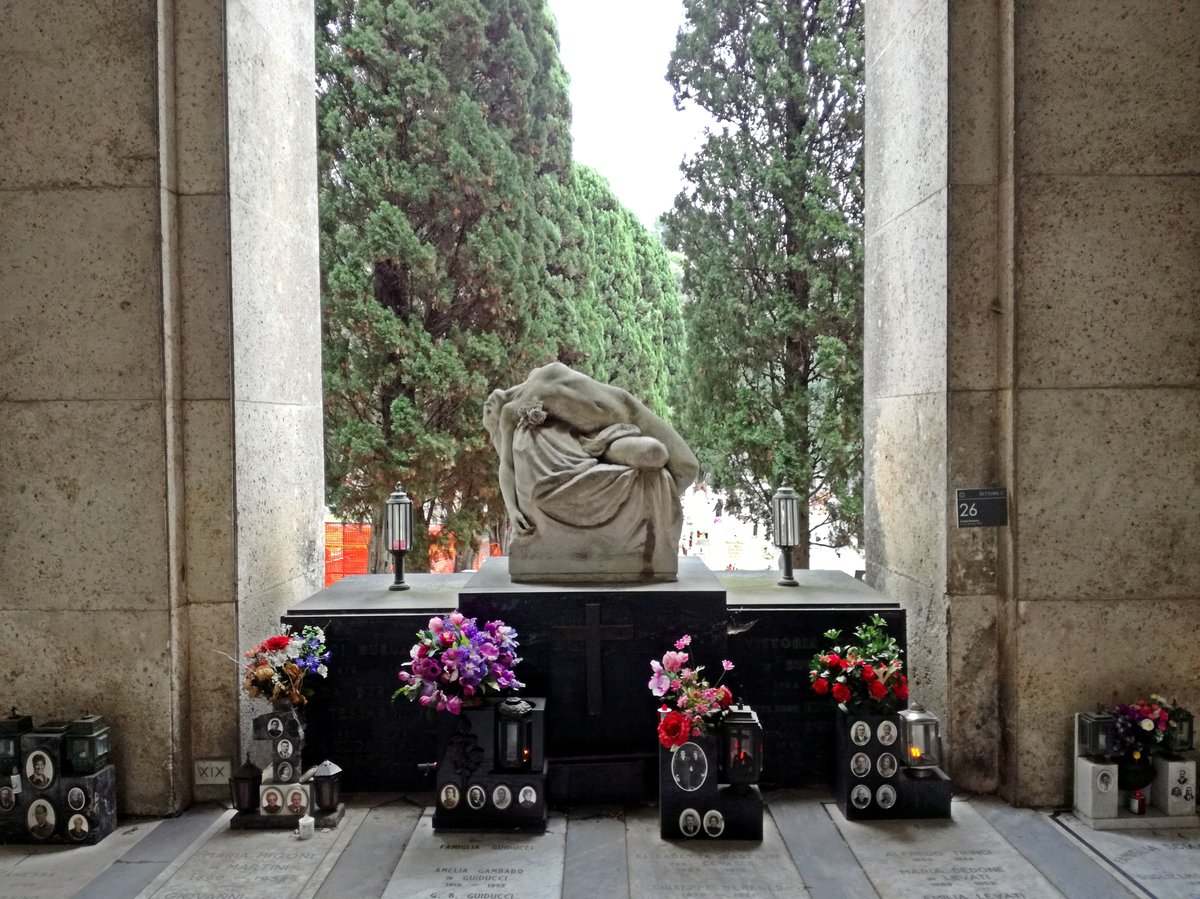
Введение
Генуя, Италия, — город, известный своим запутанным старым городом, величественной средневековой архитектурой и множеством исторических памятников. Среди названий, с которыми иногда сталкиваются путешественники, встречается "Томба Бомба" — термин, который привел к некоторой путанице и интриге. Данное руководство проясняет реальность, стоящую за "Томбой Бомбой", исследует ее исторический контекст и предлагает всеобъемлющий обзор подлинных исторических мест Генуи. Независимо от того, являетесь ли вы любителем истории, исследователем культуры или просто любознательным посетителем, эта статья поможет вам сориентироваться в богатом наследии Генуи, охватывая важную информацию о часах посещения, билетах, доступности и советах по путешествию к наиболее примечательным достопримечательностям города (Italy Heaven, Nomads Travel Guide, Visit Genoa, Lonely Planet).
Фотогалерея
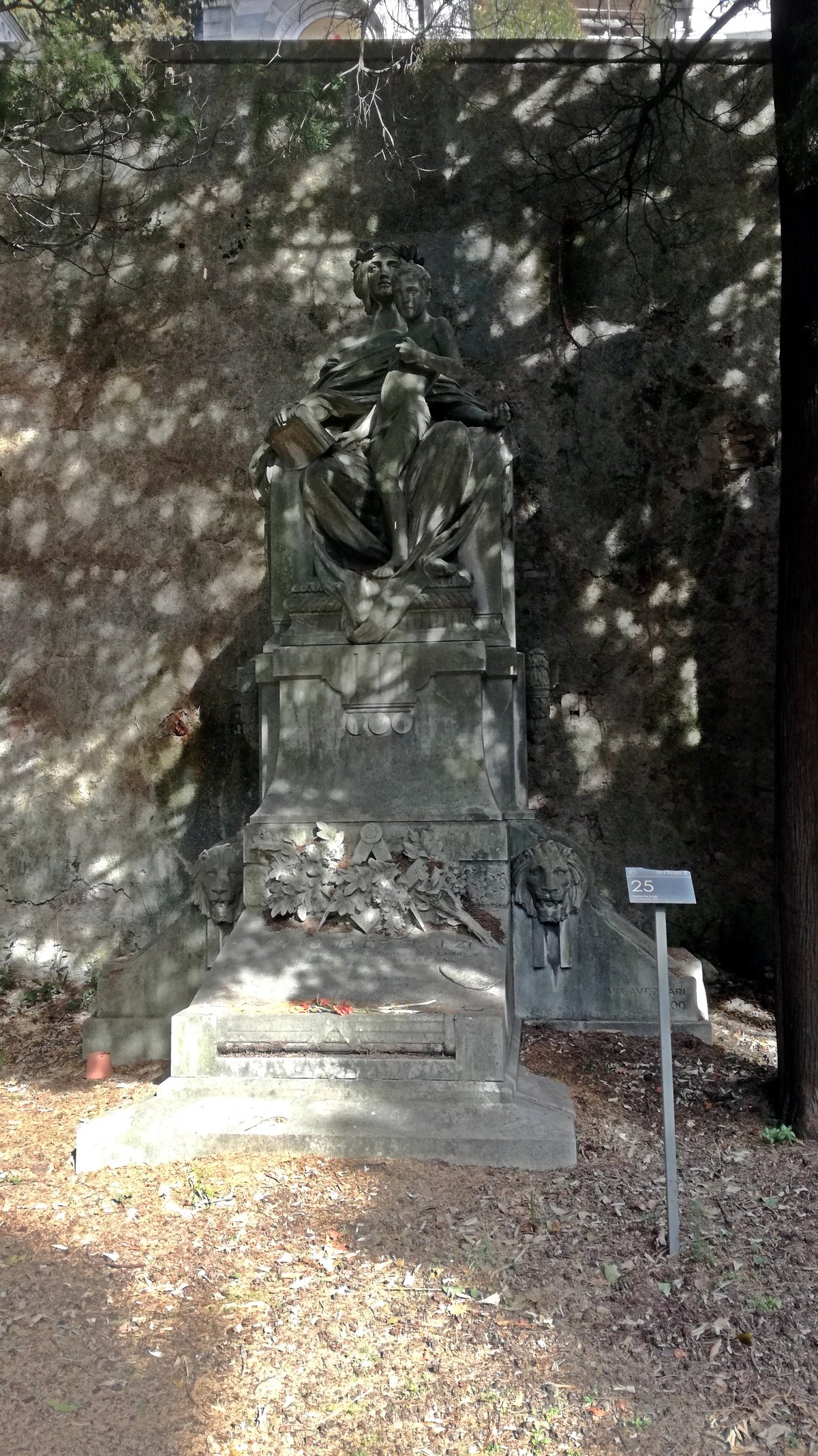
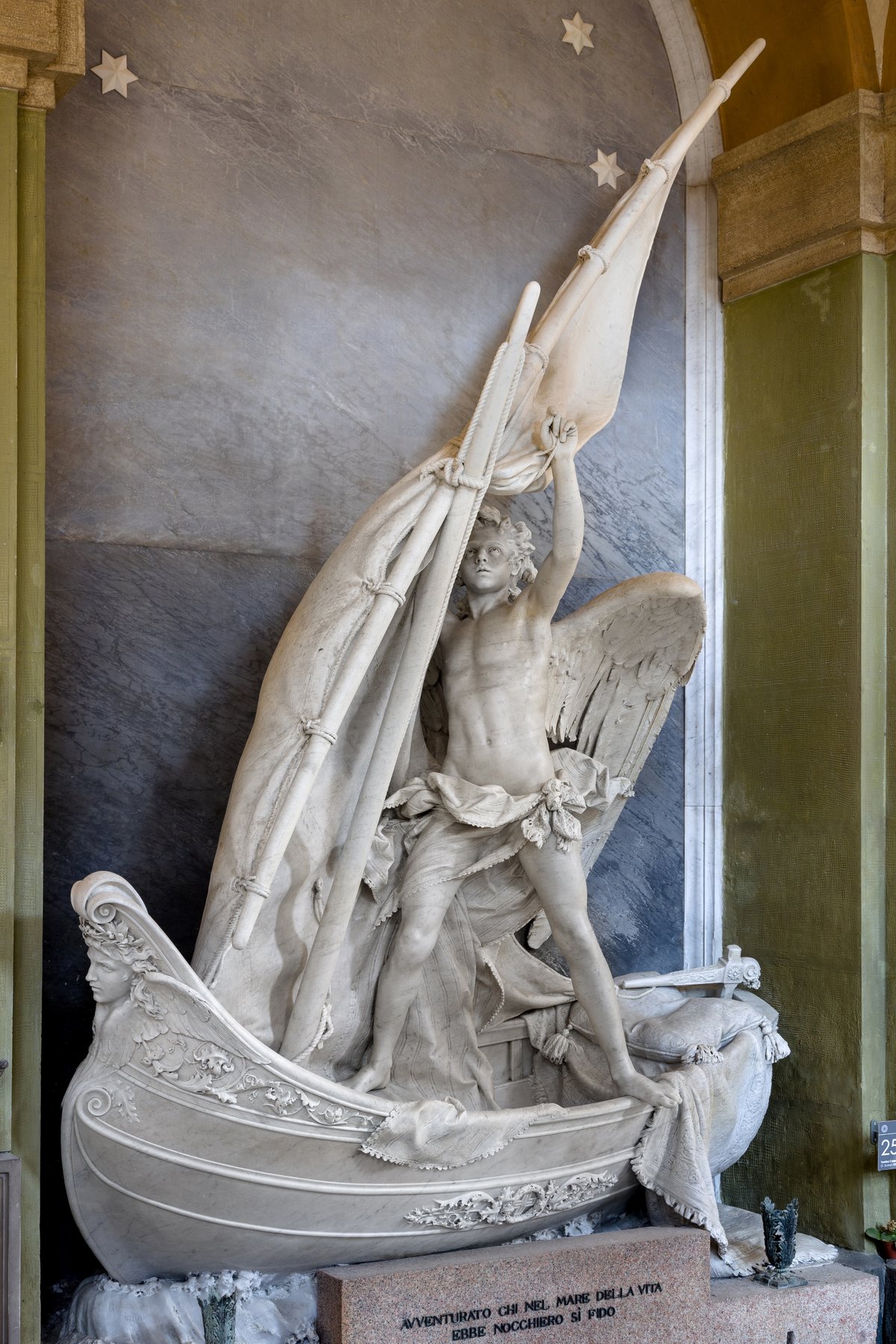
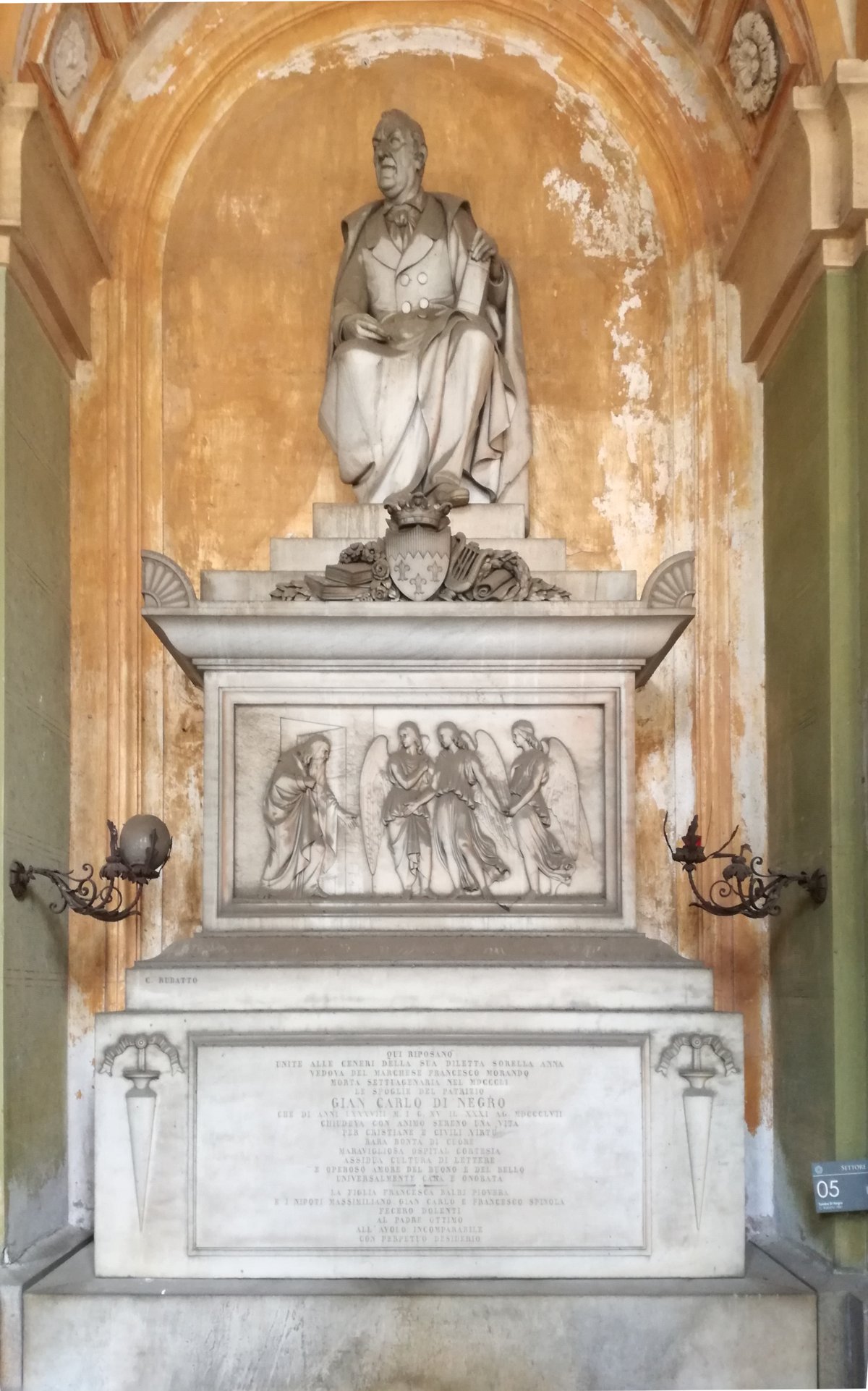
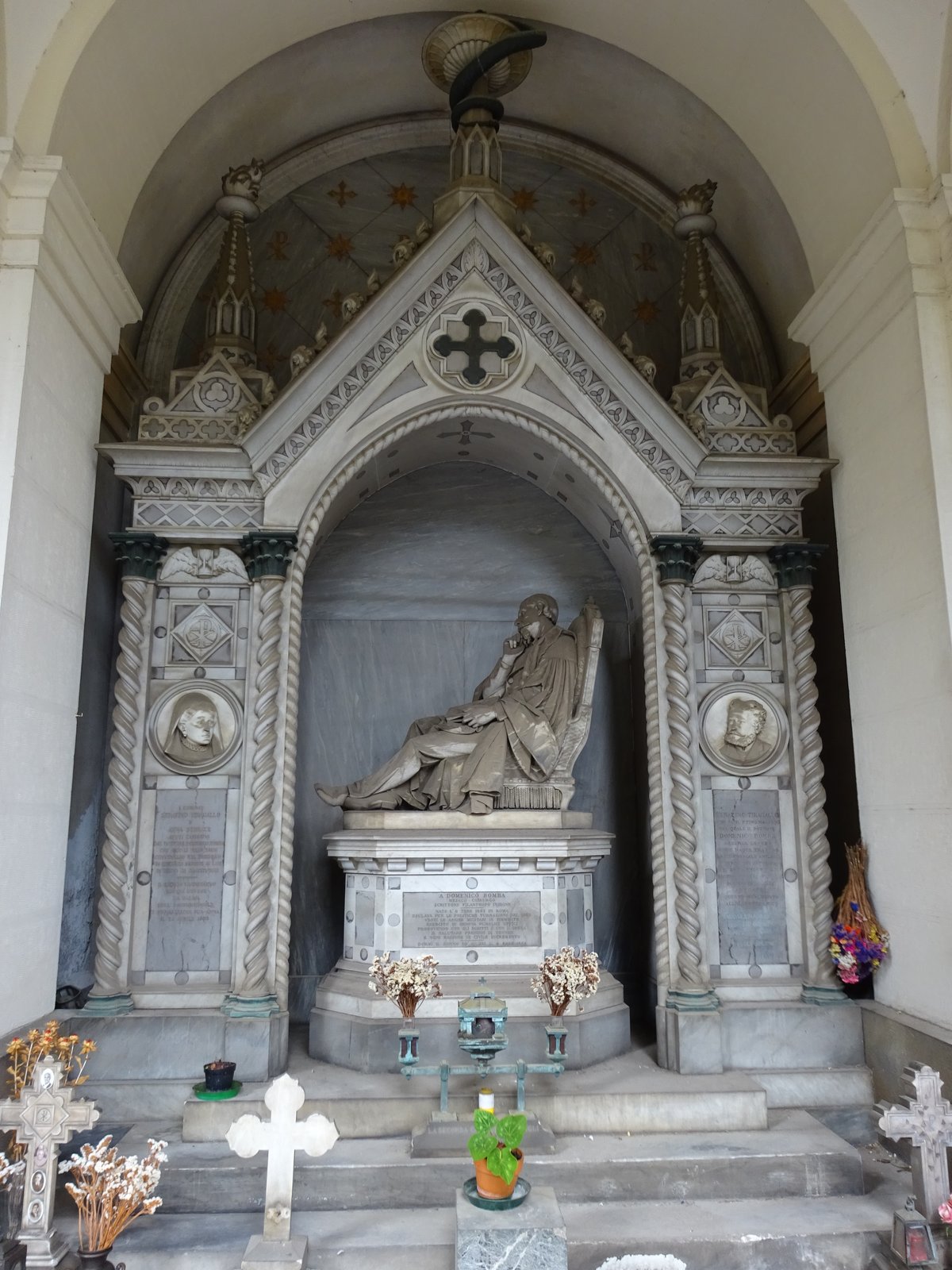
Откройте Томба Бомба в фотографиях
Разъяснение понятия "Томба Бомба": существование и контекст
Существует ли "Томба Бомба" в Генуе?
Несмотря на упоминания в интернете, "Томба Бомба" не является официально признанным памятником, гробницей или туристической достопримечательностью в Генуе. Эта фраза, вероятно, является результатом неточного перевода, опечатки или городской легенды, поскольку она не встречается в авторитетных путеводителях или официальных туристических источниках. Вместо этого термин может ошибочно ассоциироваться с Монументальным кладбищем Стальено в Генуе или бомбоубежищами времен Второй мировой войны — оба из которых являются значимыми местами в городе (Italy Heaven, Nomads Travel Guide).
Почему возникла путаница?
- Итальянское слово "tomba" означает "гробница", а "bomba" переводится как "бомба". Это может привести к ошибочному приписыванию фразы военным мемориалам или бомбоубежищам.
- Некоторые онлайн-форумы или пользователи социальных сетей могут использовать "Томба Бомба" как местное прозвище или в шутку, но оно не является официально признанным.
- Подлинные генуэзские достопримечательности, такие как кладбище Стальено или объекты наследия Второй мировой войны, часто являются настоящим предметом интереса.
Есть ли билеты или часы посещения для "Томбы Бомбы"?
Официальных часов посещения или билетов для "Томбы Бомбы" не существует, так как это не конкретное место. Вместо этого путешественникам следует сосредоточиться на проверенных памятниках и музеях Генуи, у которых есть расписание работы и билеты (Genoa Italy Tourist Information).
Основной путеводитель по историческим местам Генуи
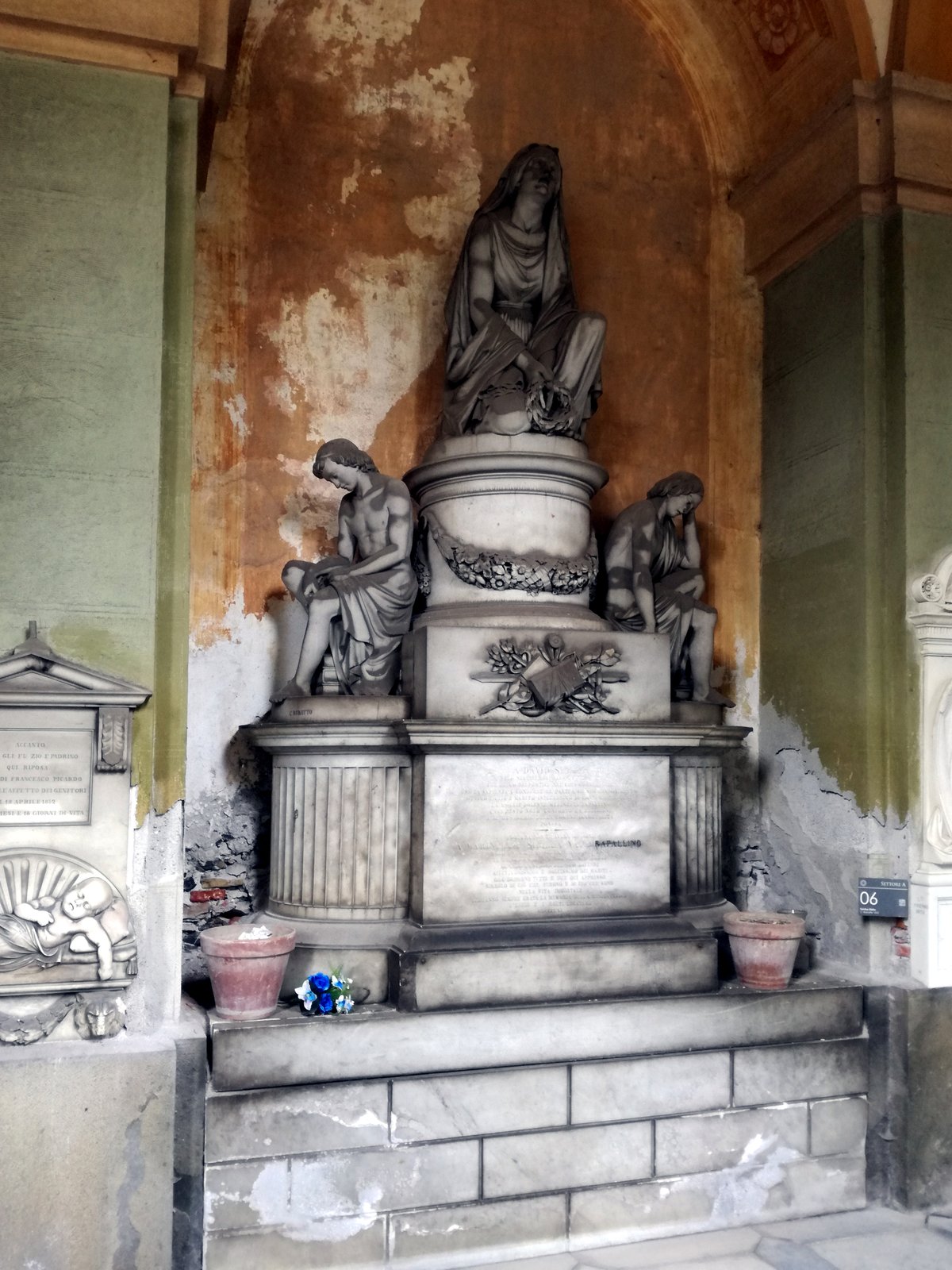
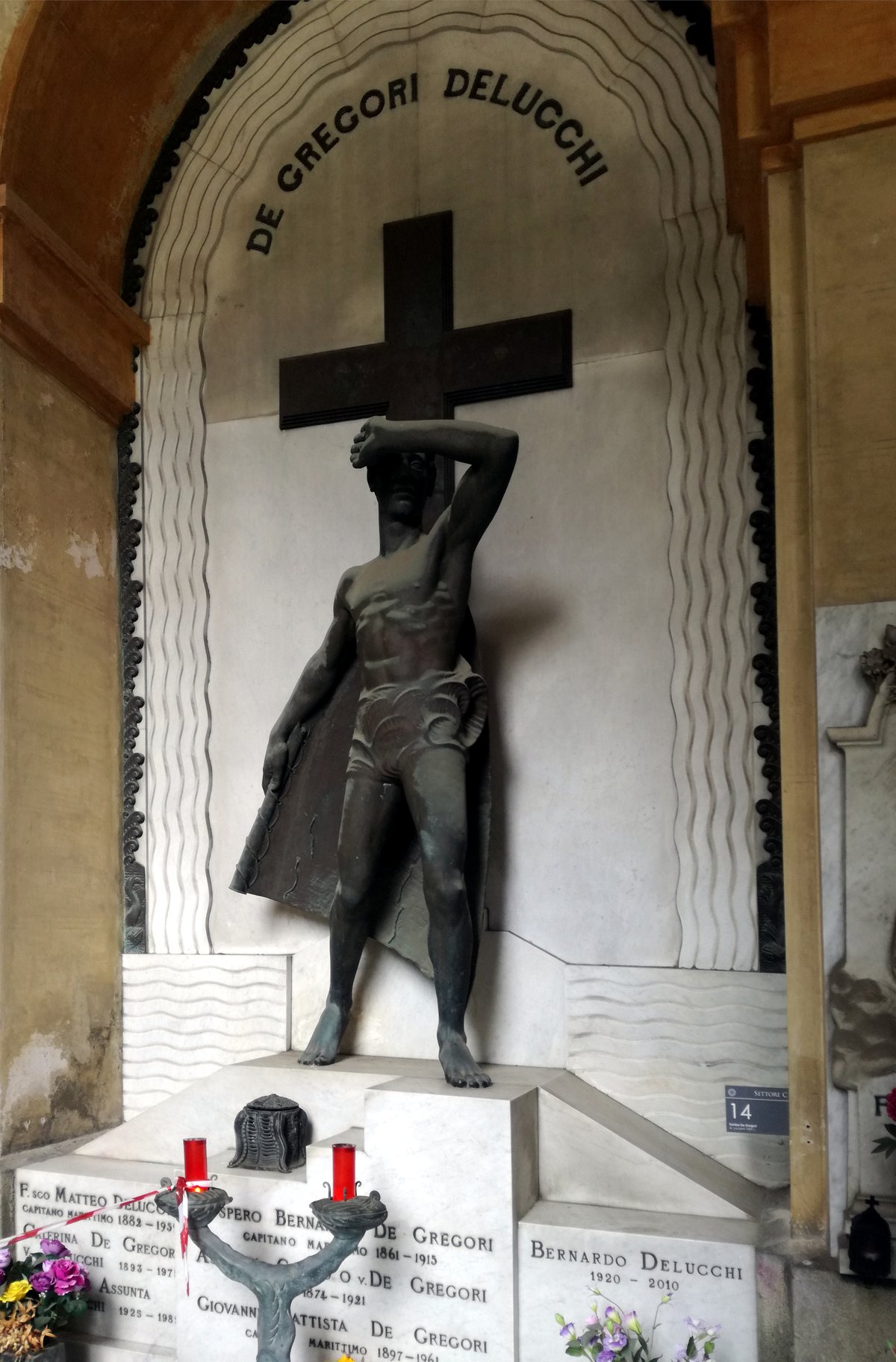
Монументальное кладбище Стальено
- Обзор: Одно из крупнейших и наиболее значимых с художественной точки зрения кладбищ Европы, Стальено славится своими захватывающими дух погребальными скульптурами и памятниками (Ancient Origins).
- Часы посещения: Ежедневно с 7:30 до 17:00. Сокращенные часы работы 25 декабря и в Пасхальное воскресенье. Закрыто в некоторые праздники (Bimbe in Viaggio).
- Билеты: Вход бесплатный; экскурсии могут быть платными.
- Доступность: Некоторые сектора имеют ограниченный доступ для инвалидных колясок или детских колясок из-за лестниц и неровной местности; доступен внутренний шаттл-автобус.
Примечательные памятники:
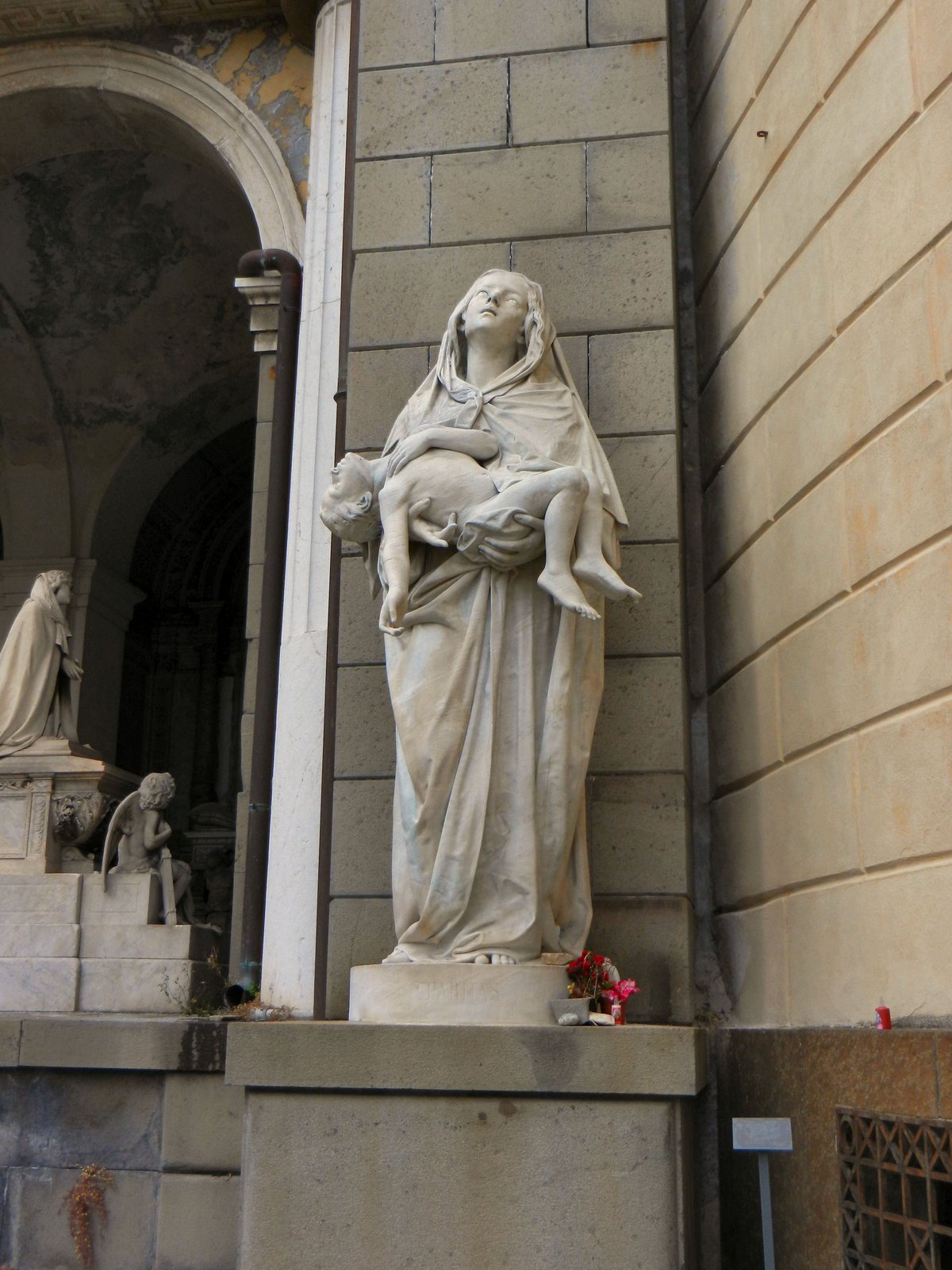
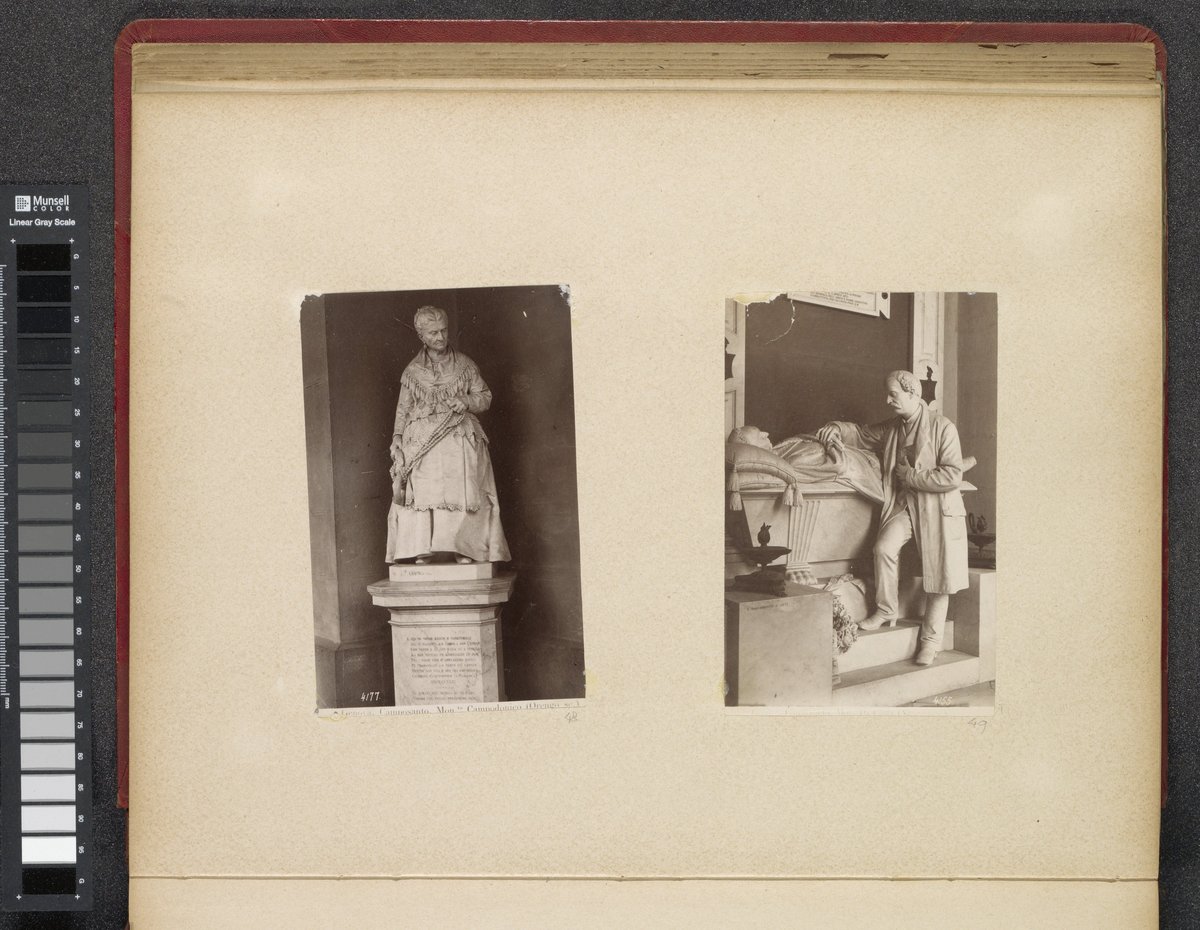
- Могила Катерины Камподонико: Известна своей реалистичной скульптурой продавщицы арахиса.
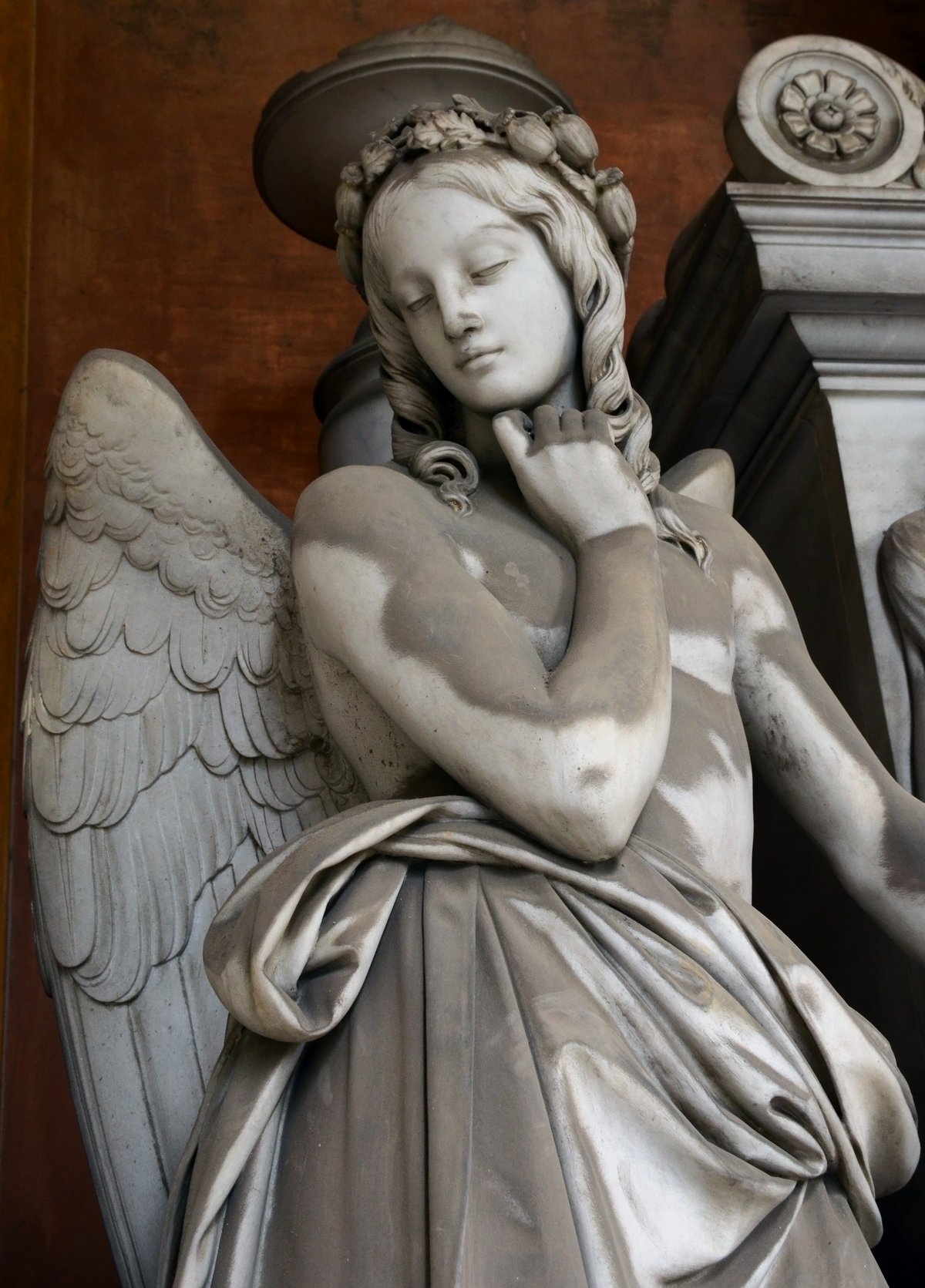
- Могила Онето: Отличается культовым ангелом работы Джулио Монтеверде.
- Могила Квейроло: Известна своей драматичной скульптурой скелета.
- Пантеон: Архитектурная изюминка кладбища (Visit Genoa PDF).
Палацци деи Ролли
- Обзор: Коллекция из более чем 40 дворцов эпохи Возрождения и барокко, включенная в список Всемирного наследия ЮНЕСКО, отражающая благородное прошлое Генуи.
- Часы посещения: Большинство дворцов открыты со вторника по воскресенье, с 10:00 до 18:00; закрыты по понедельникам.
- Билеты: Доступны комбинированные музейные абонементы (10–15 евро); скидки для молодежи и детей (Italy Heaven).
- Доступность: Некоторые зоны являются историческими и могут иметь ограниченный доступ для людей с ограниченными возможностями передвижения.
Кафедральный собор Сан-Лоренцо
- Обзор: Главный собор Генуи, известный своим поразительным черно-белым фасадом и средневековой архитектурой.
- Часы посещения: Обычно открыт с 9:00 до 18:00; уточняйте возможные изменения.
- Билеты: Вход бесплатный; небольшая плата за доступ к крипте или музею (Nomads Travel Guide).
Мемориалы и объекты времен Второй мировой войны
- Обзор: Общественные памятники и мемориалы, посвященные военной истории Генуи.
- Часы посещения: Большинство доступны в любое время; доступны некоторые экскурсии.
Советы для посетителей и доступность
- Проверяйте информацию: Используйте официальные туристические источники или проверенные путеводители для получения точной информации о часах работы и билетах.
- Передвижение: Исторический центр Генуи лучше всего исследовать пешком. Общественные лифты и фуникулеры помогают ориентироваться на холмистой местности (Lonely Planet).
- Общественный транспорт: Приложение AMT Genova позволяет легко покупать билеты на автобусы, метро и фуникулеры.
- Доступность: Хотя некоторые объекты доступны, многие исторические улицы ("каруджи") имеют брусчатку и уклон; носите удобную обувь.
Лучшее время для посещения и местные обычаи
- Лучшее время: Весна (апрель–июнь) и ранняя осень (сентябрь–октябрь) предлагают мягкую погоду и меньше скопления людей (Best Time To Visit Genoa).
- Лето: Более оживленно и дорого, с высокими температурами.
- Зима: Тише, прохладнее, и некоторые достопримечательности могут работать по сокращенному графику (Leeks Travel).
- Местный этикет: Скромно одевайтесь при посещении религиозных или мемориальных мест. Соблюдайте тишину на кладбищах и в исторических местах.
Часто задаваемые вопросы (ЧАВО)
В: Что такое "Томба Бомба" в Генуе?
О: Это не официальный объект, но может относиться к путанице с известными кладбищами Генуи или мемориалами Второй мировой войны.
В: Есть ли билеты или установленные часы посещения для "Томбы Бомбы"?
О: Нет, "Томба Бомба" не является признанной достопримечательностью и не имеет билетов или официальных часов работы.
В: Какие исторические места в Генуе требуют билетов?
О: Палацци деи Ролли, а также некоторые части Кафедрального собора Сан-Лоренцо и крупных музеев. Кладбище Стальено бесплатно.
В: Доступна ли Генуя для посетителей с ограниченными возможностями передвижения?
О: Основные достопримечательности, такие как аквариум и Порто Антико, доступны, но некоторые районы старого города и кладбища имеют ограниченный доступ.
В: Могу ли я совместить посещение нескольких исторических мест за один день?
О: Да. Центр Генуи компактен; многие основные объекты находятся в пешей доступности.
Introduction
Genoa, Italy, is a city where history, art, and culture converge in a unique blend that captivates visitors from around the world. Known as "La Superba" for its proud maritime heritage and architectural grandeur, Genoa offers a wealth of attractions, from UNESCO-listed palaces to vibrant seaside villages. Among its many sites, the term "Tomba Bomba" has surfaced in travel queries, often leading to confusion. This report aims to clarify the meaning of "Tomba Bomba," explore Genoa’s most significant tombs and cemeteries, and provide a comprehensive guide for visitors seeking to understand and experience the city’s funerary art and memorials.
Clarifying "Tomba Bomba": Context and Misconceptions
The Origin of "Tomba Bomba"
The phrase "Tomba Bomba" is not associated with a specific tomb, monument, or tourist attraction in Genoa. Instead, it is a nickname—"Tomba la Bomba"—given to Alberto Tomba, the legendary Italian alpine skier. The moniker, which translates to "Tomba the Bomb," reflects his explosive style and dominance in the world of skiing during the late 1980s and 1990s (Wikipedia; Understanding Italy). There is no evidence of a physical site named "Tomba Bomba" in Genoa.
Common Confusion
Travelers searching for "Tomba Bomba" in Genoa may be conflating the nickname of Alberto Tomba with Genoa’s renowned funerary sites, particularly the Monumental Cemetery of Staglieno. This cemetery is famous for its elaborate tombs and sculptures, making it a significant cultural and historical attraction in the city (Lonely Planet).
Genoa: A Historical and Cultural Overview
Maritime Heritage
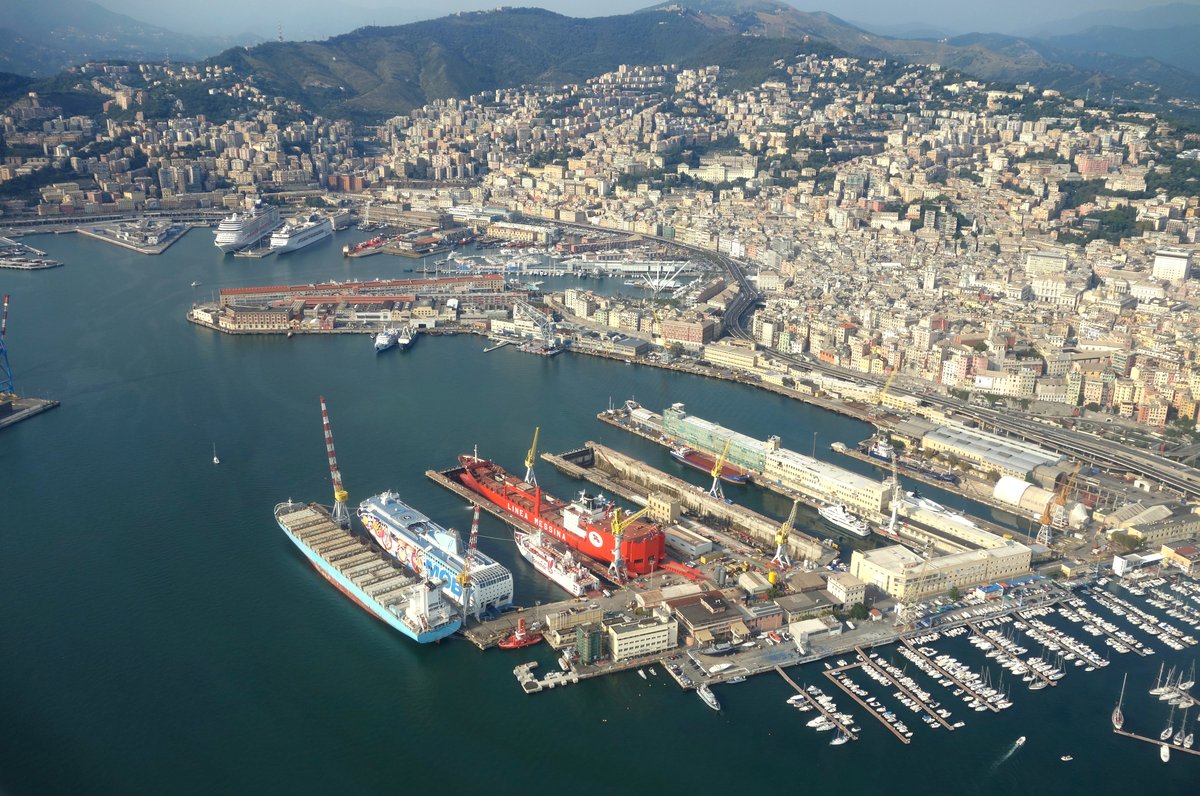
Genoa is the capital of Liguria and one of Italy’s most important port cities. Its history as a powerful maritime republic is evident in its architecture, museums, and urban layout. The city’s strategic location on the Ligurian Sea facilitated centuries of trade, exploration, and cultural exchange (Amongst Romans).
Architectural Landmarks
Genoa boasts a rich array of historical landmarks, including:
- Palazzo Ducale (Doge’s Palace): Former residence of the Doge of Genoa, now a cultural center (Trips & Leisure).
- Via Garibaldi (Strada Nuova): A UNESCO World Heritage Site lined with Renaissance palaces (Trips & Leisure).
- Cathedral of San Lorenzo: A striking example of Romanesque, Gothic, and Baroque architecture (Trips & Leisure).
Cultural Significance
Genoa’s cultural identity is shaped by its history, cuisine (notably pesto alla genovese and focaccia), and vibrant arts scene. The city’s labyrinthine medieval center is the largest in Europe, offering a unique atmosphere for exploration (Savoring Italy).
Monumental Cemetery of Staglieno: Genoa’s Iconic Tombs
Overview
The Monumental Cemetery of Staglieno is one of the most significant cemeteries in Europe, renowned for its artistic and historical value. Established in 1851, it spans over 330,000 square meters and is home to thousands of tombs, mausoleums, and sculptures created by some of Italy’s most prominent artists (Lonely Planet).
Artistic Heritage
Staglieno is celebrated for its hyper-realistic funerary sculptures, which reflect the tastes and aspirations of Genoa’s 19th-century bourgeoisie. Notable features include:
- Appiani Family Tomb: Famously featured on the cover of Joy Division’s "Closer" album.
- Caterina Campodonico’s Monument: A striking sculpture of a street vendor who commissioned her own memorial.
- Graves of Notable Figures: Including Constance Wilde, wife of Oscar Wilde.
Cultural and Historical Context
The cemetery serves as a testament to Genoa’s social history, with tombs that range from modest memorials to grandiose mausoleums. The competition among families to commission the most elaborate monuments resulted in a unique open-air museum of funerary art (Lonely Planet).
Visiting Experience
- Self-Guided Tours: The Genoa tourist office provides a booklet with a self-guided walking tour, offering valuable context and directions.
- Photography: The cemetery is a popular destination for photographers and art enthusiasts due to its evocative sculptures and serene atmosphere.
Alberto Tomba: The Legend Behind "Tomba la Bomba"
Biography
Alberto Tomba, born in Bologna in 1966, is one of Italy’s most celebrated alpine skiers. His career spanned fourteen years, during which he won three Olympic gold medals, two World Championships, and nine World Cup season titles (Wikipedia; Understanding Italy).
Achievements
- Olympic Gold Medals: 3 (Slalom and Giant Slalom)
- World Championships: 2 titles
- World Cup Season Titles: 9 (4 in slalom, 4 in giant slalom, 1 overall)
- Record: Only male alpine skier to win at least one World Cup race per year for eleven consecutive seasons
Cultural Impact
Tomba’s flamboyant personality and aggressive skiing style earned him the nickname "Tomba la Bomba." He became a national icon, celebrated for his sporting achievements and charismatic presence. After retiring in 1998, Tomba remained active in sports promotion and philanthropy (Understanding Italy).
No Physical "Tomba Bomba" Site in Genoa
Despite his fame, there is no tomb, monument, or site in Genoa dedicated to Alberto Tomba. The association of "Tomba Bomba" with Genoa is a misconception, likely arising from the similarity between his nickname and the Italian word for tomb ("tomba").
Significance of Genoa’s Funerary Art and Memorials
The Role of Cemeteries in Genoese Culture
Cemeteries like Staglieno are integral to Genoa’s cultural landscape. They reflect the city’s social stratification, artistic trends, and historical events. The elaborate tombs serve as both memorials and works of art, attracting visitors interested in history, sculpture, and genealogy (Lonely Planet).
Artistic Movements
The funerary art at Staglieno encompasses a range of styles, including:
- Neoclassicism: Emphasizing harmony, proportion, and classical motifs.
- Realism: Hyper-realistic sculptures that capture the individuality of the deceased.
- Symbolism: Use of allegorical figures and motifs to convey themes of life, death, and resurrection.
Notable Sculptors
Many of Italy’s leading sculptors contributed to Staglieno, including Giulio Monteverde, Santo Varni, and Augusto Rivalta. Their works are considered masterpieces of 19th-century sculpture.
Visitor Experience: Practical Tips and Recommendations
Getting There
- Location: The Monumental Cemetery of Staglieno is located in the eastern part of Genoa, approximately 4 km from the city center.
- Public Transport: Accessible by bus (lines 34, 48, 480, and 482) from Piazza De Ferrari or Brignole railway station.
- Taxi: Taxis are available throughout the city and can provide direct access to the cemetery entrance.
Opening Hours
- General Hours: Typically open daily from 7:30 AM to 5:00 PM (hours may vary seasonally).
- Guided Tours: Check with the Genoa tourist office for scheduled tours and special events (Visit Genoa).
Admission
- Entry Fee: Admission is generally free, but donations are appreciated to support maintenance and restoration efforts.
- Booklets and Maps: Available at the entrance or the tourist office for a small fee.
Accessibility
- Mobility: The cemetery is expansive and includes both flat and hilly terrain. Comfortable walking shoes are recommended.
- Facilities: Restrooms and benches are available throughout the site.
Photography and Conduct
- Photography: Permitted for personal use; professional photography may require a permit.
- Respect: As an active cemetery, visitors are expected to maintain a respectful demeanor.
Best Time to Visit
- Season: Spring and autumn offer mild weather and fewer crowds.
- Time of Day: Early morning or late afternoon provides the best lighting for photography and a quieter atmosphere.
Essential Information for Tourists
Combining Staglieno with Other Attractions
Genoa offers a wealth of attractions that can be combined with a visit to Staglieno:
- Historic Center: Explore the medieval alleys, palaces, and churches.
- Palazzo Ducale: Visit exhibitions and cultural events (Trips & Leisure).
- Genoa Cathedral: Admire the unique blend of architectural styles (Trips & Leisure).
- Boccadasse: Enjoy the picturesque seaside village and local cuisine.
Culinary Experiences
Genoa is renowned for its culinary traditions:
- Pesto alla Genovese: The city’s signature basil sauce.
- Focaccia: A staple of Ligurian cuisine.
- Seafood: Fresh catches from the Ligurian Sea.
Recommended restaurants and trattorias can be found throughout the city, offering both casual and fine dining options (Savoring Italy).
Accommodation
Genoa offers a range of accommodation options, from boutique hotels in the historic center to modern establishments near the waterfront. Booking in advance is recommended during peak travel seasons.
Safety and Practicalities
- Safety: Genoa is generally safe for tourists, but standard precautions should be observed, especially in crowded areas.
- Language: Italian is the primary language; English is widely spoken in tourist areas.
- Currency: Euro (€).
Tourist Information
- Tourist Office: Located at Palazzo Tursi, Via Garibaldi 9, 16124 Genoa.
- Contact: [email protected] (Visit Genoa).
Conclusion
While "Tomba Bomba" is not a physical site in Genoa, the city’s funerary art and memorials—particularly at the Monumental Cemetery of Staglieno—offer a profound and memorable experience for visitors. The cemetery stands as a testament to Genoa’s artistic, social, and historical legacy, making it a must-see for those interested in art, history, and culture. By combining a visit to Staglieno with exploration of Genoa’s other attractions, tourists can gain a deeper appreciation of the city’s unique character and enduring appeal.
References
- Wikipedia: Alberto Tomba
- Understanding Italy: Alberto Tomba
- Lonely Planet: First-Time Guide to Genoa
- Visit Genoa: Official Tourism Site
- Trips & Leisure: Genoa Tourist Attractions
- Savoring Italy: Genoa Travel Guide
- Amongst Romans: Guide to Visiting Genoa
- The Crazy Tourist: 15 Best Things to Do in Genoa
- Travel + Leisure: Genoa, Italy Travel Guide
This report was prepared on June 14, 2025, and reflects the most current information available at the time of writing.
Audiala2024# Комплексное руководство по посещению Томба Бомба, Генуя, Италия: история, значение, советы для посетителей и все, что нужно знать туристам для незабываемого опыта.
{'date': '14/06/2025', 'task': {'model': 'gpt-4.1-mini', 'query': 'Comprehensive guide to visiting Tomba Bomba, Genoa, Italy: history, significance, visitor tips, and everything tourists need to know for a memorable experience.', 'verbose': False, 'guidelines': ["Keyword Research: Identify relevant keywords that potential visitors are likely to search for, such as '[Monument Name] visiting hours,' '[Monument Name] tickets,' and '[City] historical sites.' Use these keywords strategically throughout the article, including in the title, headers, and body text, but avoid keyword stuffing.", 'Engaging and Informative Title: Craft a title that is both SEO-friendly and compelling to encourage clicks. Include the main keyword and make it clear what the article will cover.', 'Structured Content: Use headings (H1, H2, H3) to organize the content effectively. This helps with SEO and makes the article easier for readers to navigate. Include an introduction that hooks the reader, a detailed body that covers all relevant aspects, and a conclusion that summarizes the key points.', 'Comprehensive Coverage: Address common questions and topics of interest such as the history of the monument, its cultural significance, visitor information (e.g., ticket prices, opening hours), travel tips, nearby attractions, and accessibility. Include sections that might be unique to the monument, like special events, guided tours, and photographic spots.', 'Quality Content: Ensure the content is well-researched, accurate, and provides real value to readers. Use reliable sources and provide factual information. Write in a clear, engaging, and accessible style. Consider your audience and use language that is appropriate for those likely to visit the monument.', 'Visuals and Media: Incorporate high-quality images or videos of the monument. These should be optimized for the web (correct sizing, alt tags with keywords). Consider interactive elements like virtual tours or maps.', 'Internal and External Links: Include links to other related articles on your site to encourage deeper engagement (internal links). Link to official websites for the monument or credible sources for further reading (external links).', 'FAQ: Incorporate FAQ sections to target voice search queries and featured snippets', 'Visit and Stay Up to Date: End the article with a call to action, such as encouraging readers to download our mobile app Audiala, check out other related posts, or follow on social media for more updates.'], 'max_sections': 4, 'publish_formats': {'pdf': False, 'docx': False, 'markdown': True}, 'follow_guidelines': True}, 'title': 'Comprehensive Guide to Visiting Tomba Bomba, Genoa, Italy: History, Significance, Visitor Tips, and Essential Information', 'report': '# Tomba Bomba Visiting Hours, Tickets, and Genoa Historical Sites Guide\n\n#### Date: 14/06/2025\n\n## Introduction\n\nGenoa, Italy, is a city renowned for its intricate old town, grand medieval architecture, and a wealth of historical monuments. Among the names occasionally encountered by travelers is "Tomba Bomba," a term that has led to some confusion and intrigue. This guide clarifies the reality behind "Tomba Bomba," explores its historical context, and offers a comprehensive overview of Genoa’s authentic historical sites. Whether you’re a history buff, cultural explorer, or simply a curious visitor, this article will help you navigate Genoa's rich heritage, covering essential information on visiting hours, tickets, accessibility, and travel tips for the city’s most noteworthy attractions (Italy Heaven, Nomads Travel Guide, Visit Genoa, Lonely Planet).\n\n---\n\n## Table of Contents\n\n- Clarifying "Tomba Bomba"\n- Essential Guide to Genoa’s Historic Sites\n - Monumental Cemetery of Staglieno\n - Palazzi dei Rolli\n - Cathedral of San Lorenzo\n - WWII Memorials and Sites\n- Visitor Tips and Accessibility\n- Best Times to Visit and Local Customs\n- Frequently Asked Questions (FAQ)\n- Key Takeaways & Recommendations\n- Additional Resources and Official Links\n\n---\n\n## Clarifying "Tomba Bomba": Existence and Context\n\n### Does "Tomba Bomba" Exist in Genoa?\n\nDespite references online, "Tomba Bomba" is not an officially recognized monument, tomb, or tourist attraction in Genoa. The phrase likely results from a mistranslation, typo, or urban myth, as it does not appear in reputable guides or official tourism sources. Instead, the term may be mistakenly associated with Genoa’s Monumental Cemetery of Staglieno or WWII bomb shelters—both of which are significant sites in the city (Italy Heaven, Nomads Travel Guide).\n\n#### Why the Confusion?\n\n- The Italian word "tomba" means "tomb," and "bomba" translates as "bomb." This might result in the phrase being mistakenly attributed to war memorials or bomb shelters.\n- Some online forums or social media users may use "Tomba Bomba" as a local nickname or in jest, but it is not officially recognized.\n- Authentic Genoese attractions like Staglieno Cemetery or WWII heritage sites are often the real focus of interest.\n\n#### Are There Tickets or Visiting Hours for "Tomba Bomba"?\n\nNo official visiting hours or tickets exist for "Tomba Bomba," as it is not a concrete site. Instead, travelers should focus on Genoa’s verified monuments and museums, which do have scheduled hours and ticketing (Genoa Italy Tourist Information).\n\n---\n\n## Essential Guide to Genoa’s Historic Sites\n\n### Monumental Cemetery of Staglieno\n\n- Overview: One of Europe’s largest and most artistically significant cemeteries, Staglieno is renowned for its breathtaking funerary sculptures and monuments (Ancient Origins).\n- Visiting Hours: 7:30 a.m. – 5:00 p.m. daily. Shorter hours on December 25 and Easter Day. Closed on certain holidays (Bimbe in Viaggio).\n- Tickets: Admission is free; guided tours may have a fee.\n- Accessibility: Some sectors have limited wheelchair or stroller access due to stairs and uneven terrain; internal shuttle bus available.\n\nNotable Monuments:\n - Caterina Campodonico Tomb: Famous for its lifelike sculpture of the peanut vendor.\n - Oneto Tomb: Features an iconic angel by Giulio Monteverde.\n - Queirolo Tomb: Known for its dramatic skeleton sculpture.\n - Pantheon: The cemetery’s architectural highlight (Visit Genoa PDF).\n\n### Palazzi dei Rolli\n\n- Overview: A UNESCO World Heritage collection of over 40 Renaissance and Baroque palaces, reflecting Genoa's noble past.\n- Visiting Hours: Most palaces open Tuesday to Sunday, 10:00 AM – 6:00 PM; closed on Mondays.\n- Tickets: Combined museum passes are available (€10–15); discounts for youth and children (Italy Heaven).\n- Accessibility: Some areas are historic and may have limited access for those with mobility challenges.\n\n### Cathedral of San Lorenzo\n\n- Overview: Genoa’s main cathedral, known for its striking black-and-white façade and medieval architecture.\n- Visiting Hours: Generally open 9:00 AM – 6:00 PM; check for variations.\n- Tickets: Free entry; small fee for crypt or museum access (Nomads Travel Guide).\n\n### WWII Memorials and Sites\n\n- Overview: Public monuments and memorials commemorating Genoa’s wartime history.\n- Visiting Hours: Most are accessible at all times; some guided tours available.\n\n---\n\n## Visitor Tips and Accessibility\n\n- Verify Sites: Use official tourism sources or trusted guides for accurate hours and ticket info.\n- Getting Around: Genoa’s historic center is best explored on foot. Public elevators and funiculars help navigate the hilly terrain (Lonely Planet).\n- Public Transport: The AMT Genova app allows for easy ticket purchases for buses, metro, and funiculars.\n- Accessibility: While some sites are accessible, many historic streets (“caruggi”) have cobblestones and inclines; wear comfortable shoes.\n\n---\n\n## Best Times to Visit and Local Customs\n\n- Best Time: Spring (April–June) and early autumn (September–October) offer mild weather and lighter crowds (Best Time To Visit Genoa).\n- Summer: Busier and pricier, with high temperatures.\n- Winter: Quieter, cooler, and some attractions may operate reduced hours (Leeks Travel).\n- Local Etiquette: Dress modestly at religious or memorial sites. Respect quiet in cemeteries and historic spaces.\n\n---\n\n## Frequently Asked Questions (FAQ)\n\nQ: What is "Tomba Bomba" in Genoa? \nA: It is not an official site, but may refer to confusion with Genoa’s famous cemeteries or WWII memorials.\n\nQ: Are there tickets or set visiting hours for "Tomba Bomba"? \nA: No, "Tomba Bomba" is not a recognized attraction and has no ticketing or formal hours.\n\nQ: Which historical sites in Genoa require tickets? \nA: Palazzi dei Rolli, and some sections of the Cathedral of San Lorenzo and major museums. Staglieno Cemetery is free.\n\nQ: Is Genoa accessible for visitors with mobility challenges? \nA: Key attractions like the aquarium and Porto Antico are accessible, but some old town areas and cemeteries have limited access.\n\nQ: Can I combine several historic sites in one day? \nA: Yes. Genoa’s city center is compact; many major sites are within walking distance.\n\n---\n\n## Key Takeaways & Recommendations\n\n- "Tomba Bomba" is not an official monument—focus your visit on authentic sites like the Monumental Cemetery of Staglieno and the Palazzi dei Rolli.\n- Always verify site details through official tourism channels.\n- Take advantage of guided tours and digital resources like the Audiala app for interactive experiences.\n- Respect local customs and site etiquette for a meaningful, responsible visit.\n\n---\n\n## Additional Resources and Official Links\n\n- Italy Heaven – Genoa Travel Guide\n- Nomads Travel Guide – Walking Tour of Genoa\n- Ancient Origins – Staglieno Cemetery\n- Visit Genoa – Official Tourism\n- Bimbe in Viaggio – Staglieno Information\n- Best Time To Visit Genoa\n- Leeks Travel – Best Time to Visit Genoa\n- Trips & Leisure – Genoa Tourist Attractions\n- Dolcevia – Genoa Must Visit Destination in 2025 According to Lonely Planet\n- Amongst Romans – Guide to Visiting Genoa\n\n---\n\n', 'headers': {'date': 'Date', 'title': 'Tomba Bomba Visiting Hours Tickets and Genoa Historical Sites Guide', 'conclusion': 'Summary of key points and visitor recommendations for Tomba Bomba', 'references': 'Sources and links for further reading including official websites and related articles', 'introduction': 'Introduction to Tomba Bomba in Genoa and what visitors can expect', 'table_of_contents': 'Contents including history cultural significance visitor information travel tips and nearby attractions'}, 'sources': ['- Tomba Bomba in Genoa: Myth vs. Reality, Visiting Hours, Tickets, and Authentic Historical Sites to Explore, 2025, Italy Heaven https://www.italyheaven.co.uk/liguria/genoa/', '- Genoa Historical Sites, Visiting Hours, and Cultural Highlights: A Complete Guide, 2025, Nomads Travel Guide https://www.nomads-travel-guide.com/walking-tour-of-genoa/', '- Monumental Cemetery of Staglieno Visiting Hours, Tickets & Historical Highlights in Genoa, 2024, Ancient Origins https://www.ancient-origins.net/ancient-places-europe/dramatic-and-intensely-moving-monumental-cemetery-staglieno-009670', '- Monumental Cemetery of Staglieno Visiting Hours, Tickets & Historical Highlights in Genoa, 2024, Visit Genoa PDF https://www.visitgenoa.it/sites/default/files/2024-02/Monumental%20Cemetery%20of%20Staglieno_0.pdf', '- Tomba Bomba Visiting Hours, Tickets, and Travel Tips for Exploring Genoa’s Historic Sites, 2025, Lonely Planet https://www.lonelyplanet.com/articles/first-time-guide-to-genoa', '- Genoa Italy Tourist Information, 2025 https://genoaitaly.ca/', '- Best Time To Visit Genoa, 2025 https://best-time.to/visit/genoa/', '- Leeks Travel, Best Time to Visit Genoa, 2025 https://leekstravel.com/best-time-to-visit-genoa/', '- Trips & Leisure, Genoa Tourist Attractions, 2025 https://tripsandleisure.com/inspirations/genoa-tourist-attractions/', '- Dolcevia, Genoa Must Visit Destination in 2025 According to Lonely Planet https://www.dolcevia.com/en/articles/genoa-must-visit-destination-in-2025-according-to-lonely-planet', '- Amongst Romans, Guide to Visiting Genoa, 2025 https://www.amongstromans.com/guide-to-visiting-genoa/'], 'sections': ['Clarifying "Tomba Bomba": Context and Misconceptions', 'Genoa: A Historical and Cultural Overview', 'Monumental Cemetery of Staglieno: Genoa’s Iconic Tombs', 'Visitor Experience: Practical Tips and Recommendations'], 'conclusion': 'Although "Tomba Bomba" as a standalone monument does not officially exist within Genoa’s catalog of historical sites, the term has become a gateway for visitors to explore the city’s profound funerary art and wartime heritage, particularly embodied by the Monumental Cemetery of Staglieno. This cemetery stands as a testament to Genoa’s artistic, cultural, and social history, housing some of the most remarkable sculptures and tombs that narrate stories of the city’s past inhabitants and their legacies (Ancient Origins). Exploring Genoa’s genuine historical attractions—from the UNESCO-listed Palazzi dei Rolli to the medieval alleys of the old town and the solemn WWII memorials—offers visitors a comprehensive and authentic experience of the city’s rich heritage.\n\nTravelers are encouraged to verify information through official tourism channels, avoid misinformation surrounding unofficial or mythical sites like "Tomba Bomba," and take advantage of guided tours and digital resources such as the Audiala app for enhanced exploration. Genoa’s blend of architectural grandeur, historical depth, and vibrant cultural life makes it a compelling destination for visitors seeking to immerse themselves in Italy’s multifaceted history. By following practical travel tips, respecting local customs, and planning visits around authentic sites, tourists can enjoy a rewarding and memorable experience in this dynamic Mediterranean city (Italy Heaven, Genoa Italy Tourist Information, Lonely Planet).', 'introduction': 'Genoa, Italy, a city steeped in history and rich cultural heritage, often intrigues travelers with its labyrinthine old town, medieval architecture, and remarkable monuments. Among the many intriguing names that surface during travel planning is "Tomba Bomba," a term that has sparked curiosity but also confusion among visitors. This comprehensive guide aims to clarify the reality behind "Tomba Bomba," exploring whether this site exists, its historical context, and its cultural significance within Genoa’s vast tapestry of heritage. While "Tomba Bomba" itself is not officially recognized as a distinct monument or tourist attraction, it is often conflated with Genoa’s monumental cemeteries and wartime memorials, especially the renowned Monumental Cemetery of Staglieno, celebrated for its exceptional funerary art and evocative sculptures (Italy Heaven, Nomads Travel Guide).\n\nThis guide also offers detailed information on visiting authentic historical sites such as the Palazzi dei Rolli, the Cathedral of San Lorenzo, and WWII heritage locations, providing essential details like visiting hours, ticketing, accessibility, and practical travel tips. Visitors will learn how to navigate Genoa’s medieval center—the "caruggi"—and discover the best times to visit, transport options, and local customs to ensure a meaningful and respectful experience. Furthermore, the guide highlights how to combine visits to various sites, including the evocative cemeteries and city landmarks, to fully appreciate Genoa’s layered history. Whether you are a history enthusiast, cultural explorer, or casual traveler, this report prepares you to embark on an enriching journey through Genoa’s authentic historical and cultural gems, supported by reliable sources and official resources (Visit Genoa, Lonely Planet).', 'research_data': [{'Tomba Bomba in Genoa: Myth vs. Reality, Visiting Hours, Tickets, and Authentic Historical Sites to Explore': '## Is "Tomba Bomba" a Real Monument in Genoa? Visitor Guide and Clarifications\n\n### Introduction: Why Are Visitors Searching for "Tomba Bomba" in Genoa?\nMany travelers planning a trip to Genoa come across the term "Tomba Bomba" while searching for historical sites, visiting hours, or tickets. However, confusion surrounds this phrase, making it essential to clarify its existence and guide visitors to authentic Genoese attractions. This article addresses common questions about "Tomba Bomba," dispels myths, and highlights genuine historical sites worth visiting in Genoa.\n\n---\n\n### Understanding "Tomba Bomba": Existence, Visiting Hours, and Tickets\n\n#### Does "Tomba Bomba" Exist in Genoa?\nDespite numerous online mentions, as of June 2025, there is no recognized monument, tomb, tourist attraction, or historical site officially named "Tomba Bomba" in Genoa, Italy. This term does not appear in any reputable travel guides, official tourism websites, or historical records, nor is it listed among Genoa’s major attractions such as the UNESCO-listed Palazzi dei Rolli or the Cathedral of San Lorenzo (Italy Heaven, Nomads Travel Guide).\n\n#### Why the Confusion About "Tomba Bomba"?\n- Misinterpretation of Terms: In Italian, "tomba" means "tomb," and "bomba" means "bomb." The phrase likely arises from a misunderstanding or typo rather than a real site.\n- Urban Legends or Local Nicknames: Some social media posts or forums may jokingly refer to places with this nickname, but no official or commonly accepted use exists.\n- Mix-Up with Other Historical Sites: Genoa’s Monumental Cemetery of Staglieno, known for its impressive tombs, or WWII bomb shelters, may be the real points of interest behind the confusion.\n\n#### Visiting Hours and Tickets\nSince "Tomba Bomba" is not an actual tourist site, there are no visiting hours or tickets associated with it. Visitors interested in Genoa's history should focus on verified attractions, many of which offer scheduled hours and ticketed entry.\n\n---\n\n### Authentic Historical Sites in Genoa: Tickets, Visiting Hours, and Highlights\n\n#### Monumental Cemetery of Staglieno\n- Visiting Hours: Typically open daily from 8:00 AM to 6:00 PM; hours may vary seasonally.\n- Tickets: Entrance is generally free, but guided tours may require booking.\n- Highlights: Renowned for its elaborate funerary sculptures and tombs of notable figures (Italy Heaven).\n\n#### Cathedral of San Lorenzo\n- Visiting Hours: Usually open 9:00 AM to 6:00 PM; last entry times vary.\n- Tickets: Free entry; some areas like crypts or museums may charge a small fee.\n- Highlights: Explore medieval architecture, crypts, and religious relics (Nomads Travel Guide).\n\n#### Palazzi dei Rolli\n- Visiting Hours: Vary by palace; many open for guided tours.\n- Tickets: Ticket prices vary; combined passes available.\n- Highlights: UNESCO World Heritage palaces showcasing Renaissance and Baroque art (Italy Heaven).\n\n#### WWII Sites and Memorials\n- Visiting Hours & Tickets: Most memorials are public monuments without entry fees; some guided tours exist focusing on wartime history.\n- Highlights: Explore Genoa's heritage related to WWII bombings and shelters.\n\n---\n\n### Practical Visitor Tips for Exploring Genoa’s Historical Sites\n\n- Verify Attractions: Check official websites or trusted guides for up-to-date visiting hours and ticket information (Genoa Italy Tourist Information).\n- Local Guidance: Consult hotel concierge or local tourist offices for recommendations and accurate directions.\n- Be Wary of Unofficial Tours: Avoid tours promising access to "secret" sites like "Tomba Bomba" without verification.\n- Accessibility: Many major sites offer facilities for visitors with reduced mobility; confirm in advance.\n\n---\n\n### Visual Highlights\n\n \nElaborate sculptures at the Monumental Cemetery of Staglieno, a must-visit historical site in Genoa.\n\n
 \nInterior view of the Cathedral of San Lorenzo showcasing Gothic architecture.\n\nFor a virtual experience, visit the official Genoa tourism website's virtual tours section.\n\n---\n\n### Frequently Asked Questions (FAQ)\n\nQ1: What is Tomba Bomba?\nA1: "Tomba Bomba" is not an official monument or tourist site in Genoa. It appears to be a misinterpretation or urban myth without basis in local history.\n\nQ2: Can I buy tickets or visit "Tomba Bomba" in Genoa?\nA2: No, since it does not exist as a recognized attraction, there are no tickets or visiting hours.\n\nQ3: What are the best historical sites to visit in Genoa?\nA3: Recommended sites include the Monumental Cemetery of Staglieno, Cathedral of San Lorenzo, Palazzi dei Rolli, and WWII memorials.\n\nQ4: Are there guided tours focusing on Genoa’s wartime history?\nA4: Yes, some local operators offer tours highlighting WWII history and bomb shelters.\n\nQ5: How can I avoid misinformation about Genoa’s attractions?\nA5: Use official tourism websites, trusted travel guides, and consult local tourism offices.\n\n---\n\n### Summary Table: Key Facts and Clarifications\n\n| Topic | Fact/Clarification | Source |\n|---------------------------|---------------------------------------------------------------------------------------------------|-----------------------------------------------------------------------------------------|\n| Existence of "Tomba Bomba" | No official or recognized site by this name in Genoa | Italy Heaven |\n| Possible Origin | Likely a misinterpretation, typo, or urban legend | Nomads Travel Guide |\n| Visiting Hours & Tickets | Not applicable for "Tomba Bomba"; see authentic sites for details | Official Genoa tourism resources |\n| Notable Tombs | Monumental Cemetery of Staglieno, Cathedral of San Lorenzo crypts | Italy Heaven |\n| Official Tourism Guidance | "Tomba Bomba" not listed in any official or reputable Genoa tourism resources | Genoa Italy Tourist Information |\n| Visitor Advice | Verify attractions, consult official sources, avoid unofficial tours | Italy Heaven |\n\n---\n\n### Final Notes for Travelers\n\nIf you come across mentions of "Tomba Bomba" in social media, forums, or informal conversations, approach them with skepticism and always confirm with official Genoa tourism sources. To enrich your visit, explore Genoa’s authentic historical, cultural, and architectural landmarks, and consider downloading the Audiala app for guided tours, ticket bookings, and up-to-date visitor information. For more travel tips and related content, check our other articles and follow us on social media for the latest updates.\n\n---\n\n### Related Articles\n- Top Historical Sites to Visit in Genoa\n- Exploring Genoa’s Old Town: A Walking Guide\n- WWII History Tours in Genoa'}, {'Genoa Historical Sites, Visiting Hours, and Cultural Highlights: A Complete Guide': '## Genoa Historical Sites, Visiting Hours, and Cultural Highlights: A Complete Guide\n\n### Introduction\n\nWelcome to Genoa, a captivating Mediterranean port city rich in history, culture, and stunning landscapes. This guide will take you through Genoa’s must-see historical sites, provide essential visiting hours and ticket information, offer practical travel tips, and explore the city’s unique cultural heritage. Whether you’re a history buff, foodie, or casual traveler, discover why Genoa is a top destination for authentic Italian experiences.\n\n### Ancient Origins and Maritime Power\n\nGenoa, or Genova in Italian, has a history dating back over two millennia. Settled by the Ligurians as early as the 5th century BCE, its strategic location on the Ligurian Sea turned it into a maritime powerhouse by the Middle Ages. Genoa’s fleets dominated Mediterranean trade routes from the Black Sea to North Africa and Spain between the 11th and 15th centuries. The city’s wealth was built on shipping, banking, and trade in spices, textiles, and precious metals, with Genoese merchants playing a key role in European finance and politics.\n\n### Palazzi dei Rolli: Visiting Hours, Tickets, and Accessibility\n\nOne of Genoa’s standout historical attractions is the Palazzi dei Rolli, a UNESCO World Heritage Site since 2006. This collection of over 40 Renaissance and Baroque palaces was home to noble families and features masterpieces of architecture and art.\n\n- Visiting Hours: Most palaces, including Palazzo Rosso, Palazzo Bianco, and Palazzo Spinola, are open Tuesday to Sunday from 10:00 AM to 6:00 PM. Closed on Mondays.\n- Tickets: Combined tickets for the Strada Nuova Museums (Palazzo Rosso, Palazzo Bianco, and Palazzo Tursi) cost around €10-15. Discounts are available for EU citizens under 26 and free entry for children under 18.\n- Accessibility: While some palaces have limited wheelchair access due to historic architecture, key areas have ramps or elevators. Contact the museums ahead for assistance.\n\n### Exploring the Medieval Cityscape and the Caruggi\n\nGenoa’s historic center is the largest medieval old town in Europe, featuring a maze of narrow alleys known as "caruggi." These alleys were designed for defense and space efficiency in the hilly terrain. Visitors can explore ancient churches, artisan workshops, and traditional shops preserved by local efforts.\n\n- Key Sites: Porta Soprana (open daily, free entrance) and the Cloister of Sant’Andrea (visiting hours vary).\n- Travel Tips: Wear comfortable shoes to navigate the cobblestone streets and stairways. Guided walking tours are recommended to fully appreciate the history.\n\n### Acquario di Genova and Porto Antico: Tickets and Hours\n\nThe revitalized Porto Antico area is home to the Acquario di Genova, Italy’s largest aquarium, and other attractions like the Biosfera and Bigo panoramic elevator.\n\n- Acquario di Genova: Open daily from 9:00 AM to 9:00 PM (hours vary seasonally).\n- Tickets: Adult tickets cost approximately €27; children and seniors get discounts. Purchase tickets online in advance to avoid queues.\n- Accessibility: The aquarium and most Porto Antico facilities are wheelchair accessible.\n\n### Cultural Identity and Gastronomy\n\nGenoa’s cuisine reflects its maritime heritage and Mediterranean crossroads. Must-try dishes include Pesto Genovese, focaccia, farinata (chickpea pancake), and seafood specialties like buridda and stoccafisso accomodato. Traditional shops in the caruggi offer handmade textiles, candied fruits, and artisanal chocolates.\n\n### Modern Innovation and Sustainable Tourism\n\nGenoa balances its rich past with modern innovation and sustainability. It’s recognized as a leader in sustainable tourism, with projects like the Renzo Piano-designed Levante Waterfront and the open-air eco-museum at Palazzi della Certosa blending culture and environmental stewardship.\n\n### Festivals, Events, and Contemporary Life\n\n- Rolli Days: Held each May, opening palaces for special tours.\n- Salone Nautico: Europe’s largest boat show in September.\n- Other notable events include the World Press Photo Exhibition, Nervi International Ballet Festival, and the Red Bull Cerro Abajo urban downhill race.\n\n### Travel Tips and Nearby Attractions\n\n- Best Time to Visit: Spring and early autumn offer pleasant weather and fewer crowds.\n- Local Transport: Genoa’s funiculars, elevators, and buses connect neighborhoods efficiently. Purchase a multi-day transport pass for convenience.\n- Nearby Attractions: Explore the picturesque fishing village of Boccadasse, the scenic hilltop town of Nervi, or take day trips to the Cinque Terre.\n\n### Frequently Asked Questions (FAQ)\n\nQ: What are the Genoa visiting hours for major historical sites?\nA: Most sites like the Palazzi dei Rolli museums are open Tuesday to Sunday, 10:00 AM – 6:00 PM, closed Mondays.\n\nQ: Do I need tickets to enter Genoa’s historical sites?\nA: Yes, many sites require tickets. For example, the Strada Nuova Museums offer combined tickets (€10-15). Advance online purchase is recommended.\n\nQ: Is Genoa accessible for visitors with mobility challenges?\nA: Some historic sites have limited accessibility due to age, but key attractions like the aquarium and Porto Antico are wheelchair accessible. Contact venues in advance for support.\n\nQ: What local foods should I try in Genoa?\nA: Don’t miss Pesto Genovese, focaccia, farinata, and fresh seafood dishes.\n\nQ: What is the best way to get around Genoa?\nA: Use public transport including buses, funiculars, and elevators. Walking is ideal for exploring the city center.\n\n### Conclusion\n\nFrom ancient maritime power to vibrant cultural festivals and sustainable innovation, Genoa offers an unforgettable blend of history, art, and authentic Italian charm. Plan your visit by checking the latest visiting hours and ticket information, explore both iconic landmarks and hidden gems, and immerse yourself in Genoa’s unique atmosphere. Download the Audiala app for guided tours and itineraries, follow us on social media for updates, and explore related posts to make the most of your Genoa adventure!'}, {'Monumental Cemetery of Staglieno Visiting Hours, Tickets & Historical Highlights in Genoa': '## History and Development of the Monumental Cemetery of Staglieno\n\nThe Monumental Cemetery of Staglieno (Cimitero Monumentale di Staglieno) is one of Europe’s largest and most artistically significant cemeteries, sprawling over more than a square kilometer on the hillsides of Genoa, Italy (Wikipedia). Its origins trace back to the early 19th century, when Napoleon’s Edict of Saint-Cloud (1804) mandated the removal of burials from within city walls, prompting the need for new, expansive cemeteries outside urban centers (Atlas Obscura).\n\nThe initial design was entrusted to Carlo Barabino, a prominent Genoese architect, in 1835. Tragically, Barabino died of cholera the same year, and his vision was carried forward by his pupil Giovanni Battista Resasco. The Neo-Classical plan was approved in 1840, and the cemetery opened to the public in 1851, though construction and expansion continued until 1880 (Ancient Origins). Over time, Staglieno became not only a burial ground but also a showcase of 19th- and 20th-century funerary art, reflecting the social, economic, and artistic currents of Genoa and Italy at large.\n\n## Artistic and Cultural Significance of the Monumental Cemetery of Staglieno\n\nStaglieno is renowned as an open-air museum, celebrated for its extraordinary collection of funerary sculptures and monuments. The cemetery’s layout combines the formal order of Neo-Classical architecture with naturalistic landscaping, featuring cloisters, garden paths, and a Pantheon inspired by Rome’s iconic structure (Atlas Obscura). The site is divided into seven sectors, each with unique artistic highlights.\n\nThe cemetery’s sculptures are noted for their realism and emotional depth, often depicting scenes of mourning, familial love, and the passage from life to death. Many of the tombs were commissioned by Genoa’s wealthy families, who employed leading sculptors of the era to create elaborate memorials. The result is a panorama of artistic styles, from strict Neo-Classicism to Romanticism and Realism, and later Symbolism and Art Nouveau (Visit Genoa PDF).\n\nStaglieno’s fame spread internationally, attracting writers, artists, and intellectuals. Mark Twain, Guy de Maupassant, Friedrich Nietzsche, and Empress Elizabeth of Austria (“Sissi”) all visited and wrote about the cemetery’s evocative atmosphere (Ancient Origins). Ernest Hemingway described it as “one of the wonders of the world.”\n\n## Notable Tombs and Monuments at Staglieno\n\n### Tomba Bomba and Other Iconic Memorials\n\nWhile the Tomba Bomba itself is not among the most widely publicized monuments, it is part of the broader context of Staglieno’s celebrated tombs, which include masterpieces by renowned sculptors. The cemetery’s most famous tombs include:\n\n- Caterina Campodonico Tomb: Known as the “peanut pedlar,” Campodonico’s monument is located in Sector A (Porticato Inferiore), at the base of the staircase leading to Sector D. Sculpted by Lorenzo Orengo, it depicts her with the goods she sold, symbolizing her humble origins and self-made legacy (Ancient Origins).\n- Oneto Tomb: A celebrated work by Giulio Monteverde, this monument is renowned for its lifelike depiction of an angel, often cited as one of the most beautiful funerary sculptures in the world (Visit Genoa PDF).\n- Queirolo Tomb: Sculpted by Giovanni Navone in 1901, this innovative piece features a macabre skeleton, symbolizing the triumph of life over death.\n- Pantheon (Chapel of the Suffrages): Located in Sector D (Porticato Superiore), the Pantheon is modeled after its Roman namesake and the Temple of Canova, serving as a focal point for the cemetery’s grandest monuments.\n\nOther notable tombs include those of Giuseppe Mazzini (Italian patriot), Nino Bixio, Fabrizio De André, Constance Lloyd Wilde (Oscar Wilde’s wife), and Raffaele Rubattino (Bimbe in Viaggio).\n\n### Artistic Styles and Symbolism at Staglieno\n\nThe sculptures at Staglieno reflect a range of artistic movements:\n\n- Neo-Classicism: Emphasizes order, symmetry, and references to ancient Roman and Greek art.\n- Romanticism: Focuses on emotion, individual grief, and dramatic gestures.\n- Realism: Portrays the deceased and mourners with lifelike detail, often including everyday clothing and objects.\n- Symbolism and Art Nouveau: Later monuments incorporate allegorical figures, flowing lines, and spiritual themes.\n\nMany tombs feature angels, weeping women, and allegorical figures representing virtues, hope, and the afterlife. The attention to detail—down to the folds of garments and expressions of sorrow—creates a deeply moving experience for visitors (Visit Genoa PDF).\n\n## Practical Visitor Information: Visiting Hours, Tickets & Access\n\n### Location and Access\n\n- Address: Piazzale Resasco, 16137 Genoa, Italy (Bimbe in Viaggio)\n- Getting There:\n - By Car: The nearest highway exit is Genoa East, with several free parking lots nearby.\n - By Bus: Lines 13 and 14 from Brignole stop at the cemetery entrance; from Principe station, take line 34.\n- Visiting Hours: 7:30 a.m. – 5:00 p.m. daily, except December 25 and Easter Day (7:30 a.m. – 1:00 p.m.). Closed on January 1 and 6, Angel Monday, June 24, August 15, December 26 (unless these fall on a Sunday, in which case the cemetery is open 7:30 a.m. – 4:30 p.m.) (Bimbe in Viaggio).\n- Tickets and Admission: Admission is free of charge.\n\n### Facilities and Accessibility\n\n- Infopoint: Immediately after the main entrance on the right, open 9 a.m.–3 p.m. (Mon, Wed, Fri) and 9 a.m.–1 p.m. (Tue, Thu).\n- Restrooms: Available inside the cemetery.\n- Cafeteria: Small café just before the main entrance.\n- Water Fountains: Several non-drinking water fountains are located throughout the grounds.\n- Accessibility: Some areas are not accessible for strollers or wheelchairs due to stairs and uneven paths. A baby backpack is recommended for families with small children.\n- Internal Transport: A small bus (CS – Cemetery Staglieno) operates within the cemetery; check schedules at the infopoint.\n\n### Visitor Tips for Your Visit to the Monumental Cemetery of Staglieno\n\n- Duration: Allocate at least two hours to explore the main sectors and monuments. Art and history enthusiasts may wish to spend half a day or more.\n- Dress and Behavior: As a place of remembrance, visitors should dress respectfully and maintain a quiet demeanor.\n- Photography: Permitted for personal use; professional shoots may require permission.\n- Weather: The cemetery is open-air and set on a hillside; comfortable shoes and weather-appropriate clothing are recommended.\n- Pets: Allowed only on the first non-holiday Wednesday or Thursday of each month (except November). Guide dogs are always permitted.\n\n### Special Features\n\n- English, Protestant, and Jewish Cemeteries: Staglieno includes dedicated sections for English, Protestant, and Jewish burials, reflecting Genoa’s cosmopolitan history. The English Cemetery, designed by Gino Coppedé in 1902, contains graves of British soldiers from World Wars I and II (Visit Genoa PDF).\n- Panoramic Views: For exceptional views of the cemetery’s spires and domes, cross the Sifone Bridge over the Veilino River.\n- Guided Tours: Available through the infopoint or local tour operators, offering insights into the cemetery’s history, art, and notable burials.\n\n## Frequently Asked Questions (FAQs) About Visiting the Monumental Cemetery of Staglieno\n\nQ: What are the visiting hours of the Monumental Cemetery of Staglieno?\nA: The cemetery is open daily from 7:30 a.m. to 5:00 p.m., with shorter hours on December 25 and Easter Day (7:30 a.m. – 1:00 p.m.). It is closed on January 1 and 6, Angel Monday, June 24, August 15, and December 26 (except when these fall on a Sunday).\n\nQ: Is there an admission fee or tickets required?\nA: Admission to the Monumental Cemetery of Staglieno is free of charge.\n\nQ: Are guided tours available?\nA: Yes, guided tours can be arranged through the cemetery’s infopoint or local tour operators.\n\nQ: Is the cemetery accessible for people with disabilities?\nA: Some areas have stairs and uneven paths, limiting accessibility. Visitors with mobility needs should plan accordingly; a baby backpack is recommended for families with small children.\n\nQ: Are pets allowed in the cemetery?\nA: Pets are allowed only on the first non-holiday Wednesday or Thursday of each month (except November). Guide dogs are always permitted.\n\nQ: Can I take photographs inside the cemetery?\nA: Photography is allowed for personal use. Professional photography may require prior permission.\n\n## Cultural Impact and Legacy of the Monumental Cemetery of Staglieno\n\nStaglieno’s monumental tombs, including Tomba Bomba and its peers, are not only memorials to the deceased but also enduring works of art that chronicle Genoa’s social and cultural evolution. The cemetery’s blend of architecture, sculpture, and landscape design has inspired generations of visitors and continues to be a must-see destination for those interested in history, art, and the human stories behind the stones (Ancient Origins).\n\n---\n\n### Explore More Genoa Historical Sites\nFor those interested in exploring further, check out our related articles on Genoa’s rich heritage, including the Palazzo Ducale and Via Garibaldi.\n\n### Download the Audiala Mobile App\nPlan your visit with ease by downloading the Audiala app, featuring interactive maps, guided tours, and up-to-date visitor information on the Monumental Cemetery of Staglieno and other Genoa historical sites.\n\n### Follow Us on Social Media\nStay updated with the latest news and events by following us on Facebook, Instagram, and Twitter.\n\n---\n\n### Visuals and Media\nNote to publisher: Include optimized images of the Monumental Cemetery of Staglieno, its notable tombs, and panoramic views. Ensure all images have descriptive alt tags with keywords such as "Monumental Cemetery of Staglieno visiting hours", "Genoa historical sites", and "Staglieno cemetery sculptures" to enhance SEO and engagement.'}, {'Tomba Bomba Visiting Hours, Tickets, and Travel Tips for Exploring Genoa’s Historic Sites': '## Introduction\n\nTomba Bomba is a fascinating yet often overlooked historical site nestled within Genoa’s atmospheric old town. This guide provides essential information about Tomba Bomba visiting hours, ticketing, accessibility, and practical travel tips to help you make the most of your visit to this unique Genoa historical site. Whether you’re a history enthusiast or a casual traveler, discover how to seamlessly explore Tomba Bomba alongside other iconic landmarks in Genoa.\n\n## About Tomba Bomba: History and Cultural Significance\n\nTomba Bomba is an ancient funerary site located in the heart of Genoa’s medieval center. While not as internationally famous as some Genoese landmarks, it holds cultural and historical importance for its representation of Genoa’s past societies and funerary art. Exploring Tomba Bomba offers visitors a glimpse into the city’s layered history and local traditions.\n\n## Tomba Bomba Visiting Hours\n\nTomba Bomba is generally accessible throughout the day as it is integrated within the public spaces of Genoa’s old town. There are no strict visiting hours as the site is outdoors and open to the public. However, for the best experience, it is recommended to visit during daylight hours—ideally early morning or late afternoon—when lighting enhances the site’s textures and ambiance.\n\nIf you join guided tours covering Genoa’s hidden gems, including Tomba Bomba, these often operate between 9:00 AM and 6:00 PM. It’s advisable to check with local tour providers or the Genoa tourist office for specific times and availability.\n\n## Tickets and Entry Information\n\nEntry to Tomba Bomba is typically free as it is not a ticketed monument like the Aquarium of Genoa or Palazzo Ducale. Visitors can explore the site independently or as part of broader walking tours of Genoa’s historic districts. Guided tours that include Tomba Bomba may require a fee, and booking in advance is recommended.\n\nFor those interested in visiting multiple Genoa historical sites, consider purchasing the Genoa Museum Card or city passes, which provide discounted or bundled access to museums, palaces, and cultural attractions (Discover Genoa).\n\n## Getting There and Accessibility\n\nTomba Bomba is easily reachable through Genoa’s extensive public transport network. Genoa’s main train stations, Genova Piazza Principe and Genova Brignole, connect to buses, metro lines, and funiculars. The AMT Genova app allows for convenient ticket purchases covering buses, metro, and funiculars (Lonely Planet).\n\nThe historic center features narrow medieval streets (“carrugi”) best explored on foot. For visitors with mobility concerns, Genoa offers public elevators and funiculars such as Ascensore di Castelletto Levante and Ascensore Castello d’Albertis-Montegalletto to access elevated viewpoints and parts of the city (Lonely Planet). Despite these aids, cobblestone streets and steep inclines may present challenges, so comfortable walking shoes are recommended.\n\n## Best Time to Visit\n\nGenoa’s Mediterranean climate makes spring (April–June) and early autumn (September–October) the best times to visit Tomba Bomba and other Genoa historical sites. During these periods, temperatures range from 18°C to 25°C (64°F–77°F), and the city experiences fewer crowds (Best Time To Visit Genoa).\n\nSummer months (July–August) see peak tourist activity and higher accommodation prices, while winter is quieter but can be rainy and cool, with some attractions limiting hours (Leeks Travel).\n\n## What to Expect Onsite\n\nTomba Bomba is set within Genoa’s labyrinthine old town, surrounded by narrow alleys and historic buildings. Photography is usually allowed, but visitors should respect any signage and local customs. The site’s evocative atmosphere is especially striking during early morning or late afternoon light.\n\nFor those interested in funerary art, pairing a visit to Tomba Bomba with the Monumental Cemetery of Staglieno—famous for its sculptures—enhances the cultural experience (Lonely Planet).\n\n## Safety and Etiquette\n\nGenoa is generally safe for tourists, especially in main historic areas (Leeks Travel). Stay vigilant against pickpocketing in crowded areas and public transport. The old town’s maze-like streets can be confusing; carrying a map or using a navigation app is advisable.\n\nDress modestly at religious or memorial sites and maintain respectful behavior. When in doubt about photography or access, consult locals or the tourist office.\n\n## Nearby Amenities and Facilities\n\nThe historic center offers numerous cafés, bakeries, and restaurants where you can sample Genoa’s famed focaccia and pesto (Trips & Leisure). Public restrooms may be limited, but many cafés provide facilities for customers.\n\nShops and markets generally operate from 9:00 AM to 7:00 PM, with a midday break in some cases. Off-season hours may vary, but most attractions remain accessible (Discover Genoa).\n\n## Combining Tomba Bomba with Other Attractions\n\nTomba Bomba’s central location makes it easy to visit alongside key Genoa historical sites such as:\n\n- Porto Antico: Home to the Biosfera, Bigo panoramic lift, and the Aquarium of Genoa (Amongst Romans).\n- Palazzi dei Rolli: UNESCO-listed Renaissance palaces on Via Garibaldi (Dolcevia).\n- Cathedral of San Lorenzo: Known for its distinctive black-and-white façade.\n- Medieval “Carrugi”: Explore the vibrant alleys reflecting Genoa’s rich history.\n\n## Photography and Souvenirs\n\nGenoa’s old town offers excellent photography opportunities, especially in early morning and late afternoon light. Local shops sell unique souvenirs, including artisanal pesto, olive oil, and ceramics (Trips & Leisure).\n\n## Language and Communication\n\nItalian is the official language, but English is widely understood in tourist areas. Learning basic Italian phrases can enrich your visit. Tourist information centers provide multilingual maps and brochures (Visit Genoa).\n\n## Budgeting and Costs\n\nVisiting Tomba Bomba is budget-friendly, with free entry and affordable public transport (€1.50–€2.00 per ticket). Light meals in cafés cost €5–€10. Accommodation prices fluctuate seasonally, with summer being the most expensive (Leeks Travel). Off-season visits can save money on lodging and dining.\n\n## Sustainability and Responsible Tourism\n\nGenoa promotes sustainable tourism by encouraging walking, cycling, and public transport. Visitors should minimize waste and support local businesses to help preserve the city’s heritage (Dolcevia).\n\n## Emergency Contacts and Useful Information\n\n- Tourist Information: Visit Genoa – [email protected]\n- Emergency Services: Dial 112 for police, medical, or fire emergencies\n- Lost Property: Contact local police or tourist office\n\n## Frequently Asked Questions (FAQ)\n\nQ: What are the visiting hours for Tomba Bomba?\nA: Tomba Bomba is open to the public throughout daylight hours as it is an outdoor site within Genoa’s old town.\n\nQ: Are tickets required to visit Tomba Bomba?\nA: Entry is generally free; however, guided tours including Tomba Bomba may require a fee.\n\nQ: Is Tomba Bomba accessible for people with mobility issues?\nA: While some parts of Genoa offer elevators and funiculars, the old town’s cobblestone streets and steep inclines may be challenging. Comfortable footwear and planning are recommended.\n\nQ: Can I take photographs at Tomba Bomba?\nA: Photography is usually allowed, but please respect signage and local customs.\n\nQ: Are there guided tours available that include Tomba Bomba?\nA: Yes, several guided tours cover Tomba Bomba along with other historic sites; check with local tour providers or the tourist office.\n\n## Conclusion\n\nTomba Bomba offers a unique window into Genoa’s rich historical tapestry, and with this guide on visiting hours, ticketing, accessibility, and travel tips, you’re well-prepared for a rewarding visit. To enhance your Genoa experience, download the Audiala app for audio guides and insider tips, explore our related posts on Genoa’s historical gems, and follow us on social media for the latest updates and travel inspiration. Enjoy your journey through one of Italy’s most captivating cities!'}
Audiala2024# Часы посещения, билеты и путеводитель по историческим местам Генуи, связанным с "Томбой Бомбой"
Дата: 14/06/2025
Введение
Генуя, Италия, — город, известный своим запутанным старым городом, величественной средневековой архитектурой и множеством исторических памятников. Среди названий, с которыми иногда сталкиваются путешественники, встречается "Томба Бомба" — термин, который привел к некоторой путанице и интриге. Данное руководство проясняет реальность, стоящую за "Томбой Бомбой", исследует ее исторический контекст и предлагает всеобъемлющий обзор подлинных исторических мест Генуи. Независимо от того, являетесь ли вы любителем истории, исследователем культуры или просто любознательным посетителем, эта статья поможет вам сориентироваться в богатом наследии Генуи, охватывая важную информацию о часах посещения, билетах, доступности и советах по путешествию к наиболее примечательным достопримечательностям города (Italy Heaven, Nomads Travel Guide, Visit Genoa, Lonely Planet).
Разъяснение понятия "Томба Бомба": существование и контекст
Существует ли "Томба Бомба" в Генуе?
Несмотря на упоминания в интернете, "Томба Бомба" не является официально признанным памятником, гробницей или туристической достопримечательностью в Генуе. Эта фраза, вероятно, является результатом неточного перевода, опечатки или городской легенды, поскольку она не встречается в авторитетных путеводителях или официальных туристических источниках. Вместо этого термин может ошибочно ассоциироваться с Монументальным кладбищем Стальено в Генуе или бомбоубежищами времен Второй мировой войны — оба из которых являются значимыми местами в городе (Italy Heaven, Nomads Travel Guide).
Почему возникла путаница?
- Итальянское слово "tomba" означает "гробница", а "bomba" переводится как "бомба". Это может привести к ошибочному приписыванию фразы военным мемориалам или бомбоубежищам.
- Некоторые онлайн-форумы или пользователи социальных сетей могут использовать "Томба Бомба" как местное прозвище или в шутку, но оно не является официально признанным.
- Подлинные генуэзские достопримечательности, такие как кладбище Стальено или объекты наследия Второй мировой войны, часто являются настоящим предметом интереса.
Есть ли билеты или часы посещения для "Томбы Бомбы"?
No official visiting hours or tickets exist for "Tomba Bomba," as it is not a concrete site. Instead, travelers should focus on Genoa’s verified monuments and museums, which do have scheduled hours and ticketing (Genoa Italy Tourist Information).
Essential Guide to Genoa’s Historic Sites
Monumental Cemetery of Staglieno
- Overview: One of Europe’s largest and most artistically significant cemeteries, Staglieno is renowned for its breathtaking funerary sculptures and monuments (Ancient Origins).
- Visiting Hours: 7:30 a.m. – 5:00 p.m. daily. Shorter hours on December 25 and Easter Day. Closed on certain holidays (Bimbe in Viaggio).
- Tickets: Admission is free; guided tours may have a fee.
- Accessibility: Some sectors have limited wheelchair or stroller access due to stairs and uneven terrain; internal shuttle bus available.
Notable Monuments:
- Caterina Campodonico Tomb: Famous for its lifelike sculpture of the peanut vendor.
- Oneto Tomb: Features an iconic angel by Giulio Monteverde.
- Queirolo Tomb: Known for its dramatic skeleton sculpture.
- Pantheon: The cemetery’s architectural highlight (Visit Genoa PDF).
Palazzi dei Rolli
- Overview: A UNESCO World Heritage collection of over 40 Renaissance and Baroque palaces, reflecting Genoa's noble past.
- Visiting Hours: Most palaces open Tuesday to Sunday, 10:00 AM – 6:00 PM; closed on Mondays.
- Tickets: Combined museum passes are available (€10–15); discounts for youth and children (Italy Heaven).
- Accessibility: Some areas are historic and may have limited access for those with mobility challenges.
Cathedral of San Lorenzo
- Overview: Genoa’s main cathedral, known for its striking black-and-white façade and medieval architecture.
- Visiting Hours: Generally open 9:00 AM – 6:00 PM; check for variations.
- Tickets: Free entry; small fee for crypt or museum access (Nomads Travel Guide).
WWII Memorials and Sites
- Overview: Public monuments and memorials commemorating Genoa’s wartime history.
- Visiting Hours: Most are accessible at all times; some guided tours available.
Visitor Tips and Accessibility
- Verify Sites: Use official tourism sources or trusted guides for accurate hours and ticket info.
- Getting Around: Genoa’s historic center is best explored on foot. Public elevators and funiculars help navigate the hilly terrain (Lonely Planet).
- Public Transport: The AMT Genova app allows for easy ticket purchases for buses, metro, and funiculars.
- Accessibility: While some sites are accessible, many historic streets (“caruggi”) have cobblestones and inclines; wear comfortable shoes.
Best Times to Visit and Local Customs
- Best Time: Spring (April–June) and early autumn (September–October) offer mild weather and lighter crowds (Best Time To Visit Genoa).
- Summer: Busier and pricier, with high temperatures.
- Winter: Quieter, cooler, and some attractions may operate reduced hours (Leeks Travel).
- Local Etiquette: Dress modestly at religious or memorial sites. Respect quiet in cemeteries and historic spaces.
Frequently Asked Questions (FAQ)
Q: What is "Tomba Bomba" in Genoa?
A: It is not an official site, but may refer to confusion with Genoa’s famous cemeteries or WWII memorials.
Q: Are there tickets or set visiting hours for "Tomba Bomba"?
A: No, "Tomba Bomba" is not a recognized attraction and has no ticketing or formal hours.
Q: Which historical sites in Genoa require tickets?
A: Palazzi dei Rolli, and some sections of the Cathedral of San Lorenzo and major museums. Staglieno Cemetery is free.
Q: Is Genoa accessible for visitors with mobility challenges?
A: Key attractions like the aquarium and Porto Antico are accessible, but some old town areas and cemeteries have limited access.
Q: Can I combine several historic sites in one day?
A: Yes. Genoa’s city center is compact; many major sites are within walking distance.
Key Takeaways & Recommendations
- "Tomba Bomba" is not an official monument—focus your visit on authentic sites like the Monumental Cemetery of Staglieno and the Palazzi dei Rolli.
- Always verify site details through official tourism channels.
- Take advantage of guided tours and digital resources like the Audiala app for interactive experiences.
- Respect local customs and site etiquette for a meaningful, responsible visit.
Additional Resources and Official Links
- Italy Heaven – Genoa Travel Guide
- Nomads Travel Guide – Walking Tour of Genoa
- Ancient Origins – Staglieno Cemetery
- Visit Genoa – Official Tourism
- Bimbe in Viaggio – Staglieno Information
- Best Time To Visit Genoa
- Leeks Travel – Best Time to Visit Genoa
- Trips & Leisure – Genoa Tourist Attractions
- Dolcevia – Genoa Must Visit Destination in 2025 According to Lonely Planet
- Amongst Romans – Guide to Visiting Genoa
Audiala2024
Послушайте полную историю в приложении
Ваш персональный куратор в кармане.
Аудиогиды для 1 100+ городов в 96 странах. История, рассказы и местные знания — доступно офлайн.
Audiala App
Доступно для iOS и Android
Присоединяйтесь к 50 000+ кураторов
Источники
-
verified
Tomba Bomba in Genoa: Myth vs
Reality, Visiting Hours, Tickets, and Authentic Historical Sites to Explore, 2025, Italy Heaven
- verified
- verified
- verified
- verified
- verified
- verified
- verified
- verified
- verified
- verified
Последняя проверка: