Introduction
Before most visitors are awake, Srinagar in India is already bargaining on water: at dawn, the floating vegetable market glides across Dal Lake in low wooden boats, with the smell of wet reeds, bread ovens, and charcoal smoke in the air. The surprise is how quickly the postcard beauty turns into lived texture, from lotus-choked channels to old-city alleys where carved balconies lean over the street. Come for the lake if you must, but stay for a city that still runs on ritual, memory, and appetite.
Spring makes Srinagar look almost theatrical, but locals treat it as a season of movement, not a backdrop. The Almond Blossom Festival opened at Badamwari on March 14, 2026; two days later, on March 16, the Tulip Garden reopened with about 1.8 million blooms and more than 70 varieties under the Zabarwan slopes. Those headline moments matter, yet the deeper pleasure is watching how the city keeps changing its center of gravity through the day: shrine courtyards in the morning, river promenades in late light, grill streets after dark.
The city’s real drama sits along the Jhelum and inside Shehr-e-Khaas, where Jamia Masjid, Khanqah-e-Moula, Pathar Masjid, and old mercantile lanes like Maharaj Ganj tell a denser story than any single monument. Hari Parbat adds another layer, with the fort, Kathi Darwaza, shrine and temple sites, and Badamwari folded into one compact, multi-faith landscape. Even viewpoints come with rules and context: at Shankaracharya Temple, cameras and phones are restricted at the top, so you leave with memory instead of proof.
Food is the clearest way to understand Srinagar’s tempo. Dawn belongs to kandur breads and tea; winter mornings call for harissa; evenings pull crowds to Khayam Chowk for smoky seekh tujj wrapped in lavasa. Wazwan is less a casual meal than a social ceremony, while newer cafe pockets around Zero Bridge show a younger, softer nightlife built on conversation rather than club culture.
Kashmir Tour 2026 | Kashmir Tourist Places | Kashmir Tour Package Gulmarg Sonmarg Pahalgam Srinagar
Traveller RishabhLugares para visitar
Os lugares mais interessantes de Srinagar
Shalimar Bagh
Quais são os horários de funcionamento do Shalimar Bagh?
Nishat Bagh
Nishat Bagh exibe o estilo persa Chahar Bagh, uma filosofia de design que busca criar um paraíso terrestre.
Chashme Shahi
---
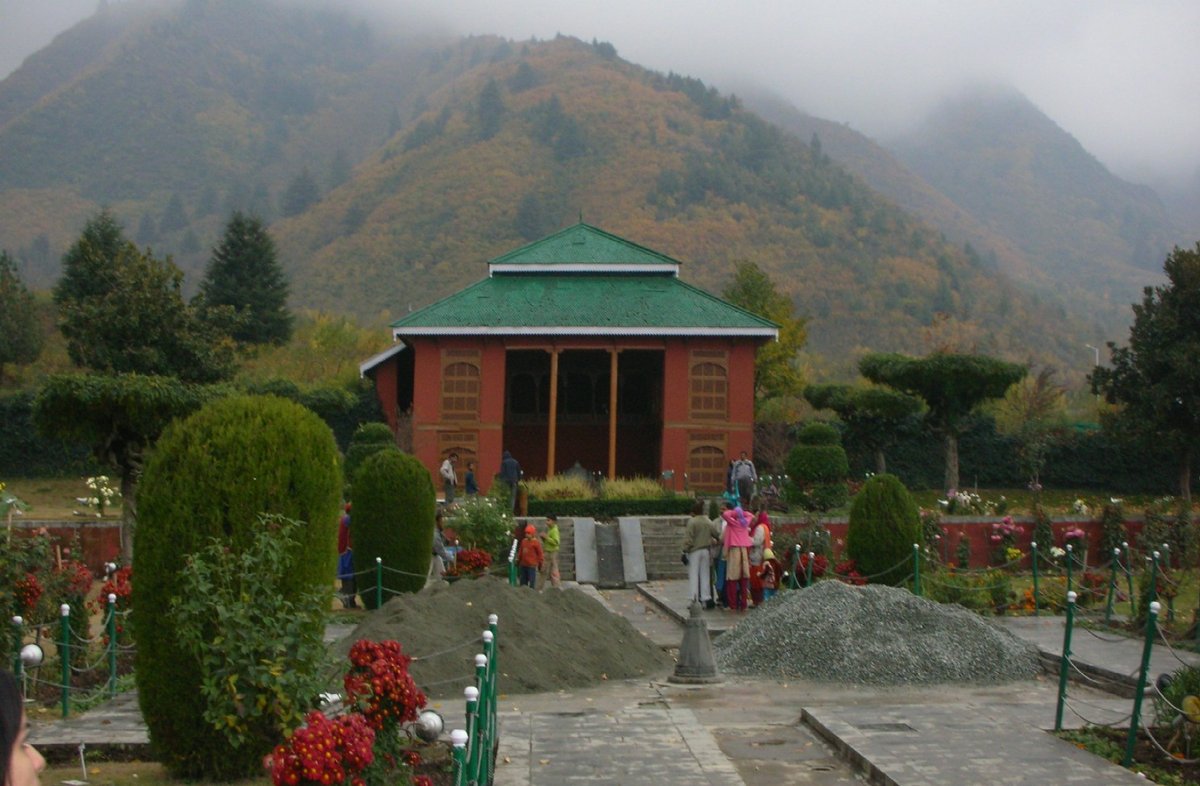
Pari Mahal
Um dos aspectos mais notáveis do Pari Mahal é seu engenhoso sistema de abastecimento de água, que utiliza uma intrincada rede de tanques de água e tubulações…
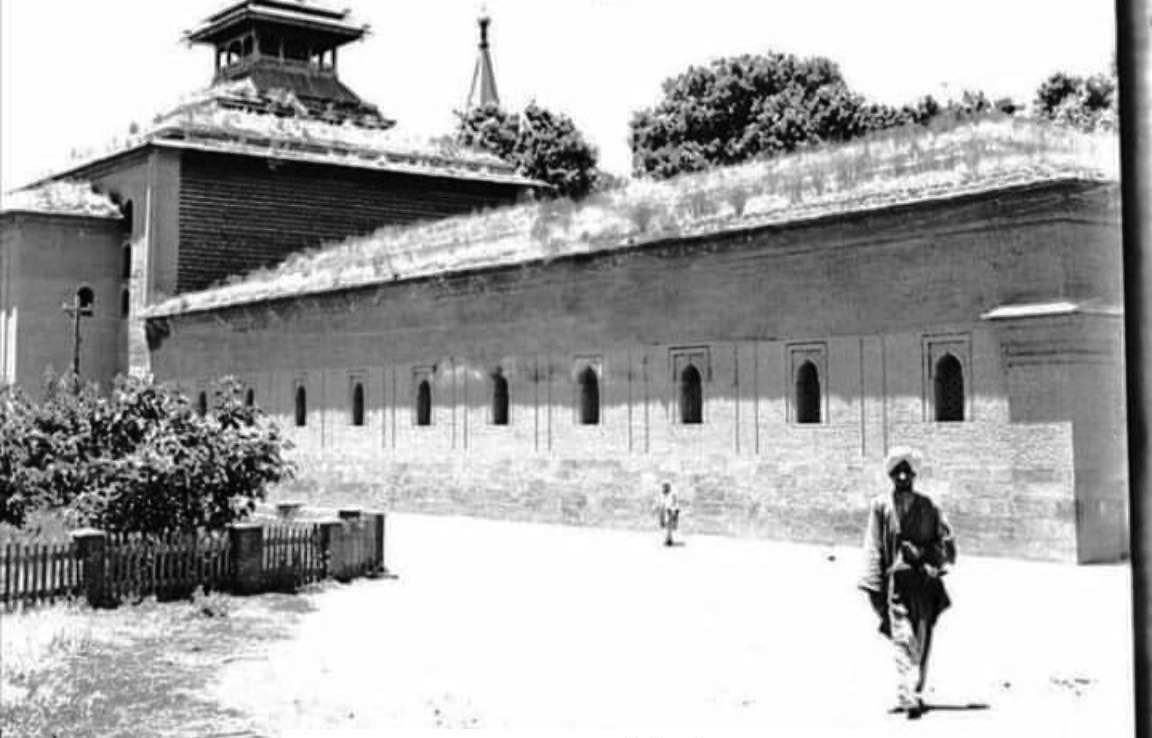
Jama Masjid
Jama Masjid in Srinagar, Índia.
Mesquita Aali
---
Lal Chowk
Lal Chowk, o vibrante epicentro de Srinagar — a capital de verão de Jammu e Caxemira — é um marco conhecido pela sua importância histórica, política e cultural.
Palácio Sher Garhi
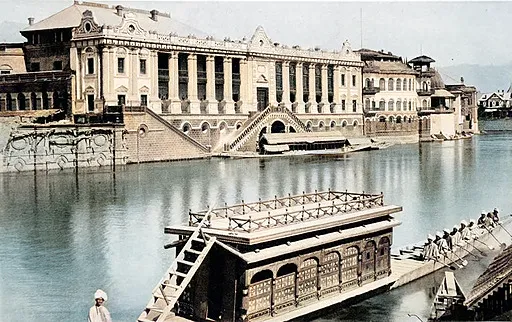
Uma fortaleza afegã erguida em 1772, Sher Garhi foi o centro de poder da Caxemira — funcionando como forte, tribunal Dogra e secretariado — e hoje renasce como galeria de arte nas margens do rio Jhelum.
Túmulo Da Mãe De Zain-Ul-Abudin
---
O que torna esta cidade especial
Dal Lake at First Light
Dal is best before breakfast: shikaras cut through mist, traders bargain at the floating vegetable market, and the Zabarwan ridge catches the first gold. It feels less like a postcard and more like a living water-city economy.
Old City on the Jhelum
Shehr-e-Khaas rewards slow walking: Jamia Masjid, Khanqah-e-Moula, old timber houses, and bridge-to-ghat river views along the Jhelum corridor. The revived Bund and Zero Bridge add a newer promenade layer to this older urban fabric.
Gardens With Seasons Attached
Spring is not abstract here: the Tulip Garden opened on March 16, 2026 with about 1.8 million blooms across 70+ varieties. Pair it with Nishat, Shalimar, Chashme Shahi, and Pari Mahal to see how Srinagar stages water, terraces, and mountain light.
Hari Parbat’s Shared Sacred Hill
Hari Parbat is a compact map of Srinagar’s layered faith history, linking fort walls, Kathi Darwaza, Makhdoom Sahib, Sharika temple, and Gurdwara Chatti Patshahi. In blossom season, nearby Badamwari adds almond flowers and festival energy.
Cronologia histórica
Srinagar: Where Water, Empires, and Memory Keep Trading Places
From a chronicle-born capital to a modern city repeatedly remade by conquest, craft, faith, and flood
Ashoka's Srinagari in Memory
Kashmiri tradition places an early capital, Srinagari, in the age of Ashoka, when Buddhism was entering the valley. The story sits between myth and history, but it matters because Srinagar's identity begins with water reclaimed and a city imagined into being. Later rulers kept returning to this origin claim to legitimize power.
Pravarapura Shifts the Urban Core
Tradition credits Pravarasena II with founding Pravarapura, the nucleus of present-day Srinagar. The move from older Srinagari near Pandrethan toward the Jhelum plain reset the city's geography. What followed was a river city shaped by bridges, embankments, and courtly neighborhoods.
Xuanzang Records a Valley Capital
When the monk Xuanzang passed through Kashmir, he described a learned Buddhist landscape with active monastic life. Later memory links his account to Srinagar's urban world, giving the city an early place in trans-Asian intellectual routes. His journey shows Srinagar was never isolated, even in antiquity.
Kalhana Writes the Rajatarangini
In 1148, Kalhana composed the Rajatarangini, the chronicle that still frames Srinagar's early past. He wrote with names, reigns, betrayals, and floods, giving the city a narrative spine other medieval cities never got. Much of what Srinagar remembers about itself passes through his pen.
Shah Mir Seizes the Throne
After the fall of Kota Rani, Shah Mir took power as Sultan Shams-ud-Din and inaugurated Muslim rule in Kashmir. Court language, patronage networks, and urban religious life changed direction from this point. Srinagar began a long Sultanate chapter that would last more than two centuries.
Hamadani Brings Sufi Networks
Mir Sayyid Ali Hamadani visited Kashmir repeatedly between 1365 and 1383, and his influence settled deeply in Srinagar. Alongside devotional teaching came craft lineages, especially textile and artisanal knowledge tied to Persianate worlds. The city's spiritual map and workshop economy both changed in his wake.
Jamia Masjid Rises in Wood
Sultan Sikandar commissioned Jamia Masjid in 1394, and the monumental mosque was completed in 1402. Its vast timber courtyard architecture gave Srinagar a congregational heart unlike stone mosques elsewhere in South Asia. Prayer, debate, and politics would all echo under its deodar columns.
Budshah's Cosmopolitan Srinagar
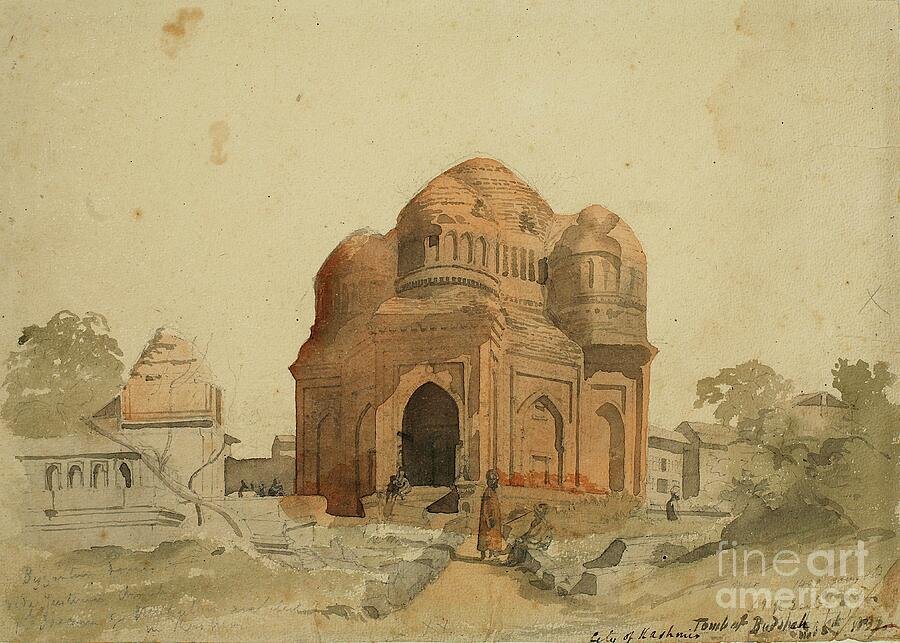
Zain-ul-Abidin's reign is remembered as Srinagar's great Sultanate flowering. He backed Sanskrit and Persian learning, expanded civic works, and encouraged craftsmen whose descendants defined Kashmiri prestige goods. In memory and material culture alike, this is the city's most beloved medieval court.
Fire, Then Patient Reconstruction
A major fire damaged Jamia Masjid in 1479, and rebuilding stretched into the early 16th century. Srinagar learned an old lesson: wood gives warmth and beauty, but it also burns quickly. Rebuilding kept the mosque central, proving continuity could survive repeated disaster.
Chaks Replace the Shah Mirs
In 1561, Chak elites displaced the Shah Mir line, opening a tense transition period. Factional rivalry sharpened, and external pressure from the Mughals intensified. Srinagar's court became a contested stage rather than a settled center.
Akbar Folds Kashmir Into Empire
Mughal forces annexed Kashmir in 1586, bringing Srinagar into an imperial system centered in the plains. Administrative routines, elite culture, and urban prestige were now tied to imperial summer movement. The city became both frontier and pleasure capital at once.
Hari Parbat Gets Imperial Walls
Akbar's project at Hari Parbat fortified the hill and imagined a planned township around it. The walls and gates announced that Srinagar was not only scenic but strategic. Stone military geometry was laid over an older, water-led city.
Shalimar Bagh Stages Mughal Power
Jahangir built Shalimar Bagh in 1619 for Nur Jahan, terracing water into imperial choreography. Chinar shade, running channels, and pavilions turned landscape into political theater. In Srinagar, power learned to look like a garden.
Nur Jahan Leaves Stone in Srinagar
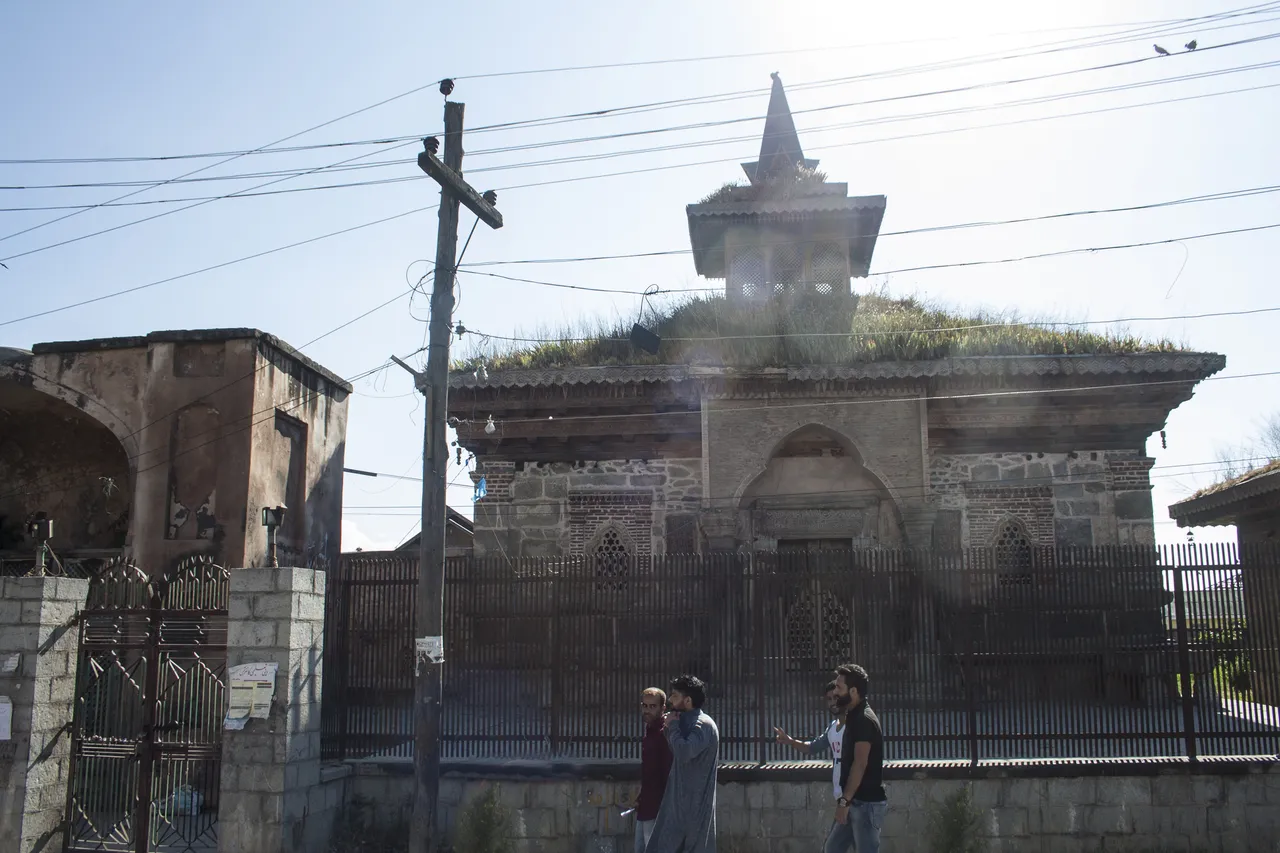
Nur Jahan commissioned Pathar Masjid in 1623 in old Srinagar, a notable break from the region's dominant timber idiom. The mosque's stone massing carries the empress's taste for controlled, unmistakable authority. Her patronage left a hard-edged Mughal signature in a city of wood and water.
Durrani Governors Take the City
By the early 1750s, Srinagar had passed into Afghan Durrani control. Accounts from the period repeatedly describe heavy exactions and social strain under governors. The city endured, but the tone of rule grew harsher and more militarized.
Sher Garhi Recasts Riverfront Rule
Afghan governor Amir Khan Jawansher began Sher Garhi Palace in 1772 on an older royal site by the Jhelum. The complex made the riverfront a seat of executive power again, with authority looking directly onto boat traffic and bazaars. Later regimes would keep reworking this same political address.
Sikh Annexation and Tighter Control
Ranjit Singh's Sikh Empire annexed Kashmir in 1819, ending Afghan rule. In Srinagar, religious and civic life was tightly regulated, and major institutions like Jamia Masjid faced prolonged restrictions. The city remained central, but political breathing space narrowed.
Treaty of Amritsar Redraws Sovereignty
The Treaty of Amritsar transferred rule to Gulab Singh, inaugurating Dogra authority over Jammu and Kashmir. Srinagar became the princely state's summer seat, tying administration to seasonal movement and court ritual. A new dynasty took charge, but it inherited old urban vulnerabilities.
Darbar Move Makes a Seasonal Capital
Ranbir Singh institutionalized the Darbar Move, shifting government between Jammu in winter and Srinagar in summer. Every transfer pulled files, clerks, guards, and families over mountain routes, turning climate into statecraft. Srinagar's political calendar began to follow snow lines.
The 1885 Earthquake Shatters Srinagar
The Kashmir earthquake, estimated around magnitude 6.3-6.8, struck on 30 May 1885 and killed thousands across the region. Roughly 2,000 deaths were reported in Srinagar alone, with widespread collapse of fragile housing. Dust, cracked embankments, and aftershocks remade the city in a day.
Silk Filature Industrializes Craft
The Solina-Rajbagh silk filature opened in 1897, linking Srinagar's artisan economy to modern industrial production. Reel rooms, boilers, and wage labor introduced a different rhythm from household craft. Silk stayed local in skill, but increasingly global in market.
Sheikh Abdullah's Srinagar Roots
Born in Soura near Srinagar in 1905, Sheikh Abdullah emerged from the city's educational and political ferment. His later mass politics drew force from Srinagar's mosques, schools, and street gatherings, not abstract ideology alone. Few modern figures are so tightly braided with the city's voice.
July 1931 Turns Politics Irreversible
Police firing outside Srinagar's Central Jail killed 22 protesters on 13 July 1931. The funerals and public mourning transformed grievance into organized mass politics. From this point, the city's streets became the decisive arena of Kashmiri political legitimacy.
Accession and the Airlift
After invasion pressures in October 1947, the Maharaja signed accession to India, and troops were airlifted into Srinagar on 27 October. The city's airfield became the hinge on which the first India-Pakistan war turned. Srinagar shifted overnight from princely capital to frontline political symbol.
Hazratbal Relic Crisis Erupts
The disappearance of the Moi-e-Muqqadas relic from Hazratbal in December 1963 triggered huge demonstrations in Srinagar. Its recovery in January 1964 calmed immediate panic but left deep political aftershocks across the region and beyond. Faith, rumor, and state authority collided in full public view.
Insurgency Rewrites Everyday Life
By 1989, militancy and counterinsurgency had turned Srinagar into a central conflict zone. Checkpoints, crackdowns, assassinations, and fear altered how neighborhoods moved after dusk. The city also witnessed the traumatic departure of many Kashmiri Pandit families during this period.
Floodwater Swallows Whole Neighborhoods
Extreme rainfall in early September 2014 pushed the Jhelum over its banks and submerged large parts of Srinagar for weeks. In many localities, water rose to upper-story windows, and boats replaced cars in streets lined with shuttered shops. The disaster exposed how badly urban expansion had outpaced floodplain logic.
Statehood Ends, UT Begins
Constitutional changes in August 2019 took effect on 31 October, reorganizing Jammu and Kashmir from state to union territory. Srinagar remained the summer capital, but under a new constitutional frame and tighter central control. The legal map changed faster than the city's emotional one.
G20 Brings a Global Stage
Srinagar hosted the G20 Tourism Working Group in May 2023, with heavy security and carefully curated diplomacy. For three days, the city functioned as an international broadcast set as much as a local place. The event signaled how global optics now shape its modern political life.
Elections Reopen Representative Politics
Assembly elections in 2024 ended a long stretch of direct rule and restored an electoral channel in Jammu and Kashmir. In Srinagar, campaign speech returned to neighborhoods long defined by security vocabulary. It did not resolve every constitutional dispute, but it changed the grammar of public politics again.
Figuras notáveis
Dara Shikoh
1615–1659 · Mughal prince and scholarDara Shikoh used Pari Mahal as a place of study, turning a Srinagar hillside into a center for ideas, not just pleasure architecture. Standing there today, you still get that quiet, contemplative vantage over Dal and the city. He would probably recognize Srinagar as a meeting point of beauty and thought.
Jahangir
1569–1627 · Mughal emperorWhen Jahangir commissioned Shalimar Bagh, he helped define Srinagar's garden grammar: terraces, water channels, and mountain-framed symmetry. The design still stages movement like a royal procession, even with modern crowds. He would likely notice that the choreography of water still outlives every political era around it.
Galeria de fotos
Explore Srinagar em imagens
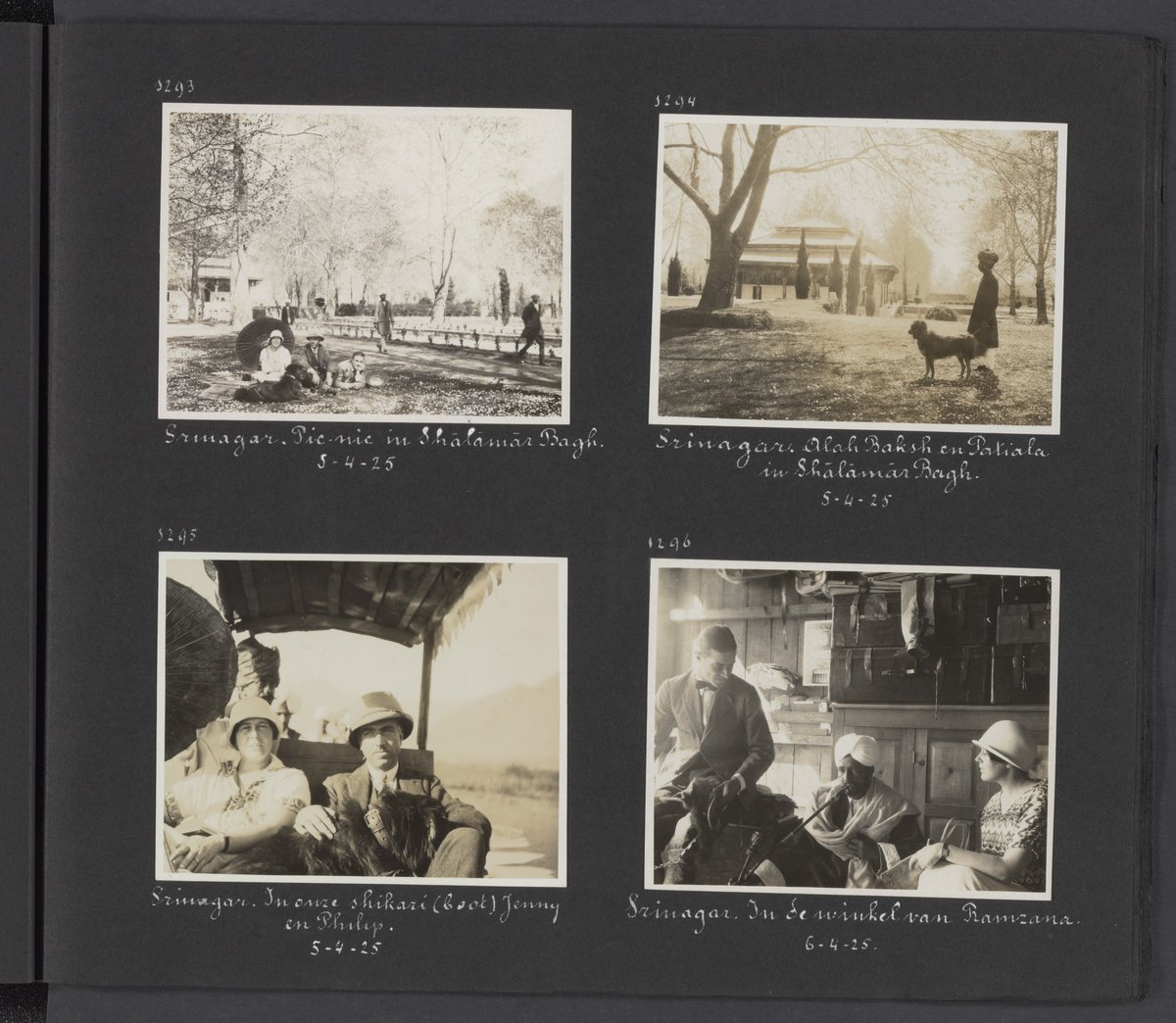
Esta página de arquivo captura a beleza tranquila de Srinagar, Índia, mostrando arquitetura da era colonial, vistas majestosas das montanhas e a vida tranquila de barcos na água.
[onbekend] · cc0
Turistas ascendem a escadaria de pedra que leva a um grandioso portão arqueado dentro de um jardim em terraços lindamente paisagístico em Srinagar, Índia.
Dvellakat · cc by 3.0
Uma perspectiva aérea serena de Srinagar, Índia, capturada sob um manto de neve fresca de inverno, destacando a arquitetura única da cidade e o layout à beira do rio.
Imad Clicks on Pexels · Pexels License
Um beco estreito e tranquilo em Srinagar, Índia, mostrando a mistura única de arquitetura tradicional e paisagem urbana.
SerCrappucino · cc by-sa 4.0
Uma estrada pacífica e sombreada serpenteia pelas densas e verdes florestas que cercam Srinagar, Índia.
CuriousZil · cc by-sa 4.0
Uma deslumbrante perspectiva aérea do Royal Springs Golf Course, coberto de neve, aninhado contra os dramáticos picos do Himalaia em Srinagar, Índia.
Imad Clicks on Pexels · Pexels License
O sereno rio Jhelum reflete a arquitetura tradicional de madeira e as icônicas torres de mesquita de Srinagar, Índia.
Imad Clicks on Pexels · Pexels License
Uma perspectiva aérea serena de uma ponte pedonal branca cruzando um canal tranquilo no coração de Srinagar, Índia.
Imad Clicks on Pexels · Pexels License
As águas tranquilas do Lago Dal refletem as encostas exuberantes e verdes das montanhas que cercam Srinagar, Índia.
Aadhithya.S.Mallya · cc by-sa 4.0
Uma vista elevada deslumbrante sobre a cidade extensa de Srinagar, Índia, com o histórico forte Hari Parbat empoleirado no topo de uma colina central.
Iqbal farooz on Pexels · Pexels License
A paisagem tranquila de um parque em Srinagar, Índia, é banhada pelos tons suaves e rosados de um pôr do sol desvanecente contra um pano de fundo de montanhas majestosas.
Omarsiddiq182010 · cc0
Uma deslumbrante perspectiva aérea dos jardins históricos em terraços em Srinagar, Índia, mostrando as cores brilhantes das árvores de outono e o design paisagístico simétrico.
Imad Clicks on Pexels · Pexels License
Vídeos
Assista e explore Srinagar
SRI NAGAR KASHMIR FOOD TOUR EP. 1 | STREET FOOD | MASALA ROTI KASHMIRI FISH CHICKEN LAVASA WAZWAN
Best SRINAGAR Food Tour | Street Food, Wazwan, Bakery, Kashmiri Tujj, Walnut Fudge & More
Best Street Food in Srinagar | Night life of Srinagar | Kashmiri Street Food | Mutton Tujj | Wazwan
Informações práticas
Getting There
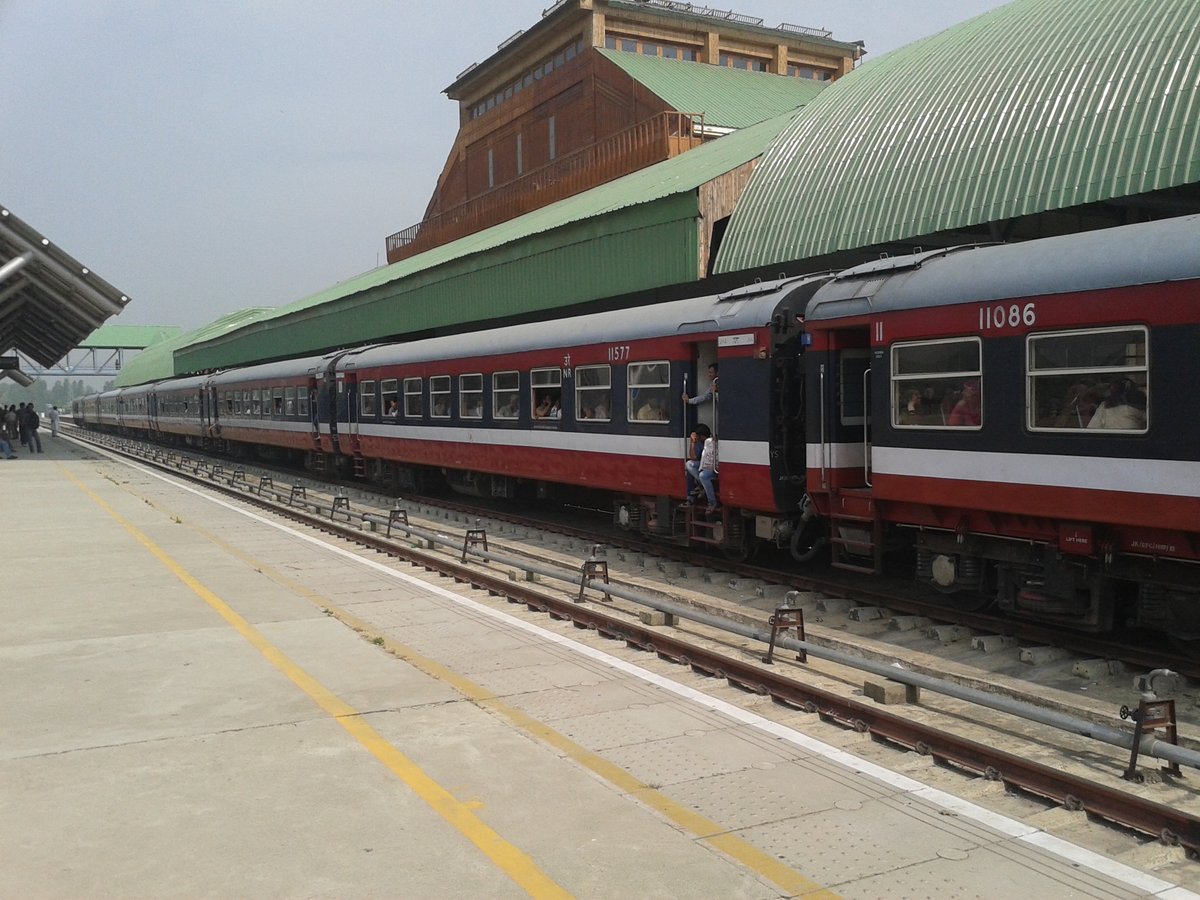
Fly into Srinagar International Airport (SXR), around 15 km from central Srinagar; as of 2026, prepaid taxis are available right outside arrivals. Rail access includes Srinagar railway station (Nowgam) for Kashmir Valley services, while many long-distance journeys still connect via Jammu Tawi (JAT) or Shri Mata Vaishno Devi Katra (SVDK) with onward road transfer. The key highway approach is NH44, the Jammu-Srinagar corridor.
Getting Around
Srinagar has no operational metro or tram network in 2026. The formal city system is the Srinagar Smart City e-bus network: 98 buses on 16 routes (11 intra-city, 5 inter-city), generally centered on Lal Chowk, with live tracking on the Chalo app. Public bike sharing exists, but cycle-lane usability is uneven; there is no official city tourist transport pass.
Climate & Best Time
IMD normals show cool winters and warm summers: winter highs around 7-10C with sub-zero nights, summer highs near 28-30C, and spring/autumn in the comfortable mid-range. Rainfall is highest in late winter to spring (for example March about 104.6 mm) and lighter in autumn (October about 21.8 mm). Best windows are mid-March to April for tulips, April to June for general sightseeing, and September to October for drier walking weather.
Language & Currency
Official languages include Kashmiri, Dogri, Urdu, Hindi, and English; for visitors, English works in airports and many hotels, while Hindi/Urdu helps with drivers and markets. Currency is Indian Rupee (INR). In 2026, digital payments are common in India (including UPI rails), but keep cash for smaller vendors, boatmen, and local taxis.
Safety
Security conditions can change quickly, so check current advisories before travel; for example, the UK FCDO still listed its Jammu and Kashmir advisory as current on March 14, 2026. In-city risk is typically event-based rather than tied to one permanent no-go tourist quarter. Use registered hotels and prepaid/verified transport, and save Tourist Police contacts: 0194-2477224 and +91-9419036278.
Onde comer
Não vá embora sem provar
Stream Restaurant || Best Restaurant On Dal Lake || INDIAN AND AUTHENTIC KASHMIRI WAZWAN
fine diningPedir: Mutton rogan josh, o thali wazwan e torta de nozes.
Esta é uma das mesas mais confiáveis do Lago Dal em Srinagar: vistas amplas, serviço polido e comida que agrada consistentemente. Se você quer uma refeição panorâmica sentada, esta é uma escolha fácil.
Le Delice
quick bitePedir: Bolos frescos com kahwa ou noon chai.
No circuito de padarias do centro da cidade, este é o destaque de alta avaliação. Funciona melhor como uma parada doce entre refeições wazwan mais pesadas.
Chai Jaai
cafePedir: Kahwa e noon chai com lanches de pão como bakarkhani.
O Bund é a zona de casas de chá de Srinagar, e este é um de seus endereços âncora. Venha aqui quando quiser uma pausa lenta à tarde em vez de uma refeição apressada.
Hotel The Grand Mamta
local favoritePedir: Uma linha estilo wazwan: rogan josh, yakhni e gushtaba.
Fica no corredor prático de Dalgate, então é útil quando você quer uma refeição local completa sem planejar demais. O forte volume de avaliações o torna um recurso confiável.
Cafè liberty
cafePedir: Kahwa ou noon chai com lanches rápidos de café.
Bem no círculo de Regal Chowk/Lal Chowk, esta é uma parada prática quando você está se movendo pelo centro comercial. É melhor usada para um reinício entre as principais refeições.
Batra Hotels & Residences
local favoritePedir: Pratos vegetarianos estilo Caxemira e pulav Caxemira.
Em uma cidade com muita carne, este endereço é útil para viajantes que buscam melhores opções vegetarianas. Sua localização em Dalgate também facilita a combinação com planos à beira do lago.
14th Avenue Cafe & Grill
quick bitePedir: Pratos principais grelhados com um acompanhamento de arroz estilo Caxemira.
Este é um ótimo local casual para grelhados com popularidade de longa data. Escolha-o quando seu grupo quiser opções amplas e fáceis de compartilhar.
Books & Bricks Cafe
cafePedir: Café com lanches leves, depois termine com kahwa.
Uma parada confortável de café durante todo o dia perto da zona do parque, útil do café da manhã até o final da noite. Funciona bem em dias em que você quer uma pausa do ritmo pesado do wazwan.
Meydani Cafe
cafePedir: Primeiro kahwa, depois um prato leve de café.
Este é um café bem avaliado na área do Bund e se encaixa perfeitamente no ritmo do chá da tarde de Srinagar. É especialmente bom como uma parada calma entre os recados do centro da cidade.
Hotel SADAF
local favoritePedir: Peça clássicos da Caxemira como rogan josh ou gushtaba.
Alta avaliação mais uma localização central tornam esta uma das chamadas mais seguras para refeições locais em torno de Regal Chowk. Atende a viajantes que querem substância em vez de cena.
7C’s Cafe N Fine Dine
fine diningPedir: Um jantar completo com pratos principais e grelhados com especiarias da Caxemira.
Quando você quer uma refeição mais formal nesta lista verificada fora dos hotéis à beira do lago, esta é a escolha óbvia. É melhor para um jantar sentado com preferências mistas.
Café Coffee Day
quick bitePedir: Café e doces quando você precisar de uma parada rápida e confiável.
Não é a mesa mais local, mas muito útil no fluxo de Dalgate quando você precisa de consistência e velocidade. Mantenha-o como um buffer prático entre as refeições de destino.
Dicas gastronômicas
- check Planeje as refeições como uma sequência, não uma única grande reserva: legado wazwan no centro, casas de chá no Bund, depois grelhados noturnos.
- check Um dia com sensação muito local é: amanhecer no Lago Dal, pão com café da manhã noon chai, almoço wazwan, kahwa à tarde, kebabs após o pôr do sol.
- check Para pratos clássicos de wazwan, priorize cozinhas tradicionais sérias para o almoço, e depois mantenha o jantar mais leve.
- check Harissa é melhor tratado como uma especialidade de café da manhã de inverno.
- check Pães Kandur são geralmente uma prática de padaria de bairro, então peça girda/lavasa/bakarkhani frescos localmente em vez de perseguir uma barraca famosa.
- check Para comer kebabs com muita fumaça, Khayam Chowk é a zona de grelhados noturnos mais bem documentada.
Dados de restaurantes fornecidos pelo Google
Dicas para visitantes
Check Security Updates
Treat safety as day-by-day. Check current advisories before travel and avoid demonstrations or large political gatherings; keep Tourist Police numbers saved (0194-2477224, +91-9419036278).
Time Tulip Season
For tulips, target mid-March to April. The 2026 season opened on March 16, and bloom quality changes week to week, so keep plans flexible.
Use Lal Chowk Hub
Srinagar has no metro or tram, so use the SSCL e-bus network and track buses in the Chalo app. Most routes pass through Lal Chowk, making it the easiest transfer point.
Carry Cash Backup
Keep both digital payment and cash. UPI is strong in India, but small vendors, boatmen, and some market purchases may still be cash-first.
Respect Shrine Protocol
Dress modestly near shrines and old-city religious sites, and plan for shoe removal. At Shankaracharya Temple, phones and cameras are not permitted at the top.
Cluster Your Days
Save time and taxi money by grouping Dal Lake, Tulip/Mughal gardens, and Boulevard stops in one day, then Old City, Jhelum Bund, and Hari Parbat in another.
Eat By Clock
Go early for winter harissa, go after sundown to Khayam Chowk for seekh tujj, and treat wazwan as a shared feast rather than a quick solo meal.
Explore a cidade com um guia pessoal no seu bolso
Seu curador pessoal, no seu bolso.
Guias de áudio para mais de 1.100 cidades em 96 países. História, relatos e conhecimento local — disponíveis offline.
Audiala App
Disponível para iOS e Android
Junte-se a 50.000+ Curadores
Perguntas frequentes
Is Srinagar worth visiting? add
Yes, especially if you want more than postcard lake views. Srinagar gives you Dal Lake and Mughal gardens, but the deeper layer is Shehr-e-Khaas, Jhelum riverfront walks, and living food culture from dawn bakeries to night grills. It feels like two cities in one trip.
How many days in Srinagar? add
Three to five days is the sweet spot. Use 2 days for the city itself (Dal/gardens plus Old City/Jhelum/Hari Parbat), then add 1-2 days for excursions like Dachigam, Doodhpathri, or Sonamarg. With only 2 days, prioritize Dal at dawn and one heritage-heavy Old City day.
Is Srinagar safe for tourists in 2026? add
Srinagar is visitable, but you should travel with active caution. Security conditions can change quickly, and the UK FCDO advisory was still marked current on March 14, 2026 for Jammu and Kashmir, including Srinagar. Use registered hotels and transport, avoid crowds/protests, and monitor updates daily.
How do I get from Srinagar airport (SXR) to the city center or Dal Lake? add
The most reliable official option is the prepaid taxi counter outside arrivals. SXR is about 15 km from central Srinagar, and this is usually the most straightforward transfer for visitors with luggage. Public airport shuttle information is not clearly listed on official airport/district pages.
Is there a metro or tram in Srinagar? add
No, Srinagar currently has no official metro or tram network. The main formal public system is the Smart City e-bus network, with routes centered around Lal Chowk and timings varying by season. Many travelers still mix buses with cabs for flexibility.
What is the best time to visit Srinagar? add
For most travelers, April to June and September to October are best. Mid-March to April is ideal if tulips are your priority, while winter is beautiful but genuinely cold with possible snow and slower movement. IMD normals show the wettest period around spring and milder, drier conditions by early autumn.
Is Srinagar expensive for travelers? add
It can be done on a moderate budget. There is no city tourist pass, so savings come from route planning, using e-buses where practical, and avoiding unnecessary cross-city taxi hops. Keep splurge moments selective, like one houseboat stay or one full wazwan meal.
What food should first-time visitors try in Srinagar? add
Start with one proper wazwan meal, then balance it with everyday Kashmiri rhythms. Try kandur breads with kahwa or noon chai, and head to Khayam Chowk after dark for charcoal seekh tujj. In winter, go very early for harissa because it often sells out.
Fontes
- verified Administração Distrital de Srinagar - Como Chegar — Distância do aeroporto ao centro da cidade e informações de acesso principal.
- verified Aeroporto AAI Srinagar - Conveniências para Passageiros — Balcão de táxi pré-pago, Wi-Fi, caixa eletrônico e instalações do aeroporto.
- verified Normas Climatológicas IMD Srinagar (1991-2020) — Bases de temperatura e precipitação mensais usadas para orientação sazonal.
- verified Distrito de Srinagar - Jardim das Tulipas — Posicionamento oficial do jardim e contexto sazonal.
- verified JKTDC - Informações sobre o Templo Shankaracharya — Restrições para visitantes, incluindo regras de câmera/celular.
- verified Polícia de JK - Dicas de Segurança para Turistas — Orientação de segurança para turistas e canais de contato oficiais.
- verified Ônibus da Cidade Inteligente de Srinagar (declaração SSCL) — Contagem de rotas relatada, tamanho da frota e horários de serviço sazonais.
- verified Livemint - Cultura de churrasco de Khayam Chowk — Ritmos alimentares locais e contexto da cultura de grelhados noturnos.
- verified Distrito de Srinagar - Pari Mahal — Nota histórica ligando Pari Mahal a Dara Shikoh como biblioteca/observatório.
- verified Tour My India - Jardim Shalimar — Atribuição histórica do Shalimar Bagh a Jahangir.
Última revisão: