
Weimar Railway Station Visiting Hours, Tickets, and Historical Sites Guide
Date: 15/06/2025
Introduction
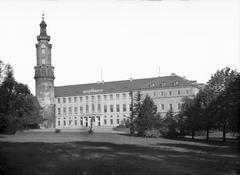
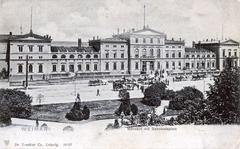
Weimar Railway Station (Weimar Hauptbahnhof) is more than just a transportation hub—it’s a living monument that stands at the intersection of history, architecture, and culture in Germany. Located approximately one kilometer north of Weimar’s historic city center, the station serves as a gateway to the city’s UNESCO World Heritage sites and reflects the broader historical, political, and social developments of Thuringia and Germany as a whole. Established during the 19th-century railway boom, Weimar Hauptbahnhof has evolved through multiple architectural and historical phases, mirroring the city’s journey through time and playing a key role in both everyday life and momentous historical events (DB Museum; awaymag.com).
This guide provides comprehensive information for visitors, including station visiting hours, ticketing details, accessibility, nearby attractions, and travel tips to ensure a smooth and enriching experience in one of Germany’s most culturally significant cities.



Historical Overview
Origins and Early Development
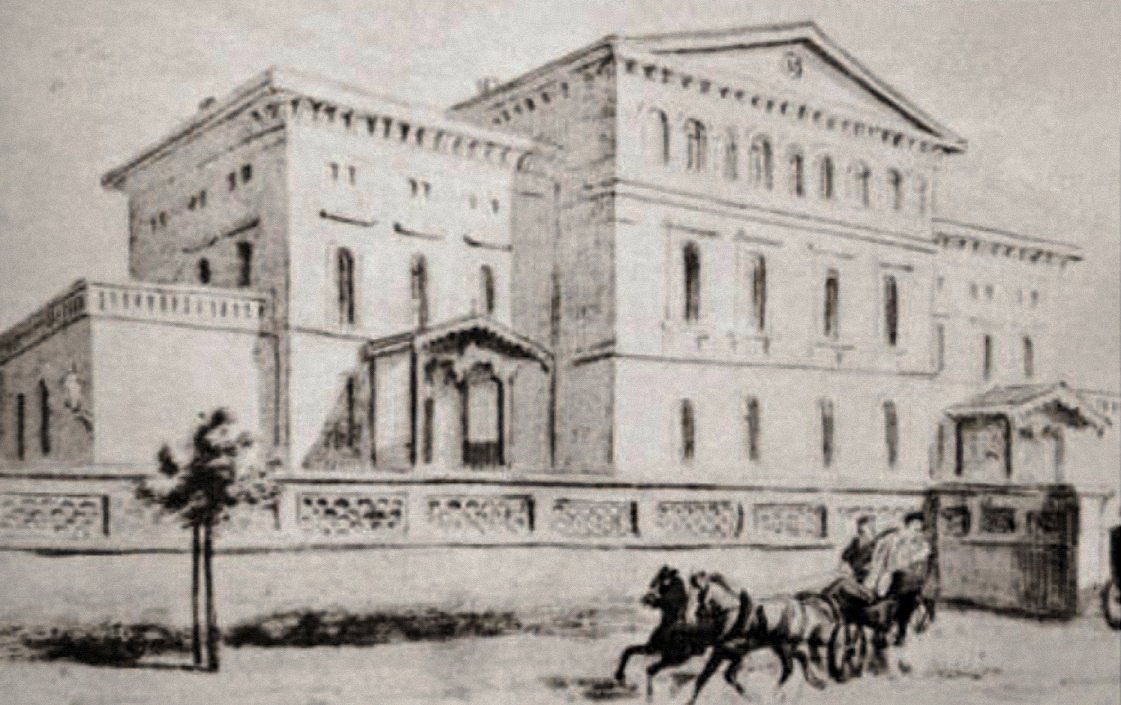
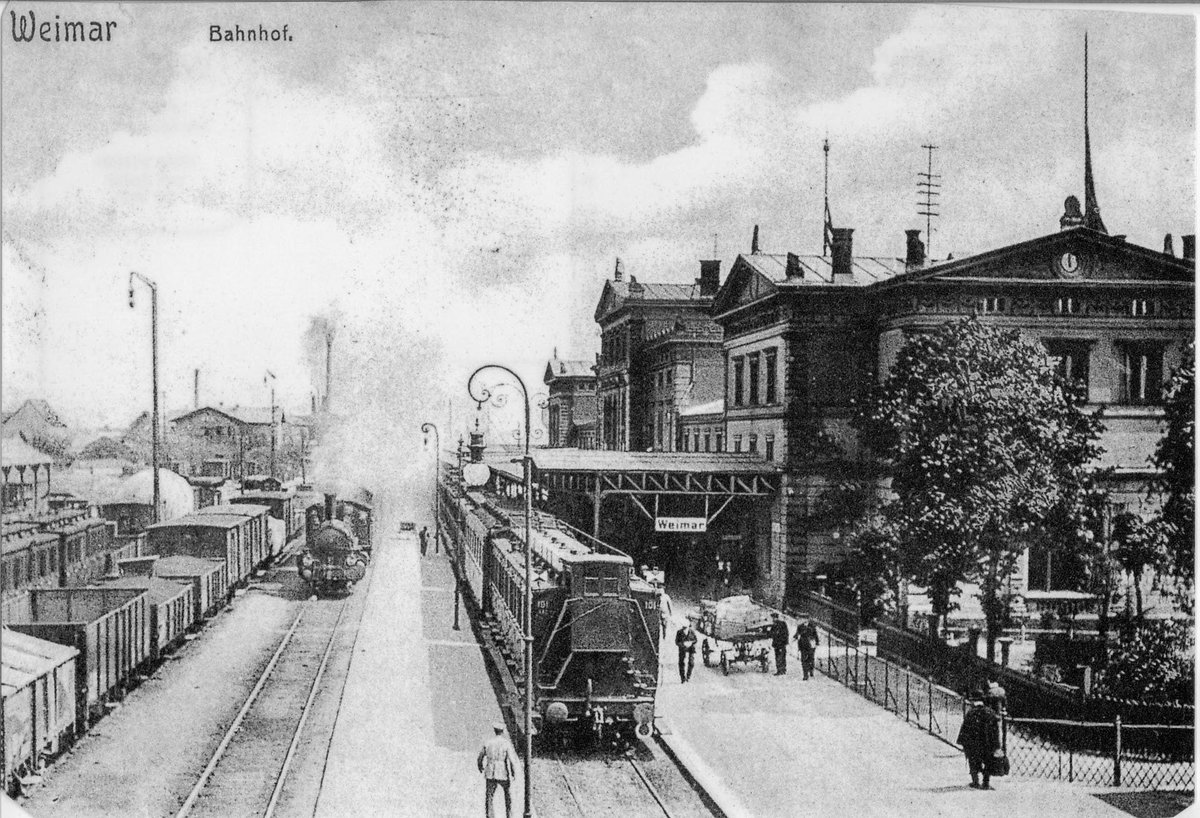
Weimar Railway Station was inaugurated in 1846, amidst the rapid expansion of the German railway network. Its establishment as part of the Thuringian Railway (Thüringer Bahn) connected Weimar with major cities such as Halle, Erfurt, and Eisenach, catalyzing economic and urban growth and integrating Weimar into the broader German and European landscape (DB Museum).
Architectural Evolution
The station’s architectural journey reflects the changing aspirations and sensibilities of Weimar. Originally functional, the building saw significant expansions and stylistic updates in the late 19th and early 20th centuries, including grand halls and decorative facades that matched Weimar’s growing cultural prestige. Post-war renovations introduced modernist and functionalist elements, ensuring the station remained relevant while preserving its historical core (ArchDaily; awaymag.com).
Role in German History
The Weimar Republic
During the Weimar Republic era (1919–1933), the station became a focal point for politicians, artists, and intellectuals arriving to shape Germany’s first democracy. The station played a pivotal role in the city’s association with cultural and political innovation, including the birth of the Bauhaus movement (GermanSights; BBC Bitesize).
The Nazi Period and World War II
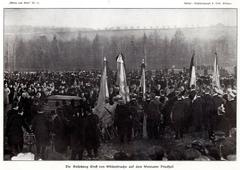
In the Nazi era, the station’s history turned somber. It served as a key transit point for deportations to the nearby Buchenwald concentration camp, particularly after events such as Kristallnacht in 1938 (DB Museum).
Visiting Weimar Railway Station: Practical Information
Visiting Hours
- Station Opening: Daily, typically from 4:30 or 5:00 AM until midnight.
- Ticket Counters: Usually open from 5:00 or 6:00 AM to 8:00 or 9:00 PM.
- Self-Service Machines: Available 24/7.
Ticketing Information
- Purchase Options: At DB Reisezentrum ticket counters, self-service machines (multilingual), or online via the Deutsche Bahn website and app.
- Types of Tickets: Regional, long-distance (ICE, IC), day passes, and discounted group/senior/youth tickets.
- Regional Options: Thüringen-Ticket, VMT-Hopper-Ticket, and the Weimar Card (includes unlimited transport plus museum access).
Accessibility
Weimar Hauptbahnhof is fully accessible:
- Ramps, elevators, and tactile guidance systems for the visually impaired.
- Accessible restrooms and parking.
- Mobility assistance services are available upon request (weimar.de).
Station Facilities
- Cafés and Bakeries: Fresh food and drinks.
- Shops and Bookstores: Souvenirs, travel essentials, and local literature.
- Luggage Lockers: Secure storage for hands-free touring.
- Free Wi-Fi and Charging Stations: Throughout the main areas.
- Restrooms: Clean and family-friendly, with baby-changing facilities.
- Tourist Information Point: Offers maps, tickets, and local advice.
Connections and Transport Links
- Regional and Long-distance Trains: Direct ICE connections to Frankfurt, Berlin, Leipzig, Dresden, and Erfurt.
- Buses: Local and regional services from the station forecourt.
- Taxis: Readily available outside the main entrance.
- Cycling and Walking: Bike racks provided; major sites are a 10–15 minute walk away.
Nearby Attractions and Cultural Highlights
Starting at Weimar Hauptbahnhof, travelers are within easy reach of the city’s rich array of historical and cultural sites:
- Goethe’s House and Museum: The home of Germany’s most celebrated writer.
- Schiller’s Residence: Explore the life of another literary giant.
- Bauhaus Museum Weimar: The birthplace of revolutionary modern design.
- Duchess Anna Amalia Library: World-famous Rococo library.
- Park on the Ilm: Picturesque landscapes and monuments.
- Buchenwald Memorial: A site of remembrance, accessible by bus.
Many attractions are walkable from the station, or a short bus/taxi ride away (one-million-places.com; weimar.de).
Special Events, Exhibitions, and Guided Tours
Weimar station frequently hosts art exhibitions and cultural events, especially those celebrating Bauhaus and literary heritage. Guided tours, departing from or near the station, offer deep dives into Weimar’s architectural and artistic legacy—check with the tourist information point or weimar.de for schedules.
Environmental and Community Commitment
Weimar station demonstrates sustainability through energy-efficient lighting, recycling, and support for eco-friendly commuting. Recent renovations focused on blending historical preservation with modernization, maintaining the station as both a transportation center and cultural venue (awaymag.com).
Practical Visitor Tips
- Arrive Early: Especially during peak hours and for long-distance trains.
- Use Digital Tools: Deutsche Bahn app for real-time updates and ticket purchases.
- Luggage: Lockers are available; keep valuables secure.
- Accessibility: Contact the Mobility Service Centre in advance if you require assistance.
- Weimar Card: Great value for transport and museum entry.
Frequently Asked Questions (FAQs)
Q: What are the Weimar Railway Station visiting hours? A: Typically from 4:30 or 5:00 AM until midnight. Ticket counters are open from early morning to late evening; self-service machines operate 24/7.
Q: Where can I buy tickets? A: At ticket counters, self-service machines, or online via the Deutsche Bahn website.
Q: Is the station accessible? A: Yes, with elevators, ramps, tactile guidance, accessible restrooms, and assistance services.
Q: What attractions are near the station? A: Goethe’s House, Schiller’s Residence, Bauhaus Museum, Duchess Anna Amalia Library, Park on the Ilm, and Buchenwald Memorial.
Q: Are there guided tours from the station? A: Yes, both city and station-focused guided tours are available seasonally.
Additional Resources and Official Links
- Deutsche Bahn Weimar Station Information
- Weimar Tourism Official Website
- DB Museum – History of the Railway in Germany
- Weimar Travel Guide and Attractions
- German Sights: Weimar Overview
- BBC Bitesize: Bauhaus Movement
- awaymag.com: Weimar Central Station
- ArchDaily: Railway Architecture
Conclusion
Weimar Railway Station stands as a vibrant entry point to the city’s rich history and cultural legacy. With its blend of architectural elegance, profound historical significance, and modern amenities, the station ensures a welcoming experience for all travelers. Its strategic location allows seamless access to Weimar’s iconic attractions, making it the perfect starting point for discovering the city’s literary, artistic, and historical treasures. For the best experience, use the Weimar Card, plan your journey with official resources, and consider joining a guided tour to fully appreciate the station’s and city’s layered heritage.
Begin your journey at Weimar Hauptbahnhof—where the story of Germany’s past and present continues to unfold.
Sources
- This is a sample text. (DB Museum)
- This is a sample text. (awaymag.com)
- This is a sample text. (ArchDaily)
- This is a sample text. (weimar.de)
- This is a sample text. (one-million-places.com)
- This is a sample text. (GermanSights)
- This is a sample text. (BBC Bitesize)