
N/A
Date: 14/06/2025
Introduction: Nuremberg’s Military Heritage Exploration
Nuremberg, Germany – The Garnisonsmuseum (Garrison Museum), located in the historic Hochbunker Hohe Marter, provides an immersive journey through over nine centuries of military history in the Nuremberg and Middle Franconia region. This museum offers a unique perspective on Nuremberg’s military past, from its days as a fortified Free Imperial City to its role during the Bavarian Kingdom, German Empire, World Wars, and the Cold War. Authentic artifacts, detailed dioramas, and personal accounts help visitors understand the region’s strategic importance and the evolution of military life. The museum is designed to be accessible and informative for all visitors, including history enthusiasts, families, and travelers seeking to understand Nuremberg’s military legacy. For the most current visitor information, please refer to the official museum website, Museen in Bayern, and Tourismus Nürnberg.
Contents
- Introduction
- Historical Overview: From Medieval Fortifications to Modern Times
- Exhibition Highlights and Key Artifacts
- Visiting Hours, Tickets, and Accessibility
- Guided Tours and Special Events
- Nearby Attractions
- Practical Tips for Visitors
- Frequently Asked Questions (FAQ)
- Conclusion and Call to Action
- Sources
Historical Overview: From Medieval Fortifications to Modern Times
From Imperial City to Modern Garrison
The Garnisonsmuseum traces Nuremberg’s military evolution, beginning with its foundational period as a Free Imperial City, characterized by its medieval defenses. Following its incorporation into the Kingdom of Bavaria in 1806, the city’s military structures integrated with the Royal Bavarian Army. The museum’s exhibits illustrate the city’s changing military identity through successive eras, including the Reichswehr, Wehrmacht, Allied occupation, and the Bundeswehr. The U.S. Army’s significant presence in Nuremberg from 1945 to 1995 profoundly influenced local life and infrastructure (museen.de, nbg-mil-com.de).
Military and Urban Identity
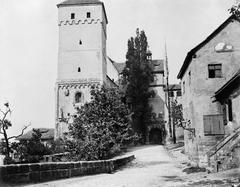
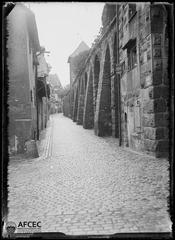
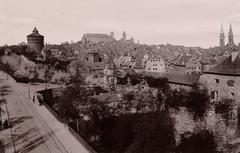
The museum contextualizes Nuremberg’s military development alongside the city’s broader urban evolution. It explores surviving medieval fortifications, barracks, and military infrastructure through models, maps, and photographs, highlighting Nuremberg’s enduring strategic importance throughout history.
The Cold War and Beyond
Post-World War II, Nuremberg’s garrison sites played a vital role for NATO and the Bundeswehr, with American and German troops significantly shaping the city’s modern character. The museum documents this period through contemporary military equipment, personal effects, and narratives about the integration of U.S. military families and the local community.
Exhibition Highlights and Key Artifacts
Thematic and Chronological Displays
- Medieval to Early Modern: Features weaponry, armor, and fortification models from the city’s early defensive efforts.
- Bavarian and Imperial Eras: Showcases uniforms, insignia, and regalia from the Royal Bavarian Army and the Imperial German Army.
- World Wars: Includes trench dioramas, command post reconstructions, POW camp exhibits, uniforms, and weapons from both global conflicts.
- Allied and Cold War Periods: Displays memorabilia from U.S. and NATO forces, including vehicles, photographs, and items related to daily life.
- Bundeswehr Era: Presents exhibits on the modern German military and its regional activities.
Personal Narratives and Family Legacies
The museum is rich with personal stories, featuring letters, diaries, and oral histories donated by soldiers and their families, offering a deeply human perspective on historical events.
Special and Rotating Exhibitions
Regularly updated exhibitions explore specific themes such as the roles of women in the military, technological advancements, and the transformation of garrison life across different historical periods. For information on current exhibitions, visit the museum’s official website.
Visiting Hours, Tickets, and Accessibility
Opening Hours
- Standard Hours: The museum is open by appointment, with several public open days scheduled annually. Group visits (minimum of five people) can be arranged throughout the year.
- Public Days: Specific dates are announced on the official website.
- Guided Tours: Available in German and English by prior arrangement.
Tickets and Booking
- Admission Fees: Adults €7; children and youth up to 14 years admitted free.
- Booking: Reservations can be made via email ([email protected]) or phone (+49 911 649 1159). Currently, there is no online ticketing system.
- Discounts: Group discounts are available, and children receive free admission.
Accessibility
- Physical Access: The historic WWII bunker setting offers a unique environment but may present challenges for visitors with limited mobility. Please contact the museum in advance to discuss accommodation options (Museen in Bayern).
- Facilities: Wheelchair access is limited; accessible restrooms are available.
Photography Policy
- Photography is generally permitted without flash, but some areas may have specific restrictions. Please confirm with staff upon arrival.
Guided Tours and Special Events
- Guided Tours: Expert-led tours provide in-depth insights into the collections and Nuremberg’s military history. Tours can be customized for groups and are offered in English upon request.
- Special Events: The museum hosts lectures, workshops, and commemorative events. Thematic city tours exploring former barracks, parade grounds, and memorials are also organized (Tourismus Nürnberg).
Nearby Attractions
Enhance your visit by exploring other significant historical sites in Nuremberg:
- Documentation Center Nazi Party Rally Grounds: Offers insights into the era of Nazi rallies and their impact.
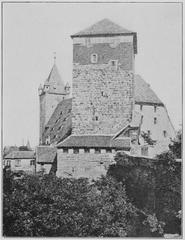
- Imperial Castle: Features medieval fortifications and provides panoramic city views.
- Germanisches Nationalmuseum & DB Museum: Showcases cultural and technological history. For additional recommendations, see traveltogermanyguide.com.
Practical Tips for Visitors
- Book visits in advance, especially for guided tours or group appointments.
- Allocate approximately 1.5 to 2 hours for a thorough visit.
- English-language resources and tours are available; please request them when booking.
- Combine your museum visit with other historical attractions for a comprehensive day of exploration.
- Download the Audiala app for audio guides and interactive content.
Frequently Asked Questions (FAQ)
Q: What are the Garnisonsmuseum’s opening hours? A: Visits are by appointment. Public open days are announced several times a year. Group bookings are available year-round.
Q: How do I book tickets? A: Reserve via email ([email protected]) or phone (+49 911 649 1159). Online ticketing is not currently available.
Q: Is the museum wheelchair accessible? A: Accessibility is limited due to the historic bunker setting. Contact the museum for specific details and potential accommodations.
Q: Can I take photos inside? A: Non-flash photography is allowed in most areas. Please check with staff for any restrictions.
Q: Are guided tours offered in English? A: Yes, guided tours are available upon request when booking.
Conclusion and Call to Action
The Garnisonsmuseum Nuremberg offers a profoundly immersive experience for anyone interested in military history and the city’s multifaceted past. Its extensive collections, personal narratives, and evocative location within a historic WWII bunker provide a unique perspective on how military institutions shaped Nuremberg throughout turbulent centuries. Plan your visit by booking in advance and consider enriching your experience with guided tours or the Audiala app. Combining the museum visit with other local historical sites offers a comprehensive exploration of Nuremberg’s heritage.
Ready to explore Nuremberg’s military history? Book your appointment at the Garnisonsmuseum today. Follow the museum on social media and check for additional resources and events to maximize your visit.
Sources
- Garnisonsmuseum official site
- Museen in Bayern
- Tourismus Nürnberg
- museen.de
- nbg-mil-com.de
- traveltogermanyguide.com
- Wikipedia