
ブラジルのクリチバにあるピネイロン訪問ガイド:歴史、重要性、訪問者向けヒント、観光客が思い出に残る体験をするために知っておくべきことすべて
日付:2025年6月14日
はじめに
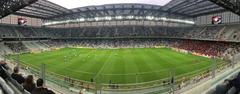
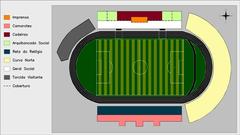
クリチバのスポーツと文化の生活の中心であったピネイロンスタジアムは、野心、コミュニティ、都市革新というこの都市の遺産を物語っています。タルマ地区にあるピネイロンは、パラナ州のサッカーの歴史において重要な役割を果たし、地元の試合や全国的な試合の主要な会場として、また大規模な文化イベントの集いの場として機能してきました。現在一般公開はされていませんが、スタジアムの跡地は最新鋭のイベント複合施設であるパラナ・オート・コンベンションセンターへと生まれ変わろうとしており、スタジアムの遺産と周辺地域を活性化させる予定です。このガイドでは、ピネイロンの歴史、文化的意義、再開発計画、実用的な訪問情報、そしてクリチバの周辺の魅力について詳しく紹介します。
目次
- はじめに
- 歴史的背景と初期の構想
- 建設、特徴、主要イベント
- 衰退と閉鎖
- 再開発:パラナ・オート・コンベンションセンター
- 訪問情報と周辺の魅力
- 実用的な旅行のヒント
- よくある質問 (FAQ)
- 結論と最終的なヒント
- 参考文献
歴史的背景と初期の構想
ピネイロンの物語は1948年に始まります。パラナ州知事とパラナ州サッカー連盟(FPF)が、クリチバに巨大な市立スタジアムを構想したときです。当初は180,000人の観客を収容し、リオのマラカナンスタジアムと競合するように計画されていましたが、財政的および物流上の制約のためプロジェクトは縮小され、1960年代後半にはタルマ地区に移転しました。建設は1968年に開始されましたが、数年間にわたる遅延に悩まされ、1985年の開場時には部分的な構造物しか完成していませんでした。
建設、特徴、主要イベント
1985年6月にピネイロンが最終的に開場したとき、収容人数は約44,000人となり、南ブラジル最大級のスタジアムとなりました。多目的複合施設として設計され、陸上競技や自転車競技の施設も含まれており、地元を象徴するパラナパインにちなんで名付けられました。スタジアムは、ブラジル代表チームが出場する試合を含む重要なサッカーの試合を主催し、1990年代から2000年代初頭にかけてパラナ・クルーベの本拠地となりました。最多観客動員記録は1998年のアトレチコ・パラナエンセ対コリンチャンスの試合で、44,475人の観客を記録しました。スポーツ以外でも、ピネイロンは大規模なコミュニティや宗教的な集会も開催し、文化的なハブとしてのアイデンティティを強化しました(Bem Paraná、Globo Esporte)。
衰退と閉鎖
有望な始まりにもかかわらず、ピネイロンは2000年代初頭に財政難に直面し、2007年に閉鎖されました。スタジアムは2012年に競売にかけられましたが、放棄され荒廃し、時折アメリカンフットボールチームのコリンチャンス・クロコダイルズによってのみ使用されていました。時が経つにつれて、破壊行為や怠慢により、この場所は一般の訪問者にとって安全ではなくなりました(Gazeta do Povo)。
再開発:パラナ・オート・コンベンションセンター
ビジョンと影響
2024年10月、パラナ州政府はピネイロンの跡地をパラナ・オート・コンベンションセンターとして収用・再開発することを発表しました。新しい複合施設には、最大25,000人を収容できる近代的なアリーナ、展示ホール、ホテル、レストラン、フィットネス施設が備わります。この取り組みは、タルマ地区とカポン・ダ・インブーア地区を活性化し、クリチバのビジネスおよび文化イベントの国際的な目的地としての地位を高め、数千の新しい雇用を創出することを目指しています(Gazeta do Povo、Urban-LEDS)。
都市統合と持続可能性
再開発計画は、クリチバの持続可能な都市計画の伝統にしっかりと根ざしています。新しいコンベンションセンターは、歩行者用大通り、緑地、公共交通機関へのアクセス改善と統合され、この都市の包括的で環境に配慮した成長戦略と一致しています(Urban-LEDS)。
遺産保護
スタジアムの構造物は解体されますが、プロジェクトには、新しい複合施設での展示や文化プログラムを通じて、この場所の歴史を文書化し、記念するための取り組みが含まれています(Globo Esporte)。
訪問情報と周辺の魅力
訪問時間とチケット
重要: ピネイロンは現在、再開発のため一般公開されていません。現在、訪問時間やチケット販売はありません。パラナ・オート・コンベンションセンターが完成した際に、一般入場が再検討されます。
アクセス
この場所はクリチバの中心部に位置しており、バス高速輸送(BRT)路線を含む、この都市の効率的な公共交通機関ネットワークからアクセス可能です。新しい複合施設が開場するまで、アクセスと今後のイベントに関する最新情報については、公式チャネルをご確認ください。
周辺の魅力
ピネイロンが閉鎖されている間、訪問者は他の近くの場所を楽しむことができます:
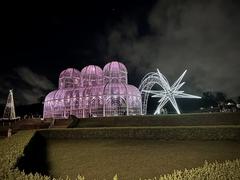
- クリチバ植物園: この都市の象徴的な植物園。
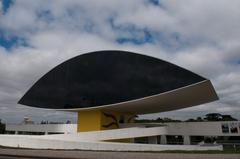
- オスカー・ニーマイヤー美術館: 視覚芸術と建築に特化した美術館。
- ボスケ・アレマン: 遊歩道と文化展示がある景色の良い公園。
- アレナ・ダ・バイシャーダ: アトレチコ・パラナエンセの本拠地スタジアムであり、近代的なスポーツ会場。
これらのアトラクションは、クリチバの文化と歴史に興味のある方々にとって、充実した選択肢を提供します。
実用的な旅行のヒント
- 天気: クリチバの気候は予測不可能であるため、重ね着できる服装、薄手のジャケット、傘を持参してください。
- 交通: 効率的な移動にはBRTと公共バスをご利用ください。タクシーやライドシェアサービスも広く利用可能です。
- 言語: ポルトガル語が公用語です。翻訳アプリや基本的なフレーズが役立ちます。
- 通貨: ブラジルレアル(BRL)が使用されます。現金とカードを組み合わせて携帯してください。
- 安全: 信頼できる交通手段を利用し、貴重品は安全に保管し、現地の安全に関するアドバイスに従ってください。
- 宿泊: 特に大規模なイベントや祭りの期間中は、ホテルやホステルを事前に予約してください。
よくある質問 (FAQ)
Q: 今日ピネイロンスタジアムを訪問できますか? A: いいえ、スタジアムは再開発のため閉鎖されています。
Q: 新しいコンベンションセンターはいつ開場しますか? A: 開場日は建設の進捗状況によります。最新情報は公式情報源から提供されます。
Q: ピネイロンでのイベントのチケットはありますか? A: いいえ、新しい複合施設が開場されるまでチケットは利用できません。
Q: クリチバで訪れるべきおすすめの代替施設は何ですか? A: クリチバ植物園、オスカー・ニーマイヤー美術館、アレナ・ダ・バイシャーダ、ボスケ・アレマンを探索してみてください。
Q: 再開発の最新情報をどのように入手できますか? A: クリチバの観光局、パラナ州政府、およびAudialaアプリをフォローして最新ニュースを入手してください。
結論と最終的なヒント
ピネイロンスタジアムは、クリチバのスポーツおよび文化のアイデンティティの驚くべき象徴であり、大きな野心、コミュニティへの参加、衰退、そして希望に満ちた再生の物語を反映しています。かつてのスタジアムは閉鎖されたままですが、パラナ・オート・コンベンションセンターへの変貌は、近隣地域を活性化し、クリチバの主要な都市および文化の目的地としての役割を強化することを約束しています。その間、訪問者は、クリチバの豊かな歴史的および自然的なアトラクションの数々を探索することができ、やりがいのある体験を保証します。
リアルタイムの更新、イベント情報、パーソナライズされた旅行支援については、Audialaアプリをダウンロードするか、公式の観光チャネルを参照してください。ピネイロンが進化するにつれて、クリチバが過去を尊重しながら未来を受け入れるという献身の象徴であり続けます。
参考文献
- Bem Paraná: Estádio de Curitiba que já recebeu jogo da seleção brasileira vai virar centro de convenções
- Gazeta do Povo: Terreno do estádio do Pinheirão é desapropriado para novo centro de convenções
- Globo Esporte: Estádio do Pinheirão tem terreno desapropriado pelo governo do Paraná; entenda
- Urban-LEDS: Curitiba Urban Planning Case Study
Audiala2025- Location and Accessibility
- Weather and Best Time to Visit
- Safety and Local Etiquette
- Nearby Attractions and Suggested Itineraries
- Recommendations for a Memorable Visit
- Cultural Experiences
- Gastronomy and Nightlife
- Sustainable Tourism
- Conclusion
- References
Introduction
Curitiba, the capital of Paraná in southern Brazil, is celebrated for its innovative urban planning, green spaces, and vibrant cultural scene. Among its landmarks, the Estádio Centro Poliesportivo Pinheiro—commonly known as Pinheirão—stands out as a symbol of both the city’s sporting heritage and its ongoing transformation. Once envisioned as the “Maracanã of Curitiba,” Pinheirão’s story is one of ambition, community, decline, and now, renewal. This guide explores the stadium’s past, present, and future, offering practical advice and cultural context for visitors seeking to understand and experience this unique site.
Historical Overview of Pinheirão
Origins and Construction
The idea for Pinheirão was conceived in the early 1970s, during a period of optimism and growth in Brazilian football. The stadium was intended to be a monumental venue, with an initial planned capacity of 126,000 spectators, rivaling the legendary Maracanã in Rio de Janeiro. Construction began with high hopes, but financial difficulties soon stalled progress. It was only after a partnership with the Federação Paranaense de Futebol (Paranaense Football Federation) that work resumed, leading to the stadium’s inauguration on June 15, 1985, with a reduced capacity of 45,000 (Wikipedia). The stadium’s formal name, Centro Poliesportivo Pinheiro, pays homage to the iconic Araucaria pine tree, a symbol of Paraná state. The design reflected the era’s ambition, aiming to provide Curitiba with a world-class venue for football and other large-scale events.
Golden Years and Sporting Significance
During its operational years, Pinheirão served as the home ground for Paraná Clube and hosted matches for other prominent local teams, including Athletico Paranaense. The stadium also welcomed the Brazilian national team and was a venue for major regional tournaments. Its opening match featured a selection of players from Athletico and Coritiba against the Santa Catarina state team, followed by a concert by renowned singer Fafá de Belém (Um Dois Esportes). Pinheirão quickly became a focal point for Curitiba’s sporting culture, drawing crowds for football matches, concerts, and community gatherings. Its presence contributed to the city’s reputation as a hub for sports and entertainment in southern Brazil.
Decline and Abandonment
Despite its early promise, Pinheirão’s fortunes waned in the early 2000s. Financial mismanagement, mounting debts, and changing priorities within the football federation led to the stadium’s closure in May 2007. Since then, the site has remained largely abandoned, earning the moniker “white elephant” due to its high maintenance costs—estimated at over R$60 million since closure—and lack of regular use (Um Dois Esportes). In recent years, the stadium’s grounds have occasionally hosted American football games, notably by the Coritiba Crocodiles, but the main structure has continued to deteriorate. Multiple proposals for demolition or redevelopment were hindered by high costs, with demolition alone estimated at over R$3 million and full renovation at more than R$20 million (Globo Esporte).
Pinheirão’s Cultural and Urban Significance
Symbolism and Local Identity
Pinheirão is more than just a stadium; it is a symbol of Curitiba’s aspirations and challenges. Its name and design reflect the region’s natural heritage, while its history mirrors the city’s evolution. For many locals, the stadium evokes memories of iconic matches, concerts, and communal celebrations. Its decline has also sparked debates about urban planning, public investment, and the preservation of cultural landmarks.
Role in Curitiba’s Urban Landscape
Located in the Tarumã neighborhood, Pinheirão occupies a strategic position within Curitiba’s urban fabric. The stadium’s vast 124,000-square-meter site has long been seen as a potential catalyst for regional revitalization. Its proximity to major roads and public transport links makes it accessible, while its scale offers opportunities for large-scale redevelopment. Curitiba itself is renowned for its commitment to sustainability and innovative city planning. The city’s extensive network of parks, efficient public transport, and pedestrian-friendly streets have earned it international acclaim (Lonely Planet). Pinheirão’s transformation is thus closely watched as a test case for balancing heritage, community needs, and economic development.
Current Status and Future Transformation
Government Expropriation and Redevelopment Plans
In October 2024, the Government of Paraná announced the expropriation of the Pinheirão site, signaling a new chapter in its history. The stated goal is to transform the abandoned stadium into Brazil’s largest and most modern events complex. The redevelopment plan, designed by Paraná Projetos, envisions an arena for up to 25,000 people, an exhibition center, a hotel sector, a commercial boulevard with restaurants and a gym, and extensive green spaces (The Stadium Business; Globo Esporte). The project is expected to require an investment of over R$1 billion, structured as a public-private partnership (PPP). The government’s vision is to create a multifunctional hub capable of hosting major concerts, conventions, exhibitions, and sporting events, thereby boosting tourism and local commerce.
Projected Impact on Tourism and Economy
The redevelopment of Pinheirão is poised to have a significant impact on Curitiba’s tourism and economy. The lack of a large-scale events venue has long been cited as a barrier to attracting major national and international events. The new complex aims to fill this gap, drawing visitors from across Brazil and beyond, and generating revenue for local businesses, hotels, and restaurants (The Stadium Business). The project also aligns with Curitiba’s broader strategy of sustainable urban development, integrating green spaces and modern infrastructure. If successful, it could serve as a model for similar initiatives in other Brazilian cities.
Visitor Information and Practical Tips
Location and Accessibility
Pinheirão is situated in the Tarumã district of Curitiba, easily accessible by car, taxi, or public transport. The site is located near major thoroughfares and is within reach of the city center and other key attractions (Virtual Globetrotting).
Address: Centro Poliesportivo Pinheiro (Pinheirão) Tarumã, Curitiba, Paraná, Brazil
Getting There:
- By Bus: Curitiba’s efficient public transport system includes several lines that pass near the stadium.
- By Taxi/Ride-share: Widely available throughout the city.
- By Car: Ample parking is expected to be part of the new development.
Weather and Best Time to Visit
Curitiba has a subtropical climate, with mild winters and warm summers. June, when this report is written, is one of the cooler months, with average temperatures ranging from 10°C to 19°C. Rain is possible, with 3 to 8 rainy days in June, so visitors should bring a waterproof jacket or umbrella (Weather25; Weather Atlas).
Best Time to Visit:
- Spring (September–November): Pleasant temperatures, blooming parks.
- Autumn (March–May): Mild weather, fewer crowds.
- Winter (June–August): Cooler, but still comfortable for most outdoor activities.
Safety and Local Etiquette
Curitiba is considered one of the safest major cities in Brazil, but standard precautions apply. Petty crime, such as pickpocketing, can occur in crowded areas or during major events. Visitors are advised to:
- Keep valuables secure.
- Avoid isolated areas at night.
- Use reputable transportation services (Brazil City Guides).
Portuguese is the primary language, though English is spoken in many tourist areas. Learning basic Portuguese phrases is appreciated and can enhance the visitor experience.
Nearby Attractions and Suggested Itineraries
Pinheirão’s location makes it an excellent starting point for exploring Curitiba’s diverse attractions. Recommended nearby sites include:
- Jardim Botânico de Curitiba (Botanical Garden): Iconic glass greenhouse, extensive gardens (Wild Trips).
- Museu Oscar Niemeyer: Striking modern art and architecture museum.
- Parque Barigui: Popular urban park with lakes and wildlife.
- Ópera de Arame: Unique steel-and-glass theater in a lush setting.
- Historic Center (Largo da Ordem): Colonial architecture, vibrant markets, and nightlife.
Suggested Itinerary:
- Morning: Visit the Botanical Garden.
- Afternoon: Explore the Oscar Niemeyer Museum and nearby parks.
- Evening: Enjoy dinner and nightlife in the historic center.
Recommendations for a Memorable Visit
Cultural Experiences
Curitiba’s multicultural heritage is reflected in its festivals, museums, and cuisine. Visitors should seek out:
- Museu Paranaense: Insight into Paraná’s history and diverse communities (I Heart Brazil).
- Local Festivals: Music, dance, and food events throughout the year.
- Walking or Bike Tours: Guided tours offer context and access to hidden gems (Veronika’s Adventure).
Gastronomy and Nightlife
Curitiba is a food lover’s destination, with options ranging from traditional Brazilian barbecue (churrasco) to Italian, German, and Japanese cuisine. Notable local dishes include:
- Carne de onça: A beef tartare specialty.
- Barreado: Slow-cooked beef stew from Paraná.
Nightlife is vibrant, especially in the Batel and Largo da Ordem neighborhoods, with bars, clubs, and live music venues (Brazil City Guides).
Sustainable Tourism
Curitiba is a pioneer in sustainable urban development. Visitors are encouraged to:
- Use public transport or bike-sharing programs.
- Participate in eco-friendly tours and activities.
- Support local markets and artisans.
Conclusion
Pinheirão’s journey from a symbol of sporting ambition to an abandoned “white elephant,” and now to the cusp of a transformative redevelopment, encapsulates the dynamic spirit of Curitiba. For visitors, the site offers a unique lens through which to understand the city’s history, challenges, and aspirations. As the stadium evolves into a modern events complex, it promises to become a new focal point for tourism, culture, and community life in southern Brazil.
Curitiba itself is a city that rewards exploration, with its blend of green spaces, innovative architecture, and rich cultural tapestry. Whether you are drawn by the legacy of Pinheirão, the city’s parks and museums, or its vibrant food and nightlife scene, a visit to Curitiba offers a memorable and enriching experience.
References
- Wikipedia: Pinheirão
- Globo Esporte: Estádio do Pinheirão
- The Stadium Business: Abandoned Estádio do Pinheirão set for transformation
- Um Dois Esportes: Pinheirão alvo governo do Paraná
- Virtual Globetrotting: Estádio Centro Poliesportivo Pinheiro ‘Pinheirão’
- Weather25: Curitiba weather in June 2025
- Weather Atlas: Curitiba weather in June
- I Heart Brazil: Things to do in Curitiba
- Wild Trips: Curitiba - Top 10 attractions
- Veronika’s Adventure: Best tours in Curitiba
- Travelermania: Curitiba, Brazil - The Ultimate Travel Guide
- Next Stop Brazil: Curitiba
- Brazil City Guides: Curitiba Travel Guide
- Lonely Planet: Guide to Curitiba, Brazil
- Budget Your Trip: Should You Visit Curitiba?
This report was prepared using information current as of June 14, 2025. For the latest updates on Pinheirão’s redevelopment and visitor access, consult official city and state tourism websites.
Audiala2025- Conclusion
Introduction
Curitiba, the capital of Paraná in southern Brazil, is celebrated for its innovative urban planning, green spaces, and vibrant cultural scene. Among its landmarks, the Estádio Centro Poliesportivo Pinheiro—commonly known as Pinheirão—stands out as a symbol of both the city’s sporting heritage and its ongoing transformation. Once envisioned as the “Maracanã of Curitiba,” Pinheirão’s story is one of ambition, community, decline, and now, renewal. This guide explores the stadium’s past, present, and future, offering practical advice and cultural context for visitors seeking to understand and experience this unique site.
Historical Overview of Pinheirão
Origins and Construction
The idea for Pinheirão was conceived in the early 1970s, during a period of optimism and growth in Brazilian football. The stadium was intended to be a monumental venue, with an initial planned capacity of 126,000 spectators, rivaling the legendary Maracanã in Rio de Janeiro. Construction began with high hopes, but financial difficulties soon stalled progress. It was only after a partnership with the Federação Paranaense de Futebol (Paranaense Football Federation) that work resumed, leading to the stadium’s inauguration on June 15, 1985, with a reduced capacity of 45,000 (Wikipedia). The stadium’s formal name, Centro Poliesportivo Pinheiro, pays homage to the iconic Araucaria pine tree, a symbol of Paraná state. The design reflected the era’s ambition, aiming to provide Curitiba with a world-class venue for football and other large-scale events.
Golden Years and Sporting Significance
During its operational years, Pinheirão served as the home ground for Paraná Clube and hosted matches for other prominent local teams, including Athletico Paranaense. The stadium also welcomed the Brazilian national team and was a venue for major regional tournaments. Its opening match featured a selection of players from Athletico and Coritiba against the Santa Catarina state team, followed by a concert by renowned singer Fafá de Belém (Um Dois Esportes). Pinheirão quickly became a focal point for Curitiba’s sporting culture, drawing crowds for football matches, concerts, and community gatherings. Its presence contributed to the city’s reputation as a hub for sports and entertainment in southern Brazil.
Decline and Abandonment
Despite its early promise, Pinheirão’s fortunes waned in the early 2000s. Financial mismanagement, mounting debts, and changing priorities within the football federation led to the stadium’s closure in May 2007. Since then, the site has remained largely abandoned, earning the moniker “white elephant” due to its high maintenance costs—estimated at over R$60 million since closure—and lack of regular use (Um Dois Esportes). In recent years, the stadium’s grounds have occasionally hosted American football games, notably by the Coritiba Crocodiles, but the main structure has continued to deteriorate. Multiple proposals for demolition or redevelopment were hindered by high costs, with demolition alone estimated at over R$3 million and full renovation at more than R$20 million (Globo Esporte).
Pinheirão’s Cultural and Urban Significance
Symbolism and Local Identity
Pinheirão is more than just a stadium; it is a symbol of Curitiba’s aspirations and challenges. Its name and design reflect the region’s natural heritage, while its history mirrors the city’s evolution. For many locals, the stadium evokes memories of iconic matches, concerts, and communal celebrations. Its decline has also sparked debates about urban planning, public investment, and the preservation of cultural landmarks.
Role in Curitiba’s Urban Landscape
Located in the Tarumã neighborhood, Pinheirão occupies a strategic position within Curitiba’s urban fabric. The stadium’s vast 124,000-square-meter site has long been seen as a potential catalyst for regional revitalization. Its proximity to major roads and public transport links makes it accessible, while its scale offers opportunities for large-scale redevelopment. Curitiba itself is renowned for its commitment to sustainability and innovative city planning. The city’s extensive network of parks, efficient public transport, and pedestrian-friendly streets have earned it international acclaim (Lonely Planet). Pinheirão’s transformation is thus closely watched as a test case for balancing heritage, community needs, and economic development.
Current Status and Future Transformation
Government Expropriation and Redevelopment Plans
In October 2024, the Government of Paraná announced the expropriation of the Pinheirão site, signaling a new chapter in its history. The stated goal is to transform the abandoned stadium into Brazil’s largest and most modern events complex. The redevelopment plan, designed by Paraná Projetos, envisions an arena for up to 25,000 people, an exhibition center, a hotel sector, a commercial boulevard with restaurants and a gym, and extensive green spaces (The Stadium Business; Globo Esporte). The project is expected to require an investment of over R$1 billion, structured as a public-private partnership (PPP). The government’s vision is to create a multifunctional hub capable of hosting major concerts, conventions, exhibitions, and sporting events, thereby boosting tourism and local commerce.
Projected Impact on Tourism and Economy
The redevelopment of Pinheirão is poised to have a significant impact on Curitiba’s tourism and economy. The lack of a large-scale events venue has long been cited as a barrier to attracting major national and international events. The new complex aims to fill this gap, drawing visitors from across Brazil and beyond, and generating revenue for local businesses, hotels, and restaurants (The Stadium Business). The project also aligns with Curitiba’s broader strategy of sustainable urban development, integrating green spaces and modern infrastructure. If successful, it could serve as a model for similar initiatives in other Brazilian cities.
Visitor Information and Practical Tips
Location and Accessibility
Pinheirão is situated in the Tarumã district of Curitiba, easily accessible by car, taxi, or public transport. The site is located near major thoroughfares and is within reach of the city center and other key attractions (Virtual Globetrotting).
Address: Centro Poliesportivo Pinheiro (Pinheirão) Tarumã, Curitiba, Paraná, Brazil
Getting There:
- By Bus: Curitiba’s efficient public transport system includes several lines that pass near the stadium.
- By Taxi/Ride-share: Widely available throughout the city.
- By Car: Ample parking is expected to be part of the new development.
Weather and Best Time to Visit
Curitiba has a subtropical climate, with mild winters and warm summers. June, when this report is written, is one of the cooler months, with average temperatures ranging from 10°C to 19°C. Rain is possible, with 3 to 8 rainy days in June, so visitors should bring a waterproof jacket or umbrella (Weather25; Weather Atlas).
Best Time to Visit:
- Spring (September–November): Pleasant temperatures, blooming parks.
- Autumn (March–May): Mild weather, fewer crowds.
- Winter (June–August): Cooler, but still comfortable for most outdoor activities.
Safety and Local Etiquette
Curitiba is considered one of the safest major cities in Brazil, but standard precautions apply. Petty crime, such as pickpocketing, can occur in crowded areas or during major events. Visitors are advised to:
- Keep valuables secure.
- Avoid isolated areas at night.
- Use reputable transportation services (Brazil City Guides).
Portuguese is the primary language, though English is spoken in many tourist areas. Learning basic Portuguese phrases is appreciated and can enhance the visitor experience.
Nearby Attractions and Suggested Itineraries
Pinheirão’s location makes it an excellent starting point for exploring Curitiba’s diverse attractions. Recommended nearby sites include:
- Jardim Botânico de Curitiba (Botanical Garden): Iconic glass greenhouse, extensive gardens (Wild Trips).
- Museu Oscar Niemeyer: Striking modern art and architecture museum.
- Parque Barigui: Popular urban park with lakes and wildlife.
- Ópera de Arame: Unique steel-and-glass theater in a lush setting.
- Historic Center (Largo da Ordem): Colonial architecture, vibrant markets, and nightlife.
Suggested Itinerary:
- Morning: Visit the Botanical Garden.
- Afternoon: Explore the Oscar Niemeyer Museum and nearby parks.
- Evening: Enjoy dinner and nightlife in the historic center.
Recommendations for a Memorable Visit
Cultural Experiences
Curitiba’s multicultural heritage is reflected in its festivals, museums, and cuisine. Visitors should seek out:
- Museu Paranaense: Insight into Paraná’s history and diverse communities (I Heart Brazil).
- Local Festivals: Music, dance, and food events throughout the year.
- Walking or Bike Tours: Guided tours offer context and access to hidden gems (Veronika’s Adventure).
Gastronomy and Nightlife
Curitiba is a food lover’s destination, with options ranging from traditional Brazilian barbecue (churrasco) to Italian, German, and Japanese cuisine. Notable local dishes include:
- Carne de onça: A beef tartare specialty.
- Barreado: Slow-cooked beef stew from Paraná.
Nightlife is vibrant, especially in the Batel and Largo da Ordem neighborhoods, with bars, clubs, and live music venues (Brazil City Guides).
Sustainable Tourism
Curitiba is a pioneer in sustainable urban development. Visitors are encouraged to:
- Use public transport or bike-sharing programs.
- Participate in eco-friendly tours and activities.
- Support local markets and artisans.
Conclusion
Pinheirão’s journey from a symbol of sporting ambition to an abandoned “white elephant,” and now to the cusp of a transformative redevelopment, encapsulates the dynamic spirit of Curitiba. For visitors, the site offers a unique lens through which to understand the city’s history, challenges, and aspirations. As the stadium evolves into a modern events complex, it promises to become a new focal point for tourism, culture, and community life in southern Brazil.
Curitiba itself is a city that rewards exploration, with its blend of green spaces, innovative architecture, and rich cultural tapestry. Whether you are drawn by the legacy of Pinheirão, the city’s parks and museums, or its vibrant food and nightlife scene, a visit to Curitiba offers a memorable and enriching experience.
References
- Wikipedia: Pinheirão
- Globo Esporte: Estádio do Pinheirão
- The Stadium Business: Abandoned Estádio do Pinheirão set for transformation
- Um Dois Esportes: Pinheirão alvo governo do Paraná
- Virtual Globetrotting: Estádio Centro Poliesportivo Pinheiro ‘Pinheirão’
- Weather25: Curitiba weather in June 2025
- Weather Atlas: Curitiba weather in June
- I Heart Brazil: Things to do in Curitiba
- Wild Trips: Curitiba - Top 10 attractions
- Veronika’s Adventure: Best tours in Curitiba
- Travelermania: Curitiba, Brazil - The Ultimate Travel Guide
- Next Stop Brazil: Curitiba
- Brazil City Guides: Curitiba Travel Guide
- Lonely Planet: Guide to Curitiba, Brazil
- Budget Your Trip: Should You Visit Curitiba?
This report was prepared using information current as of June 14, 2025. For the latest updates on Pinheirão’s redevelopment and visitor access, consult official city and state tourism websites.
Audiala2025- Conclusion
Introduction
Curitiba, the capital of Paraná in southern Brazil, is celebrated for its innovative urban planning, green spaces, and vibrant cultural scene. Among its landmarks, the Estádio Centro Poliesportivo Pinheiro—commonly known as Pinheirão—stands out as a symbol of both the city’s sporting heritage and its ongoing transformation. Once envisioned as the “Maracanã of Curitiba,” Pinheirão’s story is one of ambition, community, decline, and now, renewal. This guide explores the stadium’s past, present, and future, offering practical advice and cultural context for visitors seeking to understand and experience this unique site.
Historical Overview of Pinheirão
Origins and Construction
The idea for Pinheirão was conceived in the early 1970s, during a period of optimism and growth in Brazilian football. The stadium was intended to be a monumental venue, with an initial planned capacity of 126,000 spectators, rivaling the legendary Maracanã in Rio de Janeiro. Construction began with high hopes, but financial difficulties soon stalled progress. It was only after a partnership with the Federação Paranaense de Futebol (Paranaense Football Federation) that work resumed, leading to the stadium’s inauguration on June 15, 1985, with a reduced capacity of 45,000 (Wikipedia). The stadium’s formal name, Centro Poliesportivo Pinheiro, pays homage to the iconic Araucaria pine tree, a symbol of Paraná state. The design reflected the era’s ambition, aiming to provide Curitiba with a world-class venue for football and other large-scale events.
Golden Years and Sporting Significance
During its operational years, Pinheirão served as the home ground for Paraná Clube and hosted matches for other prominent local teams, including Athletico Paranaense. The stadium also welcomed the Brazilian national team and was a venue for major regional tournaments. Its opening match featured a selection of players from Athletico and Coritiba against the Santa Catarina state team, followed by a concert by renowned singer Fafá de Belém (Um Dois Esportes). Pinheirão quickly became a focal point for Curitiba’s sporting culture, drawing crowds for football matches, concerts, and community gatherings. Its presence contributed to the city’s reputation as a hub for sports and entertainment in southern Brazil.
Decline and Abandonment
Despite its early promise, Pinheirão’s fortunes waned in the early 2000s. Financial mismanagement, mounting debts, and changing priorities within the football federation led to the stadium’s closure in May 2007. Since then, the site has remained largely abandoned, earning the moniker “white elephant” due to its high maintenance costs—estimated at over R$60 million since closure—and lack of regular use (Um Dois Esportes). In recent years, the stadium’s grounds have occasionally hosted American football games, notably by the Coritiba Crocodiles, but the main structure has continued to deteriorate. Multiple proposals for demolition or redevelopment were hindered by high costs, with demolition alone estimated at over R$3 million and full renovation at more than R$20 million (Globo Esporte).
Pinheirão’s Cultural and Urban Significance
Symbolism and Local Identity
Pinheirão is more than just a stadium; it is a symbol of Curitiba’s aspirations and challenges. Its name and design reflect the region’s natural heritage, while its history mirrors the city’s evolution. For many locals, the stadium evokes memories of iconic matches, concerts, and communal celebrations. Its decline has also sparked debates about urban planning, public investment, and the preservation of cultural landmarks.
Role in Curitiba’s Urban Landscape
Located in the Tarumã neighborhood, Pinheirão occupies a strategic position within Curitiba’s urban fabric. The stadium’s vast 124,000-square-meter site has long been seen as a potential catalyst for regional revitalization. Its proximity to major roads and public transport links makes it accessible, while its scale offers opportunities for large-scale redevelopment. Curitiba itself is renowned for its commitment to sustainability and innovative city planning. The city’s extensive network of parks, efficient public transport, and pedestrian-friendly streets have earned it international acclaim (Lonely Planet). Pinheirão’s transformation is thus closely watched as a test case for balancing heritage, community needs, and economic development.
Current Status and Future Transformation
Government Expropriation and Redevelopment Plans
In October 2024, the Government of Paraná announced the expropriation of the Pinheirão site, signaling a new chapter in its history. The stated goal is to transform the abandoned stadium into Brazil’s largest and most modern events complex. The redevelopment plan, designed by Paraná Projetos, envisions an arena for up to 25,000 people, an exhibition center, a hotel sector, a commercial boulevard with restaurants and a gym, and extensive green spaces (The Stadium Business; Globo Esporte). The project is expected to require an investment of over R$1 billion, structured as a public-private partnership (PPP). The government’s vision is to create a multifunctional hub capable of hosting major concerts, conventions, exhibitions, and sporting events, thereby boosting tourism and local commerce.
Projected Impact on Tourism and Economy
The redevelopment of Pinheirão is poised to have a significant impact on Curitiba’s tourism and economy. The lack of a large-scale events venue has long been cited as a barrier to attracting major national and international events. The new complex aims to fill this gap, drawing visitors from across Brazil and beyond, and generating revenue for local businesses, hotels, and restaurants (The Stadium Business). The project also aligns with Curitiba’s broader strategy of sustainable urban development, integrating green spaces and modern infrastructure. If successful, it could serve as a model for similar initiatives in other Brazilian cities.
Visitor Information and Practical Tips
Location and Accessibility
Pinheirão is situated in the Tarumã district of Curitiba, easily accessible by car, taxi, or public transport. The site is located near major thoroughfares and is within reach of the city center and other key attractions (Virtual Globetrotting).
Address: Centro Poliesportivo Pinheiro (Pinheirão) Tarumã, Curitiba, Paraná, Brazil
Getting There:
- By Bus: Curitiba’s efficient public transport system includes several lines that pass near the stadium.
- By Taxi/Ride-share: Widely available throughout the city.
- By Car: Ample parking is expected to be part of the new development.
Weather and Best Time to Visit
Curitiba has a subtropical climate, with mild winters and warm summers. June, when this report is written, is one of the cooler months, with average temperatures ranging from 10°C to 19°C. Rain is possible, with 3 to 8 rainy days in June, so visitors should bring a waterproof jacket or umbrella (Weather25; Weather Atlas).
Best Time to Visit:
- Spring (September–November): Pleasant temperatures, blooming parks.
- Autumn (March–May): Mild weather, fewer crowds.
- Winter (June–August): Cooler, but still comfortable for most outdoor activities.
Safety and Local Etiquette
Curitiba is considered one of the safest major cities in Brazil, but standard precautions apply. Petty crime, such as pickpocketing, can occur in crowded areas or during major events. Visitors are advised to:
- Keep valuables secure.
- Avoid isolated areas at night.
- Use reputable transportation services (Brazil City Guides).
Portuguese is the primary language, though English is spoken in many tourist areas. Learning basic Portuguese phrases is appreciated and can enhance the visitor experience.
Nearby Attractions and Suggested Itineraries
Pinheirão’s location makes it an excellent starting point for exploring Curitiba’s diverse attractions. Recommended nearby sites include:
- Jardim Botânico de Curitiba (Botanical Garden): Iconic glass greenhouse, extensive gardens (Wild Trips).
- Museu Oscar Niemeyer: Striking modern art and architecture museum.
- Parque Barigui: Popular urban park with lakes and wildlife.
- Ópera de Arame: Unique steel-and-glass theater in a lush setting.
- Historic Center (Largo da Ordem): Colonial architecture, vibrant markets, and nightlife.
Suggested Itinerary:
- Morning: Visit the Botanical Garden.
- Afternoon: Explore the Oscar Niemeyer Museum and nearby parks.
- Evening: Enjoy dinner and nightlife in the historic center.
Recommendations for a Memorable Visit
Cultural Experiences
Curitiba’s multicultural heritage is reflected in its festivals, museums, and cuisine. Visitors should seek out:
- Museu Paranaense: Insight into Paraná’s history and diverse communities (I Heart Brazil).
- Local Festivals: Music, dance, and food events throughout the year.
- Walking or Bike Tours: Guided tours offer context and access to hidden gems (Veronika’s Adventure).
Gastronomy and Nightlife
Curitiba is a food lover’s destination, with options ranging from traditional Brazilian barbecue (churrasco) to Italian, German, and Japanese cuisine. Notable local dishes include:
- Carne de onça: A beef tartare specialty.
- Barreado: Slow-cooked beef stew from Paraná.
Nightlife is vibrant, especially in the Batel and Largo da Ordem neighborhoods, with bars, clubs, and live music venues (Brazil City Guides).
Sustainable Tourism
Curitiba is a pioneer in sustainable urban development. Visitors are encouraged to:
- Use public transport or bike-sharing programs.
- Participate in eco-friendly tours and activities.
- Support local markets and artisans.
Conclusion
Pinheirão’s journey from a symbol of sporting ambition to an abandoned “white elephant,” and now to the cusp of a transformative redevelopment, encapsulates the dynamic spirit of Curitiba. For visitors, the site offers a unique lens through which to understand the city’s history, challenges, and aspirations. As the stadium evolves into a modern events complex, it promises to become a new focal point for tourism, culture, and community life in southern Brazil.
Curitiba itself is a city that rewards exploration, with its blend of green spaces, innovative architecture, and rich cultural tapestry. Whether you are drawn by the legacy of Pinheirão, the city’s parks and museums, or its vibrant food and nightlife scene, a visit to Curitiba offers a memorable and enriching experience.
References
- Wikipedia: Pinheirão
- Globo Esporte: Estádio do Pinheirão
- The Stadium Business: Abandoned Estádio do Pinheirão set for transformation
- Um Dois Esportes: Pinheirão alvo governo do Paraná
- Virtual Globetrotting: Estádio Centro Poliesportivo Pinheiro ‘Pinheirão’
- Weather25: Curitiba weather in June 2025
- Weather Atlas: Curitiba weather in June
- I Heart Brazil: Things to do in Curitiba
- Wild Trips: Curitiba - Top 10 attractions
- Veronika’s Adventure: Best tours in Curitiba
- Travelermania: Curitiba, Brazil - The Ultimate Travel Guide
- Next Stop Brazil: Curitiba
- Brazil City Guides: Curitiba Travel Guide
- Lonely Planet: Guide to Curitiba, Brazil
- Budget Your Trip: Should You Visit Curitiba?
This report was prepared using information current as of June 14, 2025. For the latest updates on Pinheirão’s redevelopment and visitor access, consult official city and state tourism websites.
Audiala2025- Conclusion
Introduction
Curitiba, the capital of Paraná in southern Brazil, is celebrated for its innovative urban planning, green spaces, and vibrant cultural scene. Among its landmarks, the Estádio Centro Poliesportivo Pinheiro—commonly known as Pinheirão—stands out as a symbol of both the city’s sporting heritage and its ongoing transformation. Once envisioned as the “Maracanã of Curitiba,” Pinheirão’s story is one of ambition, community, decline, and now, renewal. This guide explores the stadium’s past, present, and future, offering practical advice and cultural context for visitors seeking to understand and experience this unique site.
Historical Overview of Pinheirão
Origins and Construction
The idea for Pinheirão was conceived in the early 1970s, during a period of optimism and growth in Brazilian football. The stadium was intended to be a monumental venue, with an initial planned capacity of 126,000 spectators, rivaling the legendary Maracanã in Rio de Janeiro. Construction began with high hopes, but financial difficulties soon stalled progress. It was only after a partnership with the Federação Paranaense de Futebol (Paranaense Football Federation) that work resumed, leading to the stadium’s inauguration on June 15, 1985, with a reduced capacity of 45,000 (Wikipedia). The stadium’s formal name, Centro Poliesportivo Pinheiro, pays homage to the iconic Araucaria pine tree, a symbol of Paraná state. The design reflected the era’s ambition, aiming to provide Curitiba with a world-class venue for football and other large-scale events.
Golden Years and Sporting Significance
During its operational years, Pinheirão served as the home ground for Paraná Clube and hosted matches for other prominent local teams, including Athletico Paranaense. The stadium also welcomed the Brazilian national team and was a venue for major regional tournaments. Its opening match featured a selection of players from Athletico and Coritiba against the Santa Catarina state team, followed by a concert by renowned singer Fafá de Belém (Um Dois Esportes). Pinheirão quickly became a focal point for Curitiba’s sporting culture, drawing crowds for football matches, concerts, and community gatherings. Its presence contributed to the city’s reputation as a hub for sports and entertainment in southern Brazil.
Decline and Abandonment
Despite its early promise, Pinheirão’s fortunes waned in the early 2000s. Financial mismanagement, mounting debts, and changing priorities within the football federation led to the stadium’s closure in May 2007. Since then, the site has remained largely abandoned, earning the moniker “white elephant” due to its high maintenance costs—estimated at over R$60 million since closure—and lack of regular use (Um Dois Esportes). In recent years, the stadium’s grounds have occasionally hosted American football games, notably by the Coritiba Crocodiles, but the main structure has continued to deteriorate. Multiple proposals for demolition or redevelopment were hindered by high costs, with demolition alone estimated at over R$3 million and full renovation at more than R$20 million (Globo Esporte).
Pinheirão’s Cultural and Urban Significance
Symbolism and Local Identity
Pinheirão is more than just a stadium; it is a symbol of Curitiba’s aspirations and challenges. Its name and design reflect the region’s natural heritage, while its history mirrors the city’s evolution. For many locals, the stadium evokes memories of iconic matches, concerts, and communal celebrations. Its decline has also sparked debates about urban planning, public investment, and the preservation of cultural landmarks.
Role in Curitiba’s Urban Landscape
Located in the Tarumã neighborhood, Pinheirão occupies a strategic position within Curitiba’s urban fabric. The stadium’s vast 124,000-square-meter site has long been seen as a potential catalyst for regional revitalization. Its proximity to major roads and public transport links makes it accessible, while its scale offers opportunities for large-scale redevelopment. Curitiba itself is renowned for its commitment to sustainability and innovative city planning. The city’s extensive network of parks, efficient public transport, and pedestrian-friendly streets have earned it international acclaim (Lonely Planet). Pinheirão’s transformation is thus closely watched as a test case for balancing heritage, community needs, and economic development.
Current Status and Future Transformation
Government Expropriation and Redevelopment Plans
In October 2024, the Government of Paraná announced the expropriation of the Pinheirão site, signaling a new chapter in its history. The stated goal is to transform the abandoned stadium into Brazil’s largest and most modern events complex. The redevelopment plan, designed by Paraná Projetos, envisions an arena for up to 25,000 people, an exhibition center, a hotel sector, a commercial boulevard with restaurants and a gym, and extensive green spaces (The Stadium Business; Globo Esporte). The project is expected to require an investment of over R$1 billion, structured as a public-private partnership (PPP). The government’s vision is to create a multifunctional hub capable of hosting major concerts, conventions, exhibitions, and sporting events, thereby boosting tourism and local commerce.
Projected Impact on Tourism and Economy
The redevelopment of Pinheirão is poised to have a significant impact on Curitiba’s tourism and economy. The lack of a large-scale events venue has long been cited as a barrier to attracting major national and international events. The new complex aims to fill this gap, drawing visitors from across Brazil and beyond, and generating revenue for local businesses, hotels, and restaurants (The Stadium Business). The project also aligns with Curitiba’s broader strategy of sustainable urban development, integrating green spaces and modern infrastructure. If successful, it could serve as a model for similar initiatives in other Brazilian cities.
Visitor Information and Practical Tips
Location and Accessibility
Pinheirão is situated in the Tarumã district of Curitiba, easily accessible by car, taxi, or public transport. The site is located near major thoroughfares and is within reach of the city center and other key attractions (Virtual Globetrotting).
Address: Centro Poliesportivo Pinheiro (Pinheirão) Tarumã, Curitiba, Paraná, Brazil
Getting There:
- By Bus: Curitiba’s efficient public transport system includes several lines that pass near the stadium.
- By Taxi/Ride-share: Widely available throughout the city.
- By Car: Ample parking is expected to be part of the new development.
Weather and Best Time to Visit
Curitiba has a subtropical climate, with mild winters and warm summers. June, when this report is written, is one of the cooler months, with average temperatures ranging from 10°C to 19°C. Rain is possible, with 3 to 8 rainy days in June, so visitors should bring a waterproof jacket or umbrella (Weather25; Weather Atlas).
Best Time to Visit:
- Spring (September–November): Pleasant temperatures, blooming parks.
- Autumn (March–May): Mild weather, fewer crowds.
- Winter (June–August): Cooler, but still comfortable for most outdoor activities.
Safety and Local Etiquette
Curitiba is considered one of the safest major cities in Brazil, but standard precautions apply. Petty crime, such as pickpocketing, can occur in crowded areas or during major events. Visitors are advised to:
- Keep valuables secure.
- Avoid isolated areas at night.
- Use reputable transportation services (Brazil City Guides).
Portuguese is the primary language, though English is spoken in many tourist areas. Learning basic Portuguese phrases is appreciated and can enhance the visitor experience.
Nearby Attractions and Suggested Itineraries
Pinheirão’s location makes it an excellent starting point for exploring Curitiba’s diverse attractions. Recommended nearby sites include:
- Jardim Botânico de Curitiba (Botanical Garden): Iconic glass greenhouse, extensive gardens (Wild Trips).
- Museu Oscar Niemeyer: Striking modern art and architecture museum.
- Parque Barigui: Popular urban park with lakes and wildlife.
- Ópera de Arame: Unique steel-and-glass theater in a lush setting.
- Historic Center (Largo da Ordem): Colonial architecture, vibrant markets, and nightlife.
Suggested Itinerary:
- Morning: Visit the Botanical Garden.
- Afternoon: Explore the Oscar Niemeyer Museum and nearby parks.
- Evening: Enjoy dinner and nightlife in the historic center.
Recommendations for a Memorable Visit
Cultural Experiences
Curitiba’s multicultural heritage is reflected in its festivals, museums, and cuisine. Visitors should seek out:
- Museu Paranaense: Insight into Paraná’s history and diverse communities (I Heart Brazil).
- Local Festivals: Music, dance, and food events throughout the year.
- Walking or Bike Tours: Guided tours offer context and access to hidden gems (Veronika’s Adventure).
Gastronomy and Nightlife
Curitiba is a food lover’s destination, with options ranging from traditional Brazilian barbecue (churrasco) to Italian, German, and Japanese cuisine. Notable local dishes include:
- Carne de onça: A beef tartare specialty.
- Barreado: Slow-cooked beef stew from Paraná.
Nightlife is vibrant, especially in the Batel and Largo da Ordem neighborhoods, with bars, clubs, and live music venues (Brazil City Guides).
Sustainable Tourism
Curitiba is a pioneer in sustainable urban development. Visitors are encouraged to:
- Use public transport or bike-sharing programs.
- Participate in eco-friendly tours and activities.
- Support local markets and artisans.
Conclusion
Pinheirão’s journey from a symbol of sporting ambition to an abandoned “white elephant,” and now to the cusp of a transformative redevelopment, encapsulates the dynamic spirit of Curitiba. For visitors, the site offers a unique lens through which to understand the city’s history, challenges, and aspirations. As the stadium evolves into a modern events complex, it promises to become a new focal point for tourism, culture, and community life in southern Brazil.
Curitiba itself is a city that rewards exploration, with its blend of green spaces, innovative architecture, and rich cultural tapestry. Whether you are drawn by the legacy of Pinheirão, the city’s parks and museums, or its vibrant food and nightlife scene, a visit to Curitiba offers a memorable and enriching experience.
References
- Wikipedia: Pinheirão
- Globo Esporte: Estádio do Pinheirão
- The Stadium Business: Abandoned Estádio do Pinheirão set for transformation
- Um Dois Esportes: Pinheirão alvo governo do Paraná
- Virtual Globetrotting: Estádio Centro Poliesportivo Pinheiro ‘Pinheirão’
- Weather25: Curitiba weather in June 2025
- Weather Atlas: Curitiba weather in June
- I Heart Brazil: Things to do in Curitiba
- Wild Trips: Curitiba - Top 10 attractions
- Veronika’s Adventure: Best tours in Curitiba
- Travelermania: Curitiba, Brazil - The Ultimate Travel Guide
- Next Stop Brazil: Curitiba
- Brazil City Guides: Curitiba Travel Guide
- Lonely Planet: Guide to Curitiba, Brazil
- Budget Your Trip: Should You Visit Curitiba?
This report was prepared using information current as of June 14, 2025. For the latest updates on Pinheirão’s redevelopment and visitor access, consult official city and state tourism websites.
Audiala2025