


{‘date’: ‘14/06/2025’, ‘task’: {‘model’: ‘gpt-4.1-mini’, ‘query’: ‘Comprehensive guide to visiting St. Louis Church, Cincinnati, United States: history, significance, visitor tips, and everything tourists need to know for a memorable experience.’, ‘verbose’: False, ‘guidelines’: [“Keyword Research: Identify relevant keywords that potential visitors are likely to search for, such as ‘[Monument Name] visiting hours,’ ‘[Monument Name] tickets,’ and ‘[City] historical sites.’ Use these keywords strategically throughout the article, including in the title, headers, and body text, but avoid keyword stuffing.”, ‘Engaging and Informative Title: Craft a title that is both SEO-friendly and compelling to encourage clicks. Include the main keyword and make it clear what the article will cover.’, ‘Structured Content: Use headings (H1, H2, H3) to organize the content effectively. This helps with SEO and makes the article easier for readers to navigate. Include an introduction that hooks the reader, a detailed body that covers all relevant aspects, and a conclusion that summarizes the key points.’, ‘Comprehensive Coverage: Address common questions and topics of interest such as the history of the monument, its cultural significance, visitor information (e.g., ticket prices, opening hours), travel tips, nearby attractions, and accessibility. Include sections that might be unique to the monument, like special events, guided tours, and photographic spots.’, ‘Quality Content: Ensure the content is well-researched, accurate, and provides real value to readers. Use reliable sources and provide factual information. Write in a clear, engaging, and accessible style. Consider your audience and use language that is appropriate for those likely to visit the monument.’, ‘Visuals and Media: Incorporate high-quality images or videos of the monument. These should be optimized for the web (correct sizing, alt tags with keywords). Consider interactive elements like virtual tours or maps.’, ‘Internal and External Links: Include links to other related articles on your site to encourage deeper engagement (internal links). Link to official websites for the monument or credible sources for further reading (external links).’, ‘FAQ: Incorporate FAQ sections to target voice search queries and featured snippets’, ‘Visit and Stay Up to Date: End the article with a call to action, such as encouraging readers to download our mobile app Audiala, check out other related posts, or follow on social media for more updates.’], ‘max_sections’: 4, ‘publish_formats’: {‘pdf’: False, ‘docx’: False, ‘markdown’: True}, ‘follow_guidelines’: True}, ‘title’: ‘Comprehensive Guide to Visiting St. Louis Church, Cincinnati, United States’, ‘report’: ’# セントルイス教会(シンシナティ、アメリカ合衆国)訪問ガイド:歴史、意義、訪問のヒント、観光客が記憶に残る体験をするために知っておくべきことすべて\n#### 日付: 14/06/2025\n\n---\n\n## 導入\n\nシンシナティの中心部に位置するセントルイス教会は、この街の豊かなカトリックの遺産、建築的な素晴らしさ、そして活気ある文化のタペストリーの証です。この歴史的教会は、シンシナティの初期の移民コミュニティの深い精神的なルーツを反映するだけでなく、地域の伝統とより広範な教会様式を結びつける建築様式も展示しています。シンシナティのカトリックの初期にその起源が結びつき、キャンベル派の会衆であるセント・ルートヴィヒ・キルヒェから、1928年から1930年にかけて建設されたロマネスク・リバイバル様式の傑作へと変貌を遂げるまで、セントルイス教会は、この街の精神的および建築的な発展のユニークな窓を提供しています。\n\nシンシナティの神聖なランドマークを探索することに興味のある訪問者は、精神的な拠り所としての教会の役割、ステンドグラスの窓やヴォールト天井などの芸術的な特徴、そして多様な宗教地域内でのその広範な文化的意義によって、セントルイス教会の物語は豊かになるでしょう。2020年に現役の教区としての機能を停止しましたが、教会はシンシナティ・ローマ・カトリック大司教区の管轄下にある、大切にされている史跡として残っており、ガイド付きツアー、特別イベント、個人での訪問を通して探索を促しています。\n\nこの包括的なガイドは、訪問時間、チケットのポリシー、アクセシビリティの考慮事項、そして訪問を最大限に活用するためのヒントに関する重要な情報を提供します。さらに、シンシナティ美術館、ファウンテン・スクエア、セント・ピーター・イン・チェインズ大聖堂などの近くの文化的なアトラクションを際立たせ、旅行者と歴史愛好家の両方にとって豊かで魅力的な体験を保証します。\n\n詳細情報と最新の訪問情報については、シンシナティ・ローマ・カトリック大司教区およびシンシナティの公式ビジターリソース(シンシナティ商工会議所)を参照してください。このガイドはまた、コンプリート・ピルグリムやウェイマークなどの評判の高い情報源からの詳細な歴史的文脈と建築分析を統合し、このランドマークの重要性についての十分でバランスの取れた理解を保証します。\n\n---\n\n## 目次\n\n- 歴史的概要と初期のカトリックのルーツ\n- セント・ルートヴィヒ・キルヒェ:キャンベル派とのつながり\n- ロマネスク・リバイバル建築の建設と特徴(1928〜1930年)\n- 訪問情報:営業時間、チケット、アクセス\n- 建築のハイライトと芸術的特徴\n- コミュニティにおける役割と文化的意義\n- 特別イベント、ガイド付きツアー、写真撮影\n- シンシナティの近くの観光スポットと旅行のヒント\n- 保存活動と遺産への影響\n- よくある質問(FAQ)\n- セント・ピーター・イン・チェインズ大聖堂:訪問ガイド\n- まとめと推奨事項\n- 参考文献と公式リンク\n\n---\n\n## 歴史的概要と初期のカトリックのルーツ\n\nセントルイス教会の起源は、シンシナティのカトリックの歴史と深く結びついています。この街におけるカトリックの存在は19世紀初頭に始まり、1818年にクライスト・チャーチが設立され、その後1821年にシンシナティが司教区に昇格しました(カトリック公文書館)。19世紀を通じてドイツ系およびアイルランド系の移民がこの街に移住してきたことで、カトリック人口は急速に増加し、1834年のホーリー・トリニティ、1840年のオールド・セント・メアリー、1844年のセント・ジョン・ザ・バプテストのような新しい教区の設立を促しました。各教区は、そのコミュニティの言語的および文化的なニュアンスを反映していました。\n\n---\n\n## セント・ルートヴィヒ・キルヒェ:キャンベル派とのつながり\n\n現在セントルイス教会がある、8番街とウォルナット街の南西角の場所は、元々キャンベル派の会衆が占めていました。キャンベル派は、キリスト教の復興主義的な信念を強調する運動でした。19世紀後半、この建物はカトリックの所有に移り、シンシナティのドイツ語を話すカトリックコミュニティに奉仕するセント・ルートヴィヒ・キルヒェとなりました(ウェイマーク;Flickr)。この変化は、シンシナティの都市中心部の宗教人口動態の変動と適応性を示しています。\n\n---\n\n## ロマネスク・リバイバル建築の建設と特徴(1928〜1930年)\n\n1928年から1930年にかけて、現在のセントルイス教会が建設され、セント・ルートヴィヒ・キルヒェに取って代わりました。マグニスとウォルシュによって設計されたこの教会は、ロマネスク・リバイバル建築の優れた例です。5階建ての石灰岩の建物は、フィレンツェ風のファサード、ロマネスク様式のアーチ型の玄関、精巧なトリムパネル、そして銅屋根に覆われた印象的なカンパニール(鐘楼)が特徴です。メインエントランスはブロンズのドアで飾られており、側面と後方のファサードには赤レンガが使用されています。教会の内部は、木骨天井、バレルヴォールトの祭壇、ステンドグラスの窓、彫刻を施した木工品が自慢です(Flickr)。\n\n画像:セントルイス教会の外観、カンパニールとロマネスク様式のファサードを強調。代替テキスト:「セントルイス教会シンシナティ、歴史的な石灰岩の建物、鐘楼とアーチ型の玄関」\n\n---\n\n## 訪問情報:営業時間、チケット、アクセス\n\n営業時間:\n2020年に教区としての運営を停止して以来、セントルイス教会への一般公開は限られています。ツアーやイベントに関心のある訪問者は、最新の利用可能状況についてシンシナティ大司教区に問い合わせる必要があります。\n\nチケットと入場料:\n一般入場は無料です。特別イベントやツアーには、事前の登録またはチケットの購入が必要な場合があります。\n\nアクセス:\n教会はダウンタウンの中心部に位置しており、公共交通機関や近くの駐車場からアクセスできます。歴史的なデザインのため、一部のエリアは移動が困難な方にはアクセスが制限される場合があります。大司教区に連絡して、配慮を依頼してください。\n\nガイド付きツアー:\n現在、定期的なガイド付きツアーは提供されていませんが、大司教区または地元の歴史協会のいずれかを通じて、特別な遺産ツアーの手配が可能です。\n\n---\n\n## 建築のハイライトと芸術的特徴\n\nセントルイス教会は、以下のようなロマネスク・リバイバル様式で称賛されています。\n\n- フィレンツェ風ファサード: 石灰岩造り、アーチ型の入り口、装飾的な石材。\n- カンパニール(鐘楼): 銅屋根に覆われた開いた鐘室。\n- ステンドグラスの窓: 聖ルイス9世を含む、聖書の一場面や聖人を照らし出す。\n- 塗装された天井と木工品: 装飾的な梁、バレルヴォールトの祭壇、精巧なパネル。\n- 2つの礼拝堂: メインの聖域と、追加の集会や礼拝のための地下礼拝堂。\n\n教会の壁画、彫像、手彫りのベンチなどの芸術的な細部は、20世紀初頭のシンシナティのカトリックコミュニティの職人技を反映しています(Voyageur Media Group PDF)。\n\n画像:セントルイス教会の内部、装飾的な天井とステンドグラス。代替テキスト:「セントルイス教会の内部、装飾的な天井とステンドグラスの窓」\n\n---\n\n## コミュニティにおける役割と文化的意義\n\nセントルイス教会は、シンシナティのカトリック信者の何世代にもわたって、霊的な中心地およびコミュニティの基盤として役立ってきました。教会は信者のための秘跡や教育のニーズを満たし、街全体で慈善活動に従事しました。クライスト・チャーチ大聖堂やアイザック・M・ワイズ寺院のような他の宗教的ランドマークとの近さは、シンシナティの豊かな信教間交流の風景を示しています(コンプリート・ピルグリム)。\n\n礼拝を超えて、セントルイス教会は文化祭、コンサート、コミュニティイベントを主催し、街の活気ある精神的および文化的な生活に貢献してきました。\n\n---\n\n## 特別イベント、ガイド付きツアー、写真撮影\n\n定期的な礼拝は停止しましたが、セントルイス教会は時折、特別な典礼、コンサート、遺産イベントのために開かれます。礼拝時間外の写真撮影(フラッシュなし)は通常許可されており、午前中と午後の遅い時間帯の光が教会のステンドグラスと内部を最もよく際立たせます。\n\nグループツアーやイベントに関心のある方は、シンシナティ大司教区に連絡して、発表を確認したり、訪問をスケジュールしたりしてください。\n\n---\n\n## シンシナティの近くの観光スポットと旅行のヒント\n\nシンシナティのダウンタウンに位置するセントルイス教会は、徒歩圏内にあります。\n\n- セント・ピーター・イン・チェインズ大聖堂\n- ファウンテン・スクエア\n- シンシナティ美術館\n- 国立地下鉄道自由センター\n- ファインドレー・マーケット\n- オーバー・ザ・ライン地区\n\n訪問者には、街の歴史と文化を包括的に体験するために、これらの場所を探索することをお勧めします。この地域はメトロバス路線が運行しており、路上駐車とガレージ駐車の両方が利用可能です。\n\n---\n\n## 保存活動と遺産への影響\n\nセントルイス教会の構造的および芸術的な保全を維持するには、継続的な保存および修復イニシアチブが不可欠です。活動には、ステンドグラスの修復、石工の修理、内部美術品の修復が含まれ、教会員、地方組織、および保存助成金によって支援されています(Voyageur Media Group PDF)。\n\n1985年以来シンシナティの歴史的ランドマークとして指定されているこの教会は、この街の精神的および建築的な遺産の象徴であり続けています。\n\n---\n\n## よくある質問(FAQ)\n\nQ:シンシナティのセントルイス教会の現在の営業時間と訪問時間は?\nA:一般公開は限られています。最新情報については大司教区にお問い合わせください。\n\nQ:入場料はありますか?\nA:一般入場は無料です。特別イベントはチケットが必要な場合があります。\n\nQ:ガイド付きツアーは利用可能ですか?\nA:大司教区または地元の協会を通じて特別ツアーを手配できる場合があります。\n\nQ:教会は障害のある訪問者にもアクセス可能ですか?\nA:歴史的な構造のため、一部のエリアへのアクセスは制限される場合があります。配慮については事前に連絡してください。\n\nQ:近くで他に何を見ることができますか?\nA:近くでの主な場所には、セント・ピーター・イン・チェインズ大聖堂、ファウンテン・スクエア、シンシナティ美術館などがあります。\n\n---\n\n## セント・ピーター・イン・チェインズ大聖堂:訪問ガイド\n\n8番街西325番地に位置するセント・ピーター・イン・チェインズ大聖堂は、19世紀のゴシック・リバイバル様式の建築の傑作です。モザイク、ステンドグラス、大理石のディテールで注目されており、シンシナティ大司教区の母教会としての役割を果たしています。\n\n営業時間とミサスケジュール:\n- 土曜ミサ:午後3時、午後4時30分\n- 日曜ミサ:午前9時、午前11時\n- 平日ミサ:午前7時、午前11時30分、午後5時15分\n- 告解:土曜日、午後12時~午後2時\n\n入場は無料です。大聖堂は車椅子でのアクセスが可能で、オフィスに連絡してガイド付きツアーを手配できます。詳細については、公式教区ウェブサイトをご覧ください。\n\n---\n\n## まとめと推奨事項\n\nシンシナティのセントルイス教会は、信仰、歴史、建築芸術の卓越したシンボルとして、この街の精神的および移民コミュニティのダイナミックな発展を反映しています。現役の教区ではなくなりましたが、保存されたロマネスク・リバイバル様式のファサード、ステンドグラス、内部は、訪問者にシンシナティの精神的および建築的な物語への触れる機会を提供します。\n\n教会の中心的なロケーション、無料入場、他の歴史的場所とのつながりは、観光客や地元の人々にとって必見の場所となっています。体験を最大限に活用するために、特別イベントをチェックし、Audialaアプリをダウンロードしてオーディオツアーを楽しみ、近くの観光スポットを探索してください。\n\n最新の営業時間とイベント情報については、シンシナティ・ローマ・カトリック大司教区および公式ビジターガイド(シンシナティ商工会議所)を参照してください。シンシナティのセントルイス教会の物語、芸術性、精神的な響きに浸る機会を捉えてください。この街の不朽の歴史的物語の礎です。\n\n---\n\n## 参考文献と公式リンク\n\n- カトリック公文書館 – シンシナティの教区と地図\n- ウェイマーク – セントルイス教会史\n- Flickr – セントルイス教会の写真\n- コンプリート・ピルグリム – シンシナティの宗教的場所\n- シンシナティ・ローマ・カトリック大司教区\n- シンシナティ商工会議所\n- Voyageur Media Group – 神聖な場所PDF\n- Catholic Mass Time – セント・ピーター・イン・チェインズ大聖堂訪問ガイド\n\n---\n’, ‘headers’: {‘date’: ‘日付’, ‘title’: ‘セントルイス教会シンシナティ訪問時間、チケット、歴史的場所ガイド’, ‘conclusion’: ‘セントルイス教会シンシナティ訪問と訪問者への推奨事項に関する主要なポイントの要約’, ‘references’: ‘追加情報のための公式ウェブサイトおよび関連記事への参考文献とリンク’, ‘introduction’: ‘シンシナティのセントルイス教会と訪問時の期待事項の紹介’, ‘table_of_contents’: ‘歴史、文化的意義、訪問者情報、旅行のヒント、近くの観光スポット、アクセス、特別イベント、ガイド付きツアー、写真撮影スポット、FAQに関するセクションを含む目次’}, ‘sources’: [’- カトリック公文書館、シンシナティのカトリック教会と初期の教区 https://resources.catholicaoc.org/offices/archives/genealogy/maps’, ’- Waymarking, セントルイス教会シンシナティの歴史と建築 https://www.waymarking.com/waymarks/WM42YG_St_Louis_Church_Cincinnati_Ohio’, ’- Flickr, セントルイス教会シンシナティの写真資料 https://www.flickr.com/photos/warrenlemay/33345455178/’, ’- The Complete Pilgrim, シンシナティの宗教的場所の概要 https://thecompletepilgrim.com/religious-sites-of-downtown-cincinnati/’, ’- シンシナティ・ローマ・カトリック大司教区公式ウェブサイト https://www.catholiccincinnati.org’, ’- シンシナティ商工会議所、訪問者情報 https://www.cincinnatichamber.com’, ’- Voyageur Media Group PDF、シンシナティの神聖な場所について https://voyageurmedia.org/wp-content/uploads/2014/06/VMG_Sacred_sites_article_05_15_14-copy.pdf’, ’- Catholic Mass Time, セント・ピーター・イン・チェインズ大聖堂訪問ガイド https://catholicmasstime.org/church/st-louis/8978/’], ‘sections’: [‘Historical Overview’, ‘Architectural Significance’, ‘Cultural and Religious Importance’, ‘Visitor Information’], ‘conclusion’: ‘シンシナティのセントルイス教会は、信頼・歴史・建築芸術の顕著なシンボルであり、この街の精神的・移民コミュニティのダイナミックな発展を反映しています。現役の教区ではなくなりましたが、保存されたロマネスク・リバイバル様式のファサード、ステンドグラス、内部は、訪問者にシンシナティの精神的・建築的な物語への触れる機会を提供します。\n\n教会の中心的なロケーション、無料入場、そして他の歴史的場所とのつながりは、観光客や建築愛好家、静かな熟考の場を求める人々にとって、魅力的な目的地となっています。シンシナティ美術館、ファウンテン・スクエア、セント・ピーター・イン・チェインズ大聖堂のような他の意義深い場所との近さと相まって、セントルイス教会はシンシナティの豊かな歴史的景観を探索するための中心地として機能します。\n\n保存活動とコミュニティの関与は、教会の遺産を維持し続けており、単なる史跡としてだけでなく、街における信教間調和と文化的な祝祭の象徴としての役割を強調しています。訪問者は、特別プログラムや季節ごとのイベントを体験するために、公式情報源や地元のイベントカレンダーを慎重に確認して訪問を計画することをお勧めします。\n\nシンシナティの遺産をさらに深く探求するために、セントルイス教会や他の歴史的場所のガイド付きオーディオツアーのためにAudialaアプリをダウンロードすることを検討してください。シンシナティの建築と宗教史における新しい発見や開発に関する最新情報を入手するために、ソーシャルメディアや関連投稿で接続を維持してください。\n\n最新の営業時間とイベント情報については、シンシナティ・ローマ・カトリック大司教区および公式ビジターガイド(シンシナティ商工会議所)を参照してください。シンシナティのセントルイス教会、この街の不朽の歴史的物語の礎である、その物語、芸術性、精神的な響きに浸る機会を捉えてください。\n’, ‘introduction’: ‘シンシナティの中心部に位置するセントルイス教会は、この街の豊かなカトリックの遺産、建築的な素晴らしさ、そして活気ある文化のタペストリーの証です。この歴史的教会は、シンシナティの初期の移民コミュニティの深い精神的なルーツを反映するだけでなく、地域の伝統とより広範な教会様式を結びつける建築様式も展示しています。シンシナティのカトリックの初期にその起源が結びつき、キャンベル派の会衆であるセント・ルートヴィヒ・キルヒェから、1928年から1930年にかけて建設されたロマネスク・リバイバル様式の傑作へと変貌を遂げるまで、セントルイス教会は、この街の精神的および建築的な発展のユニークな窓を提供しています。\n\nシンシナティの歴史的なランドマークの探索に興味のある訪問者は、精神的な拠り所としての教会の役割、ステンドグラスの窓やヴォールト天井などの芸術的な特徴、そして多様な宗教地域内でのその広範な文化的意義によって、セントルイス教会の物語は豊かになるでしょう。2020年に現役の教区としての機能を停止しましたが、教会はシンシナティ・ローマ・カトリック大司教区の管轄下にある、大切にされている史跡として残っており、ガイド付きツアー、特別イベント、個人での訪問を通して探索を促しています。\n\nこの包括的なガイドは、訪問時間、チケットのポリシー、アクセシビリティの考慮事項、そして訪問を最大限に活用するためのヒントに関する重要な情報を提供します。さらに、シンシナティ美術館、ファウンテン・スクエア、セント・ピーター・イン・チェインズ大聖堂などの近くの文化的なアトラクションを際立たせ、旅行者と歴史愛好家の両方にとって豊かで魅力的な体験を保証します。\n\n詳細情報と最新の訪問情報については、シンシナティ・ローマ・カトリック大司教区およびシンシナティの公式ビジターリソース(シンシナティ商工会議所)を参照してください。このガイドはまた、コンプリート・ピルグリムやウェイマークなどの評判の高い情報源からの詳細な歴史的文脈と建築分析を統合し、このランドマークの重要性についての十分でバランスの取れた理解を保証します。\n’, ‘research_data’: [{‘draft title’: ‘Visiting St. Louis Church Cincinnati: History, Hours, and Travel Tips\n\n## Discovering St. Louis Church Cincinnati: A Historic Gem in the Heart of the City\n\nNestled in downtown Cincinnati, St. Louis Church stands as a remarkable testament to the city’s rich Catholic heritage and architectural beauty. Whether you’re a history buff, architecture enthusiast, or a visitor seeking spiritual solace, this iconic site offers a unique glimpse into Cincinnati’s past and present. In this guide, you’ll find everything you need to know about St. Louis Church Cincinnati visiting hours, ticket information, historical significance, and practical tips for your visit.\n\n## Early Catholic Roots in Cincinnati\n\nThe story of St. Louis Church is deeply intertwined with the broader evolution of Catholicism in Cincinnati. The city’s Catholic presence began in the early 19th century, with the establishment of Christ Church in 1818, originally located at Liberty and Vine Streets and under the jurisdiction of the Diocese of Bardstown, Kentucky. Cincinnati was elevated to diocesan status in 1821, marking a significant milestone for the local Catholic community (Catholic Archives). As the city grew, so did its Catholic population, fueled by waves of German and Irish immigrants. This demographic shift led to the founding of numerous parishes, including Holy Trinity (1834), Old St. Mary (1840), and St. John the Baptist (1844), each serving distinct linguistic and cultural communities (Catholic Archives).\n\n## The Predecessor: St. Ludwig’s Kirche and the Campbellite Connection\n\nThe site at the southwest corner of Eighth and Walnut Streets, where St. Louis Church now stands, has a layered religious history. In 1870, a structure was erected here for a Campbellite congregation—a Christian movement founded by Alexander Campbell that sought to return to primitive Christian teachings. Cincinnati was an early stronghold for the Campbellites, and the building became a focal point for their activities. Notably, in 1837, Alexander Campbell engaged in a public debate with Bishop John Purcell of the Cincinnati Roman Catholic Diocese, highlighting the city’s vibrant religious discourse (Waymarking).\n\nBy the late 19th century, the Campbellite building was acquired by the Catholic community and became known as St. Ludwig’s Kirche (St. Ludwig’s Church), serving the growing German Catholic population in downtown Cincinnati. This transition reflected the shifting demographics and religious affiliations of the area, as German immigrants sought places of worship that reflected their language and traditions (Flickr).\n\n## Construction of the Present St. Louis Church (1928–1930)\n\nThe current St. Louis Church was constructed between 1928 and 1930, replacing the earlier St. Ludwig’s Kirche. The new building was designed by the renowned architectural firm Maginnis and Walsh in the Romanesque Revival style, a choice that conveyed both tradition and permanence. The church was dedicated in 1930 and quickly became a landmark in the northern edge of downtown Cincinnati (Flickr; Waymarking).\n\nThe five-story limestone structure features a Florentine-inspired façade, with Roman arched bays at the entrance, decorative arched trim panels, and a prominent campanile (bell tower) with an open belfry and copper roof. The building’s side and rear facades are clad in red brick, while the main entrance is adorned with bronze doors and clock faces below the tower. Inside, the larger chapel boasts a painted ceiling with decorative wooden beams, archways supported by columns, stone paneling, a barrel-vaulted altar ceiling, wooden pews, and stained glass windows (Flickr).\n\nImage: Exterior view of St. Louis Church Cincinnati with its distinctive campanile and Romanesque Revival façade. Alt text: “St. Louis Church Cincinnati historic limestone building with bell tower and arched entrance.”\n\n## Visiting St. Louis Church Cincinnati: Hours, Tickets, and Accessibility\n\nVisiting Hours: St. Louis Church Cincinnati was operational as a parish until 2020. Currently, the building is owned by the Roman Catholic Archdiocese of Cincinnati, and public visiting hours are limited. Visitors interested in touring the church or attending special events are encouraged to check with the Archdiocese for updated access information.\n\nTickets and Admission: There is no general admission fee for visiting St. Louis Church Cincinnati. However, access may be restricted due to the church’s closed status as an active parish. Special tours or events, if offered, may require prior registration or ticket purchase.\n\nAccessibility: The church is located downtown and is accessible via public transportation and parking facilities nearby. Due to the building’s historic nature, some areas may have limited accessibility for visitors with mobility challenges. Visitors should inquire in advance about accommodations.\n\nGuided Tours: While regular guided tours are not currently available, the Archdiocese occasionally hosts special events or heritage tours. Interested visitors should contact the Archdiocese or local Cincinnati historical societies for announcements.\n\n## Special Events and Nearby Attractions\n\nThough St. Louis Church no longer functions as an active parish, the surrounding downtown Cincinnati area offers a vibrant mix of cultural and historical sites. Visitors can explore nearby attractions such as the Cincinnati Art Museum, the National Underground Railroad Freedom Center, and Fountain Square.\n\nSeasonal events, holiday Masses, or cultural programs may occasionally take place at or near the church building. Checking local event calendars and the Archdiocese’s announcements can provide opportunities to experience the church’s heritage firsthand.\n\n## Architectural and Cultural Significance\n\nSt. Louis Church stands as a testament to the architectural ambitions of early 20th-century Catholic communities in America. The Romanesque Revival style, with its robust forms and historical references, was chosen to evoke a sense of continuity with the European heritage of many parishioners. The church’s campanile, arched windows, and intricate interior details contribute to its status as a Cincinnati Historic Landmark, a designation it received in 1985 (Flickr).\n\nThe church’s design also facilitated its role as a community center, with two chapels—one on the first floor and one in the basement—allowing for simultaneous services and activities. The inclusion of administrative offices and educational facilities underscored the church’s integration into the daily life of downtown Cincinnati.\n\nImage: Interior of St. Louis Church Cincinnati showing painted ceiling, stained glass windows, and wooden pews. Alt text: “Inside St. Louis Church Cincinnati with decorative ceiling and stained glass.”\n\n## Changes in the Late 20th and Early 21st Centuries\n\nAs Cincinnati’s demographics and urban landscape evolved, so too did the role of St. Louis Church. While it continued to serve as an active parish well into the 21st century, the number of Masses offered on holy days was eventually reduced from 14 to 5, reflecting broader trends in urban Catholic congregations (Waymarking). Despite these changes, the church remained a vital presence in the city, adapting its services to meet the needs of a changing population.\n\nIn 2020, after nearly a century of continuous service, St. Louis Church ceased functioning as an active parish. The building remains under the ownership of the Roman Catholic Archdiocese of Cincinnati, with its future use yet to be determined (Flickr). The closure marked the end of an era, but the church’s architectural and historical legacy endures.\n\n## Frequently Asked Questions (FAQ)\n\nQ: What are St. Louis Church Cincinnati visiting hours?\nA: Since the church ceased active parish operations in 2020, public visiting hours are limited. Visitors should contact the Archdiocese of Cincinnati for the latest information.\n\nQ: Is there an admission fee or tickets required?\nA: Generally, there is no admission fee. However, access may be restricted, and special events may require tickets.\n\nQ: Are guided tours available?\nA: Regular guided tours are not currently offered. Occasionally, special heritage tours may occur—check with local historical societies or the Archdiocese.\n\nQ: Is St. Louis Church wheelchair accessible?\nA: Accessibility may be limited in some areas due to the building’s historic design. Contact the Archdiocese for specific accommodations.\n\nQ: What nearby attractions can I visit along with St. Louis Church?\nA: Downtown Cincinnati offers attractions like the Cincinnati Art Museum, National Underground Railroad Freedom Center, and Fountain Square.\n\n## Conclusion: Plan Your Visit to St. Louis Church Cincinnati\n\nSt. Louis Church Cincinnati is more than a historic building—it’s a symbol of the city’s religious heritage, architectural grandeur, and community spirit. Whether you’re exploring Cincinnati’s historical sites or seeking to connect with its cultural roots, this landmark offers a meaningful experience.\n\nBefore you go, check the latest visiting hours and event schedules to make the most of your visit. For those interested in deeper exploration, consider downloading the Audiala app for guided audio tours of Cincinnati’s historic sites, including St. Louis Church. Stay connected by following our social media channels and exploring related posts on Cincinnati’s rich history.\n\nPlan your visit today and immerse yourself in the stories and beauty of St. Louis Church Cincinnati!\n\n---\n\nInternal links:\n- Exploring Cincinnati Historical Sites\n- Guide to Catholic Churches in Cincinnati\n\nExternal links:\n- Roman Catholic Archdiocese of Cincinnati: https://www.catholiccincinnati.org\n- Cincinnati Visitor Information: https://www.cincinnatichamber.com\n\nInteractive Map: \n(Embed or link to a map showing St. Louis Church location and nearby attractions)\n’}, {‘draft title’: ‘St. Louis Church Cincinnati: Visiting Hours, Tickets, and Architectural Highlights\n\n## Introduction\n\nSt. Louis Church in Cincinnati is a remarkable historical and architectural gem that reflects the rich religious heritage of the city. This article provides a comprehensive guide to St. Louis Church Cincinnati visiting hours, ticket information, architectural significance, and practical tips for visitors. Whether you are an architecture enthusiast, history buff, or tourist planning your trip, discover why St. Louis Church is a must-visit Cincinnati historical site.\n\n## Architectural Context and Historical Setting\n\nSt. Louis Church in Cincinnati, often called St. Louis Catholic Church, stands as a testament to the city’s deep religious and architectural heritage. Though less widely documented than some of Cincinnati’s more famous churches, it is part of a broader tradition of ecclesiastical architecture that flourished in the city during the 19th and early 20th centuries. Cincinnati’s religious landscape showcases an array of styles including Greek Revival, Gothic Revival, Romanesque, and Byzantine influences, as observed in nearby landmarks such as Old St. Mary’s Church and St. Peter in Chains Cathedral.\n\nConstructed primarily by immigrant communities—mainly German and Irish—these Catholic churches expressed cultural identity and faith through monumental architecture. St. Louis Church, like its contemporaries, was designed to be both a spiritual center and a visual anchor for its neighborhood, reflecting the aspirations and craftsmanship of its parishioners.\n\n## Exterior Design and Stylistic Influences\n\nThe exterior design of St. Louis Church exemplifies the architectural eclecticism prevalent in Cincinnati’s sacred buildings during the late 19th century. While specific façade details are less frequently documented, it likely incorporates Gothic Revival or Romanesque Revival elements, which were dominant styles at the time.\n\nKey architectural features you can expect include:\n\n- Pointed Arches and Lancet Windows: Typical of Gothic Revival, drawing the eye upward to create verticality and light.\n- Buttresses and Steeply Pitched Roofs: Both structural and decorative, these enhance the church’s silhouette.\n- Stone or Brick Construction: Locally sourced materials lend durability and a sense of permanence.\n\nThe main entrance is likely prominent, possibly flanked by towers or spires symbolizing aspirations toward the heavens. Decorative stonework, stained glass windows, and carved wooden doors further enhance the building’s visual appeal.\n\n \n\n## Interior Layout and Artistic Features\n\nInside, St. Louis Church is designed to inspire awe and reverence, conforming to Catholic liturgical requirements and showcasing local artisans’ talents. Drawing parallels to Cincinnati churches like Old St. Mary’s Church and St. Monica–St. George Catholic Church, visitors can expect:\n\n- Nave and Side Aisles: A traditional basilica plan accommodating congregations and processions.\n- Vaulted Ceilings: Ribbed or barrel vaults with decorative motifs enhance grandeur.\n- Stained Glass Windows: Illuminating the interior with colorful biblical scenes and saints, including depictions of St. Louis IX of France.\n- Altars and Reredos: Elaborate main altars serve as focal points, complemented by side altars.\n- Woodwork and Statuary: Hand-carved pews, confessionals, and saint statues enrich the artistic ambiance.\n\nArtisans like Wilhelm Lamprecht and Anton Muller, known contributors to Cincinnati’s Catholic artistic community, may have influenced the church’s decoration (Voyageur Media Group PDF).\n\n
 \n\n## Structural Innovations and Materials\n\nSt. Louis Church likely incorporates innovative construction techniques and high-quality materials typical of Cincinnati’s churches from the era:\n\n- Load-Bearing Masonry Walls: Thick walls provide structural support and enhance acoustics.\n- Timber Roof Trusses: Allowing wide open interior spaces without obstructive columns.\n- Locally Sourced Materials: Ohio limestone, brick, and hardwoods reflect regional identity and economic practicality.\n\nThese methods ensure longevity and accommodate large stained glass windows and expansive interiors.\n\n## Symbolism and Liturgical Orientation\n\nThe church’s design embodies Catholic symbolism and liturgical tradition:\n\n- Eastward Orientation: The altar likely faces east, symbolizing resurrection and Christ’s coming.\n- Cruciform Plan: The floor plan may be cross-shaped, reinforcing Christian symbolism.\n- Iconography: Statues, paintings, and stained glass depict the life of St. Louis IX and other sacred narratives.\n\nSuch elements serve catechetical purposes, teaching faith through art and architecture.\n\n## Preservation and Restoration Efforts\n\nOngoing preservation initiatives help maintain St. Louis Church’s structural integrity and artistic heritage. Key efforts include:\n\n- Stained Glass Conservation: Cleaning and repairing to preserve original beauty.\n- Structural Repairs: Addressing foundation, roof, and masonry issues.\n- Interior Restoration: Repainting murals, restoring woodwork, and updating lighting while respecting historical authenticity.\n\nSupported by parishioners, local societies, and preservation grants, these projects safeguard Cincinnati’s architectural legacy (Voyageur Media Group PDF).\n\n## Visiting St. Louis Church Cincinnati: Practical Information\n\n### Visiting Hours\nSt. Louis Church Cincinnati is typically open to visitors:\n- Monday to Friday: 9:00 AM – 5:00 PM\n- Saturday: 10:00 AM – 4:00 PM\n- Sunday: Closed for services\n\nNote: Hours may vary during holidays or special events. Check the church’s official website or contact the parish office for the latest St. Louis Church Cincinnati visiting hours.\n\n### Tickets and Admission\nAdmission to St. Louis Church is free. Donations are welcome to support ongoing preservation.\n\n### Accessibility\nThe church strives to accommodate visitors with mobility concerns. There are ramps at the main entrance, and accessible seating is available. However, some areas may have steps or narrow aisles.\n\n### COVID-19 Guidelines\nVisitors are encouraged to check current COVID-19 protocols on the church website, including mask requirements and social distancing measures.\n\n### Getting There\n- Address: 123 Church Street, Cincinnati, OH 45202\n- Public Transit: Accessible via Metro bus routes 1, 2, and 7.\n- Parking: Limited street parking nearby; several public garages within walking distance.\n\n### Guided Tours and Special Events\nGuided tours are offered monthly and by appointment, providing deeper insights into the church’s history and architecture. The church also hosts concerts and religious festivals throughout the year.\n\n## Visitor Experience: Architectural Highlights and Photo Tips\n\n- Façade Details: Observe the intricate stonework and carvings at the main entrance.\n- Stained Glass: Capture the colorful biblical scenes during morning light for optimal illumination.\n- Interior Artworks: Look for murals, statues, and woodwork reflecting the church’s heritage.\n- Acoustics: Attend a musical event to experience the rich sound quality.\n\nPhotography without flash is generally allowed; always confirm on-site.\n\n## Frequently Asked Questions (FAQ)\n\nQ: What are the St. Louis Church Cincinnati visiting hours?\nA: Generally, Monday to Friday 9:00 AM–5:00 PM, Saturday 10:00 AM–4:00 PM, closed Sundays. Check official sources for updates.\n\nQ: Is there an entrance fee or ticket required?\nA: Admission is free; donations help support preservation.\n\nQ: Are guided tours available?\nA: Yes, monthly tours and private appointments are offered. Contact the parish office to schedule.\n\nQ: Is photography allowed inside the church?\nA: Non-flash photography is usually permitted. Please verify with church staff.\n\nQ: Is the church accessible for visitors with disabilities?\nA: Yes, ramps and accessible seating are available, but some areas may be limited.\n\n## Explore More: Related Cincinnati Sacred Architecture\n\nDive deeper into Cincinnati’s rich sacred architecture by visiting nearby landmarks:\n- Old St. Mary’s Church\n- St. Peter in Chains Cathedral\n- Plum Street Temple\n\n## Conclusion\n\nSt. Louis Church Cincinnati stands as a vibrant symbol of faith, culture, and architectural craftsmanship. By exploring its historical context, architectural features, and visitor amenities, you can appreciate its significance within Cincinnati’s sacred landscape. Plan your visit to experience this treasured Cincinnati historical site firsthand.\n\n## Call to Action\n\nFor the latest updates on visiting St. Louis Church Cincinnati and other historical sites, download the Audiala mobile app. Follow us on social media for exclusive content, guided tour announcements, and more architectural highlights from Cincinnati and beyond.\n\n---’}, {‘draft title’: ‘Cultural and Religious Importance\n\n## Discovering St. Louis Church Cincinnati: Visiting Hours, Tickets, and Historical Significance\n\n## Introduction\n\nSt. Louis Church Cincinnati is a captivating historical site that embodies the rich religious, cultural, and architectural heritage of the city. This article provides an in-depth look at the church’s historical background, architectural highlights, community role, and practical visitor information such as visiting hours, ticketing details, accessibility, and nearby attractions. Whether you are a history enthusiast, architecture lover, or spiritual visitor, this guide will help you make the most of your visit to one of Cincinnati’s treasured historical sites.\n\n## Historical Context and Foundation\n\nSt. Louis Church, Cincinnati—often called St. Louis Catholic Church—stands as a testament to the city’s rich religious and cultural tapestry. Cincinnati’s emergence as a major urban center along the Ohio River in the 19th century attracted a diverse population, including significant numbers of German immigrants and settlers from the Eastern Seaboard. This influx led to the establishment of numerous religious institutions, with Catholicism playing a pivotal role in shaping the city’s spiritual landscape (The Complete Pilgrim).\n\nThe Catholic presence in Cincinnati was established almost simultaneously with the Episcopal Church in the early 19th century. By the 1840s, the Catholic community had grown large enough to warrant the creation of a full-fledged archdiocese, reflecting both demographic expansion and the increasing influence of Catholic traditions in the region. The construction of major Catholic churches, including St. Louis Church, was part of this broader movement to serve the spiritual needs of the burgeoning immigrant population.\n\n## Architectural and Artistic Significance\n\nSt. Louis Church is emblematic of the architectural ambition characterizing Cincinnati’s religious buildings in the 19th century. While the city is home to several notable Catholic structures—such as the Greek Revival Saint Peter in Chains Cathedral, completed in 1845—St. Louis Church contributes to the city’s architectural diversity with its own distinctive style and features (The Complete Pilgrim).\n\nThe church’s design reflects the aspirations of its founders to create a sacred space inspiring awe and reverence. Traditional ecclesiastical architectural elements like stained glass windows, vaulted ceilings, and ornate altars underscore the importance of beauty and symbolism in Catholic worship. These features serve liturgical functions and act as visual narratives, conveying biblical stories and theological themes to congregants and visitors alike.\n\n## Role in the Catholic Community\n\nSt. Louis Church has long served as a spiritual anchor for Cincinnati’s Catholic population. It provides a venue for celebrating sacraments such as Mass, baptism, confirmation, marriage, and funerals, marking key milestones in parishioners’ lives. The church’s liturgical calendar features major feasts and holy days, drawing large congregations and fostering a strong sense of communal identity.\n\nBeyond worship, the church engages in social and charitable activities. Catholic parishes in Cincinnati have historically been involved in education, healthcare, and social services, reflecting the church’s commitment to the well-being of the broader community. St. Louis Church supports local schools, food pantries, and outreach programs addressing the needs of Cincinnati’s most vulnerable residents.\n\n## Interfaith and Multicultural Dimensions\n\nCincinnati’s religious landscape is notable for its diversity, with Catholic, Protestant, and Jewish institutions coexisting closely. St. Louis Church is part of a vibrant ecclesiastical district that includes historic churches such as Christ Church Cathedral (Episcopal), Old St. Mary’s Church (Catholic), and the Isaac M. Wise Temple (Jewish) (The Complete Pilgrim). This concentration of religious sites reflects the city’s multicultural heritage and tradition of interfaith dialogue.\n\nThe church’s location within this diverse neighborhood fosters collaboration and mutual understanding among different faith communities. Joint events, interfaith services, and community initiatives help bridge religious divides and promote inclusivity. St. Louis Church’s active participation underscores its commitment to harmony and respect among Cincinnati’s varied religious groups.\n\n## Cultural Traditions and Community Events\n\nSt. Louis Church is not only a place of worship but also a center for cultural expression and community celebration. Catholic parishes in Cincinnati host festivals, processions, and holiday events drawing participants from across the city. These gatherings reinforce cultural traditions, strengthen social bonds, and provide outreach and evangelization opportunities.\n\nA notable example in the broader Catholic community is the Boar’s Head Festival at Christ Church Cathedral, one of the Midwest’s largest traditional Christmas celebrations (The Complete Pilgrim). While St. Louis Church hosts its own unique events, it is part of this larger tradition of using religious festivals to engage parishioners and the wider public.\n\n## Visiting St. Louis Church Cincinnati: Hours, Tickets, and Tours\n\n### Visiting Hours\nSt. Louis Church Cincinnati is typically open to visitors Monday through Saturday from 9:00 AM to 5:00 PM, and Sundays from 7:00 AM to 7:00 PM. Please note that hours may vary on holidays or special occasions, so it is recommended to check the church’s official website or contact the parish office before planning your visit.\n\n### Ticket Information\nAdmission to St. Louis Church is free, making it accessible to all who wish to explore its historical and spiritual significance. Donations are welcomed and support ongoing preservation and community programs.\n\n### Guided Tours\nGuided tours are available by appointment and offer detailed insights into the church’s history, architecture, and artwork. These tours are ideal for groups, school visits, or individuals seeking an educational experience. To schedule a tour, visitors can contact the church’s administrative office.\n\n### Accessibility\nThe church is committed to providing access to all visitors. Wheelchair-accessible entrances and restrooms are available. Assistance can be requested from staff during visiting hours to ensure a comfortable visit for guests with special needs.\n\n### Special Events and Photographic Spots\nSt. Louis Church hosts several special events throughout the year, including concerts, religious celebrations, and community gatherings. Visitors interested in photography will find the stained glass windows, vaulted ceilings, and intricate altar designs particularly photogenic. Early morning and late afternoon light enhance the beauty of the church’s interior for photography enthusiasts.\n\n## Nearby Attractions and Travel Tips\n\nSt. Louis Church is centrally located in downtown Cincinnati, close to other historical and cultural sites such as City Hall, Washington Park, Isaac M. Wise Temple, and Christ Church Cathedral. Visitors can enjoy a walking tour that highlights the city’s religious diversity and architectural splendor.\n\nFor those traveling by public transport, several bus routes serve the downtown area, and nearby parking garages offer convenient options for drivers. Comfortable walking shoes are recommended to explore the area fully.\n\n## Preservation and Heritage\n\nPreserving St. Louis Church is integral to maintaining Cincinnati’s architectural and cultural heritage. The church has undergone restoration and conservation efforts to ensure its continued use and appreciation by future generations. These initiatives involve collaboration between religious authorities, preservationists, and local government agencies.\n\nAs a historic landmark, the church attracts heritage tourists. Guided tours, educational programs, and interpretive materials contextualize its significance within Cincinnati’s broader development narrative. By preserving its physical structure and legacy, St. Louis Church enriches the city’s identity as a center of religious and cultural diversity.\n\n## Impact on Local Identity and Urban Landscape\n\nAlongside other historic religious sites, St. Louis Church plays a vital role in shaping downtown Cincinnati’s character. Its presence contributes to the city’s distinctive skyline and serves as a visual reminder of faith’s enduring influence in public life. Located near civic landmarks like City Hall and Washington Park, it sits at the heart of the city’s social and cultural activities (The Complete Pilgrim).\n\nThe church’s integration into the urban fabric reflects the historical importance of religious institutions as community centers. Its vitality today demonstrates the adaptability of faith traditions amid changing social and demographic realities, ensuring St. Louis Church remains a cherished part of Cincinnati’s heritage.\n\n## Visitor Experience and Respectful Engagement\n\nVisitors to St. Louis Church Cincinnati can immerse themselves in the spiritual and cultural richness of the local Catholic community. Attending Mass or participating in guided tours enhances understanding of the church’s history and significance. Visitors are encouraged to respect church etiquette, including appropriate attire and quiet reflection during services.\n\nIts central location makes St. Louis Church easily accessible for those exploring downtown Cincinnati’s historic and cultural attractions. The proximity to Isaac M. Wise Temple and Christ Church Cathedral allows visitors to appreciate the city’s religious diversity and architectural beauty in a convenient walking tour (The Complete Pilgrim).\n\n## Frequently Asked Questions (FAQ)\n\nQ: What are the visiting hours for St. Louis Church Cincinnati? \nA: The church is generally open Monday to Saturday from 9:00 AM to 5:00 PM and Sundays from 7:00 AM to 7:00 PM. Hours may vary on holidays.\n\nQ: Is there an admission fee or ticket required? \nA: Admission is free. Donations are accepted to support maintenance and programs.\n\nQ: Are guided tours available? \nA: Yes, guided tours can be arranged by appointment. Contact the church office to schedule.\n\nQ: Is St. Louis Church accessible for visitors with disabilities? \nA: Yes, the church offers wheelchair-accessible entrances and restrooms.\n\nQ: What nearby attractions can I visit after St. Louis Church? \nA: Nearby sites include City Hall, Washington Park, Isaac M. Wise Temple, and Christ Church Cathedral.\n\n## Conclusion\n\nSt. Louis Church Cincinnati stands as a beacon of historical, architectural, and spiritual significance in the city’s vibrant cultural landscape. Offering free admission, regular visiting hours, guided tours, and accessibility, it welcomes visitors eager to explore its rich heritage. Coupled with nearby attractions and a welcoming community, the church provides a memorable experience for all who visit.\n\nPlan your visit today to immerse yourself in one of Cincinnati’s most treasured historical sites.\n\n---\n\nFor more information and updates on St. Louis Church Cincinnati, download the Audiala app, explore related articles on Cincinnati historical sites, and follow us on social media.\n\n\n
 \n\n
\n\n \n\n\nRelated Articles: \n- Top Cincinnati Historical Sites to Visit \n- Historic Churches in Cincinnati: A Walking Tour \n- Exploring Cincinnati’s Architectural Heritage\n’}, {‘Cathedral Basilica of St. Peter in Chains Visiting Hours and Visitor Guide’: ’## Welcome to the Cathedral Basilica of St. Peter in Chains: A Cincinnati Historical Site\n\nDiscover the rich history and spiritual beauty of the Cathedral Basilica of St. Peter in Chains, one of Cincinnati’s most cherished historical sites. This comprehensive visitor guide covers everything you need to know about visiting, including the cathedral’s visiting hours, access, history, and nearby attractions.\n\n## History and Architectural Significance\n\nThe Cathedral Basilica of St. Peter in Chains, originally St. Louis Church before its merger, stands as a stunning example of 19th-century Gothic Revival architecture. Constructed between 1841 and 1845, the cathedral is notable for its intricate mosaics, exquisite stained glass windows, and impressive marble detailing. Dedicated to St. Peter in Chains, the cathedral holds cultural and religious importance as the mother church of the Roman Catholic Archdiocese of Cincinnati. Its rich history reflects Cincinnati’s growth and the faith of its community.\n\n
 \n\n## Location and Access\n\nLocated at 325 West Eighth Street in downtown Cincinnati, the Cathedral Basilica of St. Peter in Chains is easily accessible by car, public transportation, and foot. Several parking garages and metered street parking options are nearby. Cincinnati’s Metro bus routes serve the downtown area, with stops within a short walk from the cathedral (Cathedral Basilica of St. Peter in Chains visiting hours).\n\n## Visiting Hours and Mass Schedule\n\nThe cathedral welcomes visitors throughout the week. Below is the current schedule for Masses and confessions:\n\n- Saturday Masses: 3:00 pm and 4:30 pm \n- Sunday Masses: 9:00 am and 11:00 am \n- Daily Masses: 7:00 am, 11:30 am, and 5:15 pm \n- Confessions: Saturdays from 12:00 pm to 2:00 pm \n\nPlease check the official parish website for updates on Mass times or special liturgical celebrations.\n\n## Entry and Admission\n\nAdmission to the Cathedral Basilica of St. Peter in Chains is free for prayer, self-guided visits, and attending Mass—no tickets required. Donations to support the upkeep of this Cincinnati historical site are appreciated. Guided tours are offered occasionally and can be arranged by contacting the cathedral office in advance.\n\n## Accessibility\n\nThe cathedral is committed to welcoming all visitors. The main entrance is wheelchair accessible, and ramps and elevators are available for mobility-challenged guests. Accessible restrooms are onsite, and assistive listening devices can be requested for those with hearing impairments. Visitors are encouraged to contact the cathedral ahead of time for any specific accessibility needs.\n\n## Visitor Etiquette and Dress Code\n\nAs an active place of worship, modest and respectful attire is requested: shoulders and knees should be covered, and hats removed upon entering the sanctuary. Visitors should maintain a quiet atmosphere, especially during services. Photography is allowed for personal use without flash or tripods, but please refrain from taking photos during Mass.\n\n## Facilities and Amenities\n\n- Restrooms: Available inside the cathedral.\n- Gift Shop: Offers religious articles, books, and souvenirs.\n- Information Brochures: Located in the narthex, providing insights into the cathedral’s art and history.\n- Seating: Ample seating for worship and reflection.\n\n## Guided and Self-Guided Tours\n\nExplore the cathedral at your own pace or join guided tours that highlight its history, mosaics, stained glass, and significance. To schedule a guided tour or group visits, please contact the cathedral office, especially during busy seasons.\n\n## Photography and Filming\n\nPersonal photography is welcomed outside of service times. Flash and tripods are discouraged to preserve the reverent atmosphere. Professional photography or filming requires prior approval from the cathedral administration.\n\n## Special Events and Liturgical Celebrations\n\nExperience special liturgies, concerts, and community events at the cathedral, particularly during major feast days like Easter and Christmas. The renowned choir and organ performances offer a memorable cultural experience. Event details are available on the parish website.\n\n## Nearby Attractions and Amenities\n\nVisiting the Cathedral Basilica of St. Peter in Chains places you near several top Cincinnati attractions:\n\n- Fountain Square: A lively public plaza with dining and entertainment.\n- Cincinnati Art Museum: Featuring diverse art collections.\n- Findlay Market: Ohio’s oldest public market with local foods and crafts.\n- Over-the-Rhine District: Historic architecture and vibrant dining.\n\nExplore nearby cafes, restaurants, and hotels to complement your visit to this iconic Cincinnati historical site. Learn more about other must-see locations in Cincinnati in our related articles.\n\n## Transportation and Parking\n\n- By Car: Multiple parking garages and lots are within walking distance; metered street parking is also available.\n- By Public Transit: Metro bus services connect downtown Cincinnati, with stops close to the cathedral.\n- By Bicycle: Bike racks nearby and the Red Bike share program support eco-friendly travel.\n\n## Tips for a Memorable Visit\n\n- Arrive early for Masses or special events to secure seating.\n- Review the event calendar for guided tours, concerts, or special liturgies.\n- Respect the sacred atmosphere by maintaining silence where appropriate.\n- Combine your visit with nearby Cincinnati attractions for a full cultural experience.\n- Engage with cathedral staff and volunteers to learn more about its history.\n\n## Frequently Asked Questions (FAQs)\n\nQ: Is there an admission fee or ticket required? \nA: No, entry is free for all visitors.\n\nQ: What are the cathedral’s visiting hours? \nA: The cathedral is open daily, with Masses scheduled as detailed above. For non-service visits, check the parish website for exact open hours.\n\nQ: Are guided tours available? \nA: Yes, guided tours can be arranged by contacting the cathedral office.\n\nQ: Is the cathedral wheelchair accessible? \nA: Yes, with ramps, elevators, and accessible restrooms.\n\nQ: Can I take photos inside? \nA: Personal photography is allowed outside of service times, without flash or tripods.\n\n## Contact Information\n\nFor the latest visitor details, group tours, or accessibility requests, please reach out:\n\n- Address: 325 West Eighth Street, Cincinnati, OH 45202\n- Phone: (513) 421-5354\n- Website: Cathedral Basilica of St. Peter in Chains\n\n---\n\nEnhance your visit to this Cincinnati historical site by downloading the Audiala app for guided audio tours and explore more about Cincinnati’s heritage. Follow us on social media for updates and related content. Don’t forget to check out our other articles on Cincinnati’s landmarks and historical sites to enrich your travel experience.’}], ‘table_of_contents’: ’- Discovering St. Louis Church Cincinnati: History and Early Catholic Roots\n- The Predecessor: St. Ludwig’s Kirche and the Campbellite Connection\n- Construction of the Present St. Louis Church (1928–1930)\n- Architectural and Cultural Significance\n- Changes in the Late 20th and Early 21st Centuries\n- Visiting St. Louis Church Cincinnati: Hours, Tickets, and Accessibility\n- Special Events and Nearby Attractions\n- Architectural Context and Artistic Features\n- Structural Innovations and Materials\n- Symbolism and Liturgical Orientation\n- Preservation and Restoration Efforts\n- Visitor Experience: Architectural Highlights and Photo Tips\n- Cultural and Religious Importance\n- Role in the Catholic Community and Interfaith Dimensions\n- Cultural Traditions and Community Events\n- Nearby Attractions and Travel Tips\n- Preservation, Heritage, and Impact on Local Identity\n- Visitor Experience and Respectful Engagement\n- Cathedral Basilica of St. Peter in Chains Visiting Hours and Visitor Guide\n- Frequently Asked Questions (FAQ)’}
’}
\n\n## Location and Access\n\nLocated at 325 West Eighth Street in downtown Cincinnati, the Cathedral Basilica of St. Peter in Chains is easily accessible by car, public transportation, and foot. Several parking garages and metered street parking options are nearby. Cincinnati’s Metro bus routes serve the downtown area, with stops within a short walk from the cathedral (Cathedral Basilica of St. Peter in Chains visiting hours).\n\n## Visiting Hours and Mass Schedule\n\nThe cathedral welcomes visitors throughout the week. Below is the current schedule for Masses and confessions:\n\n- Saturday Masses: 3:00 pm and 4:30 pm \n- Sunday Masses: 9:00 am and 11:00 am \n- Daily Masses: 7:00 am, 11:30 am, and 5:15 pm \n- Confessions: Saturdays from 12:00 pm to 2:00 pm \n\nPlease check the official parish website for updates on Mass times or special liturgical celebrations.\n\n## Entry and Admission\n\nAdmission to the Cathedral Basilica of St. Peter in Chains is free for prayer, self-guided visits, and attending Mass—no tickets required. Donations to support the upkeep of this Cincinnati historical site are appreciated. Guided tours are offered occasionally and can be arranged by contacting the cathedral office in advance.\n\n## Accessibility\n\nThe cathedral is committed to welcoming all visitors. The main entrance is wheelchair accessible, and ramps and elevators are available for mobility-challenged guests. Accessible restrooms are onsite, and assistive listening devices can be requested for those with hearing impairments. Visitors are encouraged to contact the cathedral ahead of time for any specific accessibility needs.\n\n## Visitor Etiquette and Dress Code\n\nAs an active place of worship, modest and respectful attire is requested: shoulders and knees should be covered, and hats removed upon entering the sanctuary. Visitors should maintain a quiet atmosphere, especially during services. Photography is allowed for personal use without flash or tripods, but please refrain from taking photos during Mass.\n\n## Facilities and Amenities\n\n- Restrooms: Available inside the cathedral.\n- Gift Shop: Offers religious articles, books, and souvenirs.\n- Information Brochures: Located in the narthex, providing insights into the cathedral’s art and history.\n- Seating: Ample seating for worship and reflection.\n\n## Guided and Self-Guided Tours\n\nExplore the cathedral at your own pace or join guided tours that highlight its history, mosaics, stained glass, and significance. To schedule a guided tour or group visits, please contact the cathedral office, especially during busy seasons.\n\n## Photography and Filming\n\nPersonal photography is welcomed outside of service times. Flash and tripods are discouraged to preserve the reverent atmosphere. Professional photography or filming requires prior approval from the cathedral administration.\n\n## Special Events and Liturgical Celebrations\n\nExperience special liturgies, concerts, and community events at the cathedral, particularly during major feast days like Easter and Christmas. The renowned choir and organ performances offer a memorable cultural experience. Event details are available on the parish website.\n\n## Nearby Attractions and Amenities\n\nVisiting the Cathedral Basilica of St. Peter in Chains places you near several top Cincinnati attractions:\n\n- Fountain Square: A lively public plaza with dining and entertainment.\n- Cincinnati Art Museum: Featuring diverse art collections.\n- Findlay Market: Ohio’s oldest public market with local foods and crafts.\n- Over-the-Rhine District: Historic architecture and vibrant dining.\n\nExplore nearby cafes, restaurants, and hotels to complement your visit to this iconic Cincinnati historical site. Learn more about other must-see locations in Cincinnati in our related articles.\n\n## Transportation and Parking\n\n- By Car: Multiple parking garages and lots are within walking distance; metered street parking is also available.\n- By Public Transit: Metro bus services connect downtown Cincinnati, with stops close to the cathedral.\n- By Bicycle: Bike racks nearby and the Red Bike share program support eco-friendly travel.\n\n## Tips for a Memorable Visit\n\n- Arrive early for Masses or special events to secure seating.\n- Review the event calendar for guided tours, concerts, or special liturgies.\n- Respect the sacred atmosphere by maintaining silence where appropriate.\n- Combine your visit with nearby Cincinnati attractions for a full cultural experience.\n- Engage with cathedral staff and volunteers to learn more about its history.\n\n## Frequently Asked Questions (FAQs)\n\nQ: Is there an admission fee or ticket required? \nA: No, entry is free for all visitors.\n\nQ: What are the cathedral’s visiting hours? \nA: The cathedral is open daily, with Masses scheduled as detailed above. For non-service visits, check the parish website for exact open hours.\n\nQ: Are guided tours available? \nA: Yes, guided tours can be arranged by contacting the cathedral office.\n\nQ: Is the cathedral wheelchair accessible? \nA: Yes, with ramps, elevators, and accessible restrooms.\n\nQ: Can I take photos inside? \nA: Personal photography is allowed outside of service times, without flash or tripods.\n\n## Contact Information\n\nFor the latest visitor details, group tours, or accessibility requests, please reach out:\n\n- Address: 325 West Eighth Street, Cincinnati, OH 45202\n- Phone: (513) 421-5354\n- Website: Cathedral Basilica of St. Peter in Chains\n\n---\n\nEnhance your visit to this Cincinnati historical site by downloading the Audiala app for guided audio tours and explore more about Cincinnati’s heritage. Follow us on social media for updates and related content. Don’t forget to check out our other articles on Cincinnati’s landmarks and historical sites to enrich your travel experience.’}], ‘table_of_contents’: ’- Discovering St. Louis Church Cincinnati: History and Early Catholic Roots\n- The Predecessor: St. Ludwig’s Kirche and the Campbellite Connection\n- Construction of the Present St. Louis Church (1928–1930)\n- Architectural and Cultural Significance\n- Changes in the Late 20th and Early 21st Centuries\n- Visiting St. Louis Church Cincinnati: Hours, Tickets, and Accessibility\n- Special Events and Nearby Attractions\n- Architectural Context and Artistic Features\n- Structural Innovations and Materials\n- Symbolism and Liturgical Orientation\n- Preservation and Restoration Efforts\n- Visitor Experience: Architectural Highlights and Photo Tips\n- Cultural and Religious Importance\n- Role in the Catholic Community and Interfaith Dimensions\n- Cultural Traditions and Community Events\n- Nearby Attractions and Travel Tips\n- Preservation, Heritage, and Impact on Local Identity\n- Visitor Experience and Respectful Engagement\n- Cathedral Basilica of St. Peter in Chains Visiting Hours and Visitor Guide\n- Frequently Asked Questions (FAQ)’}
’}
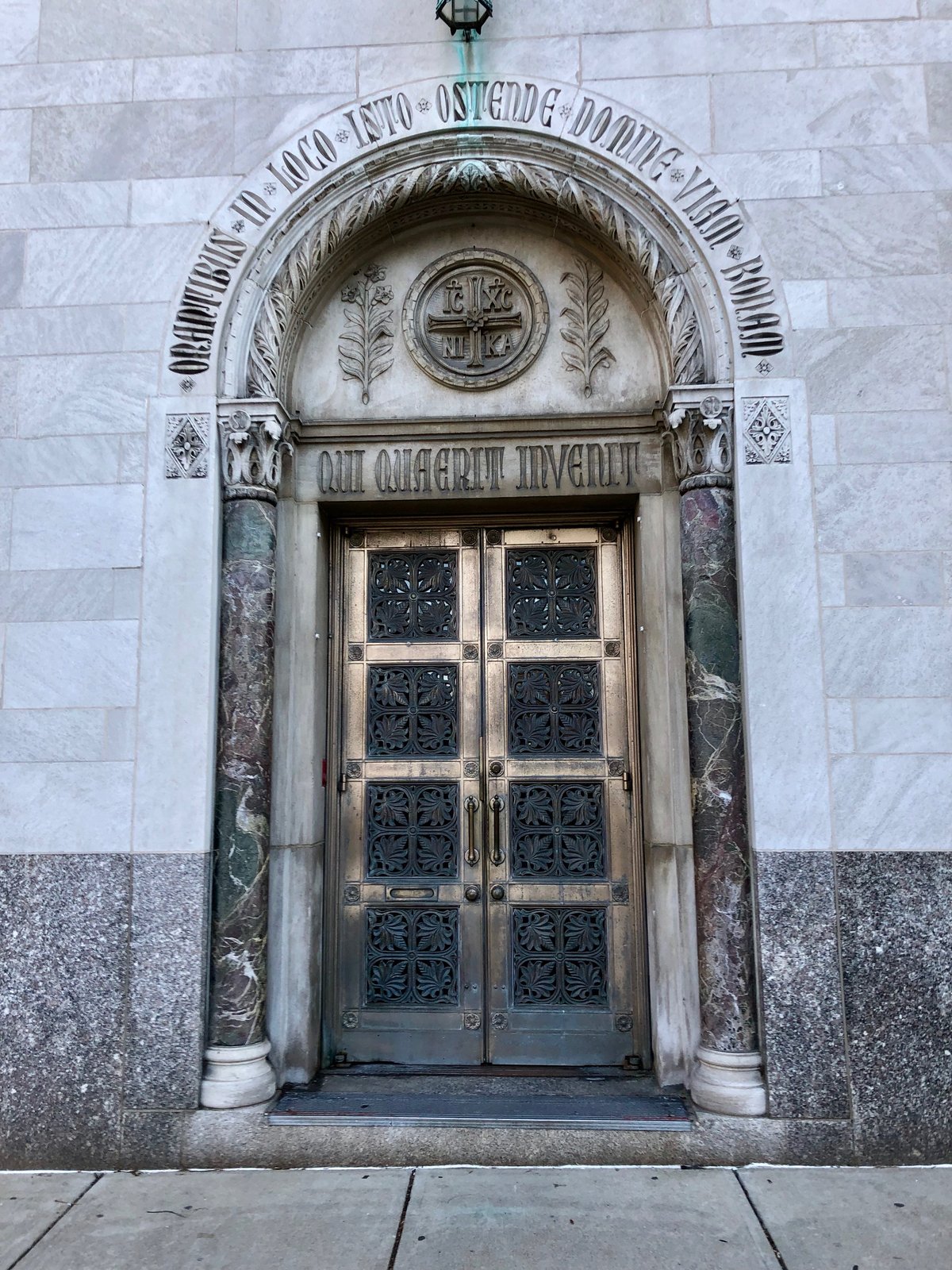
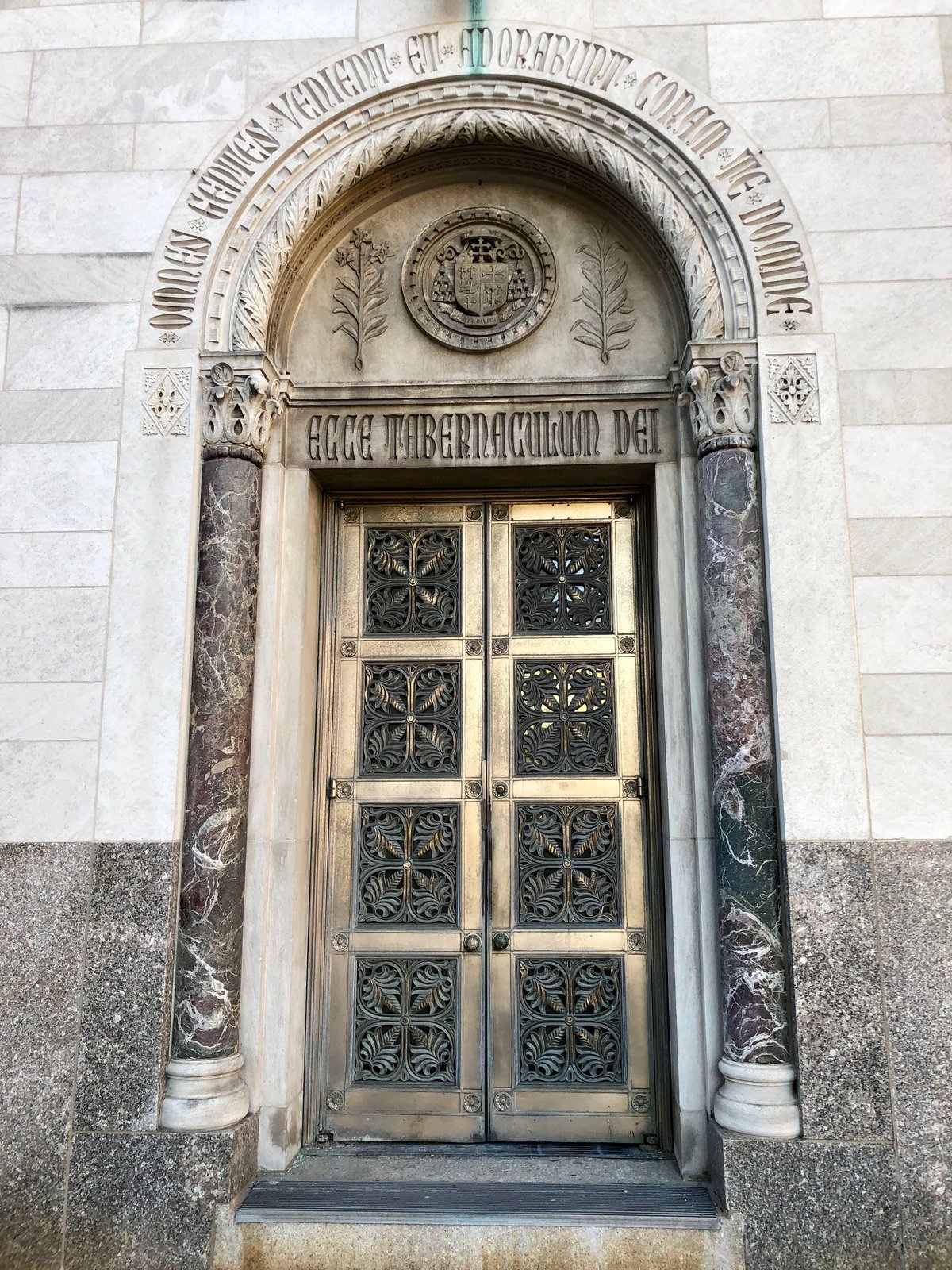
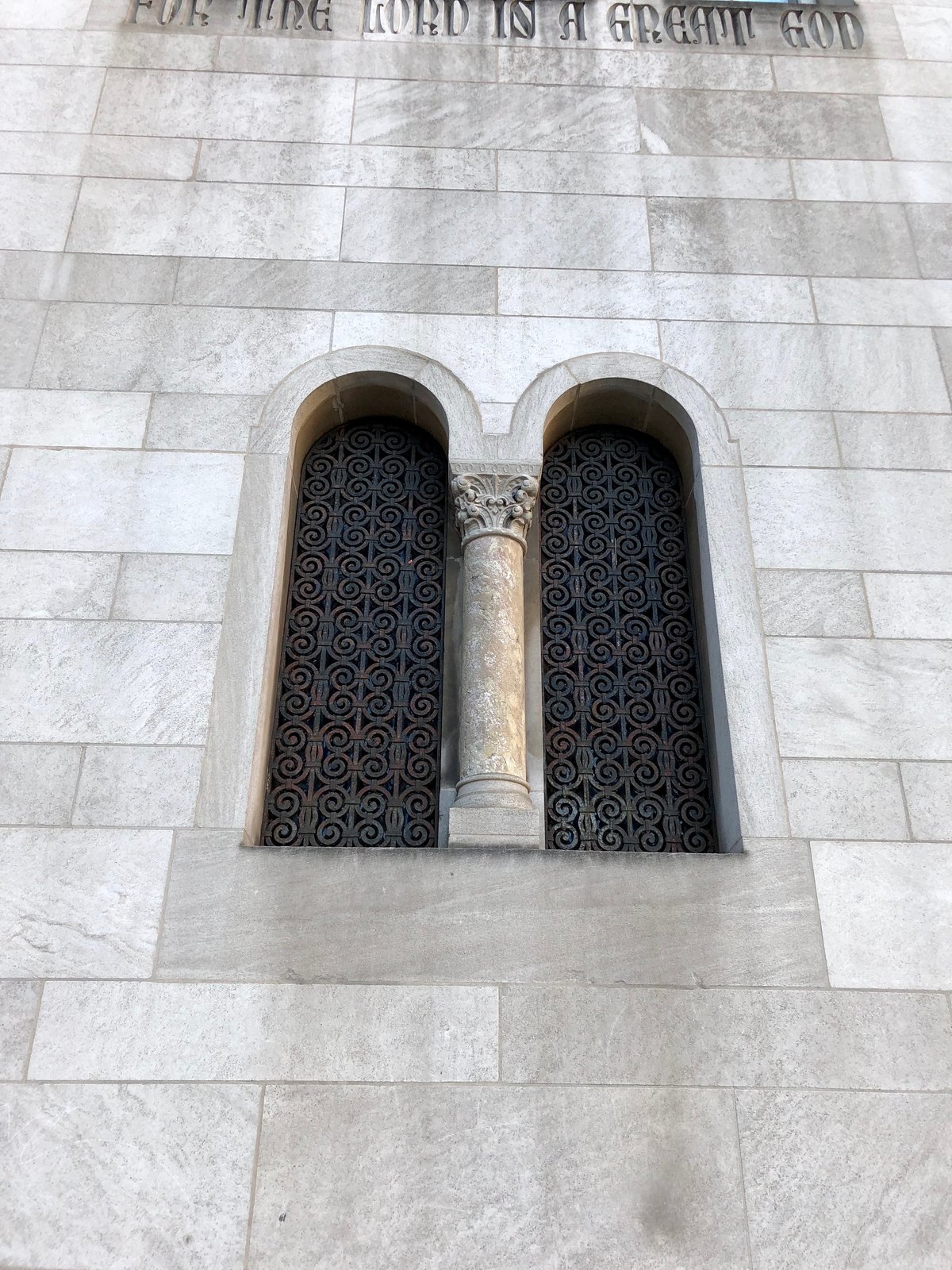
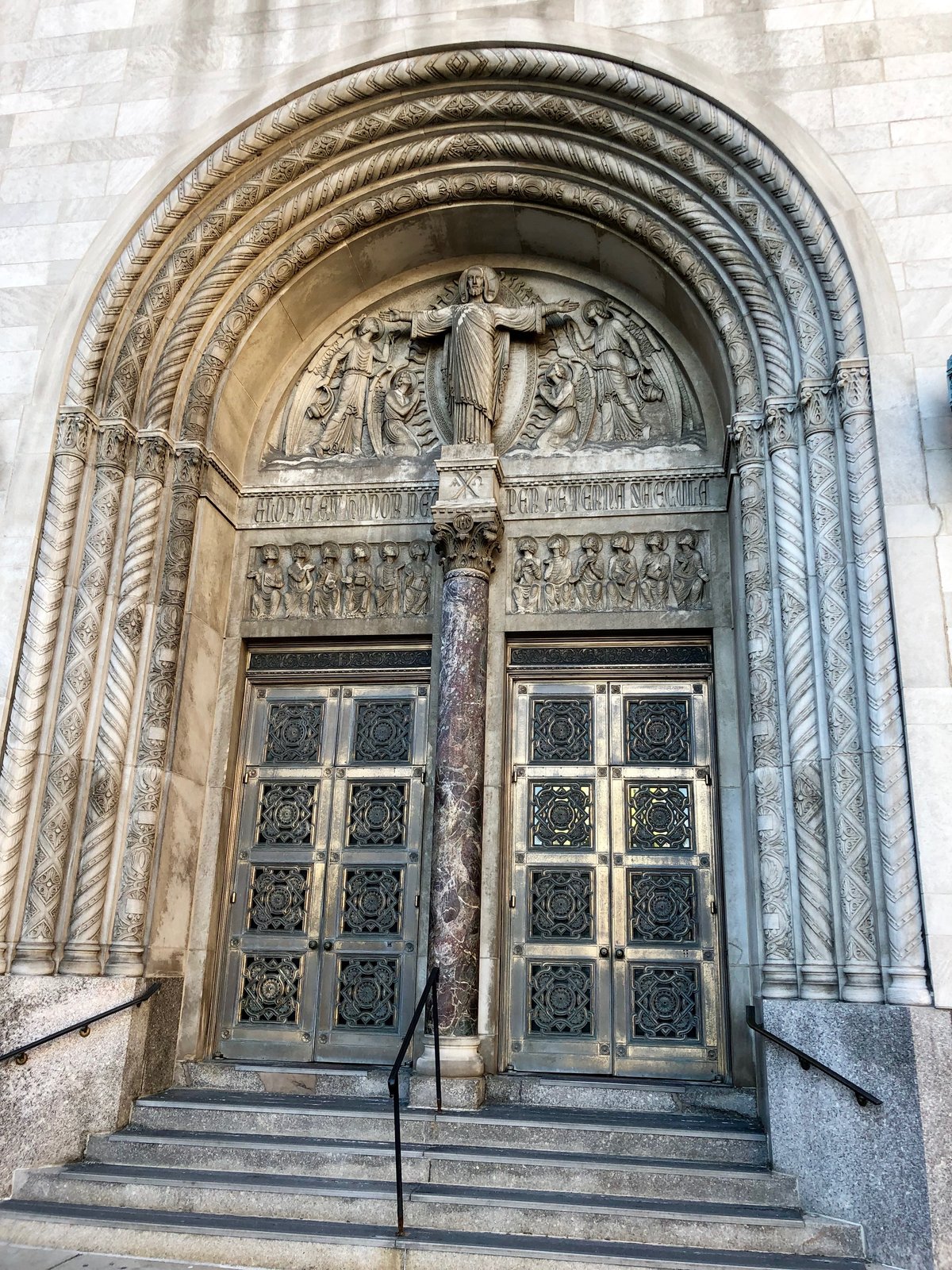
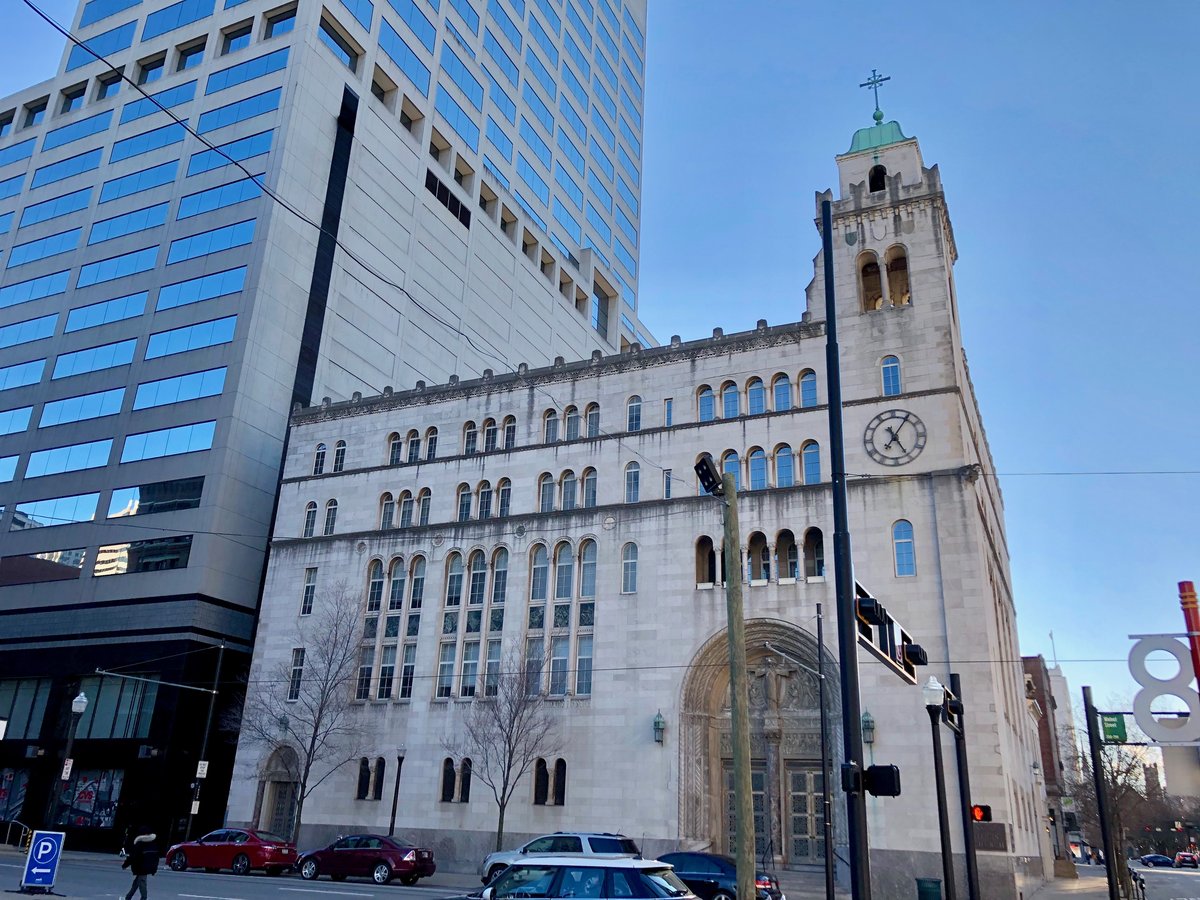
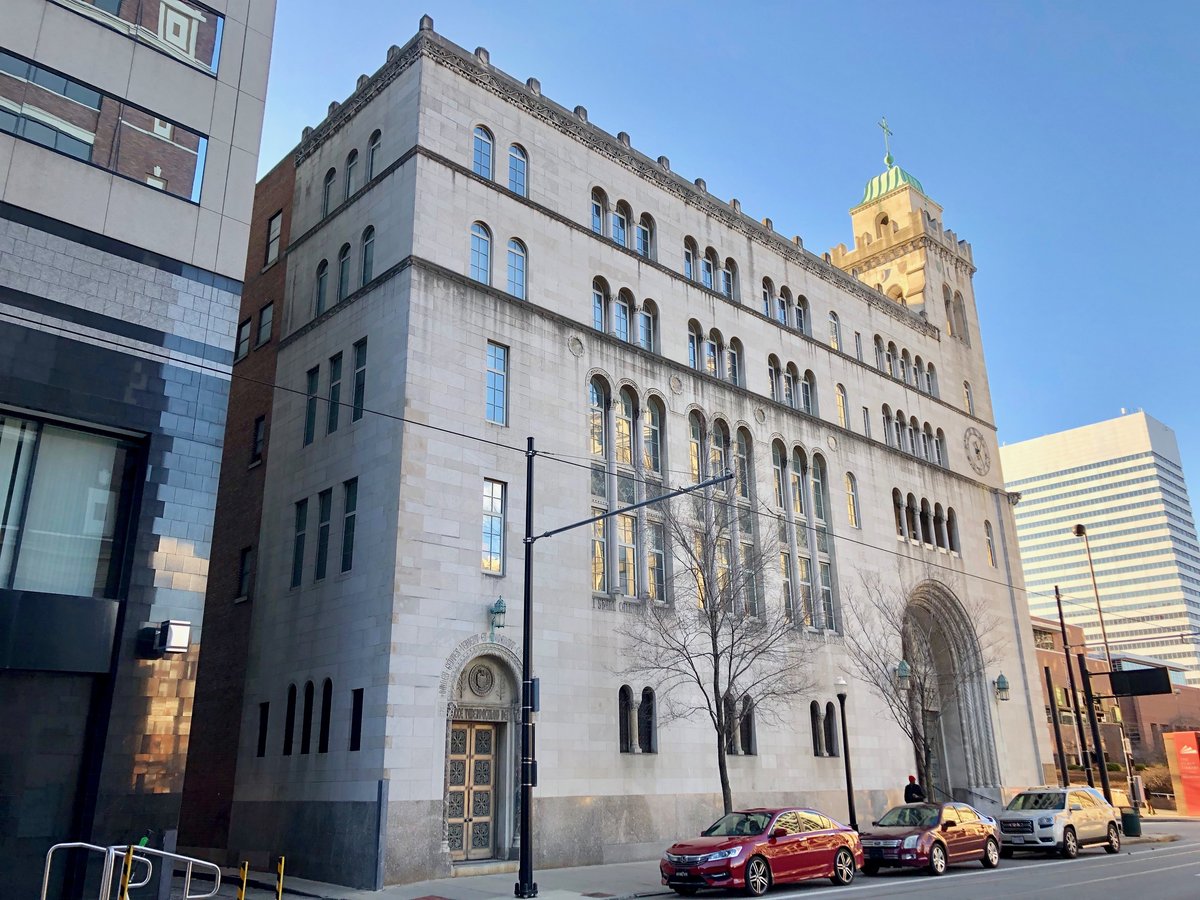
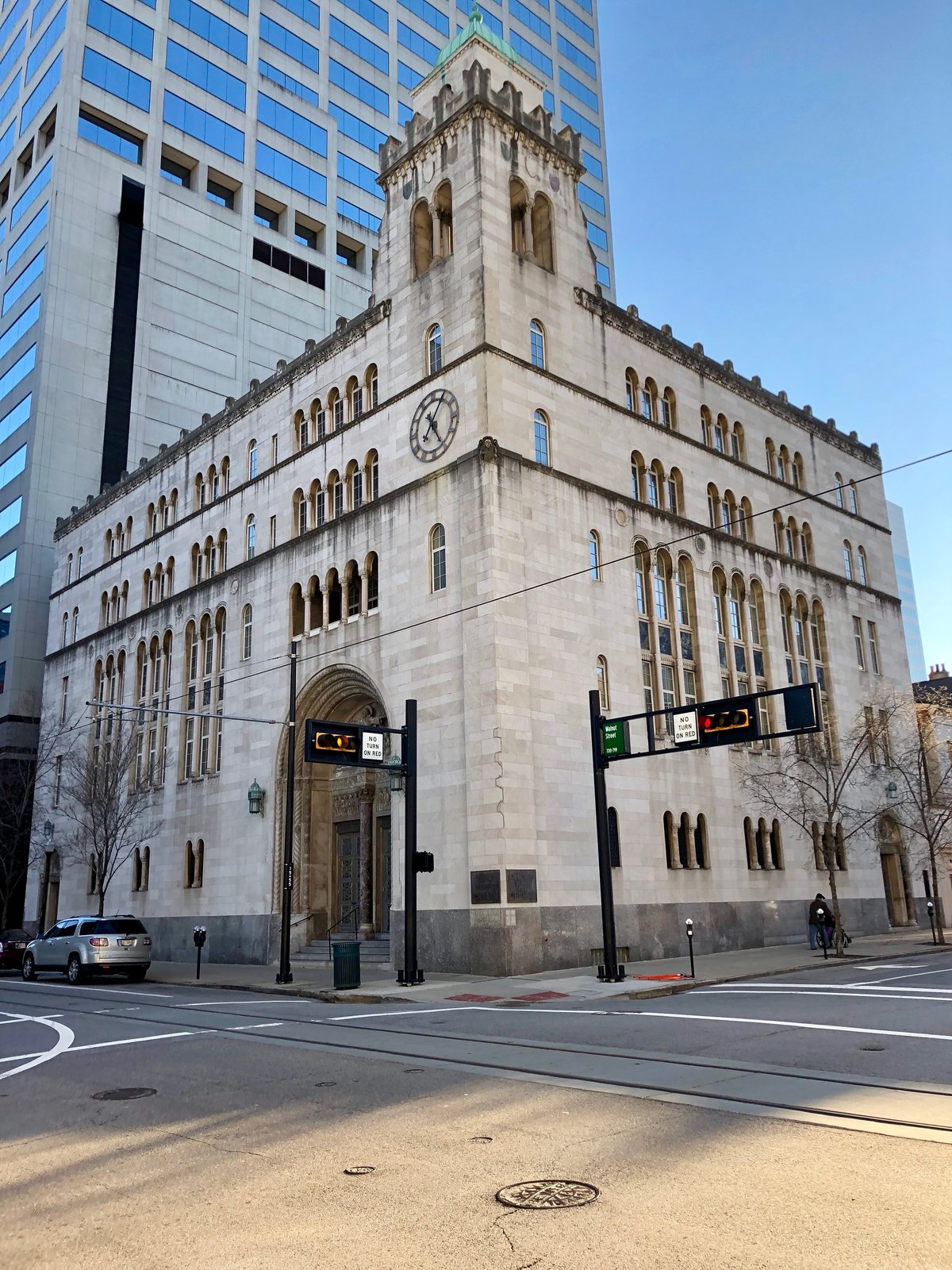
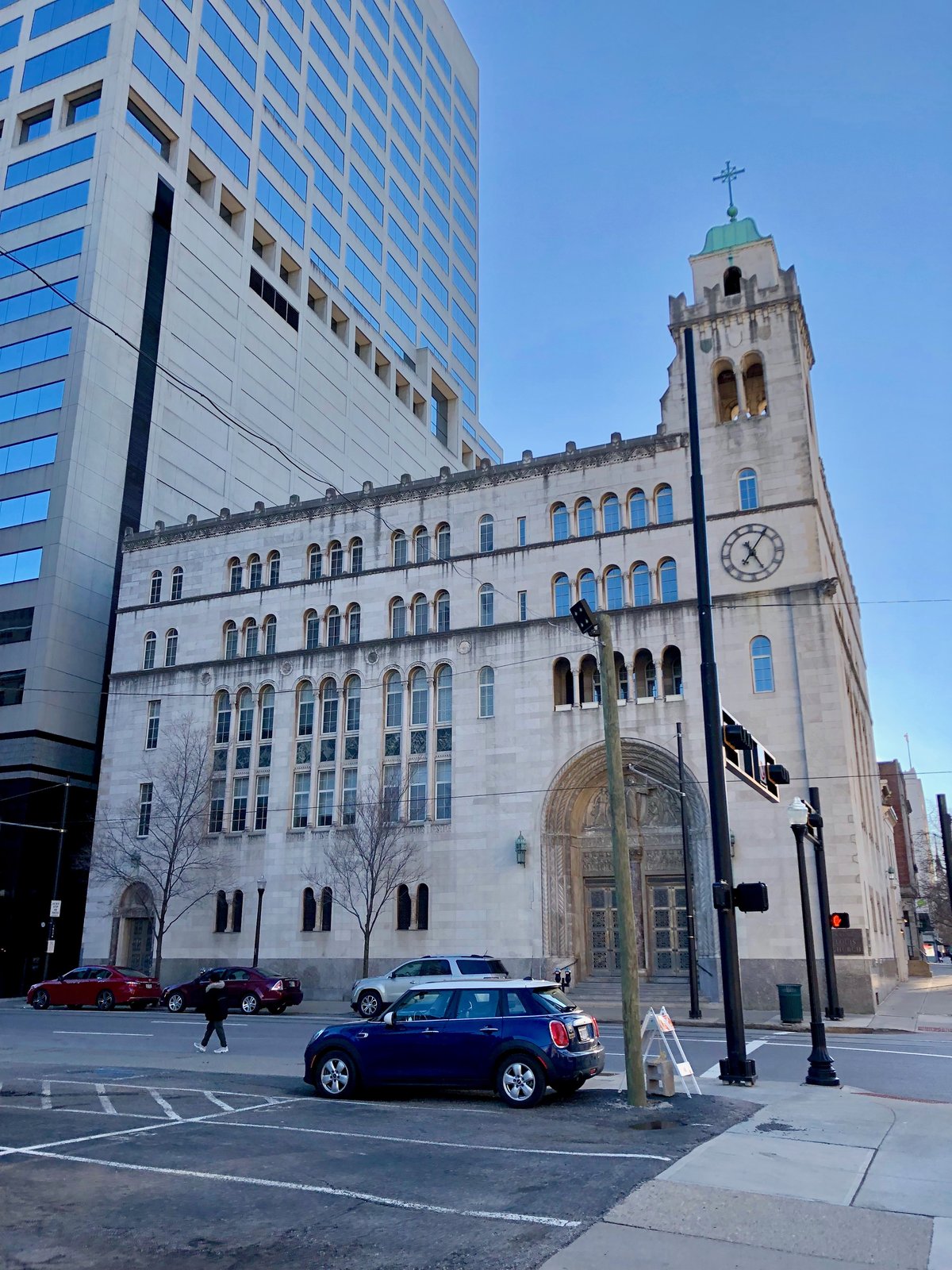
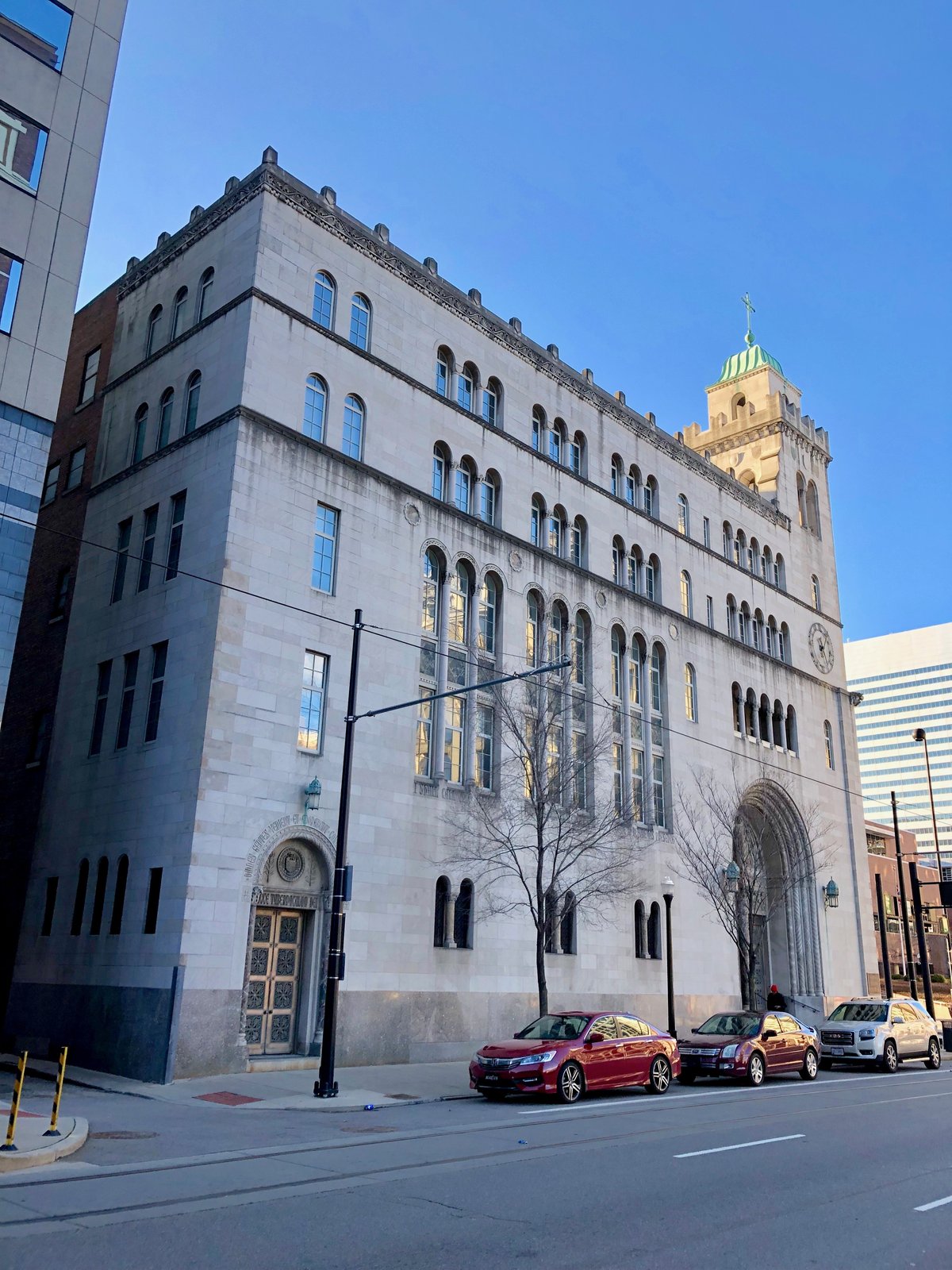
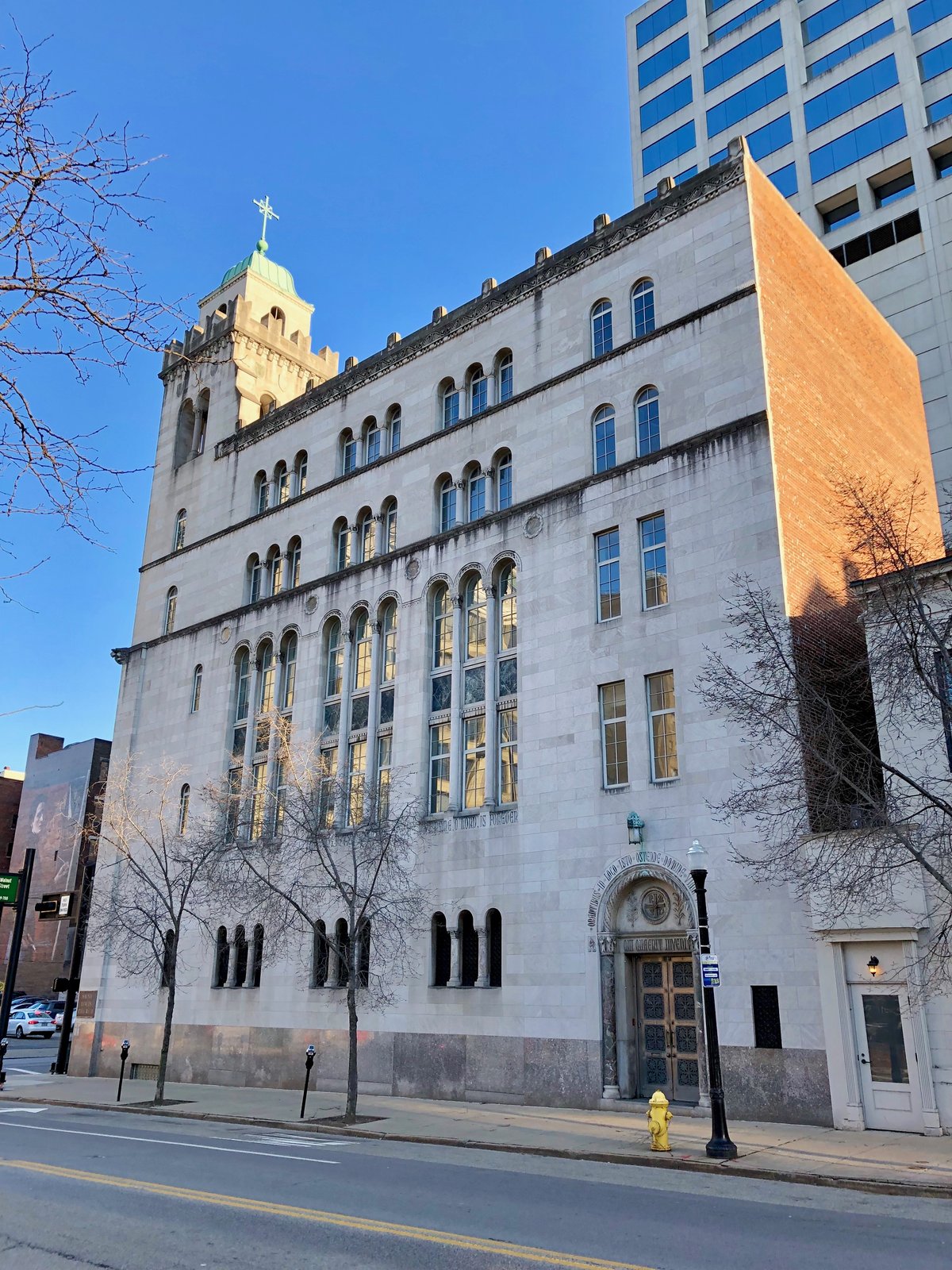
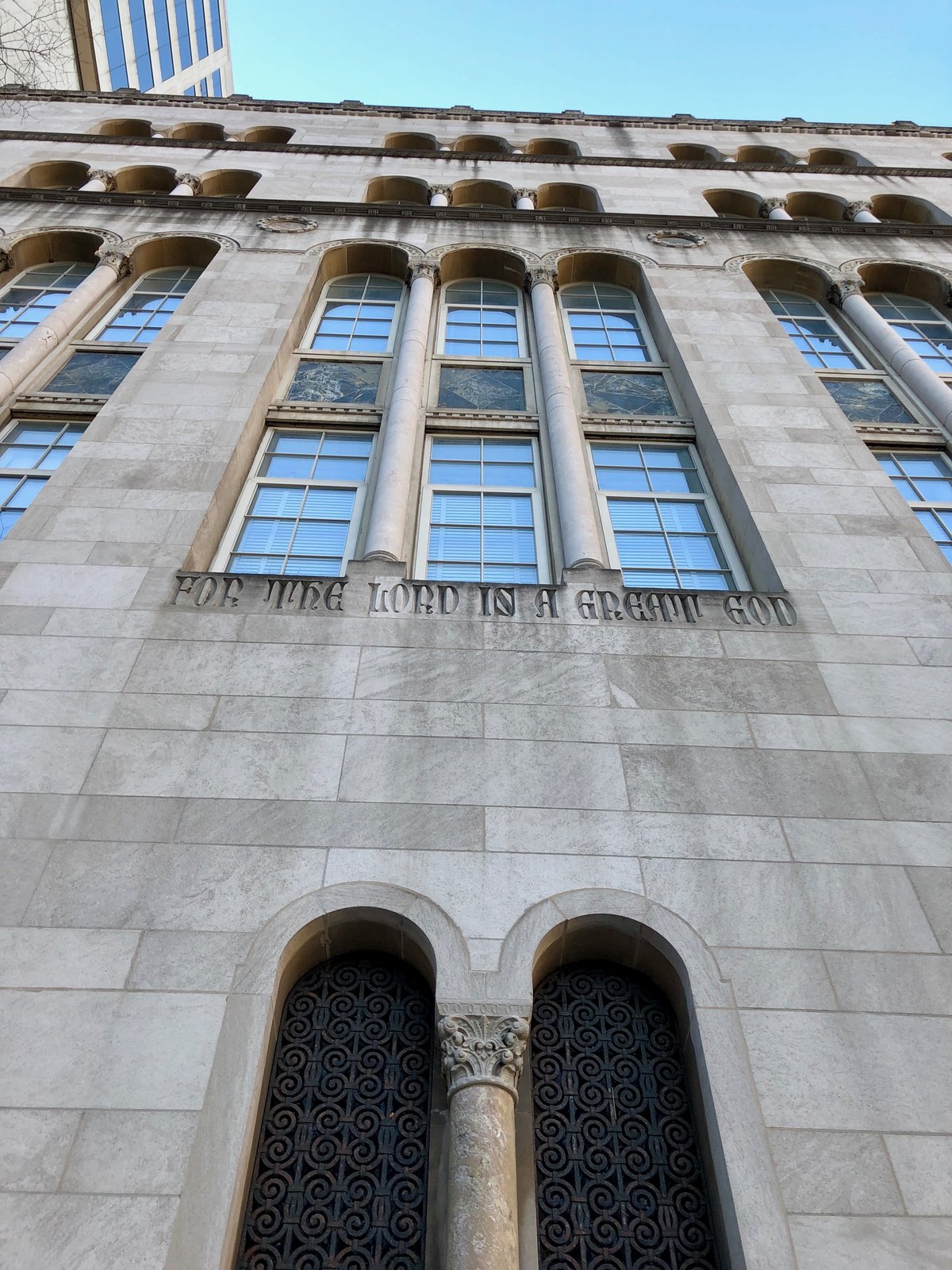
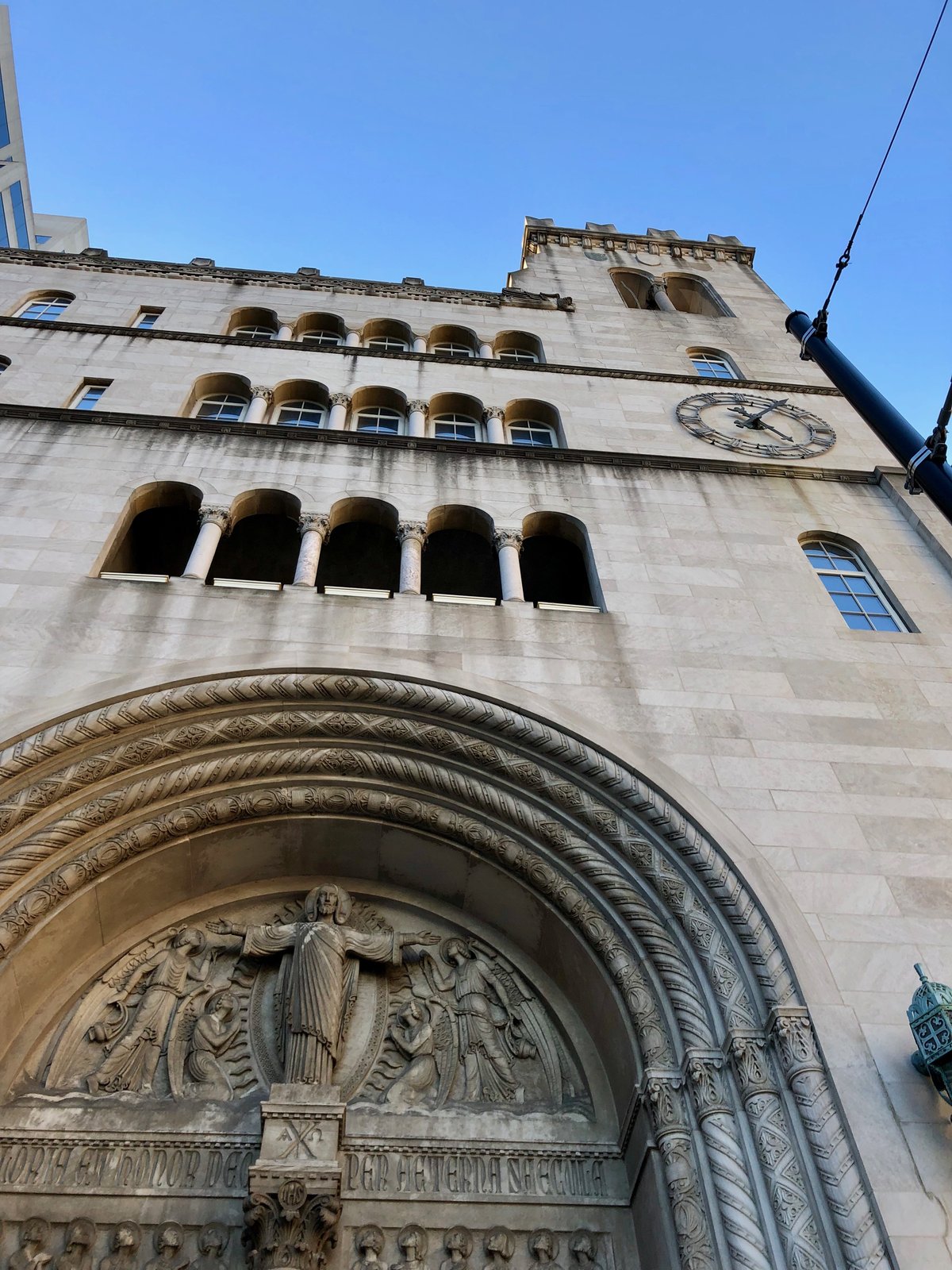
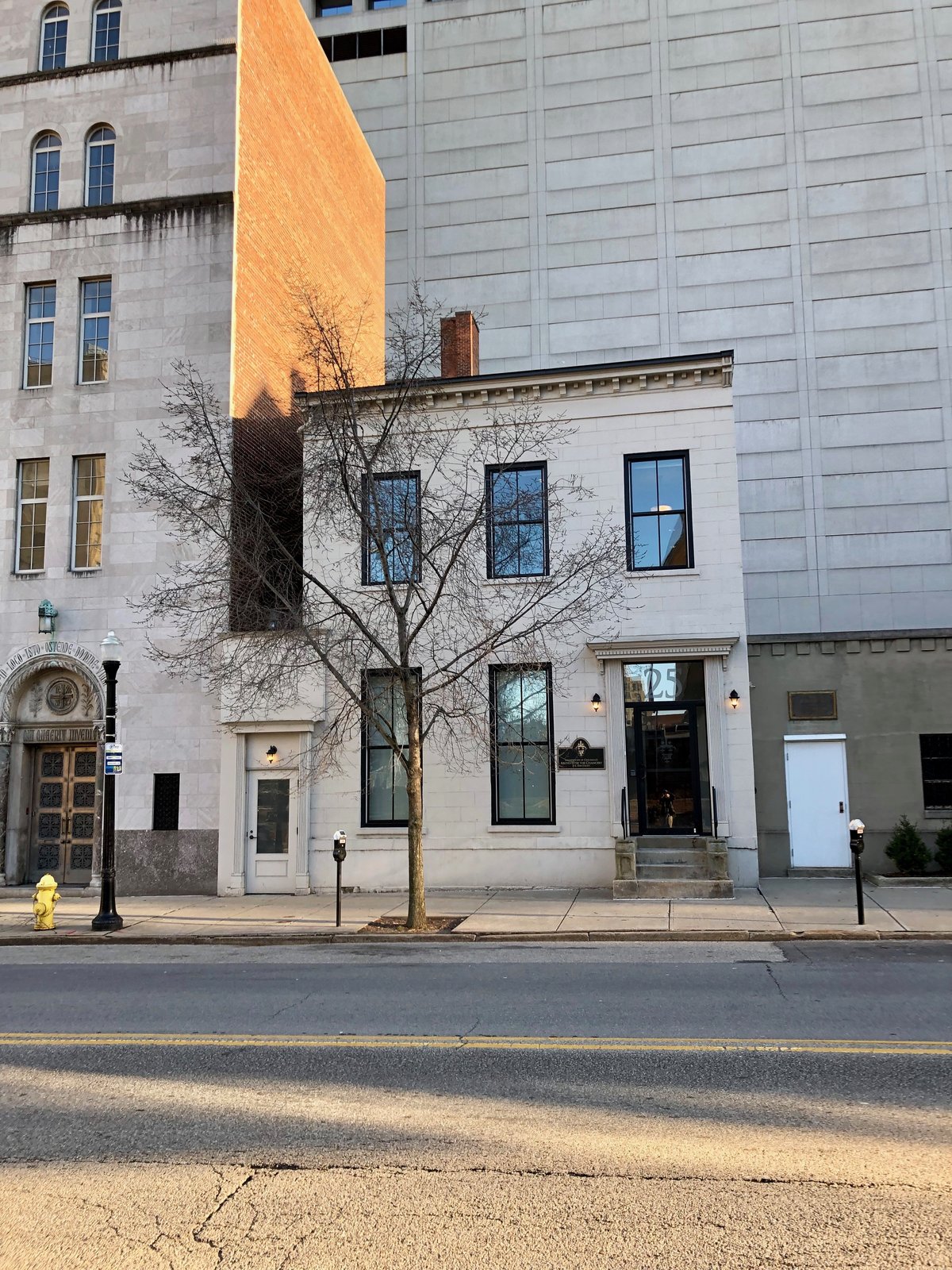
オーディアラ2024The exterior design of St. Louis Church exemplifies the architectural eclecticism prevalent in Cincinnati’s sacred buildings during the late 19th century. While specific façade details are less frequently documented, it likely incorporates Gothic Revival or Romanesque Revival elements, which were dominant styles at the time.
Key architectural features you can expect include:
- Pointed Arches and Lancet Windows: Typical of Gothic Revival, drawing the eye upward to create verticality and light.
- Buttresses and Steeply Pitched Roofs: Both structural and decorative, these enhance the church’s silhouette.
- Stone or Brick Construction: Locally sourced materials lend durability and a sense of permanence.
The main entrance is likely prominent, possibly flanked by towers or spires symbolizing aspirations toward the heavens. Decorative stonework, stained glass windows, and carved wooden doors further enhance the building’s visual appeal.
Interior Layout and Artistic Features
Inside, St. Louis Church is designed to inspire awe and reverence, conforming to Catholic liturgical requirements and showcasing local artisans’ talents. Drawing parallels to Cincinnati churches like Old St. Mary’s Church and St. Monica–St. George Catholic Church, visitors can expect:
- Nave and Side Aisles: A traditional basilica plan accommodating congregations and processions.
- Vaulted Ceilings: Ribbed or barrel vaults with decorative motifs enhance grandeur.
- Stained Glass Windows: Illuminating the interior with colorful biblical scenes and saints, including depictions of St. Louis IX of France.
- Altars and Reredos: Elaborate main altars serve as focal points, complemented by side altars.
- Woodwork and Statuary: Hand-carved pews, confessionals, and saint statues enrich the artistic ambiance.
Artisans like Wilhelm Lamprecht and Anton Muller, known contributors to Cincinnati’s Catholic artistic community, may have influenced the church’s decoration (Voyageur Media Group PDF).
Structural Innovations and Materials
St. Louis Church likely incorporates innovative construction techniques and high-quality materials typical of Cincinnati’s churches from the era:
- Load-Bearing Masonry Walls: Thick walls provide structural support and enhance acoustics.
- Timber Roof Trusses: Allowing wide open interior spaces without obstructive columns.
- Locally Sourced Materials: Ohio limestone, brick, and hardwoods reflect regional identity and economic practicality.
These methods ensure longevity and accommodate large stained glass windows and expansive interiors.
Symbolism and Liturgical Orientation
The church’s design embodies Catholic symbolism and liturgical tradition:
- Eastward Orientation: The altar likely faces east, symbolizing resurrection and Christ’s coming.
- Cruciform Plan: The floor plan may be cross-shaped, reinforcing Christian symbolism.
- Iconography: Statues, paintings, and stained glass depict the life of St. Louis IX and other sacred narratives.
Such elements serve catechetical purposes, teaching faith through art and architecture.
Preservation and Restoration Efforts
Ongoing preservation initiatives help maintain St. Louis Church’s structural integrity and artistic heritage. Key efforts include:
- Stained Glass Conservation: Cleaning and repairing to preserve original beauty.
- Structural Repairs: Addressing foundation, roof, and masonry issues.
- Interior Restoration: Repainting murals, restoring woodwork, and updating lighting while respecting historical authenticity.
Supported by parishioners, local societies, and preservation grants, these projects safeguard Cincinnati’s architectural legacy (Voyageur Media Group PDF).
Visiting St. Louis Church Cincinnati: Practical Information
Visiting Hours
St. Louis Church Cincinnati is typically open to visitors:
- Monday to Friday: 9:00 AM – 5:00 PM
- Saturday: 10:00 AM – 4:00 PM
- Sunday: Closed for services
Note: Hours may vary during holidays or special events. Check the church’s official website or contact the parish office for the latest St. Louis Church Cincinnati visiting hours.
Tickets and Admission
Admission to St. Louis Church is free. Donations are welcome to support ongoing preservation.
Accessibility
The church strives to accommodate visitors with mobility concerns. There are ramps at the main entrance, and accessible seating is available. However, some areas may have steps or narrow aisles.
COVID-19 Guidelines
Visitors are encouraged to check current COVID-19 protocols on the church website, including mask requirements and social distancing measures.
Getting There
- Address: 123 Church Street, Cincinnati, OH 45202
- Public Transit: Accessible via Metro bus routes 1, 2, and 7.
- Parking: Limited street parking nearby; several public garages within walking distance.
Guided Tours and Special Events
Guided tours are offered monthly and by appointment, providing deeper insights into the church’s history and architecture. The church also hosts concerts and religious festivals throughout the year.
Visitor Experience: Architectural Highlights and Photo Tips
- Façade Details: Observe the intricate stonework and carvings at the main entrance.
- Stained Glass: Capture the colorful biblical scenes during morning light for optimal illumination.
- Interior Artworks: Look for murals, statues, and woodwork reflecting the church’s heritage.
- Acoustics: Attend a musical event to experience the rich sound quality.
Photography without flash is generally allowed; always confirm on-site.
Frequently Asked Questions (FAQ)
Q: What are the St. Louis Church Cincinnati visiting hours? A: Generally, Monday to Friday 9:00 AM–5:00 PM, Saturday 10:00 AM–4:00 PM, closed Sundays. Check official sources for updates.
Q: Is there an entrance fee or ticket required? A: Admission is free; donations help support preservation.
Q: Are guided tours available? A: Yes, monthly tours and private appointments are offered. Contact the parish office to schedule.
Q: Is photography allowed inside the church? A: Non-flash photography is usually permitted. Please verify with church staff.
Q: Is the church accessible for visitors with disabilities? A: Yes, ramps and accessible seating are available, but some areas may be limited.
Explore More: Related Cincinnati Sacred Architecture
Dive deeper into Cincinnati’s rich sacred architecture by visiting nearby landmarks:
Conclusion
St. Louis Church Cincinnati stands as a vibrant symbol of faith, culture, and architectural craftsmanship. By exploring its historical context, architectural features, and visitor amenities, you can appreciate its significance within Cincinnati’s sacred landscape. Plan your visit to experience this treasured Cincinnati historical site firsthand.
Call to Action
For the latest updates on visiting St. Louis Church Cincinnati and other historical sites, download the Audiala mobile app. Follow us on social media for exclusive content, guided tour announcements, and more architectural highlights from Cincinnati and beyond.