
マウントメアリー大学ミルウォーキー訪問ガイド:チケット、営業時間、アトラクション
日付:2025年6月14日
はじめに:マウントメアリー大学の遺産と訪問者体験を発見する
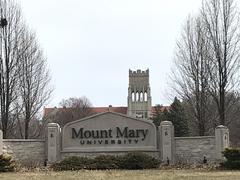
ウィスコンシン州ミルウォーキーの中心部に位置するマウントメアリー大学は、学術的卓越性、歴史的重要性、そして活気あるキャンパスライフの灯台です。1872年にノートルダムスクール・シスターズによってセントメアリーズ・インスティテュートとして設立され、女性のエンパワーメント、イノベーションの採用、そして多様で包括的なコミュニティの育成で知られる活気ある大学へと進化しました。ウィスコンシン州初のカトリック女子大学であるマウントメアリーの豊かな遺産、見事な建築、そして社会正義への取り組みは、将来の学生、歴史愛好家、そしてミルウォーキーの教育的および文化的ランドマークを探索する旅行者にとって必須の目的地となっています。(マウントメアリー大学の歴史、マウントメアリー大学訪問計画)
目次概要
- はじめに
- 初期設立と成長
- ミルウォーキーへの移転とキャンパス開発
- 学術的進化
- ノートルダムスクール・シスターズの揺るぎない遺産
- 歴史的な瞬間と地域社会への影響
- 訪問者体験:営業時間、チケット、ツアー、アクセシビリティ
- バーチャルツアーとデジタルリソース
- ミルウォーキー近郊の観光スポット
- 将来展望:保存とイノベーション
- よくある質問(FAQ)
- 結論と旅行のヒント
- 参考文献
初期設立:セントメアリーズ・インスティテュートとノートルダムスクール・シスターズ
マウントメアリー大学のルーツは、1872年にノートルダムスクール・シスターズ(SSND)がウィスコンシン州プレーリードゥシェンにセントメアリーズ・インスティテュートを設立したことに遡ります。キャロライン・フリース母会の指導の下、SSNDは、そのような機会がまれだった時代に、女性に変革的な教育を提供することを目指しました(EMKE)。1913年、このインスティテュートはセントメアリーズ・カレッジとなり、ウィスコンシン州初の4年制カトリック女子大学として学士号の授与が認められました(Wikipedia)。初期の学術プログラムは、リベラルアーツ、リーダーシップ、女性のエンパワーメントを重視し、大学の揺るぎない使命の基盤を築きました。
ミルウォーキーへの移転とキャンパス開発
1920年代、拡張の必要性から大学は移転することになりました。1926年にセバスチャン・メスマー大司教の招きを受け、大学はミルウォーキーに移転し、メノモニー川パークウェイ沿いの80エーカーの敷地を取得しました(Wikiwand)。1929年、新しくマウントメアリー・カレッジと名付けられた大学は、132人の女性を迎え入れ、この都市における女性高等教育の新時代を確立しました(Wikipedia)。
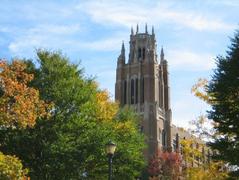
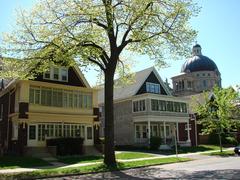
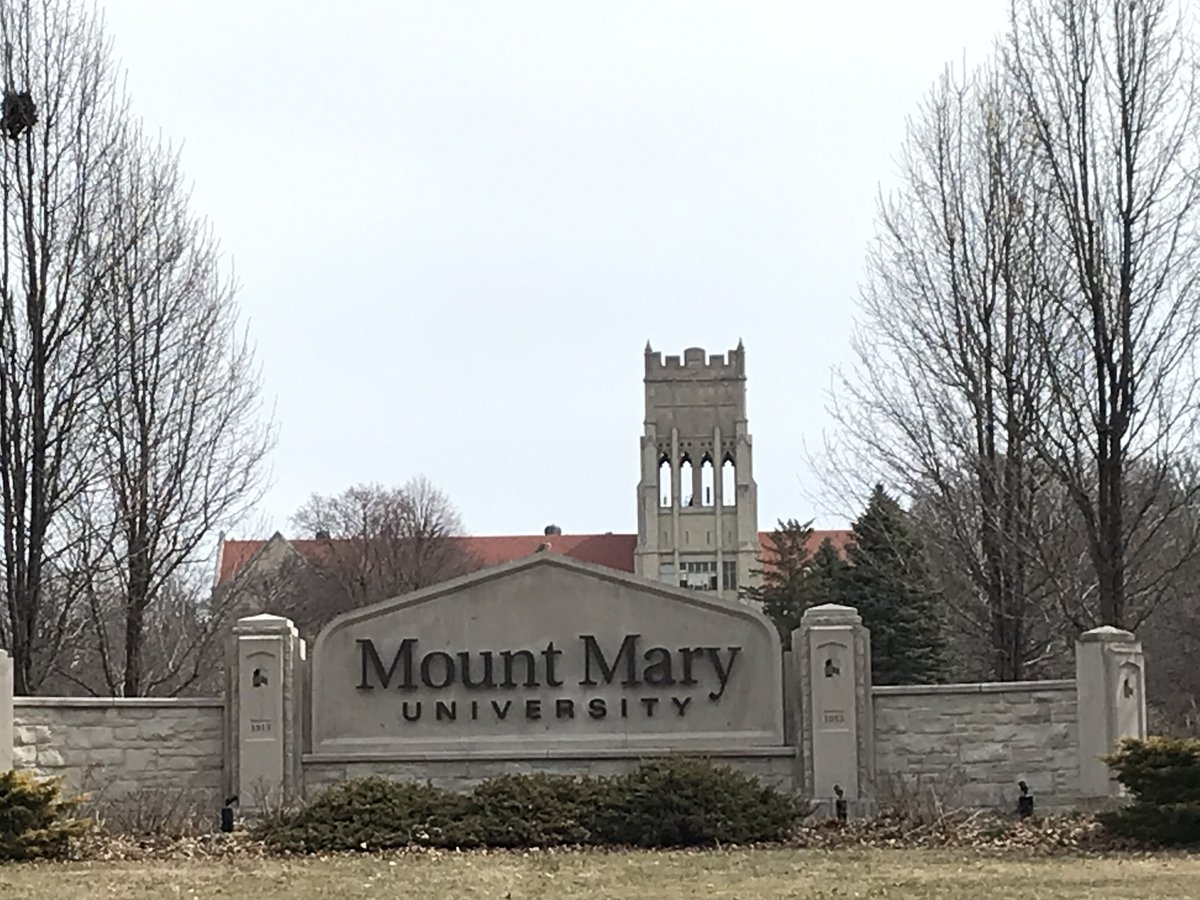
キャンパスはすぐに、ノートルダム・ホール(象徴的な鐘楼がある)、キャロライン・ホール(寮)、フィデリス・ホール、コストカ・ホール、バーグストローム・ホールなどを備えて成長しました。ハガティ・ライブラリ、最新鋭のフードラボ、ヘルスサイエンスセンターといった現代的な追加施設は、イノベーションと学生の成功への継続的な コミットメントを反映しています(Mount Mary Magazine)。
学術的進化とマイルストーン
マウントメアリー大学には現在約1,500人の学生が在籍しており、30以上の学士課程専攻とさまざまな大学院プログラムを提供しています(Wikiwand)。学部教育は引き続き女性に焦点を当てていますが、大学院プログラムはすべての性別が利用できます。ヒスパニック教育機関として、マウントメアリーの学生層は、2024年時点でヒスパニック学部生の33%以上を占めるなど、アクセスと多様性への コミットメントを反映しています(Mount Mary University)。
ノートルダムスクール・シスターズ:遺産と コミュニティ
SSNDの影響は、キャンパスのアイデンティティの中心であり続けています。今日、彼らの遺産は、引退したシスター、高齢者、そして学生のシングルマザー間のつながりを育む世代間住宅プロジェクトであるトリニティ・ウッズのような革新的な取り組みを通じて見ることができます(Mount Mary Future)。能力、 、コミュニティという ** 2025年6月14日 **
マウントメアリー大学ミルウォーキー訪問ガイド:チケット、営業時間、アトラクション
序文:マウントメアリー大学の遺産と訪問者体験を発見する
ウィスコンシン州ミルウォーキーの中心部に位置するマウントメアリー大学は、学術的卓越性、歴史的重要性、そして活気あるキャンパスライフの beacon です。1872年にノートルダムスクール・シスターズによってセントメアリーズ・インスティテュートとして設立され、女性のエンパワーメント、イノベーションの採用、そして多様で包括的なコミュニティの育成で知られる活気ある大学へと進化しました。ウィスコンシン州初のカトリック女子大学であるマウントメアリーの豊かな遺産、見事な建築、そして社会正義への取り組みは、将来の学生、歴史愛好家、そしてミルウォーキーの教育的および文化的ランドマークを探索する旅行者にとって必須の目的地となっています。(マウントメアリー大学の歴史、マウントメアリー大学訪問計画)
目次概要
- 序文
- 初期設立と成長
- ミルウォーキーへの移転とキャンパス開発
- 学術的進化
- ノートルダムスクール・シスターズの揺るぎない遺産
- 歴史的な瞬間と地域社会への影響
- 訪問者体験:営業時間、チケット、ツアー、アクセシビリティ
- バーチャルツアーとデジタルリソース
- ミルウォーキー近郊の観光スポット
- 将来展望:保存とイノベーション
- よくある質問(FAQ)
- 結論と旅行のヒント
- 参考文献
初期設立:セントメアリーズ・インスティテュートとノートルダムスクール・シスターズ
マウントメアリー大学のルーツは、1872年にノートルダムスクール・シスターズ(SSND)がウィスコンシン州プレーリードゥシェンにセントメアリーズ・インスティテュートを設立したことに遡ります。キャロライン・フリース母会の指導の下、SSNDは、そのような機会がまれだった時代に、女性に変革的な教育を提供することを目指しました(EMKE)。1913年、このインスティテュートはセントメアリーズ・カレッジとなり、ウィスコンシン州初の4年制カトリック女子大学として学士号の授与が認められました(Wikipedia)。初期の学術プログラムは、リベラルアーツ、リーダーシップ、女性のエンパワーメントを重視し、大学の揺るぎない使命の基盤を築きました。
ミルウォーキーへの移転とキャンパス開発
1920年代、拡張の必要性から大学は移転することになりました。1926年にセバスチャン・メスマー大司教の招きを受け、大学はミルウォーキーに移転し、メノモニー川パークウェイ沿いの80エーカーの敷地を取得しました(Wikiwand)。1929年、新しくマウントメアリー・カレッジと名付けられた大学は、132人の女性を迎え入れ、この都市における女性高等教育の新時代を確立しました(Wikipedia)。
キャンパスはすぐに、ノートルダム・ホール(象徴的な鐘楼がある)、キャロライン・ホール(寮)、フィデリス・ホール、コストカ・ホール、バーグストローム・ホールなどを備えて成長しました。ハガティ・ライブラリ、最新鋭のフードラボ、ヘルスサイエンスセンターといった現代的な追加施設は、イノベーションと学生の成功への継続的な コミットメントを反映しています(Mount Mary Magazine)。
学術的進化とマイルストーン
マウントメアリー大学には現在約1,500人の学生が在籍しており、30以上の学士課程専攻とさまざまな大学院プログラムを提供しています(Wikiwand)。学部教育は引き続き女性に焦点を当てていますが、大学院プログラムはすべての性別が利用できます。ヒスパニック教育機関として、マウントメアリーの学生層は、2024年時点でヒスパニック学部生の33%以上を占めるなど、アクセスと多様性への コミットメントを反映しています(Mount Mary University)。
ノートルダムスクール・シスターズ:遺産と コミュニティ
SSNDの影響は、キャンパスのアイデンティティの中心であり続けています。今日、彼らの遺産は、引退したシスター、高齢者、そして学生のシングルマザー間のつながりを育む世代間住宅プロジェクトであるトリニティ・ウッズのような革新的な取り組みを通じて見ることができます(Mount Mary Future)。能力、 、コミュニティという ʻ 14/06/2025 task: `{‘model’: ‘gpt-4.1-mini’, ‘query’: ‘Comprehensive guide to visiting Mount Mary University, Milwaukee, United States: history, significance, visitor tips, and everything tourists need to know for a memorable experience.’, ‘verbose’: False, ‘guidelines’: [“Keyword Research: Identify relevant keywords that potential visitors are likely to search for, such as ‘[Monument Name] visiting hours,’ ‘[Monument Name] tickets,’ and ‘[City] historical sites.’ Use these keywords strategically throughout the article, including in the title, headers, and body text, but avoid keyword stuffing.”, ‘Engaging and Informative Title: Craft a title that is both SEO-friendly and compelling to encourage clicks. Include the main keyword and make it clear what the article will cover.’, ‘Structured Content: Use headings (H1, H2, H3) to organize the content effectively. This helps with SEO and makes the article easier for readers to navigate. Include an introduction that hooks the reader, a detailed body that covers all relevant aspects, and a conclusion that summarizes the key points.’, ‘Comprehensive Coverage: Address common questions and topics of interest such as the history of the monument, its cultural significance, visitor information (e.g., ticket prices, opening hours), travel tips, nearby attractions, and accessibility. Include sections that might be unique to the monument, like special events, guided tours, and photographic spots.’, ‘Quality Content: Ensure the content is well-researched, accurate, and provides real value to readers. Use reliable sources and provide factual information. Write in a clear, engaging, and accessible style. Consider your audience and use language that is appropriate for those likely to visit the monument.’, ‘Visuals and Media: Incorporate high-quality images or videos of the monument. These should be optimized for the web (correct sizing, alt tags with keywords). Consider interactive elements like virtual tours or maps.’, ‘Internal and External Links: Include links to other related articles on your site to encourage deeper engagement (internal links). Link to official websites for the monument or credible sources for further reading (external links).’, ‘FAQ: Incorporate FAQ sections to target voice search queries and featured snippets’, ‘Visit and Stay Up to Date: End the article with a call to action, such as encouraging readers to download our mobile app Audiala, check out other related posts, or follow on social media for more updates.’], ‘max_sections’: 4, ‘publish_formats’: {‘pdf’: False, ‘docx’: False, ‘markdown’: True}, ‘follow_guidelines’: True}, ‘title’: ‘Comprehensive Guide to Visiting Mount Mary University, Milwaukee, United States’, ‘report’: ’# Mount Mary University Milwaukee Visiting Guide: Tickets, Hours, and Attractions\n#### Date: 14/06/2025\n\n## Introduction: Discover Mount Mary University’s Heritage and Visitor Experience\n\nNestled in the heart of Milwaukee, Wisconsin, Mount Mary University is a beacon of academic excellence, historic significance, and vibrant campus life. Founded in 1872 by the School Sisters of Notre Dame as St. Mary’s Institute, it has evolved into a thriving university known for empowering women, embracing innovation, and fostering a diverse and inclusive community. As Wisconsin’s first four-year Catholic women’s college, Mount Mary’s rich legacy, stunning architecture, and commitment to social justice values make it a must-visit destination for prospective students, history enthusiasts, and travelers exploring Milwaukee’s educational and cultural landmarks. (Mount Mary University History, Mount Mary University Visit Planning)\n\n---\n\n## Contents Overview\n\n- Introduction\n- Early Foundations and Growth\n- Relocation and Campus Development\n- Academic Evolution\n- The Enduring Legacy of the School Sisters of Notre Dame\n- Historical Moments and Community Impact\n- Visitor Experience: Hours, Tickets, Tours, and Accessibility\n- Virtual Tours and Digital Resources\n- Nearby Milwaukee Attractions\n- Looking Forward: Preservation and Innovation\n- Frequently Asked Questions (FAQ)\n- Conclusion and Travel Tips\n- References\n\n---\n\n## Early Foundations: St. Mary’s Institute and the School Sisters of Notre Dame\n\nMount Mary University’s roots trace back to 1872, when the School Sisters of Notre Dame (SSND) established St. Mary’s Institute in Prairie du Chien, Wisconsin. Led by Mother Caroline Friess, the SSND aimed to provide transformative education for women at a time when such opportunities were rare (EMKE). By 1913, the institute became St. Mary’s College, Wisconsin’s first four-year Catholic women’s college, authorized to confer bachelor’s degrees (Wikipedia). Early academic programs emphasized liberal arts, leadership, and women’s empowerment, laying the foundation for the university’s enduring mission.\n\n---\n\n## Relocation to Milwaukee and Campus Development\n\nIn the 1920s, the need for expansion led to the college’s relocation. Invited by Archbishop Sebastian Messmer in 1926, the college moved to Milwaukee, acquiring an 80-acre site along the Menomonee River Parkway (Wikiwand). In 1929, the newly named Mount Mary College opened its doors to 132 women, establishing a new era of higher education for women in the city (Wikipedia).\n\nThe campus quickly grew to include Notre Dame Hall (with its iconic bell tower), Caroline Hall (residence), Fidelis Hall, Kostka Hall, and Bergstrom Hall. Modern additions such as the Haggerty Library, state-of-the-art food lab, and Health Sciences Center reflect ongoing commitment to innovation and student success (Mount Mary Magazine).\n\n---\n\n## Academic Evolution and Milestones\n\nMount Mary University now enrolls approximately 1,500 students, offering more than 30 undergraduate majors and a range of graduate programs (Wikiwand). While undergraduate education remains focused on women, graduate programs are open to all genders. As a Hispanic Serving Institution, Mount Mary’s student body reflects a commitment to access and diversity, with over 33% Hispanic undergraduates as of 2024 (Mount Mary University).\n\n---\n\n## The School Sisters of Notre Dame: Legacy and Community\n\nThe SSND’s influence remains central to campus identity. Today, their legacy is visible through innovative initiatives like Trinity Woods—an intergenerational housing project fostering connections among retired sisters, seniors, and student single mothers (Mount Mary Future). Their values of competence, compassion, and community continue to shape the university’s ethos and outreach.\n\n---\n\n## Historical Moments and Community Impact\n\nMount Mary University has hosted numerous notable events, including the 2019 “Women and Power: A Right to be Heard” forum marking Wisconsin’s 19th Amendment centennial (Mount Mary History). The campus is also home to rich archival collections and art exhibitions, celebrating both the university’s own history and broader cultural achievements.\n\n---\n\n## Visitor Experience: Campus Hours, Tickets, Tours, and Accessibility\n\n### Visiting Hours and Admission\n\n- Campus Hours: Monday through Friday, 8:00 AM to 5:00 PM.\n- Admission: General campus access is free. Special events or exhibitions may require advance registration or tickets.\n- Guided Tours: Available by appointment through the Admissions Office. Typical visits include an admissions presentation and guided walking tour.\n- Saturday Tours: Offered seasonally; check the official schedule for availability (Mount Mary University Saturday Visits).\n\n### Accessibility\nThe campus is fully accessible, featuring ramps, elevators, and designated parking. Staff are available to assist visitors with special needs. All major buildings, including Notre Dame Hall and the Haggerty Library, are wheelchair accessible (Princeton Review).\n\n### Parking and Getting There\n\nVisitor parking is available directly in front of Notre Dame Hall. The campus is easily accessible by car (with clear directions from all major highways) and by public transportation. The university is about 30 minutes from General Mitchell International Airport, and taxis or buses provide easy transfers (Princeton Review).\n\n### On-Campus Services\n\n- Dining: Campus eateries and nearby restaurants at Mayfair Mall.\n- Facilities: Cyber Café, Haggerty Library, Gerhardinger Science and Technology Center, fitness center.\n- Health and Wellness: Counseling and health services available for students and visitors (Mount Mary University Campus Life).\n\n---\n\n## Virtual Visits and Digital Resources\n\nFor those unable to visit in person, Mount Mary offers a virtual campus map and tour, featuring interactive content, historical narratives, and archival photos.\n\n---\n\n## Nearby Milwaukee Attractions\n\nExtend your visit with nearby cultural and recreational sites:\n\n- Harley-Davidson Museum\n- Milwaukee Art Museum\n- Historic Third Ward\n- Lakefront Park\n- Milwaukee Public Market\n- Milwaukee County Zoo\n\nMount Mary’s location makes it a convenient starting point for exploring the city’s best attractions (Milwaukee Attractions Guide).\n\n---\n\n## Looking Forward: Preservation and Innovation\n\nUnder the “Thrive 2025” strategic plan, Mount Mary University continues to pursue academic innovation, community engagement, and campus enhancement (Mount Mary Future). Initiatives such as expanded health sciences programs and intergenerational housing reflect a forward-looking approach to education and community service.\n\n---\n\n## Frequently Asked Questions (FAQ)\n\nQ: What are Mount Mary University’s visiting hours? \nA: Monday through Friday, 8:00 AM to 5:00 PM; special Saturday tours are available seasonally.\n\nQ: Is admission to Mount Mary University free? \nA: Yes, campus tours and general access are free. Some events may require registration.\n\nQ: How do I book a guided tour? \nA: Reserve your spot online via the Visit Planning page or contact the Admissions Office.\n\nQ: Is the campus accessible for people with disabilities? \nA: Yes, all main buildings and tours are accessible, and staff can assist with specific needs.\n\nQ: What are some nearby attractions? \nA: Harley-Davidson Museum, Milwaukee Art Museum, Historic Third Ward, and more.\n\n---\n\n## Conclusion and Travel Tips\n\nMount Mary University offers a welcoming and enriching experience for every visitor. From its storied history and beautiful campus to its innovative programs and community initiatives, the university stands as a pillar of Milwaukee’s educational and cultural landscape. Plan your visit by booking a guided tour, attending a special event, or exploring the campus virtually. Don’t forget to explore Milwaukee’s top attractions while you’re in town.\n\nTravel Tips:\n- Book tours ahead of time for the best experience.\n- Ask for Mount Mary visitor rates at nearby hotels.\n- Use the interactive campus map for easy navigation.\n- Check the university’s calendar for special events.\n- Enhance your visit with the Audiala app for audio guides and local insights.\n\nFor more information or to arrange your visit, call (414) 930-3000 or visit the official Mount Mary University website.\n\n---\n\n## References\n\n- Mount Mary University History\n- Mount Mary University Visit Planning\n- Princeton Review: Visiting Mount Mary University\n- Mount Mary University Future and Community Initiatives\n- Mount Mary Magazine Virtual Campus Tour\n- Mount Mary University Saturday Visits\n- Mount Mary University Campus Life\n- Milwaukee Attractions Guide\n- Wikipedia\n- Wikiwand\n- EMKE\n- Mount Mary University Admissions\n\n