
Count Casimir Pulaski Milwaukee Visiting Hours, Tickets, and Historical Sites Guide
Date: 04/07/2025
Introduction to Count Casimir Pulaski Monument in Milwaukee
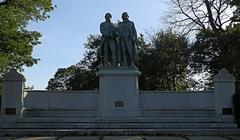
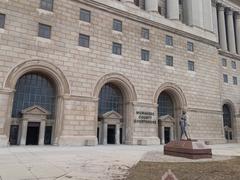
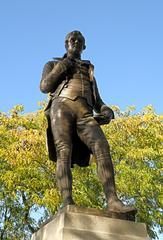
The Count Casimir Pulaski statue in Milwaukee stands as a powerful symbol of courage, freedom, and the enduring relationship between Poland and the United States. Honoring a Polish nobleman and military leader who became a hero of the American Revolutionary War, this monument captures Pulaski’s remarkable journey from resisting foreign domination in Poland to shaping the future of American cavalry. Located in Pulaski Park, the statue—crafted by Polish-American sculptor Joseph Kiselewski and unveiled in 1931—serves as both a tribute to Pulaski’s military achievements and a cultural focal point for Milwaukee’s vibrant Polish-American community. Pulaski Day celebrations, community gatherings, and educational events are centered around this monument, reflecting the deep pride of Milwaukee’s Polish heritage (ThoughtCo; NY Weekly; Pacer Pulaski Park). This guide provides historical context, practical visitor information, and tips for making the most of your visit to this Milwaukee landmark.
Table of Contents
- Early Life and Noble Heritage
- Fight for Polish Independence: Bar Confederation
- Exile and Journey to America
- Role in the American Revolution
- Final Campaign and Death
- Pulaski’s Legacy in Poland and America
- Visiting the Count Casimir Pulaski Statue
- Frequently Asked Questions (FAQ)
- Practical Tips for Visitors
- Conclusion
Early Life and Noble Heritage
Count Casimir Pulaski (Kazimierz Pułaski) was born on March 6, 1745, in Warsaw, within the Polish-Lithuanian Commonwealth. Pulaski hailed from a noble family with a strong tradition of public service and military leadership—his father, Józef Pulaski, was a prominent advocate and the Starosta of Warka (ThoughtCo). Pulaski’s early education at the Theatine college in Warsaw exposed him to the tumultuous politics of 18th-century Poland, which struggled against encroaching powers like Russia and Prussia (NY Weekly).
Fight for Polish Independence: Bar Confederation
Pulaski first gained military experience as a leader of the Bar Confederation, a coalition of Polish nobles resisting Russian control and fighting for the independence of the Polish-Lithuanian Commonwealth. His tactical skill as a cavalry commander was evident in several early victories, such as those near Pohorełe and Starokostiantyniv in 1768 (ThoughtCo). However, the Confederation’s fortunes waned after failed campaigns and a controversial attempt to kidnap the Polish king. By 1772, the movement collapsed, and Pulaski, sentenced to death in absentia, was forced into exile.
Exile and Journey to America
After the Bar Confederation’s defeat, Pulaski sought military opportunities in France and the Ottoman Empire but to little avail. In France, he met key American revolutionaries, including Benjamin Franklin and the Marquis de Lafayette, who recognized Pulaski’s talents and recommended him to George Washington (Polish Museum of America). This introduction set Pulaski on a new path toward the American Revolutionary cause.
Role in the American Revolution
Pulaski arrived in America in 1777 and quickly distinguished himself. His leadership at the Battle of Brandywine was critical in saving George Washington’s army from defeat and earned him the rank of brigadier general and command of the American cavalry (NY Weekly). Pulaski’s reforms—bringing European cavalry tactics, improved discipline, and mobility—transformed the Continental Army’s mounted forces. He later established and led the Pulaski Legion, a mixed unit of cavalry and infantry renowned for its valor (Polish Museum of America).
Final Campaign and Death
Pulaski’s military service culminated at the Siege of Savannah in 1779, where he led a daring cavalry charge against British forces. Mortally wounded by cannon fire, Pulaski died on October 11, 1779, at the age of 34 (NY Weekly; Polish Museum of America). His sacrifice was widely mourned in both Poland and America, cementing his place as a hero of liberty.
Pulaski’s Legacy in Poland and America
In Poland, Pulaski is revered as a champion for independence and national sovereignty. In the United States, he is commemorated as the “Father of the American Cavalry,” with monuments, schools, and parks bearing his name (NY Weekly). The U.S. Congress posthumously granted him honorary citizenship in 2009—a rare distinction (NY Weekly). Annual Pulaski Day celebrations in states like Illinois honor his contributions and the broader impact of Polish immigrants (Breaking Now News).
Visiting the Count Casimir Pulaski Statue
Location, Access, and Hours
- Address: Pulaski Park, 2677 S. 16th Street, Milwaukee, WI 53215
- Visiting Hours: Open daily from dawn to dusk; no admission fee or tickets required
- Public Transit: Served by Milwaukee County Transit System buses; ample street parking nearby
- Accessibility: Park and statue are wheelchair accessible with paved pathways (Pacer Pulaski Park)
Amenities and Accessibility
Pulaski Park offers paved walkways, accessible restrooms, playgrounds, sports courts, benches, and picnic areas. The statue is centrally located, easily reached from the main entrance. The park is family-friendly and designed for visitors of all mobility levels.
Nearby Attractions
- Polish Center of Wisconsin: Cultural exhibits and events
- Kosciuszko Park: Another historic green space nearby
- Local bakeries and restaurants: Authentic Polish cuisine
- Milwaukee Art Museum, Harley-Davidson Museum, Historic Third Ward district
Events and Cultural Significance
The statue is a focal point for Pulaski Day celebrations, held annually on the first Monday in March. These events include parades, wreath-laying ceremonies, traditional music, and food. The site is used for educational field trips and community gatherings, reinforcing Pulaski’s legacy as a symbol of freedom and Polish-American pride (Step Outside: Casimir Pulaski Days; Wikipedia: Casimir Pulaski Day).
Photography and Etiquette
Photography is encouraged; the statue’s placement and open surroundings allow for excellent photos, especially during morning and late afternoon light. Visitors are asked not to climb the statue or pedestal and to maintain a respectful distance during ceremonies.
Guided Tours and Educational Programming
While there are no permanent guided tours, local Polish-American organizations and historical societies often host educational events and walking tours around Pulaski Day. These may include historical reenactments, lectures, and cultural performances (isitaholidaytoday.com).
Frequently Asked Questions (FAQ)
Q: What are the visiting hours for the Pulaski statue? A: Pulaski Park is open from dawn to dusk year-round; the statue is accessible during these hours.
Q: Is there an admission fee? A: No, visiting the park and statue is free for everyone.
Q: Is the statue accessible for people with disabilities? A: Yes, the park and statue are fully wheelchair accessible.
Q: Are guided tours available? A: Guided tours are offered occasionally by local organizations during cultural events like Pulaski Day.
Q: What other attractions are nearby? A: The Polish Center of Wisconsin, Kosciuszko Park, and Milwaukee’s Historic Third Ward, among others.
Practical Tips for Visitors
- Dress for the weather and bring water/snacks if attending events.
- Arrive early during Pulaski Day for best viewing and parking.
- Respect site etiquette; dispose of litter properly.
- Download the Audiala app for guided audio tours of Milwaukee’s historical sites.
Conclusion
The Count Casimir Pulaski statue in Milwaukee is more than a historical monument—it is a living testament to the fight for freedom, the resilience of immigrants, and the enduring ties between Poland and the United States. Whether you are exploring Milwaukee’s Polish heritage, attending a community celebration, or learning about American history, a visit to Pulaski Park offers a meaningful and educational experience. Plan your trip, join a local event, or simply reflect at the statue—Pulaski’s legacy is waiting to inspire you.
References and Further Reading
- ThoughtCo: Count Casimir Pulaski
- NY Weekly: Who Was Casimir Pulaski?
- Polish Museum of America: Remembering Casimir Pulaski
- Warriors Hall of Fame: Casimir Pulaski
- Pacer Pulaski Park
- Wikipedia: Casimir Pulaski
- Military History Fandom: Count Casimir Pulaski (Kiselewski)
- WHS Johnny Green: Casimir Pulaski
- National Park Service: Count Casimir Pulaski Memorial
- isitaholidaytoday.com: Casimir Pulaski Day
- Step Outside: Casimir Pulaski Days
- Polish Center of Wisconsin
For more travel tips, historical insights, and updates on Milwaukee’s cultural events, download the Audiala app and follow us on social media. Discover more about Milwaukee’s heritage and plan your visit to this iconic historical site.