Table of Contents
- Introduction
- Historical Background
- Visitor Information: Hours, Tickets, and Access
- Notable Attractions and Events
- Infrastructure and Urban Context
- Economic and Demographic Impact
- Practical Tips for Visitors
- Frequently Asked Questions (FAQs)
- Visuals and Media Recommendations
- Useful Resources
- Conclusion
Historical Background
Origins and Early Development
Fussa Station opened in 1894 as part of the JR East Ōme Line, marking a pivotal moment in the Meiji-era modernization of Japan. Originally situated in the agricultural heartland of Musashi Province, the station facilitated the area’s transformation from silkworm and sake production to an urban hub, as the railway connected Fussa with Tachikawa and the wider Tokyo region (Wikipedia: Fussa, Tokyo).
Urbanization and American Influence
The station’s presence accelerated Fussa’s urban growth, particularly with the construction of a military airfield in 1940. After World War II, the site became the U.S. Yokota Air Base, introducing a lasting American influence. This dynamic is visible today in the contrasting neighborhoods east and west of the station: American-themed bars and shops line the Route 16 corridor, while traditional sake breweries and historic homes remain to the west (Japan Travel: Fussa City 2020; NHK World).
Modernization and Community Life
Continuous upgrades to Fussa Station have supported the region’s development, making it an accessible and functional hub for both daily commuters and visitors. Modern amenities include barrier-free access, IC card ticketing, and a growing range of shops and restaurants. The station also serves as the focal point for community events such as the Tanabata Festival and Fussa Firefly Festival (Japan Feast: Fussa Firefly Festival).
Visitor Information: Hours, Tickets, and Access
- Operating Hours Daily from 5:00 AM to midnight.
- Ticketing Purchase tickets at automated machines or staffed counters. IC cards such as Suica and Pasmo are accepted for convenient travel across Tokyo’s rail system.
- Access JR East Ōme Line connects Fussa directly to Tachikawa and central Tokyo. From Shinjuku, transfer at Tachikawa for a total journey of about one hour.
- Facilities Barrier-free access, elevators, accessible restrooms, coin lockers, and tourist information are available.
- Travel Tip Check train schedules in advance, especially during festivals or peak commuting times.
Notable Attractions and Events
Fussa City Historical Museum
- Hours Tuesday–Sunday, 9:00 AM–5:00 PM (closed Mondays and public holidays).
- Admission Free.
- Highlights Exhibits on local history, the impact of Yokota Air Base, and traditional crafts. Guided tours available on weekends and by appointment (Go Tokyo).
Base Side Street and American Cultural District
- American-style diners, bars, and shops reflect the ongoing cultural exchange fostered by the nearby Yokota Air Base. Many businesses offer English menus and accept US dollars (Veronika’s Adventure).
Tanabata and Firefly Festivals
- Tanabata Festival Early July, featuring lanterns, music, street food, and performances by both local and international groups (Japan Insides; Japan Travel).
- Fussa Firefly Festival A unique celebration of nature and local tradition (Japan Feast: Fussa Firefly Festival).
Historic Sake Breweries
- Ishikawa Brewery Founded in 1863, offers brewery tours, tastings, and a museum (Ishikawa Brewery).
- Tamura Shuzojo Brewery Another Edo-period brewery, popular for its traditional architecture and sake varieties.
Nature and Outdoor Activities
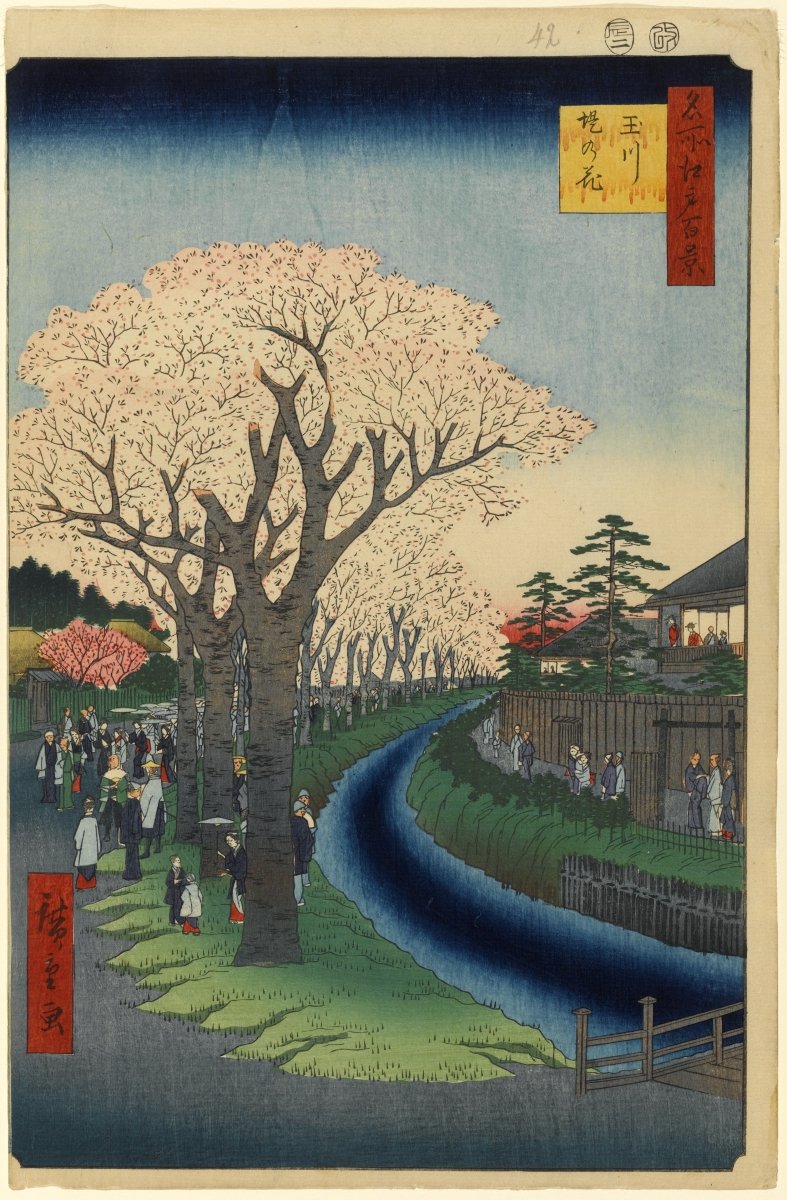
- Tama River Walking and cycling paths, cherry blossom viewing in spring.
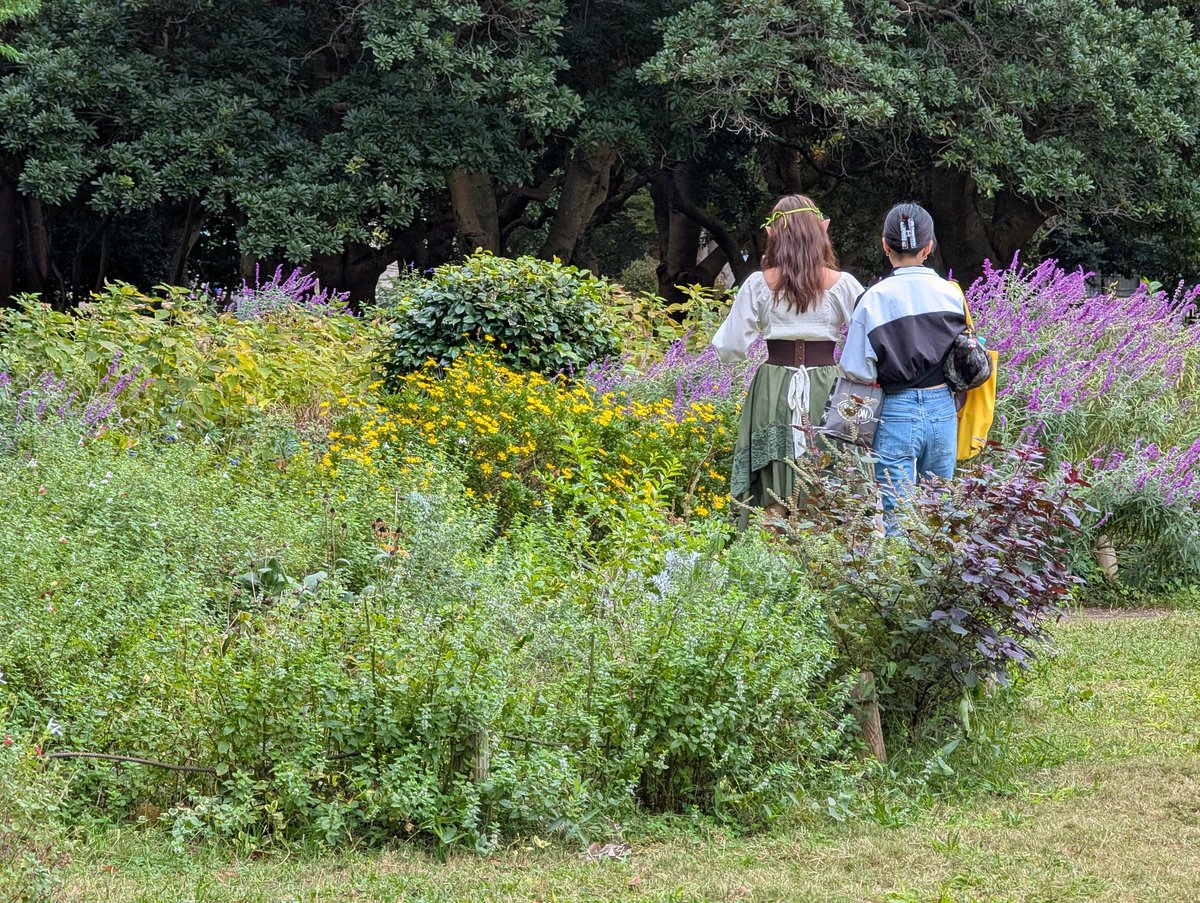
- Local Parks Central Park and Naka Fussa Park are family-friendly with playgrounds and seasonal flower displays.
Day Trips
- Mount Mitake and Okutama Hiking and scenic beauty accessible by train or bus.
- Tamarokuto Science Center Interactive exhibits and a planetarium for families (Veronika’s Adventure).
- Sanrio Puroland Themed amusement park in nearby Tama City.
Infrastructure and Urban Context
Fussa Station’s development reflects Tokyo’s outward expansion, serving as a key transit point and fostering urbanization in the Tama region. The station area’s infrastructure includes modern amenities, accessible transportation, and a blend of commercial and residential neighborhoods influenced by both Japanese and American cultures (Panmore: Tokyo Urban Development).
Economic and Demographic Impact
With a population of approximately 56,786 as of April 2021, Fussa’s economy benefits from commuter flows, tourism, and the Yokota Air Base. The station supports local businesses, international events, and cultural exchange, making it a distinctive commercial and social hub (Wikipedia: Fussa, Tokyo).
Practical Tips for Visitors
- Cash and Cards Credit cards and IC cards are widely accepted, but carry some cash for small shops and markets.
- Language English is common in American-influenced areas; basic Japanese is helpful elsewhere.
- Safety Fussa is generally safe; safeguard valuables during crowded events.
- Weather Visit in spring or autumn for pleasant weather. Summers are humid; bring sun protection.
- Accessibility Flat terrain and accessible station facilities make Fussa friendly for travelers with mobility needs.
- Etiquette Tipping is not customary; respect local customs in both Japanese and American-influenced settings.
Frequently Asked Questions (FAQs)
Q: What are Fussa Station’s visiting hours? A: Open daily from 5:00 AM to midnight.
Q: How can I buy tickets? A: Use ticket machines or staffed counters at the station. IC cards such as Suica and Pasmo are convenient.
Q: Is Fussa Station accessible for travelers with disabilities? A: Yes, with elevators, ramps, and accessible restrooms. Contact JR East for specific assistance.
Q: What nearby attractions can I visit? A: Fussa City Historical Museum, Ishikawa Brewery, Base Side Street, local parks, and seasonal festivals.
Q: Are English menus available? A: Many American-influenced businesses near the base offer English menus.
Useful Resources
- Kurumiru Fussa Tourist Information Center
- Fussa City Tourism Association
- Fussa Tanabata Festival Details
- Yokota Air Base Friendship Festival Guide
- Ishikawa Brewery Official Site
Conclusion
Fussa Station is far more than a transit stop—it is a vibrant crossroads where Tokyo’s history, international culture, and local community converge. From its Meiji-era origins to its present-day status as a multicultural hub, the station provides visitors with rich opportunities to explore festivals, historic sites, diverse dining, and scenic parks. Convenient access, modern facilities, and a welcoming atmosphere make Fussa Station an essential destination for anyone looking to experience the dynamic heritage of western Tokyo.
For up-to-date information, downloadable maps, and personalized travel tips, download the Audiala app and follow us on social media. Plan your Fussa adventure today and discover one of Tokyo’s most distinctive suburban locales!
References
- Wikipedia: Fussa, Tokyo
- Japan Travel: Fussa Landmarks
- Panmore: Tokyo Urban Development
- NHK World: Tokyo Suburban Evolution
- Japan Travel: Fussa City 2020
- Japan Insides: Tanabata Festival in Fussa
- Go Tokyo: Fussa Station Guide
- Veronika’s Adventure: Toyoko Inn Tokyo Fussa Station
- Ishikawa Brewery Official Site