
来訪者向けクイック情報
- 営業時間 本部キャンパスおよび公共エリア(野生生物博物館、病院ロビー)は、通常、月曜日から金曜日の午前9時から午後5時まで開館しています。特別イベントは営業時間を延長する場合があります。
- 入場料 野生生物博物館は無料です。その他の施設は事前予約が必要な場合があります。
- 所在地 〒180-8602 東京都武蔵野市緑町1-7-1
- 最寄駅 JR中央線 武蔵境駅(キャンパスのゲートにより徒歩2~15分)
- アクセス キャンパスは、スロープやエレベーターなど、車椅子でのアクセスが可能です。
歴史的ハイライトとキャンパスアトラクション
創立と伝統
明治時代に設立されたNVLUは、日本の獣医学教育と公衆衛生の近代化において極めて重要な役割を果たしました。その伝統は、動物福祉、ワクチン開発、科学研究における大学の継続的なリーダーシップに現れています。訪問者は、野生生物博物館の展示を通じてこの歴史を学ぶことができます。
野生生物博物館
2015年に開館したNVLU野生生物博物館は、教育と研究の両方のハブとして機能しています。以下を特徴としています。
- 歴史部門 日本の獣医学の発展とNVLUの画期的な出来事を記録しています。
- 自然部門 生物多様性、野生生物保全、人間と動物の関係を包括的に紹介しています。
入場は無料ですが、公開日は限られており、オンラインで発表されます。インタラクティブな展示と貴重な展示品は、家族連れや科学愛好家にとって必見です。
獣医教育病院
2003年に再建されたこの病院は、MRI、CT、内視鏡などの高度な診断機器と包括的な臨床サービスを備えた最先端の施設です。学生のトレーニングの場として、年間10,000件以上のペットを治療しています。臨床エリアは一般の訪問者には公開されていませんが、ロビーの教育展示では現代の獣医療についての洞察を提供しています。
学術的関係者または入学希望者向けのガイドツアーは、事前予約により利用可能です。
富士アニマルリサーチファーム
東京から約120km、富士山の近くに位置するこのファームは6ヘクタールに及び、牛、馬、羊などを用いた研究と実践的なトレーニングを支援しています。主に学生利用が中心ですが、特別なツアーは予約により手配可能な場合があります。
訪問のヒントと近隣の観光スポット
- ガイドツアー 入学希望者および学術グループ向けに提供されています。NVLU問い合わせページから予約してください。
- 写真撮影 公共エリアおよび野生生物博物館での写真撮影は許可されています。臨床/研究エリアでは制限があります。
- 近隣の観光スポット 井の頭公園、ジブリ美術館、武蔵野のカフェや歴史的建造物などが容易にアクセス可能で、一日 penuh の旅程を組むのに最適です。
- 交通手段 公共交通機関の利用を強く推奨します。駐車場は限られています。
よくある質問(FAQ)
Q: NVLUの施設は一般公開されていますか? A: 野生生物博物館とキャンパス敷地は指定された時間内に公開されています。その他の施設は事前予約が必要です。
Q: 入場料はかかりますか? A: 野生生物博物館は無料ですが、その他のエリアは通常、事前の予約が必要です。
Q: ガイドツアーの予約方法を教えてください。 A: 大学の国際課または関連部署に、公式問い合わせページから連絡してください。
Q: キャンパスは障害者でも利用できますか? A: はい、バリアフリーの通路とエレベーターが利用可能です。
Q: 英語でのツアーはありますか? A: はい、事前連絡があれば利用可能です。
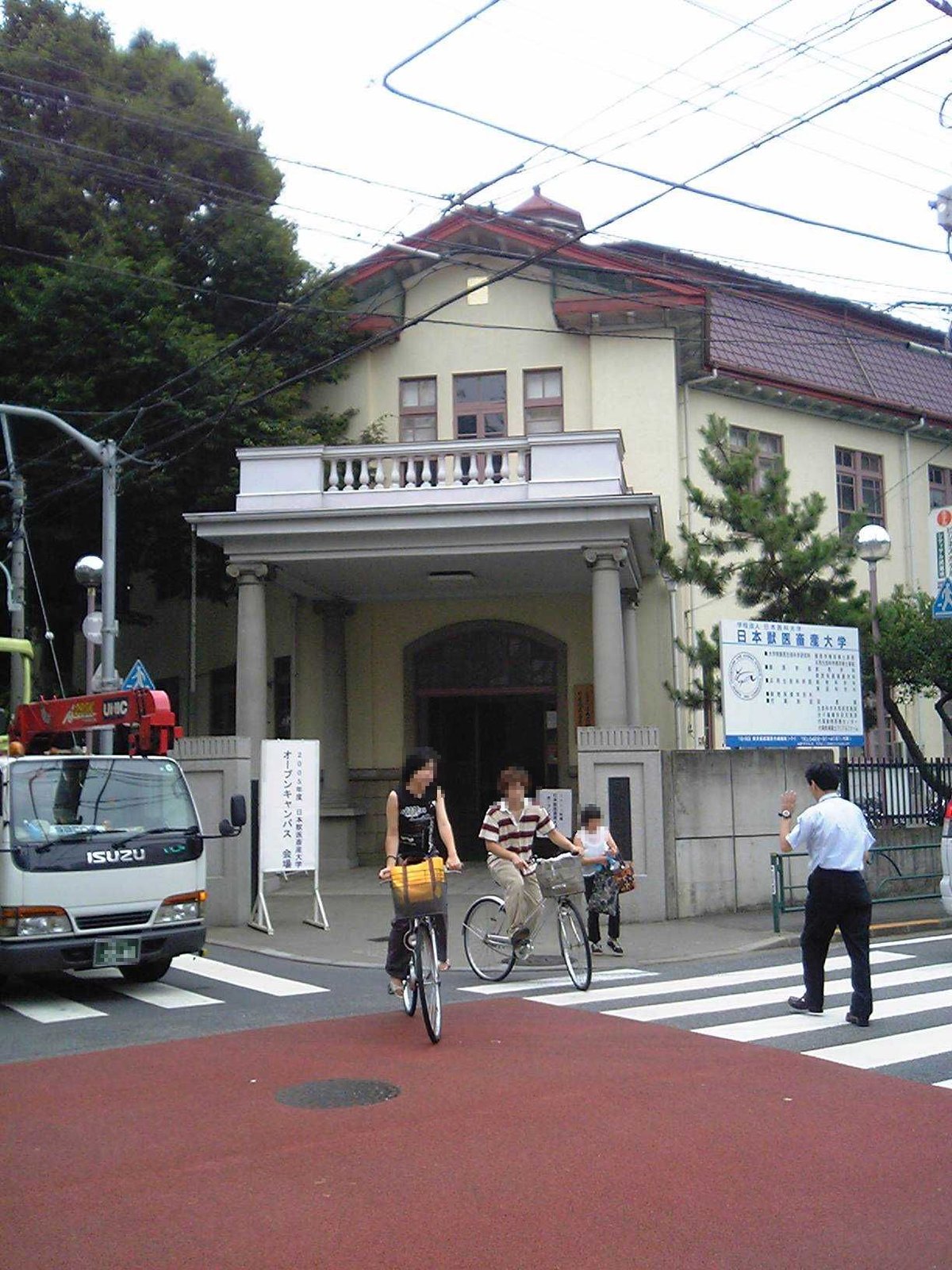
NVLU正門:歴史的ランドマーク
場所とアクセス
- 住所 〒180-8602 東京都武蔵野市緑町1-7-1
- アクセス JR中央線 武蔵境駅より徒歩5分。近隣バスやタクシーも利用可能です。
営業時間
- 正門と周辺 毎日午前8時から午後6時まで開門しています。
- ガイドツアー 事前予約制です。NVLU公式ウェブサイトで予約してください。
入場料
正門またはキャンパス敷地への入場は無料です。ガイドツアーは事前登録が必要な場合があります。
建築的特徴
NVLU正門は、20世紀初頭に建設され、伝統的な日本の木工技術と瓦屋根が特徴で、緑豊かなキャンパスガーデンに囲まれています。特に桜の季節や紅葉の時期には、写真映えします。
ガイドツアーとイベント
- 年間のオープンキャンパスや文化イベントでは、正門が式典の中心となることがよくあります。
- ガイドツアー(日本語/英語)では、正門の建築とNVLUの教育遺産についての詳細が説明されます。
訪問者向けヒント
- キャンパス散策には歩きやすい靴をおすすめします。
- 写真撮影とアクセスに関するガイドラインを遵守してください。
- 最適な体験のために、季節のイベントに合わせて訪問を計画してください。
来訪者ガイド:キャンパスの場所、アクセス、施設
キャンパスへのアクセス
- 成田空港から 成田エクスプレスで東京駅へ → JR中央線で武蔵境駅へ。
- 羽田空港から 東京モノレールで浜松町へ → 山手線 → JR中央線で武蔵境駅へ。
- 詳細な地図・経路 NVLUアクセスガイド
来訪者向けの公開施設
- 野生生物博物館 無料、一部の日曜日に開館 (こちらで確認)。
- 獣医教育病院 学術関係者向けのガイドツアーは予約制です。
- 富士アニマルリサーチファーム 特別な学術ツアーは予約制です。
キャンパス体験
キャンパスは、近代的な施設と穏やかな緑地が融合しており、「尊重と相互調和」の理念を体現しています。オープンキャンパスでは、学生や教職員との交流を深める機会が提供されます。
アメニティ
- 武蔵境駅周辺には、カフェ、レストラン、ホテルがあります。
- 長期滞在や研究協力のため、富士アニマルリサーチファームにはセミナーハウスやグループ宿泊施設があります。
実用的なヒントと連絡先情報
- NVLUウェブサイトで営業時間と開館日を確認してください。
- ガイドツアーや特別施設訪問は事前予約が必要です。
- 英語対応スタッフは限られています。翻訳アプリや日本語を話せる同伴者があると便利です。
- 連絡先
- 電話: +81-422-31-4151
- メール: [email protected]
- NVLU英語ポータル
情報源と公式リンク
- 日本獣医生命科学大学ビジターガイド:歴史、アトラクション、実用情報、2024年 (NVLUビジターガイド)
- 日本獣医生命科学大学の学術プログラムと東京における社会的影響、2024年 (NVLU大学院)
- 日本獣医生命科学大学正門:東京武蔵野の歴史的ランドマーク、2024年 (NVLU公式ウェブサイト)
- 日本獣医生命科学大学ビジターガイド:営業時間、ツアー、キャンパスハイライト、2024年 (NVLU英語ポータル)
- 大学評価・学位授与機構(JUAA)評価報告書、2024年 (JUAA評価報告書)
- 日本獣医がん学会(JVCS)、2024年 (JVCS)
- Study in Japan:日本獣医生命科学大学プロフィール、2024年 (Study in Japan)
-Audiala2024{'date': '14/06/2025', 'task': {'model': 'gpt-4.1-mini', 'query': 'Comprehensive guide to visiting Nippon Veterinary And Life Science University, Tokyo, Japan: history, significance, visitor tips, and everything tourists need to know for a memorable experience.', 'verbose': False, 'guidelines': ["Keyword Research: Identify relevant keywords that potential visitors are likely to search for, such as '[Monument Name] visiting hours,' '[Monument Name] tickets,' and '[City] historical sites.' Use these keywords strategically throughout the article, including in the title, headers, and body text, but avoid keyword stuffing.", 'Engaging and Informative Title: Craft a title that is both SEO-friendly and compelling to encourage clicks. Include the main keyword and make it clear what the article will cover.', 'Structured Content: Use headings (H1, H2, H3) to organize the content effectively. This helps with SEO and makes the article easier for readers to navigate. Include an introduction that hooks the reader, a detailed body that covers all relevant aspects, and a conclusion that summarizes the key points.', 'Comprehensive Coverage: Address common questions and topics of interest such as the history of the monument, its cultural significance, visitor information (e.g., ticket prices, opening hours), travel tips, nearby attractions, and accessibility. Include sections that might be unique to the monument, like special events, guided tours, and photographic spots.', 'Quality Content: Ensure the content is well-researched, accurate, and provides real value to readers. Use reliable sources and provide factual information. Write in a clear, engaging, and accessible style. Consider your audience and use language that is appropriate for those likely to visit the monument.', 'Visuals and Media: Incorporate high-quality images or videos of the monument. These should be optimized for the web (correct sizing, alt tags with keywords). Consider interactive elements like virtual tours or maps.', 'Internal and External Links: Include links to other related articles on your site to encourage deeper engagement (internal links). Link to official websites for the monument or credible sources for further reading (external links).', 'FAQ: Incorporate FAQ sections to target voice search queries and featured snippets', 'Visit and Stay Up to Date: End the article with a call to action, such as encouraging readers to download our mobile app Audiala, check out other related posts, or follow on social media for more updates.'], 'max_sections': 4, 'publish_formats': {'pdf': False, 'docx': False, 'markdown': True}, 'follow_guidelines': True}, 'title': 'Comprehensive Guide to Visiting Nippon Veterinary and Life Science University, Tokyo, Japan', 'report': '# Nippon Veterinary and Life Science University Tokyo: Visiting Guide, Tickets, Hours, and Tips\n\n#### Date: 14/06/2025\n\n---\n\n## Introduction\n\nNippon Veterinary and Life Science University (NVLU), located in Musashino, western Tokyo, stands as a distinguished institution in Japan, celebrated for its pioneering role in veterinary medicine and life sciences. Established in 1881 as Japan’s first private veterinary school, NVLU has evolved into a leading center for education, research, and public outreach. Visitors to the university can experience a blend of historical legacy, scientific innovation, and community engagement.\n\nThis comprehensive guide provides essential information for planning your visit, including campus highlights, visitor services, accessibility, transportation, and recommendations for maximizing your experience. Whether you are a prospective student, researcher, animal enthusiast, or a traveler interested in Japanese academic and cultural heritage, NVLU offers a unique and enriching destination.\n\nFor detailed visitor information and official updates, please refer to these resources: NVLU Visitor’s Guide, NVLU Official English Portal, and the NVLU Wildlife Museum.\n\n---\n\n## Contents Overview\n\n- Quick Visitor Information\n- Historical Highlights and Campus Attractions\n - Origins and Legacy\n - Wildlife Museum\n - Veterinary Medical Teaching Hospital\n - Fuji Animal Research Farm\n- Visiting Tips and Nearby Attractions\n- FAQs\n- NVLU Gate: A Historical Landmark\n - Location and Accessibility\n - Visiting Hours\n - Admission\n - Architectural Features\n - Guided Tours & Events\n - Visitor Tips\n- Visitor Guide: Campus Location, Access, Facilities, and Experience\n- Practical Tips and Contact Information\n- Conclusion and Recommendations\n- Sources and Official Links\n\n---\n\n## Quick Visitor Information\n\n- Visiting Hours: Main campus and public areas (Wildlife Museum, hospital lobby) typically open Monday–Friday, 9:00 AM–5:00 PM. Special events may have extended hours.\n- Admission: Wildlife Museum is free; other facilities may require prior arrangement.\n- Location: 1-7-1 Kyonan, Musashino City, Tokyo 180-8602, Japan\n- Nearest Station: Musashisakai Station (JR Chuo Line), 2–15 min walk depending on campus gate.\n- Accessibility: Campus is wheelchair accessible with ramps and elevators.\n\n---\n\n## Historical Highlights and Campus Attractions\n\n### Origins and Legacy\n\nFounded during the Meiji era, NVLU played a pivotal role in modernizing veterinary education and public health in Japan. Its legacy is evident in the university’s continued leadership in animal welfare, vaccine development, and scientific research. Visitors can learn about this history through dedicated exhibits in the Wildlife Museum.\n\n### Wildlife Museum\n\nThe NVLU Wildlife Museum, opened in 2015, serves as both an educational and research hub. It features:\n\n- Historical Department: Documents the evolution of veterinary medicine in Japan and NVLU’s milestones.\n- Nature Department: Highlights biodiversity, wildlife conservation, and human-animal relationships.\n\nAdmission is free, but open days are limited and announced online. Interactive exhibits and rare artifacts make it a must-see for families and science enthusiasts.\n\n### Veterinary Medical Teaching Hospital\n\nRebuilt in 2003, the hospital is a state-of-the-art facility with advanced diagnostics (MRI, CT, endoscopy) and comprehensive clinical services. Serving as a training ground for students, it treats over 10,000 pets annually. While clinical areas are not open for casual visits, educational displays in the lobby provide insights into contemporary veterinary care.\n\nGuided tours for academic visitors or prospective students are available by prior arrangement.\n\n### Fuji Animal Research Farm\n\nLocated near Mt. Fuji, about 120 km from Tokyo, the farm spans 6 hectares and supports research and hands-on training with cattle, horses, sheep, and more. While primarily for student use, special tours may be arranged by appointment.\n\n---\n\n## Visiting Tips and Nearby Attractions\n\n- Guided Tours: Available for prospective students and academic groups. Reserve via the NVLU contact page.\n- Photography: Permitted in outdoor areas and the Wildlife Museum; restricted in clinical/research areas.\n- Nearby Attractions: Inokashira Park, Ghibli Museum, Musashino’s cafes, and historical sites are within easy reach for a full-day itinerary.\n- Transportation: Public transport is highly recommended; parking is limited.\n\n---\n\n## Frequently Asked Questions (FAQ)\n\nQ: Are NVLU facilities open to the public? \nA: The Wildlife Museum and campus grounds are open during designated hours. Other facilities require advance arrangement.\n\nQ: Are there entrance fees? \nA: Wildlife Museum is free; other areas typically do not charge but require prior booking.\n\nQ: How do I book a guided tour? \nA: Contact the university’s international office or relevant department via the official contact page.\n\nQ: Is the campus accessible for people with disabilities? \nA: Yes, barrier-free paths and elevators are available.\n\nQ: Are English-language tours available? \nA: Yes, with advance notice.\n\n---\n\n## NVLU Gate: A Historical Landmark\n\n### Location and Accessibility\n\n- Address: 1-7-1 Kyonan-cho, Musashino-shi, Tokyo 180-8602, Japan\n- Access: 5-minute walk from Musashi-Sakai Station (JR Chuo Line). Local buses and taxis are also options.\n\n### Visiting Hours\n\n- Gate & Surroundings: Open daily, 8:00 AM–6:00 PM.\n- Guided Tours: By appointment; book via the NVLU official site.\n\n### Admission\n\n- No entrance fee for the gate or campus grounds. Guided tours may require advance registration.\n\n### Architectural Features\n\nThe NVLU Gate, constructed in the early 20th century, showcases traditional Japanese woodworking and tiled roofs, set amid lush campus gardens. It is especially photogenic during cherry blossom and autumn foliage seasons.\n\n### Guided Tours & Events\n\n- Annual open campus days and cultural events often feature the gate as a ceremonial focal point.\n- Guided tours (Japanese/English) detail the gate’s architecture and NVLU’s educational heritage.\n\n### Visitor Tips\n\n- Comfortable shoes recommended for campus exploration.\n- Observe photography and access guidelines.\n- Plan visits during seasonal events for the best experience.\n\n---\n\n## Visitor Guide: Campus Location, Access, and Facilities\n\n### Campus Access\n\n- From Narita Airport: Narita Express to Tokyo Station → JR Chuo Line to Musashi-Sakai.\n- From Haneda Airport: Tokyo Monorail to Hamamatsucho → Yamanote Line → JR Chuo Line to Musashi-Sakai.\n- Detailed maps and directions: NVLU Access Guide\n\n### Facilities Open to Visitors\n\n- Wildlife Museum: Free, open on select days (check here).\n- Teaching Hospital: Guided tours by reservation for academic visitors.\n- Fuji Animal Research Farm: Special academic tours by appointment.\n\n### Campus Experience\n\nThe campus blends modern facilities with tranquil green spaces, embodying the philosophy of “Respect and Mutual Harmony.” Open campus days provide opportunities for deeper engagement with students and faculty.\n\n### Amenities\n\n- Cafés, restaurants, and hotels are available around Musashi-Sakai Station.\n- For extended visits or research collaborations, seminar houses and group accommodations are available at the Fuji Animal Research Farm.\n\n---\n\n## Practical Tips and Contact Information\n\n- Check visiting hours and open days on the NVLU website.\n- Guided tours and special facility visits require advance booking.\n- English-speaking staff are limited; translation apps or Japanese-speaking companions are helpful.\n- Contact: \n - Phone: +81-422-31-4151 \n - Email: [email protected] \n - NVLU English Portal\n\n---\n\n## Conclusion and Recommendations\n\nA visit to Nippon Veterinary and Life Science University offers a rare opportunity to experience Japan’s contribution to veterinary medicine, public health, and scientific advancement. Explore the historical NVLU Gate, engage with interactive museum exhibits, and witness the integration of tradition with cutting-edge research. With accessible facilities, seasonal events, and proximity to Musashino’s cultural gems, NVLU promises a rewarding experience for all visitors.\n\nFor current information on hours, events, and reservations, consult the NVLU Official Website. Whether you are an academic, prospective student, or traveler, NVLU provides a unique window into the heart of Japanese scientific and educational culture.\n\n---\n\n## Sources and Official Links\n\n- Nippon Veterinary and Life Science University Visitor’s Guide: History, Attractions, and Practical Information, 2024 (NVLU Visitor’s Guide)\n- Nippon Veterinary and Life Science University Academic Programs and Societal Impact in Tokyo, 2024 (NVLU Graduate School)\n- Nippon Veterinary and Life Science University Gate: A Historical Landmark in Musashino, Tokyo, 2024 (NVLU Official Site)\n- Nippon Veterinary and Life Science University Visitor Guide: Hours, Tours, and Campus Highlights, 2024 (NVLU English Portal)\n- Japan University Accreditation Association (JUAA) Accreditation Report, 2024 (JUAA Accreditation Report)\n- Japan Veterinary Cancer Society (JVCS), 2024 (JVCS)\n- Study in Japan: Nippon Veterinary and Life Science University Profile, 2024 (Study in Japan)\n\n---\n\n', 'headers': {'date': 'Date', 'title': 'Nippon Veterinary and Life Science University Tokyo Visiting Guide Tickets Hours and Tips', 'conclusion': 'Summary of key points about visiting Nippon Veterinary and Life Science University and final recommendations', 'references': 'Sources and official links for further information about Nippon Veterinary and Life Science University', 'introduction': 'Introduction to Nippon Veterinary and Life Science University including its significance and what visitors can expect', 'table_of_contents': 'Contents Overview including visiting hours tickets history cultural importance and travel tips'}, 'sources': ['- Nippon Veterinary and Life Science University Visitor’s Guide: History, Attractions, and Practical Information, 2024 https://www.nvlu.ac.jp/en/undergraduate/veterinary-medicine.html', '- Nippon Veterinary and Life Science University Academic Programs and Societal Impact in Tokyo, 2024 https://www.nvlu.ac.jp/en/graduate/index.html', '- Nippon Veterinary and Life Science University Gate: A Historical Landmark in Musashino, Tokyo, 2024 https://www.nvlu.ac.jp/english/', '- Nippon Veterinary and Life Science University Visitor Guide: Hours, Tours, and Campus Highlights, 2024 https://www.nvlu.ac.jp/en/', '- Japan University Accreditation Association (JUAA) Accreditation Report, 2024 https://www.juaa.or.jp/updata/evaluation_results/290/20240820_363026.pdf', '- Japan Veterinary Cancer Society (JVCS), 2024 https://www.jvcs.jp/english/', '- Study in Japan: Nippon Veterinary and Life Science University Profile, 2024 https://www.studyinjapan.go.jp/en/search-for-schools/detail.php?lang=en&school_code=304062'], 'sections': ['Historical Overview', 'Academic and Societal Significance', 'Campus and Facilities', 'Visitor Experience'], 'conclusion': 'Visiting Nippon Veterinary and Life Science University offers an extraordinary glimpse into Japan’s pioneering role in veterinary medicine and life sciences education, woven seamlessly with cultural heritage and modern scientific excellence. From admiring the architecturally significant NVLU Gate to exploring the interactive Wildlife Museum and understanding the university’s vital contributions through its Veterinary Medical Teaching Hospital and Fuji Animal Research Farm, visitors gain a deep appreciation of the institution’s multifaceted impact.\n\nThe university’s commitment to accessibility, comprehensive visitor services, and educational outreach ensures that everyone—from casual tourists and families to prospective students and academic professionals—can engage meaningfully with its campus and programs. Seasonal events, guided tours available in English and Japanese, and the proximity to Musashino’s charming historical neighborhoods and attractions further enrich the visitor experience.\n\nAs Japan continues to advance its “One Health” concept and Society 5.0 vision, NVLU remains at the forefront of integrating animal welfare, public health, and environmental stewardship. Planning your visit with careful attention to the university’s schedule, visitor guidelines, and transport options will maximize your experience, allowing you to explore the university’s legacy and innovation in depth.\n\nFor the most current information on visiting hours, special events, and guided tours, please refer to the official NVLU website and visitor resources (NVLU Official Website), and consider following their social media channels for updates. Whether you seek to connect with the university’s academic programs, enjoy the cultural landmarks, or simply explore a unique facet of Tokyo’s educational landscape, Nippon Veterinary and Life Science University promises a rewarding and memorable visit.', 'introduction': 'Nestled in the vibrant Musashino district of western Tokyo, Nippon Veterinary and Life Science University (NVLU) stands as a beacon of pioneering veterinary education and life sciences research in Japan. Established in 1881 as the nation’s first private veterinary school, NVLU has grown into a prestigious institution that harmoniously blends historical legacy with cutting-edge scientific advancements. Visitors to the university have the unique opportunity to explore its rich heritage, including the iconic NVLU Gate—a cultural landmark reflecting the institution’s dedication—and to engage with dynamic facilities such as the Wildlife Museum and the Veterinary Medical Teaching Hospital.\n\nThis comprehensive guide is designed to provide potential visitors with essential information including visiting hours, accessibility, guided tours, key campus attractions, and practical travel tips to enhance the experience. Whether you are a prospective student, animal enthusiast, history buff, or traveler seeking an insightful visit to one of Tokyo’s notable academic hubs, NVLU offers a multifaceted experience that celebrates both tradition and innovation. From the serene greenery of the campus grounds to the interactive exhibits of the Wildlife Museum, and from the specialized clinical care at the teaching hospital to the rural insights at the Fuji Animal Research Farm near Mount Fuji, this guide aims to facilitate a seamless and enriching visit.\n\nFor detailed visitor information, including schedules, admission policies, and special events, prospective visitors are encouraged to consult the official NVLU website and resources such as the NVLU Visitor’s Guide, the university’s official English portal, and related cultural sites in Musashino. By integrating insights on accessibility, transportation, and nearby attractions like Inokashira Park and the Ghibli Museum, this report ensures a well-rounded preparation for your journey. Explore the historical significance of the NVLU Gate and immerse yourself in Japan’s veterinary education legacy as you plan your visit to this distinguished university in Tokyo.', 'research_data': [{'Nippon Veterinary and Life Science University Visitor’s Guide: History, Attractions, and Practical Information': "## Welcome to Nippon Veterinary and Life Science University (NVLU): A Historical and Visitor Guide\n\nLocated in Musashino, western Tokyo, Nippon Veterinary and Life Science University (NVLU) offers a unique blend of historical significance, cutting-edge veterinary education, and engaging visitor experiences. Established in 1881 as Japan’s first private veterinary school, NVLU has evolved into a premier institution integrating veterinary medicine and life sciences. This guide provides essential visitor information, highlights key attractions on campus, and shares practical tips for making the most of your visit.\n\n---\n\n## Quick Visitor Information\n\n- Visiting Hours: The campus, including public areas such as the Wildlife Museum and Teaching Hospital lobby, is generally open Monday to Friday from 9:00 AM to 5:00 PM. Special events may extend visiting hours.\n- Admission: Entry to the Wildlife Museum is free for visitors. Access to other facilities may require prior arrangement or be limited to educational purposes.\n- Location: 1-7-1 Kyonan, Musashino City, Tokyo 180-8602, Japan\n- Nearest Station: Musashisakai Station (JR Chuo Line), approximately a 15-minute walk to campus\n- Accessibility: The campus is wheelchair accessible, with ramps and elevators available in main buildings.\n\n---\n\n## Historical Highlights and Campus Attractions\n\n### Origins and Legacy\nFounded during Japan’s Meiji era modernization, NVLU pioneered veterinary education and public health initiatives. Visitors can explore this rich history through exhibits at the Wildlife Museum, which showcases the university’s contributions to vaccine development and animal welfare.\n\n### Wildlife Museum\nRecently inaugurated, the Wildlife Museum serves as both a research hub and an educational resource. It offers interactive exhibits on native and exotic species, museum curation courses, and opportunities for hands-on learning. The museum is highly recommended for families and animal enthusiasts.\n\n### Teaching Hospital\nConstructed in 2003, the NVLU Teaching Hospital treats around 10,000 pets annually and functions as a training ground for future veterinarians. While clinical areas are not open to the public, visitors can learn about veterinary care advancements through informational displays in the hospital lobby.\n\n### Research Farm near Mount Fuji\nThough located off-campus, the university's six-hectare research farm offers insight into animal husbandry and agricultural science. Special tours may be available by appointment, providing travelers a unique rural experience close to Tokyo.\n\n---\n\n## Visiting Tips and Nearby Attractions\n\n- Guided Tours: NVLU offers occasional guided tours focusing on its history, academic programs, and research facilities. Check the university website or contact the visitor center for scheduling.\n- Photography: The campus features architecturally interesting buildings and landscaped gardens perfect for photography. The Wildlife Museum also provides photo opportunities with educational displays.\n- Nearby Attractions: After your visit, explore the cultural offerings of Musashino, including local shrines, cafes, and parks. The nearby Inokashira Park is a popular spot for relaxation and boating.\n\n---\n\n## Frequently Asked Questions (FAQ)\n\nQ: Is NVLU open to casual visitors or only students and staff? \nA: While primarily an educational institution, NVLU welcomes visitors to public areas like the Wildlife Museum and campus grounds during visiting hours.\n\nQ: Are there any entrance fees? \nA: Most public areas, including the Wildlife Museum, are free to enter.\n\nQ: Can I visit the Teaching Hospital for a pet consultation? \nA: Yes, the hospital offers clinical services by appointment. Visitor access is limited to waiting areas.\n\nQ: Are there any special events or open days? \nA: NVLU hosts academic symposia and public outreach events periodically. Check their official website for upcoming dates.\n\nQ: Is the campus accessible for visitors with disabilities? \nA: Yes, the main campus is equipped with ramps and elevators for accessibility.\n\n---\n\n## Plan Your Visit\n\nWhether you are a student considering veterinary science, a researcher, or a traveler interested in Japan’s scientific heritage, NVLU offers a compelling destination. Experience the university’s historical legacy, innovative research, and vibrant campus life.\n\nFor the latest visitor information, event schedules, and travel tips, visit the official NVLU website or contact the campus visitor center.\n\n---\n\n## Useful Links\n\n- NVLU Official Website \n- Times Higher Education Profile \n- Wildlife Museum Information \n\n---\n\n## Call to Action\n\nPlan your visit to Nippon Veterinary and Life Science University today to explore one of Japan’s leading centers for veterinary education and research. Follow NVLU on social media for updates, upcoming events, and virtual tours. Don’t miss the chance to experience a unique blend of history, science, and culture in Tokyo’s Musashino district!"}, {'Nippon Veterinary and Life Science University Academic Programs and Societal Impact in Tokyo': '## Introduction\n\nNippon Veterinary and Life Science University (NVLU), located in Musashino, Tokyo, is a premier private institution specializing in veterinary medicine, applied life sciences, and related fields. This article provides an academic and societal overview of NVLU’s contributions, educational philosophy, research initiatives, and its role in addressing contemporary global challenges. It is intended primarily for prospective students, academics, and those interested in understanding the university’s impact rather than as a visitor guide.\n\n---\n\n## Pioneering Role in Veterinary and Life Sciences Education\n\nNVLU is recognized for its commitment to nurturing “outstanding veterinarians, specialists, and researchers with a love for life and a heart for science,” placing it at the forefront of veterinary and life sciences education in Japan (Study in Japan). Its curriculum balances core compulsory, elective compulsory, and elective subjects to ensure a comprehensive academic foundation (JUAA Accreditation Report).\n\nThe Faculty of Veterinary Science and Graduate School of Veterinary Medicine and Life Science emphasize both theoretical knowledge and practical skills. Training encompasses medical treatment for farm animals and pets, livestock industry development, and public health enhancement, aligning with the “One Health” concept that integrates animal, human, and environmental health (NVLU Graduate School).\n\n## Responding to Global and Societal Challenges\n\nNVLU addresses pressing global issues such as zoonotic diseases highlighted by the COVID-19 pandemic, and challenges related to food and energy security intensified by climate change and regional conflicts (Nippon Veterinary and Life Science University Academic Programs and Societal Impact in Tokyo). By integrating veterinary medicine, nursing, technology, and applied life sciences, the university fosters innovation and solution-driven research.\n\nGraduate programs focus on developing “knowledge professionals” skilled in specialized knowledge, logical reasoning, critical thinking, and comprehensive information analysis, essential for tackling interdisciplinary societal problems and contributing to Japan’s Society 5.0 vision of a "super-smart society" (NVLU Graduate School).\n\n## Internationalization and Global Partnerships\n\nNVLU actively promotes international education and research, with exchange agreements spanning 15 universities across Asia, Oceania, and Europe (JUAA Accreditation Report). These partnerships enhance academic exchange and globalize veterinary education in Japan.\n\nOff-campus training collaborations with institutions in Australia, Thailand, and Taiwan develop students’ practical skills and cross-cultural competencies, preparing them for global professional environments (JUAA Accreditation Report).\n\n## Research Contributions and Societal Impact\n\nNVLU’s research collaborations, such as with the Japan Veterinary Cancer Society (JVCS), advance veterinary oncology through improved diagnostics, treatment protocols, and knowledge dissemination (JVCS).\n\nThe university’s Veterinary Medical Teaching Hospital and Fuji Animal Research Farm provide participatory clinical training with diverse animal species, including specialized courses in Fish Pathology and Wildlife Zoology, fostering comprehensive understanding of animal health and biodiversity (JUAA Accreditation Report).\n\nContinuing education and seminars for local veterinarians further demonstrate NVLU’s commitment to public health and community engagement.\n\n## Accreditation and Quality Assurance\n\nAccredited by the Japan University Accreditation Association (JUAA) from April 1, 2024, to March 31, 2031, NVLU meets high standards in education, research, and management (JUAA Accreditation Report). The accreditation process encourages ongoing improvements, including expanded clinical training and enhanced social cooperation.\n\n## Societal Relevance in the Reiwa Era\n\nAs a leader in life sciences, environmental science, and food science, NVLU produces graduates who are technically skilled, ethically grounded, and socially responsible (Study in Japan). The university’s integration of scientific knowledge with compassion reflects its dedication to sustainability, animal welfare, and natural resource stewardship.\n\nGraduates contribute broadly in veterinary practice, public health, environmental management, and food safety, equipped for interdisciplinary collaboration to meet evolving societal needs.\n\n## Preparing for Society 5.0: Future-Oriented Education\n\nNVLU’s programs prepare students for leadership in Society 5.0, emphasizing technical expertise, hypothesis-driven inquiry, and interdisciplinary collaboration (NVLU Graduate School). The university fosters independent thinking, ethical awareness, and lifelong learning to empower professionals who generate new knowledge and societal value.\n\n---\n\n## Frequently Asked Questions (FAQs)\n\nQ1: What programs does NVLU offer?\nA1: NVLU offers undergraduate and graduate programs in veterinary medicine, applied life sciences, veterinary nursing, and technology.\n\nQ2: Is NVLU accredited?\nA2: Yes, the Faculty of Veterinary Science is accredited by the Japan University Accreditation Association (JUAA) through 2031.\n\nQ3: Does NVLU have international exchange programs?\nA3: Yes, NVLU has exchange agreements with 15 universities internationally and offers off-campus training in countries such as Australia, Thailand, and Taiwan.\n\nQ4: Can prospective students visit the campus?\nA4: While this article focuses on academic aspects, prospective students can find visiting hours and campus tour information on the official NVLU website.\n\nQ5: Where can I find more information?\nA5: Visit the official English-language website at NVLU Graduate School and the JUAA accreditation report.\n\n---\n\n## Call to Action\n\nFor prospective students, researchers, and partners interested in NVLU’s academic programs, research initiatives, and societal contributions, please visit the university’s official website. Stay connected through their social media channels and explore related academic resources to learn more about opportunities at NVLU.\n\n---\n\nNote: This article is intended as an academic and societal overview rather than a visitor guide. For visitor information such as visiting hours, ticketing, or nearby Tokyo historical sites, please refer to dedicated travel resources or the official NVLU website.'}, {'Nippon Veterinary and Life Science University Gate: A Historical Landmark in Musashino, Tokyo': '## Introduction\n\nThe Nippon Veterinary and Life Science University (NVLU) Gate stands as a significant historical and cultural landmark in Musashino, a serene suburb of western Tokyo. More than just an entrance to a specialized university, this gate symbolizes the institution’s long-standing dedication to veterinary medicine and life sciences since its establishment. Visitors interested in Japan’s educational heritage and architectural tradition find the NVLU Gate an intriguing site, blending historical significance with aesthetic appeal.\n\n## History and Cultural Significance\n\nConstructed in the early 20th century, the NVLU Gate reflects traditional Japanese architectural elements combined with modern influences, embodying the university’s mission to bridge time-honored practices and contemporary science. The gate has witnessed the university’s evolution and the advancement of veterinary medicine in Japan, serving as a gateway not only to the campus but also to the country’s commitment to animal welfare and scientific research.\n\nAs a landmark, the NVLU Gate holds cultural value for Musashino residents and visitors alike, often featured in local festivals and university events. It symbolizes a portal to knowledge, health, and community engagement, making it a cherished monument in the area.\n\n## Visiting Information\n\n### Location and Accessibility\n\nThe NVLU Gate is located at 1-7-1 Kyonan-cho, Musashino-shi, Tokyo 180-8602, Japan. It is easily accessible via the JR Chuo Line, with Musashi-Sakai Station just a 5-minute walk away. Public transportation options include local buses and taxis, facilitating convenient access from central Tokyo and nearby airports.\n\n### Visiting Hours\n\nThe gate and surrounding campus areas are open to the public daily from 8:00 AM to 6:00 PM. While the gate itself can be admired at any time, guided tours of the campus, including the gate’s history and significance, are available by appointment.\n\n### Tickets and Admission\n\nThere is no entrance fee to visit the NVLU Gate or the university grounds. However, access to certain campus facilities and guided tours may require advance registration.\n\n## Architectural Features and Photographic Spots\n\nThe NVLU Gate features traditional wooden beams, tiled roofing, and intricate joinery that exemplify Japanese craftsmanship. Surrounded by lush greenery and seasonal flower gardens, it offers picturesque views, especially during cherry blossom season and autumn foliage.\n\nVisitors are encouraged to photograph the gate from various angles, including the tree-lined walkways leading up to it and the central courtyard visible through the gate. Please note photography restrictions apply inside some university buildings.\n\n## Special Events and Guided Tours\n\nNVLU organizes annual cultural events and open days where the gate serves as a focal point for activities and ceremonies. These events provide unique opportunities to experience the university’s heritage and engage with faculty and students.\n\nGuided tours, available in Japanese and English, include detailed narratives on the gate’s history, architectural style, and the university’s role in veterinary education. Reservations are recommended and can be made through the university’s official website.\n\n## Nearby Attractions and Amenities\n\nVisitors to the NVLU Gate can explore nearby attractions such as Inokashira Park and the Ghibli Museum, enriching their cultural experience in Musashino. Numerous cafes, restaurants, and hotels are within walking distance, offering convenient options for dining and accommodation.\n\n## Visitor Tips\n\n- Wear comfortable walking shoes to explore the campus and surrounding area.\n- Check the university’s website for event schedules and tour availability.\n- Respect campus rules, especially regarding photography and animal hospital areas.\n- Utilize public transport for easy access, as parking on campus is limited.\n\n## FAQ\n\nQ: Is the NVLU Gate wheelchair accessible? \nA: Yes, the gate and main campus areas are wheelchair accessible with ramps and elevators.\n\nQ: Are pets allowed on campus? \nA: Pets are generally not permitted except for service animals.\n\nQ: Can I enter the animal hospitals? \nA: Access to animal hospitals is restricted; however, guided tours may include designated viewing areas.\n\nQ: Is there an admission fee? \nA: Visiting the gate and campus grounds is free of charge.\n\nQ: Are there English tours available? \nA: Yes, English-language guided tours can be arranged with advance notice.\n\n## Conclusion\n\nThe Nippon Veterinary and Life Science University Gate is more than an entrance; it is a monument reflecting Japan’s commitment to education, science, and culture. Whether you are a history enthusiast, architecture lover, or prospective student, visiting this landmark offers a unique glimpse into the rich heritage of veterinary medicine in Tokyo. Plan your visit today and immerse yourself in the stories and beauty that the NVLU Gate has to offer.\n\n---\n\nFor more information and to book guided tours, visit the official NVLU website: NVLU Official Site.\n\nExplore related landmarks and cultural sites in Tokyo on our Historical Sites in Tokyo page.\n\nFollow us on social media for updates on events and travel tips.'}, {'Nippon Veterinary and Life Science University Visitor Guide: Hours, Tours, and Campus Highlights': "## Introduction\n\nWelcome to the Nippon Veterinary and Life Science University (NVLU) Visitor Guide! Whether you're planning a visit to explore the campus, learn about veterinary medicine, or attend special events, this guide covers everything you need to know. From visiting hours, ticket information, and guided tours to campus highlights and travel tips in Musashino, Tokyo, we’ll help you make the most of your visit to NVLU.\n\n## Campus Location and Accessibility\n\nNippon Veterinary and Life Science University (NVLU) is located in Musashino, a vibrant city within the Tokyo metropolitan area. The campus address is 1-7-1 Kyonancho, Musashino-shi, Tokyo 180-8602, Japan (NVLU official).\n\nThe university is highly accessible via public transport. Musashi-sakai Station on the JR Chuo Line is just a two-minute walk from the campus south exit. Visitors should turn left upon exiting the station and walk a few minutes, crossing at the crosswalk to reach the main entrance.\n\nFor international visitors, access from Tokyo’s airports is straightforward:\n\n- From Narita Airport: Take the Narita Express to Tokyo Station, transfer to the JR Chuo Line bound for Takao, and alight at Musashi-sakai.\n- From Haneda Airport: Use the Tokyo Monorail to Hamamatsucho, transfer to the JR Yamanote Line, then switch at Tokyo or Shinjuku to the JR Chuo Line to Musashi-sakai (NVLU access guide).\n\nAirport limousine buses to Kichijoji Station are also available, with a short train ride to Musashi-sakai.\n\n### Accessibility\n\nThe campus is designed with barrier-free routes and clear signage to assist visitors with mobility needs. Visitor information desks at the main entrance provide support and directions.\n\n## Campus Facilities Open to Visitors\n\n### Veterinary Medical Teaching Hospital\n\nA key highlight of NVLU is its state-of-the-art Veterinary Medical Teaching Hospital (VMTH), established in the early 20th century and rebuilt in 2003. The hospital is a hub for clinical education, research, and community service, featuring eight examination rooms, three operation rooms, two hospitalization rooms, an intensive care unit (ICU), and advanced diagnostic equipment such as MRI, CT, endoscopy, and radiotherapy units (NVLU facilities).\n\nThe hospital staff includes approximately 50 veterinarians, 10 veterinary nurses, and 20 residents, with students actively participating in clinical practice throughout the year.\n\nVisiting hours and tickets: The VMTH primarily serves educational and clinical purposes and is not generally open to the public for casual visits. Guided tours can be arranged for academic visitors, prospective students, or professionals by contacting the university in advance (NVLU contact). No tickets are required for tours, but prior reservations are necessary.\n\n### Nippon Veterinary and Life Science University Museum (Wildlife Museum)\n\nThe NVLU Museum, also known as the Wildlife Museum, was established in 2015 to showcase the university’s academic achievements and promote public understanding of veterinary science and wildlife conservation. Housed in a historic building constructed in 1909 and relocated to the current campus in the 1930s, the museum is divided into two main departments:\n\n- Historical Department: Showcases the history of NVLU and the development of veterinary medicine in Japan.\n- Nature Department: Focuses on human-wildlife interactions, biodiversity, and conservation issues.\n\nVisiting hours: The museum is open on selected days, usually seasonally, with free admission. Visitors should check the official NVLU website for current visiting hours and special exhibitions.\n\n### Fuji Animal Research Farm\n\nLocated about 120 km from the Tokyo campus near Mt. Fuji, the Fuji Animal Research Farm supports NVLU’s educational and research missions (NVLU research farm). The 6-hectare farm features barns, feedlots, stables, pastures, and modern dairy facilities, housing dairy and beef cattle, sheep, goats, horses, and dogs.\n\nWhile primarily intended for student training, special open days or academic tours may be available for professional visitors by appointment. The farm includes seminar houses for group stays and workshops.\n\n## Visitor Experience: What to Expect\n\n### Campus Atmosphere\n\nNVLU’s Musashino campus offers a mix of modern educational facilities and tranquil green spaces, reflecting its philosophy of “Respect and Mutual Harmony” (NVLU philosophy). The environment is welcoming and collegial, with students, faculty, and staff collaborating across disciplines.\n\n### Guided Tours and Open Campus Events\n\nNVLU hosts open campus events mainly for prospective students and their families. These include campus tours, information sessions, and opportunities to interact with faculty and students. International visitors or those with specific academic interests should contact the university in advance to arrange guided tours or meetings (NVLU contact).\n\n### Nearby Amenities and Musashino Historical Sites\n\nMusashino is known for its leafy streets, relaxed atmosphere, and historical sites, offering visitors charming cafes, restaurants, and shops near Musashi-sakai Station. Visitors can explore local historical landmarks and enjoy a day trip from central Tokyo. Accommodation options include business hotels and guesthouses with easy access to NVLU (123University info).\n\n## Practical Tips for Visitors\n\n- Check Visiting Hours: Confirm the Wildlife Museum and other public facilities’ hours on the NVLU website before your visit.\n- Tickets and Reservations: Most facilities do not require tickets, but guided tours or visits to specialized areas like the VMTH or research farm need prior arrangement.\n- Language: English-speaking staff are limited; consider using a translation app or bringing a Japanese-speaking companion.\n- Photography: Obtain permission before photographing clinical or research areas.\n- Transportation: Public transport is recommended. If driving, verify parking availability in advance.\n\n## Frequently Asked Questions (FAQ)\n\nQ: Are there entrance fees or tickets required to visit NVLU facilities?\nA: The Wildlife Museum is free but open only on selected days. The Veterinary Medical Teaching Hospital and research farm require prior arrangement for visits; no general tickets are sold.\n\nQ: How can I book a guided tour?\nA: Contact NVLU’s international office or relevant departments via their official contact page.\n\nQ: Is NVLU accessible for visitors with disabilities?\nA: Yes, the campus has barrier-free paths and signage. Assistance is available at the main entrance.\n\nQ: When are the best times to visit?\nA: Check the NVLU website for open campus events and museum open days, usually held seasonally.\n\n## Unique Experiences\n\n- Explore rare artifacts and specimens in the Wildlife Museum related to Japanese veterinary history.\n- Attend public lectures, seminars, or open campus days to engage with current research and educational projects.\n- Participate in community events focused on animal welfare and food safety education (Edarabia review).\n\n## Visuals and Media Recommendations\n\nFor an enhanced visitor experience, NVLU’s website includes images and floor maps of the campus and museum. Visitors are encouraged to explore virtual tours if available and consult interactive maps to plan their visit effectively.\n\n## Contact Information\n\n- Address: 1-7-1 Kyonancho, Musashino-shi, Tokyo 180-8602, Japan\n- Phone: +81-422-31-4151\n- Email: [email protected]\n- Website: NVLU English Portal\n\n## Conclusion\n\nBy planning ahead and utilizing this comprehensive guide, visitors to Nippon Veterinary and Life Science University can enjoy a rich and informative experience exploring its unique facilities, learning about veterinary sciences, and discovering the charm of Musashino. Be sure to check visiting hours, arrange tours in advance, and take advantage of open campus events.\n\nFor ongoing updates, consider following NVLU’s official social media channels and downloading visitor apps like Audiala to enhance your trip.\n\n---\n\nExplore more related articles on Tokyo’s academic institutions and travel tips on our site to enrich your visit to Japan’s educational hubs.'}], 'initial_research': '# Comprehensive Guide to Visiting Nippon Veterinary and Life Science University, Tokyo, Japan\n\n## Abstract\n\nThis report provides an in-depth, comprehensive guide for visitors to Nippon Veterinary and Life Science University (NVLU) in Tokyo, Japan. It covers the university’s rich history, academic and societal significance, campus highlights, visitor attractions, and practical tips for tourists. Drawing on a range of authoritative sources, this guide aims to equip prospective visitors—whether academic, professional, or casual tourists—with all the information necessary for a memorable and insightful experience at one of Japan’s premier institutions for veterinary and life sciences.\n\n---\n\n## Table of Contents\n\n1. Introduction\n2. Historical Overview\n3. Academic and Societal Significance\n4. Campus and Facilities\n - Veterinary Medical Teaching Hospital\n - Wildlife Museum\n - Fuji Animal Research Farm\n5. Visitor Experience\n - Campus Tours and Accessibility\n - Museum Visits\n - Events and Public Engagement\n6. Practical Visitor Tips\n - Getting There\n - On-Campus Navigation\n - Nearby Attractions\n - Etiquette and Cultural Insights\n7. Conclusion\n8. References\n\n---\n\n## Introduction\n\nNippon Veterinary and Life Science University (NVLU), located in Musashino, Tokyo, stands as a beacon of excellence in veterinary medicine and life sciences. Established in the late 19th century, NVLU has evolved into a modern institution that not only educates future veterinarians and researchers but also serves as a hub for scientific innovation and public engagement. For visitors, the university offers a unique blend of historical legacy, cutting-edge research, and cultural immersion, making it a compelling destination for those interested in science, education, and Japanese academic culture.\n\n---\n\n## Historical Overview\n\n### Founding and Early Years\n\nNVLU traces its origins to 1881, when it was founded by nine pioneering veterinarians in Otowa, Bunkyo Ward, Tokyo. The university began its operations in a corner of the Denzuin, a branch of the historic Gokokuji Temple. This early association with a temple underscores the institution’s deep roots in Japanese tradition and its longstanding commitment to the welfare of both animals and society (Edarabia).\n\n### Evolution and Expansion\n\nThe university was chartered as a full-fledged university in 1949, following a period of revival after World War II. In 1952, NVLU became part of the Nippon Medical School Foundation, the oldest private medical university foundation in Japan. Despite this merger, NVLU has maintained its distinct identity, focusing on veterinary and life sciences while collaborating with its medical counterpart (Wikipedia).\n\n### Modern Era\n\nToday, NVLU comprises two main faculties: the Faculty of Veterinary Science and the Faculty of Applied Life Science. These faculties are further divided into specialized schools, including the School of Veterinary Medicine, School of Veterinary Nursing and Technology, School of Animal Science, and School of Food Science and Technology (NVLU Official). The university’s educational philosophy emphasizes “Respect and Mutual Harmony,” aiming to cultivate professionals who are not only skilled but also compassionate and socially responsible.\n\n---\n\n## Academic and Societal Significance\n\n### Academic Reputation\n\nNVLU is recognized as one of Japan’s leading institutions in veterinary and life sciences. According to recent rankings, it is placed 205th nationally and 3,508th globally, with particular strengths in biology, genetics, biochemistry, immunology, and microbiology (EduRank). The university has produced over 3,500 academic publications and garnered more than 52,000 citations, reflecting its robust research output.\n\n### Research and Innovation\n\nThe university’s research activities span a wide range of topics, from animal health and welfare to food safety and biodiversity. NVLU’s commitment to addressing contemporary challenges—such as zoonotic diseases, sustainable agriculture, and environmental conservation—positions it as a key player in both national and global scientific communities (Edarabia).\n\n### Societal Impact\n\nNVLU’s mission extends beyond academia. The university actively engages with the public through its teaching hospital, wildlife museum, and outreach programs. Its graduates are highly regarded in the fields of veterinary medicine, animal science, and food safety, contributing to Japan’s public health, agricultural productivity, and environmental stewardship (Angazetu).\n\n---\n\n## Campus and Facilities\n\n### Location\n\nNVLU’s main campus is situated at 1-7-1 Kyonancho, Musashino-shi, Tokyo 180-8602. The campus is conveniently located just a two-minute walk from Musashi-sakai Station, making it easily accessible from central Tokyo and major airports (NVLU Access).\n\n### Veterinary Medical Teaching Hospital\n\nThe Veterinary Medical Teaching Hospital (VMTH) is one of NVLU’s flagship facilities. Established in the early 20th century and rebuilt in 2003, the hospital serves three primary functions: clinical practice, education, and research. It is staffed by approximately 50 veterinarians, 10 veterinary nurses, 20 residents, and various specialists. The hospital features:\n\n- 8 examination rooms\n- 3 operation rooms\n- 2 hospitalization rooms\n- Intensive Care Unit (ICU)\n- Advanced diagnostic equipment (MRI, CT, endoscopy, radiotherapy)\n- Laboratory for clinical chemistry, immunology, and coagulation tests\n\nThe VMTH is not only a training ground for students but also provides veterinary services to the local community, making it a vital link between the university and the public.\n\n### Wildlife Museum\n\nThe NVLU Wildlife Museum was established in 2015 to showcase the university’s academic achievements and promote public understanding of veterinary science and wildlife conservation. Housed in a historic building originally constructed in 1909 and relocated to the current campus in the 1930s, the museum is divided into two main departments:\n\n- Historical Department: Chronicles the history of NVLU and the development of veterinary medicine in Japan.\n- Nature Department: Focuses on the interactions between humans and wild animals, highlighting issues such as biodiversity and conservation.\n\nThe museum is open to the public during designated periods, which are announced on the university’s website.\n\n### Fuji Animal Research Farm\n\nLocated approximately 120 km from the Tokyo campus, the Fuji Animal Research Farm spans six hectares at the foot of Mt. Fuji. The farm includes:\n\n- Stall barns, feedlots, stables, and pasture areas\n- Dairy and beef cattle, sheep, goats, horses, and dogs\n- Composting systems and lodging facilities\n\nThe farm supports education, research, food production, and community outreach, providing students with hands-on experience in animal husbandry and agricultural science.\n\n---\n\n## Visitor Experience\n\n### Campus Tours and Accessibility\n\nNVLU’s campus is compact and pedestrian-friendly, with most facilities located within easy walking distance of Musashi-sakai Station. While the university primarily serves students and researchers, it welcomes visitors interested in its history, research, and public facilities. Guided tours may be available upon request, particularly for academic groups or prospective students (NVLU Official).\n\n### Museum Visits\n\nThe Wildlife Museum is a highlight for visitors, offering exhibits on the history of veterinary medicine and the relationship between humans and animals. As the museum is open to the public only during specific periods, it is advisable to check the NVLU website for current opening hours and special exhibitions.\n\n### Events and Public Engagement\n\nNVLU occasionally hosts public lectures, open days, and community events related to veterinary science, animal welfare, and environmental conservation. These events provide opportunities for visitors to engage with faculty, students, and researchers, and to learn about the latest developments in the field.\n\n---\n\n## Practical Visitor Tips\n\n### Getting There\n\nFrom Narita Airport:\n- Take the Narita Express to Tokyo Station.\n- Transfer to the JR Chuo Line (bound for Takao) and alight at Musashi-sakai Station.\n- The campus is a two-minute walk from the station’s south exit (NVLU Access).\n\nFrom Haneda Airport:\n- Take the Tokyo Monorail to Hamamatsucho Station.\n- Transfer to the JR Yamanote Line, then to the JR Chuo Line at Tokyo or Shinjuku Station.\n- Alight at Musashi-sakai Station.\n\nBy Airport Limousine:\n- Limousine buses to Kichijoji Station are available from both airports.\n- From Kichijoji, take a rapid train on the JR Chuo Line to Musashi-sakai (two stops).\n\n### On-Campus Navigation\n\n- Upon exiting Musashi-sakai Station (south exit), turn left and walk along the street for a few minutes.\n- The university is located just across a crosswalk and is clearly signposted.\n- Campus maps are available at the main entrance and on the NVLU website.\n\n### Nearby Attractions\n\nMusashino is a vibrant area with a mix of residential neighborhoods, parks, and cultural sites. Notable nearby attractions include:\n\n- Inokashira Park: A large urban park with a zoo, pond, and the Ghibli Museum.\n- Kichijoji: A trendy district known for shopping, dining, and entertainment.\n- Mitaka: Home to the Ghibli Museum and scenic walking paths.\n\nThese attractions make it easy to combine a visit to NVLU with broader sightseeing in western Tokyo.\n\n### Etiquette and Cultural Insights\n\n- Respect for Campus Life: NVLU is an active academic institution. Visitors should be mindful of students and staff, especially during exam periods or research activities.\n- Photography: Always ask for permission before taking photos inside buildings or of individuals.\n- Language: While some staff may speak English, most signage and information are in Japanese. It is helpful to learn basic Japanese phrases or use a translation app.\n- Dress Code: There is no strict dress code, but smart-casual attire is recommended, especially if attending lectures or formal events.\n\n---\n\n## Conclusion\n\nNippon Veterinary and Life Science University offers a unique window into Japan’s scientific heritage and contemporary research in veterinary and life sciences. Its blend of historical significance, academic excellence, and public engagement makes it a rewarding destination for visitors interested in science, education, and Japanese culture. Whether exploring the Wildlife Museum, observing clinical practice at the teaching hospital, or simply enjoying the tranquil campus environment, visitors are sure to gain a deeper appreciation for the vital role NVLU plays in advancing animal and human welfare.\n\nThe university’s accessibility, well-maintained facilities, and commitment to public outreach ensure that a visit is both informative and enjoyable. For those seeking a meaningful and memorable experience in Tokyo beyond the typical tourist trail, NVLU stands out as a destination that bridges tradition, innovation, and community.\n\n---\n\n## References\n\n- Edarabia\n- Wikipedia\n- NVLU Official - About\n- NVLU Official - Access\n- NVLU Official - Facilities\n- EduRank\n- Angazetu\n- Study Abroad Aide\n\n---\n\nReport prepared in APA format, June 14, 2025.', 'table_of_contents': '- Welcome to Nippon Veterinary and Life Science University (NVLU)\n- Quick Visitor Information\n- Historical Highlights and Campus Attractions\n - Origins and Legacy\n - Wildlife Museum\n - Teaching Hospital\n - Research Farm near Mount Fuji\n- Visiting Tips and Nearby Attractions\n- Frequently Asked Questions (FAQ)\n- Nippon Veterinary and Life Science University Gate: A Historical Landmark\n - History and Cultural Significance\n - Visiting Information\n - Location and Accessibility\n - Visiting Hours\n - Tickets and Admission\n - Architectural Features and Photographic Spots\n - Special Events and Guided Tours\n - Nearby Attractions and Amenities\n - Visitor Tips\n- Nippon Veterinary and Life Science University Visitor Guide\n - Campus Location and Accessibility\n - Campus Facilities Open to Visitors\n - Veterinary Medical Teaching Hospital\n - Wildlife Museum\n - Fuji Animal Research Farm\n - Visitor Experience: What to Expect\n - Campus Atmosphere\n - Guided Tours and Open Campus Events\n - Nearby Amenities and Musashino Historical Sites\n - Practical Tips for Visitors\n - Frequently Asked Questions (FAQ)\n - Unique Experiences\n - Visuals and Media Recommendations\n - Contact Information\n- Conclusion and Call to Action'}# 日本獣医生命科学大学(東京)来訪ガイド、チケット、開館時間、ヒント
日付:2025年6月14日
はじめに
東京西部、武蔵野市に位置する日本獣医生命科学大学(NVLU)は、獣医学と生命科学における先駆的な役割で知られる日本有数の教育機関です。1881年に日本初の私立獣医学校として設立されたNVLUは、教育、研究、社会貢献のリーディングセンターへと発展しました。大学訪問者は、歴史遺産、科学的革新、地域社会との連携を体験することができます。
この包括的なガイドでは、キャンパスのハイライト、ビジターサービス、アクセス、交通手段、そして訪問を最大限に楽しむためのヒントなど、訪問計画に不可欠な情報を提供します。入学希望者、研究者、動物愛好家、あるいは日本の学術・文化遺産に関心のある旅行者であっても、NVLUはユニークで豊かな体験を提供します。
詳細な訪問情報や公式アップデートについては、以下のリソースをご参照ください。NVLUビジターガイド、NVLU公式英語ポータル、NVLU野生生物博物館。
来訪者向けクイック情報
- 営業時間 本部キャンパスおよび公共エリア(野生生物博物館、病院ロビー)は、通常、月曜日から金曜日の午前9時から午後5時まで開館しています。特別イベントは営業時間を延長する場合があります。
- 入場料 野生生物博物館は無料です。その他の施設は事前予約が必要な場合があります。
- 所在地 〒180-8602 東京都武蔵野市緑町1-7-1
- 最寄駅 JR中央線 武蔵境駅(キャンパスのゲートにより徒歩2~15分)
- アクセス キャンパスは、スロープやエレベーターなど、車椅子でのアクセスが可能です。
歴史的ハイライトとキャンパスアトラクション
創立と伝統
明治時代に設立されたNVLUは、日本の獣医学教育と公衆衛生の近代化において極めて重要な役割を果たしました。その伝統は、動物福祉、ワクチン開発、科学研究における大学の継続的なリーダーシップに現れています。訪問者は、野生生物博物館の展示を通じてこの歴史を学ぶことができます。
野生生物博物館
2015年に開館したNVLU野生生物博物館は、教育と研究の両方のハブとして機能しています。以下を特徴としています。
- 歴史部門 日本の獣医学の発展とNVLUの画期的な出来事を記録しています。
- 自然部門 生物多様性、野生生物保全、人間と動物の関係を包括的に紹介しています。
入場は無料ですが、公開日は限られており、オンラインで発表されます。インタラクティブな展示と貴重な展示品は、家族連れや科学愛好家にとって必見です。
獣医教育病院
2003年に再建されたこの病院は、MRI、CT、内視鏡などの高度な診断機器と包括的な臨床サービスを備えた最先端の施設です。学生のトレーニングの場として、年間10,000件以上のペットを治療しています。臨床エリアは一般の訪問者には公開されていませんが、ロビーの教育展示では現代の獣医療についての洞察を提供しています。
学術的関係者または入学希望者向けのガイドツアーは、事前予約により利用可能です。
富士アニマルリサーチファーム
東京から約120km、富士山の近くに位置するこのファームは6ヘクタールに及び、牛、馬、羊などを用いた研究と実践的なトレーニングを支援しています。主に学生利用が中心ですが、特別なツアーは予約により手配可能な場合があります。
訪問のヒントと近隣の観光スポット
- ガイドツアー 入学希望者および学術グループ向けに提供されています。NVLU問い合わせページから予約してください。
- 写真撮影 公共エリアおよび野生生物博物館での写真撮影は許可されています。臨床/研究エリアでは制限があります。
- 近隣の観光スポット 井の頭公園、ジブリ美術館、武蔵野のカフェや歴史的建造物などが容易にアクセス可能で、一日 penuh の旅程を組むのに最適です。
- 交通手段 公共交通機関の利用を強く推奨します。駐車場は限られています。
よくある質問(FAQ)
Q: NVLUの施設は一般公開されていますか? A: 野生生物博物館とキャンパス敷地は指定された時間内に公開されています。その他の施設は事前予約が必要です。
Q: 入場料はかかりますか? A: 野生生物博物館は無料ですが、その他のエリアは通常、事前の予約が必要です。
Q: ガイドツアーの予約方法を教えてください。 A: 大学の国際課または関連部署に、公式問い合わせページから連絡してください。
Q: キャンパスは障害者でも利用できますか? A: はい、バリアフリーの通路とエレベーターが利用可能です。
Q: 英語でのツアーはありますか? A: はい、事前連絡があれば利用可能です。
NVLU正門:歴史的ランドマーク
場所とアクセス
- 住所 〒180-8602 東京都武蔵野市緑町1-7-1
- アクセス JR中央線 武蔵境駅より徒歩5分。近隣バスやタクシーも利用可能です。
営業時間
- 正門と周辺 毎日午前8時から午後6時まで開門しています。
- ガイドツアー 事前予約制です。NVLU公式ウェブサイトで予約してください。
入場料
正門またはキャンパス敷地への入場は無料です。ガイドツアーは事前登録が必要な場合があります。
建築的特徴
NVLU正門は、20世紀初頭に建設され、伝統的な日本の木工技術と瓦屋根が特徴で、緑豊かなキャンパスガーデンに囲まれています。特に桜の季節や紅葉の時期には、写真映えします。
ガイドツアーとイベント
- 年間のオープンキャンパスや文化イベントでは、正門が式典の中心となることがよくあります。
- ガイドツアー(日本語/英語)では、正門の建築とNVLUの教育遺産についての詳細が説明されます。
訪問者向けヒント
- キャンパス散策には歩きやすい靴をおすすめします。
- 写真撮影とアクセスに関するガイドラインを遵守してください。
- 最適な体験のために、季節のイベントに合わせて訪問を計画してください。
来訪者ガイド:キャンパスの場所、アクセス、施設
キャンパスへのアクセス
- 成田空港から 成田エクスプレスで東京駅へ → JR中央線で武蔵境駅へ。
- 羽田空港から 東京モノレールで浜松町へ → 山手線 → JR中央線で武蔵境駅へ。
- 詳細な地図・経路 NVLUアクセスガイド
来訪者向けの公開施設
- 野生生物博物館 無料、一部の日曜日に開館 (こちらで確認)。 _ 獣医教育病院: 学術関係者向けのガイドツアーは予約制です。
- 富士アニマルリサーチファーム 特別な学術ツアーは予約制です。
キャンパス体験
キャンパスは、近代的な施設と穏やかな緑地が融合しており、「尊重と相互調和」の理念を体現しています。オープンキャンパスでは、学生や教職員との交流を深める機会が提供されます。
アメニティ
- 武蔵境駅周辺には、カフェ、レストラン、ホテルがあります。
- 長期滞在や研究協力のため、富士アニマルリサーチファームにはセミナーハウスやグループ宿泊施設があります。
実用的なヒントと連絡先情報
- NVLUウェブサイトで営業時間と開館日を確認してください。
- ガイドツアーや特別施設訪問は事前予約が必要です。
- 英語対応スタッフは限られています。翻訳アプリや日本語を話せる同伴者があると便利です。
- 連絡先
- 電話: +81-422-31-4151
- メール: [email protected]
- NVLU英語ポータル
情報源と公式リンク
- 日本獣医生命科学大学ビジターガイド:歴史、アトラクション、実用情報、2024年 (NVLUビジターガイド)
- 日本獣医生命科学大学の学術プログラムと東京における社会的影響、2024年 (NVLU大学院)
- 日本獣医生命科学大学正門:東京武蔵野の歴史的ランドマーク、2024年 (NVLU公式ウェブサイト)
- 日本獣医生命科学大学ビジターガイド:営業時間、ツアー、キャンパスハイライト、2024年 (NVLU英語ポータル)
- 大学評価・学位授与機構(JUAA)評価報告書、2024年 (JUAA評価報告書)
- 日本獣医がん学会(JVCS)、2024年 (JVCS)
- Study in Japan:日本獣医生命科学大学プロフィール、2024年 (Study in Japan)
-Audiala2024# 日本獣医生命科学大学(東京)来訪ガイド、チケット、開館時間、ヒント
日付:2025年6月14日
はじめに
東京西部、武蔵野市に位置する日本獣医生命科学大学(NVLU)は、獣医学と生命科学における先駆的な役割で知られる日本有数の教育機関です。1881年に日本初の私立獣医学校として設立されたNVLUは、教育、研究、社会貢献のリーディングセンターへと発展しました。大学訪問者は、歴史遺産、科学的革新、地域社会との連携を体験することができます。
この包括的なガイドでは、キャンパスのハイライト、ビジターサービス、アクセス、交通手段、そして訪問を最大限に楽しむためのヒントなど、訪問計画に不可欠な情報を提供します。入学希望者、研究者、動物愛好家、あるいは日本の学術・文化遺産に関心のある旅行者であっても、NVLUはユニークで豊かな体験を提供します。
詳細な訪問情報や公式アップデートについては、以下のリソースをご参照ください。NVLUビジターガイド、NVLU公式英語ポータル、NVLU野生生物博物館。
来訪者向けクイック情報
- 営業時間 本部キャンパスおよび公共エリア(野生生物博物館、病院ロビー)は、通常、月曜日から金曜日の午前9時から午後5時まで開館しています。特別イベントは営業時間を延長する場合があります。
- 入場料 野生生物博物館は無料です。その他の施設は事前予約が必要な場合があります。
- 所在地 〒180-8602 東京都武蔵野市緑町1-7-1
- 最寄駅 JR中央線 武蔵境駅(キャンパスのゲートにより徒歩2~15分)
- アクセス キャンパスは、スロープやエレベーターなど、車椅子でのアクセスが可能です。
歴史的ハイライトとキャンパスアトラクション
創立と伝統
明治時代に設立されたNVLUは、日本の獣医学教育と公衆衛生の近代化において極めて重要な役割を果たしました。その伝統は、動物福祉、ワクチン開発、科学研究における大学の継続的なリーダーシップに現れています。訪問者は、野生生物博物館の展示を通じてこの歴史を学ぶことができます。
野生生物博物館
2015年に開館したNVLU野生生物博物館は、教育と研究の両方のハブとして機能しています。以下を特徴としています。
- 歴史部門 日本の獣医学の発展とNVLUの画期的な出来事を記録しています。
- 自然部門 生物多様性、野生生物保全、人間と動物の関係を包括的に紹介しています。
入場は無料ですが、公開日は限られており、オンラインで発表されます。インタラクティブな展示と貴重な展示品は、家族連れや科学愛好家にとって必見です。
獣医教育病院
2003年に再建されたこの病院は、MRI、CT、内視鏡などの高度な診断機器と包括的な臨床サービスを備えた最先端の施設です。学生のトレーニングの場として、年間10,000件以上のペットを治療しています。臨床エリアは一般の訪問者には公開されていませんが、ロビーの教育展示では現代の獣医療についての洞察を提供しています。
学術的関係者または入学希望者向けのガイドツアーは、事前予約により利用可能です。
富士アニマルリサーチファーム
東京から約120km、富士山の近くに位置するこのファームは6ヘクタールに及び、牛、馬、羊などを用いた研究と実践的なトレーニングを支援しています。主に学生利用が中心ですが、特別なツアーは予約により手配可能な場合があります。
訪問のヒントと近隣の観光スポット
- ガイドツアー 入学希望者および学術グループ向けに提供されています。NVLU問い合わせページから予約してください。
- 写真撮影 公共エリアおよび野生生物博物館での写真撮影は許可されています。臨床/研究エリアでは制限があります。
- 近隣の観光スポット 井の頭公園、ジブリ美術館、武蔵野のカフェや歴史的建造物などが容易にアクセス可能で、一日 penuh の旅程を組むのに最適です。
- 交通手段 公共交通機関の利用を強く推奨します。駐車場は限られています。
よくある質問(FAQ)
Q: NVLUの施設は一般公開されていますか? A: 野生生物博物館とキャンパス敷地は指定された時間内に公開されています。その他の施設は事前予約が必要です。
Q: 入場料はかかりますか? A: 野生生物博物館は無料ですが、その他のエリアは通常、事前の予約が必要です。
Q: ガイドツアーの予約方法を教えてください。 A: 大学の国際課または関連部署に、公式問い合わせページから連絡してください。
Q: キャンパスは障害者でも利用できますか? A: はい、バリアフリーの通路とエレベーターが利用可能です。
Q: 英語でのツアーはありますか? A: はい、事前連絡があれば利用可能です。
NVLU正門:歴史的ランドマーク
場所とアクセス
- 住所 〒180-8602 東京都武蔵野市緑町1-7-1
- アクセス JR中央線 武蔵境駅より徒歩5分。近隣バスやタクシーも利用可能です。
営業時間
- 正門と周辺 毎日午前8時から午後6時まで開門しています。
- ガイドツアー 事前予約制です。NVLU公式ウェブサイトで予約してください。
入場料
正門またはキャンパス敷地への入場は無料です。ガイドツアーは事前登録が必要な場合があります。
建築的特徴
NVLU正門は、20世紀初頭に建設され、伝統的な日本の木工技術と瓦屋根が特徴で、緑豊かなキャンパスガーデンに囲まれています。特に桜の季節や紅葉の時期には、写真映えします。
ガイドツアーとイベント
- 年間のオープンキャンパスや文化イベントでは、正門が式典の中心となることがよくあります。
- ガイドツアー(日本語/英語)では、正門の建築とNVLUの教育遺産についての詳細が説明されます。
訪問者向けヒント
- キャンパス散策には歩きやすい靴をおすすめします。
- 写真撮影とアクセスに関するガイドラインを遵守してください。
- 最適な体験のために、季節のイベントに合わせて訪問を計画してください。
来訪者ガイド:キャンパスの場所、アクセス、施設
キャンパスへのアクセス
- 成田空港から 成田エクスプレスで東京駅へ → JR中央線で武蔵境駅へ。
- 羽田空港から 東京モノレールで浜松町へ → 山手線 → JR中央線で武蔵境駅へ。
- 詳細な地図・経路 NVLUアクセスガイド
来訪者向けの公開施設
- 野生生物博物館 無料、一部の日曜日に開館 (こちらで確認)。
- 獣医教育病院 学術関係者向けのガイドツアーは予約制です。
- 富士アニマルリサーチファーム 特別な学術ツアーは予約制です。
キャンパス体験
キャンパスは、近代的な施設と穏やかな緑地が融合しており、「尊重と相互調和」の理念を体現しています。オープンキャンパスでは、学生や教職員との交流を深める機会が提供されます。
アメニティ
- 武蔵境駅周辺には、カフェ、レストラン、ホテルがあります。
- 長期滞在や研究協力のため、富士アニマルリサーチファームにはセミナーハウスやグループ宿泊施設があります。
実用的なヒントと連絡先情報
- NVLUウェブサイトで営業時間と開館日を確認してください。
- ガイドツアーや特別施設訪問は事前予約が必要です。
- 英語対応スタッフは限られています。翻訳アプリや日本語を話せる同伴者があると便利です。
- 連絡先
- 電話: +81-422-31-4151
- メール: [email protected]
- NVLU英語ポータル
情報源と公式リンク
- 日本獣医生命科学大学ビジターガイド:歴史、アトラクション、実用情報、2024年 (NVLUビジターガイド)
- 日本獣医生命科学大学の学術プログラムと東京における社会的影響、2024年 (NVLU大学院)
- 日本獣医生命科学大学正門:東京武蔵野の歴史的ランドマーク、2024年 (NVLU公式ウェブサイト)
- 日本獣医生命科学大学ビジターガイド:営業時間、ツアー、キャンパスハイライト、2024年 (NVLU英語ポータル)
- 大学評価・学位授与機構(JUAA)評価報告書、2024年 (JUAA評価報告書)
- 日本獣医がん学会(JVCS)、2024年 (JVCS)
- Study in Japan:日本獣医生命科学大学プロフィール、2024年 (Study in Japan)
-Audiala2024# 日本獣医生命科学大学(東京)来訪ガイド、チケット、開館時間、ヒント
日付:2025年6月14日
はじめに
東京西部、武蔵野市に位置する日本獣医生命科学大学(NVLU)は、獣医学と生命科学における先駆的な役割で知られる日本有数の教育機関です。1881年に日本初の私立獣医学校として設立されたNVLUは、教育、研究、社会貢献のリーディングセンターへと発展しました。大学訪問者は、歴史遺産、科学的革新、地域社会との連携を体験することができます。
この包括的なガイドでは、キャンパスのハイライト、ビジターサービス、アクセス、交通手段、そして訪問を最大限に楽しむためのヒントなど、訪問計画に不可欠な情報を提供します。入学希望者、研究者、動物愛好家、あるいは日本の学術・文化遺産に関心のある旅行者であっても、NVLUはユニークで豊かな体験を提供します。
詳細な訪問情報や公式アップデートについては、以下のリソースをご参照ください。NVLUビジターガイド、NVLU公式英語ポータル、NVLU野生生物博物館。
来訪者向けクイック情報
- 営業時間 本部キャンパスおよび公共エリア(野生生物博物館、病院ロビー)は、通常、月曜日から金曜日の午前9時から午後5時まで開館しています。特別イベントは営業時間を延長する場合があります。
- 入場料 野生生物博物館は無料です。その他の施設は事前予約が必要な場合があります。
- 所在地 〒180-8602 東京都武蔵野市緑町1-7-1
- 最寄駅 JR中央線 武蔵境駅(キャンパスのゲートにより徒歩2~15分)
- アクセス キャンパスは、スロープやエレベーターなど、車椅子でのアクセスが可能です。
歴史的ハイライトとキャンパスアトラクション
創立と伝統
明治時代に設立されたNVLUは、日本の獣医学教育と公衆衛生の近代化において極めて重要な役割を果たしました。その伝統は、動物福祉、ワクチン開発、科学研究における大学の継続的なリーダーシップに現れています。訪問者は、野生生物博物館の展示を通じてこの歴史を学ぶことができます。
野生生物博物館
2015年に開館したNVLU野生生物博物館は、教育と研究の両方のハブとして機能しています。以下を特徴としています。
- 歴史部門 日本の獣医学の発展とNVLUの画期的な出来事を記録しています。
- 自然部門 生物多様性、野生生物保全、人間と動物の関係を包括的に紹介しています。
入場は無料ですが、公開日は限られており、オンラインで発表されます。インタラクティブな展示と貴重な展示品は、家族連れや科学愛好家にとって必見です。
獣医教育病院
2003年に再建されたこの病院は、MRI、CT、内視鏡などの高度な診断機器と包括的な臨床サービスを備えた最先端の施設です。学生のトレーニングの場として、年間10,000件以上のペットを治療しています。臨床エリアは一般の訪問者には公開されていませんが、ロビーの教育展示では現代の獣医療についての洞察を提供しています。
学術的関係者または入学希望者向けのガイドツアーは、事前予約により利用可能です。
富士アニマルリサーチファーム
東京から約120km、富士山の近くに位置するこのファームは6ヘクタールに及び、牛、馬、羊などを用いた研究と実践的なトレーニングを支援しています。主に学生利用が中心ですが、特別なツアーは予約により手配可能な場合があります。
訪問のヒントと近隣の観光スポット
- ガイドツアー 入学希望者および学術グループ向けに提供されています。NVLU問い合わせページから予約してください。
- 写真撮影 公共エリアおよび野生生物博物館での写真撮影は許可されています。臨床/研究エリアでは制限があります。
- 近隣の観光スポット 井の頭公園、ジブリ美術館、武蔵野のカフェや歴史的建造物などが容易にアクセス可能で、一日 penuh の旅程を組むのに最適です。
- 交通手段 公共交通機関の利用を強く推奨します。駐車場は限られています。
よくある質問(FAQ)
Q: NVLUの施設は一般公開されていますか? A: 野生生物博物館とキャンパス敷地は指定された時間内に公開されています。その他の施設は事前予約が必要です。
Q: 入場料はかかりますか? A: 野生生物博物館は無料ですが、その他のエリアは通常、事前の予約が必要です。
Q: ガイドツアーの予約方法を教えてください。 A: 大学の国際課または関連部署に、公式問い合わせページから連絡してください。
Q: キャンパスは障害者でも利用できますか? A: はい、バリアフリーの通路とエレベーターが利用可能です。
Q: 英語でのツアーはありますか? A: はい、事前連絡があれば利用可能です。
NVLU正門:歴史的ランドマーク
場所とアクセス
- 住所 〒180-8602 東京都武蔵野市緑町1-7-1
- アクセス JR中央線 武蔵境駅より徒歩5分。近隣バスやタクシーも利用可能です。
営業時間
- 正門と周辺 毎日午前8時から午後6時まで開門しています。
- ガイドツアー 事前予約制です。NVLU公式ウェブサイトで予約してください。
入場料
正門またはキャンパス敷地への入場は無料です。ガイドツアーは事前登録が必要な場合があります。
建築的特徴
NVLU正門は、20世紀初頭に建設され、伝統的な日本の木工技術と瓦屋根が特徴で、緑豊かなキャンパスガーデンに囲まれています。特に桜の季節や紅葉の時期には、写真映えします。
ガイドツアーとイベント
- 年間のオープンキャンパスや文化イベントでは、正門が式典の中心となることがよくあります。
- ガイドツアー(日本語/英語)では、正門の建築とNVLUの教育遺産についての詳細が説明されます。
訪問者向けヒント
- キャンパス散策には歩きやすい靴をおすすめします。
- 写真撮影とアクセスに関するガイドラインを遵守してください。
- 最適な体験のために、季節のイベントに合わせて訪問を計画してください。
来訪者ガイド:キャンパスの場所、アクセス、施設
キャンパスへのアクセス
- 成田空港から 成田エクスプレスで東京駅へ → JR中央線で武蔵境駅へ。
- 羽田空港から 東京モノレールで浜松町へ → 山手線 → JR中央線で武蔵境駅へ。
- 詳細な地図・経路 NVLUアクセスガイド
来訪者向けの公開施設
- 野生生物博物館 無料、一部の日曜日に開館 (こちらで確認)。
- 獣医教育病院 学術関係者向けのガイドツアーは予約制です。
- 富士アニマルリサーチファーム 特別な学術ツアーは予約制です。
キャンパス体験
キャンパスは、近代的な施設と穏やかな緑地が融合しており、「尊重と相互調和」の理念を体現しています。オープンキャンパスでは、学生や教職員との交流を深める機会が提供されます。
アメニティ
- 武蔵境駅周辺には、カフェ、レストラン、ホテルがあります。
- 長期滞在や研究協力のため、富士アニマルリサーチファームにはセミナーハウスやグループ宿泊施設があります。
実用的なヒントと連絡先情報
- NVLUウェブサイトで営業時間と開館日を確認してください。
- ガイドツアーや特別施設訪問は事前予約が必要です。
- 英語対応スタッフは限られています。翻訳アプリや日本語を話せる同伴者があると便利です。
- 連絡先
- 電話: +81-422-31-4151
- メール: [email protected]
- NVLU英語ポータル
情報源と公式リンク
- 日本獣医生命科学大学ビジターガイド:歴史、アトラクション、実用情報、2024年 (NVLUビジターガイド)
- 日本獣医生命科学大学の学術プログラムと東京における社会的影響、2024年 (NVLU大学院)
- 日本獣医生命科学大学正門:東京武蔵野の歴史的ランドマーク、2024年 (NVLU公式ウェブサイト)
- 日本獣医生命科学大学ビジターガイド:営業時間、ツアー、キャンパスハイライト、2024年 (NVLU英語ポータル)
- 大学評価・学位授与機構(JUAA)評価報告書、2024年 (JUAA評価報告書)
- 日本獣医がん学会(JVCS)、2024年 (JVCS)
- Study in Japan:日本獣医生命科学大学プロフィール、2024年 (Study in Japan)
-Audiala2024