
はじめに
日本の最も重要な史跡の一つである平城宮へようこそ。奈良の中心部に位置する平城宮は、奈良時代(710年〜794年)の日本の初期の首都であり、皇室の居所および行政の中心でした。ここでは、奈良時代の豊かな文化遺産と日本の古代首都の姿を垣間見ることができます。この包括的なガイドでは、平城宮の開館時間、チケット情報、アクセシビリティ、そして旅を最大限に楽しむためのヒントを含め、訪問に必要なすべての情報を提供します。
平城宮の起源と歴史発展
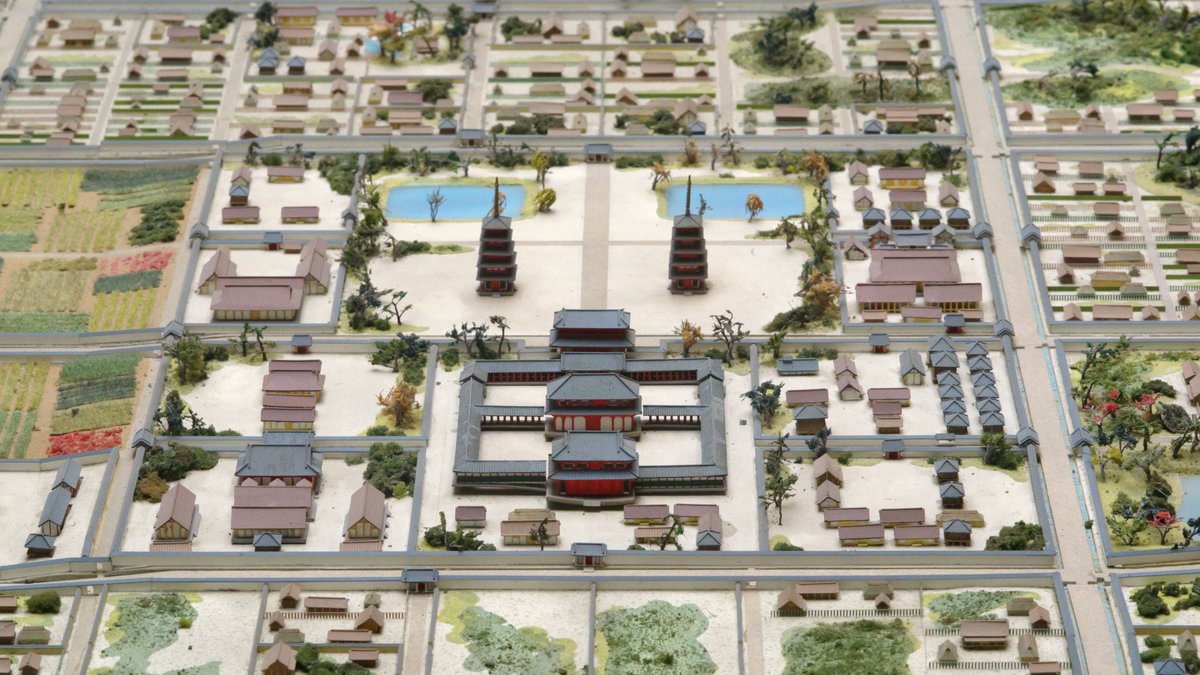
平城宮(へいじょうきゅう)は、710年に日本初の恒久的首都である平城京の皇居および行政中心として創建され、奈良時代の幕開けを告げました。(Japan Guide、UNESCO)都のレイアウトは中国唐王朝の長安を模範としており、大陸からの強い影響を反映しています。宮殿区域は約1平方キロメートルの広さを占め、都の中央北端に位置し、中国の風水思想に基づいた配置がなされていました。(Japan Experience)
宮殿は、儀式や行政の建物を収容する広大な walled enclosure である大内裏(だいだいり)と、天皇や皇族が住む内裏(ないり)から構成されていました。(Wikipedia)70年以上にわたり日本の政治・文化の中心地として機能した平城宮は、都が784年に長岡、そして794年には京都へ移転するまで、重要な儀式や政府の運営の場となりました。(Japan Guide)
奈良時代における政治的・文化的意義
平城宮は、日本の政府の集中化と文化の開花を象徴していました。奈良時代には、法典の整備、仏教の興隆、そして芸術的業績が見られました。(Japan Experience)宮殿では、天皇の勅令、朝廷の儀式が行われ、中国、朝鮮、インドなどからの外国使節を迎え入れ、文化交流を育みました。(Lala Love Nippon)
『古事記』、『日本書紀』、『万葉集』などの文学作品もこの時代に編纂され、宮殿は文化の保存と生産の中心地でした。(Japan Experience)
建築的特徴とレイアウト
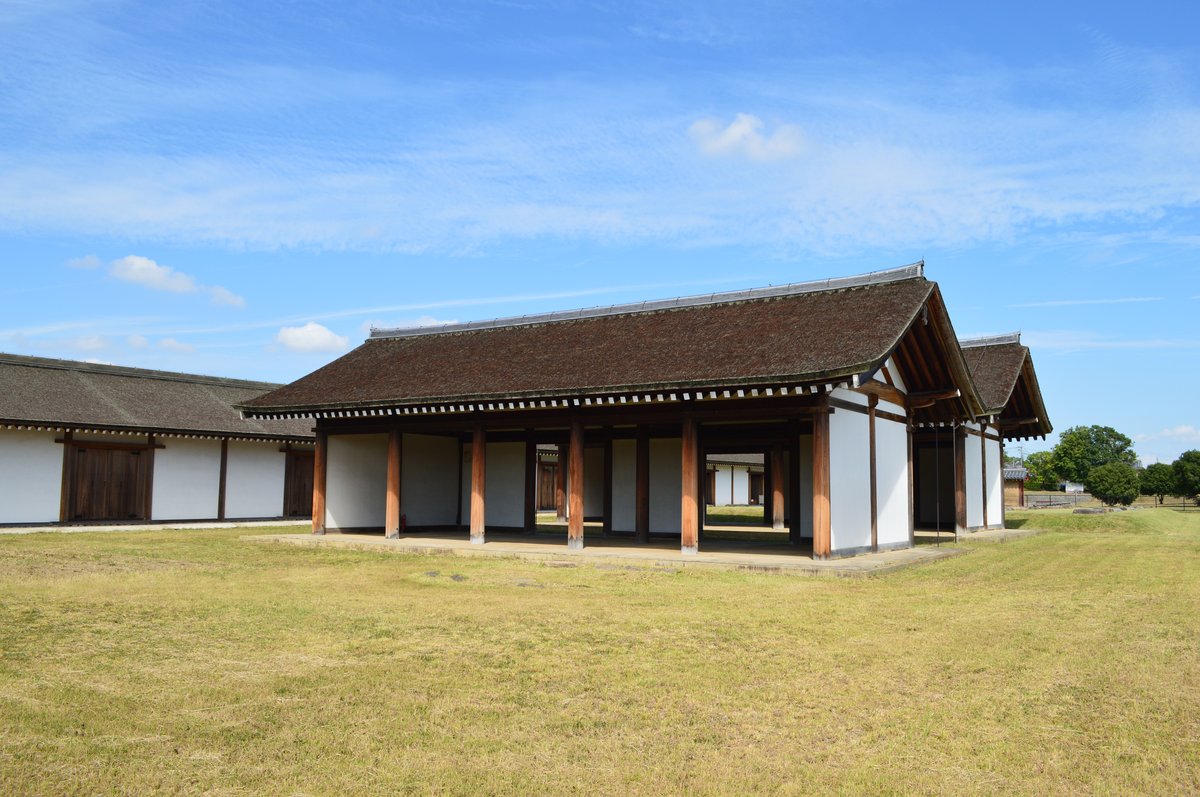
平城宮の建築は、初期のアジアの首都計画を特徴づけています。主要な南側入口である朱雀門(すざくもん)は、宮殿の中央軸へと続いていました。大極殿(だいぎょくでん)は、奈良遷都1300年を記念して2010年に復元された主要な儀式殿です。(Japan Guide、Japan Travel)
その他のハイライトとして、東院庭園、行政オフィス、居住区などがあります。この遺跡はユネスコ世界遺産であり、その真正性と継続的な考古学研究が評価されています。(UNESCO)
平城宮訪問:開館時間、チケット、アクセシビリティ
開館時間: 平城宮は通常、毎日午前9時から午後5時まで開館しています(最終入場は午後4時30分)。季節や特別イベント、祭りの期間中は開館時間が延長される場合があります。訪問前に、公式の奈良・シルクロード博物館ウェブサイトで確認することをお勧めします。
チケット情報: 宮殿敷地への入場は無料ですが、奈良・シルクロード博物館や発掘風景展示館など、一部の復元建物や展示館への入場にはチケット(約300〜500円)が必要な場合があります。チケットは現地または公式ポータルサイトでオンライン購入できます。
アクセシビリティ: 敷地内の主要な訪問エリアには車椅子でアクセス可能で、舗装された通路とバリアフリー対応のトイレがあります。要望に応じて介助サービスも利用可能ですが、特定のニーズについては事前に問い合わせることをお勧めします。
旅行のヒントと訪問者への推奨事項
- 訪問に最適な時期 春(3月〜5月)と秋(9月〜11月)は、穏やかな気候と美しい季節の景観が楽しめます。
- 推奨滞在時間 宮殿敷地、博物館の展示、近隣の観光スポットを巡るために2〜3時間を目安にしてください。
- ガイドツアー 各言語でのガイドツアーが利用可能で、洞察に富んだ解説が提供されます。事前予約をお勧めします。
- 写真撮影 大極殿や東院庭園周辺など、宮殿では多くの絵になるスポットがあります。写真撮影は許可されていますが、ドローンの使用は制限されています。
近隣の観光スポットと推奨旅程
平城宮への訪問は、東大寺、春日大社、奈良国立博物館などの他の奈良の史跡と組み合わせて楽しむことができます。多くの訪問者は、これらのユネスコ世界遺産を巡る1日観光を計画しています。(Japan Guide)
現代の再建と文化的復興
大極殿や朱雀門などの最近の政府主導の復元プロジェクトは、考古学的な証拠に基づいており、その真正性を確保しています。(UNESCO)敷地内には奈良・シルクロード博物館があり、遺物や発掘調査の発見品が展示されており、訪問者が奈良時代の生活について理解を深めるのに役立っています。(Japan Travel)
現代の日本文化における平城宮の役割
平城宮は、日本の古代遺産の強力なシンボルであり続けています。2010年の平城遷都1300年祭のようなイベントは、展示やパフォーマンスを通じてその文化遺産を祝いました。(Wikipedia)ユネスコ世界遺産としての地位は、その世界的な文化的重要性をも強化しています。
考古学および教育的重要性
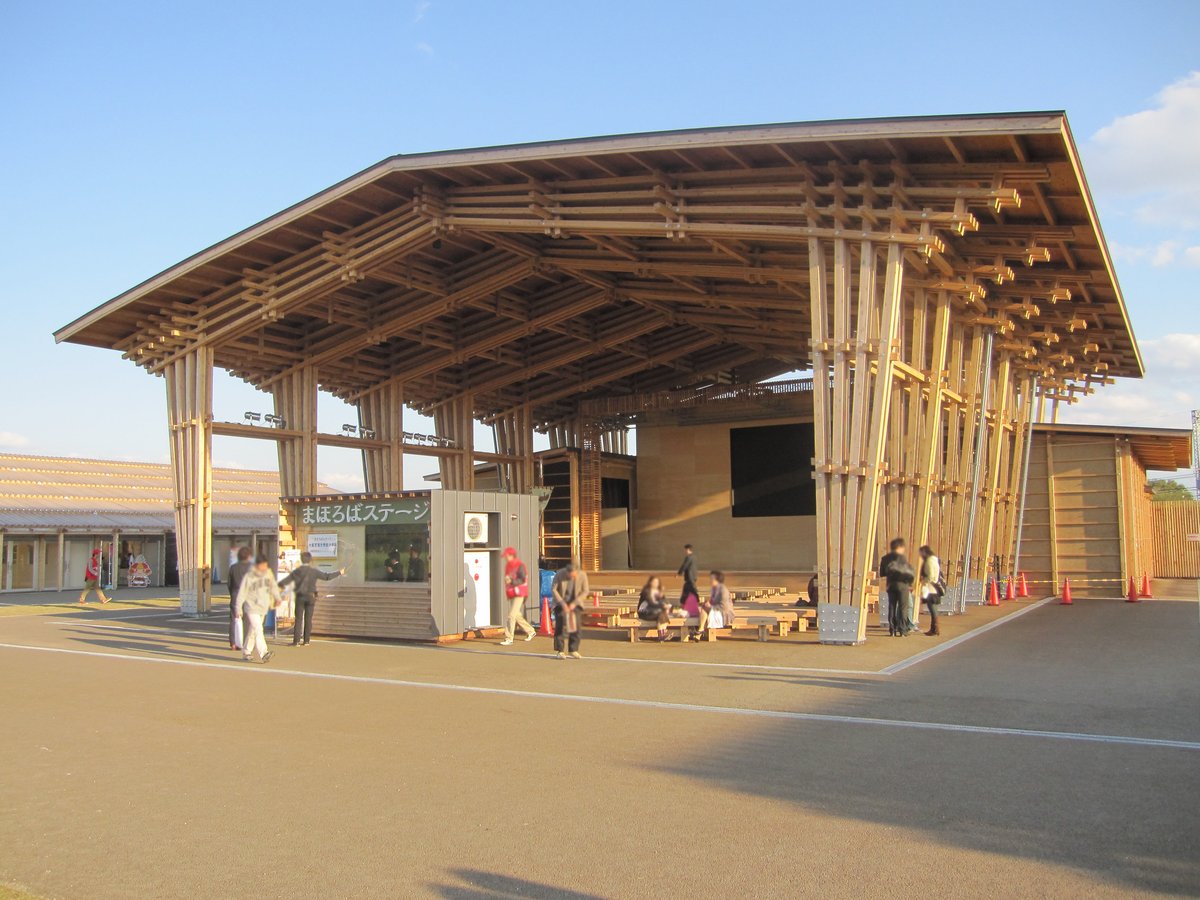
独立行政法人国立文化財機構奈良文化財研究所(NABUNKEN)は、継続的な考古学発掘調査を主導し、奈良時代の都市計画や日常生活に関する洞察を提供しています。(Nara Palace Site Museum)敷地内の博物館では、インタラクティブな展示や復元模型を通じて、あらゆる年齢の訪問者を楽しませています。
ビジュアルとインタラクティブ要素
訪問者は、公式奈良・シルクロード博物館ウェブサイトで利用可能な高品質の画像やバーチャルツアーを探索することをお勧めします。推奨されるビジュアルには以下が含まれます。
- 大極殿復元殿のパノラマビュー(alt:「平城宮大極殿復元殿」)
- 宮殿レイアウトの航空写真(alt:「平城宮跡の空撮マップ」)
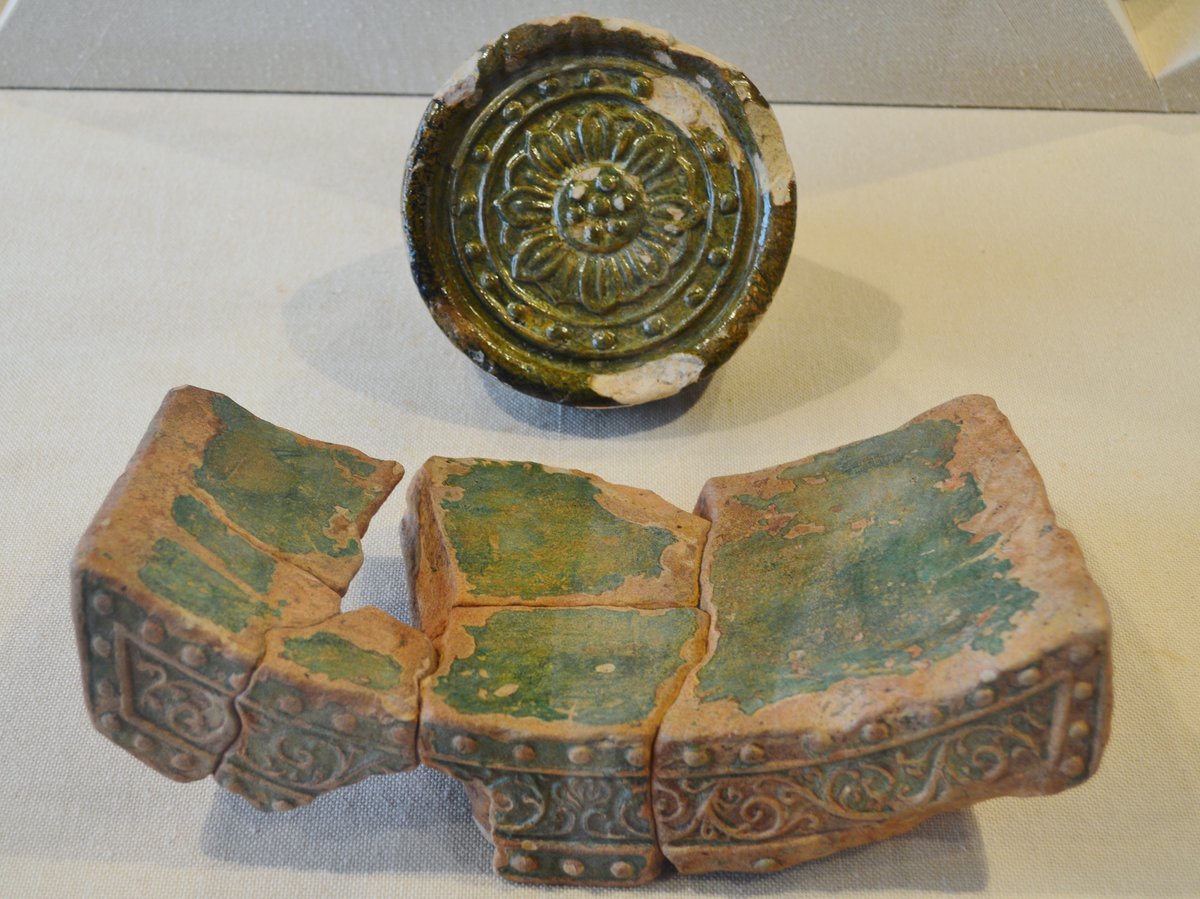
- 博物館に展示されている発掘遺物を紹介する展示(alt:「博物館に展示されている平城宮跡の発掘品」)
これらのマルチメディアリソースを組み込むことで、訪問者の体験とアクセシビリティが向上します。
よくある質問
Q: 平城宮の開館時間は? A: 宮殿敷地は通常、毎日午前9時から午後5時まで開館していますが、季節や特別イベントによって時間は変動する場合があります。
Q: 平城宮のチケットはどのように購入できますか? A: 敷地への入場は無料ですが、博物館や復元建物については、現地またはオンラインでチケットを購入できます。
Q: 平城宮は車椅子で利用できますか? A: はい、主要な訪問エリアには車椅子でアクセス可能な通路と設備があります。
Q: 平城宮を訪れるのに最適な時期はいつですか? A: 春と秋は最適な気候と景観が楽しめますが、一年中楽しめます。
Q: ガイドツアーはありますか? A: はい、様々な言語でのガイドツアーが提供されており、事前予約をお勧めします。
もっと知る
平城宮は、日本の古代の歴史と文化に興味のある方にとって必見の場所です。歴史愛好家、学生、旅行者のいずれであっても、宮殿は考古学的な発見、文化遺産、そして見事な建築を融合させた豊かな体験を提供します。最新の開館時間とチケットオプションを確認して訪問を計画し、近隣の奈良の史跡を探索する機会をお見逃しなく。
最新情報やイベントについては、公式ソーシャルメディアチャンネルをフォローし、奈良観光アプリをダウンロードし、当社のウェブサイトで奈良の古代首都と文化遺宝に関する関連記事を探索して、情報収集を続けてください。
詳細情報と訪問計画については、以下をご覧ください。
奈良の史跡に関する詳細については、奈良旅行ガイドをご覧になり、日本国内の他のユネスコ世界遺産も発見してください。
はじめに
平城宮跡歴史公園は、奈良市に位置し、8世紀に設立された日本初の恒久的首都、平城京の遺構を保存しています。このガイドでは、この重要な史跡を訪れる予定の訪問者にとって不可欠な情報を提供します。平城宮の開館時間やチケットの詳細から、交通手段、施設、近隣の観光スポットまで、日本有数の奈良の史跡である平城宮を最大限に活用する方法を発見しましょう。
宮殿敷地とレイアウト
平城宮跡歴史公園は、奈良市の北部、約120ヘクタールに広がっています。(Nara City Tourism Association)奈良時代(710年〜794年)の中国の影響を受けた都市計画に基づいて設計されており、宮殿敷地は、かつて土塁と堀に囲まれ、東西南北に3つずつ、計12の門があった長方形のグリッドレイアウトを特徴としています。ここは政府の中心であり、天皇、皇族、そして8省と約100の機関からなる中央官庁が置かれていました。
今日、訪問者は広大な開けた空間、復元された建物、そして宮殿の歴史的重要性を見事に想起させる考古学的な遺構を探索することができます。この遺跡は奈良・平城宮跡歴史公園の一部を成し、近鉄大和西大寺駅や新大宮駅から容易にアクセスできます。(Wanderlog)
主要なアトラクションと復元建造物
大極殿(皇居の儀式殿)
2010年に完成した大極殿は、重要な国家儀式や公式行事が行われた象徴的な復元された皇居の儀式殿です。鮮やかな赤い柱、白い壁、ゆるやかな勾配の瓦屋根が特徴で、奈良時代の建築様式を体現しています。内部には、その歴史的役割、建設技術、皇室統治について説明する展示があります。
大極門(南門)
2022年3月に一般公開された大極門は、大極殿院の主要な入口として機能しています。堅固な木材、精巧な接合、伝統的な瓦屋根を備えた忠実な復元です。儀式殿への儀式的なアプローチを示し、人気の写真撮影スポットとなっています。
朱雀門(すざくもん)
宮殿の主要な南側入口である朱雀門は、貴賓や公式な行進に使用されていました。鮮やかな朱色と堂々とした規模は、奈良時代の美学を表し、祭りや再現イベントの背景となります。
長堂院(ちょうどういん:国家儀式殿)
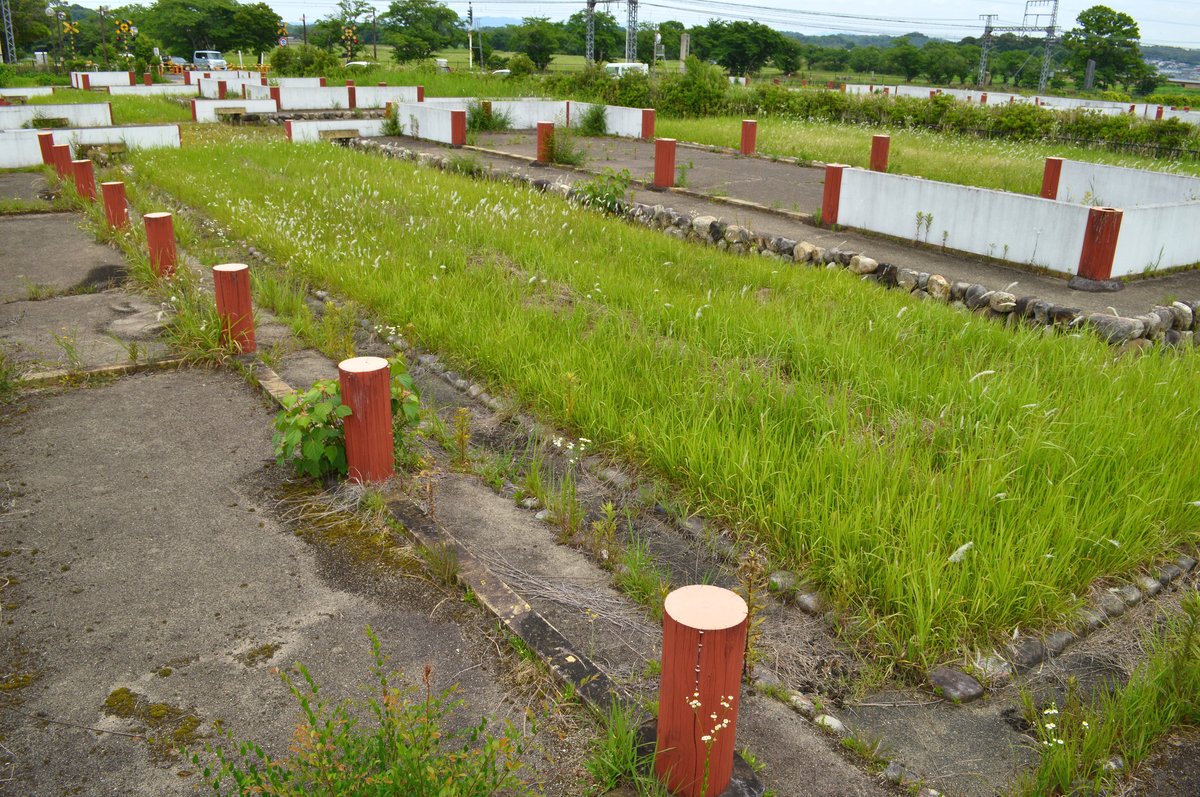
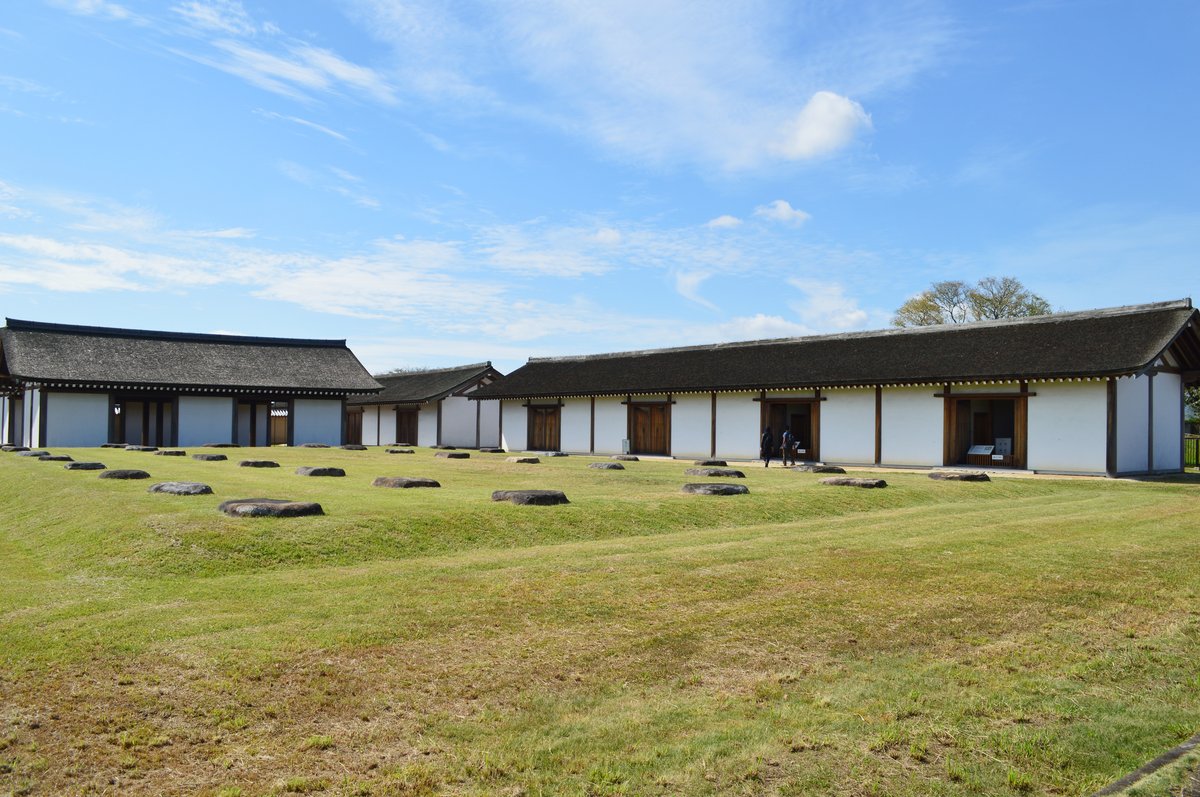
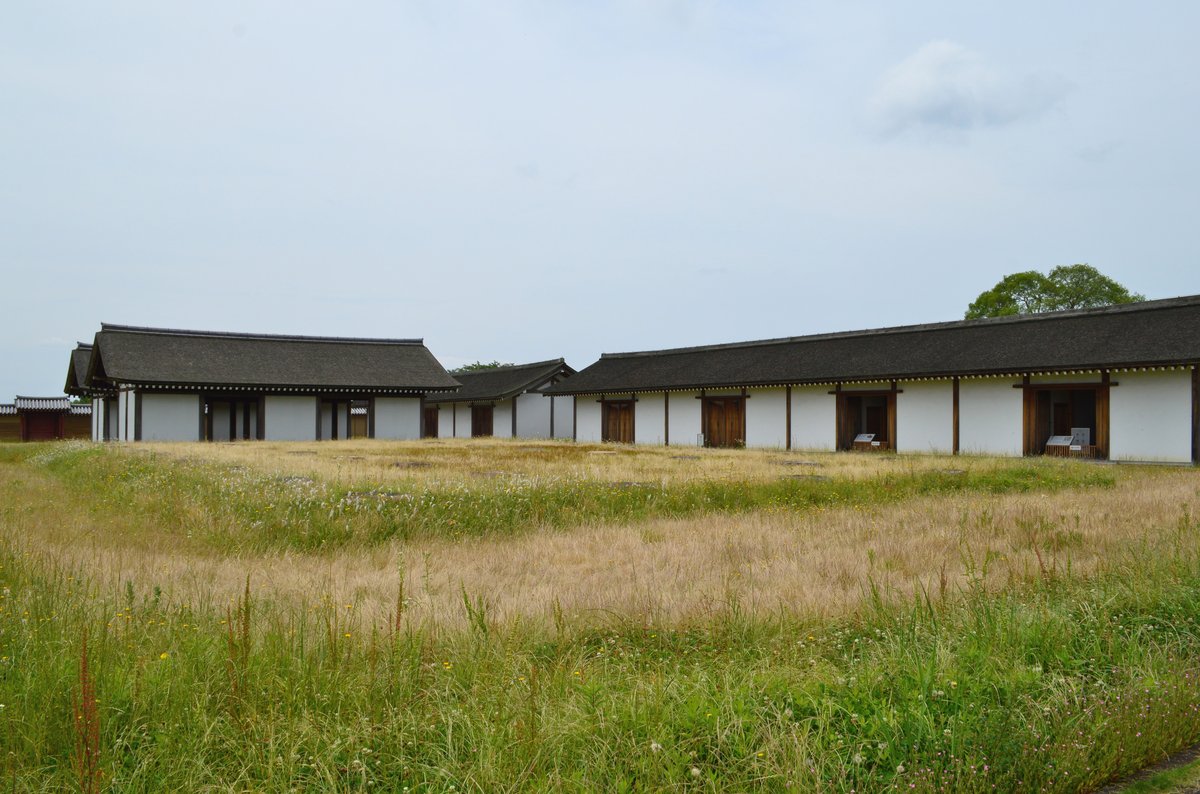
かつては政府機関の中心でしたが、長堂院の多くは考古学的な基壇として残っており、部分的な復元と解説サインによって、かつての朝廷の賑やかな活動を想像することができます。
東院庭園(とういんていえん)
部分的に復元されたこの優雅な庭園は、宮殿敷地の東側に位置し、池、橋、丁寧に配置された植物を備え、宴会や歌会といった貴族の余暇活動を反映しています。
内裏(だいり:天皇の居所)
天皇の私的な居住区の跡地は、考古学的な遺構や復元物によって示され、解釈されており、皇室の日常生活についての洞察を提供します。
博物館と展示センター
平城京いざない館
平城宮の歴史、考古学、奈良時代の文化を照らし出すインタラクティブな展示、模型、遺物を探求しましょう。
復元整備事業情報館
劇の上映、模型、実践的な展示を通じて、複雑な建築技術と考古学的な発見について学び、進行中の復元作業の詳細を理解しましょう。
考古遺跡と史跡
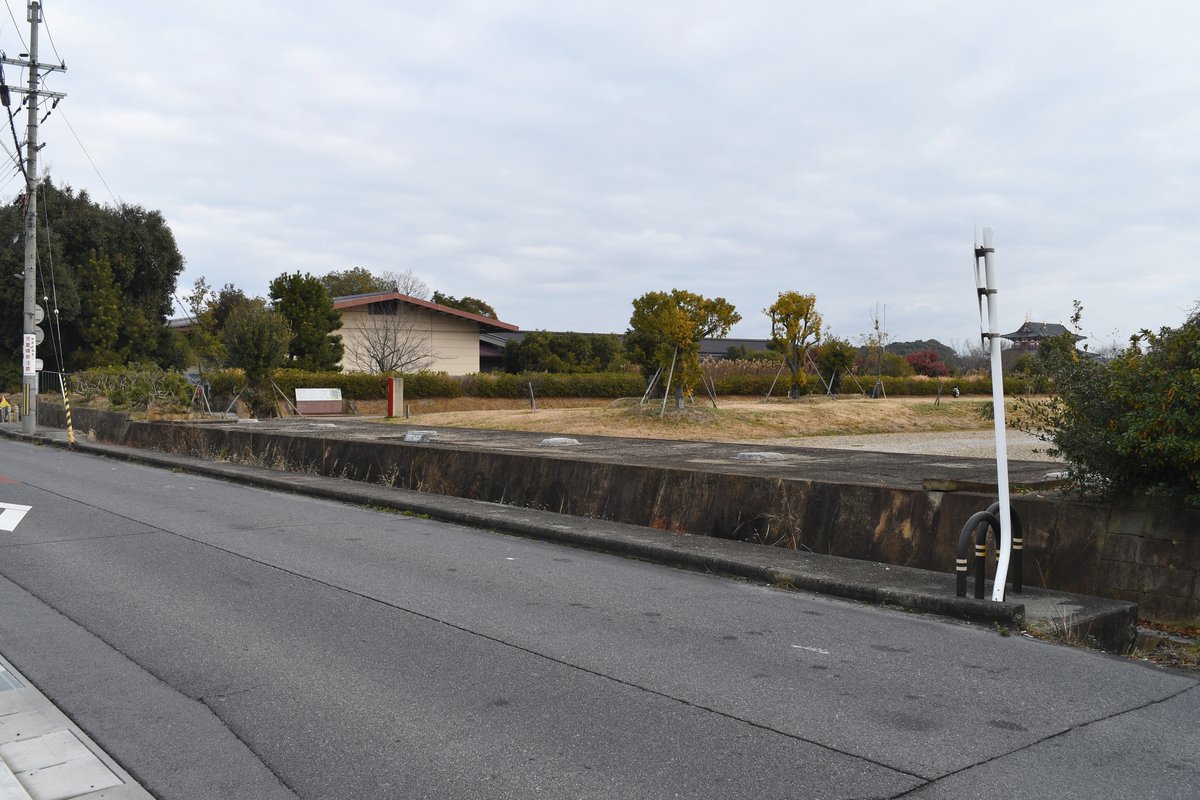
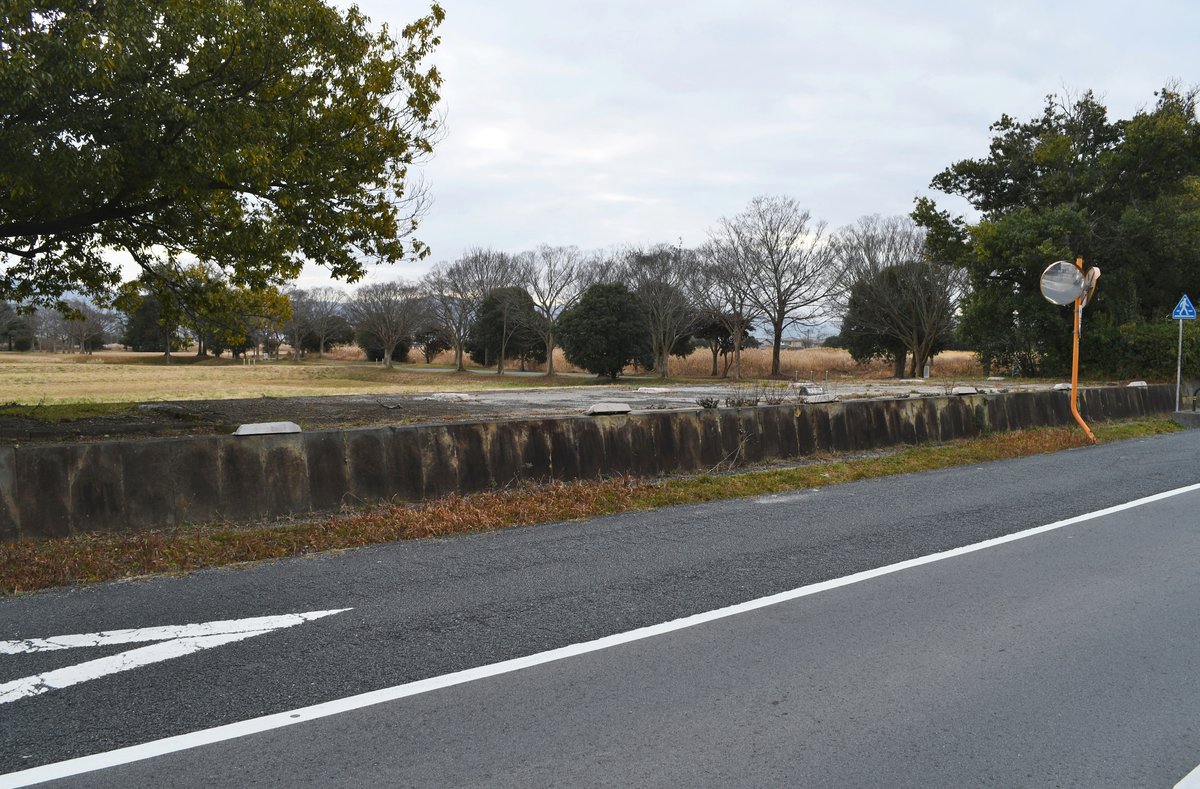
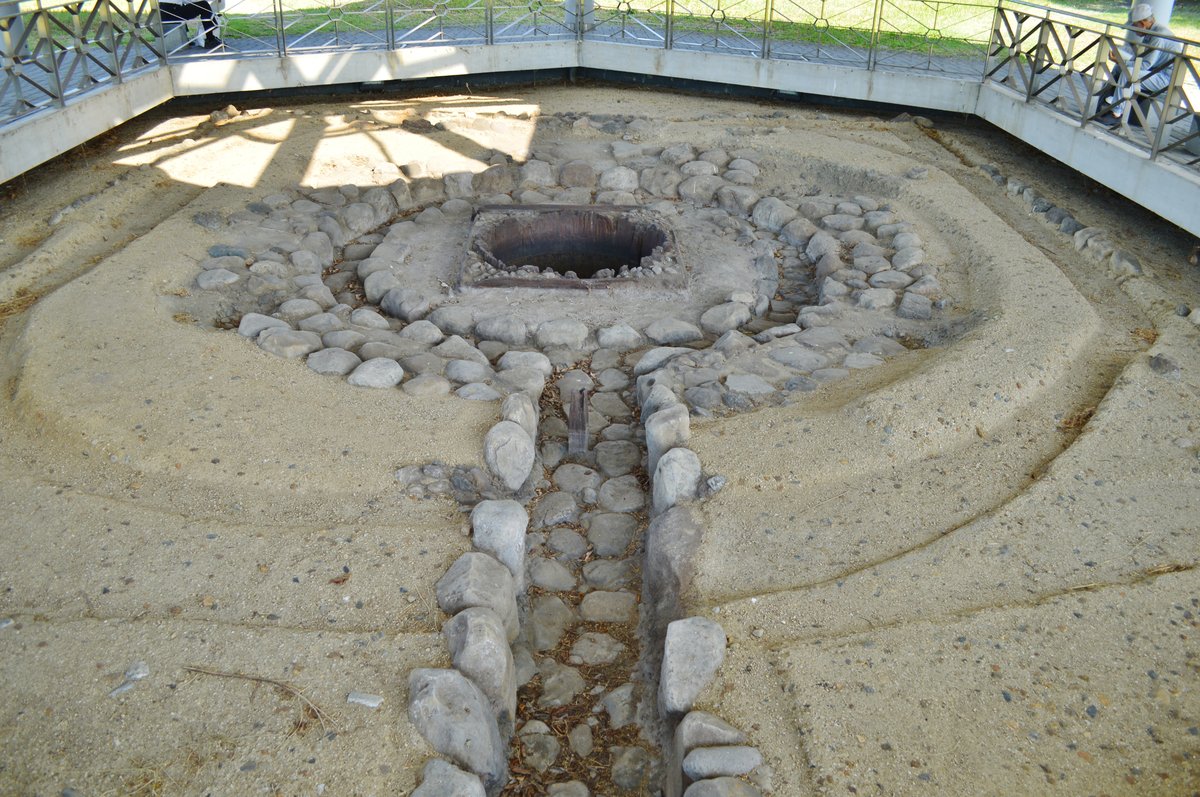
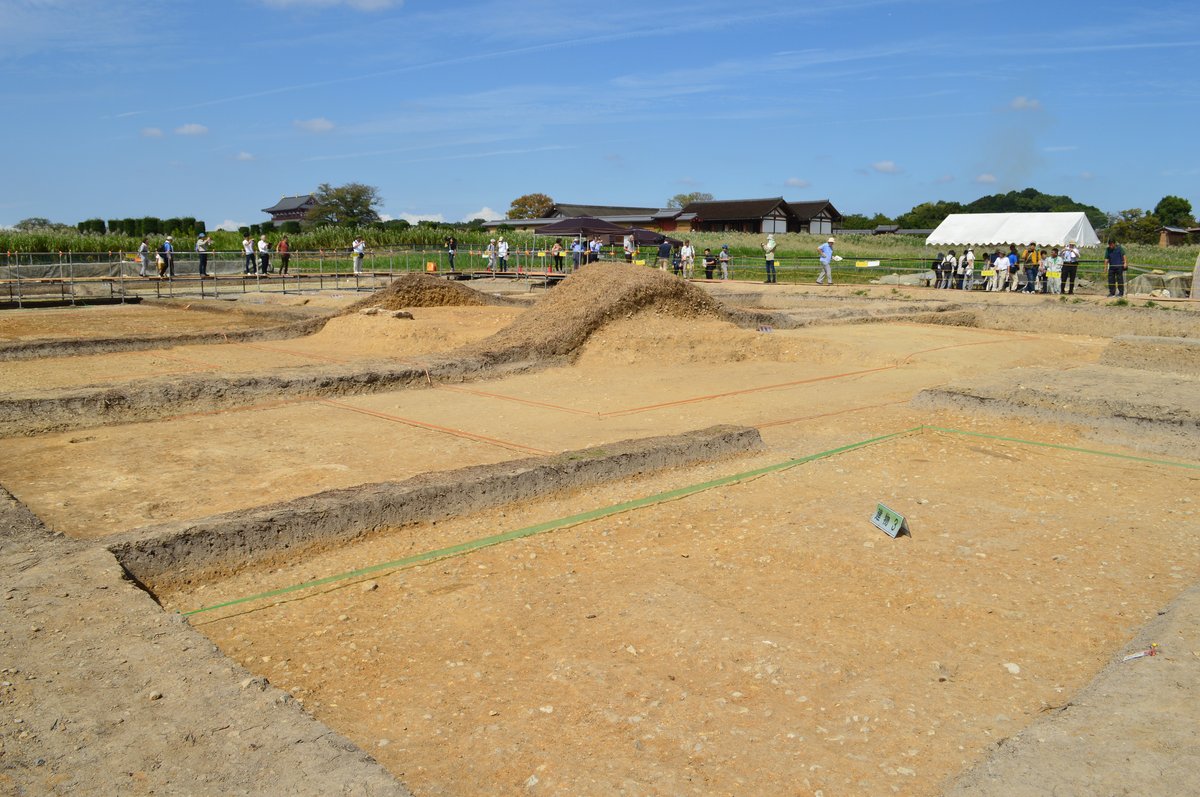
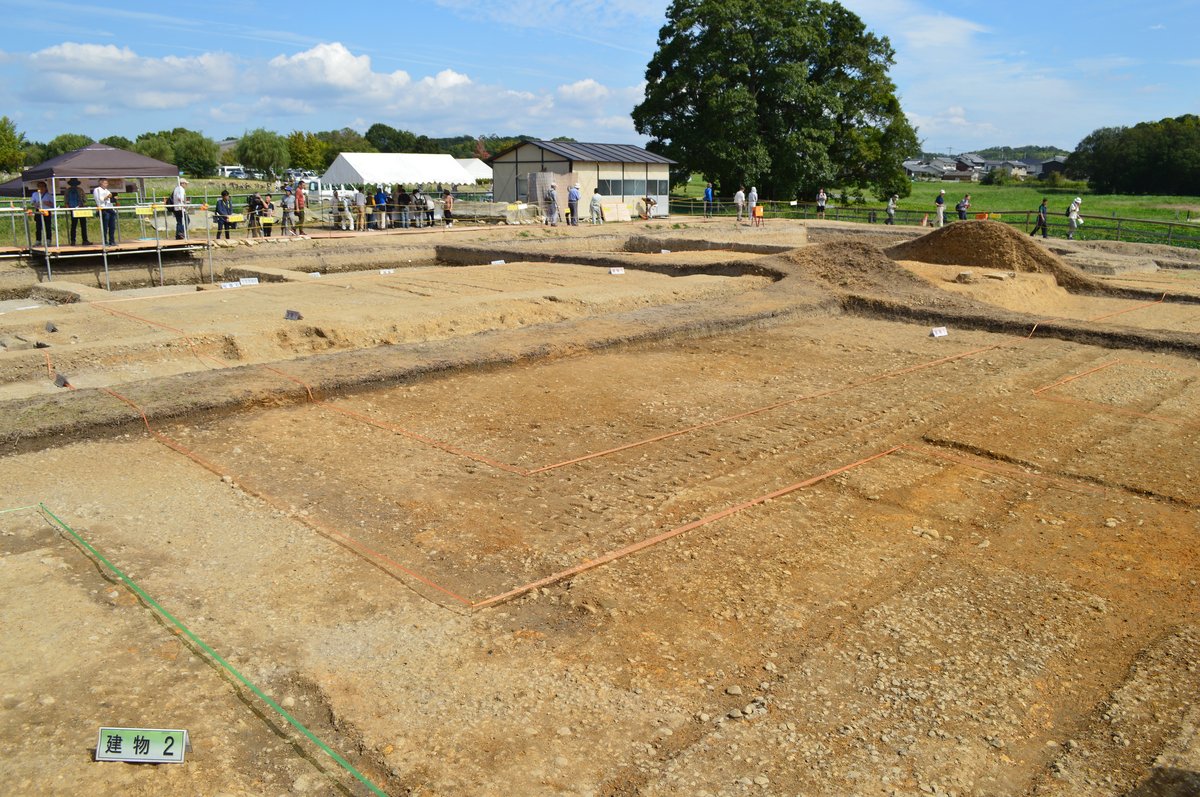
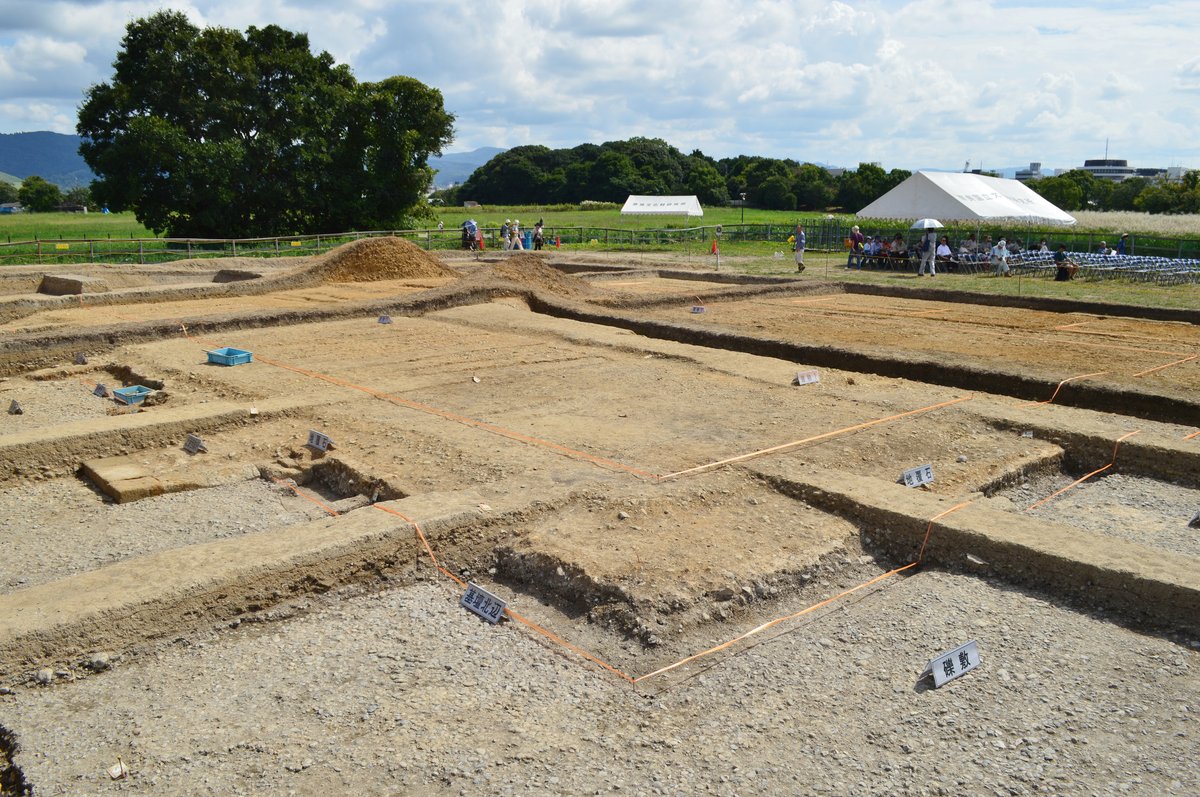
宮殿敷地内には、多言語の解説が施された古代建物の基壇が保存されています。遊歩道は、政府機関、倉庫、儀式殿の元の場所へと訪問者を案内し、奈良時代の首都の規模と野心を示しています。
季節のイベントと文化体験
- 平城宮まつり(平城京天平祭) 歴史再現、伝統音楽、ダンス、地元の食事が楽しめる春と秋の祭り。
- ライトアップ 年間を通じて特定の時期に行われる夜間ライトアップで、魔法のような写真撮影の機会を提供。
- 文化ワークショップ 書道、着物着付け、伝統工芸などの体験型アクティビティ。
visitor Facilities and Accessibility
- ビジターセンター 地図、パンフレット、多言語サポートを提供。
- 休憩エリアとカフェ リラクゼーションと軽食のために。
- 自転車レンタル 広大な敷地を快適に探索するために。
- バリアフリーアクセス 車椅子でアクセス可能な通路とトイレ。
- ガイドツアー 日本語、そして時折英語でも利用可能。
平城宮開館時間とチケット情報
- 開館時間 公園は年間を通じて開園しています。復元建物と博物館は通常、午前9時から午後4時30分まで営業しています。季節や特別イベントにより時間は変動します。
- 入場料 敷地への入場は無料です。一部の博物館や特別展は入場料が有料の場合があります。
- 季節による変動 一部の施設やイベントは、祭りのピークシーズンや祝日には時間が変更される場合があります。
訪問者向けの実践的なヒント
- 広大な敷地のため、快適なウォーキングシューズを着用し、日焼け止めと水を持参してください。
- カメラの利用は歓迎ですが、ドローンの使用は許可されていません。
- 訪問に最適な時期は、快適な気候と活気のあるイベントが楽しめる春(3月〜5月)と秋(9月〜11月)です。
- 近鉄大和西大寺駅または新大宮駅からアクセス可能。どちらの駅からも徒歩圏内です。バスやタクシーも利用できます。
- 近隣の東大寺、春日大社、奈良公園などの奈良の観光スポットと組み合わせて訪問しましょう。(Wanderlog)
注目すべき特徴と写真撮影スポット
- 開けた平野と復元された建物のパノラマビュー。特に日の出と日没は美しいです。
- 写真撮影に理想的な、鮮やかな色、精巧な木工細工、瓦屋根などの建築的ディテール。
- 近隣の奈良公園から来る季節の花、鳥、そして鹿が自然な魅力を添えます。
よくある質問(FAQ)
Q: 平城宮の開館時間は? A: 公園は年間を通じて開園しています。復元建物と博物館は通常、午前9時から午後4時30分まで営業していますが、季節により時間は変動する場合があります。
Q: 入館料や平城宮のチケットは必要ですか? A: 敷地への入場は無料です。一部の博物館や特別展は、少額の入場料が必要な場合があります。
Q: 平城宮は車椅子で利用できますか? A: はい、多くの通路と建物にはバリアフリーアクセスが提供されており、車椅子対応トイレも含まれています。
Q: 平城宮を訪れるのに最適な時期は? A: 春(3月〜5月)と秋(9月〜11月)は、最も快適な気候であり、季節のイベントと重なります。
Q: 奈良市中心部から平城宮へはどうやって行けばいいですか? A: 近鉄大和西大寺駅や新大宮駅から徒歩圏内です。バスやタクシーも利用できます。
もっと知る
平城宮の開館時間、チケット、イベントに関する最新情報については、Audialaアプリをダウンロードしてリアルタイムの情報とナビゲーション支援を入手してください。奈良の史跡に関する関連投稿を探索し、ソーシャルメディアでフォローして、限定コンテンツや旅行のヒントを入手してください。
ビジュアルとバーチャルツアー
公式奈良・平城宮跡歴史公園ウェブサイトで利用可能な高品質の画像とバーチャルツアーをご覧になることで、訪問をより充実させることができます。これらのリソースには、訪問計画に役立つ詳細な地図や「平城宮開館時間」および「奈良の史跡」というタグが付いたフォトギャラリーが含まれています。
さらなる読書のための内部リンク
詳細な地図、イベントスケジュール、訪問者情報については、公式奈良・平城宮跡歴史公園ウェブサイトをご覧ください。
平城宮開館時間、チケット、奈良の史跡ガイド:あなたの完全な訪問体験
はじめに
奈良の主要な史跡であり、かつての皇室の居所であった平城宮の豊かな歴史と静かな美しさを発見してください。この広大なオープンエアパークは、復元された建物、考古学的な基壇、博物館、季節のイベントを備え、訪問者に日本の古代首都時代への没入型の旅を提供します。訪問を計画している場合でも、何が期待できるかを知りたい場合でも、この包括的なガイドでは、平城宮の開館時間やチケット情報から、敷地をナビゲートし、活気ある祭りを体験するためのヒントまで、すべてを網羅しています。
平城宮跡のナビゲーション:レイアウト、アクセス、施設
敷地のレイアウトと主要な特徴
平城宮は、古代奈良の中心であり、約1平方キロメートルに及ぶ広大なオープンエア史跡公園です。(Japan365days)敷地の大部分は開けており、復元された建物と、かつての宮殿のレイアウトを示す基壇が設置されています。敷地は南北軸に沿って組織化され、唐の首都である西安に触発された対称的なグリッドを反映しています。(Happy Jappy)
主要な復元建造物には以下が含まれます。
- 朱雀門(すざくもん) かつて外国の賓客を迎えるために使用された、壮大な南側入口。(Visit Nara)
- 大極殿(皇居の儀式殿) 2010年に復元された最も大きな建物で、天皇が朝廷を開き、主要な儀式を行った場所。(Japan365days)
- 東院庭園(とういんていえん) 池と橋がある静かで対称的な庭園で、皇族の集まりに使用されました。(Japan Experience)
- 奈良・シルクロード博物館と平城京資料館 考古学的な発見品、模型、時代の遺物を展示。(Happy Jappy)
敷地には、開けた芝生、湿地、遊歩道もあり、史跡でありながら自然の魅力も兼ね備えています。(Happy Jappy)
アクセスと敷地内ナビゲーション
公共交通機関でのアクセス:
- 電車 最寄りの駅は近鉄大和西大寺駅で、近鉄奈良駅から東へ約15〜20分歩いたところにあります。(Happy Jappy)JR奈良駅からもアクセス可能で、自転車で15分、または短時間のバス乗車で到着します。
- バス 最寄りのバス停は「朱雀門ひろば」で、朱雀門から約200メートルです。バス160番、161番が主要な奈良駅と結んでいます。(Cestee)
敷地内ナビゲーション:
- 敷地は平坦で広々としており、徒歩やサイクリングに適しています。復元された建物には車椅子やベビーカーのアクセスが可能です。(Visit Nara)
- 無料の敷地マップや「NARA Heijokyo Historic Walk」アプリのQRコードは、音声解説や歴史的背景情報を提供します。(Visit Nara)
平城宮開館時間とチケット
- 開館時間 公園は24時間営業ですが、復元建物と博物館は通常、9:00〜16:30(最終入場16:00)です。月曜日(月曜日が祝日の場合は火曜日)と年末年始は休園です。(Visit Nara)
- 入場料とチケット 敷地と主要な復元建物への入場は無料です。(Cestee)一般入場にはチケットは必要ありません。特別展やイベントは別途チケットが必要な場合があるため、訪問前に公式ウェブサイトで確認してください。
訪問者向けアメニティと実用情報
- 施設 敷地内の複数箇所にトイレ、自動販売機、日陰の休憩エリアがあります。博物館には英語の解説とバリアフリー設備があります。(Visit Nara)
- アクセシビリティ 敷地の大部分はバリアフリーであり、主要エリアにはスロープと車椅子対応トイレが備わっています。(Visit Nara)
- ガイドツアー 時折ガイドツアーが提供され、オーディオアプリが自己ガイド探訪を強化します。(Visit Nara)
写真撮影スポットとユニークな特徴
- 朱雀門 様々な光の条件下で、宮殿の主要な入口の壮大さを写真に収めましょう。
- 大極殿 復元された堂の印象的な規模と伝統的な建築は、素晴らしい写真機会を提供します。
- 東院庭園 特に春と秋に美しい、池への反射が美しい絵のような庭園の風景。
- 開けた平野と湿地 季節の野草、鳥、広々とした景色が自然の写真撮影の被写体となります。(Happy Jappy)
訪問体験:何が期待できるか
雰囲気とアクティビティ
平城宮は、歴史への没頭と静かな公園の景観をユニークに融合させています。訪問者は以下を楽しむことができます。
- 歴史を歩く 朱雀門から入り、古代の貴賓たちの足跡をたどり、天皇の玉座が展示されている大極殿へ進みます。(Visit Nara)
- 復元・史跡の探索 ほとんどの建物は考古学的な証拠に基づいた復元ですが、元の構造物の基壇は明確に示されており、宮殿の規模についての洞察が得られます。(Japan Experience)
- 広場を楽しむ 広大な芝生と湿地は鳥や季節の野草を引きつけ、ピクニックやゆったりとした散策に人気があります。(Happy Jappy)
- インタラクティブ学習 博物館や「NARA Heijokyo Historic Walk」アプリは、模型、遺物、音声ガイドを含む、魅力的な教育コンテンツを提供します。(Visit Nara)
Visitor Demographics and Flow
- このサイトは奈良公園や東大寺ほど混雑しておらず、歴史や建築に興味のある人にとっては静かな代替手段を提供しています。(Cestee)
- 学校のグループ、歴史愛好家、家族連れが多く、特に祭りの期間中は賑わいます。
記憶に残る訪問のためのヒント
- 十分な時間を確保する 敷地の規模を考えると、博物館や庭園を探索した場合、徹底的な訪問には2〜3時間以上かかる場合があります。
- 気候への配慮 広大な敷地は日陰が少ないため、夏は日焼け止め、冬は暖かい服装を着用してください。(Wanderlog)
- 近隣の場所と組み合わせる 大安寺や奈良の他の世界遺産も簡単に訪れることができます。(Visit Nara)
平城宮でのイベントと祭り
平城京天平祭
平城宮で最も重要な年次イベントは、奈良が日本の首都であった時代を祝うために毎年春に開催される平城京天平祭です。(Japan Cheapo)1300年以上の歴史を持つこの祭りは、この敷地を体験型の歴史の場へと変貌させます。
祭りのハイライト:
- 歴史再現 皇宮警護官、朝廷官員、貴族の行列が、奈良時代の壮大さを再現します。
- 貴族の宴 古代の朝廷料理と儀礼の実演。
- パレードとパフォーマンス 伝統音楽、ダンス、街頭パフォーマンスが敷地を活気づけます。
- 子供向けワークショップ 体験型アクティビティを通じて、子供たちを時代の工芸品や習慣に紹介します。
- 屋台と市場 3日間のイベント全体で、地元の特産品や祭りの食べ物が提供されます。
2025年のスケジュール: 主要な祭りは5月3日に予定されており、2025年日本国際博覧会(大阪・関西万博)での関連パレードは5月27〜29日に行われます。(Japan Cheapo)
夏まつり(天平祭 夏)
8月には、平城京天平祭 夏が、夜のパレード、伝統衣装、花火、ライトインスタレーション、ライブ音楽、屋台を宮殿敷地に持ち込みます。(Japan365days)このイベントは、夜間にライトアップされた敷地を体験できる珍しい機会を提供します。
その他のイベントと季節のアクティビティ
- 特別展 博物館では、時折、宮殿の考古学や奈良時代の文化に関する特別展が開催されます。(Happy Jappy)
- 自然散策 季節の野草やバードウォッチングが人気で、特に春と秋は賑わいます。(Happy Jappy)
- 文化ワークショップ 祭りの期間中、訪問者は書道、着物着付け、その他の伝統芸術に参加できます。(Japan Cheapo)
イベントに合わせた訪問計画
- 混雑 祭りは、特に天平祭や夏のイベント中には、より多くの人々を引きつけます。最高の体験のために早めに到着してください。
- アクセシビリティ すべての主要なイベントエリアはアクセス可能ですが、一部の一時的な設置物はアクセスが制限される場合があります。
- イベントスケジュール 日付や詳細は変更される可能性があります。訪問前に公式イベントカレンダーを確認してください。
よくある質問(FAQ)
Q: 平城宮の開館時間は? A: 公園は24時間営業ですが、復元建物と博物館は9:00〜16:30で、最終入場は16:00です。月曜日と年末年始は休館です。
Q: 入場料やチケットは必要ですか? A: 敷地と主要建物への一般入場は無料です。一部の特別展やイベントはチケットが必要な場合があります。
Q: 奈良駅から平城宮へはどうやって行けばいいですか? A: 徒歩(約15〜20分)、自転車、またはバス(160番または161番)で朱雀門近くの「朱雀門ひろば」バス停まで行くことができます。
Q: 平城宮は車椅子で利用できますか? A: はい、敷地の大部分はバリアフリーで、スロープと車椅子対応トイレがあります。
Q: いつ訪問するのが最適ですか? A: 春(3月〜5月)と秋(9月〜11月)は、快適な気候で、主要な祭りと重なり、体験をより豊かなものにしてくれます。
Q: ガイドツアーはありますか? A: はい、時折ガイドツアーが提供されています。または、「NARA Heijokyo Historic Walk」音声アプリを使用して自己ガイドツアーを行うこともできます。
もっと知る
平城宮は、日本の皇室の歴史、文化的な祭り、そして静かな自然の美しさを融合させた魅力的な史跡です。無料入場、バリアフリー施設、そして平城京天平祭のような魅力的なイベントにより、歴史愛好家や家族連れにとって必見の場所です。宮殿の開館時間や祭りに合わせて訪問を計画し、真に没入感のある体験をお楽しみください。
探索をさらに充実させるために、NARA Heijokyo Historic Walkアプリをダウンロードし、ソーシャルメディアをフォローして最新情報を入手し、奈良の史跡に関する関連投稿を探索して、旅程を豊かにしましょう。
公式ウェブサイト: heijo-park.jp
連絡先: +81 742-32-5106 / +81 742-32-5107 (Visit Nara)
はじめに
奈良市に位置する平城宮跡歴史公園は、8世紀に設立された日本初の恒久的首都、平城京の遺構を保存しています。このガイドは、この重要な史跡を訪れる予定の訪問者にとって不可欠な情報を提供します。平城宮の開館時間やチケットの詳細から、交通手段、施設、近隣の観光スポットまで、日本有数の奈良の史跡である平城宮を最大限に活用する方法を発見しましょう。
場所、アクセス、交通手段
平城宮跡歴史公園(平城宮跡)は、奈良市、奈良県に位置しています。公園は、平城京の旧皇居の敷地内にあります。住所は〒630-8577 奈良県奈良市咲STRUCTION 2-9-1です。
アクセス方法
- 電車 公園は、JRまたは近鉄線が乗り入れる奈良駅から便利にアクセスできます。JR奈良駅からは徒歩約20分、または短時間のバス乗車で到着します。近鉄奈良駅からは、徒歩約30分、またはバスで10〜15分です。
- バス 奈良交通の路線バスが、JR奈良駅と近鉄奈良駅の両方から頻繁に運行しています。「平城宮跡」バス停で下車してください。ここから main entrance がすぐ近くです。(washokuclub.com)
- 車 公園指定の駐車場では有料駐車場が利用可能です。週末や休日は駐車スペースがすぐに埋まることがあります。
平城宮開館時間とチケット
- 公園敷地 年間を通じて、日の出から日没まで開園しています。広大な敷地を散策するのにチケットは必要ありません。
- 博物館と復元建物 平城宮跡博物館、朱雀門、大極殿ホールなどの施設は、午前9時から午後4時30分まで開館しています(最終入場は午後4時)。特別イベントや休日には時間が変更される場合があります。
- 入場料 公園敷地と復元建物の両方への入場は無料です。これにより、平城宮は奈良の史跡の中でもアクセスしやすいハイライトとなっています。(heijo-park.jp)
施設とビジターサービス
ビジターセンターと情報
- 平城宮跡博物館 敷地の歴史、考古学、復元に関する包括的な展示を特徴としています。英語の資料と表示が用意されています。
- インフォメーションデスク 多言語対応のスタッフが、地図、パンフレット、訪問案内を提供します。
- 休憩エリア 公園全体にベンチと日陰のパビリオンが用意されています。
アクセシビリティ
- 通路 幅広く平坦な遊歩道は、車椅子やベビーカーに対応しています。
- 車椅子レンタル メインエントランスとビジターセンターで利用可能です。
- バリアフリー対応トイレ 主要なアトラクションの近くに、モダンでバリアフリー対応のトイレが設置されています。
食事と飲み物
- カフェと自動販売機 敷地内のカフェや自動販売機で、軽食や飲み物を提供しています。
- 近隣のレストラン 徒歩10〜15分圏内で、柿の葉寿司や三輪そうめんなどの地元の名物を楽しめます。(washokuclub.com)
お土産とショップ
- ギフトショップ 書籍、伝統工芸品、平城宮限定のお土産を販売しています。
- 地元産品 奈良の有名な鹿皮製品や地域の特産品を探しましょう。
推奨滞在時間と最適な季節
- 推奨滞在時間 主要な建物、博物館、敷地を探索するために、少なくとも2〜3時間をお勧めします。歴史愛好家は、半日以上を割り当てることを検討してください。
- 最適な季節
- 春(3月下旬〜5月) 桜と穏やかな気候を楽しめます。
- 秋(10月〜11月) 紅葉と快適な気温を体験できます。
- 夏 暑く湿度が高いです。日焼け止めと水を持参してください。
- 冬 静かで時折雪が降ります。(washokuclub.com)
ルール、エチケット、安全
- 敬意ある行動 静かな環境を保ち、ゴミを捨てないでください。歴史的建造物や地域の習慣を尊重してください。(heijo-park.jp)
- 写真撮影 ほとんどの屋外エリアと復元建物での撮影が許可されています。博物館内ではフラッシュや三脚が制限される場合があります。
- ペット リードに繋いであれば屋外での同伴が許可されます。建物内への同伴はできません。
- サイクリング 指定された通路でのみ自転車の利用が許可されています。
イベントと特別アクティビティ
- 季節の祭り 春と秋の平城宮祭りは、伝統的なパフォーマンス、屋台、歴史再現を特徴としています。
- ワークショップとガイドツアー 古代工芸のワークショップやガイドツアー(主に日本語、英語の場合もあり)が随時開催されます。スケジュールについては公式ウェブサイトを確認してください。
近隣の観光スポット
- 薬師寺 東塔や仏像で有名なユネスコ世界遺産。バスで短時間でアクセスできます。(washokuclub.com)
- 奈良公園 自由に歩き回る神聖な鹿で知られ、東大寺や春日大社に近接しています。
- ならまち 保存された町家、店舗、カフェがある歴史的な商人地区。
- 依水園とならなら}}}}(} } } } } } } } } } } } } }{ } } } } } } } } } } } } } } } } } } } } } } } } } } } } } } } } } } } } } } } } } } } } } } } } } } } } } } } }}} } } } } } } } } } } } } } } } } } } } } } } } } } } } } } } } } } } } } } } } } } } } } } } } } } } } } } } } } } } } } } } } } } } } } } } } } } } } } } } } } } } } } } } } } } } } } } } } } } } } } } } } } } } } } } } } } } } } } } } } } } } } } } } } } } } } } } } } } } } } } } } } } } } } } } } } } } } } } } } } } } } } } } } } } } } } } } } } } } } } } } } } } } }{ } } } } } } } } } } } } } } } } } } } } }}}} } } } } } } } } } } } } } } } } } }{étera } } } } } } } } } } } } } } } } } } } } } } } } } } } } } } } } } } } } } }{ metastability{ ‘date’: ‘14/06/2025’, ‘task’: {‘model’: ‘gpt-4.1-mini’, ‘query’: ‘Comprehensive guide to visiting Heijō Palace, Nara, Japan: history, significance, visitor tips, and everything tourists need to know for a memorable experience.’, ‘verbose’: False, ‘guidelines’: [‘Keyword Research: Identify relevant keywords that potential visitors are likely to search for, such as ‘[Monument Name] visiting hours,’ ‘[Monument Name] tickets,’ and ‘[City] historical sites.’ Use these keywords strategically throughout the article, including in the title, headers, and body text, but avoid keyword stuffing.’, ‘Engaging and Informative Title: Craft a title that is both SEO-friendly and compelling to encourage clicks. Include the main keyword and make it clear what the article will cover.’, ‘Structured Content: Use headings (H1, H2, H3) to organize the content effectively. This helps with SEO and makes the article easier for readers to navigate. Include an introduction that hooks the reader, a detailed body that covers all relevant aspects, and a conclusion that summarizes the key points.’, ‘Comprehensive Coverage: Address common questions and topics of interest such as the history of the monument, its cultural significance, visitor information (e.g., ticket prices, opening hours), travel tips, nearby attractions, and accessibility. Include sections that might be unique to the monument, like special events, guided tours, and photographic spots.’, ‘Quality Content: Ensure the content is well-researched, accurate, and provides real value to readers. Use reliable sources and provide factual information. Write in a clear, engaging, and accessible style. Consider your audience and use language that is appropriate for those likely to visit the monument.’, ‘Visuals and Media: Incorporate high-quality images or videos of the monument. These should be optimized for the web (correct sizing, alt tags with keywords). Consider interactive elements like virtual tours or maps.’, ‘Internal and External Links: Include links to other related articles on your site to encourage deeper engagement (internal links). Link to official websites for the monument or credible sources for further reading (external links).’, ‘FAQ: Incorporate FAQ sections to target voice search queries and featured snippets’, ‘Visit and Stay Up to Date: End the article with a call to action, such as encouraging readers to download our mobile app Audiala, check out other related posts, or follow on social media for more updates.’], ‘max_sections’: 4, ‘publish_formats’: {‘pdf’: False, ‘docx’: False, ‘markdown’: True}, ‘follow_guidelines’: True}, ‘title’: ‘Heijō Palace, Nara, Japan: A Comprehensive Visitor’s Guide’, ‘report’: “# Heijo Palace Visiting Hours Tickets and Nara Historical Sites Guide\n#### Date: 14/06/2025\n\n## Introduction to Heijo Palace and Its Historical Significance\nNestled in the historic city of Nara, Japan, Heijō Palace stands as a monumental testament to the country’s rich imperial past and cultural heritage. Serving as the imperial residence and administrative heart of Japan’s first permanent capital, Heijō-kyō, during the Nara period (710–794 CE), this UNESCO World Heritage Site invites visitors to step back in time and explore over one square kilometer of carefully preserved ruins and meticulously reconstructed buildings that echo the grandeur of an ancient era (Japan Guide; UNESCO).\n\nHeijō Palace’s layout reflects profound Chinese architectural and urban planning influences, modeled after the Tang dynasty capital Chang’an, and it played a pivotal role in the political, cultural, and religious developments of early Japan (Japan Experience). Visitors today can immerse themselves in the palace’s historical atmosphere through extensive grounds, reconstructed landmarks such as the Daigokuden (Imperial Audience Hall), and on-site museums showcasing archaeological discoveries (Japan Travel; Visit Nara).\n\nThis comprehensive visitor’s guide provides essential information on Heijō Palace’s visiting hours, ticketing, accessibility, and practical travel tips. It further highlights key attractions, cultural events, and nearby historical sites to help travelers fully appreciate the significance and splendor of Nara’s ancient capital (Nara Palace Site Museum; washokuclub.com). Whether you are a history enthusiast, cultural explorer, or casual visitor, this guide equips you with the knowledge to plan an enriching and memorable visit to one of Japan’s most treasured historical landmarks.\n\n## Contents Overview\n- Introduction\n- Origins and Historical Development of Heijō Palace\n- Political and Cultural Significance During the Nara Period\n- Architectural Features and Layout\n- Visiting Heijō Palace: Hours, Tickets, and Accessibility\n- Travel Tips and Visitor Recommendations\n- Nearby Attractions and Suggested Itineraries\n- Modern Reconstructions and Cultural Revival\n- Heijō Palace’s Role in Contemporary Japanese Identity\n- Archaeological and Educational Importance\n- Visuals and Interactive Elements\n- FAQ\n- Conclusion and Call to Action\n\n## Introduction\n\nWelcome to Heijō Palace, one of Japan's most significant historical sites located in the heart of Nara. As the former imperial residence and administrative center during the Nara period (710–794 CE), Heijō Palace offers visitors a unique glimpse into Japan's ancient capital and rich cultural heritage. This comprehensive guide covers everything you need to know about visiting Heijō Palace, including visiting hours, ticket information, accessibility, and tips to make the most of your trip, along with its fascinating history and cultural importance.\n\n---\n\n## Origins and Historical Development of Heijō Palace\n\nHeijō Palace (平城宮, Heijō-kyū) was established in 710 CE as the imperial residence and administrative center of Heijō-kyō, Japan’s first permanent capital, marking the beginning of the Nara period (Japan Guide; UNESCO). The city’s layout was inspired by the Chinese Tang dynasty capital Chang’an, reflecting strong continental influences. The palace complex covered approximately one square kilometer, positioned at the city’s north-central end, following Chinese geomantic principles (Japan Experience).\n\nThe palace consisted of the daidairi (大内裏), a large walled enclosure containing ceremonial and administrative buildings, and the Inner Palace, where the emperor and imperial family resided (Wikipedia). Serving as the political and cultural heart of Japan for over 70 years, Heijō Palace was the stage for important ceremonies and government operations until the capital moved to Nagaoka in 784 and then Kyoto in 794 (Japan Guide).\n\n## Political and Cultural Significance During the Nara Period\n\nHeijō Palace symbolized Japan’s centralized government and cultural blossoming. The Nara period saw the codification of laws, the rise of Buddhism, and artistic achievements (Japan Experience). The palace hosted imperial edicts, court ceremonies, and welcomed foreign envoys from China, Korea, and India, fostering cultural exchange (Lala Love Nippon).\n\nLiterary works such as the Kojiki, Nihon Shoki, and Manyōshū were compiled during this era, with the palace as a center for cultural preservation and production (Japan Experience).\n\n## Architectural Features and Layout\n\nHeijō Palace’s architecture showcased early Asian capital planning. The Suzaku Gate, the main southern entrance, led to the palace’s central axis. The Daigokuden (大極殿, Former Audience Hall) was the main ceremonial building, reconstructed in 2010 to commemorate Nara’s 1300th anniversary (Japan Guide; Japan Travel).\n\nOther highlights include the East Palace Garden, administrative offices, and residential quarters. The site is a UNESCO World Heritage Site, celebrated for its authenticity and ongoing archaeological research (UNESCO).\n\n## Visiting Heijō Palace: Hours, Tickets, and Accessibility\n\nVisiting Hours:** Heijō Palace is generally open daily from 9:00 AM to 5:00 PM (last entry at 4:30 PM). Hours may vary seasonally, with extended hours during special events or festivals. It is best to check the official Nara Palace Site Museum website before your visit.\n\nTicket Information: Admission to the palace grounds is free, but entry to some reconstructed buildings and exhibition halls, such as the Nara Palace Site Museum and Excavation Site Exhibition Hall, may require a ticket (approximately 300-500 yen). Tickets can be purchased onsite or online via official portals.\n\nAccessibility: The site offers wheelchair access across the main visitor areas, with paved paths and accessible restrooms. Assistance services are available upon request; visitors are encouraged to inquire ahead for specific needs.\n\n## Travel Tips and Visitor Recommendations\n\n- Best Time to Visit: Spring (March to May) and autumn (September to November) offer pleasant weather and beautiful seasonal scenery.\n- Recommended Duration: Allocate 2-3 hours to explore the palace grounds, museum exhibitions, and nearby attractions.\n- Guided Tours: Guided tours are available in multiple languages and provide insightful context. Booking in advance is recommended.\n- Photography: The palace offers numerous picturesque spots, especially around the Daigokuden and East Palace Garden. Photography is permitted, but drone use is restricted.\n\n## Nearby Attractions and Suggested Itineraries\n\nCombine your visit to Heijō Palace with other Nara historical sites such as Todai-ji Temple, Kasuga Taisha Shrine, and the Nara National Museum. Many visitors enjoy a full-day itinerary exploring these UNESCO World Heritage sites (Japan Guide).\n\n## Modern Reconstructions and Cultural Revival\n\nRecent government-led reconstruction projects, including the Daigokuden and Suzaku Gate, rely on archaeological evidence to ensure authenticity (UNESCO). The site features the Nara Palace Site Museum, displaying artifacts and excavation findings, enriching visitors’ understanding of Nara period life (Japan Travel).\n\n## Heijō Palace’s Role in Contemporary Japanese Identity\n\nHeijō Palace remains a powerful symbol of Japan’s ancient heritage. Events like the 2010 Heijo Relocation 1300 Year Festival celebrate its cultural legacy through exhibitions and performances (Wikipedia). Its UNESCO World Heritage status reinforces its global cultural significance.\n\n## Archaeological and Educational Importance\n\nThe Nara National Research Institute for Cultural Properties (NABUNKEN) leads ongoing archaeological excavations, providing insights into urban planning and daily life in the Nara period (Nara Palace Site Museum). Museums on site offer interactive exhibits and reconstructions to engage visitors of all ages.\n\n## Visuals and Interactive Elements\n\nVisitors are encouraged to explore high-quality images and virtual tours available on the official Nara Palace Site Museum website. Suggested visuals include:\n- Panoramic views of the Daigokuden reconstructed hall (alt: "Reconstructed Daigokuden Hall at Heijō Palace")\n- Aerial maps of the palace layout (alt: "Aerial view map of Heijō Palace complex")\n- Museum exhibits showcasing excavated artifacts (alt: "Artifacts from Heijō Palace excavation displayed in museum")\n\nIncluding these multimedia resources enhances the visitor experience and accessibility.\n\n## FAQ\n\nQ: What are the Heijō Palace opening hours?\nA: The palace grounds are generally open from 9:00 AM to 5:00 PM daily, but hours may vary seasonally or during special events.\n\nQ: How do I buy tickets for Heijō Palace?\nA: Admission to the grounds is free, while tickets for museums and reconstructed buildings can be purchased onsite or online.\n\nQ: Is Heijō Palace accessible for wheelchair users?\nA: Yes, the main visitor areas have wheelchair-accessible paths and facilities.\n\nQ: What is the best time to visit Heijō Palace?\nA: Spring and autumn offer the best weather and scenery, but the palace is enjoyable year-round.\n\nQ: Are guided tours available?\nA: Yes, guided tours are offered in various languages, and booking in advance is recommended.\n\n## Conclusion and Call to Action\n\nHeijō Palace is a must-visit destination for anyone interested in Japan’s ancient history and culture. Whether you are a history enthusiast, student, or traveler, the palace offers a rich experience blending archaeological discovery, cultural heritage, and stunning architecture. Plan your visit today by checking updated visiting hours and ticket options, and don't miss the chance to explore nearby Nara historical sites.\n\nStay connected for the latest updates and events by following official social media channels, downloading the Nara tourism app, and exploring related articles on Nara’s ancient capitals and cultural treasures on our website.\n\n---\n\nFor more information and to plan your visit, see:\n- Nara Palace Site Museum Official Website\n- Japan Guide - Heijō Palace\n- Japan Travel - Heijō Palace\n\nExplore more about Nara historical sites in our Nara Travel Guide and discover other UNESCO World Heritage sites across Japan.\n\n## Introduction\n\nDiscover the grandeur of Heijō Palace, the imperial residence and administrative center of ancient Japan’s first permanent capital, Heijō-kyō (now Nara). This comprehensive guide covers everything you need to know about visiting this UNESCO World Heritage Site, including Heijō Palace visiting hours, ticketing information, main attractions, and tips to enhance your experience at one of Japan’s most significant historical sites.\n\n## Palace Grounds and Layout\n\nHeijō Palace occupies approximately 120 hectares in northern Nara (Nara City Tourism Association). Designed using Chinese-influenced city planning from the Nara period (710–794 CE), the palace grounds feature a rectangular grid layout surrounded originally by earthworks and moats with 12 gates—three on each side. It was the seat of government, housing the emperor, imperial family, and central bureaucracy comprising eight ministries and around 100 agencies.\n\nVisitors today can explore expansive open fields, reconstructed buildings, and archaeological remains that vividly evoke the palace’s historical importance. The site forms part of the Nara Palace Site Historical Park, easily accessible from Kintetsu Saidaiji and Shin-Omiya stations (Wanderlog).\n\n## Main Attractions and Reconstructed Structures\n\n### First Daigokuden (Imperial Audience Hall)\n\nCompleted in 2010, the First Daigokuden is the iconic reconstructed Imperial Audience Hall where important state ceremonies and official functions took place. Featuring striking red pillars, white walls, and a sweeping tiled roof, it exemplifies Nara period architecture. Exhibits inside explain its historical role, construction techniques, and imperial governance.\n\n### Daigoku Gate (Southern Gate)\n\nOpened to the public in March 2022, the Daigoku Gate serves as the main entrance to the First Daigokuden Compound. Its faithful reconstruction includes robust wooden beams, intricate joinery, and traditional tiled roofing. It marks the ceremonial approach to the audience hall and is a popular photo spot.\n\n### Suzakumon (Suzaku Gate)\n\nThe main southern gate of the palace, Suzakumon was used for dignitaries and official processions. Its vibrant vermilion color and imposing scale represent Nara period aesthetics and serve as a backdrop for festivals and reenactments.\n\n### Chōdō-in (State Halls Compound)\n\nOnce the administrative heart for government affairs, much of Chōdō-in remains as archaeological foundations, with partial reconstructions and interpretive signage allowing visitors to imagine the court’s bustling activity.\n\n### Tōin Garden\n\nPartially restored, this elegant garden on the eastern side of the palace grounds features ponds, bridges, and carefully arranged plants, reflecting aristocratic leisure pursuits such as banquets and poetry gatherings.\n\n### Dairi (Imperial Residence)\n\nThe emperor’s private residence site is marked and interpreted with archaeological remains and reconstructions, offering insights into imperial daily life.\n\n## Museums and Interpretation Centers\n\n### Heijokyo Izanaikan Museum\n\nExplore interactive exhibits, models, and artifacts that illuminate Heijō Palace’s history, archaeology, and Nara period culture.\n\n### Reconstruction Project Information Center\n\nLearn about the intricate architectural methods and archaeological discoveries through theater screenings, models, and hands-on displays detailing ongoing reconstruction efforts.\n\n## Archaeological Sites and Ruins\n\nThe palace grounds contain preserved foundations of ancient buildings with multilingual signage. Walking paths guide visitors to original locations of government offices, storehouses, and ceremonial halls, illustrating the Nara period capital’s scale and ambition.\n\n## Seasonal Events and Cultural Experiences\n\n- Heijō Palace Festival (Heijō-kyō Tenpyō-sai): Spring and autumn festivals featuring historical reenactments, traditional music, dance, and local food.\n- Illuminations: Nighttime light displays at certain times of the year for magical photo opportunities.\n- Cultural Workshops: Hands-on activities like calligraphy, kimono dressing, and traditional crafts.\n\n## Visitor Facilities and Accessibility\n\n- Visitor Centers: Maps, brochures, and multilingual support.\n- Rest Areas and Cafés: For relaxation and refreshments.\n- Bicycle Rentals: To explore the large grounds comfortably.\n- Barrier-Free Access: Wheelchair-accessible paths and restrooms.\n- Guided Tours: Available in Japanese and occasionally English.\n\n## Heijō Palace Visiting Hours and Ticket Information\n\n- Visiting Hours: The park is generally open year-round. Reconstructed buildings and museums typically operate from 9:00 AM to 4:30 PM. Hours may vary seasonally or during special events.\n- Admission: Entry to the palace grounds is free. Certain museums and special exhibitions may charge a modest fee.\n- Seasonal Variations: Some sites or events may have adjusted hours during peak festival seasons or holidays.\n\n## Practical Tips for Visitors\n\n- Wear comfortable walking shoes and bring sun protection and water due to the extensive grounds.\n- Cameras are encouraged; however, drones are not permitted.\n- The best times to visit are spring (March–May) and autumn (September–November) for pleasant weather and vibrant events.\n- Access via Kintetsu Saidaiji Station or Shin-Omiya Station, both within walking distance; buses and taxis are also available.\n- Combine your visit with nearby Nara attractions such as Tōdai-ji Temple, Kasuga Taisha Shrine, and Nara Park (Wanderlog).\n\n## Notable Features and Photo Opportunities\n\n- Panoramic views of open fields and reconstructed buildings, especially beautiful at sunrise and sunset.\n- Architectural details including vibrant colors, intricate woodwork, and tiled roofs ideal for photography.\n- Seasonal flowers, birds, and occasional deer from nearby Nara Park add natural charm.\n\n## Frequently Asked Questions (FAQ)\n\nQ: What are the Heijō Palace visiting hours?\nA: The palace grounds are open year-round. Reconstructed buildings and museums are generally open from 9:00 AM to 4:30 PM, though hours may vary seasonally.\n\nQ: Are there entrance fees or Heijō Palace tickets required?\nA: Entry to the palace grounds is free. Some museums and special exhibitions may require a small admission fee.\n\nQ: Is Heijō Palace accessible for wheelchair users?\nA: Yes, many paths and buildings offer barrier-free access, including accessible restrooms.\n\nQ: When is the best time to visit Heijō Palace?\nA: Spring (March–May) and autumn (September–November) provide the most pleasant weather and coincide with seasonal events.\n\nQ: How do I get to Heijō Palace from Nara city center?\nA: The site is within walking distance from Kintetsu Saidaiji and Shin-Omiya stations. Buses and taxis are also options.\n\n## Plan Your Visit and Stay Connected\n\nFor the latest updates on Heijō Palace visiting hours, tickets, and events, download the Audiala app for real-time information and navigation assistance. Explore related posts on Nara historical sites and follow us on social media for exclusive content and travel tips.\n\n## Visuals and Virtual Tours\n\nEnhance your visit by viewing high-quality images and virtual tours available on the official Nara Palace Site Historical Park website. These resources include detailed maps and photo galleries tagged with "Heijō Palace visiting hours" and "Nara historical sites" to help plan your trip.\n\n## Internal Links for Further Reading\n\n- Discover the history of Tōdai-ji Temple\n- Explore the beauty of Kasuga Taisha Shrine\n- Guide to Nara Park and its famous deer\n\nFor more detailed maps, event schedules, and visitor information, please visit the official Nara Palace Site Historical Park website.\n\n## Heijō Palace Visiting Hours, Tickets, and Guide to Nara Historical Sites: Your Complete Visitor Experience\n\n### Introduction\n\nDiscover the rich history and serene beauty of Heijō Palace, a premier Nara historical site and former imperial residence. This expansive open-air park offers visitors an immersive journey into Japan’s ancient capital era, featuring reconstructed buildings, archaeological foundations, museums, and seasonal events. Whether you’re planning your visit or curious about what to expect, this comprehensive guide covers everything from Heijō Palace visiting hours and ticket information to tips for navigating the site and enjoying its vibrant festivals.\n\n## Navigating the Heijō Palace Site: Layout, Access, and Facilities\n\n### Site Layout and Key Features\n\nHeijō Palace, the heart of ancient Nara, is an expansive open-air historical park covering approximately 1 square kilometer (Japan365days). The grounds are largely open, with reconstructed buildings and marked foundations indicating the original palace layout. The site is organized along a north-south axis, reflecting the symmetrical grid inspired by the Tang Chinese capital of Xi’an (Happy Jappy).\n\nKey reconstructed structures include:\n- Suzaku Gate (Suzakumon): The grand southern entrance, historically used to welcome foreign dignitaries (Visit Nara).\n- Imperial Audience Hall (Daigokuden): The largest building, reconstructed in 2010, where the emperor held court and major ceremonies (Japan365days).\n- East Palace Garden (Toin Teien): A tranquil, symmetrical garden with a pond and banquet hall, used for imperial family gatherings (Japan Experience).\n- Nara Palace Site Museum and Heijō-kyo Museum: Exhibiting archaeological finds, models, and period artifacts (Happy Jappy).\n\nThe site also features open grassy plains, wetlands, and walking paths, making it both a historical and natural attraction (Happy Jappy).\n\n### Getting There and On-Site Navigation\n\nAccess by Public Transport:\n- Train: The closest station is Kintetsu Yamato-Saidaiji Station, about a 15–20 minute walk east to the palace site (Happy Jappy). JR Nara Station is also accessible, with a 15-minute bike ride or a short bus journey.\n- Bus: The nearest stop is “Suzakumonhirobazen,” about 200 meters from Suzaku Gate. Buses 160 and 161 connect to major Nara stations (Cestee).\n\nSite Navigation:\n- The grounds are flat and spacious, suitable for walking and cycling. Wheelchair and stroller access is available for reconstructed buildings (Visit Nara).\n- Free site maps and QR codes for the “Nara Heijokyo Historic Walk” app provide audio commentary and historical context (Visit Nara).\n\n### Heijō Palace Visiting Hours and Tickets\n\n- Opening Hours: The park is open 24/7; however, reconstructed buildings and museums are generally open from 9:00 to 16:30 (last admission 16:00). The site is closed on Mondays (or Tuesday if Monday is a public holiday) and during the year-end/New Year holidays (Visit Nara).\n- Admission and Tickets: Entry to the grounds and main reconstructed buildings is free (Cestee). No tickets are required for general access, making it an accessible destination for all visitors. Special exhibitions or events may have separate ticketing, so check the official website before your visit.\n\n### Visitor Amenities and Practical Information\n\n- Facilities: Restrooms, vending machines, and shaded rest areas are available throughout the site. The museums provide English explanations and accessible facilities (Visit Nara).\n- Accessibility: The site is largely barrier-free, with ramps and accessible toilets in key areas (Visit Nara).\n- Guided Tours: Occasional guided tours are offered, and the audio app enhances self-guided exploration (Visit Nara).\n\n### Photographic Spots and Unique Features\n\n- Suzaku Gate: Capture the grandeur of the palace’s main entrance during different lighting conditions.\n- Imperial Audience Hall: The reconstructed hall’s impressive scale and traditional architecture provide stunning photo opportunities.\n- East Palace Garden: Picturesque garden scenes with reflections in the pond, especially beautiful in spring and autumn.\n- Open Plains and Wetlands: Seasonal wildflowers, birdlife, and expansive views offer natural photography subjects (Happy Jappy).\n\n### Visitor Experience: What to Expect\n\n#### Atmosphere and Activities\n\nHeijō Palace offers a unique blend of historical immersion and tranquil parkland. Visitors can:\n- Walk through history: Enter via the Suzaku Gate, retracing the steps of ancient dignitaries, and proceed to the Daigokuden, where the emperor’s throne is displayed (Visit Nara).\n- Explore reconstructed and original features: While most buildings are reconstructions based on archaeological evidence, foundations of original structures are clearly marked, offering insight into the palace’s scale (Japan Experience).\n- Enjoy open spaces: The vast lawns and wetlands attract birdlife and seasonal wildflowers, making the site popular for picnics and leisurely strolls (Happy Jappy).\n- Interactive learning: The museums and the Nara Heijokyo Historic Walk app provide engaging educational content, including models, artifacts, and audio guides (Visit Nara).\n\n#### Visitor Demographics and Flow\n\n- The site is less crowded than Nara Park or Tōdaiji Temple, offering a peaceful alternative for those interested in history and architecture (Cestee).\n- School groups, history enthusiasts, and families are common, especially during festival periods.\n\n#### Tips for a Memorable Visit\n\n- Allow ample time: The site’s scale means a thorough visit can take 2–3 hours or more, especially if exploring museums and gardens.\n- Weather considerations: The open grounds offer little shade; bring sun protection in summer and dress warmly in winter (Wanderlog).\n- Combine with nearby attractions: Saidaiji Temple and other Nara World Heritage sites are within easy reach (Visit Nara).\n\n## Events and Festivals at Heijō Palace\n\n### Heijō-kyō Tenpyō Festival\n\nThe most significant annual event at Heijō Palace is the Heijō-kyō Tenpyō Festival, held each spring to celebrate Nara’s era as Japan’s capital (Japan Cheapo). This festival, with a history spanning over 1,300 years, transforms the site into a living history experience.\n\nFestival Highlights:\n- Historical Reenactments: Imperial guards, court officials, and noble processions recreate the grandeur of the Nara period.\n- Noble Banquet: Demonstrations of ancient court cuisine and etiquette.\n- Parades and Performances: Traditional music, dance, and street performances animate the grounds.\n- Children’s Workshops: Hands-on activities introduce younger visitors to crafts and customs of the era.\n- Food Stalls and Market: Local specialties and festival foods are available throughout the three-day event.\n\n2025 Schedule: The main festival is scheduled for May 3, with related processions at Expo 2025 Osaka-Kansai on May 27–29 (Japan Cheapo).\n\n### Summer Night Festival (Tenpyō-sai Natsu)\n\nIn August, the Heijo-kyo Tenpyo-sai Natsu (Summer Night Festival) brings evening parades, traditional costumes, fireworks, light installations, live music, and food stands to the palace grounds (Japan365days). This event offers a rare opportunity to experience the site illuminated after dark.\n\n### Other Events and Seasonal Activities\n\n- Special Exhibitions: The museums occasionally host temporary exhibitions on palace archaeology and Nara period culture (Happy Jappy).\n- Nature Walks: Seasonal wildflowers and birdwatching are popular, especially in spring and autumn (Happy Jappy).\n- Cultural Workshops: During festival periods, visitors can participate in calligraphy, kimono dressing, and other traditional arts (Japan Cheapo).\n\n### Planning Your Visit Around Events\n\n- Crowds: Festivals attract larger crowds, especially during the Tenpyō Festival and summer events. Arrive early for the best experience.\n- Accessibility: All major event areas are accessible, but some temporary installations may have limited access.\n- Event Schedules: Dates and details can change; check the official event calendar before your visit.\n\n## Frequently Asked Questions (FAQ)\n\nQ: What are the Heijō Palace visiting hours?\nA: The park is open 24/7, but reconstructed buildings and museums operate from 9:00 to 16:30, with last admission at 16:00. Closed Mondays and year-end/New Year holidays.\n\nQ: Are there any admission fees or tickets required?\nA: General admission to the grounds and main buildings is free. Some special exhibitions or events may require tickets.\n\nQ: How do I get to Heijō Palace from Nara Station?\nA: You can walk (about 15-20 minutes), bike, or take a bus (160 or 161) to the Suzakumonhirobazen stop near Suzaku Gate.\n\nQ: Is Heijō Palace wheelchair accessible?\nA: Yes, the site is largely barrier-free with ramps and accessible toilets.\n\nQ: When is the best time to visit?\nA: Spring and autumn offer mild weather and coincide with major festivals, enhancing the experience.\n\nQ: Are guided tours available?\nA: Yes, occasional guided tours are offered; alternatively, use the Nara Heijokyo Historic Walk audio app for self-guided tours.\n\n## Conclusion and Call to Action\n\nHeijō Palace stands as a captivating site blending Japan’s imperial history, cultural festivals, and serene natural beauty. With free admission, accessible facilities, and engaging events like the Heijō-kyō Tenpyō Festival, it’s a must-visit destination for history enthusiasts and families alike. Plan your visit around the palace’s opening hours and festivals for a truly immersive experience.\n\nFor enhanced exploration, download the Nara Heijokyo Historic Walk app, follow us on social media for the latest updates, and explore related posts on Nara’s historical sites to enrich your travel itinerary.\n\nOfficial Website: heijo-park.jp\n\nContact: +81 742-32-5106 / +81 742-32-5107 (Visit Nara)\n\n## Introduction\n\nHeijō Palace Site Historical National Park in Nara City, Japan, preserves the remains of Heijō-kyō, Japan's first permanent capital established in the 8th century. This guide provides essential information for visitors planning to explore this significant historical site. From Heijō Palace visiting hours and ticket details to transportation, facilities, and nearby attractions, discover how to make the most of your visit to one of Japan’s premier Nara historical sites.\n\n## Location, Access, and Transportation\n\nHeijō Palace Site Historical National Park (Heijō-kyū ato) is situated in Nara City, Nara Prefecture. The park is located on the grounds of the former imperial palace of Heijō-kyō. The address is 2-9-1 Sakicho, Nara, Nara Prefecture 630-8577.\n\n### Getting There\n\n- By Train: \n The park is conveniently reachable from Nara Station (JR or Kintetsu lines). From JR Nara Station, it’s about a 20-minute walk or a short bus ride. From Kintetsu Nara Station, it takes approximately 30 minutes on foot or 10–15 minutes by bus.\n- By Bus: \n Local Nara Kotsu buses run frequently from both JR and Kintetsu Nara stations. Get off at the “Heijō-kyū-seki” stop, adjacent to the main entrance (washokuclub.com).\n- By Car: \n Paid parking is available at the park’s designated lots. Parking spaces can fill quickly on weekends and holidays.\n\n## Heijō Palace Visiting Hours and Tickets\n\n- Park Grounds: \n Open year-round from sunrise to sunset with free entry. No ticket is required to roam the extensive grounds.\n- Museum and Reconstructed Buildings: \n Facilities including the Heijō Palace Site Museum, Suzaku Gate, and Daigokuden Hall are open from 9:00 AM to 4:30 PM (last admission at 4:00 PM). Hours may change during special events or holidays.\n- Admission Fees: \n Entry to both the park grounds and reconstructed buildings is free, making Heijō Palace an accessible highlight among Nara historical sites (heijo-park.jp).\n\n## Facilities and Visitor Services\n\n### Visitor Centers and Information\n\n- Heijō Palace Site Museum: \n Features comprehensive exhibits on the site’s history, archaeology, and reconstruction. English-language materials and signage are provided.\n- Information Desks: \n Multilingual staff offer maps, brochures, and visitor guidance.\n- Rest Areas: \n Benches and shaded pavilions are available across the park.\n\n### Accessibility\n\n- Paths: \n Wide, flat walking paths accommodate wheelchairs and strollers.\n- Wheelchair Rental: \n Available at the main entrance and visitor center.\n- Accessible Restrooms: \n Modern, barrier-free toilets are located near major attractions.\n\n### Food and Drink\n\n- Cafés and Vending Machines: \n Light refreshments and drinks can be found at on-site cafés and vending machines.\n- Nearby Restaurants: \n Within a 10–15 minute walk, enjoy local specialties like kakinoha-zushi (persimmon leaf sushi) and miwa somen (washokuclub.com).\n\n### Souvenirs and Shops\n\n- Gift Shops: \n Sell books, traditional crafts, and exclusive Heijō Palace-themed souvenirs.\n- Local Products: \n Look for Nara’s famous deerskin goods and regional snacks.\n\n## Recommended Visiting Time and Best Seasons\n\n- Suggested Duration: \n Spend at least 2–3 hours exploring the main buildings, museum, and grounds. History enthusiasts may wish to allocate half a day or more.\n- Best Seasons: \n - Spring (late March–May): Enjoy cherry blossoms and mild weather.\n - Autumn (October–November): Experience colorful foliage and pleasant temperatures.\n - Summer: Hot and humid; bring sun protection and water.\n - Winter: Quiet with occasional snow creating picturesque views (washokuclub.com).\n\n## Rules, Etiquette, and Safety\n\n- Respectful Behavior: \n Maintain quiet, avoid littering, and respect historical structures and local customs (heijo-park.jp).\n- Photography: \n Allowed in most outdoor areas and reconstructed buildings; flash and tripods may be restricted in museum spaces.\n- Pets: \n Permitted outdoors if leashed; not allowed inside buildings.\n- Cycling: \n Bicycles permitted only on designated paths.\n\n## Events and Special Activities\n\n- Seasonal Festivals: \n Heijō Palace Festival in spring and autumn features traditional performances, food stalls, and historical reenactments.\n- Workshops and Guided Tours: \n Occasional workshops on ancient crafts and guided tours (primarily in Japanese, sometimes English) are available. Check the official website for schedules.\n\n## Nearby Attractions\n\n- Yakushi-ji Temple: \n A UNESCO World Heritage site famous for its East Pagoda and Buddhist art, a short bus ride away (washokuclub.com).\n- Nara Park: \n Known for free-roaming sacred deer and proximity to Todai-ji Temple and Kasuga Taisha Shrine.\n- Naramachi: \n Historic merchant district with preserved machiya houses, shops, and cafés.\n- Isuien Garden and Neiraku Museum: \n Tranquil Japanese garden and museum ideal for a peaceful break.\n\n## Practical Tips for a Memorable Visit\n\n- Footwear: \n Wear comfortable shoes; the site is extensive and involves significant walking.\n- Weather Preparedness: \n Bring sun protection in summer and warm layers in winter.\n- Language: \n English signage is available, but staff English proficiency varies; a translation app is recommended.\n- Cash and Payments: \n Many facilities accept cash only; bring sufficient yen for purchases.\n- Luggage Storage: \n Coin lockers are available at nearby train stations, but not inside the park.\n\n## Frequently Asked Questions (FAQ)\n\nQ: Are tickets required to enter Heijō Palace? \nA: No, entry to the park and reconstructed buildings is free of charge.\n\nQ: What are the Heijō Palace visiting hours? \nA: The park grounds are open from sunrise to sunset. Museum and reconstructed buildings are open 9:00 AM to 4:30 PM (last entry 4:00 PM).\n\nQ: Are guided tours available? \nA: Yes, guided tours are offered occasionally, mainly in Japanese, with some English tours. Check the official website for schedules.\n\nQ: Is the park wheelchair accessible? \nA: Yes, with flat paths, wheelchair rentals, and accessible restrooms available.\n\nQ: Can I take photographs? \nA: Photography is allowed outdoors and in reconstructed buildings; flash and tripods may be restricted indoors.\n\nQ: Are pets allowed? \nA: Pets on leashes are allowed outdoors but not inside buildings.\n\n## Visuals and Interactive Resources\n\nFor a richer experience, visitors are encouraged to view high-quality images of Heijō Palace's reconstructed buildings and seasonal events, which are available on the official website. Interactive maps and virtual tours can also be accessed online to plan your visit effectively.\n\n## Internal and External Links\n\nExplore more about Nara’s heritage and travel tips through our related articles on Nara historical sites, Japanese cultural landmarks, and travel guide to Nara. For official updates, visit the Heijō Palace Official Website.\n\n## Contact Information\n\n- Official Website: \n heijo-park.jp/en/information/\n- Telephone: \n +81-742-36-8780 (Nara Palace Site Historical Park Office)\n\n## Accommodation and Dining Nearby\n\n- Hotels: \n Central Nara offers a variety of hotels and traditional ryokan, from budget-friendly stays to luxury accommodations.\n- Dining: \n Sample local cuisine including vegetarian Buddhist dishes and regional sweets at nearby restaurants (washokuclub.com).\n\n## Visitor Conduct and Local Customs\n\nVisitors are encouraged to show cultural sensitivity and respect the tranquil atmosphere of this historically significant site. Sharing the space harmoniously with locals who use the park for daily recreation enhances everyone’s experience (heijo-park.jp).\n\n## Conclusion and Call to Action\n\nPlanning your visit to Heijō Palace Site Historical National Park is now easier with this comprehensive guide on Heijō Palace visiting hours, tickets, and key information about Nara historical sites. Experience the rich heritage, beautiful landscapes, and cultural events firsthand. For ongoing updates, download the Audiala app, explore our related posts, and follow us on social media to stay informed about Heijō Palace and other attractions in Nara. Start your historical journey today!\n\n## Summary and Visitor Recommendations\nHeijō Palace remains a cornerstone of Japan’s cultural and historical identity, offering visitors a unique window into the nation’s imperial origins and Nara period grandeur. With free access to expansive palace grounds complemented by reconstructed architectural masterpieces and informative museums, the site caters to diverse interests—ranging from archaeology and history to architecture and cultural festivals (Japan Guide; Visit Nara).\n\nThe palace’s well-preserved layout and regular cultural events, such as the Heijō-kyō Tenpyō Festival, enliven the site with traditional music, dance, and historical reenactments, making it a vibrant destination year-round (Japan Cheapo). Accessibility features and visitor amenities ensure a comfortable experience for all, while nearby attractions like Todai-ji Temple and Kasuga Taisha Shrine enrich any itinerary in Nara (Wanderlog).\n\nTo fully engage with this historic treasure, visitors are encouraged to utilize resources such as guided tours, the Nara Heijokyo Historic Walk audio app, and virtual tours available on official websites. Staying informed through official channels and planning visits during favorable seasons or festivals enhances the overall experience. Begin your journey into Japan’s ancient capital today, and discover the enduring legacy of Heijō Palace in the heart of Nara (Nara Palace Site Museum; heijo-park.jp).\n\n## Sources and Further Reading\n- Heijō Palace Visiting Hours, Tickets, and Historical Guide to Nara's Ancient Capital, 2024, Japan Guide https://www.japan-guide.com/e/e4111.html\n- UNESCO World Heritage Centre: Heijō Palace, 2024 https://whc.unesco.org/en/list/870\n- Japan Experience: Nara Period History and Heijō Palace, 2024 https://www.japan-experience.com/plan-your-trip/to-know/japanese-history/nara-period\n- Japan Travel: Heijō Palace, 2024 https://www.japan.travel/en/spot/998/\n- Nara Palace Site Museum Official Website, 2024 https://www.nabunken.go.jp/heijo/museum/english/about.html\n- Visit Nara: Heijō Palace Information, 2024 https://www.visitnara.jp/venues/A00497/\n- Washoku Club: How to Explore Nara in Japan 2025, 2025 https://washokuclub.com/how-to-explore-nara-in-japan-2025-a-complete-guide/\n- Japan Cheapo: Heijō-kyō Tenpyō Festival, 2024 https://japancheapo.com/events/heijokyo-tempyo-sai-festival/\n- Wanderlog: Heijō Palace Site Historical National Park, 2024 https://wanderlog.com/place/details/21807/heij%C5%8D-palace-site-historical-national-park\n”, ‘headers’: {‘date’: ‘Date’, ‘title’: ‘Heijo Palace Visiting Hours Tickets and Nara Historical Sites Guide’, ‘conclusion’: ‘Summary and Visitor Recommendations’, ‘references’: ‘Sources and Further Reading’, ‘introduction’: ‘Introduction to Heijo Palace and Its Historical Significance’, ‘table_of_contents’: ‘Contents Overview’}, ‘sources’: [“- Heijō Palace Visiting Hours, Tickets, and Historical Guide to Nara's Ancient Capital, 2024, Japan Guide https://www.japan-guide.com/e/e4111.html”, ‘- UNESCO World Heritage Centre: Heijō Palace, 2024 https://whc.unesco.org/en/list/870’, ‘- Japan Experience: Nara Period History and Heijō Palace, 2024 https://www.japan-experience.com/plan-your-trip/to-know/japanese-history/nara-period’, ‘- Japan Travel: Heijō Palace, 2024 https://www.japan.travel/en/spot/998/’, ‘- Nara Palace Site Museum Official Website, 2024 https://www.nabunken.go.jp/heijo/museum/english/about.html’, ‘- Visit Nara: Heijō Palace Information, 2024 https://www.visitnara.jp/venues/A00497/’, ‘- Washoku Club: How to Explore Nara in Japan 2025, 2025 https://washokuclub.com/how-to-explore-nara-in-japan-2025-a-complete-guide/’, ‘- Japan Cheapo: Heijō-kyō Tenpyō Festival, 2024 https://japancheapo.com/events/heijokyo-tempyo-sai-festival/’, ‘- Wanderlog: Heijō Palace Site Historical National Park, 2024 https://wanderlog.com/place/details/21807/heij%C5%8D-palace-site-historical-national-park’], ‘sections’: [‘Historical Background and Cultural Significance’, ‘Main Attractions and Features’, ‘Visitor Experience and Events’, ‘Practical Information for Visitors’], ‘conclusion’: ‘Heijō Palace remains a cornerstone of Japan’s cultural and historical identity, offering visitors a unique window into the nation’s imperial origins and Nara period grandeur. With free access to expansive palace grounds complemented by reconstructed architectural masterpieces and informative museums, the site caters to diverse interests—ranging from archaeology and history to architecture and cultural festivals (Japan Guide; Visit Nara).\n\nThe palace’s well-preserved layout and regular cultural events, such as the Heijō-kyō Tenpyō Festival, enliven the site with traditional music, dance, and historical reenactments, making it a vibrant destination year-round (Japan Cheapo). Accessibility features and visitor amenities ensure a comfortable experience for all, while nearby attractions like Todai-ji Temple and Kasuga Taisha Shrine enrich any itinerary in Nara (Wanderlog).\n\nTo fully engage with this historic treasure, visitors are encouraged to utilize resources such as guided tours, the Nara Heijokyo Historic Walk audio app, and virtual tours available on official websites. Staying informed through official channels and planning visits during favorable seasons or festivals enhances the overall experience. Begin your journey into Japan’s ancient capital today, and discover the enduring legacy of Heijō Palace in the heart of Nara (Nara Palace Site Museum; heijo-park.jp).’, ‘introduction’: ‘Nestled in the historic city of Nara, Japan, Heijō Palace stands as a monumental testament to the country’s rich imperial past and cultural heritage. Serving as the imperial residence and administrative heart of Japan’s first permanent capital, Heijō-kyō, during the Nara period (710–794 CE), this UNESCO World Heritage Site invites visitors to step back in time and explore over one square kilometer of carefully preserved ruins and meticulously reconstructed buildings that echo the grandeur of an ancient era (Japan Guide; UNESCO).\n\nHeijō Palace’s layout reflects profound Chinese architectural and urban planning influences, modeled after the Tang dynasty capital Chang’an, and it played a pivotal role in the political, cultural, and religious developments of early Japan (Japan Experience). Visitors today can immerse themselves in the palace’s historical atmosphere through extensive grounds, reconstructed landmarks such as the Daigokuden (Imperial Audience Hall), and on-site museums showcasing archaeological discoveries (Japan Travel; Visit Nara).\n\nThis comprehensive visitor’s guide provides essential information on Heijō Palace’s visiting hours, ticketing, accessibility, and practical travel tips. It further highlights key attractions, cultural events, and nearby historical sites to help travelers fully appreciate the significance and splendor of Nara’s ancient capital (Nara Palace Site Museum; washokuclub.com). Whether you are a history enthusiast, cultural explorer, or casual visitor, this guide equips you with the knowledge to plan an enriching and memorable visit to one of Japan’s most treasured historical landmarks.’, ‘research_data’: [{“Heijō Palace Visiting Hours, Tickets, and Historical Guide to Nara's Ancient Capital”: “## Introduction\n\nWelcome to Heijō Palace, one of Japan's most significant historical sites located in the heart of Nara. As the former imperial residence and administrative center during the Nara period (710–794 CE), Heijō Palace offers visitors a unique glimpse into Japan's ancient capital and rich cultural heritage. This comprehensive guide covers everything you need to know about visiting Heijō Palace, including visiting hours, ticket information, accessibility, and tips to make the most of your trip, along with its fascinating history and cultural importance.\n\n---\n\n## Origins and Historical Development of Heijō Palace\n\nHeijō Palace (平城宮, Heijō-kyū) was established in 710 CE as the imperial residence and administrative center of Heijō-kyō, Japan’s first permanent capital, marking the beginning of the Nara period (Japan Guide; UNESCO). The city’s layout was inspired by the Chinese Tang dynasty capital Chang’an, reflecting strong continental influences. The palace complex covered approximately one square kilometer, positioned at the city’s north-central end, following Chinese geomantic principles (Japan Experience).\n\nThe palace consisted of the daidairi (大内裏), a large walled enclosure containing ceremonial and administrative buildings, and the Inner Palace, where the emperor and imperial family resided (Wikipedia). Serving as the political and cultural heart of Japan for over 70 years, Heijō Palace was the stage for important ceremonies and government operations until the capital moved to Nagaoka in 784 and then Kyoto in 794 (Japan Guide).\n\n## Political and Cultural Significance During the Nara Period\n\nHeijō Palace symbolized Japan’s centralized government and cultural blossoming. The Nara period saw the codification of laws, the rise of Buddhism, and artistic achievements (Japan Experience). The palace hosted imperial edicts, court ceremonies, and welcomed foreign envoys from China, Korea, and India, fostering cultural exchange (Lala Love Nippon).\n\nLiterary works such as the Kojiki, Nihon Shoki, and Manyōshū were compiled during this era, with the palace as a center for cultural preservation and production (Japan Experience).\n\n## Architectural Features and Layout\n\nHeijō Palace’s architecture showcased early Asian capital planning. The Suzaku Gate, the main southern entrance, led to the palace’s central axis. The Daigokuden (大極殿, Former Audience Hall) was the main ceremonial building, reconstructed in 2010 to commemorate Nara’s 1300th anniversary (Japan Guide; Japan Travel).\n\nOther highlights include the East Palace Garden, administrative offices, and residential quarters. The site is a UNESCO World Heritage Site, celebrated for its authenticity and ongoing archaeological research (UNESCO).\n\n## Visiting Heijō Palace: Hours, Tickets, and Accessibility\n\nVisiting Hours: Heijō Palace is generally open daily from 9:00 AM to 5:00 PM (last entry at 4:30 PM). Hours may vary seasonally, with extended hours during special events or festivals. It is best to check the official Nara Palace Site Museum website before your visit.\n\nTicket Information: Admission to the palace grounds is free, but entry to some reconstructed buildings and exhibition halls, such as the Nara Palace Site Museum and Excavation Site Exhibition Hall, may require a ticket (approximately 300-500 yen). Tickets can be purchased onsite or online via official portals.\n\nAccessibility: The site offers wheelchair access across the main visitor areas, with paved paths and accessible restrooms. Assistance services are available upon request; visitors are encouraged to inquire ahead for specific needs.\n\n## Travel Tips and Visitor Recommendations\n\n- Best Time to Visit: Spring (March to May) and autumn (September to November) offer pleasant weather and beautiful seasonal scenery.\n- Recommended Duration: Allocate 2-3 hours to explore the palace grounds, museum exhibitions, and nearby attractions.\n- Guided Tours: Guided tours are available in multiple languages and provide insightful context. Booking in advance is recommended.\n- Photography: The palace offers numerous picturesque spots, especially around the Daigokuden and East Palace Garden. Photography is permitted, but drone use is restricted.\n\n## Nearby Attractions and Suggested Itineraries\n\nCombine your visit to Heijō Palace with other Nara historical sites such as Todai-ji Temple, Kasuga Taisha Shrine, and the Nara National Museum. Many visitors enjoy a full-day itinerary exploring these UNESCO World Heritage sites (Japan Guide).\n\n## Modern Reconstructions and Cultural Revival\n\nRecent government-led reconstruction projects, including the Daigokuden and Suzaku Gate, rely on archaeological evidence to ensure authenticity (UNESCO). The site features the Nara Palace Site Museum, displaying artifacts and excavation findings, enriching visitors’ understanding of Nara period life (Japan Travel).\n\n## Heijō Palace’s Role in Contemporary Japanese Identity\n\nHeijō Palace remains a powerful symbol of Japan’s ancient heritage. Events like the 2010 Heijo Relocation 1300 Year Festival celebrate its cultural legacy through exhibitions and performances (Wikipedia). Its UNESCO World Heritage status reinforces its global cultural significance.\n\n## Archaeological and Educational Importance\n\nThe Nara National Research Institute for Cultural Properties (NABUNKEN) leads ongoing archaeological excavations, providing insights into urban planning and daily life in the Nara period (Nara Palace Site Museum). Museums on site offer interactive exhibits and reconstructions to engage visitors of all ages.\n\n## Visuals and Interactive Elements\n\nVisitors are encouraged to explore high-quality images and virtual tours available on the official Nara Palace Site Museum website. Suggested visuals include:\n- Panoramic views of the Daigokuden reconstructed hall (alt: "Reconstructed Daigokuden Hall at Heijō Palace")\n- Aerial maps of the palace layout (alt: "Aerial view map of Heijō Palace complex")\n- Museum exhibits showcasing excavated artifacts (alt: "Artifacts from Heijō Palace excavation displayed in museum")\n\nIncluding these multimedia resources enhances the visitor experience and accessibility.\n\n## FAQ\n\nQ: What are the Heijō Palace opening hours?\nA: The palace grounds are generally open from 9:00 AM to 5:00 PM daily, but hours may vary seasonally or during special events.\n\nQ: How do I buy tickets for Heijō Palace?\nA: Admission to the grounds is free, while tickets for museums and reconstructed buildings can be purchased onsite or online.\n\nQ: Is Heijō Palace accessible for wheelchair users?\nA: Yes, the main visitor areas have wheelchair-accessible paths and facilities.\n\nQ: What is the best time to visit Heijō Palace?\nA: Spring and autumn offer the best weather and scenery, but the palace is enjoyable year-round.\n\nQ: Are guided tours available?\nA: Yes, guided tours are offered in various languages, and booking in advance is recommended.\n\n## Conclusion and Call to Action\n\nHeijō Palace is a must-visit destination for anyone interested in Japan’s ancient history and culture. Whether you are a history enthusiast, student, or traveler, the palace offers a rich experience blending archaeological discovery, cultural heritage, and stunning architecture. Plan your visit today by checking updated visiting hours and ticket options, and don't miss the chance to explore nearby Nara historical sites.\n\nStay connected for the latest updates and events by following official social media channels, downloading the Nara tourism app, and exploring related articles on Nara’s ancient capitals and cultural treasures on our website.\n\n---\n\nFor more information and to plan your visit, see:\n- Nara Palace Site Museum Official Website\n- Japan Guide - Heijō Palace\n- Japan Travel - Heijō Palace\n\nExplore more about Nara historical sites in our Nara Travel Guide and discover other UNESCO World Heritage sites across Japan.\n\n## Introduction\n\nDiscover the grandeur of Heijō Palace, the imperial residence and administrative center of ancient Japan’s first permanent capital, Heijō-kyō (now Nara). This comprehensive guide covers everything you need to know about visiting this UNESCO World Heritage Site, including Heijō Palace visiting hours, ticketing information, main attractions, and tips to enhance your experience at one of Japan’s most significant historical sites.\n\n## Palace Grounds and Layout\n\nHeijō Palace occupies approximately 120 hectares in northern Nara (Nara City Tourism Association). Designed using Chinese-influenced city planning from the Nara period (710–794 CE), the palace grounds feature a rectangular grid layout surrounded originally by earthworks and moats with 12 gates—three on each side. It was the seat of government, housing the emperor, imperial family, and central bureaucracy comprising eight ministries and around 100 agencies.\n\nVisitors today can explore expansive open fields, reconstructed buildings, and archaeological remains that vividly evoke the palace’s historical importance. The site forms part of the Nara Palace Site Historical Park, easily accessible from Kintetsu Saidaiji and Shin-Omiya stations (Wanderlog).\n\n## Main Attractions and Reconstructed Structures\n\n### First Daigokuden (Imperial Audience Hall)\n\nCompleted in 2010, the First Daigokuden is the iconic reconstructed Imperial Audience Hall where important state ceremonies and official functions took place. Featuring striking red pillars, white walls, and a sweeping tiled roof, it exemplifies Nara period architecture. Exhibits inside explain its historical role, construction techniques, and imperial governance.\n\n### Daigoku Gate (Southern Gate)\n\nOpened to the public in March 2022, the Daigoku Gate serves as the main entrance to the First Daigokuden Compound. Its faithful reconstruction includes robust wooden beams, intricate joinery, and traditional tiled roofing. It marks the ceremonial approach to the audience hall and is a popular photo spot.\n\n### Suzakumon (Suzaku Gate)\n\nThe main southern gate of the palace, Suzakumon was used for dignitaries and official processions. Its vibrant vermilion color and imposing scale represent Nara period aesthetics and serve as a backdrop for festivals and reenactments.\n\n### Chōdō-in (State Halls Compound)\n\nOnce the administrative heart for government affairs, much of Chōdō-in remains as archaeological foundations, with partial reconstructions and interpretive signage allowing visitors to imagine the court’s bustling activity.\n\n### Tōin Garden\n\nPartially restored, this elegant garden on the eastern side of the palace grounds features ponds, bridges, and carefully arranged plants, reflecting aristocratic leisure pursuits such as banquets and poetry gatherings.\n\n### Dairi (Imperial Residence)\n\nThe emperor’s private residence site is marked and interpreted with archaeological remains and reconstructions, offering insights into imperial daily life.\n\n## Museums and Interpretation Centers\n\n### Heijokyo Izanaikan Museum\n\nExplore interactive exhibits, models, and artifacts that illuminate Heijō Palace’s history, archaeology, and Nara period culture.\n\n### Reconstruction Project Information Center\n\nLearn about the intricate architectural methods and archaeological discoveries through theater screenings, models, and hands-on displays detailing ongoing reconstruction efforts.\n\n## Archaeological Sites and Ruins\n\nThe palace grounds contain preserved foundations of ancient buildings with multilingual signage. Walking paths guide visitors to original locations of government offices, storehouses, and ceremonial halls, illustrating the Nara period capital’s scale and ambition.\n\n## Seasonal Events and Cultural Experiences\n\n- Heijō Palace Festival (Heijō-kyō Tenpyō-sai): Spring and autumn festivals featuring historical reenactments, traditional music, dance, and local food.\n- Illuminations: Nighttime light displays at certain times of the year for magical photo opportunities.\n- Cultural Workshops: Hands-on activities like calligraphy, kimono dressing, and traditional crafts.\n\n## Visitor Facilities and Accessibility\n\n- Visitor Centers: Maps, brochures, and multilingual support.\n- Rest Areas and Cafés: For relaxation and refreshments.\n- Bicycle Rentals: To explore the large grounds comfortably.\n- Barrier-Free Access: Wheelchair-accessible paths and restrooms.\n- Guided Tours: Available in Japanese and occasionally English.\n\n## Heijō Palace Visiting Hours and Ticket Information\n\n- Visiting Hours: The park is generally open year-round. Reconstructed buildings and museums typically operate from 9:00 AM to 4:30 PM. Hours may vary seasonally or during special events.\n- Admission: Entry to the palace grounds is free. Certain museums and special exhibitions may charge a modest fee.\n- Seasonal Variations: Some sites or events may have adjusted hours during peak festival seasons or holidays.\n\n## Practical Tips for Visitors\n\n- Wear comfortable walking shoes and bring sun protection and water due to the extensive grounds.\n- Cameras are encouraged; however, drones are not permitted.\n- The best times to visit are spring (March–May) and autumn (September–November) for pleasant weather and vibrant events.\n- Access via Kintetsu Saidaiji Station or Shin-Omiya Station, both within walking distance; buses and taxis are also available.\n- Combine your visit with nearby Nara attractions such as Tōdai-ji Temple, Kasuga Taisha Shrine, and Nara Park (Wanderlog).\n\n## Notable Features and Photo Opportunities\n\n- Panoramic views of open fields and reconstructed buildings, especially beautiful at sunrise and sunset.\n- Architectural details including vibrant colors, intricate woodwork, and tiled roofs ideal for photography.\n- Seasonal flowers, birds, and occasional deer from nearby Nara Park add natural charm.\n\n## Frequently Asked Questions (FAQ)\n\nQ: What are the Heijō Palace visiting hours?\nA: The palace grounds are open year-round. Reconstructed buildings and museums are generally open from 9:00 AM to 4:30 PM, though hours may vary seasonally.\n\nQ: Are there entrance fees or Heijō Palace tickets required?\nA: Entry to the palace grounds is free. Some museums and special exhibitions may require a small admission fee.\n\nQ: Is Heijō Palace accessible for wheelchair users?\nA: Yes, many paths and buildings offer barrier-free access, including accessible restrooms.\n\nQ: When is the best time to visit Heijō Palace?\nA: Spring (March–May) and autumn (September–November) provide the most pleasant weather and coincide with seasonal events.\n\nQ: How do I get to Heijō Palace from Nara city center?\nA: The site is within walking distance from Kintetsu Saidaiji and Shin-Omiya stations. Buses and taxis are also options.\n\n## Plan Your Visit and Stay Connected\n\nFor the latest updates on Heijō Palace visiting hours, tickets, and events, download the Audiala app for real-time information and navigation assistance. Explore related posts on Nara historical sites and follow us on social media for exclusive content and travel tips.\n\n## Visuals and Virtual Tours\n\nEnhance your visit by viewing high-quality images and virtual tours available on the official Nara Palace Site Historical Park website. These resources include detailed maps and photo galleries tagged with "Heijō Palace visiting hours" and "Nara historical sites" to help plan your trip.\n\n## Internal Links for Further Reading\n\n- Discover the history of Tōdai-ji Temple\n- Explore the beauty of Kasuga Taisha Shrine\n- Guide to Nara Park and its famous deer\n\nFor more detailed maps, event schedules, and visitor information, please visit the official Nara Palace Site Historical Park website.\n\n## Heijō Palace Visiting Hours, Tickets, and Guide to Nara Historical Sites: Your Complete Visitor Experience\n\n### Introduction\n\nDiscover the rich history and serene beauty of Heijō Palace, a premier Nara historical site and former imperial residence. This expansive open-air park offers visitors an immersive journey into Japan’s ancient capital era, featuring reconstructed buildings, archaeological foundations, museums, and seasonal events. Whether you’re planning your visit or curious about what to expect, this comprehensive guide covers everything from Heijō Palace visiting hours and ticket information to tips for navigating the site and enjoying its vibrant festivals.\n\n## Navigating the Heijō Palace Site: Layout, Access, and Facilities\n\n### Site Layout and Key Features\n\nHeijō Palace, the heart of ancient Nara, is an expansive open-air historical park covering approximately 1 square kilometer (Japan365days). The grounds are largely open, with reconstructed buildings and marked foundations indicating the original palace layout. The site is organized along a north-south axis, reflecting the symmetrical grid inspired by the Tang Chinese capital of Xi’an (Happy Jappy).\n\nKey reconstructed structures include:\n- Suzaku Gate (Suzakumon): The grand southern entrance, historically used to welcome foreign dignitaries (Visit Nara).\n- Imperial Audience Hall (Daigokuden): The largest building, reconstructed in 2010, where the emperor held court and major ceremonies (Japan365days).\n- East Palace Garden (Toin Teien): A tranquil, symmetrical garden with a pond and banquet hall, used for imperial family gatherings (Japan Experience).\n- Nara Palace Site Museum and Heijō-kyo Museum: Exhibiting archaeological finds, models, and period artifacts (Happy Jappy).\n\nThe site also features open grassy plains, wetlands, and walking paths, making it both a historical and natural attraction (Happy Jappy).\n\n### Getting There and On-Site Navigation\n\nAccess by Public Transport:\n- Train: The closest station is Kintetsu Yamato-Saidaiji Station, about a 15–20 minute walk east to the palace site (Happy Jappy). JR Nara Station is also accessible, with a 15-minute bike ride or a short bus journey.\n- Bus: The nearest stop is “Suzakumonhirobazen,” about 200 meters from Suzaku Gate. Buses 160 and 161 connect to major Nara stations (Cestee).\n\nSite Navigation:\n- The grounds are flat and spacious, suitable for walking and cycling. Wheelchair and stroller access is available for reconstructed buildings (Visit Nara).\n- Free site maps and QR codes for the “Nara Heijokyo Historic Walk” app provide audio commentary and historical context (Visit Nara).\n\n### Heijō Palace Visiting Hours and Tickets\n\n- Opening Hours: The park is open 24/7; however, reconstructed buildings and museums are generally open from 9:00 to 16:30 (last admission 16:00). The site is closed on Mondays (or Tuesday if Monday is a public holiday) and during the year-end/New Year holidays (Visit Nara).\n- Admission and Tickets: Entry to the grounds and main reconstructed buildings is free (Cestee). No tickets are required for general access, making it an accessible destination for all visitors. Special exhibitions or events may have separate ticketing, so check the official website before your visit.\n\n### Visitor Amenities and Practical Information\n\n- Facilities: Restrooms, vending machines, and shaded rest areas are available throughout the site. The museums provide English explanations and accessible facilities (Visit Nara).\n- Accessibility: The site is largely barrier-free, with ramps and accessible toilets in key areas (Visit Nara).\n- Guided Tours: Occasional guided tours are offered, and the audio app enhances self-guided exploration (Visit Nara).\n\n### Photographic Spots and Unique Features\n\n- Suzaku Gate: Capture the grandeur of the palace’s main entrance during different lighting conditions.\n- Imperial Audience Hall: The reconstructed hall’s impressive scale and traditional architecture provide stunning photo opportunities.\n- East Palace Garden: Picturesque garden scenes with reflections in the pond, especially beautiful in spring and autumn.\n- Open Plains and Wetlands: Seasonal wildflowers, birdlife, and expansive views offer natural photography subjects (Happy Jappy).\n\n### Visitor Experience: What to Expect\n\n#### Atmosphere and Activities\n\nHeijō Palace offers a unique blend of historical immersion and tranquil parkland. Visitors can:\n- Walk through history: Enter via the Suzaku Gate, retracing the steps of ancient dignitaries, and proceed to the Daigokuden, where the emperor’s throne is displayed (Visit Nara).\n- Explore reconstructed and original features: While most buildings are reconstructions based on archaeological evidence, foundations of original structures are clearly marked, offering insight into the palace’s scale (Japan Experience).\n- Enjoy open spaces: The vast lawns and wetlands attract birdlife and seasonal wildflowers, making the site popular for picnics and leisurely strolls (Happy Jappy).\n- Interactive learning: The museums and the Nara Heijokyo Historic Walk app provide engaging educational content, including models, artifacts, and audio guides (Visit Nara).\n\n#### Visitor Demographics and Flow\n\n- The site is less crowded than Nara Park or Tōdaiji Temple, offering a peaceful alternative for those interested in history and architecture (Cestee).\n- School groups, history enthusiasts, and families are common, especially during festival periods.\n\n#### Tips for a Memorable Visit\n\n- Allow ample time: The site’s scale means a thorough visit can take 2–3 hours or more, especially if exploring museums and gardens.\n- Weather considerations: The open grounds offer little shade; bring sun protection in summer and dress warmly in winter (Wanderlog).\n- Combine with nearby attractions: Saidaiji Temple and other Nara World Heritage sites are within easy reach (Visit Nara).\n\n## Events and Festivals at Heijō Palace\n\n### Heijō-kyō Tenpyō Festival\n\nThe most significant annual event at Heijō Palace is the Heijō-kyō Tenpyō Festival, held each spring to celebrate Nara’s era as Japan’s capital (Japan Cheapo). This festival, with a history spanning over 1,300 years, transforms the site into a living history experience.\n\nFestival Highlights:\n- Historical Reenactments: Imperial guards, court officials, and noble processions recreate the grandeur of the Nara period.\n- Noble Banquet: Demonstrations of ancient court cuisine and etiquette.\n- Parades and Performances: Traditional music, dance, and street performances animate the grounds.\n- Children’s Workshops: Hands-on activities introduce younger visitors to crafts and customs of the era.\n- Food Stalls and Market: Local specialties and festival foods are available throughout the three-day event.\n\n2025 Schedule: The main festival is scheduled for May 3, with related processions at Expo 2025 Osaka-Kansai on May 27–29 (Japan Cheapo).\n\n### Summer Night Festival (Tenpyō-sai Natsu)\n\nIn August, the Heijo-kyo Tenpyo-sai Natsu (Summer Night Festival) brings evening parades, traditional costumes, fireworks, light installations, live music, and food stands to the palace grounds (Japan365days). This event offers a rare opportunity to experience the site illuminated after dark.\n\n### Other Events and Seasonal Activities\n\n- Special Exhibitions: The museums occasionally host temporary exhibitions on palace archaeology and Nara period culture (Happy Jappy).\n- Nature Walks: Seasonal wildflowers and birdwatching are popular, especially in spring and autumn (Happy Jappy).\n- Cultural Workshops: During festival periods, visitors can participate in calligraphy, kimono dressing, and other traditional arts (Japan Cheapo).\n\n### Planning Your Visit Around Events\n\n- Crowds: Festivals attract larger crowds, especially during the Tenpyō Festival and summer events. Arrive early for the best experience.\n- Accessibility: All major event areas are accessible, but some temporary installations may have limited access.\n- Event Schedules: Dates and details can change; check the official event calendar before your visit.\n\n## Frequently Asked Questions (FAQ)\n\nQ: What are the Heijō Palace visiting hours?\nA: The park is open 24/7, but reconstructed buildings and museums operate from 9:00 to 16:30, with last admission at 16:00. Closed Mondays and year-end/New Year holidays.\n\nQ: Are there any admission fees or tickets required?\nA: General admission to the grounds and main buildings is free. Some special exhibitions or events may require tickets.\n\nQ: How do I get to Heijō Palace from Nara Station?\nA: You can walk (about 15-20 minutes), bike, or take a bus (160 or 161) to the Suzakumonhirobazen stop near Suzaku Gate.\n\nQ: Is Heijō Palace wheelchair accessible?\nA: Yes, the site is largely barrier-free with ramps and accessible toilets.\n\nQ: When is the best time to visit?\nA: Spring and autumn offer mild weather and coincide with major festivals, enhancing the experience.\n\nQ: Are guided tours available?\nA: Yes, occasional guided tours are offered; alternatively, use the Nara Heijokyo Historic Walk audio app for self-guided tours.\n\n## Conclusion and Call to Action\n\nHeijō Palace stands as a captivating site blending Japan’s imperial history, cultural festivals, and serene natural beauty. With free admission, accessible facilities, and engaging events like the Heijō-kyō Tenpyō Festival, it’s a must-visit destination for history enthusiasts and families alike. Plan your visit around the palace’s opening hours and festivals for a truly immersive experience.\n\nFor enhanced exploration, download the Nara Heijokyo Historic Walk app, follow us on social media for the latest updates, and explore related posts on Nara’s historical sites to enrich your travel itinerary.\n\nOfficial Website: heijo-park.jp\n\nContact: +81 742-32-5106 / +81 742-32-5107 (Visit Nara)\n\n## Introduction\n\nHeijō Palace Site Historical National Park in Nara City, Japan, preserves the remains of Heijō-kyō, Japan's first permanent capital established in the 8th century. This guide provides essential information for visitors planning to explore this significant historical site. From Heijō Palace visiting hours and ticket details to transportation, facilities, and nearby attractions, discover how to make the most of your visit to one of Japan’s premier Nara historical sites.\n\n## Location, Access, and Transportation\n\nHeijō Palace Site Historical National Park (Heijō-kyū ato) is situated in Nara City, Nara Prefecture. The park is located on the grounds of the former imperial palace of Heijō-kyō. The address is 2-9-1 Sakicho, Nara, Nara Prefecture 630-8577.\n\n### Getting There\n\n- By Train: \n The park is conveniently reachable from Nara Station (JR or Kintetsu lines). From JR Nara Station, it’s about a 20-minute walk or a short bus ride. From Kintetsu Nara Station, it takes approximately 30 minutes on foot or 10–15 minutes by bus.\n- By Bus: \n Local Nara Kotsu buses run frequently from both JR and Kintetsu Nara stations. Get off at the “Heijō-kyū-seki” stop, adjacent to the main entrance (washokuclub.com).\n- By Car: \n Paid parking is available at the park’s designated lots. Parking spaces can fill quickly on weekends and holidays.\n\n## Heijō Palace Visiting Hours and Tickets\n\n- Park Grounds: \n Open year-round from sunrise to sunset with free entry. No ticket is required to roam the extensive grounds.\n- Museum and Reconstructed Buildings: \n Facilities including the Heijō Palace Site Museum, Suzaku Gate, and Daigokuden Hall are open from 9:00 AM to 4:30 PM (last admission at 4:00 PM). Hours may change during special events or holidays.\n- Admission Fees: \n Entry to both the park grounds and reconstructed buildings is free, making Heijō Palace an accessible highlight among Nara historical sites (heijo-park.jp).\n\n## Facilities and Visitor Services\n\n### Visitor Centers and Information\n\n- Heijō Palace Site Museum: \n Features comprehensive exhibits on the site’s history, archaeology, and reconstruction. English-language materials and signage are provided.\n- Information Desks: \n Multilingual staff offer maps, brochures, and visitor guidance.\n- Rest Areas: \n Benches and shaded pavilions are available across the park.\n\n### Accessibility\n\n- Paths: \n Wide, flat walking paths accommodate wheelchairs and strollers.\n- Wheelchair Rental: \n Available at the main entrance and visitor center.\n- Accessible Restrooms: \n Modern, barrier-free toilets are located near major attractions.\n\n### Food and Drink\n\n- Cafés and Vending Machines: \n Light refreshments and drinks can be found at on-site cafés and vending machines.\n- Nearby Restaurants: \n Within a 10–15 minute walk, enjoy local specialties like kakinoha-zushi (persimmon leaf sushi) and miwa somen (washokuclub.com).\n\n### Souvenirs and Shops\n\n- Gift Shops: \n Sell books, traditional crafts, and exclusive Heijō Palace-themed souvenirs.\n- Local Products: \n Look for Nara’s famous deerskin goods and regional snacks.\n\n## Recommended Visiting Time and Best Seasons\n\n- Suggested Duration: \n Spend at least 2–3 hours exploring the main buildings, museum, and grounds. History enthusiasts may wish to allocate half a day or more.\n- Best Seasons: \n - Spring (late March–May): Enjoy cherry blossoms and mild weather.\n - Autumn (October–November): Experience colorful foliage and pleasant temperatures.\n - Summer: Hot and humid; bring sun protection and water.\n - Winter: Quiet with occasional snow creating picturesque views (washokuclub.com).\n\n## Rules, Etiquette, and Safety\n\n- Respectful Behavior: \n Maintain quiet, avoid littering, and respect historical structures and local customs (heijo-park.jp).\n- Photography: \n Allowed in most outdoor areas and reconstructed buildings; flash and tripods may be restricted in museum spaces.\n- Pets: \n Permitted outdoors if leashed; not allowed inside buildings.\n- Cycling: \n Bicycles permitted only on designated paths.\n\n## Events and Special Activities\n\n- Seasonal Festivals: \n Heijō Palace Festival in spring and autumn features traditional performances, food stalls, and historical reenactments.\n- Workshops and Guided Tours: \n Occasional workshops on ancient crafts and guided tours (primarily in Japanese, sometimes English) are available. Check the official website for schedules.\n\n## Nearby Attractions\n\n- Yakushi-ji Temple: \n A UNESCO World Heritage site famous for its East Pagoda and Buddhist art, a short bus ride away (washokuclub.com).\n- Nara Park: \n Known for free-roaming sacred deer and proximity to Todai-ji Temple and Kasuga Taisha Shrine.\n- Naramachi: \n Historic merchant district with preserved machiya houses, shops, and cafés.\n- Isuien Garden and Neiraku Museum: \n Tranquil Japanese garden and museum ideal for a peaceful break.\n\n## Practical Tips for a Memorable Visit\n\n- Footwear: \n Wear comfortable shoes; the site is extensive and involves significant walking.\n- Weather Preparedness: \n Bring sun protection in summer and warm layers in winter.\n- Language: \n English signage is available, but staff English proficiency varies; a translation app is recommended.\n- Cash and Payments: \n Many facilities accept cash only; bring sufficient yen for purchases.\n- Luggage Storage: \n Coin lockers are available at nearby train stations, but not inside the park.\n\n## Frequently Asked Questions (FAQ)\n\nQ: Are tickets required to enter Heijō Palace? \nA: No, entry to the park and reconstructed buildings is free of charge.\n\nQ: What are the Heijō Palace visiting hours? \nA: The park grounds are open from sunrise to sunset. Museum and reconstructed buildings are open 9:00 AM to 4:30 PM (last entry 4:00 PM).\n\nQ: Are guided tours available? \nA: Yes, guided tours are offered occasionally, mainly in Japanese, with some English tours. Check the official website for schedules.\n\nQ: Is the park wheelchair accessible? \nA: Yes, with flat paths, wheelchair rentals, and accessible restrooms available.\n\nQ: Can I take photographs? \nA: Photography is allowed outdoors and in reconstructed buildings; flash and tripods may be restricted indoors.\n\nQ: Are pets allowed? \nA: Pets on leashes are allowed outdoors but not inside buildings.\n\n## Visuals and Interactive Resources\n\nFor a richer experience, visitors are encouraged to view high-quality images of Heijō Palace's reconstructed buildings and seasonal events, which are available on the official website. Interactive maps and virtual tours can also be accessed online to plan your visit effectively.\n\n## Internal and External Links\n\nExplore more about Nara’s heritage and travel tips through our related articles on Nara historical sites, Japanese cultural landmarks, and travel guide to Nara. For official updates, visit the Heijō Palace Official Website.\n\n## Contact Information\n\n- Official Website: \n heijo-park.jp/en/information/\n- Telephone: \n +81-742-36-8780 (Nara Palace Site Historical Park Office)\n\n## Accommodation and Dining Nearby\n\n- Hotels: \n Central Nara offers a variety of hotels and traditional ryokan, from budget-friendly stays to luxury accommodations.\n- Dining: \n Sample local cuisine including vegetarian Buddhist dishes and regional sweets at nearby restaurants (washokuclub.com).\n\n## Visitor Conduct and Local Customs\n\nVisitors are encouraged to show cultural sensitivity and respect the tranquil atmosphere of this historically significant site. Sharing the space harmoniously with locals who use the park for daily recreation enhances everyone’s experience (heijo-park.jp).\n\n## Conclusion and Call to Action\n\nPlanning your visit to Heijō Palace Site Historical National Park is now easier with this comprehensive guide on Heijō Palace visiting hours, tickets, and key information about Nara historical sites. Experience the rich heritage, beautiful landscapes, and cultural events firsthand. For ongoing updates, download the Audiala app, explore our related posts, and follow us on social media to stay informed about Heijō Palace and other attractions in Nara. Start your historical journey today!\n\n## Summary and Visitor Recommendations\nHeijō Palace remains a cornerstone of Japan’s cultural and historical identity, offering visitors a unique window into the nation’s imperial origins and Nara period grandeur. With free access to expansive palace grounds complemented by reconstructed architectural masterpieces and informative museums, the site caters to diverse interests—ranging from archaeology and history to architecture and cultural festivals (Japan Guide; Visit Nara).\n\nThe palace’s well-preserved layout and regular cultural events, such as the Heijō-kyō Tenpyō Festival, enliven the site with traditional music, dance, and historical reenactments, making it a vibrant destination year-round (Japan Cheapo). Accessibility features and visitor amenities ensure a comfortable experience for all, while nearby attractions like Todai-ji Temple and Kasuga Taisha Shrine enrich any itinerary in Nara (Wanderlog).\n\nTo fully engage with this historic treasure, visitors are encouraged to utilize resources such as guided tours, the Nara Heijokyo Historic Walk audio app, and virtual tours available on official websites. Staying informed through official channels and planning visits during favorable seasons or festivals enhances the overall experience. Begin your journey into Japan’s ancient capital today, and discover the enduring legacy of Heijō Palace in the heart of Nara (Nara Palace Site Museum; heijo-park.jp).\n\n## Sources and Further Reading\n- Heijō Palace Visiting Hours, Tickets, and Historical Guide to Nara's Ancient Capital, 2024, Japan Guide https://www.japan-guide.com/e/e4111.html\n- UNESCO World Heritage Centre: Heijō Palace, 2024 https://whc.unesco.org/en/list/870\n- Japan Experience: Nara Period History and Heijō Palace, 2024 https://www.japan-experience.com/plan-your-trip/to-know/japanese-history/nara-period\n- Japan Travel: Heijō Palace, 2024 https://www.japan.travel/en/spot/998/\n- Nara Palace Site Museum Official Website, 2024 https://www.nabunken.go.jp/heijo/museum/english/about.html\n- Visit Nara: Heijō Palace Information, 2024 https://www.visitnara.jp/venues/A00497/\n- Washoku Club: How to Explore Nara in Japan 2025, 2025 https://washokuclub.com/how-to-explore-nara-in-japan-2025-a-complete-guide/\n- Japan Cheapo: Heijō-kyō Tenpyō Festival, 2024 https://japancheapo.com/events/heijokyo-tempyo-sai-festival/\n- Wanderlog: Heijō Palace Site Historical National Park, 2024 https://wanderlog.com/place/details/21807/heij%C5%8D-palace-site-historical-national-park\n", “table_of_contents”: “- Introduction\n- Origins and Historical Development of Heijō Palace\n- Political and Cultural Significance During the Nara Period\n- Architectural Features and Layout\n- Visiting Heijō Palace: Hours, Tickets, and Accessibility\n- Travel Tips and Visitor Recommendations\n- Nearby Attractions and Suggested Itineraries\n- Modern Reconstructions and Cultural Revival\n- Heijō Palace’s Role in Contemporary Japanese Identity\n- Archaeological and Educational Importance\n- Visuals and Interactive Elements\n- FAQ\n- Conclusion and Call to Action”}, {“Heijō Palace Visiting Hours, Tickets, and Guide to Nara Historical Sites”: “## Introduction\n\nDiscover the grandeur of Heijō Palace, the imperial residence and administrative center of ancient Japan’s first permanent capital, Heijō-kyō (now Nara). This comprehensive guide covers everything you need to know about visiting this UNESCO World Heritage Site, including Heijō Palace visiting hours, ticketing information, main attractions, and tips to enhance your experience at one of Japan’s most significant historical sites.\n\n## Palace Grounds and Layout\n\nHeijō Palace occupies approximately 120 hectares in northern Nara (Nara City Tourism Association). Designed using Chinese-influenced city planning from the Nara period (710–794 CE), the palace grounds feature a rectangular grid layout surrounded originally by earthworks and moats with 12 gates—three on each side. It was the seat of government, housing the emperor, imperial family, and central bureaucracy comprising eight ministries and around 100 agencies.\n\nVisitors today can explore expansive open fields, reconstructed buildings, and archaeological remains that vividly evoke the palace’s historical importance. The site forms part of the Nara Palace Site Historical Park, easily accessible from Kintetsu Saidaiji and Shin-Omiya stations (Wanderlog).\n\n## Main Attractions and Reconstructed Structures\n\n### First Daigokuden (Imperial Audience Hall)\n\nCompleted in 2010, the First Daigokuden is the iconic reconstructed Imperial Audience Hall where important state ceremonies and official functions took place. Featuring striking red pillars, white walls, and a sweeping tiled roof, it exemplifies Nara period architecture. Exhibits inside explain its historical role, construction techniques, and imperial governance.\n\n### Daigoku Gate (Southern Gate)\n\nOpened to the public in March 2022, the Daigoku Gate serves as the main entrance to the First Daigokuden Compound. Its faithful reconstruction includes robust wooden beams, intricate joinery, and traditional tiled roofing. It marks the ceremonial approach to the audience hall and is a popular photo spot.\n\n### Suzakumon (Suzaku Gate)\n\nThe main southern gate of the palace, Suzakumon was used for dignitaries and official processions. Its vibrant vermilion color and imposing scale represent Nara period aesthetics and serve as a backdrop for festivals and reenactments.\n\n### Chōdō-in (State Halls Compound)\n\nOnce the administrative heart for government affairs, much of Chōdō-in remains as archaeological foundations, with partial reconstructions and interpretive signage allowing visitors to imagine the court’s bustling activity.\n\n### Tōin Garden\n\nPartially restored, this elegant garden on the eastern side of the palace grounds features ponds, bridges, and carefully arranged plants, reflecting aristocratic leisure pursuits such as banquets and poetry gatherings.\n\n### Dairi (Imperial Residence)\n\nThe emperor’s private residence site is marked and interpreted with archaeological remains and reconstructions, offering insights into imperial daily life.\n\n## Museums and Interpretation Centers\n\n### Heijokyo Izanaikan Museum\n\nExplore interactive exhibits, models, and artifacts that illuminate Heijō Palace’s history, archaeology, and Nara period culture.\n\n### Reconstruction Project Information Center\n\nLearn about the intricate architectural methods and archaeological discoveries through theater screenings, models, and hands-on displays detailing ongoing reconstruction efforts.\n\n## Archaeological Sites and Ruins\n\nThe palace grounds contain preserved foundations of ancient buildings with multilingual signage. Walking paths guide visitors to original locations of government offices, storehouses, and ceremonial halls, illustrating the Nara period capital’s scale and ambition.\n\n## Seasonal Events and Cultural Experiences\n\n- Heijō Palace Festival (Heijō-kyō Tenpyō-sai): Spring and autumn festivals featuring historical reenactments, traditional music, dance, and local food.\n- Illuminations: Nighttime light displays at certain times of the year for magical photo opportunities.\n- Cultural Workshops: Hands-on activities like calligraphy, kimono dressing, and traditional crafts.\n\n## Visitor Facilities and Accessibility\n\n- Visitor Centers: Maps, brochures, and multilingual support.\n- Rest Areas and Cafés: For relaxation and refreshments.\n- Bicycle Rentals: To explore the large grounds comfortably.\n- Barrier-Free Access: Wheelchair-accessible paths and restrooms.\n- Guided Tours: Available in Japanese and occasionally English.\n\n## Heijō Palace Visiting Hours and Ticket Information\n\n- Visiting Hours: The park is generally open year-round. Reconstructed buildings and museums typically operate from 9:00 AM to 4:30 PM. Hours may vary seasonally or during special events.\n- Admission: Entry to the palace grounds is free. Certain museums and special exhibitions may charge a modest fee.\n- Seasonal Variations: Some sites or events may have adjusted hours during peak festival seasons or holidays.\n\n## Practical Tips for Visitors\n\n- Wear comfortable walking shoes and bring sun protection and water due to the extensive grounds.\n- Cameras are encouraged; however, drones are not permitted.\n- The best times to visit are spring (March–May) and autumn (September–November) for pleasant weather and vibrant events.\n- Access via Kintetsu Saidaiji Station or Shin-Omiya Station, both within walking distance; buses and taxis are also available.\n- Combine your visit with nearby Nara attractions such as Tōdai-ji Temple, Kasuga Taisha Shrine, and Nara Park (Wanderlog).\n\n## Notable Features and Photo Opportunities\n\n- Panoramic views of open fields and reconstructed buildings, especially beautiful at sunrise and sunset.\n- Architectural details including vibrant colors, intricate woodwork, and tiled roofs ideal for photography.\n- Seasonal flowers, birds, and occasional deer from nearby Nara Park add natural charm.\n\n## Frequently Asked Questions (FAQ)\n\nQ: What are the Heijō Palace visiting hours?\nA: The palace grounds are open year-round. Reconstructed buildings and museums are generally open from 9:00 AM to 4:30 PM, though hours may vary seasonally.\n\nQ: Are there entrance fees or Heijō Palace tickets required?\nA: Entry to the palace grounds is free. Some museums and special exhibitions may require a small admission fee.\n\nQ: Is Heijō Palace accessible for wheelchair users?\nA: Yes, many paths and buildings offer barrier-free access, including accessible restrooms.\n\nQ: When is the best time to visit Heijō Palace?\nA: Spring (March–May) and autumn (September–November) provide the most pleasant weather and coincide with seasonal events.\n\nQ: How do I get to Heijō Palace from Nara city center?\nA: The site is within walking distance from Kintetsu Saidaiji and Shin-Omiya stations. Buses and taxis are also options.\n\n## Plan Your Visit and Stay Connected\n\nFor the latest updates on Heijō Palace visiting hours, tickets, and events, download the Audiala app for real-time information and navigation assistance. Explore related posts on Nara historical sites and follow us on social media for exclusive content and travel tips.\n\n## Visuals and Virtual Tours\n\nEnhance your visit by viewing high-quality images and virtual tours available on the official Nara Palace Site Historical Park website. These resources include detailed maps and photo galleries tagged with "Heijō Palace visiting hours" and "Nara historical sites" to help plan your trip.\n\n## Internal Links for Further Reading\n\n- Discover the history of Tōdai-ji Temple\n- Explore the beauty of Kasuga Taisha Shrine\n- Guide to Nara Park and its famous deer\n\nFor more detailed maps, event schedules, and visitor information, please visit the official Nara Palace Site Historical Park website."}, {"Visitor Experience and Events": "## Heijō Palace Visiting Hours, Tickets, and Guide to Nara Historical Sites: Your Complete Visitor Experience\n\n### Introduction\n\nDiscover the rich history and serene beauty of Heijō Palace, a premier Nara historical site and former imperial residence. This expansive open-air park offers visitors an immersive journey into Japan’s ancient capital era, featuring reconstructed buildings, archaeological foundations, museums, and seasonal events. Whether you’re planning your visit or curious about what to expect, this comprehensive guide covers everything from Heijō Palace visiting hours and ticket information to tips for navigating the site and enjoying its vibrant festivals.\n\n## Navigating the Heijō Palace Site: Layout, Access, and Facilities\n\n### Site Layout and Key Features\n\nHeijō Palace, the heart of ancient Nara, is an expansive open-air historical park covering approximately 1 square kilometer (Japan365days). The grounds are largely open, with reconstructed buildings and marked foundations indicating the original palace layout. The site is organized along a north-south axis, reflecting the symmetrical grid inspired by the Tang Chinese capital of Xi’an (Happy Jappy).\n\nKey reconstructed structures include:\n- Suzaku Gate (Suzakumon): The grand southern entrance, historically used to welcome foreign dignitaries (Visit Nara).\n- Imperial Audience Hall (Daigokuden): The largest building, reconstructed in 2010, where the emperor held court and major ceremonies (Japan365days).\n- East Palace Garden (Toin Teien): A tranquil, symmetrical garden with a pond and banquet hall, used for imperial family gatherings (Japan Experience).\n- Nara Palace Site Museum and Heijō-kyo Museum: Exhibiting archaeological finds, models, and period artifacts (Happy Jappy).\n\nThe site also features open grassy plains, wetlands, and walking paths, making it both a historical and natural attraction (Happy Jappy).\n\n### Getting There and On-Site Navigation\n\nAccess by Public Transport:\n- Train: The closest station is Kintetsu Yamato-Saidaiji Station, about a 15–20 minute walk east to the palace site (Happy Jappy). JR Nara Station is also accessible, with a 15-minute bike ride or a short bus journey.\n- Bus: The nearest stop is “Suzakumonhirobazen,” about 200 meters from Suzaku Gate. Buses 160 and 161 connect to major Nara stations (Cestee).\n\nSite Navigation:\n- The grounds are flat and spacious, suitable for walking and cycling. Wheelchair and stroller access is available for reconstructed buildings (Visit Nara).\n- Free site maps and QR codes for the “Nara Heijokyo Historic Walk” app provide audio commentary and historical context (Visit Nara).\n\n### Heijō Palace Visiting Hours and Tickets\n\n- Opening Hours: The park is open 24/7; however, reconstructed buildings and museums are generally open from 9:00 to 16:30 (last admission 16:00). The site is closed on Mondays (or Tuesday if Monday is a public holiday) and during the year-end/New Year holidays (Visit Nara).\n- Admission and Tickets: Entry to the grounds and main reconstructed buildings is free (Cestee). No tickets are required for general access, making it an accessible destination for all visitors. Special exhibitions or events may have separate ticketing, so check the official website before your visit.\n\n### Visitor Amenities and Practical Information\n\n- Facilities: Restrooms, vending machines, and shaded rest areas are available throughout the site. The museums provide English explanations and accessible facilities (Visit Nara).\n- Accessibility: The site is largely barrier-free, with ramps and accessible toilets in key areas (Visit Nara).\n- Guided Tours: Occasional guided tours are offered, and the audio app enhances self-guided exploration (Visit Nara).\n\n### Photographic Spots and Unique Features\n\n- Suzaku Gate: Capture the grandeur of the palace’s main entrance during different lighting conditions.\n- Imperial Audience Hall: The reconstructed hall’s impressive scale and traditional architecture provide stunning photo opportunities.\n- East Palace Garden: Picturesque garden scenes with reflections in the pond, especially beautiful in spring and autumn.\n- Open Plains and Wetlands: Seasonal wildflowers, birdlife, and expansive views offer natural photography subjects (Happy Jappy).\n\n### Visitor Experience: What to Expect\n\n#### Atmosphere and Activities\n\nHeijō Palace offers a unique blend of historical immersion and tranquil parkland. Visitors can:\n- Walk through history: Enter via the Suzaku Gate, retracing the steps of ancient dignitaries, and proceed to the Daigokuden, where the emperor’s throne is displayed (Visit Nara).\n- Explore reconstructed and original features: While most buildings are reconstructions based on archaeological evidence, foundations of original structures are clearly marked, offering insight into the palace’s scale (Japan Experience).\n- Enjoy open spaces: The vast lawns and wetlands attract birdlife and seasonal wildflowers, making the site popular for picnics and leisurely strolls (Happy Jappy).\n- Interactive learning: The museums and the Nara Heijokyo Historic Walk app provide engaging educational content, including models, artifacts, and audio guides (Visit Nara).\n\n#### Visitor Demographics and Flow\n\n- The site is less crowded than Nara Park or Tōdaiji Temple, offering a peaceful alternative for those interested in history and architecture (Cestee).\n- School groups, history enthusiasts, and families are common, especially during festival periods.\n\n#### Tips for a Memorable Visit\n\n- Allow ample time: The site’s scale means a thorough visit can take 2–3 hours or more, especially if exploring museums and gardens.\n- Weather considerations: The open grounds offer little shade; bring sun protection in summer and dress warmly in winter (Wanderlog).\n- Combine with nearby attractions: Saidaiji Temple and other Nara World Heritage sites are within easy reach (Visit Nara).\n\n## Events and Festivals at Heijō Palace\n\n### Heijō-kyō Tenpyō Festival\n\nThe most significant annual event at Heijō Palace is the Heijō-kyō Tenpyō Festival, held each spring to celebrate Nara’s era as Japan’s capital (Japan Cheapo). This festival, with a history spanning over 1,300 years, transforms the site into a living history experience.\n\nFestival Highlights:\n- Historical Reenactments: Imperial guards, court officials, and noble processions recreate the grandeur of the Nara period.\n- Noble Banquet: Demonstrations of ancient court cuisine and etiquette.\n- Parades and Performances: Traditional music, dance, and street performances animate the grounds.\n- Children’s Workshops: Hands-on activities introduce younger visitors to crafts and customs of the era.\n- Food Stalls and Market: Local specialties and festival foods are available throughout the three-day event.\n\n2025 Schedule: The main festival is scheduled for May 3, with related processions at Expo 2025 Osaka-Kansai on May 27–29 (Japan Cheapo).\n\n### Summer Night Festival (Tenpyō-sai Natsu)\n\nIn August, the Heijo-kyo Tenpyo-sai Natsu (Summer Night Festival) brings evening parades, traditional costumes, fireworks, light installations, live music, and food stands to the palace grounds (Japan365days). This event offers a rare opportunity to experience the site illuminated after dark.\n\n### Other Events and Seasonal Activities\n\n- Special Exhibitions: The museums occasionally host temporary exhibitions on palace archaeology and Nara period culture (Happy Jappy).\n- Nature Walks: Seasonal wildflowers and birdwatching are popular, especially in spring and autumn (Happy Jappy).\n- Cultural Workshops: During festival periods, visitors can participate in calligraphy, kimono dressing, and other traditional arts (Japan Cheapo).\n\n### Planning Your Visit Around Events\n\n- Crowds: Festivals attract larger crowds, especially during the Tenpyō Festival and summer events. Arrive early for the best experience.\n- Accessibility: All major event areas are accessible, but some temporary installations may have limited access.\n- Event Schedules: Dates and details can change; check the official event calendar before your visit.\n\n## Frequently Asked Questions (FAQ)\n\nQ: What are the Heijō Palace visiting hours?\nA: The park is open 24/7, but reconstructed buildings and museums operate from 9:00 to 16:30, with last admission at 16:00. Closed Mondays and year-end/New Year holidays.\n\nQ: Are there any admission fees or tickets required?\nA: General admission to the grounds and main buildings is free. Some special exhibitions or events may require tickets.\n\nQ: How do I get to Heijō Palace from Nara Station?\nA: You can walk (about 15-20 minutes), bike, or take a bus (160 or 161) to the Suzakumonhirobazen stop near Suzaku Gate.\n\nQ: Is Heijō Palace wheelchair accessible?\nA: Yes, the site is largely barrier-free with ramps and accessible toilets.\n\nQ: When is the best time to visit?\nA: Spring and autumn offer mild weather and coincide with major festivals, enhancing the experience.\n\nQ: Are guided tours available?\nA: Yes, occasional guided tours are offered; alternatively, use the Nara Heijokyo Historic Walk audio app for self-guided tours.\n\n## Conclusion and Call to Action\n\nHeijō Palace stands as a captivating site blending Japan’s imperial history, cultural festivals, and serene natural beauty. With free admission, accessible facilities, and engaging events like the Heijō-kyō Tenpyō Festival, it’s a must-visit destination for history enthusiasts and families alike. Plan your visit around the palace’s opening hours and festivals for a truly immersive experience.\n\nFor enhanced exploration, download the Nara Heijokyo Historic Walk app, follow us on social media for the latest updates, and explore related posts on Nara’s historical sites to enrich your travel itinerary.\n\nOfficial Website: heijo-park.jp\n\nContact: +81 742-32-5106 / +81 742-32-5107 (Visit Nara)\n\n## Introduction\n\nHeijō Palace Site Historical National Park in Nara City, Japan, preserves the remains of Heijō-kyō, Japan's first permanent capital established in the 8th century. This guide provides essential information for visitors planning to explore this significant historical site. From Heijō Palace visiting hours and ticket details to transportation, facilities, and nearby attractions, discover how to make the most of your visit to one of Japan’s premier Nara historical sites.\n\n## Location, Access, and Transportation\n\nHeijō Palace Site Historical National Park (Heijō-kyū ato) is situated in Nara City, Nara Prefecture. The park is located on the grounds of the former imperial palace of Heijō-kyō. The address is 2-9-1 Sakicho, Nara, Nara Prefecture 630-8577.\n\n### Getting There\n\n- By Train: \n The park is conveniently reachable from Nara Station (JR or Kintetsu lines). From JR Nara Station, it’s about a 20-minute walk or a short bus ride. From Kintetsu Nara Station, it takes approximately 30 minutes on foot or 10–15 minutes by bus.\n- By Bus: \n Local Nara Kotsu buses run frequently from both JR and Kintetsu Nara stations. Get off at the “Heijō-kyū-seki” stop, adjacent to the main entrance (washokuclub.com).\n- By Car: \n Paid parking is available at the park’s designated lots. Parking spaces can fill quickly on weekends and holidays.\n\n## Heijō Palace Visiting Hours and Tickets\n\n- Park Grounds: \n Open year-round from sunrise to sunset with free entry. No ticket is required to roam the extensive grounds.\n- Museum and Reconstructed Buildings: \n Facilities including the Heijō Palace Site Museum, Suzaku Gate, and Daigokuden Hall are open from 9:00 AM to 4:30 PM (last admission at 4:00 PM). Hours may change during special events or holidays.\n- Admission Fees: \n Entry to both the park grounds and reconstructed buildings is free, making Heijō Palace an accessible highlight among Nara historical sites (heijo-park.jp).\n\n## Facilities and Visitor Services\n\n### Visitor Centers and Information\n\n- Heijō Palace Site Museum: \n Features comprehensive exhibits on the site’s history, archaeology, and reconstruction. English-language materials and signage are provided.\n- Information Desks: \n Multilingual staff offer maps, brochures, and visitor guidance.\n- Rest Areas: \n Benches and shaded pavilions are available across the park.\n\n### Accessibility\n\n- Paths: \n Wide, flat walking paths accommodate wheelchairs and strollers.\n- Wheelchair Rental: \n Available at the main entrance and visitor center.\n- Accessible Restrooms: \n Modern, barrier-free toilets are located near major attractions.\n\n### Food and Drink\n\n- Cafés and Vending Machines: \n Light refreshments and drinks can be found at on-site cafés and vending machines.\n- Nearby Restaurants: \n Within a 10–15 minute walk, enjoy local specialties like kakinoha-zushi (persimmon leaf sushi) and miwa somen (washokuclub.com).\n\n### Souvenirs and Shops\n\n- Gift Shops: \n Sell books, traditional crafts, and exclusive Heijō Palace-themed souvenirs.\n- Local Products: \n Look for Nara’s famous deerskin goods and regional snacks.\n\n## Recommended Visiting Time and Best Seasons\n\n- Suggested Duration: \n Spend at least 2–3 hours exploring the main buildings, museum, and grounds. History enthusiasts may wish to allocate half a day or more.\n- Best Seasons: \n - Spring (late March–May): Enjoy cherry blossoms and mild weather.\n - Autumn (October–November): Experience colorful foliage and pleasant temperatures.\n - Summer: Hot and humid; bring sun protection and water.\n - Winter: Quiet with occasional snow creating picturesque views (washokuclub.com).\n\n## Rules, Etiquette, and Safety\n\n- Respectful Behavior: \n Maintain quiet, avoid littering, and respect historical structures and local customs (heijo-park.jp).\n- Photography: \n Allowed in most outdoor areas and reconstructed buildings; flash and tripods may be restricted in museum spaces.\n- Pets: \n Permitted outdoors if leashed; not allowed inside buildings.\n- Cycling: \n Bicycles permitted only on designated paths.\n\n## Events and Special Activities\n\n- Seasonal Festivals: \n Heijō Palace Festival in spring and autumn features traditional performances, food stalls, and historical reenactments.\n- Workshops and Guided Tours: \n Occasional workshops on ancient crafts and guided tours (primarily in Japanese, sometimes English) are available. Check the official website for schedules.\n\n## Nearby Attractions\n\n- Yakushi-ji Temple: \n A UNESCO World Heritage site famous for its East Pagoda and Buddhist art, a short bus ride away (washokuclub.com).\n- Nara Park: \n Known for free-roaming sacred deer and proximity to Todai-ji Temple and Kasuga Taisha Shrine.\n- Naramachi: \n Historic merchant district with preserved machiya houses, shops, and cafés.\n- Isuien Garden and Neiraku Museum: \n Tranquil Japanese garden and museum ideal for a peaceful break.\n\n## Practical Tips for a Memorable Visit\n\n- Footwear: \n Wear comfortable shoes; the site is extensive and involves significant walking.\n- Weather Preparedness: \n Bring sun protection in summer and warm layers in winter.\n- Language: \n English signage is available, but staff English proficiency varies; a translation app is recommended.\n- Cash and Payments: \n Many facilities accept cash only; bring sufficient yen for purchases.\n- Luggage Storage: \n Coin lockers are available at nearby train stations, but not inside the park.\n\n## Frequently Asked Questions (FAQ)\n\nQ: Are tickets required to enter Heijō Palace? \nA: No, entry to the park and reconstructed buildings is free of charge.\n\nQ: What are the Heijō Palace visiting hours? \nA: The park grounds are open from sunrise to sunset. Museum and reconstructed buildings are open 9:00 AM to 4:30 PM (last entry 4:00 PM).\n\nQ: Are guided tours available? \nA: Yes, guided tours are offered occasionally, mainly in Japanese, with some English tours. Check the official website for schedules.\n\nQ: Is the park wheelchair accessible? \nA: Yes, with flat paths, wheelchair rentals, and accessible restrooms available.\n\nQ: Can I take photographs? \nA: Photography is allowed outdoors and in reconstructed buildings; flash and tripods may be restricted indoors.\n\nQ: Are pets allowed? \nA: Pets on leashes are allowed outdoors but not inside buildings.\n\n## Visuals and Interactive Resources\n\nFor a richer experience, visitors are encouraged to view high-quality images of Heijō Palace's reconstructed buildings and seasonal events, which are available on the official website. Interactive maps and virtual tours can also be accessed online to plan your visit effectively.\n\n## Internal and External Links\n\nExplore more about Nara’s heritage and travel tips through our related articles on Nara historical sites, Japanese cultural landmarks, and travel guide to Nara. For official updates, visit the Heijō Palace Official Website.\n\n## Contact Information\n\n- Official Website: \n heijo-park.jp/en/information/\n- Telephone: \n +81-742-36-8780 (Nara Palace Site Historical Park Office)\n\n## Accommodation and Dining Nearby\n\n- Hotels: \n Central Nara offers a variety of hotels and traditional ryokan, from budget-friendly stays to luxury accommodations.\n- Dining: \n Sample local cuisine including vegetarian Buddhist dishes and regional sweets at nearby restaurants (washokuclub.com).\n\n## Visitor Conduct and Local Customs\n\nVisitors are encouraged to show cultural sensitivity and respect the tranquil atmosphere of this historically significant site. Sharing the space harmoniously with locals who use the park for daily recreation enhances everyone’s experience (heijo-park.jp).\n\n## Conclusion and Call to Action\n\nPlanning your visit to Heijō Palace Site Historical National Park is now easier with this comprehensive guide on Heijō Palace visiting hours, tickets, and key information about Nara historical sites. Experience the rich heritage, beautiful landscapes, and cultural events firsthand. For ongoing updates, download the Audiala app, explore our related posts, and follow us on social media to stay informed about Heijō Palace and other attractions in Nara. Start your historical journey today!\n\n"}