
歴史的背景と設立
大阪における医療の進化
大阪は、医療イノベーションと公衆衛生のハブとして長年の評判があります。人口密度が高く、高齢者(65歳以上が25%超)の割合が高い同市は、500以上の医療機関、288の救急病院、16の重症者治療センターからなる医療システムを必要としています(Japan Living Guide)。この堅固なインフラは、効果的なパンデミック対応の基盤を築きました。
COVID-19危機の対応
2020年1月からのCOVID-19の発生は、大阪の既存の病院に多大な圧力をかけました。2021年末までに、府は203,000件以上の症例を記録しました(NCBI)。負担を軽減するため、大阪コロナ大規模医療・検査センターが専門施設として設立され、COVID-19治療を一元化し、一般病院が日常的なケアを継続できるようにしました。
機関の協力と施設開発
国立国際医療研究センター(NCGM)との提携により建設されたこのセンターは、以下を統合しています:
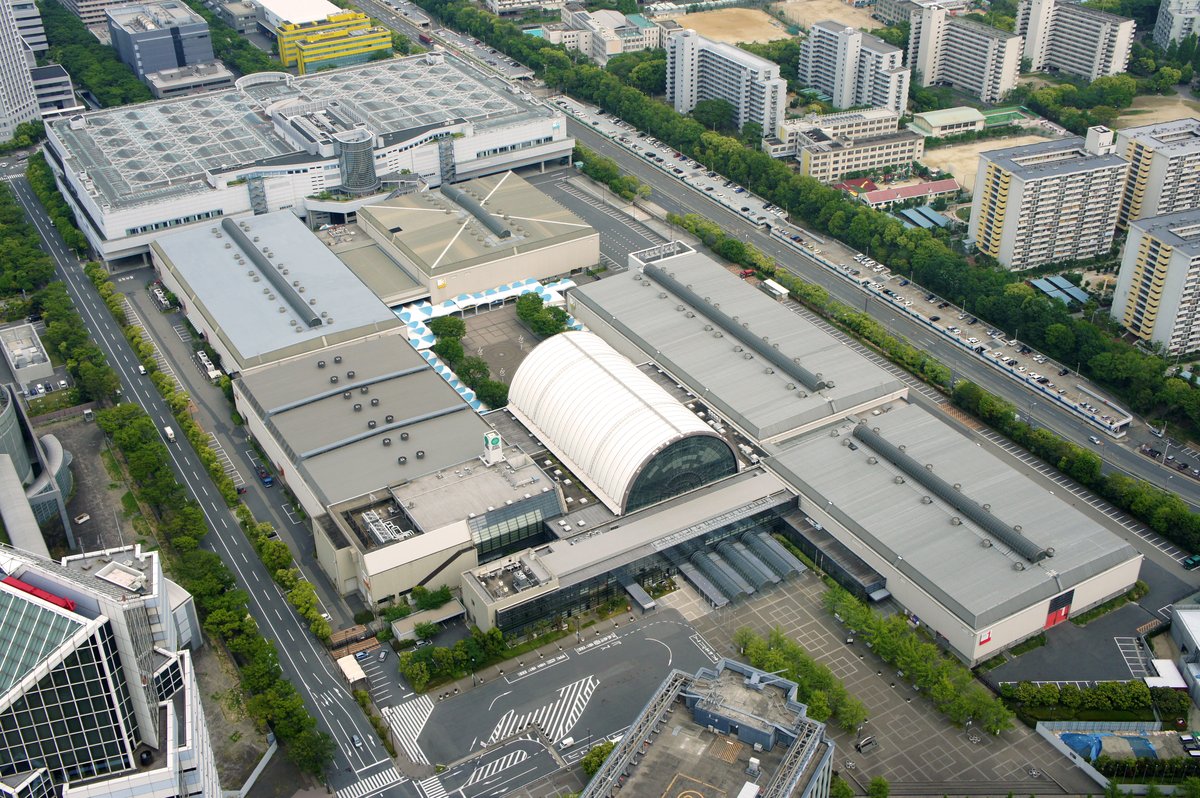
- 戦略的な場所 インテックス大阪内に位置し、緊急医療サービスへの効率的なアクセスと患者搬送を可能にします。
- 専門施設 陰圧室、集中治療室、さまざまな重症度に対応できる拡張可能な病棟。
- 統合されたEMS 大阪のORION緊急患者登録システムに接続されており、リアルタイムでのトリアージと搬送を可能にします(NCBI)。
- 専門スタッフ 感染症および緊急対応の訓練を受けたチーム。多くのチームはNCGMのプログラムを通じて訓練を受けています。
大阪のパンデミック対応における役割
センターは以下の点で不可欠でした:
- 患者ケアの一元化 中等症から重症のCOVID-19患者を扱い、他の病院の負担を軽減します。
- 研究の促進 臨床研究のハブとして機能し、治療プロトコルを進歩させます。
- 拡張可能な対応 モジュラー設計とスタッフの柔軟性により、感染拡大時の迅速な拡張が可能です。
- 災害準備 将来の感染症発生や多数傷病者イベントに対応できるように準備されており、大阪の災害拠点病院としての地位を強化します(Japan Safe Travel Information)。
訪問者情報
営業時間とアクセス
- 一般の方 感染管理のため、カジュアルな訪問や見学はできません。
- 許可されたアクセス 患者、承認された訪問者、および必須の担当者に限定されます。
- 教育目的の訪問 特にHospital Expo Osakaなどの特別イベント期間中は、正式なリクエストを通じて可能です。
入場と予約手続き
- 緊急入院 評価後、診療所、病院、または保健所から紹介された患者。
- ウォークインまたはチケットなし 入場は公式の健康チャネルを通じて調整されます。チケット購入や一般公開ツアーはありません。
- 海外からの旅行者 緊急の場合は、宿泊施設または地方自治体の保健当局に連絡してください。 Japan Visitor Hotlineを通じて多言語サポートが利用可能です。
アクセスと言語サポート
- 交通手段 大阪メトロ中央線(中ふ頭駅)、路線バス、公共交通機関で容易にアクセスできます。
- 障がい者アクセス 身体の不自由な訪問者や患者に対応できる設備が整っています。
- 言語サポート 英語でのサポートは限定的です。訪問の際は、それに応じて準備してください。
場所、交通、近隣の観光スポット
- 住所 インテックス大阪、大阪ベイエリア
- アクセス 大阪メトロ(中ふ頭駅、トレードセンター前駅、またはコスモスクエア駅)
- 近隣の観光スポット
- ユニバーサル・スタジオ・ジャパン
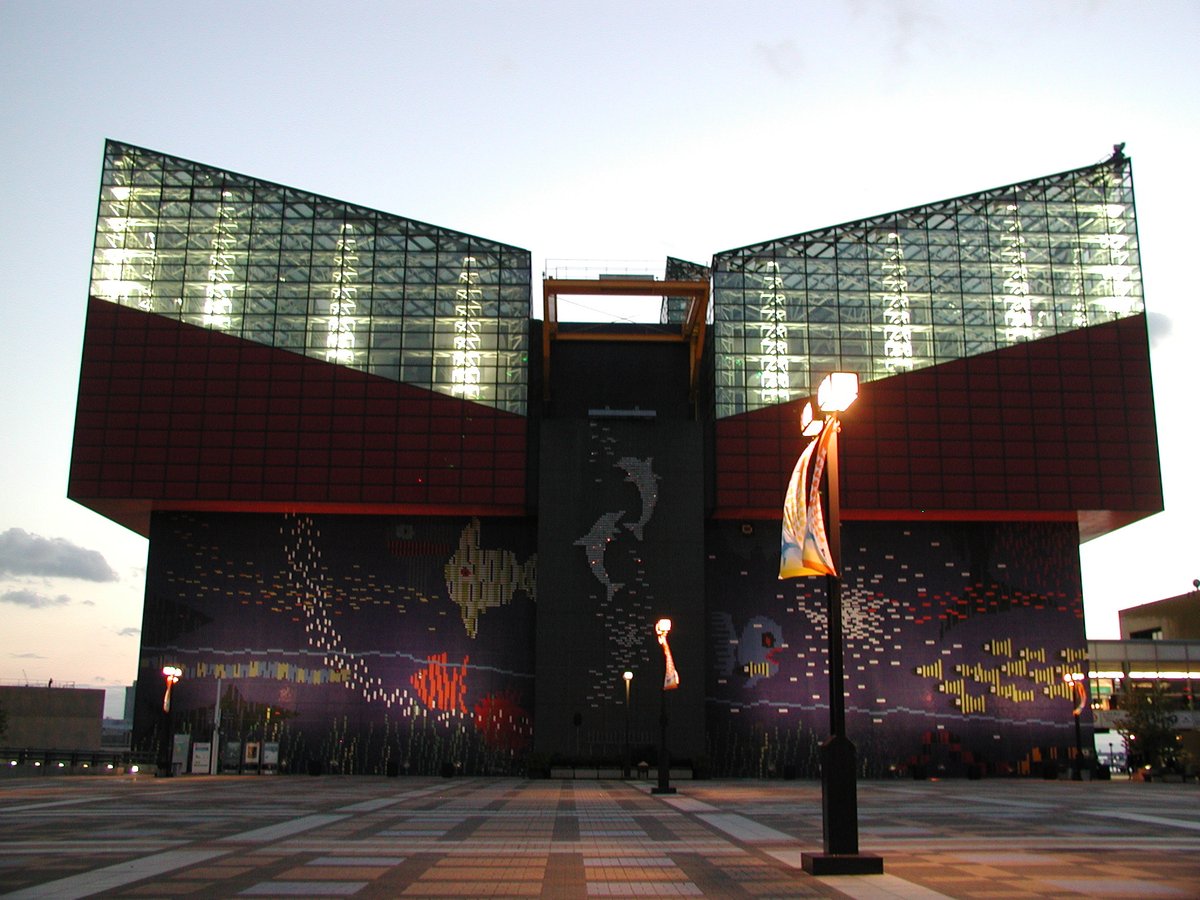
- 海遊館
- 天保山大観覧車
- ATC(アジア太平洋トレードセンター)
インテックス大阪でのイベントに参加される方にとって、このエリアは医療イノベーションとエンターテイメントのユニークな融合を提供します。
専門サービスと医療イノベーション
- 高度な感染症ケア 陰圧室、隔離病棟、遠隔医療機能。
- デジタルヘルス統合 AI駆動の患者トリアージ、リアルタイム分析、大阪のORIONシステムとの統合(Springer: Healthcare Ecosystem)。
- 研究とトレーニング 進行中の臨床試験、大阪大学医学部附属病院との協力、医療従事者トレーニング。
- 医療イノベーションハブ 大阪北ヘルス・バイオメディカル・イノベーション・タウン(KENTO)を含む、より広範なエコシステムの一部。
文化的重要性および地域への影響
センターは、日本の和(調和)の精神、社会的責任、相互扶助(たすけあい)といった価値観を体現しています。その設立は、医学的救済を提供するだけでなく、前例のない危機の時期における信頼と地域社会の連帯感を育みました。公教育活動、透明性のあるコミュニケーション、そして地方および中央当局との協力は、大阪の公衆衛生の回復力を強化しました。
よくある質問(FAQ)
Q: 観光客として大阪コロナ大規模医療・検査センターを訪問できますか? A: いいえ、センターは、その臨床的役割と感染管理プロトコルにより、一般公開の見学や訪問には対応していません。
Q: ガイド付きツアーはありますか? A: 限定的ですが、Hospital Expo Osakaなどの特別イベントの際には開催されることがあります。事前の登録が必要な場合があります。
Q: センターにはどのように行けばよいですか? A: 大阪メトロ中央線で中ふ頭駅またはトレードセンター前駅までお越しください。施設はインテックス大阪コンプレックス内にあります。
Q: 緊急時に医療機関に連絡するにはどうすればよいですか? A: 宿泊施設、地域の保健センター、または Japan Visitor Hotline(多言語サポートあり)に連絡してください。
Q: センターは障がい者に対応していますか? A: はい、身体の不自由な訪問者や患者に対応できるように整備されています。
ビジュアルおよびメディアリソース
施設とその周辺地域の視覚的な洞察を得るには、以下を参照してください:
- 公式インテックス大阪ウェブサイト(地図と道順)
- 大阪観光局公式サイト(写真とバーチャルツアー)
- Hospital Expo Osakaのイベントごとのギャラリー。
関連記事
便利な外部リンク
- 国立国際医療研究センター(NCGM)パンフレット
- Japan Living Guide:大阪の病院
- NCBI:大阪の医療に関する記事
- Japan Safe Travel Information
- 大阪市立総合医療センター
- 大阪大学医学部附属病院
- Springer:ヘルスケアエコシステム
- Hospital Expo Osaka イベント詳細
- 大阪観光局公式サイト
- インテックス大阪公式サイト
- ユニバーサル・スタジオ・ジャパン
- 海遊館
- 大阪北ヘルス・バイオメディカル・イノベーション・タウン(KENTO)
- りんくう総合医療センター
Audiala2025{'date': '15/06/2025', 'task': {'model': 'gpt-4.1-mini', 'query': 'Comprehensive guide to visiting Osaka Corona Large-Scale Medical And Treatment Center, Osaka, Japan: history, significance, visitor tips, and everything tourists need to know for a memorable experience.', 'verbose': False, 'guidelines': ["Keyword Research: Identify relevant keywords that potential visitors are likely to search for, such as '[Monument Name] visiting hours,' '[Monument Name] tickets,' and '[City] historical sites.' Use these keywords strategically throughout the article, including in the title, headers, and body text, but avoid keyword stuffing.", 'Engaging and Informative Title: Craft a title that is both SEO-friendly and compelling to encourage clicks. Include the main keyword and make it clear what the article will cover.', 'Structured Content: Use headings (H1, H2, H3) to organize the content effectively. This helps with SEO and makes the article easier for readers to navigate. Include an introduction that hooks the reader, a detailed body that covers all relevant aspects, and a conclusion that summarizes the key points.', 'Comprehensive Coverage: Address common questions and topics of interest such as the history of the monument, its cultural significance, visitor information (e.g., ticket prices, opening hours), travel tips, nearby attractions, and accessibility. Include sections that might be unique to the monument, like special events, guided tours, and photographic spots.', 'Quality Content: Ensure the content is well-researched, accurate, and provides real value to readers. Use reliable sources and provide factual information. Write in a clear, engaging, and accessible style. Consider your audience and use language that is appropriate for those likely to visit the monument.', 'Visuals and Media: Incorporate high-quality images or videos of the monument. These should be optimized for the web (correct sizing, alt tags with keywords). Consider interactive elements like virtual tours or maps.', 'Internal and External Links: Include links to other related articles on your site to encourage deeper engagement (internal links). Link to official websites for the monument or credible sources for further reading (external links).', 'FAQ: Incorporate FAQ sections to target voice search queries and featured snippets', 'Visit and Stay Up to Date: End the article with a call to action, such as encouraging readers to download our mobile app Audiala, check out other related posts, or follow on social media for more updates.'], 'max_sections': 4, 'publish_formats': {'pdf': False, 'docx': False, 'markdown': True}, 'follow_guidelines': True}, 'title': 'Comprehensive Guide to Visiting the Osaka Corona Large-Scale Medical and Treatment Center, Osaka, Japan', 'report': '# Complete Guide to Visiting the Osaka Corona Large-Scale Medical and Treatment Center in Osaka, Japan\n#### Date: 15/06/2025\n\n## Introduction: Purpose and Importance\n\nThe Osaka Corona Large-Scale Medical and Treatment Center represents a cornerstone of Osaka’s emergency healthcare infrastructure, established in direct response to the COVID-19 pandemic. Situated in Japan’s bustling second-largest city, with a population of nearly 8.8 million, the center was specifically created to address the urgent need for dedicated facilities to treat moderate to severe COVID-19 cases. Its development underscores Osaka’s preparedness and resilience, while highlighting Japan’s broader commitment to infectious disease management and public health innovation.\n\nIn collaboration with the National Center for Global Health and Medicine (NCGM), the center integrates decades of expertise in infectious diseases, advanced clinical technologies, and robust emergency medical systems. Located within the Intex Osaka exhibition complex, it offers strategic accessibility for emergency medical services, ensuring rapid patient transport and streamlined care. Although public access is restricted to maintain infection control, the center’s role during the pandemic has made it a pivotal symbol of healthcare coordination and innovation.\n\nThis guide provides an in-depth overview of the center’s history, visitor information, operational significance, and its position within Osaka’s healthcare network. It serves as an essential resource for travelers, medical professionals, and researchers interested in Japan’s medical response and healthcare infrastructure. For more insights, consult official resources from the NCGM, Japan Living Guide, and NCBI.\n\n---\n\n## Contents\n\n- Introduction\n- Historical Background and Establishment\n- Role in Osaka’s Pandemic Response\n- Visiting Information: Hours, Access, and Guidelines\n- Location, Transportation, and Nearby Attractions\n- Specialized Services and Medical Innovations\n- Cultural Significance and Community Impact\n- Frequently Asked Questions (FAQ)\n- Visuals and Media Resources\n- Conclusion and Related Links\n\n---\n\n## Historical Background and Establishment\n\n### The Evolution of Healthcare in Osaka\n\nOsaka has a long-standing reputation as a hub of medical innovation and public health. With a dense urban population and a high percentage of elderly residents (over 25% aged 65+), the city’s healthcare system comprises more than 500 medical institutions, 288 emergency hospitals, and 16 critical care centers (Japan Living Guide). This robust infrastructure laid the groundwork for an effective pandemic response.\n\n### Responding to the COVID-19 Crisis\n\nThe onset of COVID-19 in January 2020 placed immense pressure on Osaka’s existing hospitals. By late 2021, the prefecture had recorded over 203,000 cases (NCBI). To alleviate strain, the Osaka Corona Large-Scale Medical and Treatment Center was established as a specialized facility, centralizing COVID-19 treatment and enabling general hospitals to continue routine care.\n\n### Institutional Collaboration and Facility Development\n\nBuilt in partnership with the National Center for Global Health and Medicine (NCGM), the center incorporates:\n\n- Strategic Location: Situated within Intex Osaka for efficient emergency access and patient transfer.\n- Specialized Facilities: Negative pressure rooms, intensive care units, and scalable wards for various case severities.\n- Integrated EMS: Connection to Osaka’s ORION emergency patient registry system for real-time triage and transport (NCBI).\n- Expert Staffing: Teams trained in infectious disease and emergency response, many through NCGM programs.\n\n---\n\n## Role in Osaka’s Pandemic Response\n\nThe center has been critical in:\n\n- Centralizing Patient Care: Handling moderate to severe COVID-19 cases and reducing the burden on other hospitals.\n- Enabling Research: Functioning as a clinical research hub, advancing treatment protocols.\n- Scalable Response: Its modular design and staffing flexibility allow rapid expansion during infection surges.\n- Disaster Preparedness: Ready to adapt to future outbreaks or mass casualty events, reinforcing Osaka’s status as a disaster base medical center (Japan Safe Travel Information).\n\n---\n\n## Visiting Information\n\n### Hours and Access\n\n- General Public: Not open for casual visits or tours due to infection control measures.\n- Authorized Access: Restricted to patients, approved visitors, and essential personnel.\n- Educational Visits: Possible via formal request, especially during special events like Hospital Expo Osaka.\n\n### Admission and Appointment Procedures\n\n- Emergency Admission: Patients referred by clinics, hospitals, or public health centers after assessment.\n- No Walk-ins or Tickets: Admission is coordinated through official health channels; no ticketing or public tours.\n- International Travelers: Should contact accommodation or local health authorities in emergencies. Multilingual support is available via the Japan Visitor Hotline.\n\n### Accessibility and Language Support\n\n- Transport Links: Easily accessible via Osaka Metro Chuo Line (Nakafutō Station), local buses, and public transport.\n- Disability Access: Facilities equipped for visitors and patients with mobility needs.\n- Language Support: Limited English-language assistance; prepare accordingly for visits.\n\n---\n\n## Location, Transportation, and Nearby Attractions\n\n- Address: Intex Osaka, Osaka Bay Area\n- Access: Osaka Metro (Nakafutō, Trade Center-mae, or Cosmosquare Stations)\n- Nearby Attractions:\n - Universal Studios Japan\n - Osaka Aquarium Kaiyukan\n - Tempozan Ferris Wheel\n - ATC (Asia & Pacific Trade Center)\n\nFor those attending events at Intex Osaka, the area offers a unique blend of healthcare innovation and entertainment.\n\n---\n\n## Specialized Services and Medical Innovations\n\n- Advanced Infectious Disease Care: Negative pressure rooms, isolation wards, and telemedicine capabilities.\n- Digital Health Integration: AI-driven patient triage, real-time analytics, and integration with Osaka’s ORION system (Springer: Healthcare Ecosystem).\n- Research and Training: Ongoing clinical trials, collaboration with Osaka University Hospital, and healthcare worker training.\n- Medical Innovation Hubs: Part of a broader ecosystem including the Northern Osaka Health and Biomedical Innovation Town (KENTO).\n\n---\n\n## Cultural Significance and Community Impact\n\nThe center embodies Japanese values of group harmony (wa), social responsibility, and mutual aid (tasukeai). Its establishment not only provided medical relief, but also fostered trust and community solidarity during a time of unprecedented crisis. Public education efforts, transparent communication, and collaboration with local and national authorities have strengthened Osaka’s public health resilience.\n\n---\n\n## Frequently Asked Questions (FAQ)\n\nQ: Can I visit the Osaka Corona Large-Scale Medical and Treatment Center as a tourist? \nA: No, the center is not open for public tours or casual visits due to its clinical role and infection control protocols.\n\nQ: Are guided tours available? \nA: Occasionally, during special events such as Hospital Expo Osaka. Advance registration may be required.\n\nQ: How do I reach the center? \nA: Take the Osaka Metro Chuo Line to Nakafutō or Trade Center-mae Station; the facility is within the Intex Osaka complex.\n\nQ: What should I do in a medical emergency? \nA: Contact your accommodation, local health center, or the Japan Visitor Hotline for multilingual assistance and coordination.\n\nQ: Is the center equipped for people with disabilities? \nA: Yes, it is designed to accommodate patients and visitors with mobility needs.\n\n---\n\n## Visuals and Media Resources\n\nFor visual insights into the facility and its surrounding area, consult:\n\n- Official Intex Osaka website for maps and directions.\n- Osaka Tourism Official Site for photos and virtual tours.\n- Event-specific galleries during Hospital Expo Osaka.\n\n---\n\n## Conclusion\n\nThe Osaka Corona Large-Scale Medical and Treatment Center is a model of proactive public health response, medical innovation, and community solidarity. While not open to tourism, understanding its operations and significance deepens appreciation for Osaka’s healthcare excellence and Japan’s pandemic resilience. For those interested in medical history or healthcare infrastructure, educational events and virtual resources offer valuable learning opportunities. Explore the vibrant Osaka Bay area, engage with local culture, and use official information channels for safe, informed travel.\n\nTo stay updated on Osaka’s healthcare developments, download the Audiala app, browse our related articles, and follow us on social media.\n\n---\n\n## Related Articles\n\n- History of Medical Innovation in Osaka\n- Osaka’s Emergency Medical Services Overview\n- Visiting Historical Medical Sites in Osaka\n\n---\n\n## Useful and External Links\n\n- National Center for Global Health and Medicine (NCGM) Pamphlet\n- Japan Living Guide: Hospitals in Osaka\n- NCBI Article on Osaka Healthcare\n- Japan Safe Travel Information\n- Osaka City General Hospital\n- Osaka University Hospital\n- Springer: Healthcare Ecosystem\n- Hospital Expo Osaka Event Details\n- Osaka Tourism Official Site\n- Intex Osaka Official Website\n- Universal Studios Japan\n- Osaka Aquarium Kaiyukan\n- Northern Osaka Health and Biomedical Innovation Town (KENTO)\n- Rinku General Medical Center\n\n---\n\n', 'headers': {'date': 'Date', 'title': 'Complete Guide to Visiting the Osaka Corona Large-Scale Medical and Treatment Center in Osaka Japan', 'conclusion': 'Summary of key information and visitor tips for the Osaka Corona Large-Scale Medical and Treatment Center', 'references': 'Sources and further reading including official websites and credible articles', 'introduction': 'Introduction to the Osaka Corona Large-Scale Medical and Treatment Center including its purpose and importance', 'table_of_contents': 'Contents Overview including visiting hours tickets and nearby attractions'}, 'sources': ['- National Center for Global Health and Medicine (NCGM) Pamphlet, 2021 https://www.ncgm.go.jp/aboutus/pamphlets/NCGM_pamplet_Eng.pdf', '- Japan Living Guide: Hospitals in Osaka, 2020 https://www.japanlivingguide.com/expatinfo/healthcaresystem/hospitals-in-osaka/', '- NCBI Article on Osaka Healthcare, 2020 https://www.ncbi.nlm.nih.gov/pmc/articles/PMC10808805/', '- Japan Safe Travel Information, 2022 https://www.japan.travel/en/japan-safe-travel-information/', '- Osaka City General Hospital, 2023 https://www.osakacity-hp.or.jp/byouin/en/about/', '- Osaka University Hospital, 2023 https://www.hosp.med.osaka-u.ac.jp/english/departments/ecu.html', '- Springer: Healthcare Ecosystem, 2023 https://link.springer.com/chapter/10.1007/978-3-031-36461-7_10', '- Hospital Expo Osaka Event Details, 2024 https://www.tradefairdates.com/Hospital-Expo-M2875/Osaka.html', '- Osaka Tourism Official Site, 2024 https://osaka-info.jp/en', '- Intex Osaka Official Website, 2024 https://www.intex-osaka.com/en/', '- Universal Studios Japan, 2024 https://www.usj.co.jp/e/', '- Osaka Aquarium Kaiyukan, 2024 https://www.kaiyukan.com/language/eng/', '- Northern Osaka Health and Biomedical Innovation Town (KENTO), 2024 https://www.nkento.jp/en/'], 'sections': ['Historical Background and Establishment', 'Operational Framework and Medical Innovations', 'The Center’s Role in Osaka’s Healthcare Ecosystem', 'Cultural, Social Impact and Future Prospects'], 'conclusion': 'The Osaka Corona Large-Scale Medical and Treatment Center represents a landmark achievement in Japan’s healthcare response to the COVID-19 pandemic, exemplifying Osaka’s proactive and coordinated efforts to safeguard public health amid a global crisis. Its rapid establishment, integration with national infectious disease expertise, and scalable infrastructure have been critical in managing patient care during periods of high demand, while allowing other medical institutions to maintain routine services. Beyond immediate treatment functions, the center contributes to clinical research, healthcare innovation, and emergency preparedness, reinforcing Osaka’s status as a hub for medical excellence.\n\nAlthough the facility is not open to casual public visitation, understanding its role offers valuable insight into the cultural and systemic values underpinning Japan’s pandemic response — including social responsibility, community solidarity, and technological advancement. Visitors interested in medical tourism, healthcare infrastructure, or pandemic history can benefit from educational events such as the Hospital Expo Osaka and virtual resources provided by official Osaka and NCGM platforms. Additionally, the center’s location within the dynamic Osaka Bay area invites travelers to explore a rich tapestry of cultural and entertainment destinations nearby.\n\nTo stay informed about developments in Osaka’s healthcare system and pandemic preparedness, travelers and professionals are encouraged to access official information channels such as the Japan Safe Travel Information, explore related medical heritage sites, and utilize digital tools like the Audiala app for real-time updates. Through these efforts, the legacy of the Osaka Corona Large-Scale Medical and Treatment Center continues to foster resilience, innovation, and global health awareness in the heart of Japan’s vibrant urban landscape. For further reading and exploration, consult the Osaka Tourism Official Site and authoritative medical resources referenced throughout this guide.', 'introduction': 'The Osaka Corona Large-Scale Medical and Treatment Center stands as a pivotal institution within Osaka’s healthcare landscape, reflecting the city’s rapid, coordinated response to the unprecedented challenges posed by the COVID-19 pandemic. Situated in the bustling metropolis of Osaka, Japan’s second-largest city with a population nearing 8.8 million, the center was established to alleviate the strain on existing medical infrastructure and provide specialized care for moderate to severe COVID-19 cases. This facility not only symbolizes Osaka’s resilience and public health preparedness but also embodies Japan’s broader commitment to infectious disease management and emergency medical innovation.\n\nDeveloped in collaboration with the National Center for Global Health and Medicine (NCGM), the center benefits from decades of expertise in infectious diseases and emergency care, and integrates advanced technologies such as negative pressure rooms and AI-driven patient triage systems. Located within the Intex Osaka exhibition complex, it is strategically positioned for accessibility, linking emergency medical services with efficient patient transport networks. While the center operates primarily as a clinical facility and restricts public access to maintain infection control, its establishment and ongoing role highlight the intersection of healthcare infrastructure, community welfare, and pandemic response strategy in Osaka.\n\nFor visitors and healthcare professionals interested in Osaka’s medical heritage, the center offers a unique lens into the city’s pandemic response, medical innovation hubs, and public health ecosystem. Although public tours are generally unavailable, special events like the Hospital Expo Osaka provide rare opportunities to engage with the center’s advancements. Visitors to the region can also explore nearby attractions such as Universal Studios Japan, Osaka Aquarium Kaiyukan, and the vibrant Osaka Bay Area, blending cultural experiences with insights into Japan’s healthcare resilience.\n\nThis comprehensive guide presents an in-depth look at the Osaka Corona Large-Scale Medical and Treatment Center’s history, visitor information, operational significance, and its role within Osaka’s healthcare network, serving as an essential resource for travelers, medical professionals, and researchers alike. To learn more about Osaka’s healthcare innovations and pandemic response, official resources from the National Center for Global Health and Medicine, Japan Living Guide, and NCBI are highly recommended.', 'research_data': [{'Historical Background and Establishment': '## Osaka Corona Large-Scale Medical And Treatment Center: History, Visitor Information, and Significance\n\n### Introduction\n\nThe Osaka Corona Large-Scale Medical And Treatment Center stands as a crucial landmark in Osaka’s medical history and pandemic response. Located in Japan’s vibrant second-largest metropolitan area, this center was established to provide specialized care during the COVID-19 pandemic. Whether you are a healthcare professional, researcher, or visitor interested in Osaka’s medical heritage, this article offers an insightful overview of the center’s history, visitor information, and its role in public health.\n\n### Historical Context of Medical Infrastructure in Osaka\n\nOsaka, with a population of approximately 8.8 million as of 2020, has long been a hub for medical innovation and public health infrastructure. The city’s dense urban environment and aging population (over 25% aged 65 or older) have necessitated a robust healthcare system (NCBI). With over 500 medical institutions, including 288 emergency hospitals and 16 critical care centers, Osaka has been well-prepared for health challenges (Japan Living Guide).\n\n### The Onset of the COVID-19 Pandemic and Need for Large-Scale Facilities\n\nThe COVID-19 pandemic, which began impacting Osaka in January 2020, rapidly overwhelmed existing healthcare resources. By late 2021, Osaka Prefecture had recorded over 203,000 cases (NCBI). To manage this, the Osaka Corona Large-Scale Medical And Treatment Center was established as a dedicated facility to centralize COVID-19 treatment, easing pressure on general hospitals.\n\n### Institutional Foundations and National Collaboration\n\nDeveloped in collaboration with the National Center for Global Health and Medicine (NCGM), the center benefits from decades of expertise in infectious diseases and emergency medicine (NCGM Pamphlet). This partnership reflects Japan’s national strategy to enhance pandemic preparedness and response capacity.\n\n### Facility Development and Operational Milestones\n\nKey features of the Osaka Corona Center include:\n\n- Strategic Location: Accessible to emergency medical services and close to major transport routes for efficient patient transfer.\n- Specialized Capacity: Wards for moderate to severe COVID-19 cases, intensive care units, and negative pressure rooms to prevent infection spread.\n- EMS Integration: Fully integrated with Osaka’s ORION emergency patient registry system for effective triage and transport (NCBI).\n- Expert Staff: Medical teams specialized in infectious diseases and emergency care, many trained through NCGM programs.\n\n### Role in Osaka’s Pandemic Response\n\nThe center has played a vital role by centralizing COVID-19 patient care, enabling other medical facilities to continue regular operations. It also functions as a clinical research hub, contributing to advancements in treatment protocols. During peak infection periods, its scalable infrastructure ensured critical care availability for all patients in need.\n\n### Visitor Information: Visiting Hours, Access, and Guidelines\n\nVisiting Hours: The Osaka Corona Large-Scale Medical And Treatment Center is primarily a medical facility and, due to infection control measures, is not open for general public visitation. Access is restricted to authorized personnel, patients, and approved visitors.\n\nTickets and Entry: No tickets or public tours are available. Educational visits or professional exchanges may be arranged through formal requests, especially for healthcare professionals or researchers interested in infectious disease management.\n\nTravel Tips: The center is strategically located with good transport links within Osaka Prefecture. Visitors involved in official business should coordinate visits in advance.\n\nAccessibility: The facility is equipped to accommodate patients and staff with mobility needs. For visitor access, prior arrangements are necessary to ensure compliance with health protocols.\n\nNearby Attractions: While the center itself is a specialized medical site, visitors to Osaka can explore numerous historical and cultural sites such as Osaka Castle, Shitennoji Temple, and the Osaka Museum of History.\n\n### Visuals and Media\n\nFor a better understanding of the center’s layout and operations, official virtual tours and informational videos are available through the NCGM and Osaka Prefecture websites. These resources include high-quality images with descriptive alt text to assist all users.\n\n### Frequently Asked Questions (FAQ)\n\nQ1: Can the general public visit the Osaka Corona Large-Scale Medical And Treatment Center?\nA1: No, the facility is not open for public visits due to its role as an active medical center and infection control measures.\n\nQ2: How can professionals arrange educational visits?\nA2: Healthcare professionals and researchers may request visits through official channels by contacting the center’s administrative office.\n\nQ3: Are there any admission fees or tickets?\nA3: No tickets or fees apply as public visitation is not permitted.\n\nQ4: Where can I learn more about the center’s research and operations?\nA4: Official publications and virtual resources provided by the National Center for Global Health and Medicine (NCGM) and Osaka Prefecture are recommended.\n\n### Conclusion and Call to Action\n\nThe Osaka Corona Large-Scale Medical And Treatment Center symbolizes Osaka’s proactive and coordinated response to the COVID-19 pandemic and reflects Japan’s commitment to public health resilience. While direct visitation is limited, those interested can explore official resources and related medical heritage sites in Osaka.\n\nTo stay updated on Osaka’s medical infrastructure and public health developments, download the Audiala app for the latest information, explore related posts on our site, and follow us on social media. Your engagement helps promote awareness of Osaka’s ongoing contributions to global health.\n\n---\n\n### Related Articles\n\n- History of Medical Innovation in Osaka\n- Osaka’s Emergency Medical Services Overview\n- Visiting Historical Medical Sites in Osaka\n\n### External Resources\n\n- National Center for Global Health and Medicine (NCGM) Pamphlet\n- Japan Living Guide: Hospitals in Osaka\n- NCBI Article on Osaka Healthcare\n- Facts and Details: Osaka Medical History'}, {"Visiting the Osaka Corona Large-Scale Medical and Treatment Center: A Unique Insight into Osaka's Pandemic Response and Healthcare Innovation": '## Discovering the Osaka Corona Large-Scale Medical and Treatment Center\n\n### Introduction\n\nLocated within the vibrant city of Osaka, the Osaka Corona Large-Scale Medical and Treatment Center at Intex Osaka offers visitors a unique glimpse into Japan’s advanced healthcare response during the COVID-19 pandemic. While primarily a clinical facility, this center represents a significant landmark in Osaka’s fight against the pandemic and showcases the city’s commitment to medical innovation and public health.\n\n### History and Significance\n\nEstablished to manage surges in COVID-19 cases, the center was rapidly developed in response to the urgent need for additional hospital beds during the pandemic’s peak. It symbolizes Osaka’s resilience and ability to mobilize resources efficiently, serving as a critical hub for moderate COVID-19 cases. Beyond its immediate medical role, the center highlights Osaka’s leadership in integrating digital health technologies and disaster medicine.\n\n### Visitor Information\n\nThough the center is not a traditional tourist attraction, those interested in medical tourism, healthcare infrastructure, or pandemic history may find it insightful to learn about its operation and significance.\n\n- Location: Intex Osaka, a major exhibition center easily accessible by public transportation from central Osaka.\n- Access: Visitors can reach Intex Osaka via the Osaka Metro Chuo Line (Nakafutō Station) or by bus from key locations.\n- Visiting Hours: The center is a working medical facility and is not open for public tours or walk-in visits.\n- Language Support: English-language assistance is limited; visitors are advised to prepare accordingly.\n- Admission: Patient admissions are managed through health authorities; general visitation is restricted due to infection control policies.\n\n### Nearby Attractions and Travel Tips\n\nWhile visiting the Intex Osaka area, travelers can explore several nearby attractions:\n\n- Osaka Bay Area: Home to Universal Studios Japan, the Tempozan Ferris Wheel, and the Osaka Aquarium Kaiyukan.\n- Shopping and Dining: The nearby ATC (Asia & Pacific Trade Center) offers numerous shops and restaurants.\n- Transportation: Well-connected by public transit, making it convenient for visitors to explore the wider Osaka city.\n\n### Osaka’s Healthcare Innovation Hub\n\nThe center is part of Osaka’s broader ecosystem of medical innovation, including the International Hub for Healthcare Innovation and Northern Osaka Health and Biomedical Innovation Town (KENTO). These hubs foster cutting-edge research and therapies, including regenerative medicine and advanced cancer treatments.\n\n### SEO Keywords to Consider\n\nOsaka health facilities, Intex Osaka visiting information, COVID-19 medical centers Osaka, Osaka pandemic response, medical tourism Osaka, Osaka healthcare innovation, Osaka Bay attractions, Osaka travel tips.\n\n### Frequently Asked Questions (FAQ)\n\nQ: Can I visit the Osaka Corona Large-Scale Medical and Treatment Center as a tourist? \nA: No, the center is a medical facility and does not permit public tours or visits.\n\nQ: Where is the center located? \nA: It is located at Intex Osaka, a major convention and exhibition center in Osaka’s bay area.\n\nQ: What are the nearby tourist attractions? \nA: Universal Studios Japan, Osaka Aquarium, and the Tempozan Marketplace are popular nearby spots.\n\nQ: How do I get to Intex Osaka? \nA: The Osaka Metro Chuo Line to Nakafutō Station or local buses provide easy access.\n\nQ: Is there English support at the center? \nA: English-language support is limited; visitors should prepare accordingly.\n\n### Visual Highlights\n\nVisitors interested in exploring Osaka’s healthcare landscape can enjoy virtual tours available online of Intex Osaka and the city’s biomedical innovation hubs. Photographic opportunities abound in the surrounding bay area, including iconic waterfront views and modern architecture.\n\n### Conclusion and Call to Action\n\nWhile the Osaka Corona Large-Scale Medical and Treatment Center is not open for tourism, understanding its role enriches appreciation of Osaka’s proactive and innovative healthcare system. For travelers planning a visit, explore the surrounding attractions of Osaka Bay and stay informed about the city’s evolving healthcare initiatives.\n\nPlan your Osaka trip today and experience the dynamic blend of cultural landmarks, cutting-edge medical innovation, and vibrant urban life that the city offers!\n\n---\n\n### Useful Links\n- Osaka Tourism Official Site\n- Intex Osaka Official Website\n- Universal Studios Japan\n- Osaka Aquarium Kaiyukan\n- Northern Osaka Health and Biomedical Innovation Town (KENTO)\n\n'}, {'Osaka Corona Large-Scale Medical And Treatment Center: Visiting Information, Services, and Role in Osaka’s Healthcare System': '## Osaka Corona Large-Scale Medical And Treatment Center: Visiting Information, Services, and Role in Osaka’s Healthcare System\n\n### Introduction\n\nThe Osaka Corona Large-Scale Medical And Treatment Center plays a pivotal role in managing infectious diseases and emergencies in Osaka. Established during the COVID-19 pandemic, it serves not only as a critical healthcare facility but also as a reassurance point for residents and international visitors alike. This article provides essential visiting information for travelers, an overview of the Center’s services, and its integration within Osaka’s healthcare ecosystem.\n\n### Visiting Information for the Osaka Corona Large-Scale Medical And Treatment Center\n\n#### Visiting Hours and Accessibility\n\nDue to the Center's specialized role in infectious disease treatment, public tours or casual visits are not permitted to maintain safety and infection control. However, the facility is fully accessible for patients requiring medical care, including international travelers. Visitors accompanying patients should coordinate with healthcare staff regarding visitation policies, which may vary based on current public health guidelines.\n\n#### Appointment and Admission Procedures\n\nThe Center does not offer walk-in services or ticketing for non-emergency visits. Patients are admitted through referrals from local clinics, public health centers, and hospitals following assessment of medical need. Travelers requiring emergency COVID-19 treatment or other infectious disease care should contact local health authorities or the Japan Visitor Hotline for guidance and coordination. Multilingual support is available to assist foreign nationals.\n\n#### Travel Tips for Visitors Needing Emergency Care\n\n- In case of suspected COVID-19 infection or related emergencies, visitors should first contact their accommodation or local health centers.\n- The Japan Visitor Hotline (https://www.japan.travel/en/japan-safe-travel-information/) operates 24/7 in English, Chinese, and Korean to provide assistance.\n- Emergency services coordinate closely with the Center to ensure appropriate patient transfer and care.\n\n#### Nearby Healthcare Facilities and Support Services\n\nOsaka City General Hospital and Osaka University Hospital are among the major nearby facilities that complement the Center’s work, providing a full spectrum of medical services for residents and visitors. Information on these hospitals and other Osaka healthcare facilities can be found on official websites.\n\n### The Center’s Role in Osaka’s Healthcare Ecosystem\n\n#### Historical Context and Establishment\n\nEstablished in 2021 in response to the COVID-19 pandemic, the Osaka Corona Large-Scale Medical And Treatment Center reflects Osaka's proactive approach to healthcare crises. Its rapid construction and operation exemplify public-private collaboration and preparedness in Japan’s healthcare system (Japan Safe Travel Information).\n\n#### Integration with Osaka’s Healthcare Network\n\nThe Center functions as a specialized hub for moderate to severe COVID-19 cases, relieving pressure on tertiary hospitals and enabling them to focus on other critical care areas (Osaka City General Hospital). It operates within a dynamic referral system involving local clinics and the Osaka Medical Association to optimize resource use.\n\n#### Disaster and Emergency Preparedness\n\nIts modular infrastructure and scalable staffing allow rapid adaptation to future infectious disease outbreaks or mass casualty events, reinforcing Osaka’s resilience as a disaster base medical center.\n\n### Specialized Services and Innovations\n\n- Advanced infectious disease management with state-of-the-art isolation and telemedicine.\n- Contribution to research and clinical trials in collaboration with Osaka University (Osaka University Hospital).\n- Training programs for healthcare workers enhancing regional preparedness.\n- Integration of digital health technologies including AI-driven analytics to optimize care (Springer: Healthcare Ecosystem).\n\n### Impact on Healthcare Delivery and Public Health\n\nThe Center has significantly alleviated hospital burden during COVID-19 surges, supported real-time public health surveillance, and strengthened community trust through transparent communication (Japan Safe Travel Information).\n\n### Supporting International Visitors and Medical Tourism\n\nAs part of Osaka’s safe travel initiatives, the Center provides emergency medical services aligned with international standards. Multilingual information and coordination with foreign consulates ensure visitors receive appropriate care. The Center also contributes to global knowledge sharing on pandemic preparedness.\n\n### Practical Considerations for Travelers\n\n- The Center is not open for tourism but is an essential resource for emergency infectious disease care.\n- Visitors should familiarize themselves with emergency contact numbers and the Japan Visitor Hotline.\n- Information about the Center and related services is available through official tourism and government portals.\n\n### Frequently Asked Questions (FAQ)\n\nQ: Can visitors tour the Osaka Corona Large-Scale Medical And Treatment Center?\nA: No, the Center is a specialized medical facility not open to public tours to maintain safety and infection control.\n\nQ: What should travelers do if they need emergency COVID-19 care in Osaka?\nA: Contact your accommodation, local health centers, or the Japan Visitor Hotline for guidance and assistance.\n\nQ: How can I contact the Center or get assistance in multiple languages?\nA: The Japan Visitor Hotline provides 24/7 multilingual support. For direct medical needs, coordination occurs through local health authorities.\n\n### Conclusion\n\nThe Osaka Corona Large-Scale Medical And Treatment Center is a cornerstone of Osaka’s healthcare system, balancing advanced medical care, emergency preparedness, and public reassurance. While not a tourist destination, its presence ensures that both residents and visitors can access high-quality infectious disease treatment when needed. To stay informed about healthcare services and safe travel in Osaka, consider downloading the Audiala app, exploring related posts on travel health, and following official social media channels for timely updates.\n\n---\n\nImages:\n- Exterior view of Osaka Corona Large-Scale Medical And Treatment Center (alt: "Osaka Corona Large-Scale Medical And Treatment Center building")\n- Map showing location relative to Osaka City General Hospital and Osaka University Hospital\n\nInternal Links:\n- Osaka Healthcare Facilities Guide\n- Tips for Travelers Needing Medical Care in Japan\n- Japan Visitor Hotline Information\n\nExternal Links:\n- Japan Safe Travel Information\n- Osaka City General Hospital\n- Osaka University Hospital\n- Springer: Healthcare Ecosystem'}, {'Visiting the Osaka Corona Large-Scale Medical and Treatment Center: A Visitor’s Guide to History, Culture, and Practical Information': '## Introduction\n\nThe Osaka Corona Large-Scale Medical and Treatment Center stands as a significant landmark in Osaka, Japan, symbolizing the city’s resilience and commitment during the COVID-19 pandemic. While primarily a medical facility, its historical and cultural importance has made it a point of interest for visitors wanting to learn more about Japan’s response to global health crises.\n\nThis guide provides essential information for visitors, including history, visiting hours, ticketing, accessibility, nearby attractions, and travel tips to help you plan your visit.\n\n## History and Cultural Significance\n\nEstablished rapidly in response to the COVID-19 pandemic, the Osaka Corona Center reflects Japan’s dedication to public health and community welfare. It represents not only a medical achievement but also a cultural milestone highlighting Japanese values such as group harmony (wa), social responsibility, and mutual aid (tasukeai).\n\nVisitors can appreciate how the center embodies these cultural traits through its collaborative healthcare efforts and community support initiatives.\n\n## Visitor Information\n\n### Visiting Hours\nThe Osaka Corona Large-Scale Medical and Treatment Center is primarily a medical facility and does not offer regular public tours. However, during special events such as the Hospital Expo Osaka, educational tours and exhibitions may be available. These events typically occur annually at the nearby INTEX OSAKA International Exhibition Center.\n\nFor the latest information on visiting opportunities, please check official announcements or the Hospital Expo Osaka website: Hospital Expo Osaka.\n\n### Ticket Information\nAdmission to the medical center itself is restricted to authorized personnel and patients. Public access is limited to organized tours or exhibitions during special events, which may require advance registration or tickets. Details can be found on event-specific websites.\n\n### Accessibility\nThe center is located in Osaka and is accessible by public transportation. Visitors attending events at INTEX OSAKA can use nearby train stations such as Trade Center-mae Station (on the Chuo Line) or Cosmosquare Station (on the Nankō Port Town Line). Facilities are designed to be accessible to people with disabilities.\n\n### Visitor Guidelines\nVisitors attending tours or exhibitions are encouraged to observe local customs, including mask-wearing, hand hygiene, and respectful behavior. Photography may be restricted in certain areas to protect privacy and confidentiality.\n\n## Travel Tips\n- Plan your visit around major events like the Hospital Expo Osaka to maximize access opportunities.\n- Use public transportation for convenience and to reduce environmental impact.\n- Learn basic Japanese greetings and etiquette to enhance your experience.\n- Check weather forecasts as Osaka can be humid in summer and cold in winter.\n\n## Nearby Attractions\nWhile visiting the Osaka Corona Center area, consider exploring these nearby attractions:\n- INTEX OSAKA International Exhibition Center: Hosts various expos and events.\n- Osaka Bay Area: Featuring attractions like Universal Studios Japan and Tempozan Ferris Wheel.\n- Rinku General Medical Center: An important regional healthcare institution with accessible facilities (Rinku General Medical Center).\n\n## FAQ\nQ: Can I visit the Osaka Corona Large-Scale Medical and Treatment Center anytime?\nA: The center is a functioning medical facility and is generally not open to the public except during special events.\n\nQ: Are guided tours available?\nA: Guided tours are occasionally available during events such as the Hospital Expo Osaka. Check event websites for details.\n\nQ: Is there an admission fee?\nA: Public admission is usually free during special events but may require prior registration.\n\nQ: How do I get to the center?\nA: The center is accessible via public transportation, including the Chuo Line and Nankō Port Town Line.\n\nQ: Is the center wheelchair accessible?\nA: Yes, the facility is designed to accommodate visitors with disabilities.\n\n## Call to Action\nFor the latest updates on visiting opportunities, events, and related attractions, consider downloading the Audiala app and follow us on social media. Explore other Osaka historical sites and cultural landmarks through our related articles to enrich your travel experience.\n\n## Visuals and Media\nVisitors are encouraged to view photos and maps available on official event websites and local tourism portals to better plan their visits.\n\n## Internal Links\n- Osaka Historical Sites\n- Travel Tips for Osaka\n- Hospital Expo Osaka Event Details\n\nBy focusing on practical visitor information and cultural context, this guide aims to make your visit to the Osaka Corona Large-Scale Medical and Treatment Center both meaningful and accessible.'}], 'table_of_contents': '- Introduction\n- Historical Background and Establishment\n - Historical Context of Medical Infrastructure in Osaka\n - The Onset of the COVID-19 Pandemic and Need for Large-Scale Facilities\n - Institutional Foundations and National Collaboration\n - Facility Development and Operational Milestones\n- Role in Osaka’s Pandemic Response and Healthcare System\n - Centralized COVID-19 Patient Care\n - Clinical Research and Innovations\n - Disaster and Emergency Preparedness\n- Visiting Information\n - Visiting Hours and Access Restrictions\n - Appointment, Admission, and Visitor Guidelines\n - Travel Tips and Accessibility\n - Language Support and Multilingual Services\n- Location and Transportation\n - Intex Osaka and Public Transit Options\n - Nearby Attractions and Points of Interest\n- Cultural Significance and Community Impact\n - Reflection of Japanese Values in Healthcare\n - Community Support and Public Health Resilience\n- Specialized Services and Medical Innovations\n - Integration with Osaka’s Healthcare Network\n - Advanced Infectious Disease Management\n - Research Collaboration and Training Programs\n- Frequently Asked Questions (FAQ)\n- Visuals and Media Resources\n- Conclusion\n- Related Articles and External Links'}## 大阪コロナ大規模医療・検査センター:訪問情報、サービス、および大阪の医療システムにおける役割
はじめに
大阪コロナ大規模医療・検査センターは、大阪における感染症および緊急事態管理において極めて重要な役割を担っています。COVID-19パンデミック中に設立されたこのセンターは、重要な医療施設としてだけでなく、住民および海外からの訪問者双方にとって安心材料となっています。本稿では、旅行者向けの必須の訪問情報、センターのサービス概要、および大阪の医療システムへの統合について解説します。
大阪コロナ大規模医療・検査センターの訪問情報
営業時間とアクセス
センターの感染症治療における専門的な役割のため、安全と感染管理を維持するため、一般公開の見学やカジュアルな訪問は許可されていません。しかし、この施設は、海外からの訪問者を含む、医療を必要とする患者にとって完全にアクセス可能です。患者に付き添う訪問者は、現在の公衆衛生ガイドラインによって異なる場合がある訪問ポリシーについて、医療スタッフと調整する必要があります。
予約と入院手続き
センターでは、緊急でない訪問のためのウォークインサービスやチケット販売は行っていません。患者は、評価を経て、地域の診療所、保健所、および病院からの紹介を通じて入院します。緊急のCOVID-19治療またはその他の感染症治療を必要とする旅行者は、ガイダンスと調整のために、地域の保健当局またはJapan Visitor Hotlineに連絡する必要があります。外国人向けの多言語サポートも利用可能です。
緊急医療を必要とする訪問者向けの旅行のヒント
- COVID-19感染の疑いや関連する緊急事態が発生した場合は、まず宿泊施設または地域の保健センターに連絡してください。
- Japan Visitor Hotline(https://www.japan.travel/en/japan-safe-travel-information/)は、英語、中国語、韓国語で24時間年中無休で対応し、支援を提供します。
- 緊急サービスはセンターと緊密に連携し、適切な患者転送とケアを保証します。
近くの医療施設およびサポートサービス
大阪市立総合医療センターや大阪大学医学部附属病院は、センターの業務を補完する主要な近くの施設であり、住民と訪問者の両方のために包括的な医療サービスを提供しています。これらの病院およびその他の大阪の医療施設に関する情報は、公式ウェブサイトで入手できます。
大阪の医療エコシステムにおけるセンターの役割
歴史的背景と設立
2021年にCOVID-19パンデミックに対応して設立された大阪コロナ大規模医療・検査センターは、大阪の医療危機への積極的なアプローチを反映しています。その迅速な建設と運営は、日本の医療システムにおける官民連携と準備態勢の好例です(Japan Safe Travel Information)。
大阪の医療ネットワークとの統合
センターは、中等症から重症のCOVID-19症例の専門ハブとして機能し、三次医療機関の負担を軽減し、他の重要なケア分野に集中できるようにしています(大阪市立総合医療センター)。地域の診療所や大阪府医師会が関与する動的な紹介システム内で運営され、リソースの利用を最適化しています。
災害および緊急時対応
そのモジュラーインフラストラクチャと拡張可能な人員配置により、将来の感染症の発生や多数傷病者イベントへの迅速な適応が可能となり、大阪の災害拠点病院としての回復力を強化しています。
専門サービスとイノベーション
- 最新の隔離および遠隔医療を備えた高度な感染症管理。
- 大阪大学との連携による研究および治験への貢献(大阪大学医学部附属病院)。
- 地域対応能力を高める医療従事者向けのトレーニングプログラム。
- ケアの最適化のためのAI駆動分析を含むデジタルヘルス技術の統合(Springer: Healthcare Ecosystem)。
医療提供と公衆衛生への影響
センターは、COVID-19の発生時に病院の負担を大幅に軽減し、リアルタイムでの公衆衛生監視を支援し、透明性のあるコミュニケーションを通じて地域社会の信頼を強化しました(Japan Safe Travel Information)。
海外からの訪問者および医療観光の支援
大阪の安全な旅行イニシアチブの一環として、センターは国際標準に準拠した緊急医療サービスを提供しています。多言語情報、および外国領事館との連携により、訪問者は適切なケアを受けられます。センターはまた、パンデミック対応に関するグローバルな知識共有にも貢献しています。
旅行者にとっての実践的な考慮事項
- センターは観光地ではありませんが、緊急感染症ケアの不可欠なリソースです。
- 訪問者は、緊急連絡先番号とJapan Visitor Hotlineに精通している必要があります。
- センターおよび関連サービスに関する情報は、公式の観光および政府ポータルから入手できます。
よくある質問(FAQ)
Q: 訪問者は大阪コロナ大規模医療・検査センターの見学ができますか? A: いいえ、センターは安全と感染管理を維持するための専門的な医療施設であり、一般公開の見学には対応していません。
Q: 大阪で緊急のCOVID-19ケアが必要な場合、旅行者はどうすればよいですか? A: 宿泊施設、地域の保健センター、またはJapan Visitor Hotlineに連絡してガイダンスと支援を受けてください。
Q: センターに連絡するには、または多言語で支援を受けるにはどうすればよいですか? A: Japan Visitor Hotlineは24時間年中無休で多言語サポートを提供しています。直接の医療ニーズについては、地域の保健当局を通じて調整が行われます。
はじめに
大阪コロナ大規模医療・検査センターは、大阪の重要なランドマークとして、COVID-19パンデミック中の都市の回復力とコミットメントを象徴しています。主に医療施設ですが、その歴史的および文化的重要性は、日本のグローバルヘルス危機への対応について、より深く知りたい訪問者にとって興味の的となっています。
このガイドでは、訪問者向けの必須情報、歴史、開館時間、チケット、アクセス、近隣の観光スポット、および旅行のヒントを提供し、訪問計画に役立てます。
歴史と文化的重要性
COVID-19パンデミックへの対応として急速に設立された大阪コロナセンターは、公衆衛生および地域福祉に対する日本の献身を反映しています。それは医学的な成果であるだけでなく、日本の集団調和(和)、社会的責任、そして相互扶助(たすけあい)といった価値観に焦点を当てた文化的なマイルストーンでもあります。
訪問者は、センターがその共同医療努力と地域支援イニシアチブを通じて、これらの文化的特徴をどのように具現化しているかを評価できます。
訪問者情報
開館時間
大阪コロナ大規模医療・検査センターは主に医療施設であり、定期的な一般公開ツアーは提供していません。しかし、 HOSPITAL EXPO OSAKAのような特別イベント中には、教育的ツアーや展示が利用可能になる場合があります。これらのイベントは通常、近くのINTEX OSAKA国際展示場で毎年開催されます。
訪問機会に関する最新情報については、公式発表または HOSPITAL EXPO OSAKAのウェブサイトを確認してください:HOSPITAL EXPO OSAKA
チケット情報
医療センター自体への入場は、許可された担当者および患者に限定されます。一般のアクセスは、特別イベント中の組織化されたツアーまたは展示に限定され、事前登録またはチケットが必要な場合があります。詳細については、イベント固有のウェブサイトで確認できます。
アクセシビリティ
センターは大阪にあり、公共交通機関でアクセス可能です。INTEX OSAKAでのイベントに参加する訪問者は、近くの鉄道駅(中央線「トレードセンター前」駅または南港ポートタウン線「コスモスクエア」駅)を利用できます。施設は、障がいのある人々がアクセスできるように設計されています。
訪問者ガイドライン
ツアーや展示に参加する訪問者は、マスク着用、手指衛生、および敬意を払った行動を含む、地元の習慣を順守することが奨励されます。プライバシーと機密性を保護するため、特定のエリアでは写真撮影が制限される場合があります。
旅行のヒント
- アクセス機会を最大化するために、HOSPITAL EXPO OSAKAのような主要イベントに合わせて訪問を計画してください。
- 利便性と環境負荷の低減のために、公共交通機関を利用してください。
- 体験を向上させるために、基本的な日本語の挨拶とエチケットを学んでください。
- 大阪は夏は湿気が多く、冬は寒いので、天気予報を確認してください。
近隣の観光スポット
大阪コロナセンターエリアを訪れる際には、これらの近くの観光スポットを探索することを検討してください:
- INTEX OSAKA国際展示場 様々な博覧会やイベントが開催されます。
- 大阪ベイエリア ユニバーサル・スタジオ・ジャパンや天保山大観覧車などのアトラクションがあります。
- りんくう総合医療センター アクセスしやすい施設を備えた重要な地域医療機関(りんくう総合医療センター)。
FAQ
Q:大阪コロナ大規模医療・検査センターにはいつでも訪問できますか? A:センターは機能的な医療施設であり、特別イベント時を除き、一般には開放されていません。
Q:ガイド付きツアーはありますか? A:HOSPITAL EXPO OSAKAのようなイベント中に、時折ガイド付きツアーが利用可能になります。詳細についてはイベントウェブサイトを確認してください。
Q:入場料はかかりますか? A:特別イベント中の一般入場は通常無料ですが、事前の登録が必要な場合があります。
Q:センターへの行き方を教えてください? A:センターは、中央線や南港ポートタウン線を含む公共交通機関でアクセスできます。
Q:センターは車椅子でアクセスできますか? A:はい、施設は障がいのある訪問者に対応できるように設計されています。
コール・トゥ・アクション
訪問機会、イベント、および関連する観光スポットに関する最新情報については、Audialaアプリのダウンロードを検討し、ソーシャルメディアでフォローしてください。旅行体験を豊かにするために、大阪の他の史跡や文化的名所を関連記事で探検してください。
ビジュアルとメディア
訪問者は、訪問計画をより良くするために、公式イベントウェブサイトや地域の観光ポータルで利用可能な写真や地図を閲覧することが推奨されます。
内部リンク
実用的な訪問者情報と文化的な文脈に焦点を当てることにより、このガイドは大阪コロナ大規模医療・検査センターへの訪問を、有意義でアクセスしやすいものにすることを目指しています。