
東寺の起源と創建
「東寺」として知られる東寺は、京都で最も古く、最も重要な仏教寺院の一つです。天皇が新たに遷都された平安京の鎮護を願って創建され、796年に完成しました。かつては「西寺」と対をなしていましたが、東寺のみが現存しており、仏教と初期の日本政府との緊密な関係を示す、国家儀式と皇室保護の中心となりました(Adequate Travel)。
建築の変遷
平安時代初期の様式
東寺の当初の配置は、金堂、講堂、そして象徴的な五重塔を中心軸とする、唐代の中国寺院様式を模倣したものでした。当初の建造物は、大陸からの影響と、台頭しつつあった日本の建築技術を反映していました(Medium)。
五重塔
高さ54.8メートルの五重塔は、日本で最も高い木造塔であり、京都を象徴するランドマークとなっています。現在の塔は、度重なる火災を経て1644年に再建されたもので、地震に強い構造を持ち、仏教宇宙論の五大(地、水、火、風、空)を象徴しています(Leaf Kyoto;BesidestheObvious)。
増築と再建
823年に嵯峨天皇が空海に寺を譲与して以来、東寺は真言密教の根本道場となりました。新しい堂宇や仏像が造られました。度重なる火災にもかかわらず、金堂(1603年再建)、講堂(1491年)、五重塔といった主要な建造物は、その歴史的・精神的本質を保つために、丹念に修復されてきました(Medium)。
宗教的重要性
真言密教の根本道場
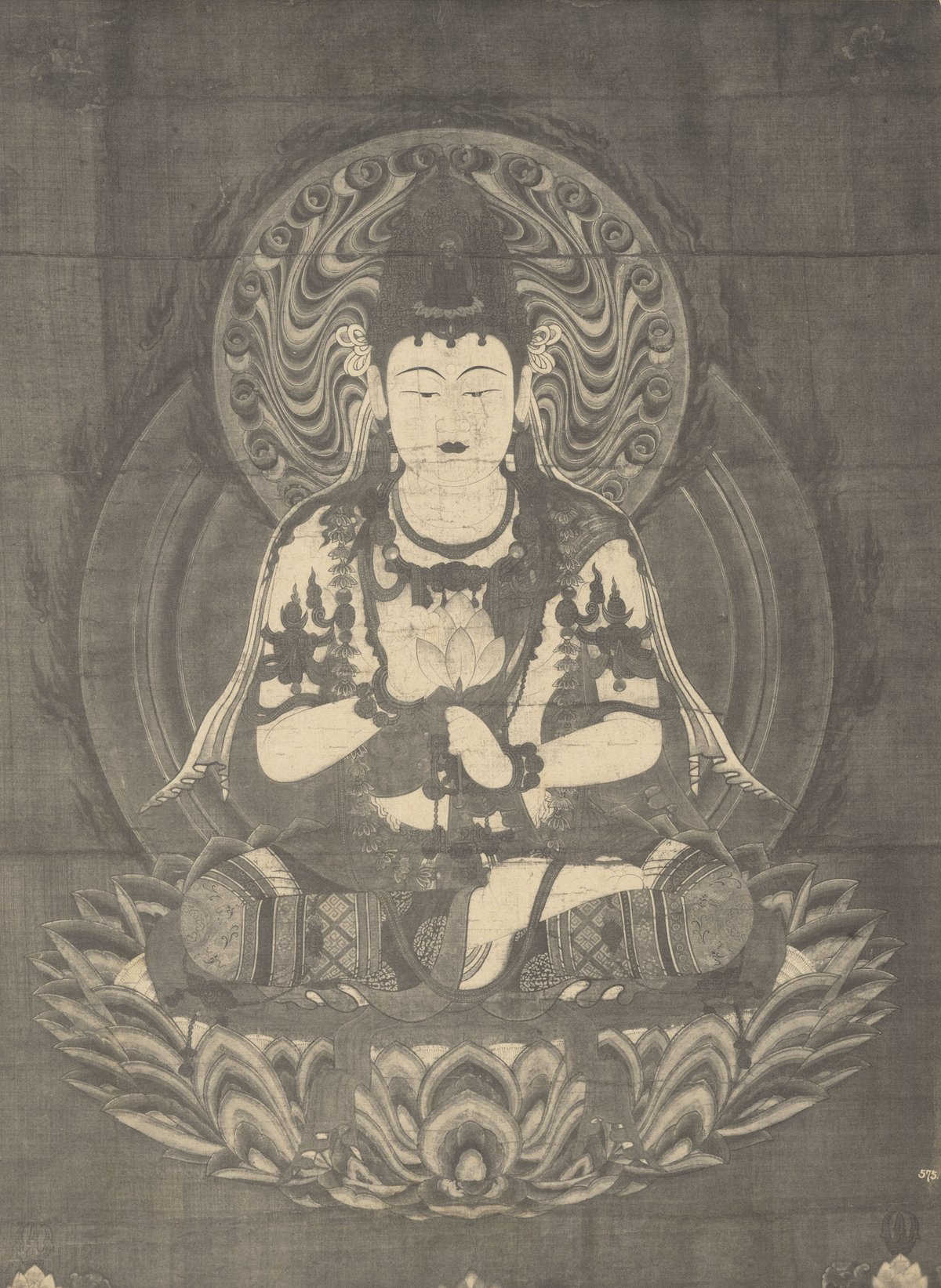
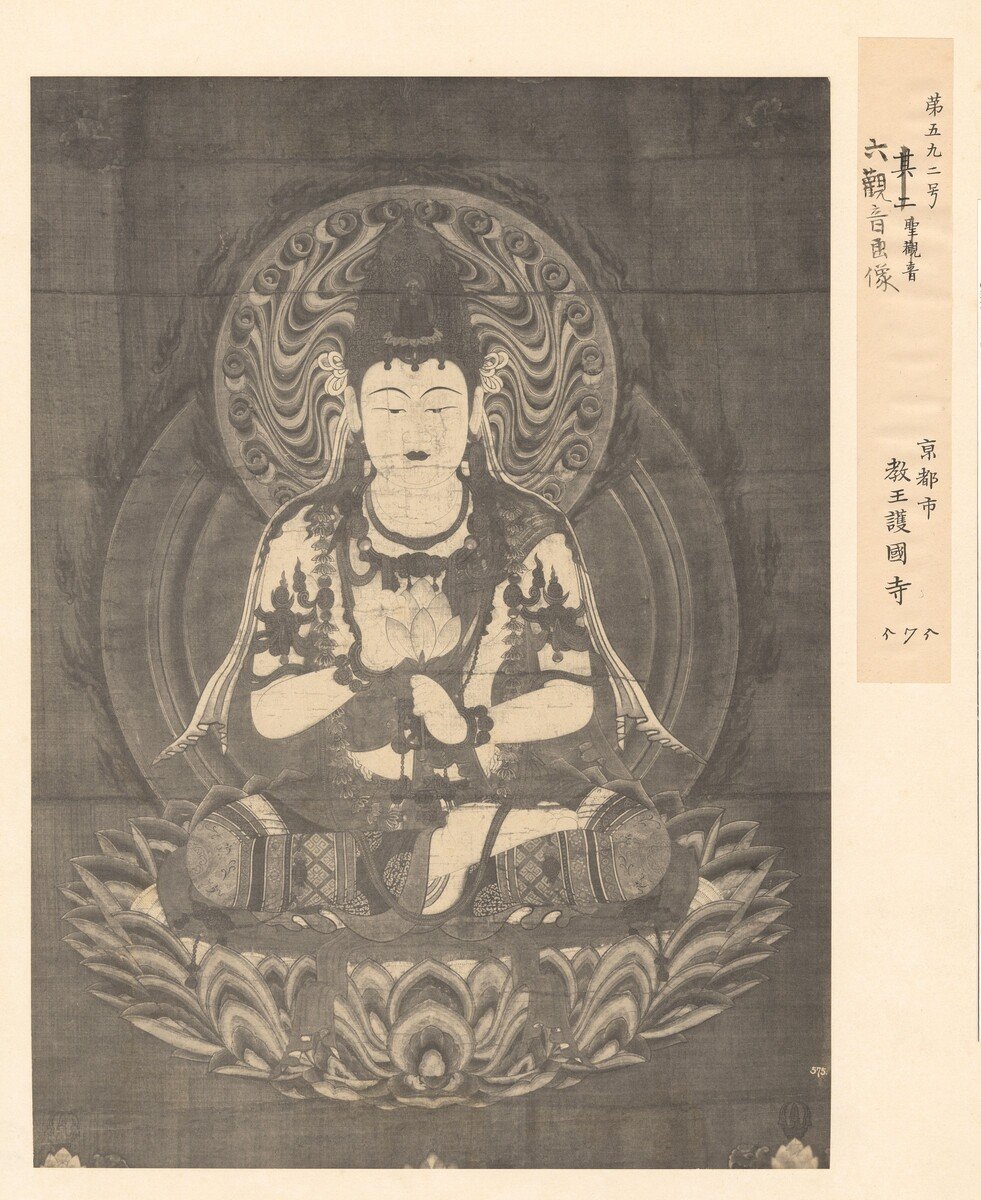
東寺は、空海(弘法大師)によって開かれた真言密教の精神的中心地です。講堂には、薬師如来(仏陀の薬師)や曼荼羅に触発された仏像配置など、重要な仏像が収められています。空海の密教的な教え、儀式、芸術は、今日まで寺院のアイデンティティを形成し続けています(Journey Through Japan)。
儀式と祭り
この寺院は、日々の儀式、追善供養、そして主要な公開イベントで活気にあふれています。弘法大師を称えるために毎月21日に行われる弘法市(こうぼうさん)は、精神的な信仰と伝統的な商業を融合させ、何千人もの巡礼者や訪問者を引きつけています(Inside Kyoto)。
訪問者情報:拝観時間、チケット、アクセス
拝観時間
- 通常拝観時間 午前9時~午後5時(最終入場 午後4時30分)
- 特別拝観 季節のライトアップや祭りの期間中は延長されます。
チケット料金
- 境内 無料
- 金堂、講堂、五重塔 500~800円(特別イベントの料金は異なる場合があります)
アクセスと道順
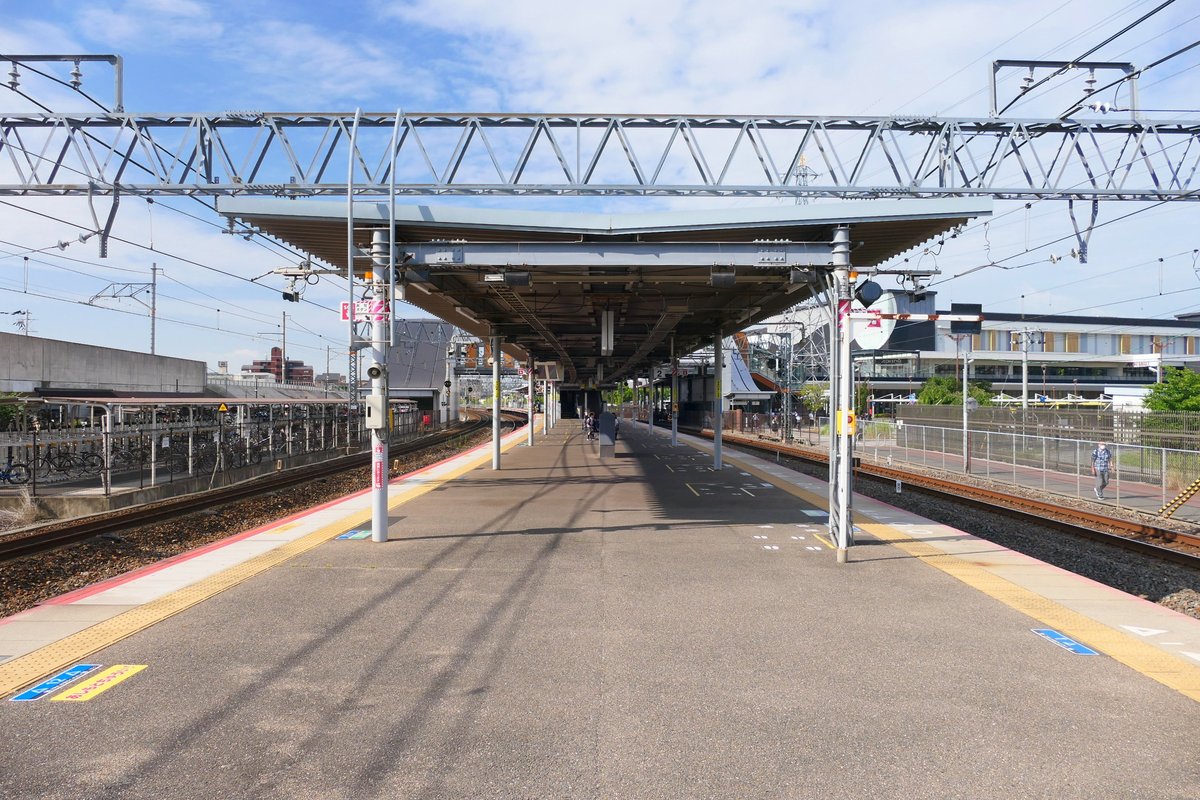
東寺は、京都駅から徒歩10~15分、または東寺駅(近鉄線)からすぐです。境内には舗装された通路やスロープがあり、歴史的建造物には一部アクセスが制限されている場所があります。障害のある訪問者には、支援が利用できます。
旅行のヒント
- 毎月21日には弘法市を訪れてみてください。
- 混雑を避けるために、早朝か平日に訪れてください。
- イベントやチケットの最新情報は、公式の東寺ウェブサイトでご確認ください。
日本文化・社会における東寺の役割
皇室・政権との関係
東寺は、皇室との深い繋がりを通じて、国家鎮護のための儀式の中心地となってきました。平安時代には、首都内に許可された数少ない寺院の一つであり、そのエリート的な地位を反映していました。
芸術・文化遺産
寺院の宝物コレクションには、国宝や重要文化財が含まれます。その建築様式と仏像は、何世代にもわたる日本の芸術家や職人に影響を与え、中国から日本への密教の教えの伝達において、極めて重要な役割を果たしました。
保存と現代的意義
度重なる火災や地震による焼失にもかかわらず、東寺は忠実に再建されており、京都の遺産保存への コミットメントを 反映しています。ここは 、 生きた寺院 、 巡礼地 、 The 12th Century Buddhist Temple, known also as the "East Temple", is one of Kyoto's most important historical and religious landmarks. Its history dates back to 796 CE, shortly after Kyoto was established as the former Imperial capital. The temple is famous for housing the tallest wooden pagoda in Japan, which measures 54.8 meters (180 feet) high. This historically significant site is recognized by UNESCO as part of Kyoto's World Heritage list.
History of Tō-ji Temple
The temple was founded in 796 CE, the same year that the new capital city of Heian-kyō (now Kyoto) was established. Tō-ji, meaning "East Temple," was one of two temples built at the southern gate of the capital, the other being Sai-ji, or "West Temple." Only Tō-ji remains today.
In 823 CE, Emperor Saga transferred ownership of the temple to the Buddhist monk Kūkai, also known as Kōbō Daishi, who was the founder of the Shingon school of Japanese Buddhism. Kūkai is credited with developing the temple's layout and building its first pagoda, which was destroyed by lightning in 1486. The present pagoda was erected in 1644 by Tokugawa Iemitsu, the third shogun of the Tokugawa shogunate.
Tō-ji has a long history of being rebuilt and restored after fires, earthquakes, and other disasters. Its survival and continued grandeur stand as a testament to the dedication of its monks and patrons over the centuries. In 1994, Tō-ji was designated a UNESCO World Heritage Site as part of the "Historic Monuments of Ancient Kyoto."
Significance of Tō-ji Temple
Religious Significance
Tō-ji is the headquarters of the Shingon school of Buddhism, one of Japan's most prominent monastic traditions. The temple is home to many significant Buddhist statues and artifacts, including the main image of Yakushi Nyorai (the Medicine Buddha) in the Kondō (Golden Hall). Kūkai's teachings and the rituals associated with the Shingon sect are central to the temple's spiritual life.
Cultural and Architectural Significance
The five-story pagoda is a national treasure and a symbol of Kyoto. Its height and elegant design represent Buddhist cosmology, with each tier symbolizing a different element. The temple's architecture reflects a blend of Japanese and Chinese influences, showcasing the evolution of Buddhist temple design in Japan. The temple grounds also feature beautiful gardens and several other important halls and structures, each with its own historical and artistic value.
Events and Activities
Tō-ji hosts several popular events throughout the year:
- Kōbō-san Market Held on the 21st of every month, this large flea market attracts thousands of visitors and vendors selling antiques, crafts, food, and plants. It's a vibrant cultural experience that honors Kōbō Daishi.
- Night Illuminations During spring (cherry blossom season) and autumn (fall foliage season), the temple grounds and pagoda are illuminated at night, offering a magical and photogenic experience.
Visiting Tō-ji Temple
Access and Location
Tō-ji Temple is conveniently located a short walk (about 10–15 minutes) south of Kyoto Station. Visitors can also take the Kintetsu Line one stop from Kyoto Station to Tōji Station.
Visiting Hours and Admission
- Temple Grounds Typically open from 5:00 AM to 5:00 PM (hours may vary seasonally).
- Kondō (Golden Hall), Kōdō (Lecture Hall), and Treasure Hall Open from 8:30 AM to 5:30 PM (last admission at 5:00 PM). From September 20 to March 19, hours are 8:30 AM to 4:30 PM (last admission at 4:00 PM).
- Admission
- Temple Grounds: Free
- Kondō, Kōdō, Treasure Hall: ¥500 each
- Combined Ticket (Kondō, Kōdō, Treasure Hall): ¥800
- Pagoda Interior The interior of the five-story pagoda is generally not accessible to the public but is open on special occasions throughout the year.
Practical Tips for Visitors
- Best Time to Visit Early mornings on weekdays offer a quieter experience and fewer crowds. Visit on the 21st of the month to experience the Kōbō-san Market.
- Photography Photography is permitted on the temple grounds, but please refrain from taking photos inside the halls and of religious artifacts. Drones, tripods, and monopods are prohibited.
- Accessibility The temple grounds are mostly accessible, with paved paths. However, some historic buildings may have steps or limited access for visitors with mobility challenges.
- Where to eat Plenty of dining options are available around Kyoto Station and near the temple entrance.
Conclusion
Tō-ji Temple is an essential destination for anyone visiting Kyoto, offering a profound glimpse into Japan's rich religious, cultural, and architectural history. Its iconic pagoda, vibrant markets, and serene atmosphere make it a truly memorable experience. Ensure you check the official website for the most up-to-date information on opening hours, admission fees, and special events before your visit.