Table of Contents
- Introduction
- History of the ROC Army Logistics Command
- Strategic Importance
- Visiting Military Historical Sites in Taipei
- Accessibility and Visitor Experience
- Martyrs' Shrine in Taipei: Visitor Guide
- Frequently Asked Questions (FAQ)
- Plan Your Visit and Explore More
- Conclusion
- Sources
History of the ROC Army Logistics Command
Origins and Historical Significance
Founded in 1946 as the Joint Service Headquarters, later renamed the Combined Logistics Command, this body centralized ROC military supply, transport, ordnance, maintenance, and medical services. The move was crucial for Taiwan’s defense readiness during the ROC government’s relocation to the island and ongoing tensions with the People’s Republic of China.
Organizational Structure and Key Functions
Under the Ministry of National Defense (MND), the Command managed a broad spectrum of responsibilities: finances, military printing, weapons production, medical support, and the administration of military cemeteries. These functions underscored Taiwan’s pursuit of a self-reliant, resilient military logistics system.
Evolution and Reforms
Significant reorganizations in 1950, 1966, and through the 2004 Jingjin program streamlined logistics to meet modern defense needs. The 2012 restructuring further integrated logistics operations into the current Army Logistics Command, while preserving the Command’s historic identity under the Armaments Bureau.
Strategic Importance
Taiwan’s position, just 180 kilometers from mainland China, amplifies the significance of robust military logistics. The Command is crucial for maintaining supply chains, engineering, transportation, and medical readiness, ensuring rapid mobilization against potential threats such as amphibious assaults or blockades by the People’s Liberation Army (PLA). Taipei’s network of underground facilities, tunnels, and bunkers further solidifies its defense posture and operational continuity.
Visiting Military Historical Sites in Taipei
Visitor Access and Restrictions
Note: The ROC Army Logistics Command headquarters is an active military facility and is not open to the public. There are no regular visiting hours or tickets for this specific site, and photography or entry is strictly limited to authorized personnel.
Popular Military and Historical Sites Nearby
-
Ministry of National Defense Museum Exhibits Taiwan’s military history, including logistics support systems, with bilingual displays.
-
National 228 Memorial Museum Explores Taiwan’s complex modern history and significant political transitions.
-
Chiang Kai-shek Memorial Hall Contextualizes the ROC’s political and military heritage with interactive exhibits.
-
National Palace Museum Houses artifacts related to Taiwan’s political and military evolution.
-
Armed Forces Museum Features military equipment, uniforms, and detailed historical displays.
-
National Revolutionary Martyrs’ Shrine Honors fallen soldiers and features ceremonial events.
-
Taipei Military Museum Offers interactive displays and guided tours (consult their official website for hours and ticketing).
Visiting Hours & Tickets
-
Ministry of National Defense Museum Open Tuesday–Sunday, 9:00 AM–5:00 PM. Closed Mondays and national holidays. Admission is free.
-
National 228 Memorial Museum Open daily, 9:00 AM–5:00 PM. Free entry.
-
Chiang Kai-shek Memorial Hall Open daily, 9:00 AM–6:00 PM. Free entry.
-
National Palace Museum Open Tuesday–Sunday, 8:30 AM–6:30 PM. Closed Mondays. Admission fee applies.
Accessibility and Guided Tours
Most museums are wheelchair accessible and offer English-language guided tours. Advance booking is advised; consult official websites for details.
Special Events and Exhibits
Museums frequently host special exhibitions, commemorative events, and educational programs relating to Taiwanese military logistics and history. Check official sites for schedules.
Photographic Spots
Notable photographic opportunities include the grand architecture of Chiang Kai-shek Memorial Hall, the ceremonial displays at the Ministry of National Defense Museum, and the tranquil grounds of the Martyrs’ Shrine. Please observe signage regarding photography restrictions.
Transportation
Taipei’s MRT system provides convenient access to these sites. For example, the Ministry of National Defense Museum is near Taipei Main Station, accessible by multiple transit lines. Use the EasyCard system for seamless transfers.
Weather and Visitor Tips
Taipei’s subtropical climate brings hot, humid summers and regular rain. Dress comfortably, carry an umbrella, and wear modest clothing when visiting memorials or cemeteries.
Accessibility and Visitor Experience
Location and General Accessibility
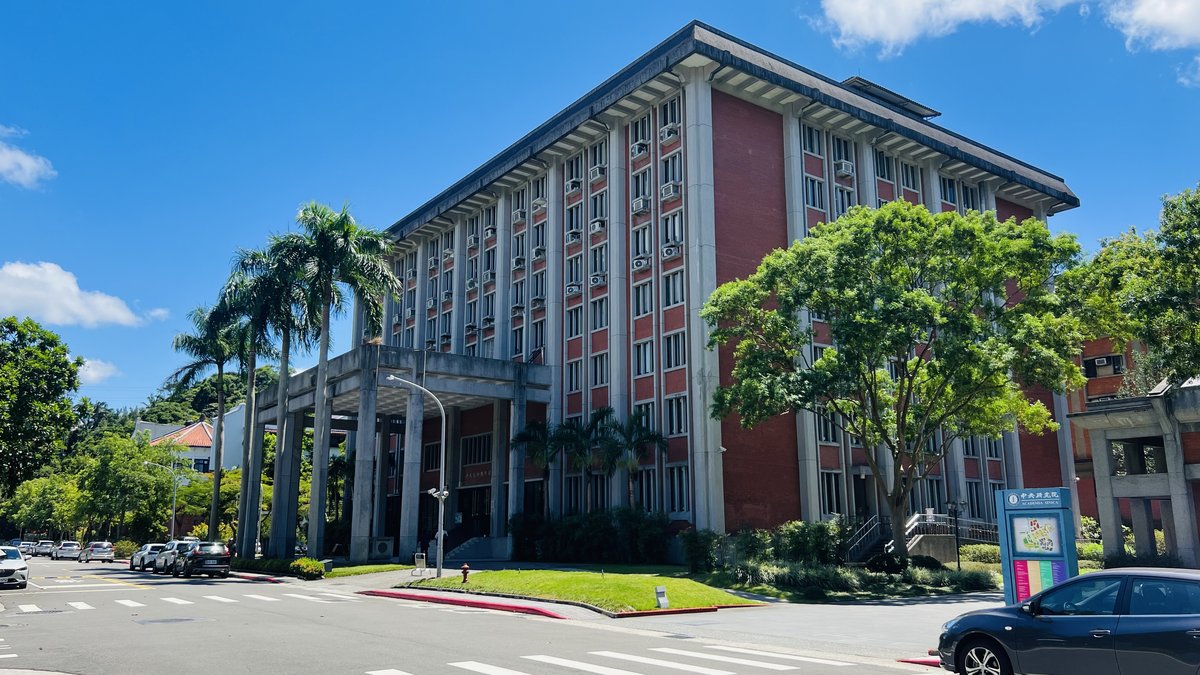
The Logistics Command is situated in the Zhongzheng District, near Taipei Main Station, and is surrounded by significant administrative and military institutions.
Security and Entry Protocols
Strict security measures prohibit public access and photography of military facilities. Visitors are advised to respect all posted signage and refrain from lingering near restricted areas.
Nearby Taipei Historical Sites
- Presidential Office Building Open for weekday tours (Presidential Office Visitor Information).
- 228 Peace Memorial Park Museum, gardens, and historical exhibits.
- National Taiwan Museum The island’s oldest museum, featuring natural and cultural history.
Guided Tours and Special Events
While there are no tours of the Logistics Command itself, guided walking tours of the Zhongzheng District provide historical context and exterior views. The Ministry of National Defense occasionally hosts open house events on national holidays.
Accessibility for People with Disabilities
Taipei’s MRT stations have elevators and tactile paving. Most museums and memorials are wheelchair accessible, though access to the Logistics Command is restricted.
Practical Visitor Tips
- Use official guided tours and museum resources to learn about Taiwan’s military history.
- Do not photograph military installations unless explicitly permitted.
- Consult official websites for the latest visiting hours and event updates.
Entry Requirements for International Visitors
International visitors must complete the Online Arrival Card, possess a valid passport, and comply with visa policies. Detailed requirements are available via the Taiwan Tourism Administration (Taiwan Tourism Administration).
Martyrs' Shrine in Taipei: Visitor Guide
Overview and Highlights
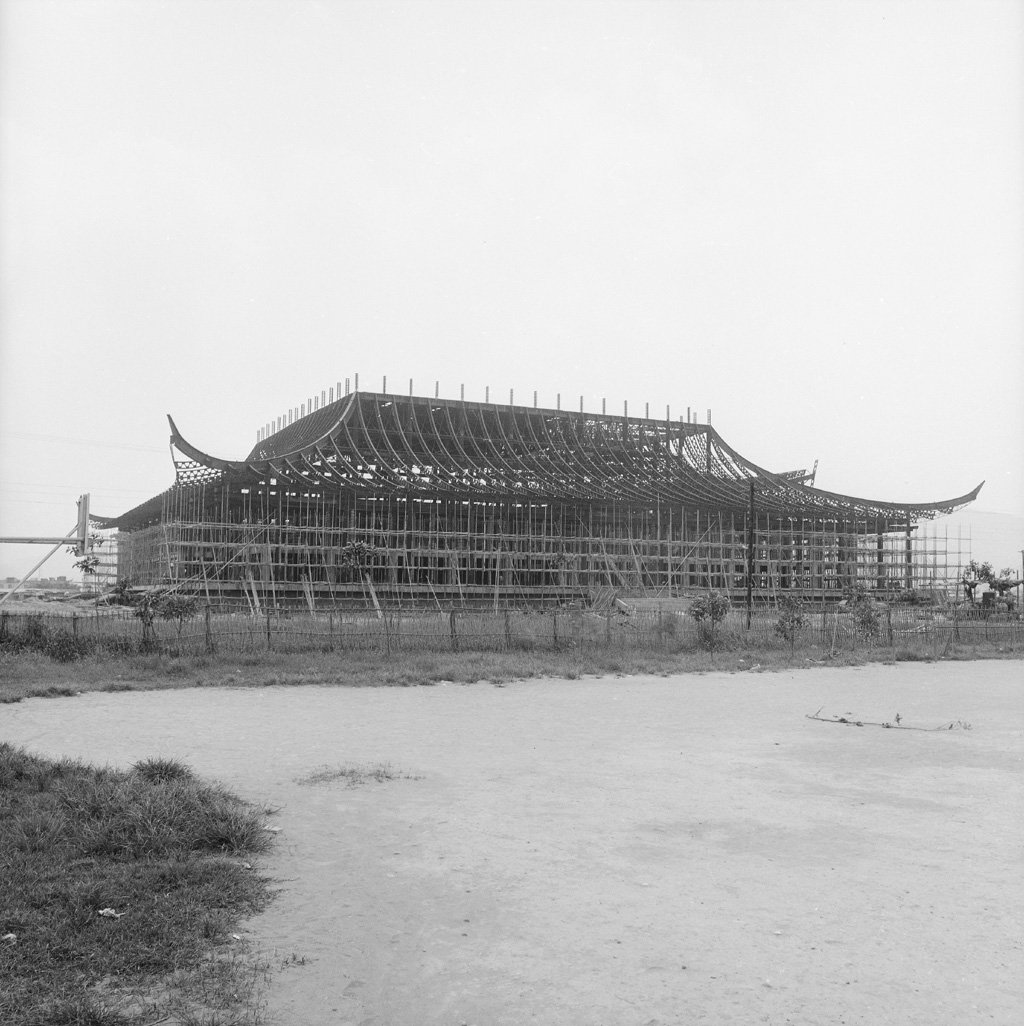
The Martyrs' Shrine (忠烈祠) is a striking monument dedicated to the war dead of the Republic of China. Built in 1969, it features classical Chinese architectural motifs and tranquil gardens. The site honors those who perished in the Chinese Civil War and other major military conflicts.
Visiting Hours and Ticket Information
- Hours Open daily, 9:00 AM–5:00 PM; last admission at 4:30 PM.
- Admission Free.
- Guided Tours Free tours are available on weekends and public holidays at 10:00 AM and 2:00 PM (advance booking recommended via Taipei Tourism).
Location and Transportation
- Location Zhongshan District, near Yangmingshan National Park.
- MRT Tamsui-Xinyi Line (Red), Yuanshan Station, Exit 1; 15-minute walk or short bus ride.
- Bus Routes 紅30 and 260.
- Parking Limited on-site parking.
Highlights
- Changing of the Guard Hourly from 9:00 AM–4:00 PM; a popular ceremonial event.
- Architecture Ornate pavilions, red walls, golden roofs, and lush gardens.
- Peace Garden Serene landscaping, ponds, and memorial plaques.
Nearby Attractions
- Yangmingshan National Park Hot springs and nature trails.
- National Palace Museum Extensive collection of Chinese imperial artifacts.
- Shilin Official Residence Chiang Kai-shek’s former home with beautiful gardens.
Accessibility and Visitor Tips
- The shrine is wheelchair accessible.
- Photography is permitted outdoors, but not during guard changes.
- Dress modestly out of respect for the memorial.
Special Events and Festivals
The shrine hosts commemorations on Armed Forces Day and Veterans Day, including parades and ceremonies.
Frequently Asked Questions
Q: Is there an entry fee? A: No, admission is free.
Q: When is the changing of the guard? A: Hourly from 9:00 AM–4:00 PM.
Q: Are guided tours available? A: Yes, on weekends and holidays.
Q: Can I take photos? A: Outdoors only; prohibited during ceremonies.
Frequently Asked Questions (FAQ)
Can I visit the ROC Army Logistics Command headquarters? No, it is not open to the public.
Which military museums are available in Taipei? The Armed Forces Museum and Taipei Military Museum.
Are guided tours available? Yes, at most museums (advance booking recommended).
Are there admission fees? Most military museums are free; the National Palace Museum charges a fee.
When’s the best time to visit? Spring and autumn are ideal for comfortable sightseeing.
Plan Your Visit and Explore More
Explore Taiwan’s military history by visiting Taipei’s museums and memorials. For enhanced experiences, download the Audiala app for maps, audio guides, and exclusive content on military heritage. Consult official resources for the latest updates and event announcements.
Summary and Visitor Recommendations
The ROC Army Logistics Command symbolizes Taiwan’s enduring strategic resilience since 1946. While direct access to the Command is unavailable due to its ongoing defense role, Taipei’s surrounding military museums and memorials—like the Ministry of National Defense Museum, National Revolutionary Martyrs’ Shrine, and Chiang Kai-shek Memorial Hall—offer rich educational experiences. Plan your visit using Taipei’s efficient MRT system, leverage guided tours, and respect all security protocols. Utilize digital resources, such as the Audiala app, for interactive guides and current information. Always consult official museum and tourism websites before your visit (Taiwan Tourism Administration, National Palace Museum, Official Taipei Tourism Website).
Sources
- Discovering the ROC Army Logistics Command: Taipei’s Military Historical Site Guide & Visitor Information, 2025 (https://www.travel.taipei/en/information/servicecenter)
- Visiting the ROC Army Logistics Command Area in Taipei: History, Significance, and Nearby Military Attractions, 2025 (https://www.afmuseum.tw/en)
- Visiting the Martyrs' Shrine in Taipei: Hours, Tickets, and Nearby Attractions, 2025 (https://www.travel.taipei/en)
- Accessibility and Visitor Experience: Visiting the ROC Army Logistics Command and Taipei Historical Sites, 2025 (https://eng.taiwan.net.tw/m1.aspx?sNo=0002063)
- National Palace Museum, 2025 (https://www.npm.gov.tw/en/)