
はじめに
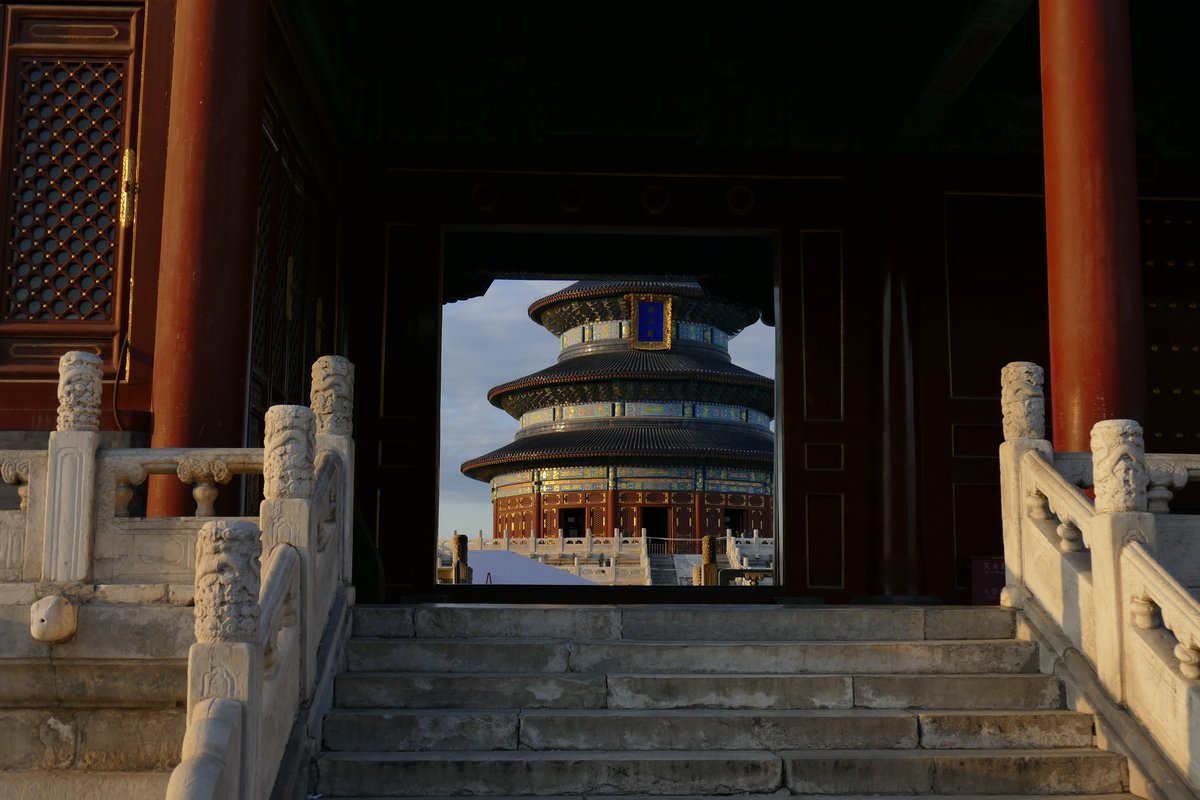
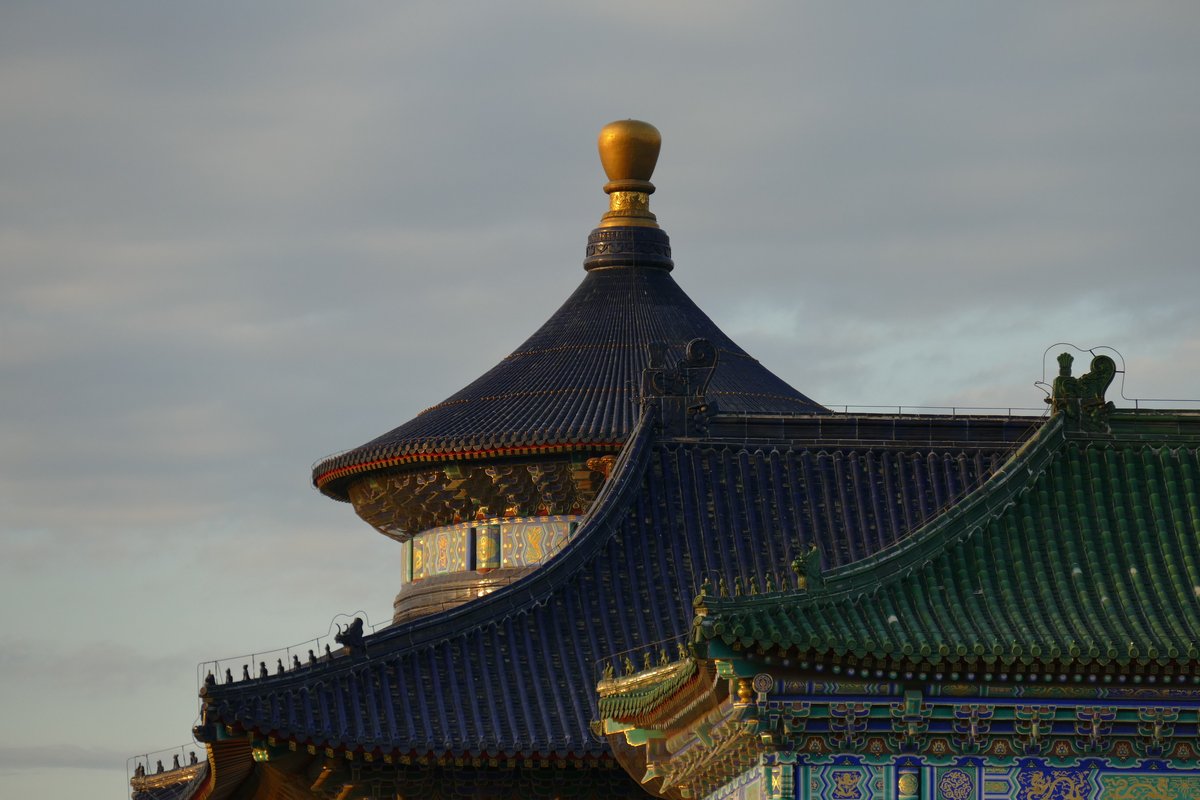
祈年殿(Hall of Prayer for Good Harvests)は、中国北京の天壇(Temple of Heaven)複合施設内に位置する、古代中国文化と宗教の象徴的な建物です。明王朝の永楽帝時代に1420年に建設され、この建築の傑作は最初、大祭殿(Great Sacrifice Hall)と呼ばれていました。祈年殿は、釘を使わずに100%木造で構築されており、28本の巨大な木柱が天体の秩序を象徴しています。このガイドでは、祈年殿の歴史、文化的意義、訪問者情報(チケット価格や開館時間、旅行のヒントなど)を包括的に解説し、訪れる全ての方にとって思い出に残る体験を保証します。
フォトギャラリー
天壇を写真で探索
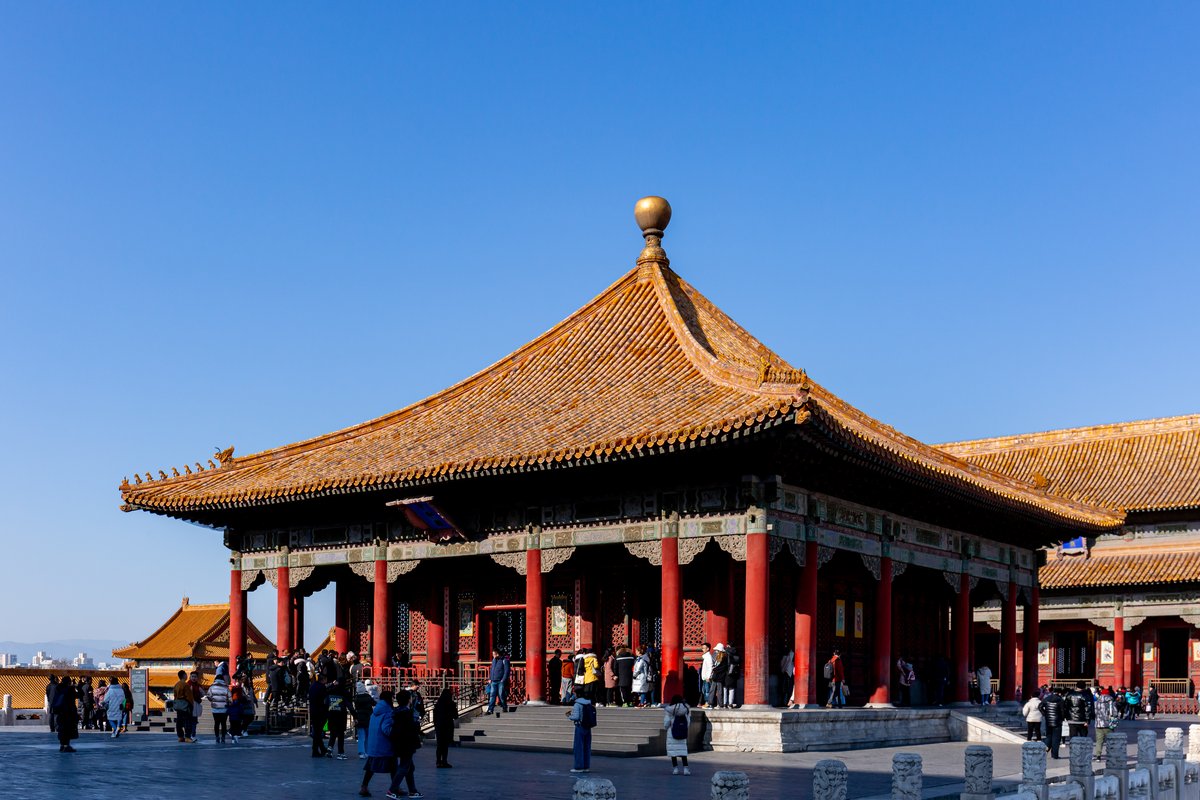
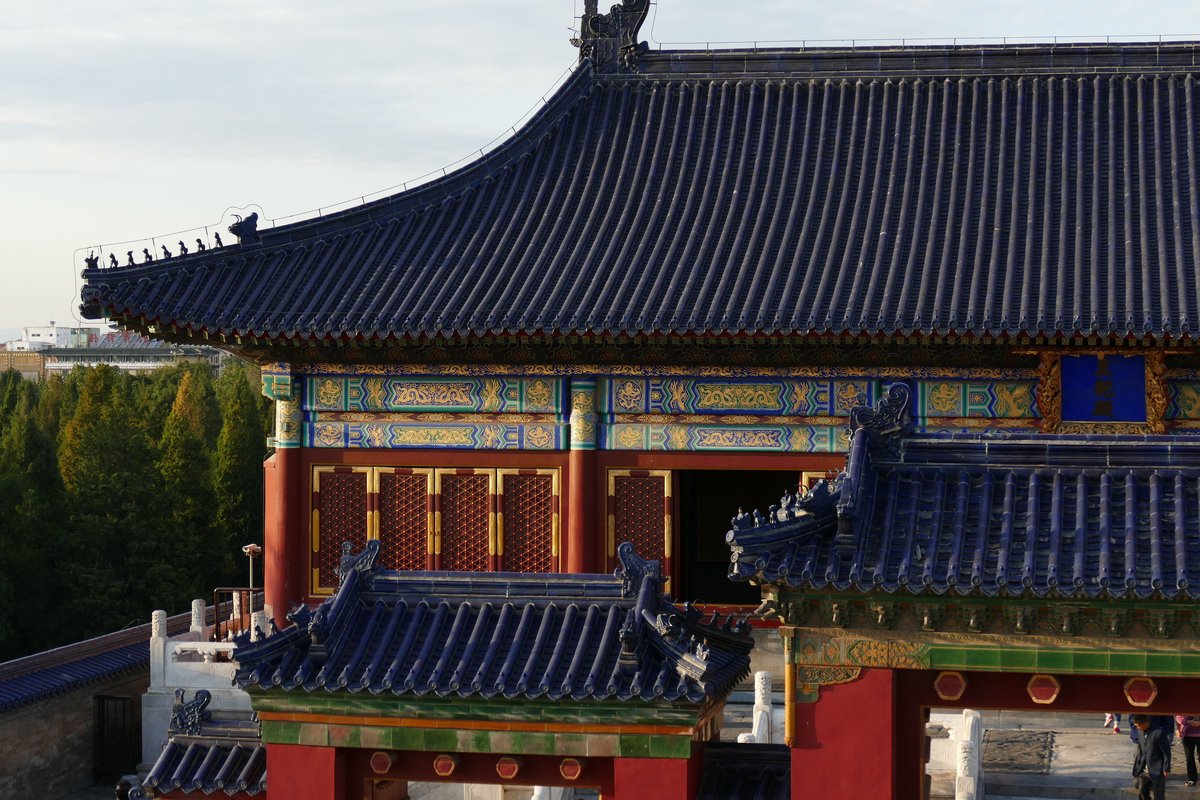
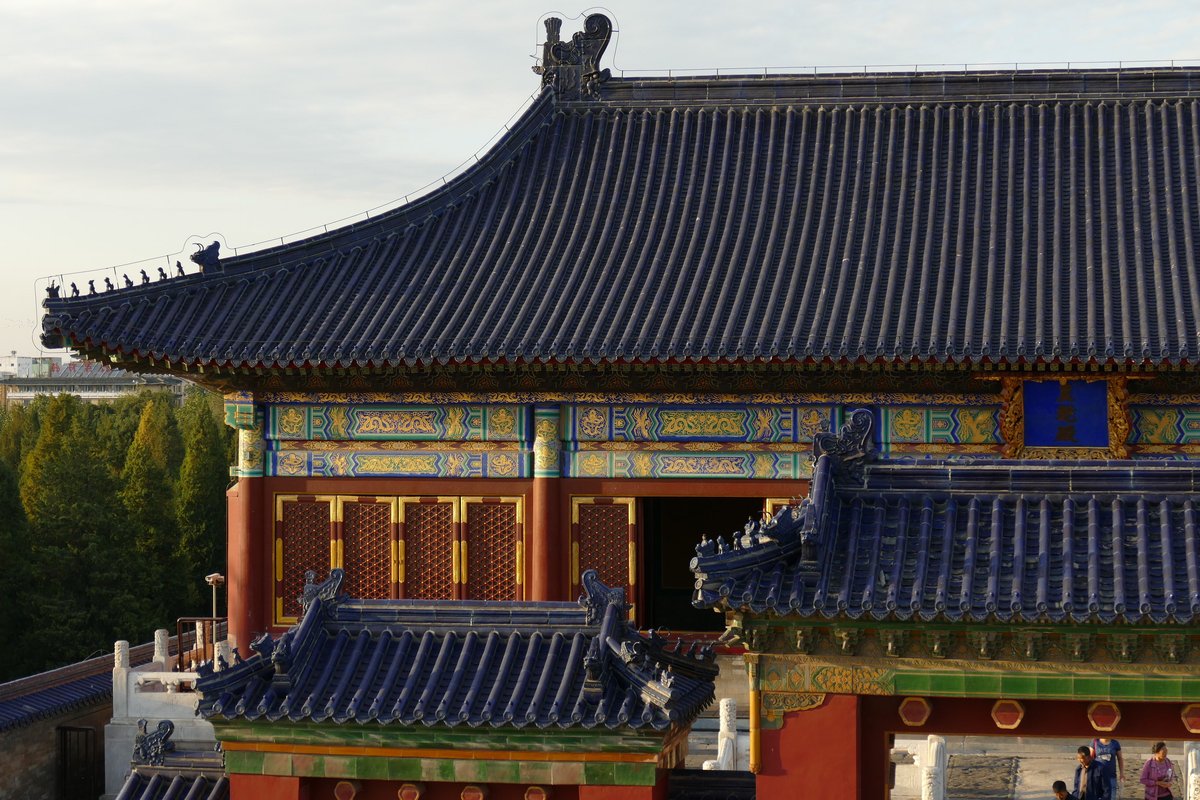
Scenic view of the Temple of Heaven in Beijing captured on September 29, 2014, showcasing the historic architectural site under a clear blue sky.
Photograph of the Temple of Heaven in Beijing taken on September 29, 2014, showing the historic architecture against a bright blue sky.
Photo of the Temple of Heaven in Beijing taken on September 29, 2014, showcasing the historic architectural beauty in clear weather
Photo of the Temple of Heaven in Beijing captured on September 29, 2014, showcasing the historical Chinese architecture and clear sky.
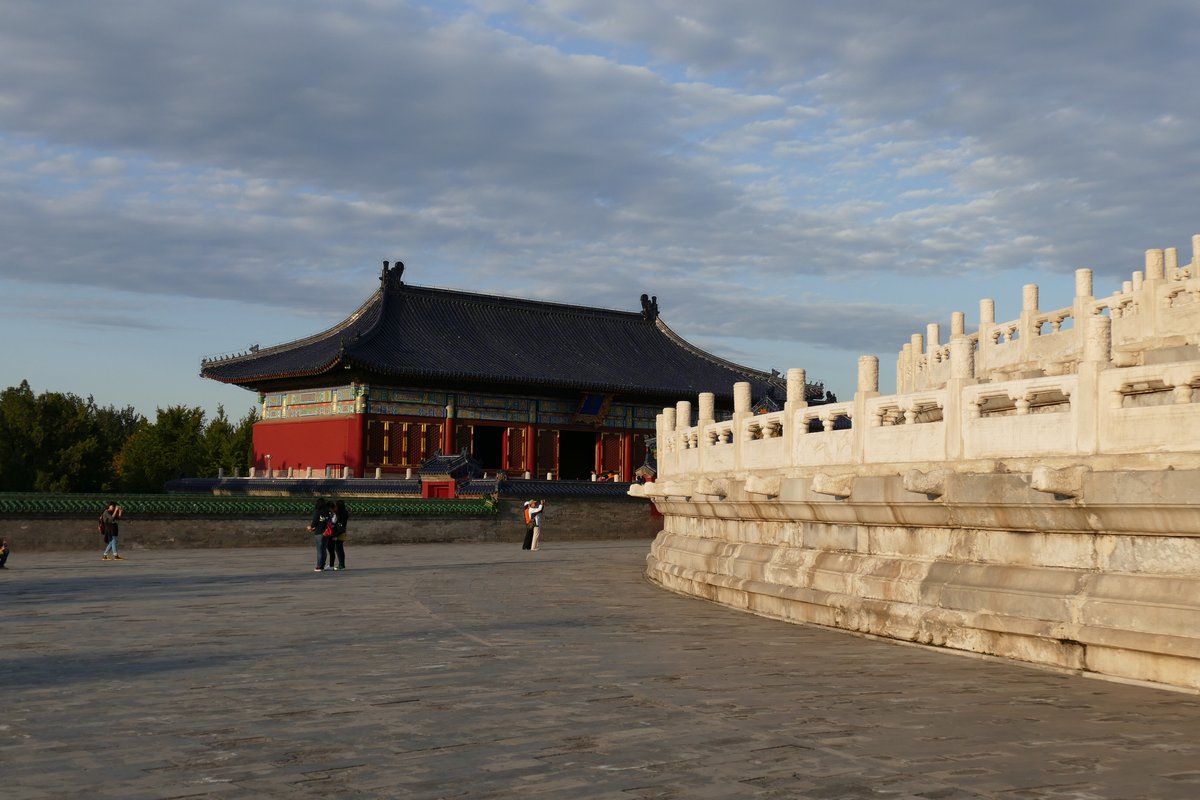
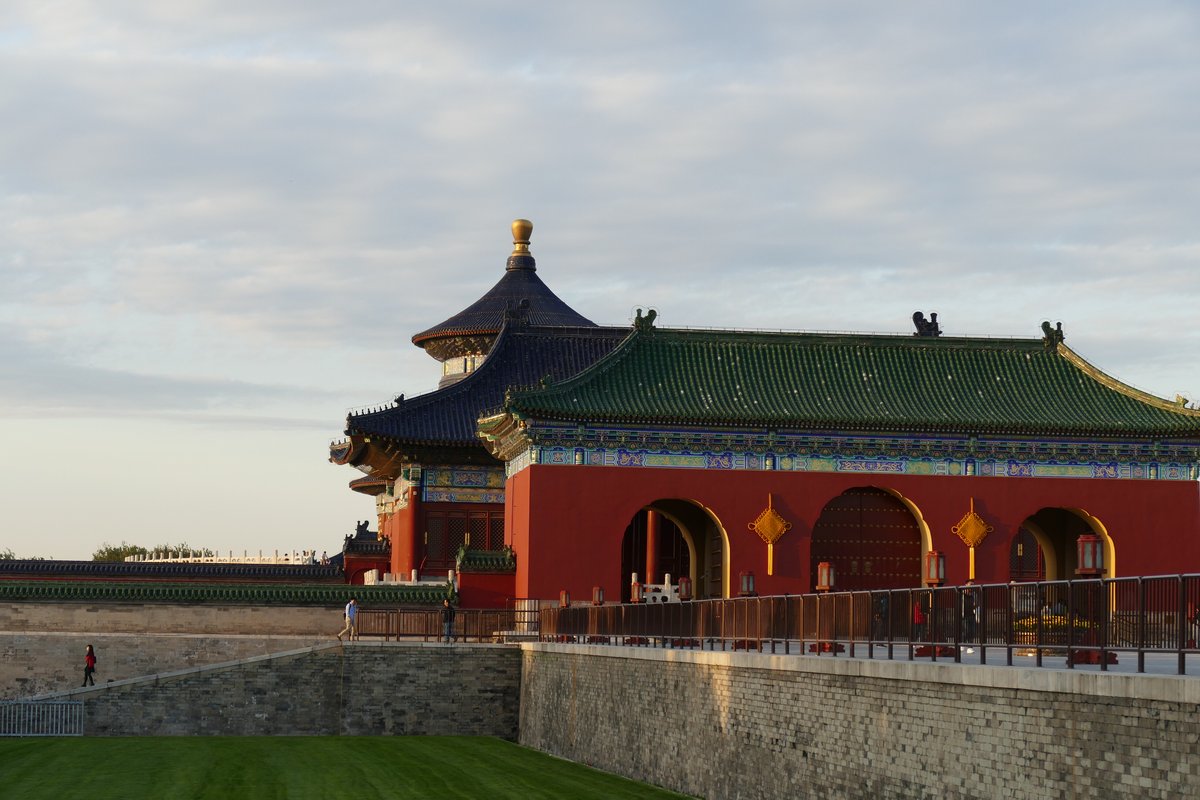
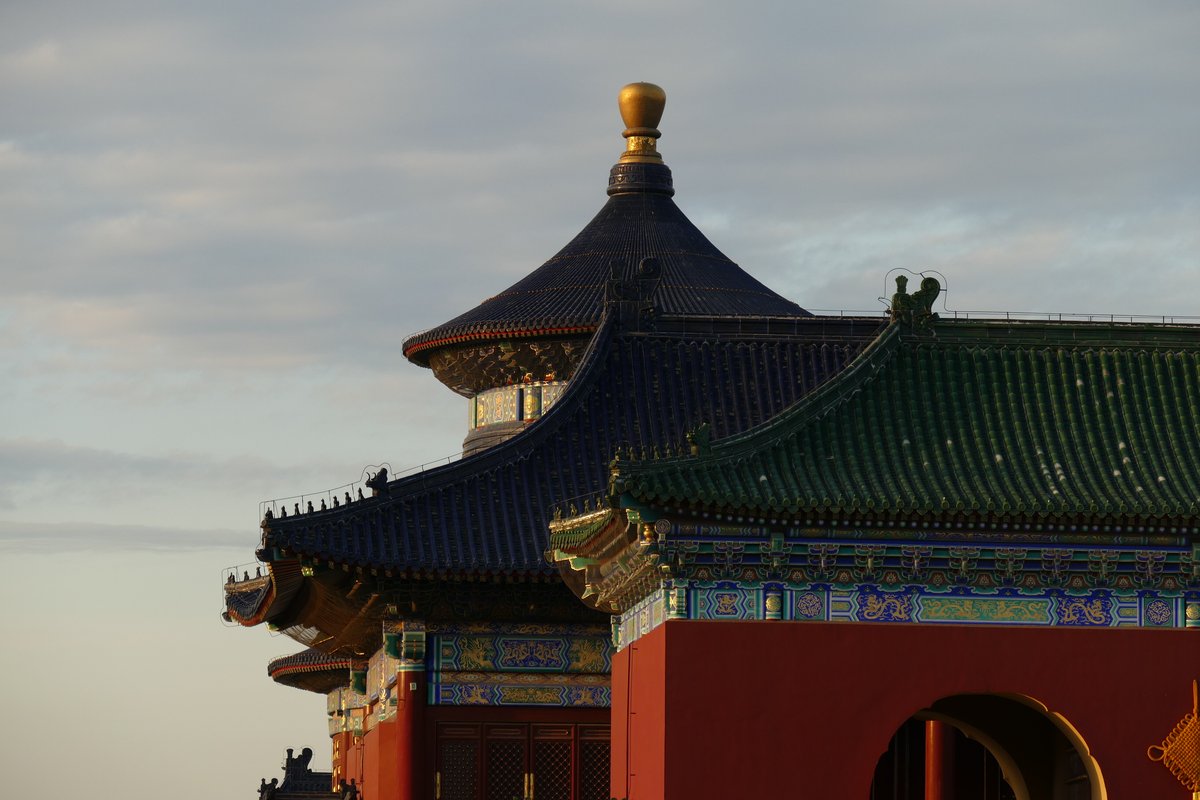
The Temple of Heaven in Beijing captured at sunset on September 29, 2014, showcasing its traditional Chinese architecture and vibrant colors.
Scenic view of the Temple of Heaven in Beijing captured on September 29, 2014, showcasing its traditional Chinese architectural style with lush green surroundings and a clear blue sky.
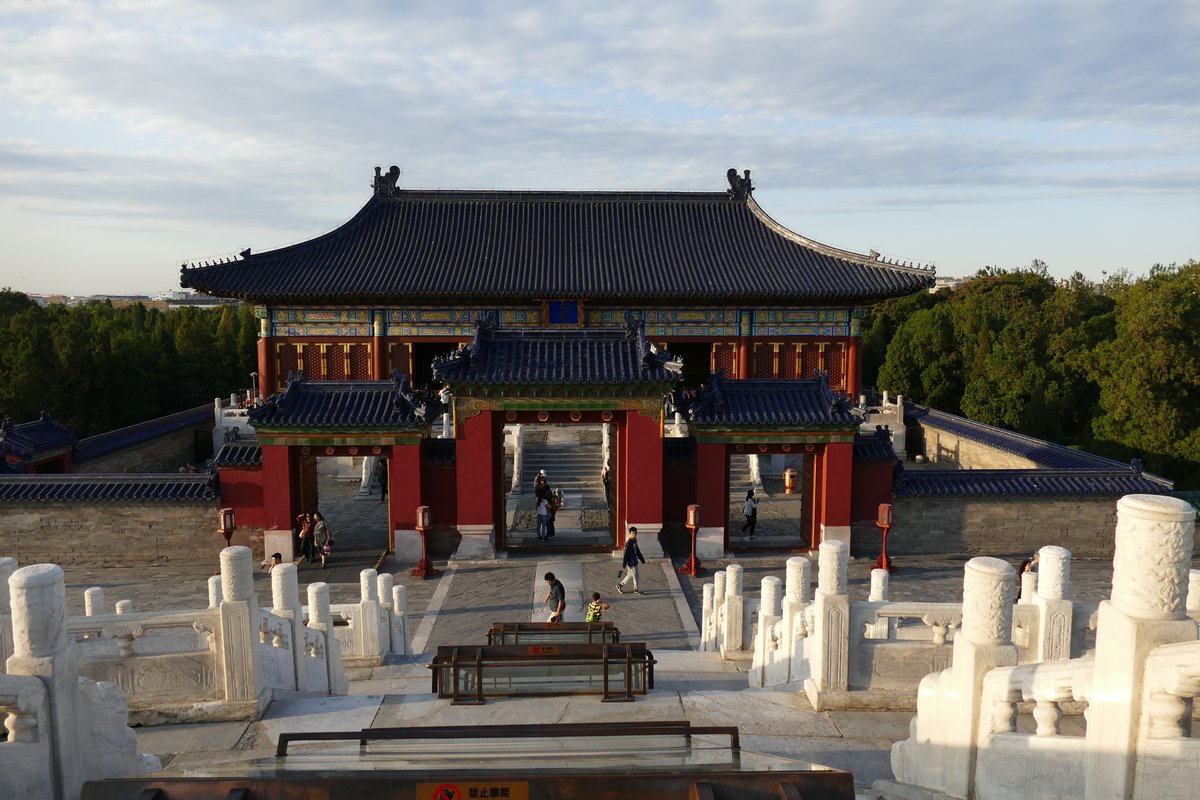
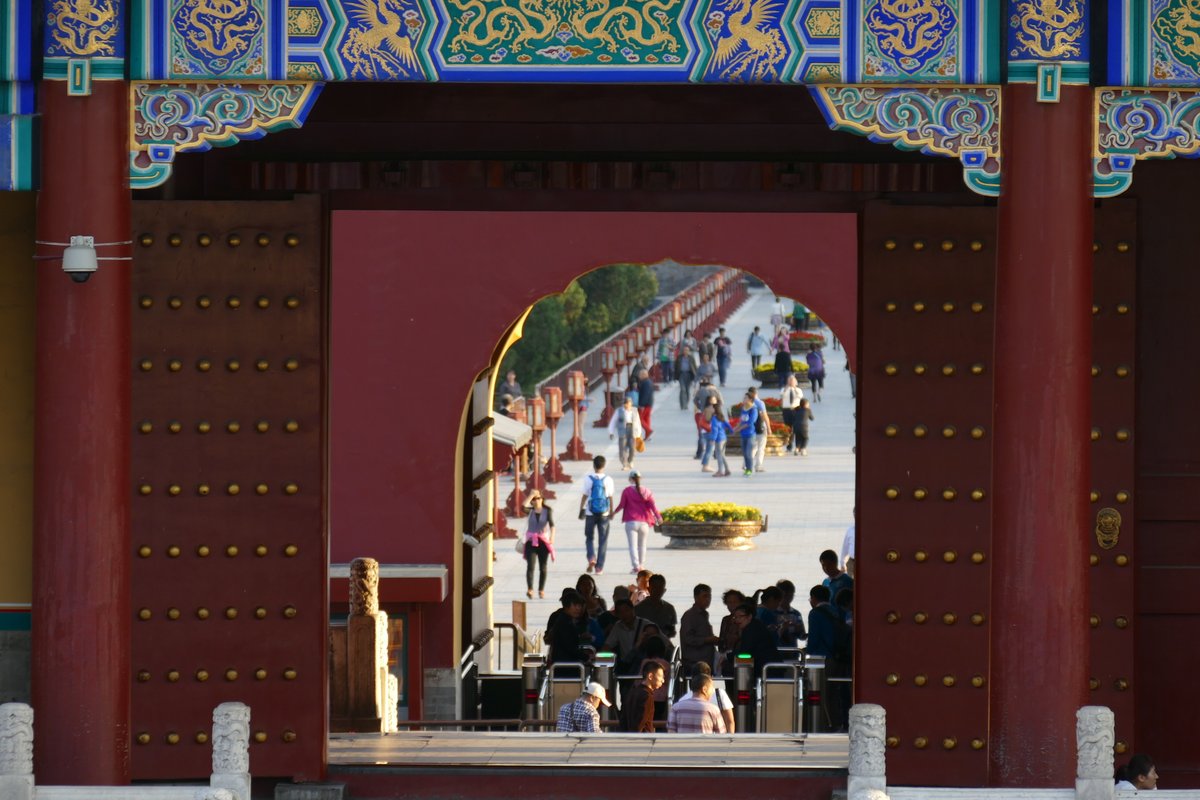
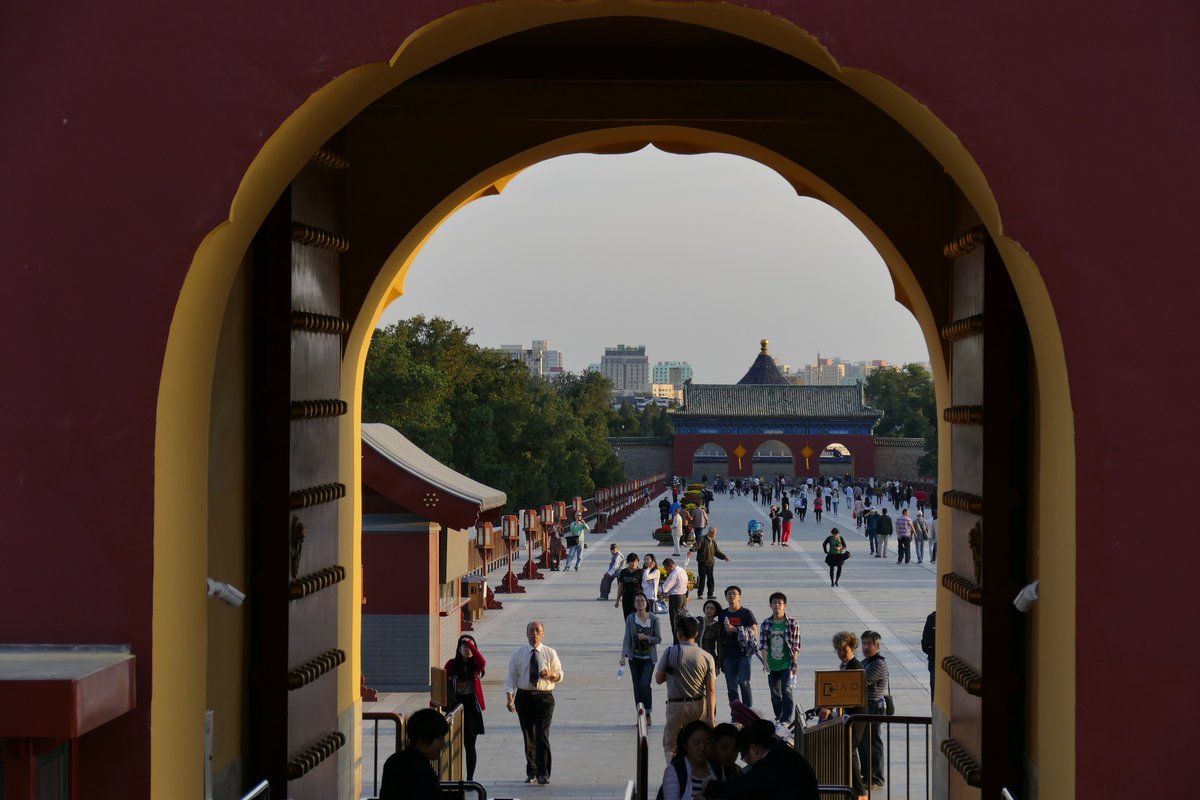
Scenic view of the Gate of Temple of Heaven in Beijing taken on September 29, 2014, showcasing traditional Chinese architecture
Photograph of the Gate of the Temple of Heaven in Beijing, taken on September 29, 2014. The temple gate features traditional Chinese architecture with vibrant colors and intricate details.
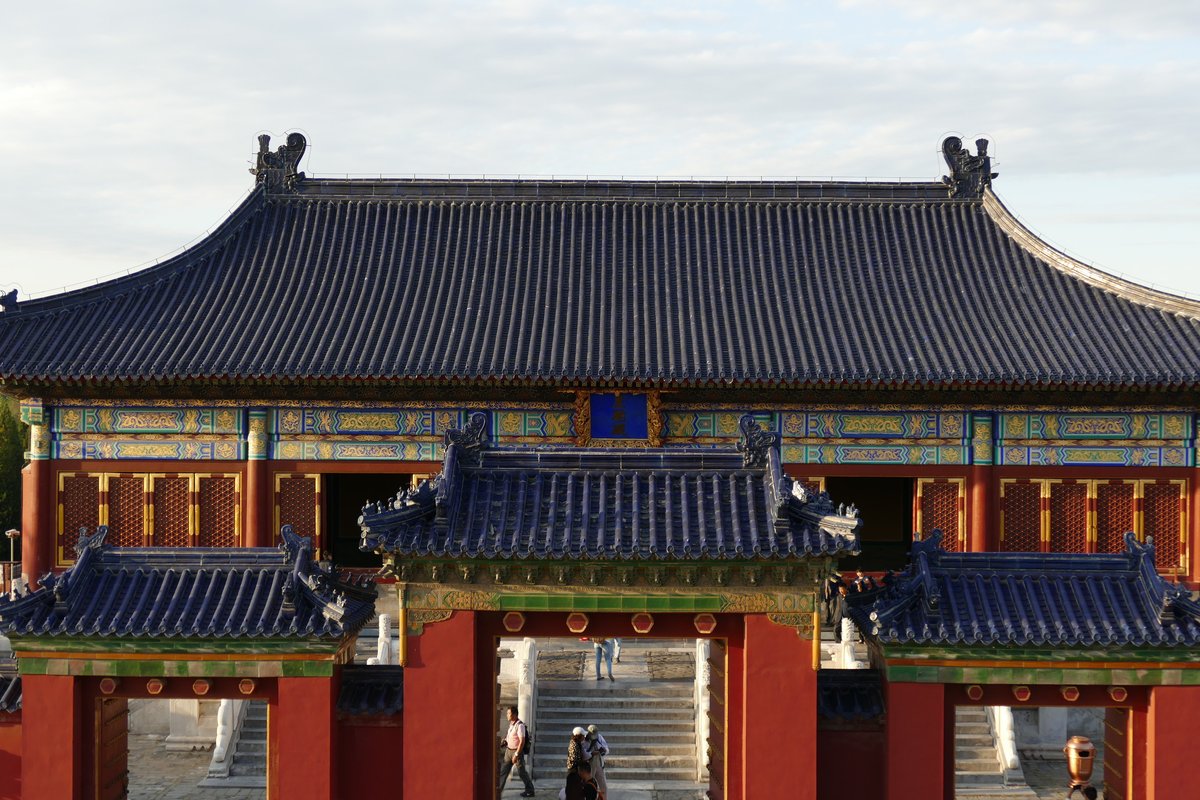
Photograph of the Gate of Temple of Heaven in Beijing taken on September 29, 2014, showcasing traditional Chinese architecture under a clear blue sky.
Scenic view of the Gate of the Temple of Heaven in Beijing with intricate architectural details on 29th September 2014
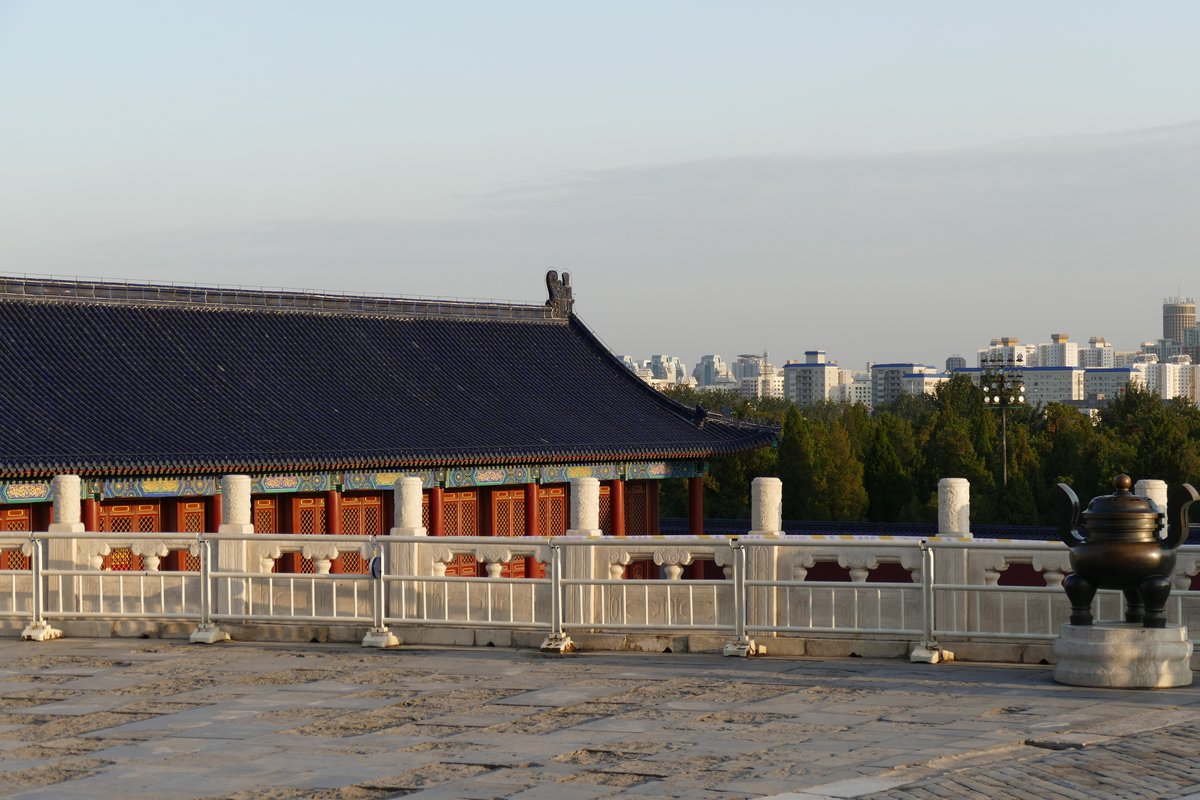
Photograph of the Temple of Heaven in Beijing taken on September 29, 2014, showcasing the iconic ancient Chinese architecture under clear skies.
Temple of Heaven in Beijing, China, captured on September 29, 2014, showcasing traditional Chinese architecture with clear blue sky background
祈年殿の歴史
起源と建設
祈年殿は、北京の天壇複合施設に位置する明王朝の建築作品です。建設は1420年、永楽帝の治世に始まり、同時に Forbidden City の建設も行われました。祈年殿は当初、大祭殿として知られ、毎年、良い収穫を祈願する儀式に使用されました。
建築の意義
祈年殿は、建築の独創性と象徴的なデザインで知られています。建物は三重屋根の円形構造で、高さ38メートル、直径36メートルです。全て木製で、釘を使用せずに造られ、28本の巨大な木柱で支えられています。
歴史的事件と修復
祈年殿は歴史を通じて多くの重要なイベントを目撃し、いくつかの修復を受けました。1889年の火災では元の構造が破壊されましたが、1890年に再建されました。1970年代と1980年代に政府による広範な修復計画が実施されました。
文化的・宗教的重要性
祈年殿は、中国の歴史において重要な文化的・宗教的重要性を持っています。皇帝が天の子とされ、強い富と平和を祈願し、善い収穫を確保することが重要な役割を果たしました。
保存と現代の重要性
今日、祈年殿は主要な観光地となり、毎年数百万の観光客を引き寄せています。保存と維持の努力が続けられ、この文化的・歴史的重要性のある構造が未来の世代にとっても価値あるものとなることを目指しています。
訪問者情報
チケット価格
天壇の複合施設(祈年殿を含む)のチケットは、季節や種類に応じて通常¥15〜¥35になります。
開館時間
天壇は通常、午前6時から午後8時まで営業しており、祈年殿を含む主要な建物は午前8時から午後5時30分までオープンしています。最新の情報については天壇公式ウェブサイトを確認してください。
特別イベントとガイドツアー
ガイドツアーが利用可能で、サイトの歴史や文化的重要性について深い洞察を得ることができます。また、特別なイベントも定期的に開催されており、特に伝統的な中国の祭りの期間中です。
旅行のヒント
訪問に最適な時期
訪問に最適なのは春(4月〜6月)や秋(9月〜11月)です。この時期、天候は穏やかで快適です。国民の祝日中のピークシーズンは避け、より静かな体験をすることをお勧めします。
アクセス方法
天壇は公共交通機関でアクセス可能です。最寄りの地下鉄駅は5号線の天壇東門駅です。複数のバスも近くに停車します。
近隣の観光地
Forbidden City、天安門広場、頤和園など、他の近隣の歴史的な場所を訪れることを検討することをお勧めします。
アクセスibiltiy
天壇複合施設には、障害を持つ訪問者向けに、ラミングやアクセス可能なトイレなどのアクセシビリティ機能が提供されています。
ビジュアルとメディア
よくある質問(FAQ)
Q: 祈年殿の開館時間は何ですか?
- A: 開館は午前8時から午後5時30分です。
Q: 祈年殿のチケットはいくらですか?
- A: チケット価格は¥15〜¥35です。
Q: 祈年殿は障害者の訪問者にアクセス可能ですか?
- A: はい、複合施設にはラミングやアクセス可能なトイレがあります。
アプリで完全なストーリーを聴く
Audiala App
iOS & Android対応
5万人以上のキュレーターに参加
出典
- verified
- verified
- verified
- verified
最終レビュー: